
TL;DR: Cebu runs from the pre-colonial Rajahnate of Cebu under Rajah Humabon, through Ferdinand Magellan’s 1521 landing and death at the Battle of Mactan against the chief Lapu-Lapu, to becoming the Philippines’ oldest Spanish-founded city and first capital under Miguel Lopez de Legazpi in 1565. Three centuries of Spanish rule, an American period, a brutal WWII occupation (1942–1945), and postwar growth followed, and today Cebu is the Queen City of the South — a metro of over 3.2 million people and one of the country’s largest IT-BPM hubs. Nearly all of it is visible in a single walkable downtown circuit. Verified July 2026.
Cebu is often sold as beaches and diving, but it’s also where Philippine history effectively begins — the first recorded contact between a Southeast Asian kingdom and a European power, the first defeat of that power on Philippine soil, and the first Spanish capital in the archipelago, all within a few blocks of downtown Cebu City. This guide is the fast, practical version of that story: the eras in order, the dates that matter, and where to actually go to see each one. If you want the deeper dive — more context, more sources, a fuller list of sites — read our full history of Cebu, from Rajahnate to now. If you just want the shape of the story before a heritage walk, this page is enough.
Cebu’s History at a Glance
| Era | Dates | What Happened |
|---|---|---|
| Rajahnate of Cebu | Pre-1521 | Sugbu thrives as a trading kingdom under rajahs descended from Sri Lumay |
| Magellan’s arrival | April 1521 | Magellan lands, allies with Rajah Humabon, gifts the Santo Nino image |
| Battle of Mactan | April 27, 1521 | Lapu-Lapu defeats and kills Magellan on the beach at Mactan |
| Spanish colonization | 1565–1898 | Legazpi founds the first Spanish city; Cebu is briefly the colonial capital |
| American period | 1898–1941 | Public schools, English instruction, a modernized port |
| World War II | 1942–1945 | Japanese occupation, then liberation by Allied and Filipino forces |
| Modern Cebu | 1946–present | Growth into a major tourism, trade, and IT-BPM hub |
Verified against standard historical accounts and 2024–2026 reporting. Verified July 2026.
What Was Cebu Like Before the Spanish?
Cebu was already a working trade hub long before Europeans arrived. Locals called it Sugbu (Pigafetta wrote it as “Zubu”), governed by what’s now informally called the Rajahnate of Cebu, a line of rajahs tracing back, by oral tradition, to a chieftain named Sri Lumay. His descendants eventually produced Rajah Humabon, who was ruling Cebu when Magellan’s ships showed up in 1521. Cebu traded with China and merchants across the Malay world, and Humabon held real authority over neighboring chiefs — except, notably, Mactan’s Lapu-Lapu, who never fully recognized it. Almost nothing physical survives from this era, since it was a wood-and-thatch culture rather than a stone-building one; the closest you get today is the Heritage of Cebu Monument, which sculpts the founding legends into a single downtown landmark.
Why Did Magellan Come to Cebu, and What Happened?
Magellan reached Cebu in April 1521 searching for a westward spice route, and quickly allied with Rajah Humabon. Humabon, his wife, and hundreds of their people were baptized as Catholics, and Magellan gifted Humabon’s wife an image of the Christ Child — the Santo Nino — now the oldest surviving Catholic relic in the Philippines and the centerpiece of the Basilica del Santo Nino. The alliance had a catch: Humabon wanted Magellan’s help forcing the neighboring chief of Mactan, Lapu-Lapu, into submission. Magellan agreed — and it cost him his life a few weeks later. Magellan’s Cross, planted near the site of that first mass and baptism, marks the moment. For the full landing-site detail, see our guide to Magellan’s 1521 sites in Cebu.
What Happened at the Battle of Mactan?
Lapu-Lapu refused to submit to Humabon or Spain, so Magellan led roughly 60 armored men against him on April 27, 1521 — and lost. A wide coral reef kept Magellan’s ships too far out to give cannon support, and his force, badly outnumbered by Mactan’s warriors, was overwhelmed in the shallows. Magellan was wounded, then killed. It’s remembered as the first defeat of a European colonizing power by a native Filipino leader, and it delayed Spain’s actual colonization of the islands by 44 years. You can visit the site today at the Mactan Shrine in Lapu-Lapu City — see our full Battle of Mactan and Lapu-Lapu guide for the blow-by-blow.
How Did Cebu Become the Philippines’ Oldest City?
Miguel Lopez de Legazpi landed in Cebu on April 27, 1565 — 44 years to the day after Magellan died — and founded the first permanent Spanish settlement in the country. That made Cebu City the oldest Spanish-founded city in the Philippines, and its first colonial capital, a role it held for six years until Legazpi moved the seat of government to Manila in 1571 for a better harbor and more central trade position. That six-year window left Cebu a cluster of firsts still standing downtown: Fort San Pedro, built in 1565 as the country’s oldest and smallest fort; the Basilica del Santo Nino, built where the Santo Nino image was found unburned after a 1565 fire; and Colon Street, generally recognized as the oldest street in the Philippines.
What Happened Under Spanish, Then American, Rule?
After losing the capital to Manila in 1571, Cebu spent three centuries as a regional trade, religious, and shipbuilding center rather than a seat of government — the Basilica and Fort San Pedro anchoring religious and military life while friars built churches across the province. Spanish authority weakened toward 1898, with local uprisings including one led by Leon Kilat, part of the wider Philippine Revolution. The Spanish-American War then handed the islands to the United States. American rule (1898–1941) rebuilt Cebu around English-language public schooling and a modernized port — Cebu Normal School opened in 1902 — and Colon Street grew into the retail heart of the city, a role it still plays as a working commercial strip rather than a preserved relic.
What Happened to Cebu During World War II?
Japanese forces landed on Cebu on April 10, 1942 and occupied the island for roughly three years. The liberation came via the U.S. Army’s Americal Division, which landed at Talisay, just south of Cebu City, on the morning of March 26, 1945, and retook the city within about two weeks in what’s now called the Battle for Cebu City. The remaining Japanese garrison retreated into the hills and didn’t formally surrender until August 1945, weeks after Japan had already surrendered to the Allies. Downtown Cebu carries scattered wartime plaques and markers, though the city was largely rebuilt afterward rather than preserved as a battlefield.
What Is Cebu Like Today?
Modern Cebu is the “Queen City of the South” — a metro of over 3.2 million people (2024 census) and one of the Philippines’ largest IT-BPM hubs, built on the same port-and-trade advantages that shaped it 500 years ago. Cebu City itself counts roughly 965,000 residents, and the wider metro is the largest in the Visayas. The IT-BPM sector employs an estimated 280,000–300,000 workers across business districts like IT Park and Cebu Business Park, alongside a tourism industry pulling travelers to the same downtown heritage core, Mactan’s resorts, and the province’s beaches, waterfalls, and dive sites.
Where Should You Go to See It in Person?
Downtown Cebu City lets you walk the timeline in roughly the order it happened:
- Fort San Pedro — the 1565 founding and the country’s oldest fort.
- Magellan’s Cross and the Basilica del Santo Nino — a short walk away, covering the 1521 baptism and the oldest religious relic in the country.
- Mactan Shrine — a separate short trip across the bridge for the Battle of Mactan site.
Most of this is doable in half a day on foot or with short tricycle hops. For the full circuit — including the Heritage of Cebu Monument and Colon Street — see our Cebu cultural heritage walking tour, or browse guided Cebu heritage tours on Klook if you’d rather have someone else handle the logistics and details.
The Honest Take
The history is remarkable for how compact it is, but manage your expectations on presentation: this isn’t a polished, curated heritage district like Vigan. Fort San Pedro is small (30–45 minutes covers it), Colon Street is a working, somewhat rundown commercial strip rather than a museum piece, and there’s essentially nothing left standing from the Rajahnate era beyond the Heritage Monument’s sculptures. Go for the significance, not the architecture, and bring a guide or read up beforehand if you want the details rather than the highlight reel. If time is tight, the Fort San Pedro–Magellan’s Cross–Basilica cluster is the highest-value 90 minutes; treat the Mactan Shrine as a separate outing rather than squeezing it into the same half-day.
If you’re building the history circuit into a longer stay, most of downtown is a short walk or cab ride from Cebu Business Park and Fuente Osmena hotels — compare Cebu City hotels on Agoda.
Read the Full Story
This overview covers the shape of Cebu’s history; for the deeper version — more sources, more nuance, and a fuller list of sites — read our complete History of Cebu: From Rajahnate to Now. For the individual chapters, see the Battle of Mactan and Lapu-Lapu story and Magellan’s 1521 landing sites, or walk it yourself with our Cebu cultural heritage walking tour.
Sources
- Cebu (historical polity) — Wikipedia
- Rajah Humabon — Wikipedia
- Battle of Mactan — Wikipedia
- Miguel Lopez de Legazpi — Wikipedia
- Battle for Cebu City — Wikipedia
- Cebu City — Wikipedia and Metro Cebu — Wikipedia (2024 census population figures)
- IT-BPM workforce figures from 2025–2026 Cebu business press reporting (Sunstar Cebu, The Freeman).
- Verified July 2026.
Book Tours & Hotels for This Trip
Find and book the best deals — prices and availability update in real time. Links open in a new tab.
Where to stay near Cebu City
Top-rated hotels for this trip — tap through to check live rates.
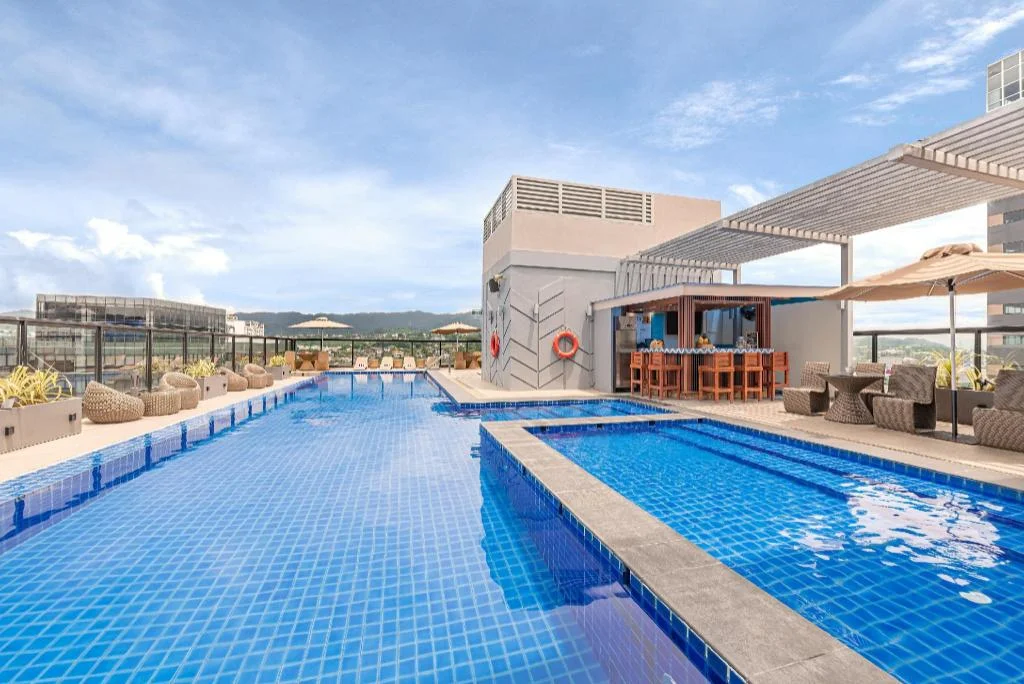
Seda Central Bloc Cebu City
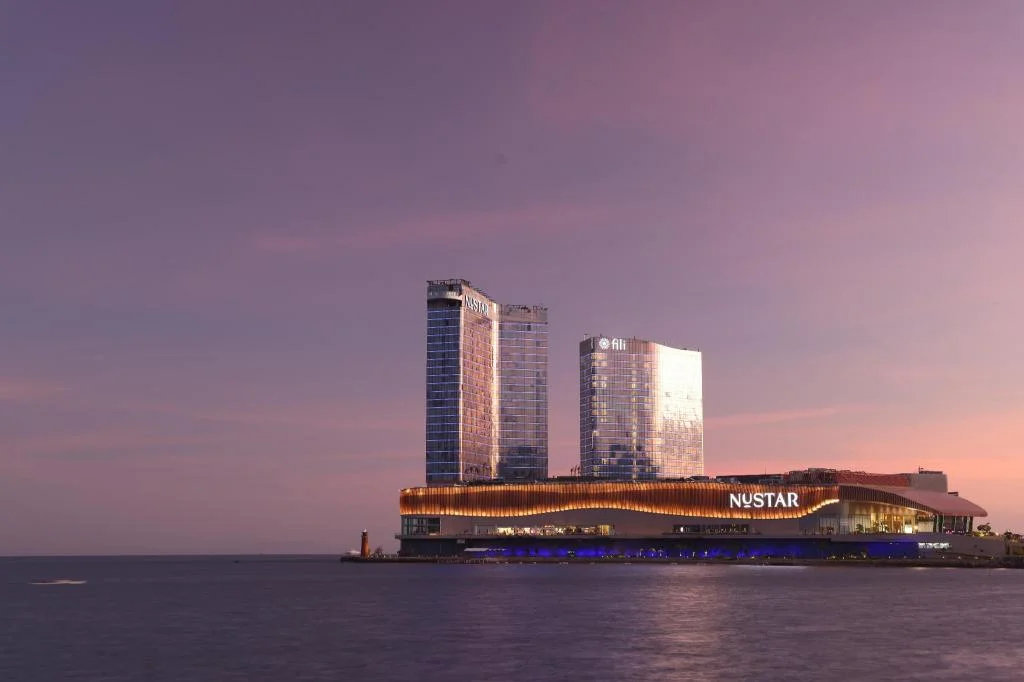
Fili Hotel - NUSTAR Resort & Casino Cebu
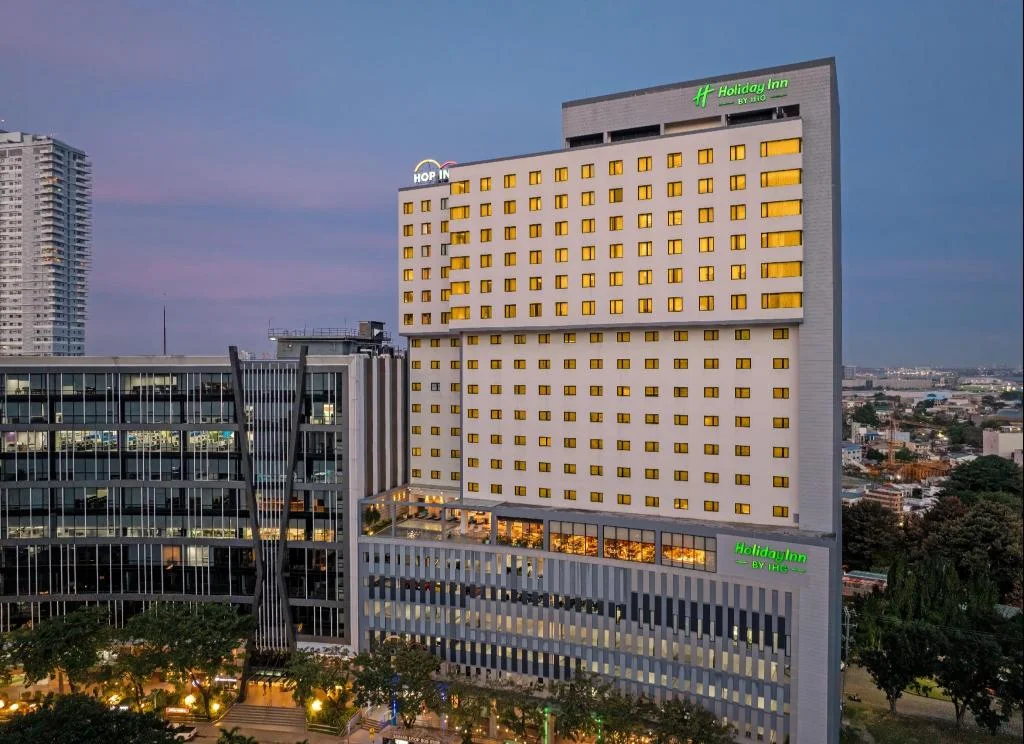
Holiday Inn Cebu City By IHG
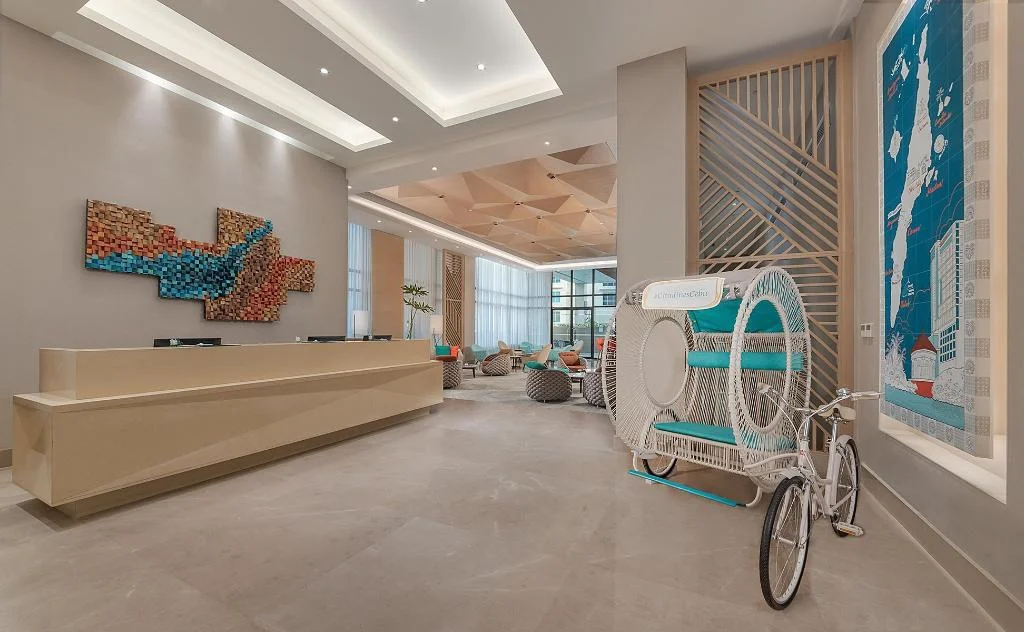
Citadines Cebu City
Prefer a rental? Vacation rentals near Cebu City
Self-catering condos and apartments — book the exact unit, kitchen included.
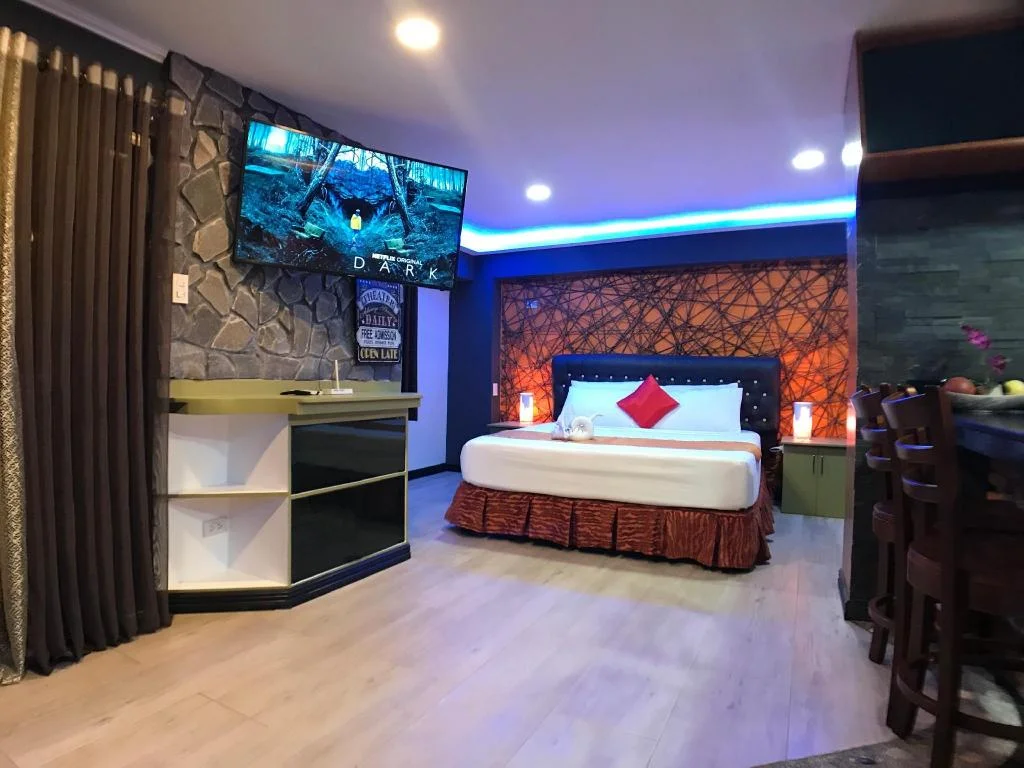
ClockWorkOrange Luxury Suites
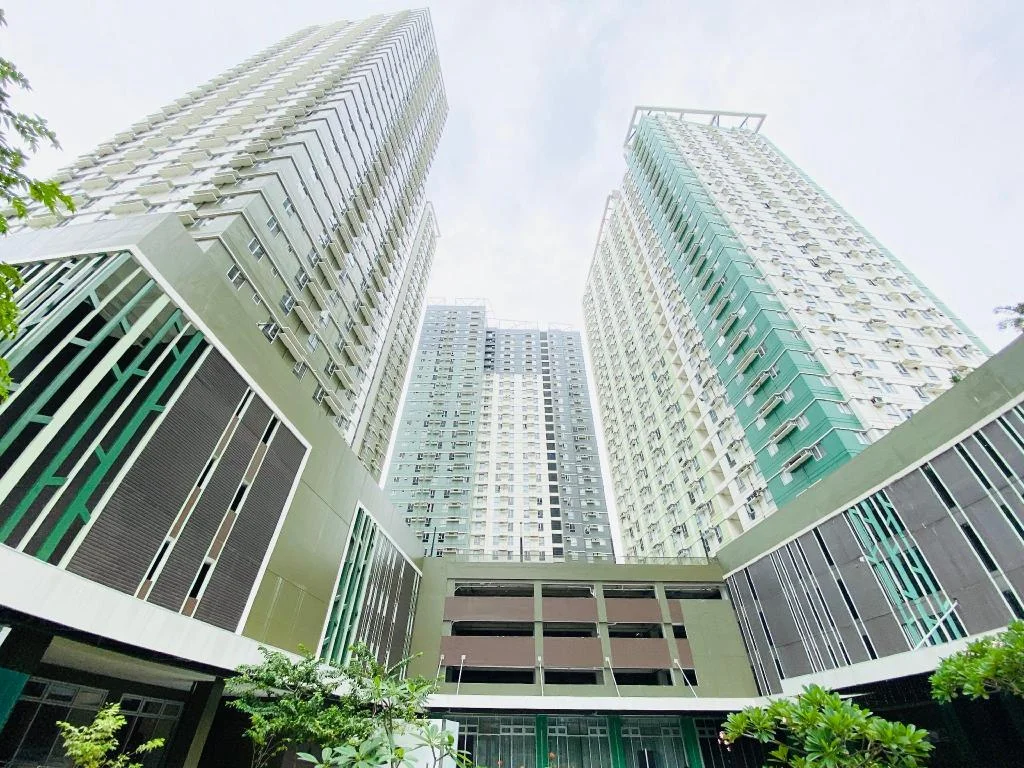
Cebu Avida Riala by P&J
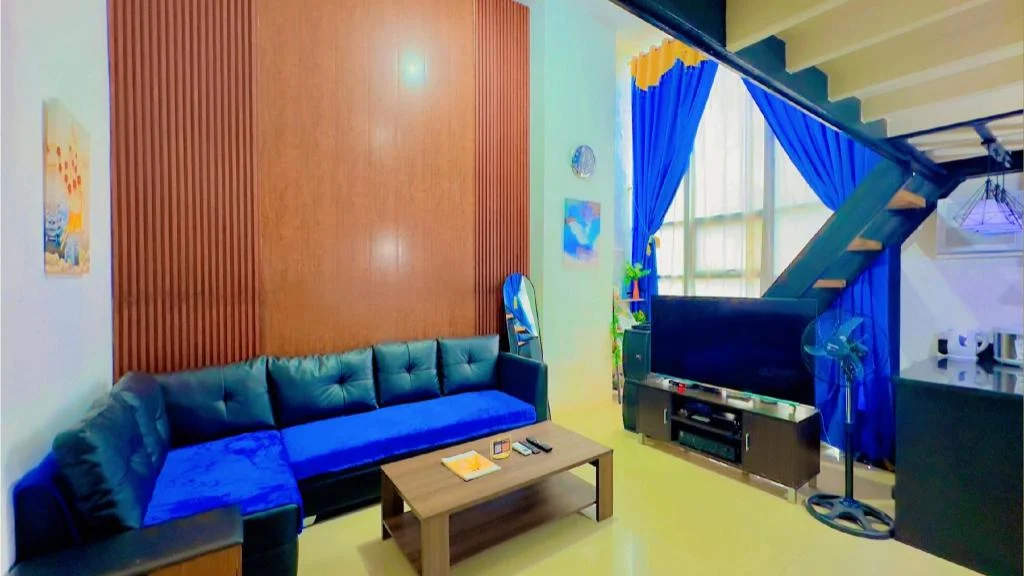
Special Big Loft Unit w/Fibreop Internet & Netflix
Before you go
Frequently asked
What is the short version of Cebu's history?
Is Cebu really the oldest city in the Philippines?
Why did Lapu-Lapu fight Magellan?
What was Cebu called before the Spanish arrived?
What happened to Cebu during World War II?
Why is Cebu called the Queen City of the South?
Where can you see Cebu's history in person?
Should I read this guide or the full History of Cebu: From Rajahnate to Now guide?
More Places to Explore
Magellan's Cross
Cebu City
The historic cross planted by Ferdinand Magellan in 1521, marking the birth of Christianity in the Philippines and now a National Cultural Treasure.
Mactan Shrine
Lapu-Lapu City
Historic park commemorating the 1521 Battle of Mactan where Lapu-Lapu defeated Magellan, featuring monuments to both warriors.
Fort San Pedro
Cebu City
The oldest and smallest triangular fort in the Philippines (1565), a well-preserved Spanish colonial military structure with a history museum.
Basilica del Santo Niño
Cebu City
The oldest church in the Philippines (1565), home to the miraculous Santo Niño image and center of the famous Sinulog Festival.