TL;DR: Cebu is warm and forgiving of foreigners who get small things wrong, but a few habits go a long way: greet elders and staff with a little warmth (a “po” if you can manage it), dress modestly for the Basilica del Santo Nino and the Cebu Taoist Temple (no bare shoulders, no short shorts since the Basilica’s October 2024 dress code), ask before photographing people, keep your voice down when frustrated, and read a vague “maybe” as a soft no. Tipping is optional (₱62 ≈ US$1, July 2026), LGBTQ+ travelers are broadly welcomed in the city, and pointing with your finger or feet is best avoided. Verified July 2026.
Cebu runs on warmth, indirectness, and a real dislike of public confrontation, and none of it is written down anywhere you’ll see as a tourist. You won’t get shouted at for getting it wrong, but small things — how you greet a guard, whether you take your shoes off at a temple, how you react when a driver is late — shape how people treat you back. This is the fast, scannable version: dos and don’ts by situation, so you can check it on the way to the Basilica del Santo Nino or the Temple of Leah without reading a whole essay. For the deeper cultural context and history behind these rules, see our full Cebu local etiquette and customs guide and the Cebuano culture and customs primer — this page is the checklist, those are the fuller read.
The One-Glance Cheat Sheet
| Situation | Do | Don’t |
|---|---|---|
| Greetings | Smile, say hello, add “po” to elders/staff if you can | Ignore a greeting or ask personal questions too fast |
| Dining | Accept food offered; try eating kamayan-style if invited | Refuse hospitality outright; waste food on your plate |
| Churches/temples | Cover shoulders and knees; remove shoes at temple halls | Wear shorts, tank tops, or caps inside the Basilica |
| Photos | Ask “Pwede mag-picture?” before photographing people | Photograph strangers, kids, or homes without asking |
| Tipping | Round up ₱20–300 for guides, drivers, spa staff | Assume it’s mandatory, or skip checking for a service charge |
| Hosting/gifts | Bring pasalubong (small gift/snack) if invited to a home | Show up empty-handed to a first family meeting |
| Body language | Point with an open hand; wave palm-down to call someone | Point with a finger, touch someone’s head, or show bare feet |
| Hiya/face | Give feedback privately, phrase requests gently | Call someone out publicly or force a flat “no” |
| LGBTQ+ | Relax in Cebu City and Mactan; check the room in rural towns | Assume rural attitudes match the city, or push PDA anywhere |
Verified July 2026.
How Do You Greet People the Right Way?
Smile first — a rushed, transactional greeting reads as cold here. A returned smile and “hello” or “kumusta” (how are you) opens doors that a curt nod doesn’t.
| Do | Don’t |
|---|---|
| Greet with a smile and eye contact | Walk past a greeting without acknowledging it |
| Use “po” and “opo” toward elders, officials, or staff if you know a little Filipino | Worry if you can’t — a warm tone covers the gap |
| Shake hands lightly if offered, or accept the “mano po” gesture (touching an elder’s hand to your forehead) if a Filipino family member offers it | Force the mano po gesture on strangers — it’s a family and close-relation custom, not a generic greeting |
| Keep early small talk light and easy | Jump into direct personal questions (income, marital status) with someone you just met |
What Are the Dining Etiquette Rules?
Say yes to food offered, even a small taste — turning it down outright can read as a rejection of the host. Don’t be surprised if a meal turns into eating with your hands, either.
| Do | Don’t |
|---|---|
| Accept food or drink offered, even briefly | Flatly refuse hospitality — a small taste is enough if you’re full |
| Try “kamayan” (eating with your hands) if invited to a boodle-fight-style spread — use your fingertips and thumb, keep food off your palm | Feel obligated to eat with your hands at every meal — utensils are completely normal and expected in restaurants |
| Wait for the host or eldest at the table to start eating | Start eating before an elder or host has been served, at a hosted meal |
| Compliment the food genuinely if you enjoyed it | Leave a big amount of food untouched at someone’s home |
What Should You Wear (and Do) at Churches and Temples?
Cover your shoulders and knees — this is enforced, not just suggested. Since October 2024, the Basilica Minore del Santo Nino refuses entry over dress code violations at the door.
| Do | Don’t |
|---|---|
| Wear a sleeved top, collared shirt, or a dress/skirt at or below the knee for the Basilica | Wear sleeveless tops, spaghetti straps, crop tops, short shorts, short skirts, ripped jeans, or caps/hats inside the Basilica |
| Wear closed shoes or strapped sandals (women) or closed shoes/slides (men) | Assume the Basilica will lend you a shawl for bare shoulders — as of October 2024 it no longer does |
| Dress modestly and remove your shoes before entering a prayer hall at the Cebu Taoist Temple | Photograph inside prayer halls or active rituals — exterior shots are fine |
| Lower your voice and silence your phone inside either site | Treat either site purely as a photo backdrop — both are active places of worship |
Is It OK to Take Photos of People and Places?
Landmarks and food, yes. Strangers, ask first. Pointing a lens at an individual — a vendor, a child, someone’s home — without asking crosses a line that locals notice, even if they’re too polite to say so.
| Do | Don’t |
|---|---|
| Ask “Pwede mag-picture?” (may I take a photo?) or gesture toward your camera with a smile | Photograph people, especially children, without asking |
| Photograph public landmarks, food, and open scenery freely | Photograph inside people’s homes, private events, or religious rituals uninvited |
| Offer to share the photo (show them the shot, or offer to send it) | Get frustrated if someone declines — just move on |
How Much Should You Tip, and When?
Tipping is optional in Cebu, never demanded, but genuinely appreciated. Many restaurants already add a 10% service charge that, under Republic Act No. 11360, legally goes to rank-and-file staff — check your bill before adding more.
| Do | Don’t |
|---|---|
| Tip ₱100–300 per person for a full-day tour guide or driver | Assume a Grab or taxi fare needs a tip — it’s not customary |
| Tip ₱50–100 (or ~10%) for a massage or spa treatment | Feel obligated to tip if the restaurant bill already lists a service charge |
| Keep small ₱20/₱50 notes on hand for tips and vendors | Expect change for a ₱1,000 note from a small vendor or driver |
For the full breakdown by service type, see our tipping in Cebu guide.
What About Hosting, Gifts, and Being a Guest?
Bring a small gift if you’re invited into a Cebuano home, especially on a first visit. This follows the Filipino custom of “pasalubong” — literally a gift given on arrival or return, rooted in the word for “welcome.”
| Do | Don’t |
|---|---|
| Bring a small gift, snack, or local delicacy if invited to someone’s home | Show up empty-handed to a first meeting with a partner’s family |
| Remove your shoes at the door if other shoes are lined up | Overstay without reading the room, or leave without a goodbye |
What Body Language Should You Watch For?
Point with your whole hand or a subtle lip gesture, not your index finger. Filipinos often indicate direction with a slight pucker and head-tilt toward the target rather than a pointed finger, which can come across as aggressive.
| Do | Don’t |
|---|---|
| Point with an open hand, or follow along if someone points with their lips | Point directly at a person with your index finger |
| Wave someone over with your palm facing down | Beckon with your palm up, curling fingers upward — seen as demeaning here |
| Keep your feet flat and shoes on unless told to remove them | Put your feet up on furniture, or touch someone’s head, even a child’s |
What Is Hiya (and Why Does It Matter)?
“Hiya” is the discomfort of causing shame — to yourself or someone else — and it shapes how directly people communicate with you. A guide, vendor, or new acquaintance is far more likely to say “maybe” or “we’ll try” than a flat “no,” because a direct refusal can feel confrontational or embarrassing to both sides.
| Do | Don’t |
|---|---|
| Read a vague “maybe” or long hesitation as a likely no | Push for a hard yes/no answer when you sense reluctance |
| Give feedback or corrections privately and gently | Call someone out in front of others, even for a real mistake |
| Stay calm if something goes wrong | Raise your voice or show visible anger in public — it escalates the situation and can get you labeled difficult fast |
Is Cebu Welcoming to LGBTQ+ Travelers?
Broadly, yes — Cebu City has a visible, active LGBTQ+ community and a generally warm, unbothered social attitude, especially around IT Park and among younger Filipinos. Cebu City also has a local anti-discrimination ordinance. That said, it’s a municipal ordinance, not a national law, and same-sex marriage isn’t legally recognized anywhere in the Philippines.
| Do | Don’t |
|---|---|
| Relax and be yourself in Cebu City, Mactan resorts, and IT Park | Assume every province and rural town shares the same comfort level |
| Check the room in more traditional or rural towns before public affection | Push public displays of affection anywhere — Filipino couples of any orientation tend to be fairly reserved in public generally |
| Support LGBTQ+-friendly venues and events where you find them | Expect legal protections (like marriage recognition) that don’t yet exist nationally |
How to Choose What Actually Matters
If you only take three things from this page: keep your temper level no matter what goes wrong, dress modestly at churches and temples (the Basilica genuinely enforces its rule), and ask before photographing people. Everything else just makes locals warm to you faster — it won’t make or break your trip if you slip up on the finer points.
Want to see it modeled in person rather than just read about it? A local-led walking tour naturally shows you the etiquette as you go. Browse Cebu heritage and city tours on Klook.
The Honest Take
None of this is a minefield. Cebuanos are used to tourists getting things wrong, and genuine warmth and basic patience cover almost every misstep — more than perfect etiquette ever could. The one rule to actually take seriously is the Basilica dress code, since it’s enforced at the door now, not just suggested; shorts and a tank top get you turned away, not lectured. The rest — hiya, indirectness, gesture norms — is more about reading the room than following hard rules, and it gets easier within a day or two here. Skip worrying about it if you’re only in Cebu for whale sharks and beaches; lean into it if you’re spending real time with local hosts, guides, or a partner’s family.
Combine This With the Rest of Your Trip
Pair this checklist with the fuller Cebu local etiquette and customs guide for the reasoning behind these norms, and the Cebuano culture and customs primer for a deeper cultural read. Wondering how far English gets you day to day? Check do people speak English in Cebu. For exact peso amounts by service, see tipping in Cebu: who and how much. Search Cebu city and cultural tours on Klook to pair a knowledgeable local guide with your first day in the city.
Sources
- Basilica Minore del Santo Nino de Cebu — dress code policy coverage, Philippine News Agency
- Basilica dress code details, Proud Bisaya Bai
- Cebu Taoist Temple visitor guide and etiquette, Lakbay Pinas
- Filipino culture and etiquette, Cultural Atlas
- Pasalubong tradition explained, KGM Resorts
- Philippines LGBTQ+ travel guide 2026, PANA.PH
- Tipping norms cross-checked against Republic Act No. 11360 (service charge law) and our own tipping in Cebu guide. Verified July 2026.
Book Tours & Hotels for This Trip
Find and book the best deals — prices and availability update in real time. Links open in a new tab.
Where to stay near Cebu City
Top-rated hotels for this trip — tap through to check live rates.
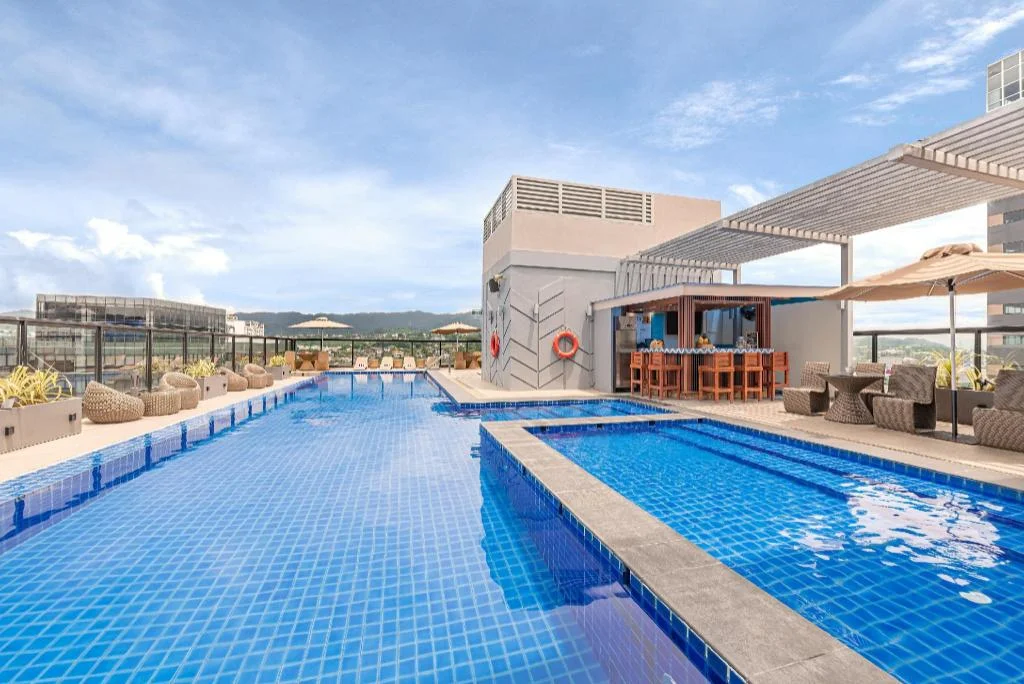
Seda Central Bloc Cebu City
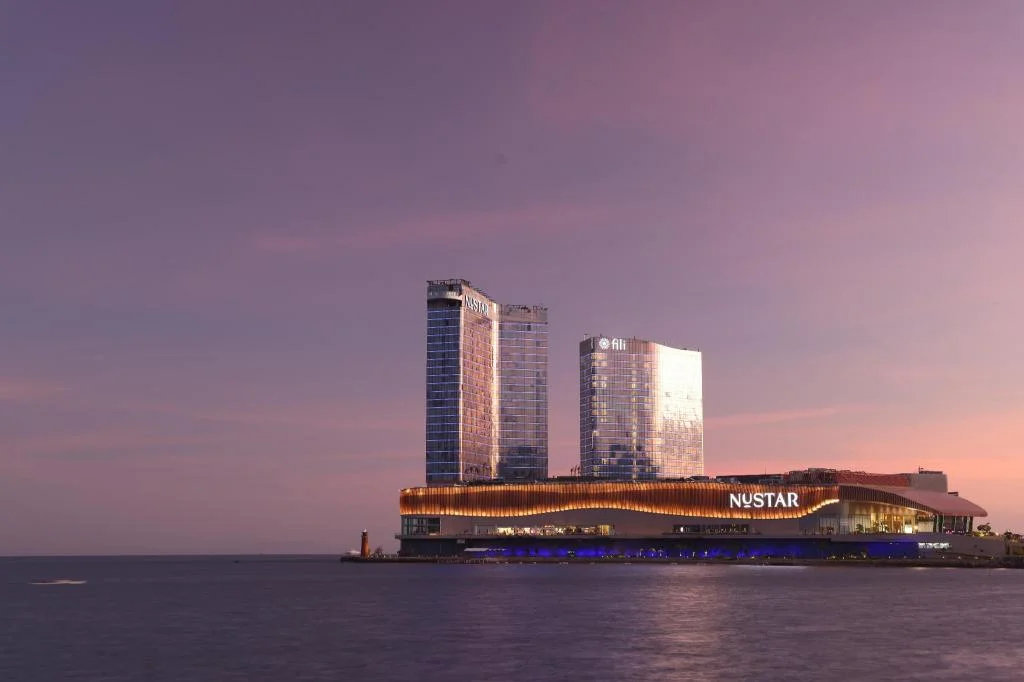
Fili Hotel - NUSTAR Resort & Casino Cebu
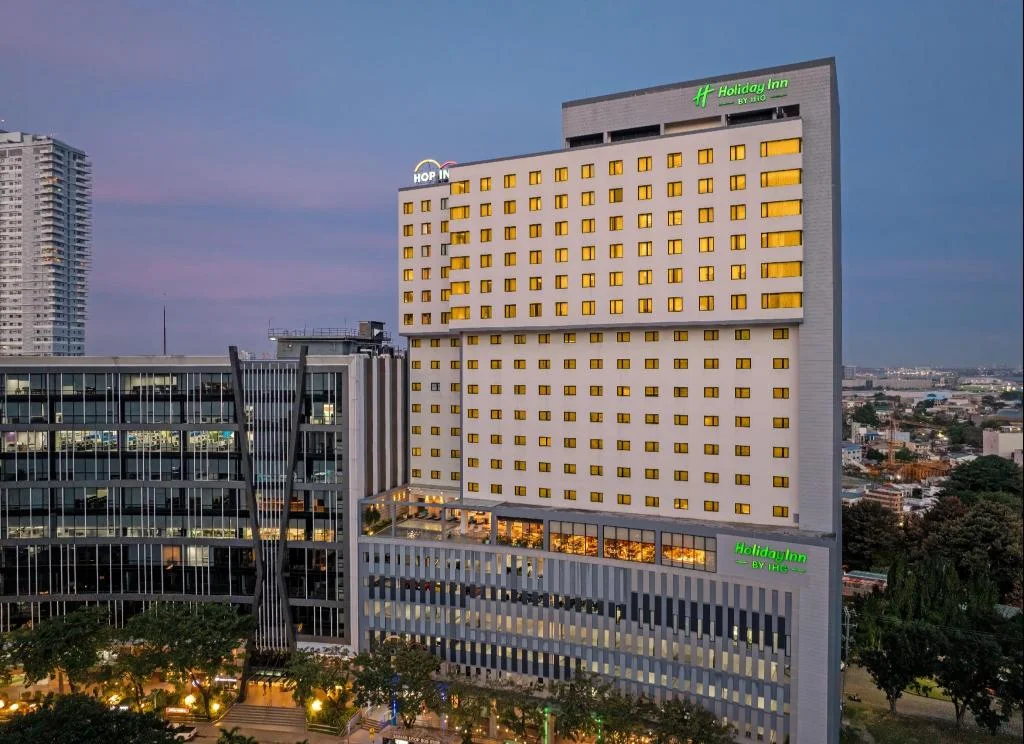
Holiday Inn Cebu City By IHG
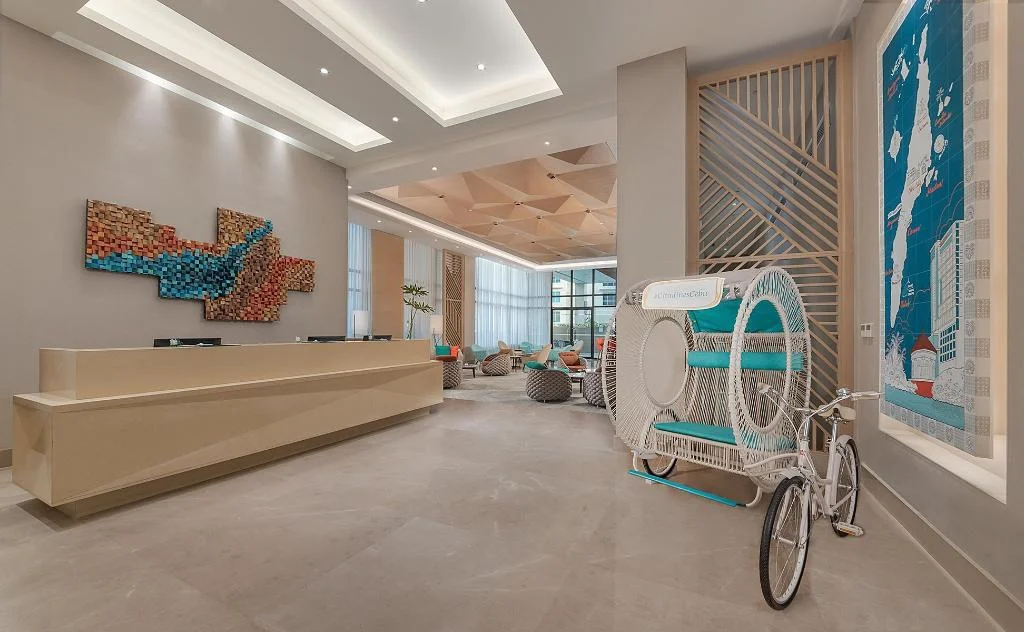
Citadines Cebu City
Prefer a rental? Vacation rentals near Cebu City
Self-catering condos and apartments — book the exact unit, kitchen included.
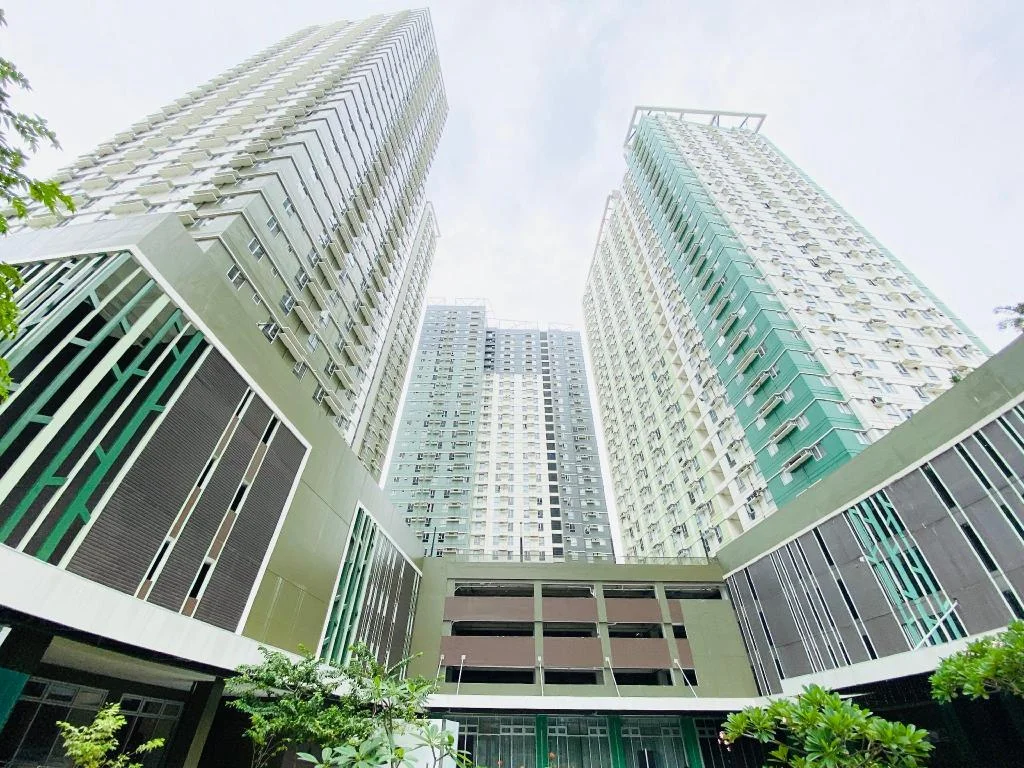
Cebu Avida Riala by P&J
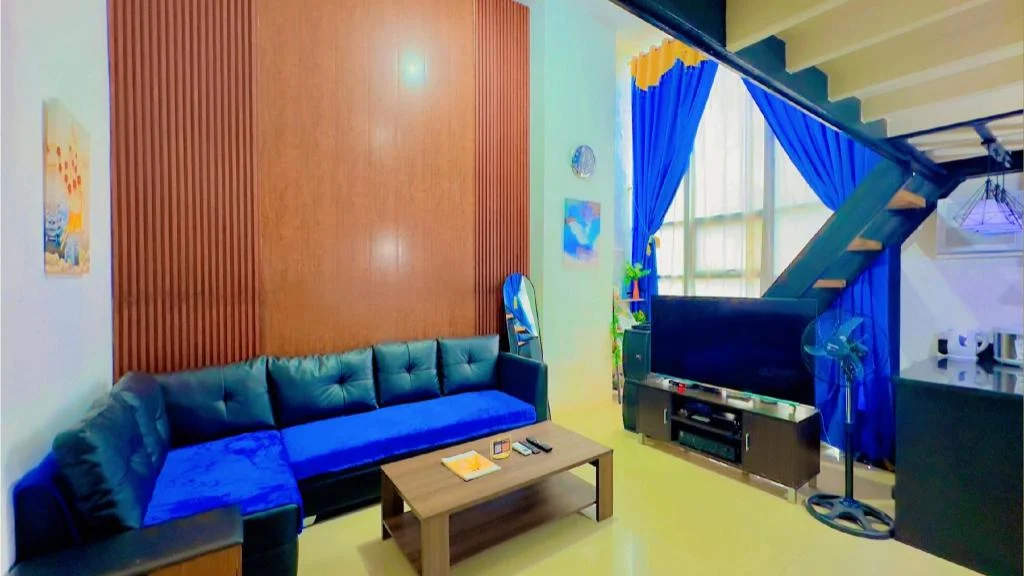
Special Big Loft Unit w/Fibreop Internet & Netflix
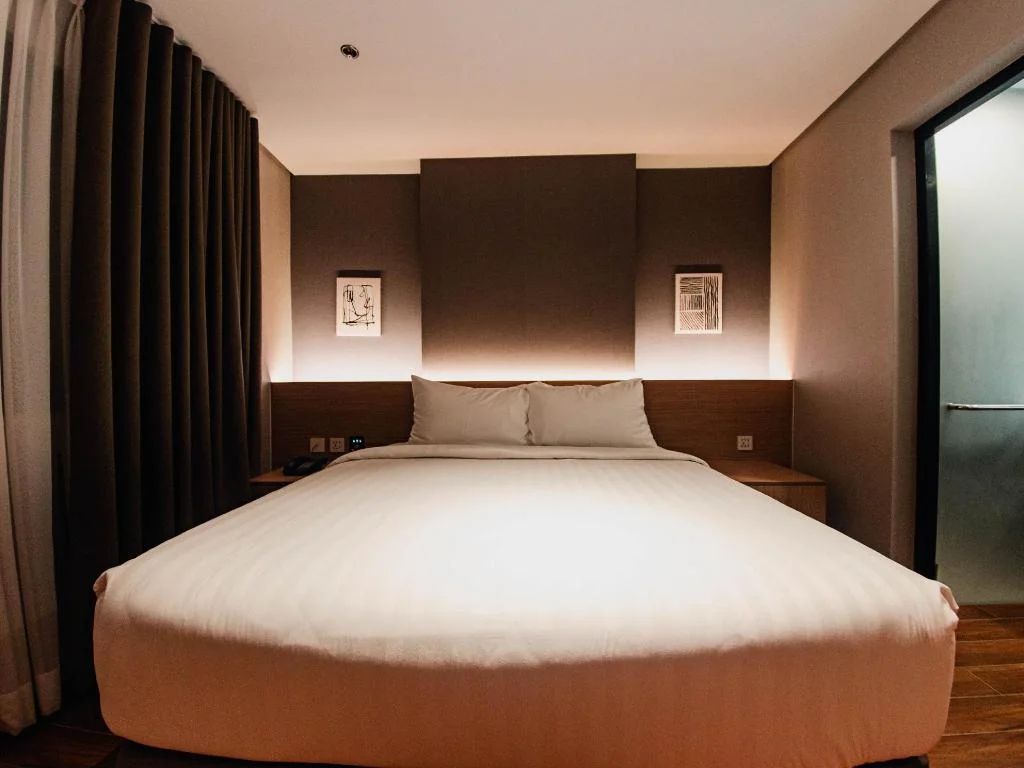
Moonstar Cebu Hotel - Deluxe Room
Before you go
Frequently asked
Do I have to say po and opo to everyone?
What should I wear to the Basilica del Santo Nino or Cebu Taoist Temple?
Is it rude to take photos of local people in Cebu?
Do you tip in Cebu, and is it expected?
What is hiya and why does it matter for tourists?
Is Cebu safe and welcoming for LGBTQ+ travelers?
What body language should I avoid?
Should I bring a gift if I'm invited to a Cebuano home?
More Places to Explore
Basilica del Santo Niño
Cebu City
The oldest church in the Philippines (1565), home to the miraculous Santo Niño image and center of the famous Sinulog Festival.
Temple of Leah
Cebu City
A magnificent Roman-inspired temple built as a monument of love, nicknamed 'Cebu's Taj Mahal,' offering stunning architecture and city views.