
TL;DR: Cebuano food culture is less about specific dishes and more about how people eat: kamayan (hands, not forks), puso (rice steamed in a woven coconut-leaf pouch, ₱5–10 each), sutukil (one fish, three ways — grilled, stewed, raw), and tuba shared round-robin as tagay. Rice anchors every real meal, lechon is daily food and not just for fiestas, and merienda (puto maya with sikwate hot chocolate) happens twice a day. The best place to see all of it in one visit is Carbon Market. Verified July 2026.
Ask a Cebuano what they ate for lunch and the answer is rarely just a dish name — it’s rice, an ulam (viand) to go with it, and usually someone else’s plate within reach. Cebuano food culture is built less around individual recipes and more around a handful of customs that shape every meal: eating with your hands, sharing one steaming pot down the middle of the table, and treating rice as non-negotiable. This guide is for travelers who’ve already tried the food (or are about to) and want to understand the why behind it — the etiquette, the history, and the small rituals that make eating in Cebu feel different from eating almost anywhere else. For where to actually eat, see our guide to Cebu for foodies; this one is about the culture behind the plate. Much of it is still visible daily at Carbon Market and along Colon Street, Cebu City’s oldest commercial strip.
Cebuano Food Culture at a Glance
| Custom | What it means | Where you’ll see it | Typical cost |
|---|---|---|---|
| Kamayan (hand-eating) | Eating with fingers, no utensils | Lechon feasts, boodle fights, seafood joints | Free — it’s how the food is served |
| Puso (hanging rice) | Rice steamed in a woven coconut-leaf pouch | Carbon Market, street barbecue stalls, lechon stands | ₱5–10 per piece (~US$0.09–0.17) |
| Sutukil | Sugba-tuwa-kilaw: grilled, stewed, and raw seafood from one catch | Larsian, Ouano Wharf, seafood markets in Mactan and Moalboal | Priced by weight/kilo — confirm at the stall |
| Tuba and tagay | Fermented coconut wine, passed round-robin in one shared glass | Wet markets, rural roadside stalls, fiestas | Cheap, sold by the glass or bottle — confirm locally |
| Merienda | Mid-morning/afternoon snack, e.g. puto maya with sikwate | Carbon Market, panaderias, home kitchens | ₱20–40 for rice cake plus hot chocolate (~US$0.35–0.70) |
| Lechon | Whole roast pig, eaten routinely, not only at fiestas | Carcar, Talisay, and stalls citywide | ~₱500–750/kilo at local and mid-range shops — see our lechon guide |
Prices vary by vendor and season — treat these as a starting range and confirm on the spot. Verified July 2026.
What Does Kamayan (Eating With Your Hands) Actually Mean?
Kamayan means eating with your fingers instead of a fork and spoon, and in Cebu it’s not a novelty restaurant gimmick — it’s the older, default way of eating that Spanish and American colonizers tried and failed to fully replace. Locals call it kinamot in Bisaya. It shows up constantly: grabbing lechon skin off a tray at a family gathering, picking apart grilled fish at a sutukil stall, or working through a boodle-fight spread of rice, fried fish, and vegetables laid out on banana leaves with no plates at all. There’s a practical logic to it, too — rice compacts better in your fingers, lechon crackling shatters cleanly, and fish bones are easier to feel out with your hand than to hunt for with cutlery. If a host hands you a plate with no utensils at a casual meal, that’s not an oversight; that’s the invitation.
Why Is Rice Non-Negotiable at a Cebuano Table?
Because in Cebuano food culture, nothing counts as a real meal without rice under it. Noodles, bread, and pastries are treated as snacks, however large the portion — a plate of pancit or a loaf of bread doesn’t substitute for kanin (rice) at lunch or dinner. Everything else on the table, the ulam (viand — grilled fish, adobo, vegetables), exists specifically to be eaten with rice, not instead of it. This is also why puso, sutukil, and lechon all get served alongside a pile of rice rather than as standalone dishes; the rice is the meal’s foundation, and the meat or seafood is what makes it interesting.
What Is Puso, and Why Is Rice Sold in a Woven Pouch?
Puso is rice steamed inside a diamond-shaped pouch hand-woven from coconut leaves, and it earned the nickname “hanging rice” because vendors string dozens of them up on bamboo racks to sell. Before plastic containers and lunchboxes existed, Cebuano farmers and fishermen needed something spill-proof and portable to carry cooked rice to the fields or out to sea — puso solved that, and it stuck around long after the practical need faded. Today a single piece holds roughly 100 grams of rice, sells for about ₱5–10, and is still the standard side you’ll get with grilled street barbecue or a lechon stall meal rather than a scoop from a rice cooker. Coconut-leaf steaming gives the rice a faint sweetness you don’t get any other way. Our dedicated guide on puso, Cebu’s hanging rice, goes deeper into where it’s made and how to try it.
What Is Sutukil, and Why Do Cebuanos Eat Seafood This Way?
Sutukil is a portmanteau of three Bisaya cooking methods — su for sugba (grilled), tu for tuwa or tula (stewed in broth), and kil for kilaw (raw fish cured in vinegar, the local answer to ceviche) — and it’s a way of eating, not a single dish. You pick your fresh catch by weight at a seafood market stall, and the vendor prepares it all three ways at once: some grilled over charcoal, the head and bony parts turned into a soup, and part of it served raw and tangy. The result is one fish experienced as three contrasting textures and flavors in a single sitting, meant to be shared across a table rather than eaten alone. Historical accounts trace the practice back to Antonio Pigafetta’s 1521 chronicle of Magellan’s landing in Cebu, which describes locals preparing fish this same threefold way — making sutukil one of the oldest documented food customs in the country. See our full sutukil guide for where to actually order it.
Why Does Cebu Treat Lechon as Daily Food, Not Just a Fiesta Dish?
Because outside of tourist expectations, lechon in Cebu is closer to everyday comfort food than a special-occasion centerpiece. Roadside stalls sell it by the kilo year-round, families pick some up for a Sunday lunch, and office workers grab lechon paksiw (leftover lechon stewed in vinegar and liver sauce) as a regular meal — it doesn’t take a wedding or town fiesta to justify it. Fiestas do mean more lechon and a bigger, more elaborate table, since a whole roast pig is still the traditional centerpiece of any major celebration, but the everyday version is just as central to how Cebu eats. Whole roast pigs are traditionally eaten kamayan-style with the hands, especially at beach picnics and family gatherings. Our lechon guide covers where to buy it and current per-kilo pricing.
What Happens at Merienda?
Merienda is a real, scheduled meal in its own right — a mid-morning or mid-afternoon snack break, not an optional nibble. The classic Cebuano pairing is puto maya (glutinous rice cooked in coconut milk and ginger, wrapped in banana leaf) with sikwate (thick hot chocolate made from tableya, pure cacao tablets descended from cacao the Spanish brought via the Manila-Acapulco galleon trade). You’ll find both sold side by side at public markets, including Carbon Market, often with a side of ripe mango. Two merienda breaks a day, alongside three main meals, is completely normal — it’s not a sign of overeating, it’s the standard rhythm.
What Is Tuba, and What’s the Deal With Tagay?
Tuba is fermented coconut sap, a lightly alcoholic palm wine that predates Spanish colonization and once carried ritual significance in pre-colonial ceremonies. In Cebu and the wider Visayas it can also be aged into bahal or bahalina, deepening in color and strength the longer it ferments, sometimes blended with mangrove bark for a distinct reddish tint. What makes drinking it social is tagay — a round-robin custom where one shared glass gets filled, passed to the next person, drunk, and refilled again rather than everyone pouring their own. It’s typically paired with pulutan, small shareable snacks, and it shows up at wet markets, rural roadside stops, and fiesta gatherings where conversation matters as much as the drink itself. It’s one of the more purely local customs left standing, and locals in Cebu have a long-running reputation for handling it well.
How Do You Eat Like a Local Instead of a Tourist?
Watch before you eat — see whether the table is using hands, and follow suit rather than asking for cutlery by default. Order rice with everything, even at a seafood or barbecue stall, since a meal without it will look incomplete to whoever you’re eating with. If someone offers you tagay, know that a small sip and a “salamat” back is a perfectly acceptable way to participate without overcommitting. At a market like Carbon, buy a puso from one stall, grilled fish or barbecue from another, and eat where you’re standing — that mix-and-match, share-the-table setup is normal, not chaotic. A structured food crawl or food tour is the fastest way to sample kamayan, sutukil, and puso in one outing if you don’t want to piece it together yourself — browse Cebu food tours on Klook or compare food and market tour options on GetYourGuide.
The Honest Take
Some of this culture is easy to romanticize from the outside, and it’s worth being upfront about the trade-offs. Eating with your hands at a busy market stall means no napkins, sticky fingers, and occasionally a table with no visible hand-washing station nearby — bring wet wipes. Sutukil pricing at tourist-facing seafood markets can run noticeably higher than what a local pays for the same catch, so ask the per-kilo rate before the vendor starts cooking. And while lechon-as-daily-food is genuine, the version tourists get steered toward (pricier restaurant lechon versus a neighborhood stall) isn’t necessarily more authentic, just more convenient. None of this is a reason to skip any of it — just go in with realistic expectations rather than a postcard version of “authentic” Cebuano eating.
Taste It, Don’t Just Read About It
Reading about kamayan and sutukil only gets you so far — Carbon Market is the place to actually watch it happen, from puso vendors stringing up their morning batch to seafood stalls grilling the day’s catch to order. Pair a market walk with our guides to Cebu’s best local delicacies and the best Cebuano dishes to try for a shopping list before you go, and check Cebu’s street food guide for stall-by-stall picks. If you’d rather have someone walk you through it, book a Cebu food tour on Klook and eat your way through the culture in one afternoon.
Sources
- Simpol.ph — Cebuano Puso’ Hanging Rice Tradition
- Kamayan — Wikipedia
- Tocal Mate — Sutukil: The Threefold Culinary Tradition of the Visayas
- Inquirer Lifestyle — How ‘sutukil’ came to be
- Tubâ — Wikipedia
- Gideon Lasco — Tagay: Filipino drinking culture
- PhilSTAR Life — Why Cebuanos eat lechon daily
- Ang Sarap — Puto Maya and Sikwate
- Puso and lechon pricing checked against 2025–2026 market and vendor reports; confirm current rates locally. Verified July 2026.
Book Tours & Hotels for This Trip
Find and book the best deals — prices and availability update in real time. Links open in a new tab.
Where to stay near Cebu City
Top-rated hotels for this trip — tap through to check live rates.

Seda Central Bloc Cebu City
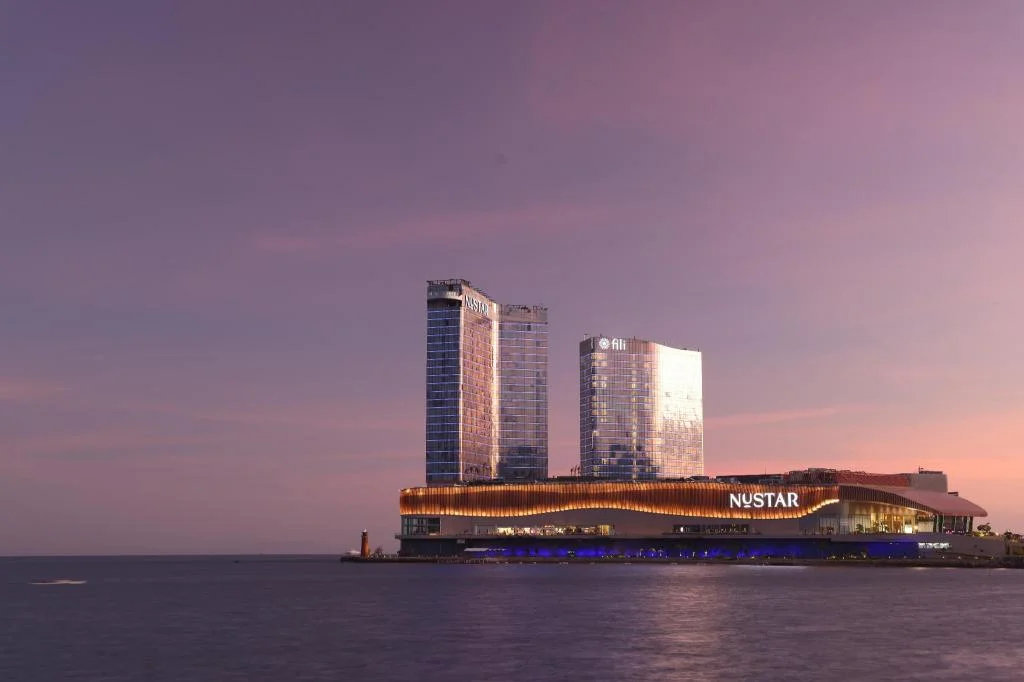
Fili Hotel - NUSTAR Resort & Casino Cebu

Holiday Inn Cebu City By IHG

Citadines Cebu City
Prefer a rental? Vacation rentals near Cebu City
Self-catering condos and apartments — book the exact unit, kitchen included.

Cebu Avida Riala by P&J

Special Big Loft Unit w/Fibreop Internet & Netflix

Moonstar Cebu Hotel - Deluxe Room
Before you go
Frequently asked
What is kamayan and why do Cebuanos eat with their hands?
What is sutukil?
What is puso and why is it served in a woven pouch?
Is lechon only eaten at fiestas in Cebu?
What is tuba and what does 'tagay' mean?
What is merienda in Cebu?
Why does rice matter so much in a Cebuano meal?
Where can I actually experience Cebuano food culture instead of just reading about it?
More Places to Explore
Carbon Market
Cebu City
Cebu's oldest and largest market (since 1909), offering an authentic local shopping experience with fresh produce, seafood, and traditional goods.
Colon Street
Cebu City
The oldest street in the Philippines, a historic commercial thoroughfare that has been Cebu's trading center since Spanish colonial times.