
TL;DR: The classic DIY Cebu food crawl runs Larsian sa Fuente (BBQ skewers) → Carbon Market (street food + wet market) → Sugbo Mercado in IT Park (night market), finishing with a lechon plate from CnT or Zubuchon. Budget ₱600–1,000 per person (US$10–16) for a full evening of grazing. If you’d rather have a guide handle the route, history, and language, walking food tours run roughly US$33–70 per person for 2.5–3 hours. Go hungry, bring cash, and eat where the line of locals is longest. Verified July 2026.
Cebu doesn’t have one “food tour district” — it has three very different food scenes within a 20-minute tricycle ride of each other, and the fun is stitching them into one night. This guide gives you the DIY route locals actually use: BBQ skewers at Carbon Market’s neighbor Larsian, cheap local dishes at Carbon itself, a polished night market in IT Park, and where to get real Cebu lechon without overpaying. It also covers when a guided food tour is worth the money instead of figuring it out yourself. Whether you’ve got one free evening or want to build a whole day around eating, this is for anyone who wants to eat like a Cebuano, not like a tour bus.
Cebu Food Crawl Options at a Glance
| Stop / Option | Best for | Typical cost | Hours |
|---|---|---|---|
| Larsian sa Fuente | Grilled BBQ skewers | ₱150–300/person (US$2.42–4.84) | ~4 PM–midnight, peak 6–9 PM |
| Carbon Market | Cheapest, most local dishes | ₱50–120/dish (US$0.81–1.94) | Day market from dawn; food stalls best 8 PM–midnight |
| Sugbo Mercado (IT Park) | Variety, comfort, safety | ₱100–250/meal (US$1.61–4.03) | Tue–Sun, 4 PM–midnight |
| Lechon (CnT / Zubuchon / La Lola) | The must-eat dish | ₱600–750/kilo (US$9.68–12.10) | Varies by branch; order whole pig 1 day ahead |
| Guided walking food tour | First-timers, no research needed | ~US$33–70/person, 2.5–3 hrs | Fixed daily departure times |
Peso figures use ₱62 ≈ US$1 (July 2026). Prices from vendor menus, Klook/GetYourGuide/Tripadvisor listings, and recent traveler reports — confirm current prices locally before you go. Verified July 2026.
How Do You Build a DIY Cebu Food Crawl?
Start with BBQ at Larsian around 4–5 PM, work through Carbon Market’s street food in the early evening, then close the night at Sugbo Mercado, which stays open latest. This order matches each stop’s peak hours: Larsian’s grills are already smoking by late afternoon, Carbon’s food stalls come alive after dark, and Sugbo Mercado runs until midnight with the most food left standing at the end. If you’re staying near IT Park rather than downtown, just run it in reverse.
Between stops, grab a lechon plate from whichever CnT or Zubuchon branch is closest — both sell by-the-plate portions without needing to order a whole pig in advance. Cap the night with dessert: taho (soft tofu with sago and brown-sugar syrup) or biko (sticky rice cake) from any of the dessert stalls scattered through Carbon or Sugbo Mercado.
What Do You Eat at Larsian BBQ?
Larsian sa Fuente is a single alley of roughly 30 grill stalls near Fuente Osmeña, and you’re there for one thing: charcoal-grilled skewers. It sits on Don Mariano Cui Street, across from Chong Hua Hospital, a short walk from Colon Street and downtown Cebu City.
Pick your skewers off the grill — pork, chicken, and marlin are the safe bets, isaw (grilled intestine) and betamax (grilled coagulated blood) are the local dares — and pair them with rice and a dipping sauce. Skewers run ₱10–40 each (US$0.16–0.65), and a full meal with several skewers and rice lands at ₱150–300 per person (US$2.42–4.84). Most stalls are cash-only, so bring small bills. It gets busiest between 6–9 PM; go a little earlier if you want to sit down without waiting.
What Should You Eat at Carbon Market?
Carbon Market is Cebu’s oldest and cheapest food scene — grittier than a curated night market, but where you’ll find dishes tourists rarely see. By day it’s a working wet market for produce, meat, and dried goods; by night, food stalls take over and it turns into an open-air food court.
The specialty here is tuslob-buwa, a sizzling pork brain and liver sauté eaten by scooping it up with puso (rice cooked and served in a woven coconut-leaf pouch) instead of a spoon. Beyond that, expect fried snacks (kwek-kwek, tempura, fish balls), grilled seafood, and simple rice meals. Recent traveler reports price a bowl of pork soup with rice around ₱80, mussels around ₱50, and grilled fish with rice and seaweed around ₱120 (roughly US$0.81–1.94 total). Go with an appetite but not starving — you’ll want room to try more than one stall. The best window is 8 PM–midnight; if you want to see the wet market in action instead, go at dawn.
Is Sugbo Mercado Worth Adding to the Route?
Yes, if you want variety, better lighting, and a wider range of cuisines than Larsian or Carbon offer. Sugbo Mercado is a purpose-built night market in IT Park (Garden Bloc, I. Villa Street, Apas), open Tuesday to Sunday, 4 PM to midnight. It’s closed Mondays.
Rows of stalls cover Filipino grilled skewers and rice meals alongside Korean, Japanese, and other international street food — a Spicy Tonkotsu Ramen stall runs about ₱250, and most full meals fall in the ₱100–250 range (US$1.61–4.03). It’s also one of the better-lit, more patrolled outdoor food spaces in the city after dark, which makes it a comfortable stop if you’re solo or with kids. See our full Sugbo Mercado guide for the stall-by-stall breakdown.
Where Do You Get the Best Lechon?
CnT Lechon and Zubuchon are the two names most Cebuanos point to, both in the ₱600–750-per-kilo range, with Rico’s Lechon a common third pick that runs slightly higher. Lechon (whole roast pig, slow-cooked over charcoal and stuffed with lemongrass and other aromatics) is the dish Cebu is most famous for nationally, and Anthony Bourdain’s endorsement of Cebu lechon put it on the world food map.
For a sit-down plate, walk into any CnT or Zubuchon branch and order by weight — no reservation needed. If you want a whole roast pig for a group or to bring home, order at least a day ahead; Rico’s Lechon lists by-the-kilo cut portions from around ₱990/kilo (US$16), with whole pigs (called “de leche” for the smallest size) starting around ₱8,000 and scaling up with size. For the full comparison across shops and towns (including Carcar, the lechon capital south of the city), see our guide to where to buy the best lechon in Cebu.
Are Guided Food Tours Worth It?
A guided food tour is worth booking if it’s your first trip to Cebu, you don’t want to navigate on your own, or you’d rather have the history explained alongside the food. Walking food tours typically run 2.5–3 hours, cover Carbon Market, Colon Street, and a handful of heritage stops (Magellan’s Cross, Fort San Pedro) alongside multiple food tastings, and are priced roughly US$33–70 per person depending on group size and operator — private half-day tours run higher. Tastings usually include a mix of grilled skewers, lechon, and a local dessert, plus a jeepney ride as part of the experience.
If you’re comfortable getting around on your own, the DIY route above gets you the same food for a fraction of the price. The tour’s real value is the guide’s context and language help, not the food itself, which you can eat at any of these stalls without a booking.
Compare current Cebu food tour listings and prices on Klook or browse food and street food tours on GetYourGuide — check the departure time and group size before booking, since smaller groups move faster through crowded stalls.
How Do You Choose a Food Tour Operator?
Look for Department of Tourism (DOT) accreditation, a fixed itinerary with named stops (not just “street food tasting”), and recent reviews mentioning the specific guide by name — that’s a sign of a real operator, not a reseller. Confirm whether alcohol, transport between stops, and all tastings are included in the quoted price, since some tours add walking-only segments and charge extra for lechon or dessert add-ons.
The Honest Take
Carbon Market has a rough-around-the-edges reputation, and it’s earned — go with normal city-street awareness (watch your bag, skip anything sitting unrefrigerated in the heat), but it’s not dangerous for a normal evening visit with a friend or group. Sugbo Mercado is the “safe” option if you want the food experience without the grit, but it’s also the most tourist-adjacent and least representative of how most Cebuanos actually eat day to day.
Guided food tours are genuinely useful for first-timers but are priced for convenience, not because the food itself costs more — you’re paying for the route-planning and the guide. If you’ve got even one evening free and a sense of adventure, the DIY crawl above costs less than one Klook tour ticket and hits the same stops. Skip the crawl entirely if you have dietary restrictions beyond “no seafood,” since most of these stalls are built around pork, seafood, and rice with limited substitution.
Eat Your Way Through the Rest of Cebu
Pair this crawl with a wider look at Cebu’s best street food or build it into a full Cebu foodie itinerary that adds coffee shops and fine dining. Curious what to order once you sit down? Start with our list of the best Cebuano dishes to try. And if you’d rather skip the planning altogether, browse Cebu food tours on Klook and book a slot before your dates fill up.
Sources
- Rico’s Lechon — official Cebu branch price list
- Sugbo Mercado — official Facebook page (hours, stall updates)
- Larsian sa Fuente — official Facebook page
- Recent traveler reports and vendor pricing from Tripadvisor, Yelp, and WhyCebu Cebu food and lechon guides (2025–2026)
- Klook and GetYourGuide Cebu food and walking-tour listings for tour pricing and inclusions
- Verified July 2026.
Book Tours & Hotels for This Trip
Find and book the best deals — prices and availability update in real time. Links open in a new tab.
Where to stay near Cebu City
Top-rated hotels for this trip — tap through to check live rates.
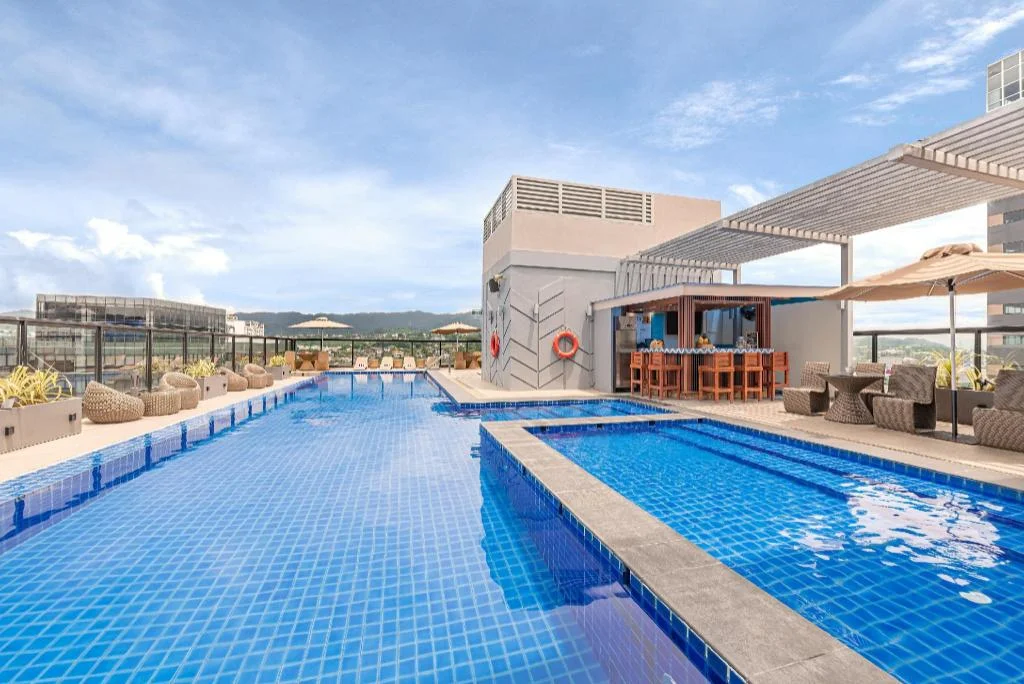
Seda Central Bloc Cebu City
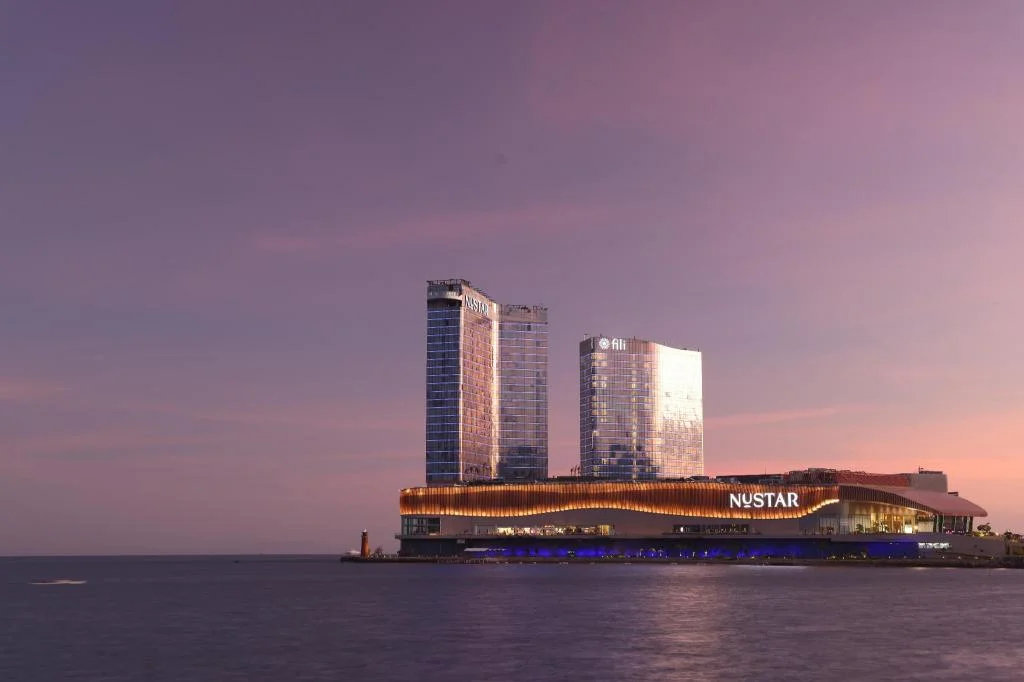
Fili Hotel - NUSTAR Resort & Casino Cebu
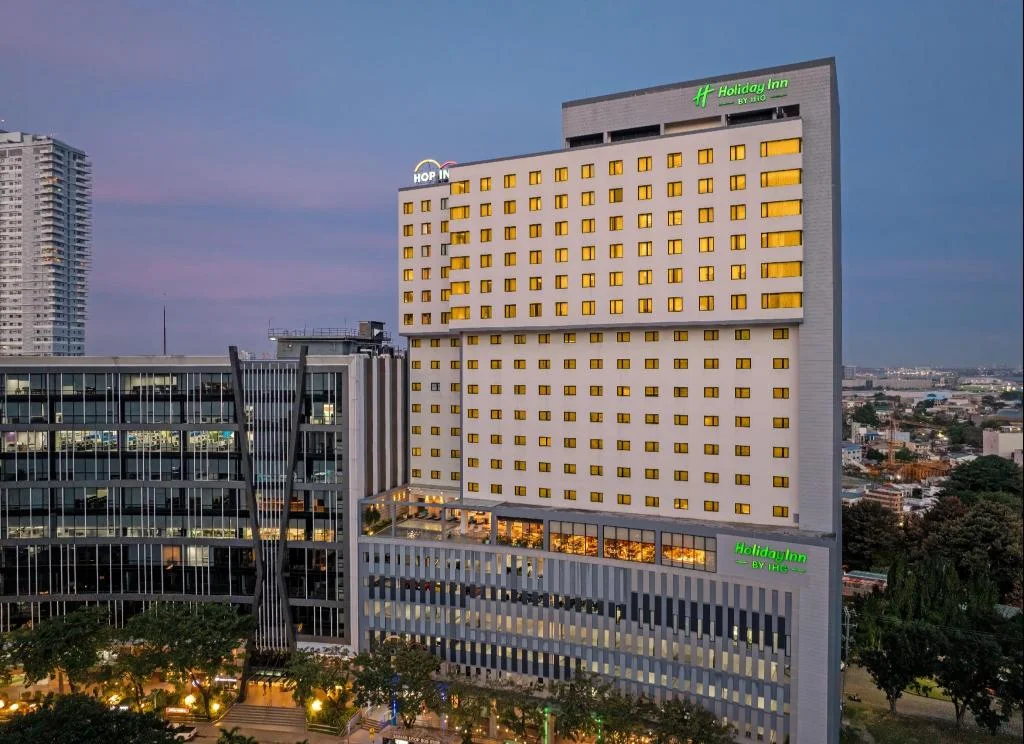
Holiday Inn Cebu City By IHG
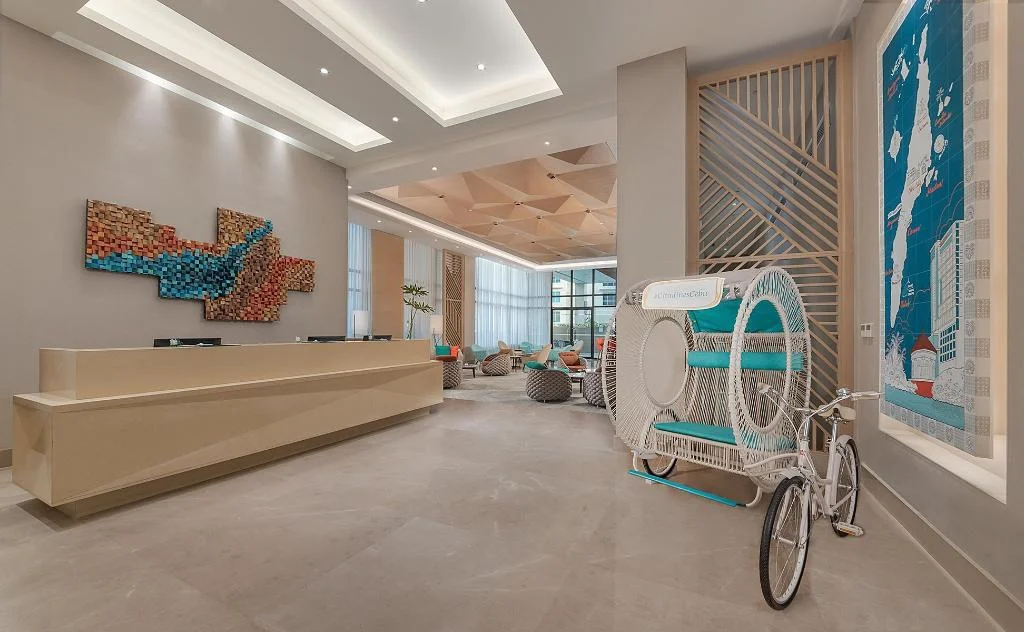
Citadines Cebu City
Prefer a rental? Vacation rentals near Cebu City
Self-catering condos and apartments — book the exact unit, kitchen included.
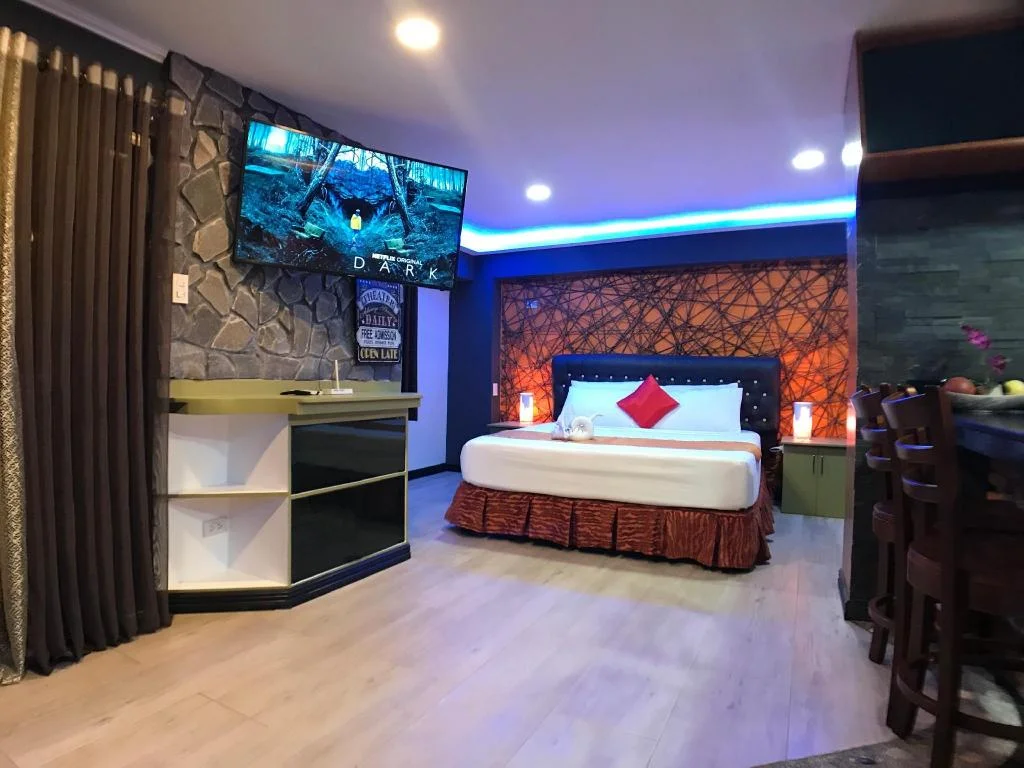
ClockWorkOrange Luxury Suites
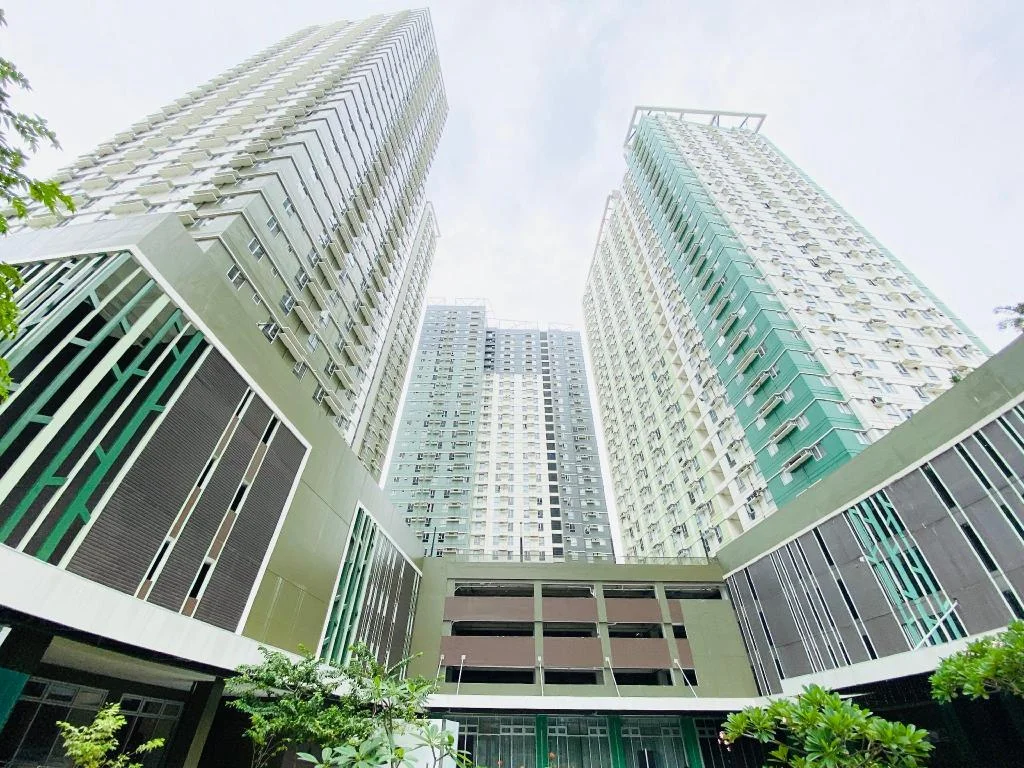
Cebu Avida Riala by P&J
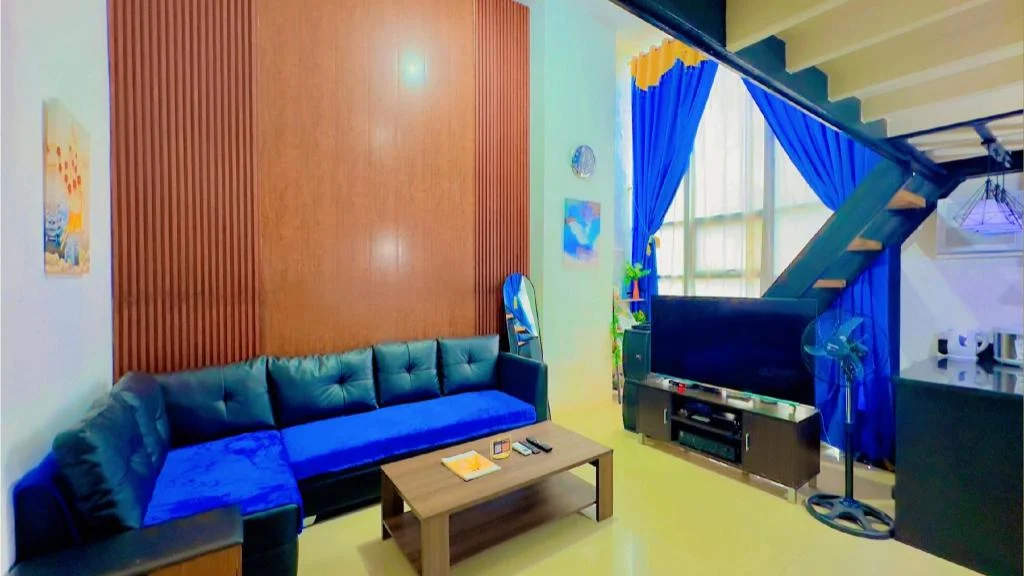
Special Big Loft Unit w/Fibreop Internet & Netflix
Before you go
Frequently asked
How much does a Cebu food crawl cost?
What is the best order for a Cebu food crawl?
Is Carbon Market safe to eat at?
Do I need to book a lechon in advance?
Are guided food tours worth it in Cebu?
What food should I try that isn't on a typical tour?
What's the difference between Larsian, Sugbo Mercado, and Carbon Market?
Can vegetarians do a Cebu food crawl?
More Places to Explore
Carbon Market
Cebu City
Cebu's oldest and largest market (since 1909), offering an authentic local shopping experience with fresh produce, seafood, and traditional goods.
Colon Street
Cebu City
The oldest street in the Philippines, a historic commercial thoroughfare that has been Cebu's trading center since Spanish colonial times.
Mactan Shrine
Lapu-Lapu City
Historic park commemorating the 1521 Battle of Mactan where Lapu-Lapu defeated Magellan, featuring monuments to both warriors.