
TL;DR: A 3-day Cebu food itinerary hits lechon (Carcar Public Market and CnT or Rico’s), Larsian BBQ at Fuente, Sugbo Mercado’s night stalls, Colon Street street food, and a Mactan sutukil seafood lunch. Budget roughly ₱2,500–4,500 per person per day (about US$43–78) for food alone if you eat well at every stop, less if you stick to street food and markets. Lechon runs ₱400–990 per kilo depending on where you buy it, Larsian skewers are ₱10–40 each, and Sugbo Mercado dishes are mostly ₱100–250. Verified July 2026.
If you came to Cebu to eat, this itinerary is built around that. Cebu isn’t just the home of the country’s most famous lechon — it’s a working port city with a market culture, a street food scene, and a seafood tradition that most itineraries skip in favor of beaches. This plan spends three days on food specifically: a city day around Carbon Market and Colon Street, a lechon day trip to Carcar, and a seafood day on Mactan around the Mactan Shrine market. It’s for travelers who’d rather plan a trip around meals than squeeze meals in between sights — pair it with beach days before or after if you want the full Cebu trip.
What Does This Trip Cost? (At a Glance)
| Stop | What you’ll spend | Notes |
|---|---|---|
| CnT or Rico’s Lechon (per kilo) | ₱600–990 (US$10–17) | CnT is the budget option; Rico’s is pricier and considered the gourmet standard |
| Carcar Public Market lechon (per kilo) | ₱400–600 (US$7–10) | Cheaper than city brands, cooked fresh daily at the market |
| Larsian BBQ (per person, full meal) | ₱150–300 (US$3–5) | Skewers ₱10–40 each, puso (hanging rice) a few pesos each |
| Sugbo Mercado (per dish / per visit) | ₱100–250 / ₱300–500 (US$2–4 / US$5–9) | 40+ rotating stalls, IT Park branch |
| Colon Street street food (per item) | ₱5–50 (US$0.10–0.90) | Siomai, puto, fishballs, budget eats |
| Sutukil seafood at Mactan Shrine (per kilo, cooking fee included) | ₱140–1,000+ (US$2–17) | Squid and prawns cheapest; fish and crab priciest |
| Fine-dining dinner (per person) | ₱2,500–5,500+ (US$43–95+) | Hotel restaurants like Cowrie Cove at Shangri-La Mactan |
| Pasalubong (chicharon, dried mango, ampao) | ₱150–350 per kilo (US$3–6) | Carcar Public Market or Taboan Market |
Verified July 2026. Prices at wet markets and street stalls move often and vary by stall — treat these as ranges and confirm on the day.
Day 1: Cebu City — Markets, Street Food, and Larsian BBQ
Spend your first day in the city center, moving from market stalls to a sit-down lechon lunch to street food to a classic Larsian dinner.
Start at Carbon Market, Cebu’s oldest and largest public market, in the morning before it gets hot and crowded. It’s not a tourist attraction dressed up for visitors — it’s where Cebuanos actually shop, with produce, dried fish, spices, and a scattering of carinderias (turo-turo eateries) serving breakfast for ₱60–100 a plate. Go hungry and try whatever’s steaming.
By late morning, walk over to Colon Street, the oldest street in the Philippines and a street food corridor in its own right. Cebuano siomai (bigger and more savory than the Manila version) runs ₱5–10 a piece, fishballs are a similar price on a stick, and puto (steamed rice cakes) pairs with sikwate, the thick native hot chocolate, at a nearby stall. Budget ₱100–150 to graze here. See our Cebu street food guide for a longer list of what to look for.
For lunch, eat lechon the way most Cebuanos do — sealed by the kilo from a known brand. CnT Lechon is the budget-friendly standard at around ₱600 per kilo, while Rico’s Lechon is the pricier, more polished option at ₱990 per kilo (with quarter-kilo portions from ₱395, useful if you’re eating solo). Both have multiple branches around the city. For the full brand-by-brand comparison, see where to buy the best lechon in Cebu and our lechon guide.
Spend the afternoon at a cafe to recover — Cebu’s cafe scene has grown fast in the last few years, from third-wave coffee shops in IT Park and Escario to the mountain cafes up in Busay. A flat white or specialty drink typically runs ₱120–200.
Close the day at Larsian sa Fuente, the cluster of open-air BBQ stalls a short walk from Fuente Osmeña Circle. Order at the grill, mix and match skewers — pork, chicken skin, chicken feet (adidas), isaw (grilled intestine), and squid are the classics — at roughly ₱10–40 per stick, plus puso (rice steamed in a woven coconut-leaf pouch) for a few pesos each. A full meal with several skewers, puso, and a drink lands around ₱150–300 per person. It’s plastic stools and shared tables, not a restaurant — that’s the point.
Day 2: Carcar Day Trip — Lechon at the Source, Then Sugbo Mercado at Night
Take the morning to travel south to Carcar for lechon straight from the market, then come back for Sugbo Mercado’s night stalls.
Carcar City, about 1–1.5 hours south of Cebu City by van or bus from the South Bus Terminal, is where a lot of the city’s lechon actually comes from before it’s rebranded and marked up. At the Carcar Public Market, whole roasted pigs are laid out fresh, sold by the kilo at roughly ₱400–600 (about US$7–10) — noticeably cheaper than the city brands, since you’re buying direct rather than through a storefront. Point at the section you want (skin, belly, leg) and they’ll chop it to order. Eat it there on a plastic table with rice, or box it up.
While you’re in Carcar, walk the heritage district for churches and ancestral houses, then stock up on pasalubong at the same market: chicharon (crispy pork rinds) runs ₱150–350 a kilo depending on the stall and the section of the highway strip you’re on, ampao (puffed rice-and-peanut brittle) is ₱30–60, and bocarillo (candied coconut strips) is ₱50–100. Titay’s, the most famous rosquillos (ring-shaped cookies) brand, sells by the box at roughly ₱100–180. These prices move with the stall and your haggling, so treat them as a starting point.
Head back to Cebu City by late afternoon. For dinner, go to Sugbo Mercado, the rotating night food market with its main branch inside IT Park, open Tuesday through Sunday from around 4 PM to midnight. Forty-plus stalls rotate through, spanning Cebuano chorizo, Korean BBQ, ramen, and dessert stands, with most individual dishes priced ₱100–250 (about US$2–4). Budget ₱300–500 for a full meal, a drink, and something sweet. See the Sugbo Mercado guide for stall recommendations and the current schedule, since stall lineups change.
Day 3: Mactan — Sutukil Seafood and a Fine-Dining Finish
Spend your last day on Mactan Island for the sutukil seafood experience at lunch, then close the trip with a proper sit-down dinner.
Sutukil — short for sugba (grilled), tuwa (stewed), and kilaw (cured raw, Filipino-style ceviche) — is the way Cebuanos eat fresh seafood, and the Mactan Shrine area in Lapu-Lapu City has the best-known cluster of market-style seafood restaurants for it. The format: pick your seafood fresh from the display (squid and prawns are the cheapest options at roughly ₱140–340 per half kilo, while fish and crab run considerably more, into the ₱1,000-per-kilo range and up depending on the catch), tell them how you want each dish cooked, and it’s grilled, stewed, or cured to order and brought to your table with rice. It’s a market, not a fixed-menu restaurant, so prices shift with the day’s catch — ask for the per-kilo rate before you commit. See our sutukil explainer for more on ordering etiquette.
Spend the rest of the afternoon around Mactan — the beach resorts, the Mactan Guitar Factory for a look at handmade guitars, or just relax poolside if you’re staying at a resort. If you’d rather have someone else handle the food logistics, a Cebu food tour on Klook bundles several stops with a guide.
For your last dinner, go upscale. Mactan’s resort restaurants are the city’s fine-dining cluster — Cowrie Cove at Shangri-La’s Mactan Resort is the best-known seafood grill and steakhouse option, with a per-person spend commonly running US$60–100+ (roughly ₱3,500–5,800+) depending on what you order; other hotel restaurants along the strip run somewhat less. Book ahead for a sunset table. If you’d rather browse a range of resort options for your last night, compare Mactan hotels on Agoda.
Before you fly out, swing by Taboan Market in Cebu City (or the airport’s pasalubong shops in a pinch) for dried mangoes, dried danggit (dried fish), and other last-minute pasalubong — it’s usually cheaper than the departure-hall stores. See the Cebu pasalubong guide for a full shopping list.
How Do You Fit This Around a Longer Trip?
This 3-day food plan works as a standalone trip or as the opening or closing stretch of a longer Cebu itinerary. If you’re also doing beaches, waterfalls, or island-hopping, run this food itinerary first while you’re still in or near Cebu City, then head south to Moalboal or Oslob, or north to Bantayan and Malapascua, afterward. Trying to squeeze Carcar and Mactan food stops into the same days as long-distance beach transfers just means rushed meals and wasted travel time — better to treat food as its own dedicated leg.
The Honest Take
Cebu’s food scene rewards low expectations about ambiance and high expectations about flavor. Larsian is plastic stools and a smoky, slightly chaotic grill line — it’s not going to feel like a “nice” dinner, and a few travelers find the hard sell from table servers (who work on commission per stick) mildly annoying. Push back politely if you’re over-ordered. Carcar lechon is the best value in the region, but the market itself is hot, crowded, and unglamorous — go for the food, not the setting. Sugbo Mercado, by contrast, has become genuinely popular with both locals and expats, which means it can be packed and noisy on weekends; go on a weeknight if you want to actually hear each other talk.
Skip the tourist-priced seafood restaurants right next to the big resorts if you can — the sutukil stalls at Mactan Shrine and similar wet-market setups get you the same fish for less, just with plastic chairs instead of linen. And don’t assume every “famous” lechon brand tastes better than the market stuff in Carcar — plenty of Cebuanos will tell you the opposite, and price alone isn’t a quality signal here.
Eat Your Way Through Cebu
Three days of eating in Cebu means lechon by the kilo, skewers at Larsian, a night at Sugbo Mercado, and a seafood lunch on Mactan — and that’s before you’ve touched the beaches. Pair this with our best Cebuano dishes to try if you want a shopping list for what to order at each stop, and check where to buy the best lechon in Cebu before you commit to a brand. If you want a guide to handle the logistics and skip the research, browse Cebu food and city tours on Klook to book ahead.
Sources
- Rico’s Lechon — official Cebu branch price list
- Carcar City Public Market pricing and reviews — Tripadvisor
- Carcar pasalubong price list — WhyCebu
- Sugbo Mercado IT Park — official listing
- Larsian BBQ guide and pricing — 3D Academy
- Cowrie Cove, Shangri-La Mactan — official restaurant page
- Prices cross-checked against recent traveler reports and market listings; confirm exact rates locally, as wet-market and street-food prices change often. Verified July 2026.
Book Tours & Hotels for This Trip
Find and book the best deals — prices and availability update in real time. Links open in a new tab.
Where to stay near Cebu City
Top-rated hotels for this trip — tap through to check live rates.
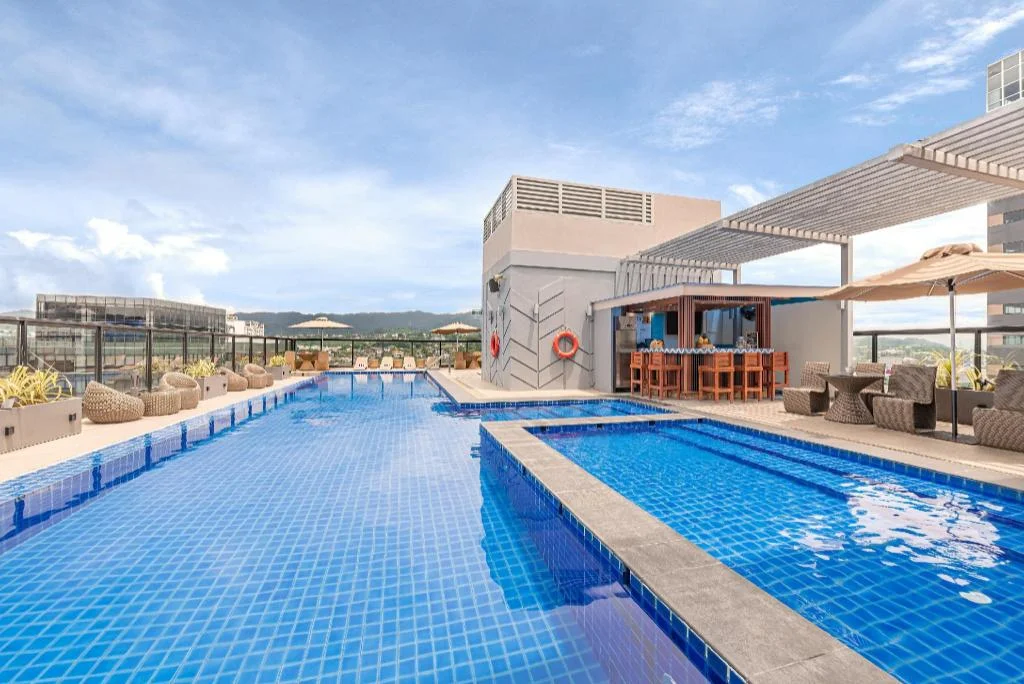
Seda Central Bloc Cebu City
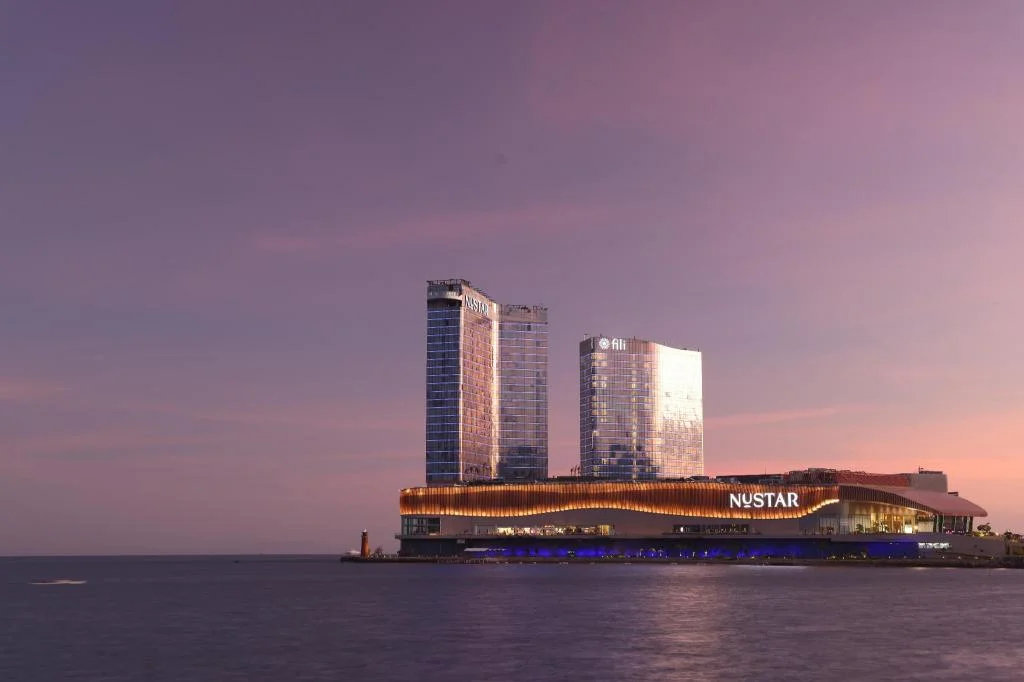
Fili Hotel - NUSTAR Resort & Casino Cebu
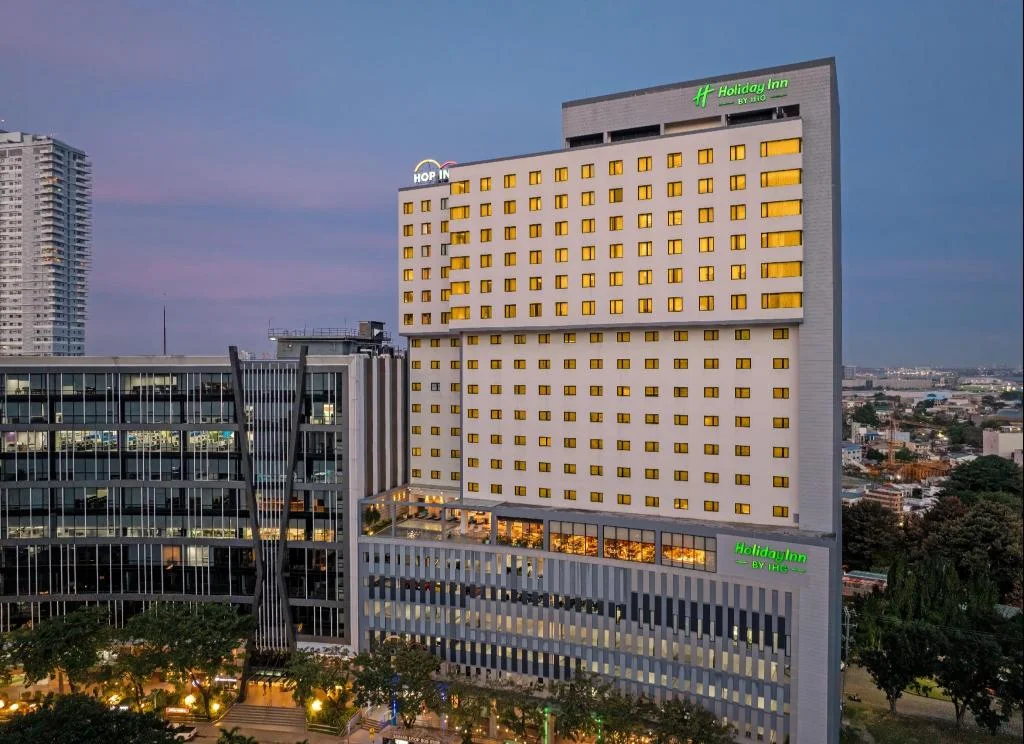
Holiday Inn Cebu City By IHG
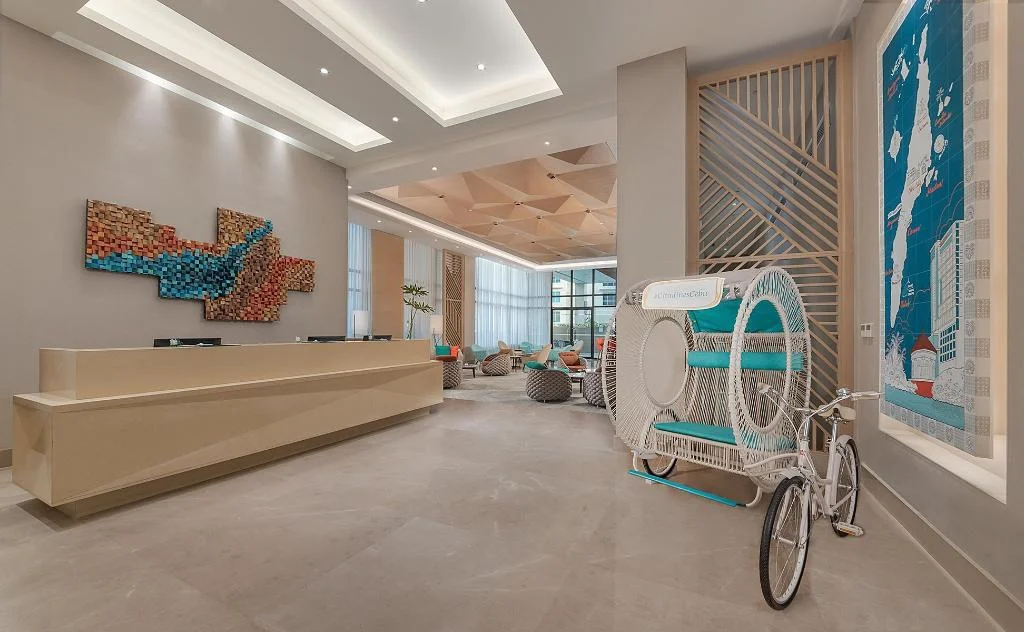
Citadines Cebu City
Prefer a rental? Vacation rentals near Cebu City
Self-catering condos and apartments — book the exact unit, kitchen included.

ClockWorkOrange Luxury Suites
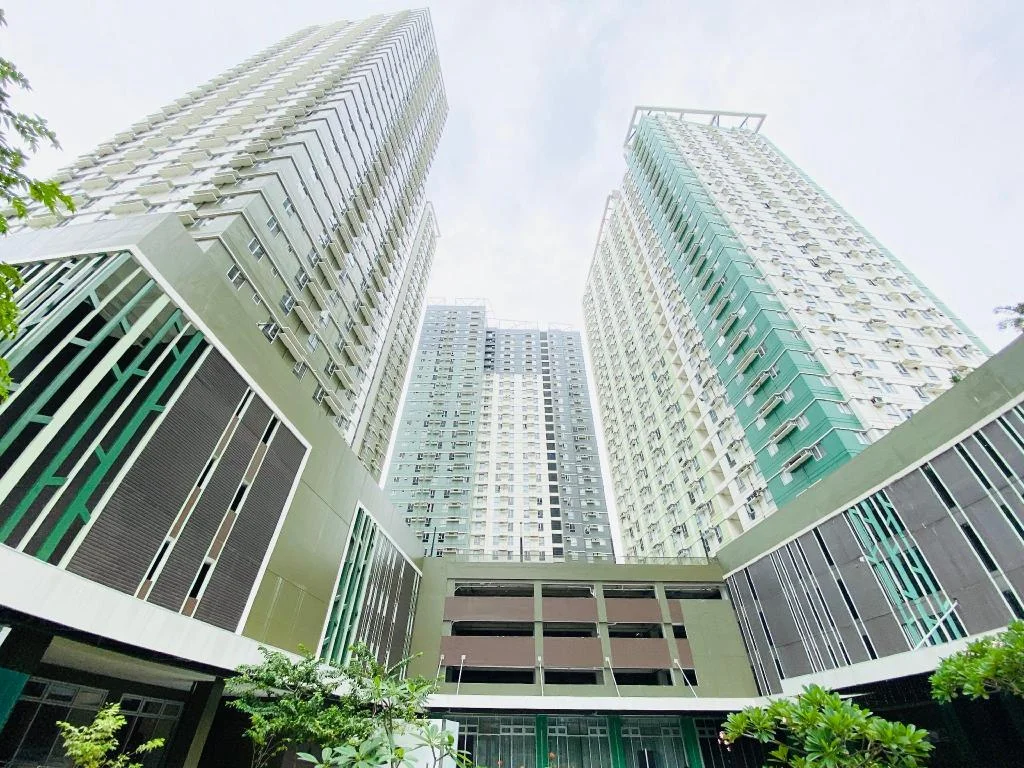
Cebu Avida Riala by P&J
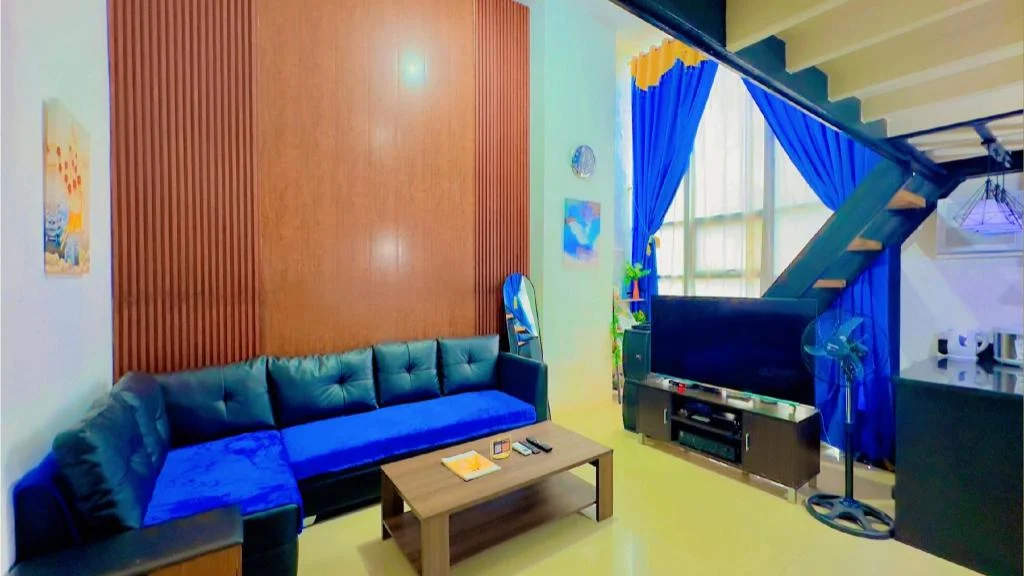
Special Big Loft Unit w/Fibreop Internet & Netflix
Before you go
Frequently asked
How many days do you need for a Cebu food trip?
How much does lechon cost in Cebu?
What is sutukil?
Is Larsian BBQ worth visiting?
What is Sugbo Mercado?
What food should I bring home from Cebu as pasalubong?
Do I need reservations for Cebu food trip stops?
Is street food in Cebu safe to eat?
More Places to Explore
Carbon Market
Cebu City
Cebu's oldest and largest market (since 1909), offering an authentic local shopping experience with fresh produce, seafood, and traditional goods.
Colon Street
Cebu City
The oldest street in the Philippines, a historic commercial thoroughfare that has been Cebu's trading center since Spanish colonial times.
Carcar Public Market
Carcar City
The famous home of Cebu's best lechon and chicharon, where generations of vendors have perfected these iconic Cebuano delicacies.
Mactan Shrine
Lapu-Lapu City
Historic park commemorating the 1521 Battle of Mactan where Lapu-Lapu defeated Magellan, featuring monuments to both warriors.