
TL;DR: The main Cebu rental scam is a fake listing — stolen photos, a too-good price, pressure to send a “reservation fee” before you’ve seen the unit. Deposits cap at 1 month advance + 2 months security for covered units. Never pay before an in-person or video viewing; verify the broker’s PRC license and title-holder’s name. Verified July 2026.
This is a practical checklist for nomads and expats renting in Cebu — not a scare piece. Most rentals here go fine; the scam pattern is narrow and well-documented enough to screen out in five minutes.
Cebu Rental Scam Verification Checklist
| Check | Why it matters |
|---|---|
| View the unit in person, or live on video call with the owner/agent present | Photos alone are the single easiest thing to fake — a live walkthrough kills most scams instantly |
| Verify the agent’s PRC broker license at verification.prc.gov.ph or ren.ph/verify/broker | Anyone can call themselves an “agent”; only a PRC number confirms it’s licensed |
| Ask for the Condominium Certificate of Title (CCT) or Transfer Certificate of Title (TCT) | Confirms the person renting to you actually owns or is authorized to lease the unit |
| Cross-check the title owner’s name against the Registry of Deeds | Catches double-selling or subletting by someone with no authority to rent it out |
| Insist on a written lease agreement before any money moves | A scammer avoids paper trails; a legitimate landlord expects one |
| Pay only traceable methods (bank transfer), never remittance centers or e-wallets pre-contract | Remittance/e-wallet payments are fast to move and hard to reverse once sent |
| Reverse image search the listing photos | Stolen photos of real units are the most common bait |
| Confirm deposit doesn’t exceed 1 month advance + 2 months security (3 months total) for covered units | RA 9653 caps this; asking for 5–6 months upfront with no contract is a known red flag |
Verified July 2026. Confirm current legal limits and registry procedures with a licensed broker or lawyer for anything beyond a standard lease.
What Are the Most Common Rental Scams in Cebu?
The pattern is consistent across every source that’s documented it: fake or unauthorized listings, paired with an upfront “reservation fee” demand. Scammers post real property photos — often lifted from a legitimate listing elsewhere — at a below-market price designed to create urgency, then ask for a reservation fee, typically in the ₱1,000–10,000 range, sent via remittance center or e-wallet before you’ve seen the unit or signed anything. Once the money moves, the “agent” disappears, the unit was either never available or never existed, and there’s no contract to point to.
Variations on the same theme show up repeatedly: duplicate or unauthorized listings (a real unit posted without the actual owner’s knowledge), ghost units that don’t exist at the address given, illegal subletting by someone with no authority to rent the space, and double-selling — the same unit “reserved” by multiple renters at once, with whoever pays first losing when the real tenant shows up. A bait-and-switch version also appears: the advertised unit becomes suddenly “unavailable” right when you’re ready to commit, and you’re redirected to a pricier alternative.
Why Do IT Park and Similar Areas Get Targeted?
High foreign demand meets a fast-moving market. IT Park, Ayala, and similar expat- and nomad-heavy areas draw renters who often can’t view a unit in person before they arrive in Cebu, and who are moving on a deadline — both conditions a scam listing is built to exploit. A too-good IT Park price is the classic hook: attractive enough to make a renter skip the verification step out of fear someone else will grab it first. That urgency is the actual mechanism of the scam, more than any specific neighborhood.
What Are Normal Deposit Norms in Cebu?
Under the Rent Control Act of 2009 (RA 9653), landlords of covered residential units can legally require at most one month’s advance rent plus two months’ security deposit — three months total — paid upfront. That’s the standard a legitimate landlord or broker should be working from. If someone asks for five or six months of deposits upfront, especially with no written lease in hand, that’s a real warning sign, not a quirk of the local market.
The security deposit itself should be returned at the end of the lease, minus any unpaid rent or damage beyond normal wear and tear, with any balance refunded to you. Get every payment — advance rent and deposit — itemized on a written receipt, and don’t accept a verbal breakdown instead.
How Do You Verify a Broker or Landlord Is Legitimate?
Two checks handle almost all of this:
Verify the broker’s PRC license. A real estate agent or broker in the Philippines needs a license from the Professional Regulation Commission (PRC). You can check a name directly at verification.prc.gov.ph or through the free lookup tool at ren.ph/verify/broker. Operating as a broker without a PRC license is itself a violation of Philippine law (RA 9646), and if money changes hands under that false pretense, it can also constitute estafa (fraud) under the Revised Penal Code.
Verify who actually owns the unit. Ask for the Condominium Certificate of Title (CCT) or Transfer Certificate of Title (TCT) and confirm the registered owner’s name matches who you’re dealing with — or that they can show clear written authorization from the owner if they’re a property manager. You can cross-check ownership records through the local Registry of Deeds. A legitimate owner, broker, or manager won’t hesitate to produce this; hesitation or excuses are the tell.
What Should You Never Do When Renting in Cebu?
Never send money for a unit you haven’t seen — in person, or at minimum live over video call with the owner or authorized agent actually present (not just a pre-recorded walkthrough). This is the single rule every credible source on Cebu rental scams converges on, and it defeats the fake-listing and ghost-unit patterns outright, since a scammer showing a real unit live, on the spot, with the real owner present essentially never happens.
Never pay via remittance center or e-wallet before a written contract exists. Scammers prefer these methods because they move fast and are hard to reverse. A bank transfer tied to a signed lease agreement is a healthier pattern — it’s traceable, and it signals the other side is comfortable with a paper trail. If someone pushes hard for e-wallet payment “right now” before you’ve signed anything, treat that pressure itself as the red flag.
Where Do Legitimate Listings Actually Live?
PRC-licensed brokers and established local agencies are the safest starting point — verify the license first, then work with them. For condos, direct developer leasing offices (the building’s own admin or the developer’s rental arm) cut out the middleman risk entirely. Well-moderated expat and digital nomad Facebook groups for Cebu are also a solid source, since members typically vouch for landlords they’ve actually rented from — read the comments, not just the post.
For the practical walkthrough of the local rental process — what to bring, how leases typically run, and what “for rent” listings actually look like on the ground — see the how to find an apartment in Cebu guide and the long-term condo roundup. If you need somewhere to stay short-term while you view units in person (which, per this whole guide, you should), the monthly apartment rentals guide covers flexible options that don’t require a scam-prone upfront reservation fee.
FAQ
What’s the most common apartment rental scam in Cebu?
Fake or unauthorized listings — stolen photos, a below-market price, and a request for a reservation fee before you’ve seen the unit or signed a contract.
How much is a normal rental deposit in Cebu?
For units covered by the Rent Control Act (RA 9653), landlords can legally require at most one month advance rent plus two months security deposit — three months total. Anything far beyond that with no contract is a red flag.
How do I check if a Cebu real estate agent is legit?
Verify their PRC license number at verification.prc.gov.ph or ren.ph/verify/broker. Operating without a valid PRC license is itself illegal under RA 9646.
Should I pay a deposit before seeing an apartment in Cebu?
No. Never send money for a unit you haven’t seen in person or live on video call with the actual owner or authorized agent present.
How do I verify who actually owns a Cebu condo before renting?
Ask for the Condominium Certificate of Title (CCT) or Transfer Certificate of Title (TCT), and cross-check the owner’s name against Registry of Deeds records.
Why do rental scams target IT Park and similar expat areas in Cebu?
High foreign demand from renters who often can’t view units in person, combined with a fast-moving market, creates the urgency scammers rely on.
What payment methods do rental scammers prefer?
Remittance centers and e-wallets, since they’re fast and hard to reverse. A traceable bank transfer tied to a signed lease is a healthier sign.
Where can I find legitimate long-term rental listings in Cebu?
PRC-licensed brokers, established agencies, direct developer leasing offices, and well-moderated expat/nomad Facebook groups where members vouch for landlords.
Sources
- Fake Listings in Cebu: How to Spot Them and Avoid Getting Scammed — Cebu Grand Realty
- Security Deposit & Advance Rent: RA 9653 Limits (2026) — REN.PH
- Legal Guidelines on Deposits and Advance Rental in the Philippines — Respicio & Co.
- How to Check If Real Estate Agent Has Valid PRC License Philippines — Respicio & Co.
- Verify Real Estate Broker — REN.PH broker lookup tool
Verify any broker’s license and a unit’s title before paying anything — rules and registries are checkable in minutes, and skipping that step is where every scam in this guide succeeds.
Book Tours & Hotels for This Trip
Find and book the best deals — prices and availability update in real time. Links open in a new tab.
Where to stay near Cebu City
Top-rated hotels for this trip — tap through to check live rates.

Seda Central Bloc Cebu City
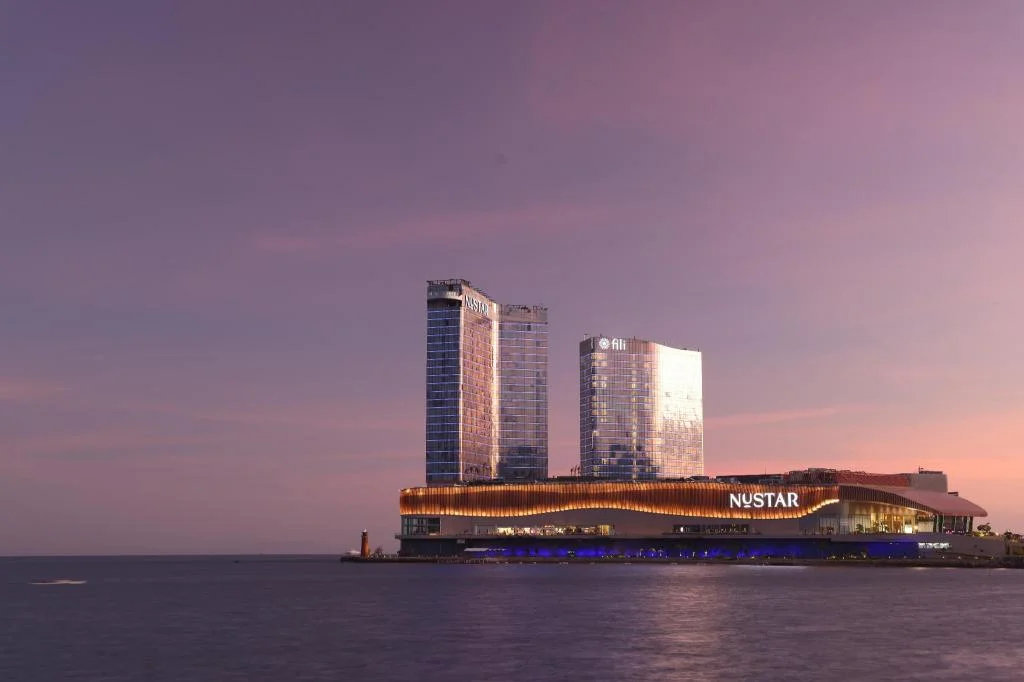
Fili Hotel - NUSTAR Resort & Casino Cebu
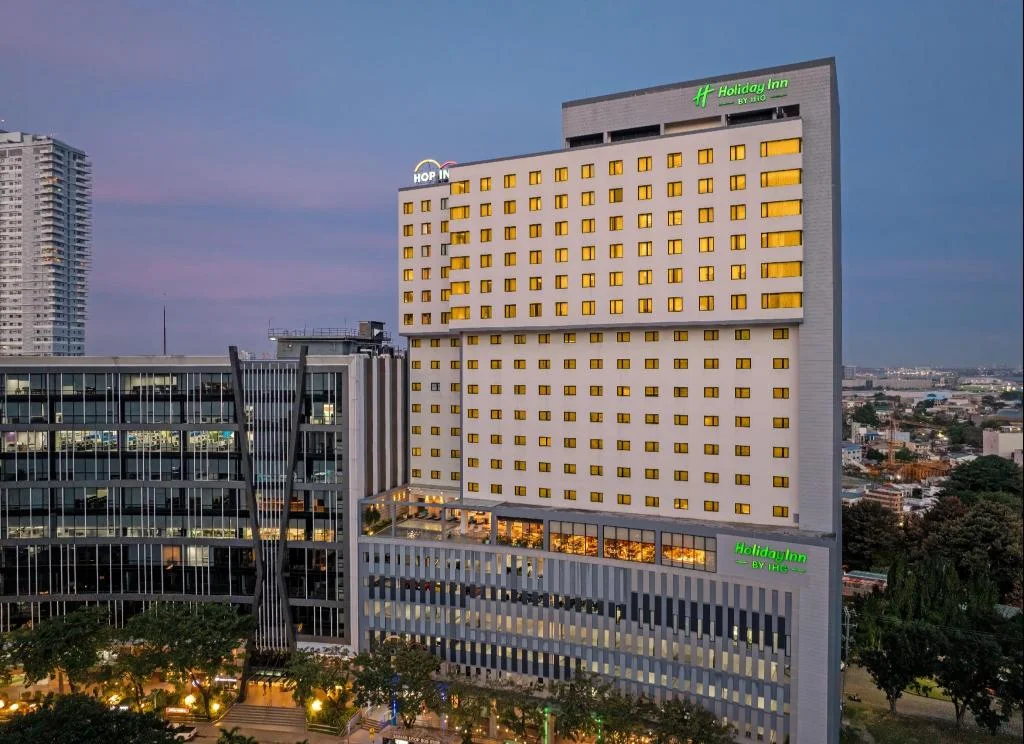
Holiday Inn Cebu City By IHG
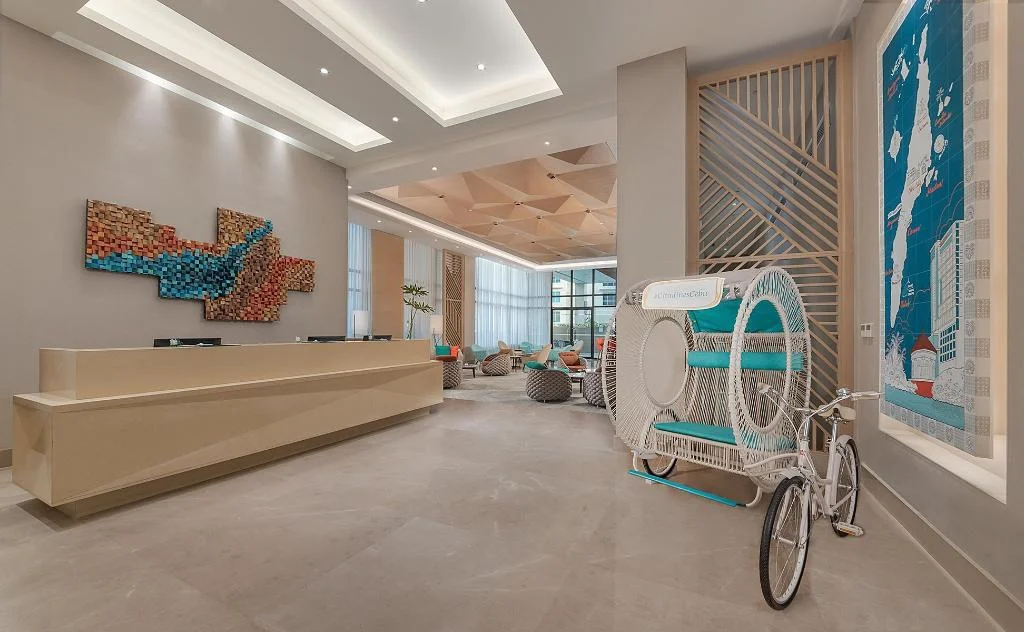
Citadines Cebu City
Prefer a rental? Vacation rentals near Cebu City
Self-catering condos and apartments — book the exact unit, kitchen included.
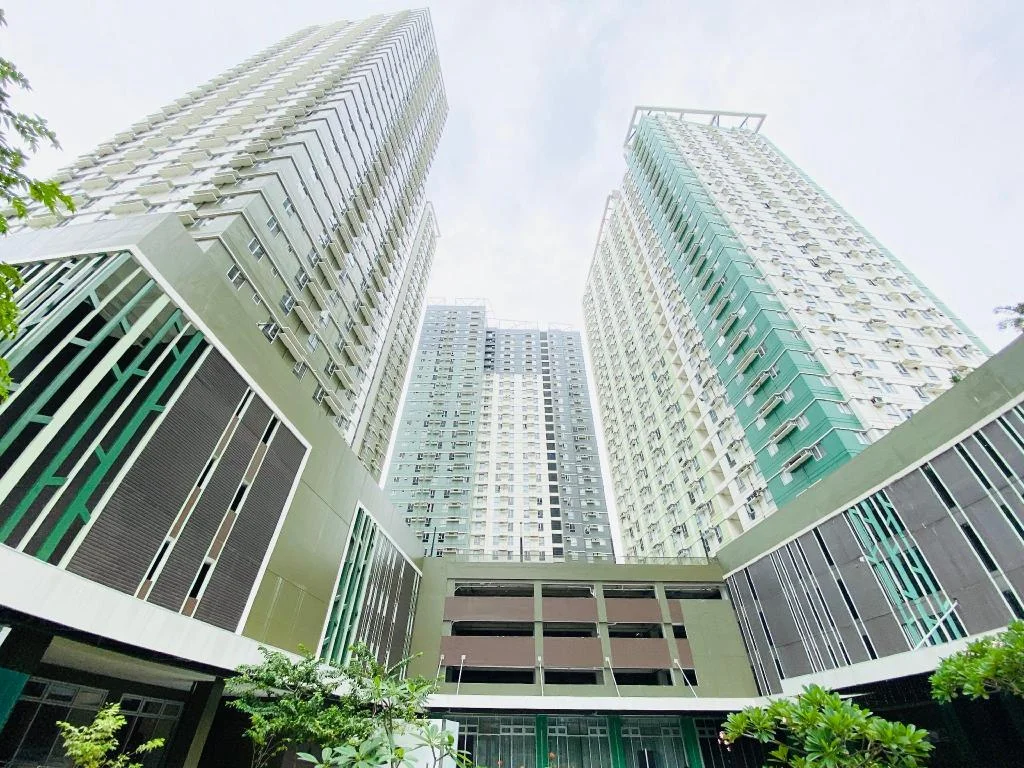
Cebu Avida Riala by P&J
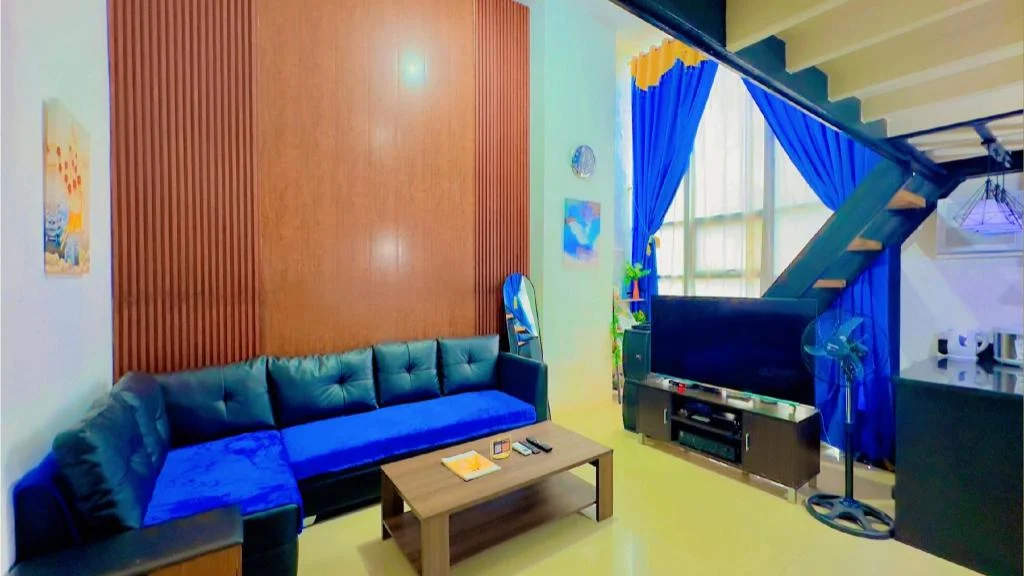
Special Big Loft Unit w/Fibreop Internet & Netflix
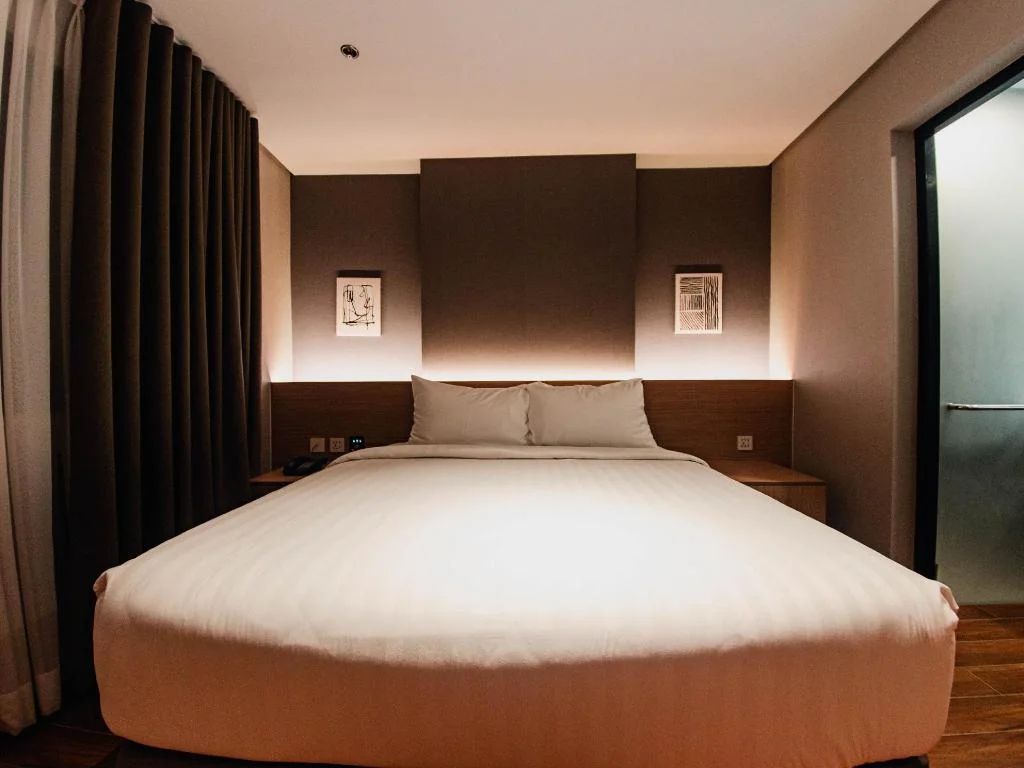
Moonstar Cebu Hotel - Deluxe Room
Before you go
Frequently asked
What's the most common apartment rental scam in Cebu?
How much is a normal rental deposit in Cebu?
How do I check if a Cebu real estate agent is legit?
Should I pay a deposit before seeing an apartment in Cebu?
How do I verify who actually owns a Cebu condo before renting?
Why do rental scams target IT Park and similar expat areas in Cebu?
What payment methods do rental scammers prefer?
Where can I find legitimate long-term rental listings in Cebu?
More Places to Explore
Temple of Leah
Cebu City
A magnificent Roman-inspired temple built as a monument of love, nicknamed 'Cebu's Taj Mahal,' offering stunning architecture and city views.
Tops Lookout
Cebu City
Cebu City's premier hilltop viewpoint offering stunning panoramic views of the city, especially spectacular at sunset and nighttime.