
TL;DR: Argao is the most intact Spanish colonial town in Cebu — its San Miguel Arcangel Church, a National Cultural Treasure since 2023, anchors a coral-stone plaza complex of watchtowers, an old Casa Real, and a rare Via Crucis wall. Add torta (tuba-leavened sponge cake) and tableya hot chocolate, a short trip to Bugasok Falls (~₱20–220 all-in, US$0.35–3.80), and Mahayahay Beach, and you’ve got a full day. It’s ~70 km / 2 hours south of Cebu City by bus (₱79–85, US$1.40–1.50) from the South Bus Terminal. Verified July 2026.
Most travelers blow past Argao on the way to Oslob’s whale sharks or Moalboal’s reefs, which is a shame — it’s arguably the single best-preserved heritage town left in Cebu province. The San Miguel Arcangel Church and its surrounding plaza complex survived what leveled comparable structures elsewhere: earthquakes, wars, and decades of “modernization.” This guide is for anyone who wants to slow down on the south Cebu run — heritage architecture, a genuinely distinct local food culture (torta and tableya you can’t get quite the same way anywhere else), a modest waterfall, and a beach — without turning it into a full detour.
Argao at a Glance
| What | Cost (2026) | Notes |
|---|---|---|
| Bus from Cebu City (South Bus Terminal) | ₱79–85 (~US$1.40–1.50) | ~70 km, ~2 hrs nonstop, more with stops |
| San Miguel Arcangel Church + plaza | Free | Donations welcome; respectful dress for the church |
| Torta + sikwate at a local bakery | ₱20–60 per slice/cup (~US$0.35–1) | Cash only at most stalls |
| Bugasok Falls | ~₱20 entrance + ₱160–200 habal-habal + ₱500 guide/group | US$0.35 + $2.75–3.45 + $8.60 |
| Argao Nature Park | ~₱5–10 entrance (US$0.10–0.15) | Facilities reportedly reduced since 2024 — confirm before going |
| Mahayahay Beach | Free–minimal day-use fee | Best for skimboarding and picnicking, not resort-style swimming |
Prices are community-collected fees and bus fares, gathered from operator and traveler reports, not official rate cards. Confirm locally before you go. Verified July 2026.
What Makes Argao’s Church a National Cultural Treasure?
The San Miguel Arcangel Church earned National Cultural Treasure status from the National Museum of the Philippines in 2023 because it’s one of the most complete Augustinian-era church complexes surviving in the country, not just a standalone building. The parish itself dates to 1733; the present stone church was largely built between 1803 and 1836 under Fr. Mateo Perez, on the footprint of an earlier 1788 structure. It’s a substantial building — about 72 meters long, 16 meters wide, and 10 meters high — with a heavily ornamented coral-stone facade and double-pilaster columns typical of late Spanish colonial Visayan churches. In 2007, Cardinal Ricardo Vidal elevated it to archdiocesan shrine status.
What sets Argao apart from other old churches in Cebu is that the church didn’t survive alone — the fortified plaza around it did too.
What’s in the Plaza Complex Besides the Church?
The Argao plaza complex is a full defensive-and-civic ensemble, not just a church and a green square. Two watchtowers (baluartes), including one known locally as Puerta Marina, flank the church and were built as the town’s first line of defense during Moro raids. The coral-stone perimeter wall carries 14 high-relief Via Crucis (Stations of the Cross) panels — an unusual survival, since most town plazas lost this kind of devotional stonework long ago. Around the plaza you’ll also find the old Casa Real (the former Spanish administrative building), the Capilla Mortuario (mortuary chapel), and the Hall of Justice, a two-story structure that once served as the boys’ school, Colegio de los Niños — legend has it each student had to bring a block of coral stone to help build it.
Give the plaza complex 45–60 minutes on foot. Early morning (before 9 AM) is cooler and quieter for photos; the church interior is open around Mass times, so check the schedule posted at the entrance if you want to see it lit and in use rather than locked.
What Should You Eat in Argao?
Order torta and sikwate — Argao is the origin town for both, and neither tastes quite the same anywhere else in Cebu. La torta de Argao is a dense, moist sponge cake leavened with tuba (fermented coconut toddy) instead of commercial yeast, enriched with lard rather than butter. It’s traditionally served with a smear of margarine, grated cheese, and a dusting of sugar. Pair it with sikwate, hot chocolate brewed from tableya — Argao’s other specialty, made from locally ground cacao tablets. Small home bakeries and stalls around the town center sell both; a slice of torta and a cup of sikwate together typically run somewhere in the ₱20–60 range (about US$0.35–1), though prices vary stall to stall and aren’t posted formally, so treat that as a rough guide rather than a fixed price.
If you want to see the process rather than just eat the result, some family-run tableya and torta operations in town allow informal visits — ask at the tourism office near the plaza, since access depends on which household is currently welcoming visitors.
When Is the La Torta Festival?
Argao’s La Torta Festival runs every September 28, timed to the feast day of St. Michael the Archangel, the town’s patron saint. The festival mixes religious observance with a cultural dance competition and food stalls built around — unsurprisingly — torta and tableya. It’s a smaller, more local affair than Sinulog or Ati-Atihan, which is part of the appeal if you want a genuine small-town fiesta rather than a mega-event. Confirm the specific 2026 program and any road closures with the Argao municipal tourism office as the date approaches; village-level festival schedules can shift by a day or two.
Is Bugasok Falls Worth the Detour?
Yes, if you treat it as a modest, low-key waterfall stop rather than a Kawasan-scale spectacle. Bugasok Falls sits inland from the town proper, reached by hiring a habal-habal (motorcycle) for roughly 30–45 minutes from the town center, followed by a 10–15 minute hike from the drop-off point. Budget around ₱20 (about US$0.35) as a community environmental fee, plus ₱160–200 (US$2.75–3.45) for the habal-habal and about ₱500 (US$8.60) if you want a local guide for a small group. It’s a smaller, quieter waterfall than the famous ones near Badian and Moalboal — good for a cool-off swim, not an all-day canyoneering trip. Stop by the Argao tourism office near the plaza first; they can confirm current fees and point you to a reliable habal-habal driver.
Is Argao Nature Park Still Worth Visiting?
Approach this one with lowered expectations. Argao Nature Park was built around a canopy walk, hanging foot bridge, wall-climbing wall, mini-zoo, and zipline, with historically tiny entrance fees (around ₱5–10, or US$0.10–0.15). More recent visitor reports from 2024 onward describe several of the adventure attractions — the zipline, canopy walk, wall-climbing — as no longer operating, while the mini-zoo, boating, and gazebos remain. If adventure activities are your main draw, this isn’t the place anymore; if you just want a quiet stop with a small lake and some shade, it can still work. Call ahead or check with the tourism office before making a special trip.
What About the Beach — Is Mahayahay Worth It?
Mahayahay Beach is a solid stop for skimboarding and a picnic, not a resort-style swim day. It’s one of only a couple of beaches in Cebu known for waves big enough for skimboarding, and it hosts an informal skimboarding competition around September. Outside of that, it’s popular locally for swimming, volleyball, and family picnics rather than the calm, turquoise water you’d get in Moalboal or Bantayan. If your itinerary already has beach time built in elsewhere, you can treat Mahayahay as a bonus rather than a must-see.
How Do You Get to Argao?
Take a Ceres or Sunrays bus from Cebu City’s South Bus Terminal on N. Bacalso Avenue. Fares run about ₱79 for non-aircon and ₱83–85 for aircon service (roughly US$1.40–1.50), and buses depart every 30 minutes or so from around 1 AM to 10 PM — you rarely have to wait long. It’s about 70 km, and while the drive itself is close to 2 hours, public buses making local stops often take 2.5–3 hours in practice. Leaving early (by 5–6 AM) helps you dodge Talisay and Minglanilla traffic, which builds up by 7–8 AM. Once in town, habal-habal drivers around the plaza and market can take you to Bugasok Falls, Mahayahay Beach, or Argao Nature Park for a negotiated fare.
If you’d rather not manage buses and habal-habal transfers yourself, a private south Cebu day tour through Klook can bundle Argao with nearby stops and a driver for the day — useful if you’re combining it with Oslob or Moalboal in one trip.
How to Plan Your Day
- Morning: Bus down early, walk the plaza complex and church first while it’s cool, then find a bakery for torta and sikwate.
- Midday: Habal-habal out to Bugasok Falls for a swim, or Argao Nature Park if you just want a shaded rest stop.
- Afternoon: Mahayahay Beach if you have time, or head straight back — the last buses to Cebu City run into the evening, but don’t cut it too close in a town with limited lit terminals after dark.
- If you’re combining towns: Argao sits on the same corridor as Carcar’s heritage district and Sibonga’s Simala Shrine, so a south Cebu heritage day covering two or three towns is realistic if you start early.
The Honest Take
Argao rewards people who like old buildings and food history more than people chasing beach photos or adrenaline. The church and plaza complex are genuinely special — better preserved than most of what’s left in Cebu — and the torta-and-tableya combination is worth the trip on its own if you care about food that actually tastes like somewhere specific. Bugasok Falls and Mahayahay Beach are fine, low-key add-ons, not headline attractions; don’t build a whole day around them expecting a Kawasan or a Moalboal. And be honest about Argao Nature Park — recent visitor reports suggest it’s past its prime, with several of its advertised activities not operating, so don’t detour specifically for the zipline without confirming first. Go for the heritage core, treat everything else as a bonus, and you won’t be disappointed.
Sources
- Argao Church — Wikipedia (construction dates, National Cultural Treasure status, dimensions)
- The San Miguel Arcangel Parish Church, Argao, Cebu — Artes de las Filipinas (architectural and historical detail)
- Bugasok Falls — Shellwanders (fees, habal-habal fares, access)
- Argao’s La Torta Dance Festival — social science research repository (festival background, torta and tuba leavening)
- 10 Best Things to Do in Argao, Cebu — Shellwanders (plaza complex structures, Mahayahay Beach, Nature Park)
- Bus fares and schedule cross-checked against South Bus Terminal route reporting. Verified July 2026.
Argao is one of the easiest “hidden in plain sight” stops on the south Cebu route — most of the value is free (the plaza, the church) or a couple hundred pesos (Bugasok Falls, habal-habal fares). Pair it with Carcar’s heritage district and lechon for a bigger heritage day, check our roundup of Cebu’s best churches for what else is worth the detour, and if you’d rather book accommodation nearby before heading further south, compare stays around south Cebu on Agoda.
Book Tours & Hotels for This Trip
Find and book the best deals — prices and availability update in real time. Links open in a new tab.
Where to stay near Cebu City
Top-rated hotels for this trip — tap through to check live rates.
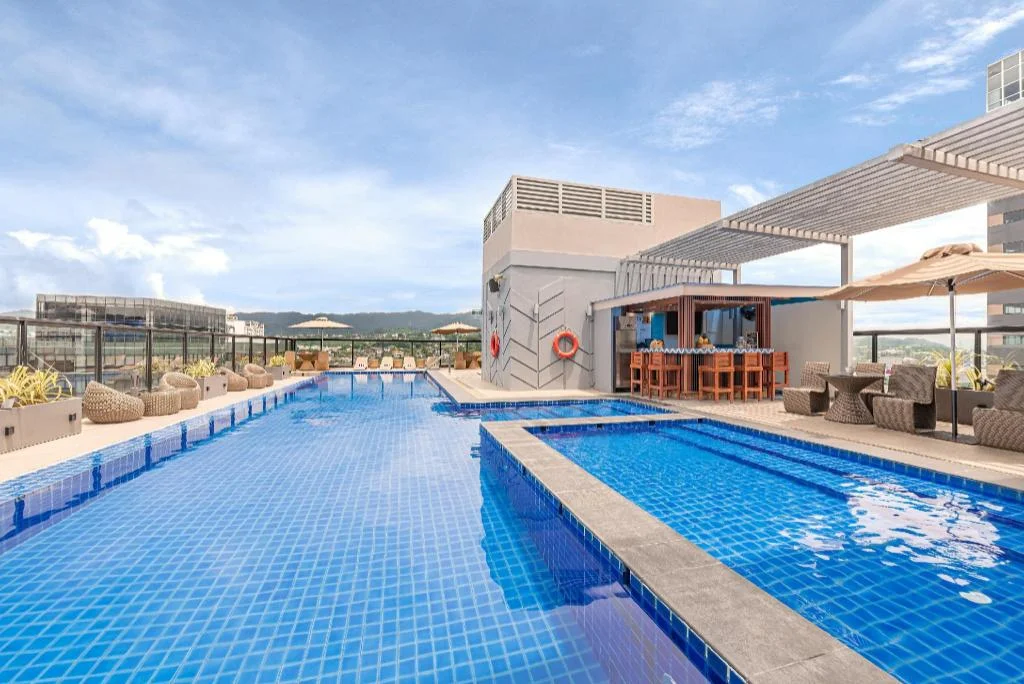
Seda Central Bloc Cebu City
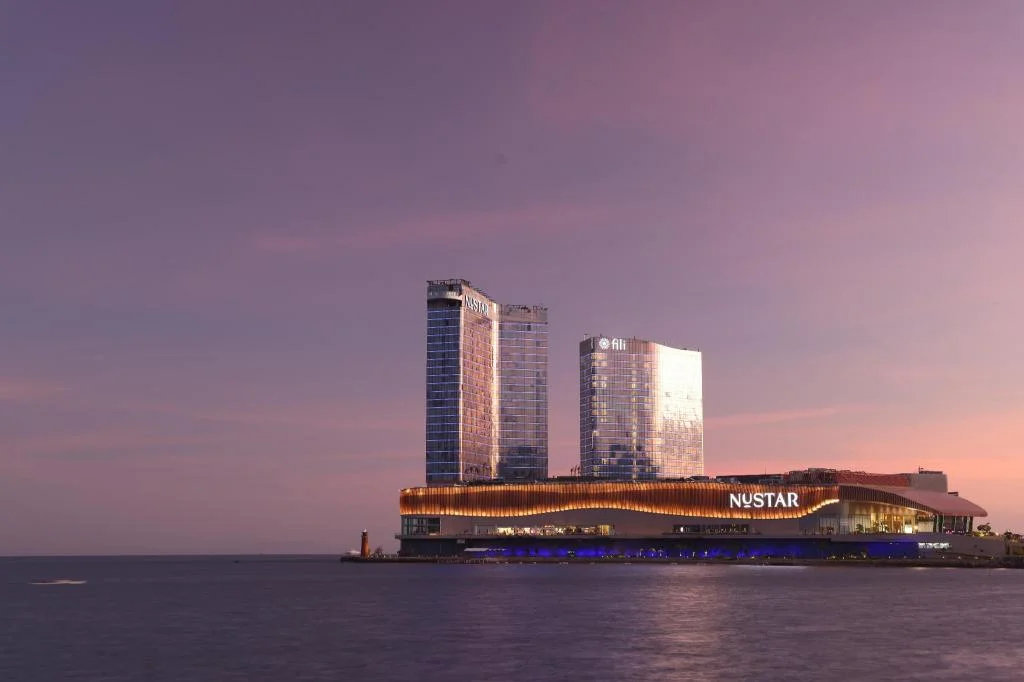
Fili Hotel - NUSTAR Resort & Casino Cebu
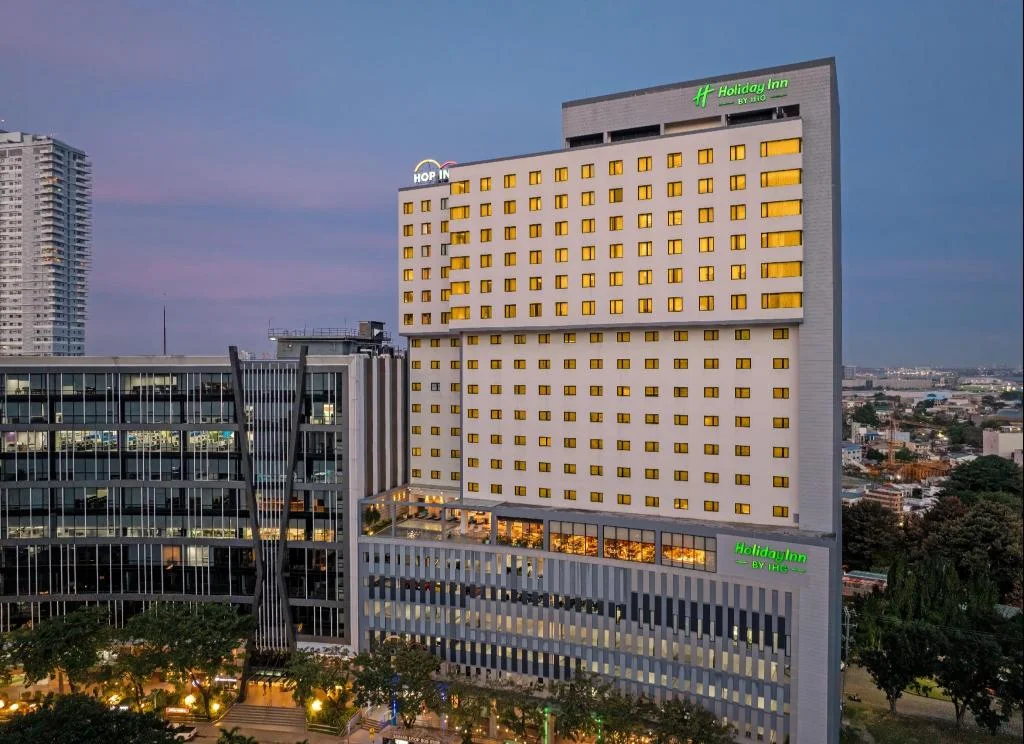
Holiday Inn Cebu City By IHG
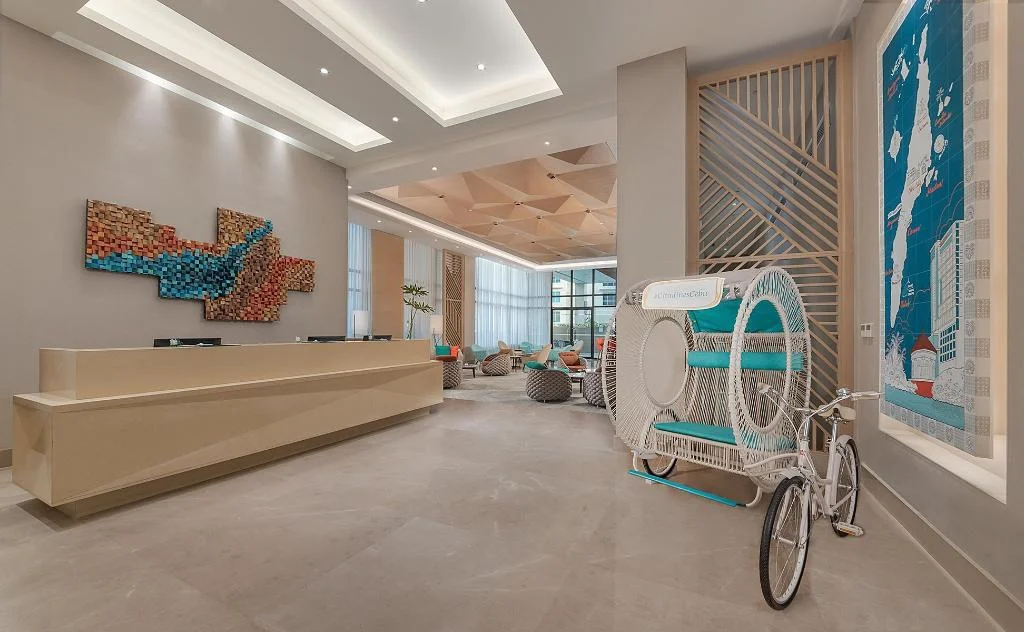
Citadines Cebu City
Prefer a rental? Vacation rentals near Cebu City
Self-catering condos and apartments — book the exact unit, kitchen included.
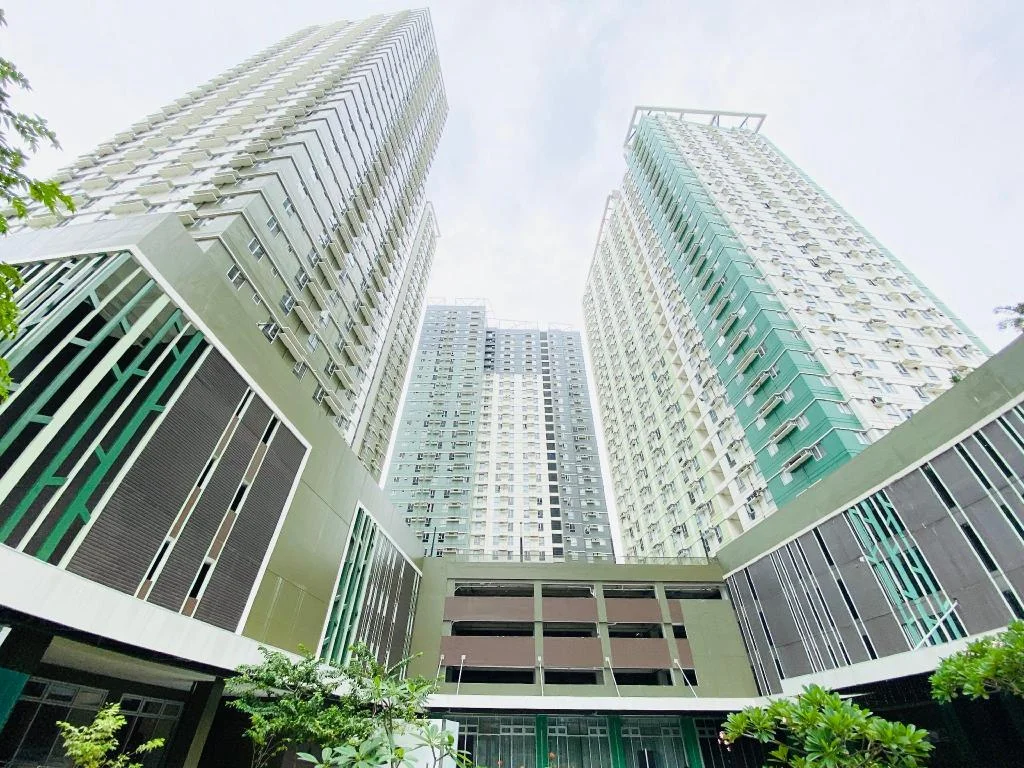
Cebu Avida Riala by P&J
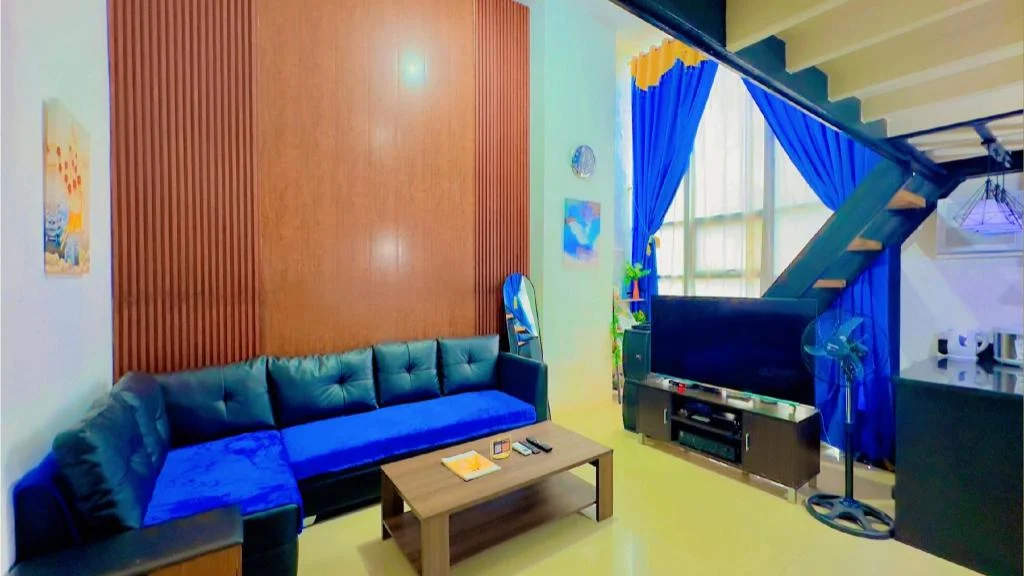
Special Big Loft Unit w/Fibreop Internet & Netflix
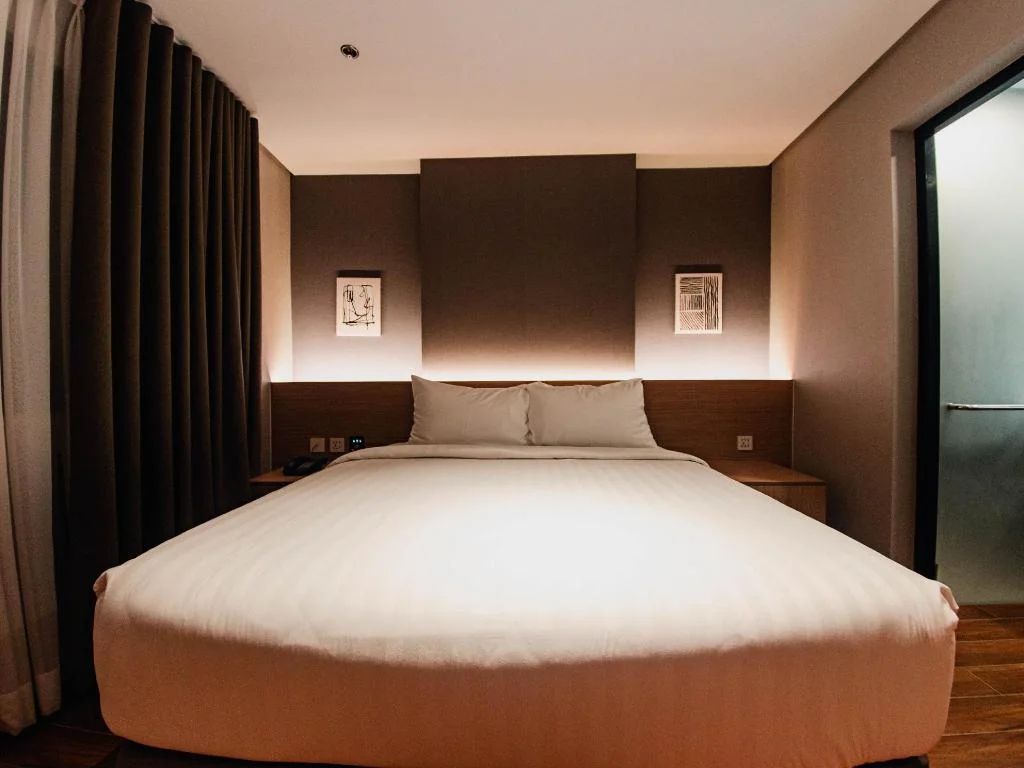
Moonstar Cebu Hotel - Deluxe Room
Before you go
Frequently asked
Why is Argao famous?
Is San Miguel Arcangel Church a National Cultural Treasure?
How do you get to Argao from Cebu City?
What is la torta de Argao?
How much does it cost to visit Bugasok Falls?
When is Argao's La Torta Festival?
Is Argao worth a day trip from Cebu City?
Can you combine Argao with other south Cebu stops?
More Places to Explore
San Miguel Arcangel Parish Church
Argao
A beautifully preserved 18th-century Spanish colonial church with baroque architecture, intricate carvings, and National Cultural Treasure status.
Bugasok Falls
Argao
A scenic multi-tiered waterfall in Argao's highlands with natural swimming pools and a refreshing forest trek.
Mahayahay Beach
Argao
A peaceful public beach in Argao with calm waters, local atmosphere, and beautiful sunset views across the Bohol Strait.
Argao Nature Park
Argao
An eco-tourism park in Argao's highlands featuring nature trails, hanging bridges, ziplines, and panoramic mountain views.
Temple of Leah
Cebu City
A magnificent Roman-inspired temple built as a monument of love, nicknamed 'Cebu's Taj Mahal,' offering stunning architecture and city views.