
TL;DR: Cebu City is the Visayas’ higher-education hub, with three tuition-free state universities — University of the Philippines Cebu, Cebu Normal University, and Cebu Technological University — under RA 10931, alongside a cluster of respected private universities (USC, USJ-R, CIT-U, UC, SWU PHINMA, UV, USPF) charging roughly ₱20,000–45,000 per semester (about US$323–726 at ₱62/US$1 (July 2026)). USC leads on overall reputation, CIT-U on engineering, USJ-R and SWU PHINMA on nursing, and UC and USJ-R on maritime studies. Expat families with K-12 kids have two main international options, Cebu International School and CIE British School, running roughly ₱180,000–550,000+ a year. Verified July 2026.
Cebu City has been the Visayas’ education center for over a century, and if you’re a Filipino student choosing where to study, a parent weighing options for your kids, or an expat moving the family here, the sheer number of schools can be overwhelming. This guide narrows it down to the universities and colleges that actually matter — the ones with real reputations, real graduates in the workforce, and real answers when you ask “is it worth the tuition.” Most of the campuses covered here sit in or near downtown Cebu City, close to landmarks like Colon Street, the Heritage of Cebu Monument, and Carbon Market. We cover public versus private, what each school is actually known for, rough tuition tiers, and a short section on international K-12 schools for expat families. Every school below with a page on our sister site, SchoolFinderPH, is linked by name so you can dig into fuller listing details.
Cebu’s Universities at a Glance
Tuition figures are per-semester estimates for undergraduate programs; lab-heavy courses (engineering, nursing, maritime) run higher, and international/foreign-student rates are separate and higher still. Confirm exact current figures with each school directly. Verified July 2026.
| School | Public / Private | Known For | Approx. Tuition (per semester) |
|---|---|---|---|
| University of San Carlos (USC) | Private (Catholic) | Research reputation, architecture, engineering, law | ~₱25,000–45,000 (US$403–726) |
| University of the Philippines Cebu | Public (state) | Business/IT, social sciences, prestige via UPCAT | Free tuition + minimal fees (RA 10931) |
| Cebu Institute of Technology–University (CIT-U) | Private | Engineering (CHED Center of Development), IT/CS | ~₱25,000–45,000 (US$403–726) |
| University of San Jose–Recoletos (USJ-R) | Private (Catholic) | Nursing, law, maritime studies (Balamban campus) | ₱25,000–45,000 (US$403–726) |
| University of Cebu (UC) | Private | Maritime, engineering, law, multi-campus | ₱20,000–35,000 (US$323–565) |
| Cebu Normal University (CNU) | Public (state) | Teacher education | Free tuition + minimal fees (RA 10931) |
| Cebu Technological University (CTU) | Public (state) | Engineering, technical/agricultural programs | Free tuition + minimal fees (RA 10931) |
| Southwestern University PHINMA | Private | Nursing, medicine, allied health | ₱30,000–40,000 (US$484–645) |
| University of the Visayas (UV) | Private | Business, education, one of Cebu’s oldest schools | ~₱20,000–35,000 (US$323–565) |
| University of Southern Philippines Foundation (USPF) | Private | Broad programs, student-centered, affordable | ~₱20,000–35,000 (US$323–565) |
Which university has the best overall reputation?
University of San Carlos generally comes out on top for overall academic reputation. Run by the Society of the Divine Word, USC has five campuses around Metro Cebu and 57 undergraduate programs across colleges of architecture, engineering, law, business, education, healthcare, and the arts. It’s the private university locals point to first when asked “which is Cebu’s best,” largely on the strength of its research output, its architecture and fine arts programs, and its long history of board-exam topnotchers across multiple fields.
That reputation comes at a cost — USC sits at the higher end of Cebu’s private tuition tier, and popular programs like architecture and law can run above the typical range, so confirm the current per-program fee schedule before you apply.
What are the free, state-run universities in Cebu?
Three state universities in Cebu — UP Cebu, Cebu Normal University, and Cebu Technological University — charge no tuition to eligible Filipino students under the Universal Access to Quality Tertiary Education Act (RA 10931), though small miscellaneous and lab fees still apply depending on the course.
- University of the Philippines Cebu is the most selective of the three. It runs a lean set of programs (around nine undergraduate degrees across the School of Management and the Colleges of Science, Social Sciences, and Communication, Arts and Design) and admits through the UPCAT, the same national entrance exam used across all UP campuses. If your child can pass it, it’s arguably the single best value-for-reputation option in the province.
- Cebu Normal University is the region’s dedicated teacher-training institution, with a long track record in education degrees and a solid reputation for producing licensed teachers.
- Cebu Technological University leans toward engineering, technical, and agricultural programs, and functions as the affordable state-school engineering alternative to CIT-U.
The trade-off with all three: free tuition means high demand and limited slots, so admission is genuinely competitive, and program breadth is narrower than at the big private universities.
Which private university is best for your specific program?
Rather than chasing a single “best,” it’s more useful to match the university to the program:
- Engineering and IT: Cebu Institute of Technology–University is the clearest specialist here. Its engineering programs are CHED Centers of Development and its IT/Computer Science programs carry PAASCU accreditation, backed by decades of board topnotchers and deep industry partnerships with engineering firms, BPOs, and construction companies.
- Nursing and allied health: University of San Jose–Recoletos and Southwestern University PHINMA both have long-running, well-regarded nursing colleges; SWU PHINMA in particular has built a reputation across medicine and allied health that extends beyond the Visayas.
- Maritime studies: University of Cebu runs one of the province’s flagship maritime programs, with graduates going into international shipping companies, and USJ-R’s Balamban campus is built specifically around science, technology, and maritime-related degrees.
- Business, law, and general programs: University of San Carlos, University of the Visayas — one of Cebu’s oldest schools — and University of Southern Philippines Foundation, a nearly century-old institution known for being affordable and student-centered, all offer solid, broad-based options if you’re not chasing a single specialist track.
If you’re weighing two similar schools, the honest move is to visit both campuses, ask each college directly for its most recent board exam passing rates (these genuinely shift year to year), and talk to current or recent students before committing.
How much does university actually cost in Cebu?
Budget roughly ₱20,000–45,000 per semester (about US$323–726) for most of Cebu’s private universities, or effectively free tuition at the three state schools. Lab-heavy and licensure-track programs — engineering, nursing, maritime studies, architecture — sit at the top of that range, while general business, arts, and education programs tend to sit lower. Foreign or international students pay a separate, higher fee schedule at every school, plus visa and immigration paperwork through the Bureau of Immigration.
None of these figures are locked in from year to year, and every university publishes (or can provide on request) its actual per-program fee matrix, so treat the numbers above as a planning range, not a quote — confirm directly with each school’s admissions or registrar’s office before enrolling.
What about international and K-12 schools for expat families?
If you’re an expat moving to Cebu with kids rather than a university-age student, the university list above isn’t what you need — you’re looking at K-12 international schools instead. The two main options serving expat and international families are:
- Cebu International School (CIS), which runs an IB curriculum and sits at the more accessible end of the market, with primary-level tuition commonly cited around ₱180,000–280,000 a year.
- Centre for International Education (CIE) – British School, which runs a British curriculum, with average tuition reported around ₱310,000 a year.
Beyond those two, mid-tier private and bilingual schools in Cebu can run roughly ₱320,000–550,000+ a year at the primary level, with secondary and exam years priced higher. Fees at every school shift year to year and vary by grade level, so confirm the current fee schedule — plus any one-time enrollment, capital, or building fund charges — directly with the school before budgeting. For the bigger picture of settling a family in Cebu, see our guides on living in Cebu as an expat and Cebu for families.
How do you actually choose?
A few practical filters that matter more than brand-name reputation:
- Program-specific accreditation first. A CHED Center of Development or PAASCU/PACUCOA accreditation for the specific college you’re entering (not just the university as a whole) tells you more than general prestige.
- Recent board exam passing rates, requested directly from the college — these move year to year and are the single best proxy for teaching quality in licensure programs like nursing, engineering, and education.
- Commute and campus location. Most of these universities cluster in or near downtown Cebu City; factor in daily traffic if you’re commuting from Mandaue, Talisay, or further out. Our best neighborhoods to live in Cebu guide and cost of living in Cebu breakdown are useful if you’re relocating for school.
- Total cost, not just tuition. Lab fees, uniforms, books, and for international schools, one-time capital fees, can add meaningfully to the sticker tuition price.
The Honest Take
Cebu’s university scene is genuinely strong for a provincial capital — you don’t need to send a student to Manila to get a solid, board-exam-ready education in engineering, nursing, business, or law. But don’t assume brand recognition equals program quality: a mid-tier private university’s engineering college can outperform a bigger name’s, depending on faculty and industry ties in a given year, so always ask for current, program-specific numbers rather than trusting overall university reputation alone. The state universities are an excellent value if your child can get in, but don’t count on them as a fallback — competition for slots is real. And if you’re an expat parent, budget for international school fees seriously; they add up fast next to Cebu’s otherwise reasonable cost of living, covered in our cost of living in Cebu guide.
Getting Around and Settling In
Most of these campuses sit within or near downtown Cebu City, walkable to landmarks like Colon Street and Carbon Market. If you’re relocating a family for school, pair this guide with our living in Cebu as an expat guide for visas, housing, and healthcare, and browse the full, searchable database of Cebu schools — university and K-12 — on SchoolFinderPH.
Sources
- University of San Carlos — official site
- University of the Philippines Cebu — Admissions
- Cebu Institute of Technology–University — official site
- University of San Jose–Recoletos — official site
- Southwestern University PHINMA — official site
- Cebu Technological University — Wikipedia
- Cebu International School — 2025–2026 fee schedule
- Centre for International Education – British School
- Tuition ranges cross-checked against UniPage, CourseFinder PH, and Edurank university profiles. Confirm exact current fees with each school directly. Verified July 2026.
Book Tours & Hotels for This Trip
Find and book the best deals — prices and availability update in real time. Links open in a new tab.
Where to stay near Cebu City
Top-rated hotels for this trip — tap through to check live rates.
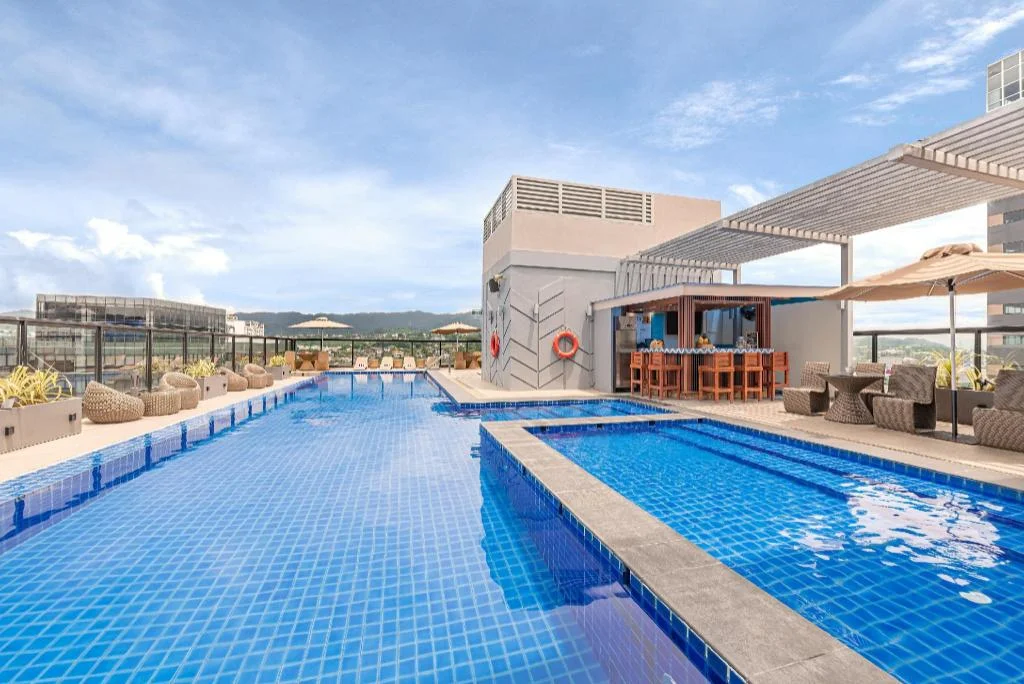
Seda Central Bloc Cebu City
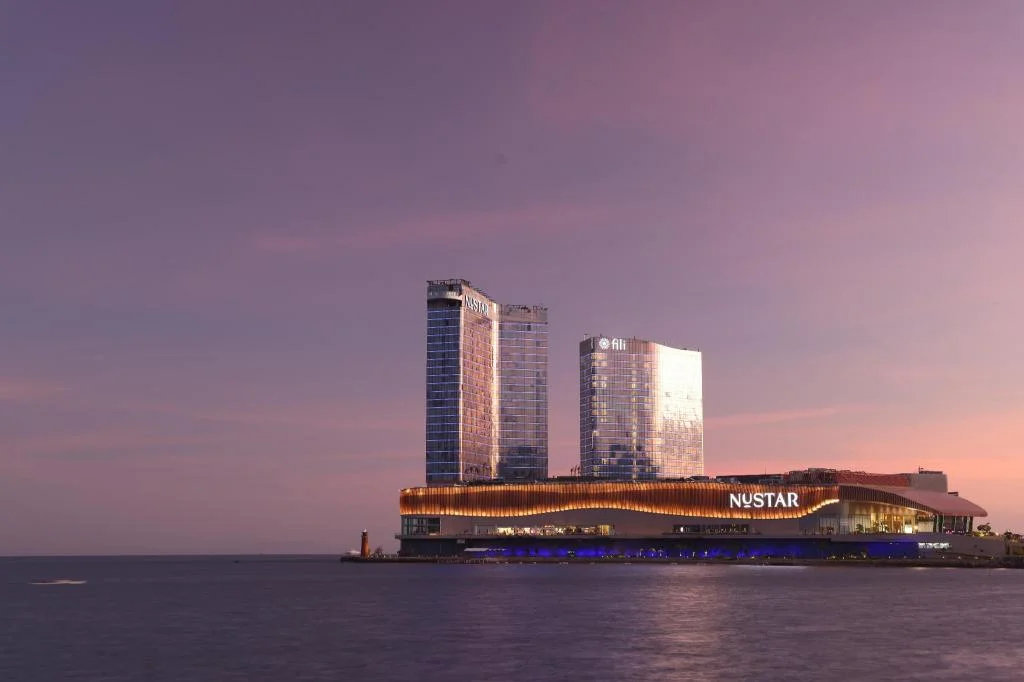
Fili Hotel - NUSTAR Resort & Casino Cebu
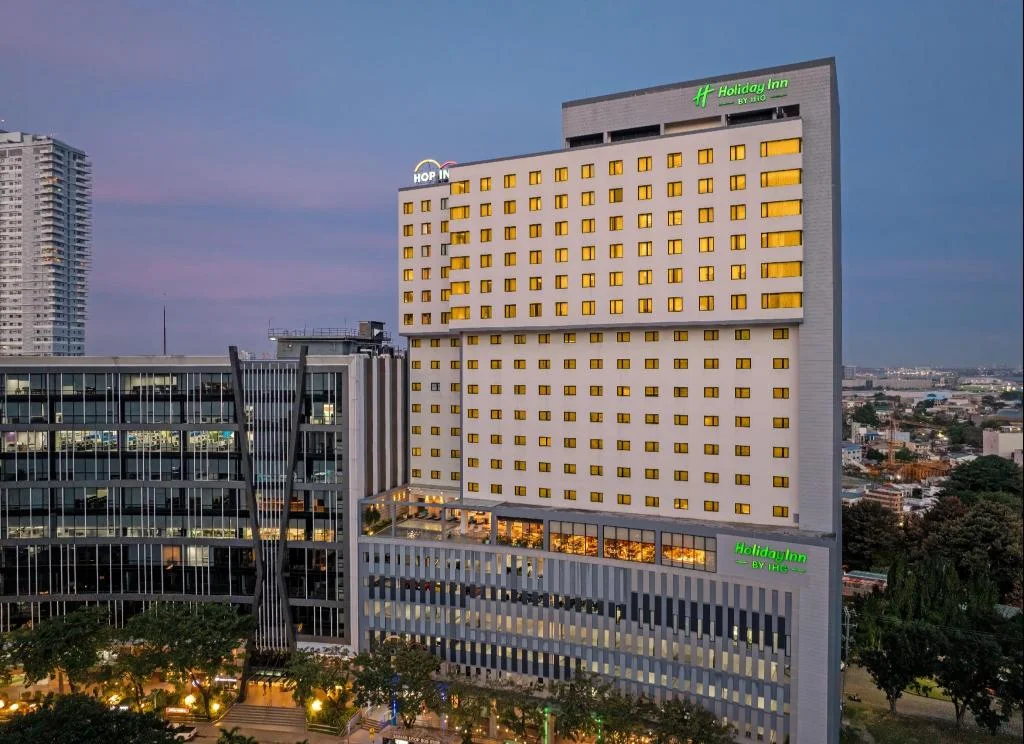
Holiday Inn Cebu City By IHG
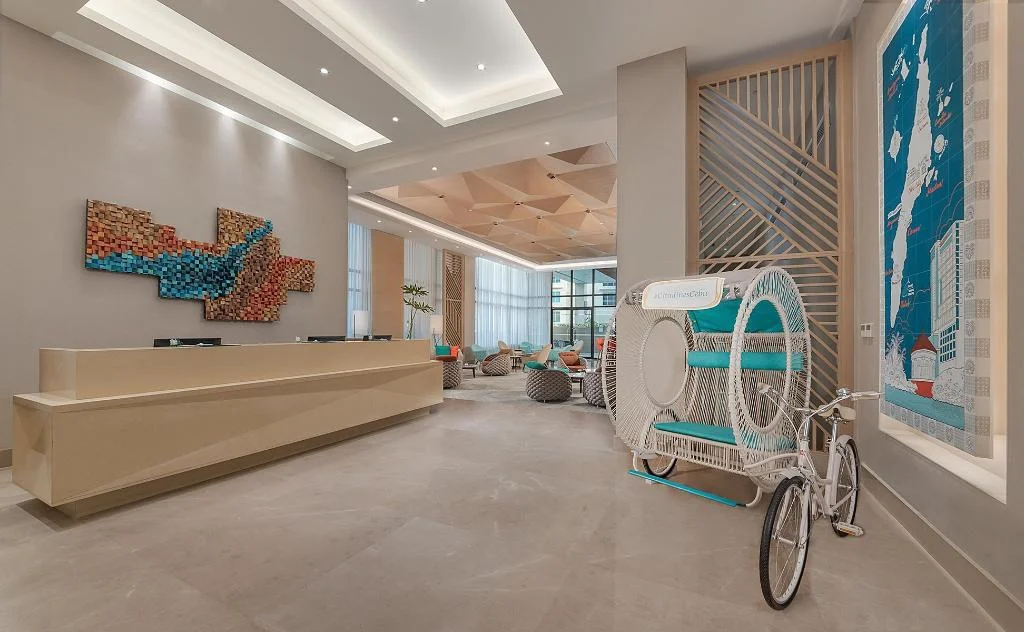
Citadines Cebu City
Prefer a rental? Vacation rentals near Cebu City
Self-catering condos and apartments — book the exact unit, kitchen included.
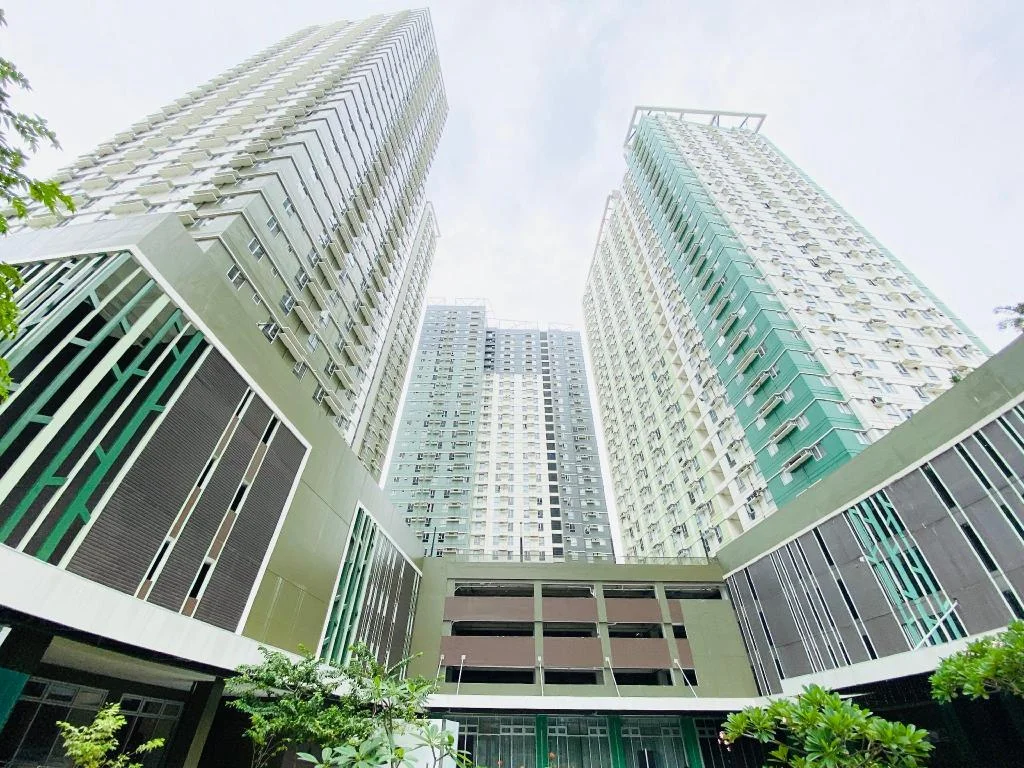
Cebu Avida Riala by P&J
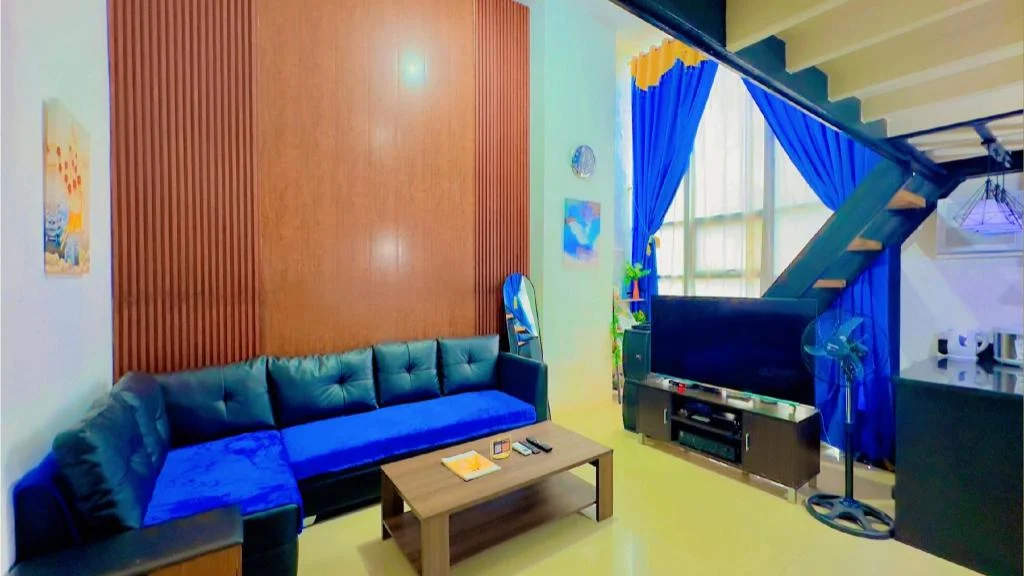
Special Big Loft Unit w/Fibreop Internet & Netflix
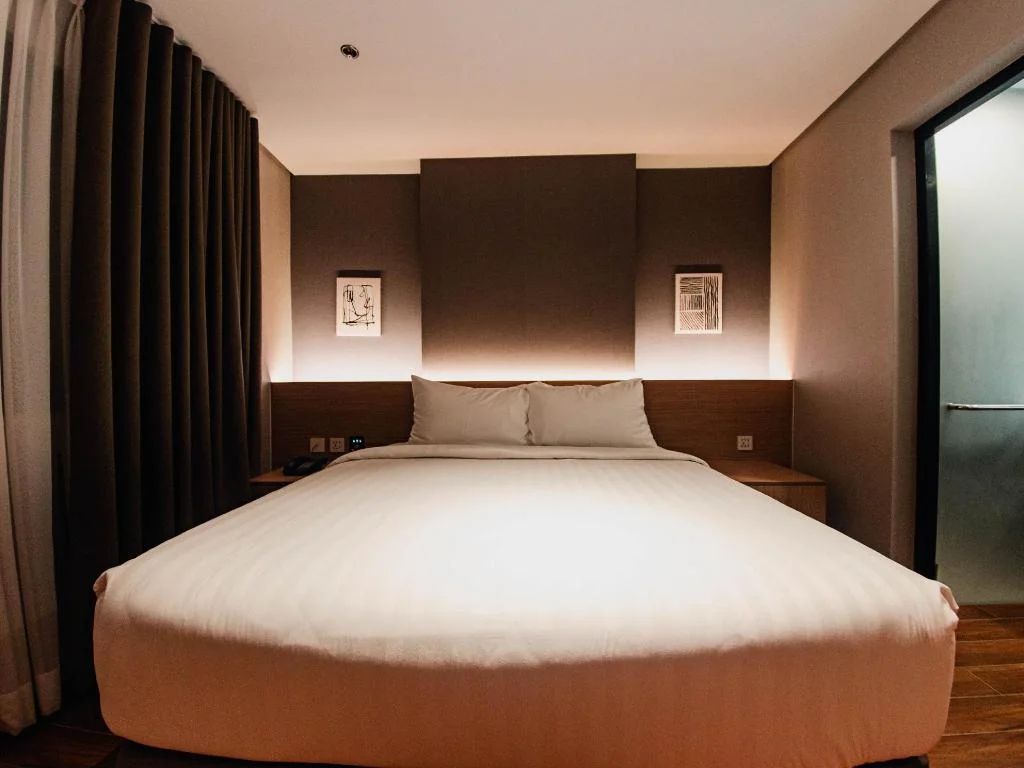
Moonstar Cebu Hotel - Deluxe Room
Before you go
Frequently asked
What is the best university in Cebu?
Is UP Cebu really free?
Which university is best for nursing in Cebu?
Which university is best for engineering in Cebu?
How much is tuition at a private university in Cebu?
Are there good international schools in Cebu for expat kids?
Is USC or USJ-R the better choice?
Do Cebu's universities accept international or foreign students?
More Places to Explore
Colon Street
Cebu City
The oldest street in the Philippines, a historic commercial thoroughfare that has been Cebu's trading center since Spanish colonial times.
Heritage of Cebu Monument
Cebu City
A dramatic sculptural tableau by Eduardo Castrillo depicting key moments in Cebu's history, from Magellan's arrival to modern times.
Carbon Market
Cebu City
Cebu's oldest and largest market (since 1909), offering an authentic local shopping experience with fresh produce, seafood, and traditional goods.