
TL;DR: For families relocating to Cebu, Banilad, Maria Luisa, and Talamban are the go-to neighborhoods — gated, close to schools, and walkable to daily errands. International school tuition ranges from ₱220,000/year (Cambridge-curriculum Wesley Primrose) to ₱1.4M+/year (full-IB Cebu International School). A live-in yaya or helper costs ₱8,000-15,000/month, and Chong Hua Hospital is the family healthcare anchor most expats settle on. Getting dependents proper visa status (SRRV, 13(a), or 9(g) attached-dependent status) needs to be sorted before you move, not after. Budget US$2,500-4,500/month all-in for a comfortable family of four with one school tuition. Verified July 2026.
Moving a family to Cebu is a different project than moving solo — the questions change from “which bar has good wifi” to “which school has a waitlist” and “is the tap water actually a problem for a toddler.” This guide is for parents planning a real relocation, not a vacation: where families actually settle (mostly clustered around Banilad and the hills above it, including Temple of Leah and the Tops Lookout ridge), what schools genuinely cost, how the helper system works, what healthcare looks like for kids, and which visa lane gets your spouse and children proper status. None of this is exotic — thousands of expat and balikbayan families already do it — but the details matter more here than for a solo mover, and a wrong first guess (wrong neighborhood, wrong school tier, wrong visa assumption) is expensive to unwind.
At a Glance: Family Relocation Costs in Cebu
| Item | Typical range (2026) | Notes |
|---|---|---|
| 3BR house/townhouse, Banilad/Maria Luisa/Talamban | ₱45,000-90,000/mo (US$730-1,500) | Gated village, unfurnished to semi-furnished |
| 2-3BR condo, Banilad/Lahug | ₱35,000-70,000/mo (US$560-1,100) | Amenities included (pool, gym, playground) |
| International school tuition (entry tier) | ₱220,000-320,000/yr (US$3,500-5,200) | Cambridge curriculum, e.g. Wesley Primrose |
| International school tuition (mid tier) | ₱400,000-700,000/yr (US$6,500-11,300) | e.g. Singapore School Cebu |
| International school tuition (top tier) | ₱825,000-1,445,000/yr (US$13,300-23,300) | Full IB, e.g. Cebu International School |
| Live-in yaya/helper | ₱8,000-15,000/mo (US$130-240) | Plus 13th-month pay, SSS/PhilHealth/Pag-IBIG |
| Family groceries + utilities (family of 4) | ₱70,000-115,000/mo (US$1,100-1,900) | Excludes rent and school |
Peso-to-dollar figures use ₱62 ≈ US$1 (July 2026). Rent and tuition vary by exact property and grade level — confirm current listings and fee schedules before budgeting. Verified July 2026.
Where Do Families Actually Live in Cebu?
Banilad, Maria Luisa, and Talamban are where most relocating families end up, and each solves a slightly different priority.
Banilad is the default answer for a reason: it’s dense with gated subdivisions, sits a short drive from Cebu International School, and has Banilad Town Centre and Crossroads Mall for everyday errands (groceries, pediatric clinics, coffee shops to work from while the kids are at school). It’s also the most built-up of the three, so expect more traffic on the main roads at drop-off and pickup times.
Maria Luisa Estate Park, technically within greater Banilad, is the highest-security option — RFID-controlled gates, private patrol teams, and a hillside layout that keeps through-traffic out. It’s a favorite for families who want the safety profile of a private estate without leaving the city, and it’s still a short drive to the main international schools and malls. It comes at a premium versus a standard Banilad subdivision.
Talamban trades a slightly longer commute for more space and a lower price per square meter. It’s a genuine suburb — quieter streets, more standalone houses with yards, and its own cluster of schools (Ateneo de Cebu, Bright Academy) so you’re not automatically funneling every family into the same Banilad school run. It suits families who want a house rather than a condo and don’t mind driving 15-20 extra minutes into the city center.
Lahug, sandwiched between the two, is a reasonable middle ground if you want IT Park’s condo convenience with a shorter hop to Banilad’s schools.
How Much Does International School Cost in Cebu?
Tuition spans roughly ₱220,000 to over ₱1.4 million a year, and the tier you pick should match your child’s actual educational needs, not just budget. Cebu has a handful of main options, each running a different curriculum:
| School | Curriculum | Approx. annual tuition (2025-2026) |
|---|---|---|
| Wesley Primrose Academy | Cambridge | ₱220,000-320,000 |
| Singapore School Cebu | Singapore curriculum | ₱400,000-700,000 |
| CIE British School | Cambridge | Not published — inquire directly |
| Woodridge International School | Cambridge | Not published — inquire directly |
| Cebu International School (CIS) | Full IB (PYP/MYP/DP) | ₱825,000 (early years) to ₱1,445,000+ (senior grades) |
CIS is the only full IB continuum school in the region and the most internationally recognized, which is why it commands the top price and typically caps enrollment early — its admissions window is roughly January to March for an August start, and popular grade sections fill before that window closes. CIS also offers a 5% early-payment discount on the total peso fee and a 5% sibling discount for a third or subsequent enrolled dependent. The Cambridge-curriculum schools (Wesley Primrose, CIE British School, Woodridge) are the more budget-conscious route and still deliver an internationally transferable qualification.
If your child is young and flexible, start the school search before you lock in a neighborhood — a family committed to CIS should live in Banilad or Maria Luisa; a family going Cambridge-curriculum at Wesley Primrose or a Talamban school has more freedom on where to rent.
Gated Village or Condo — Which Fits a Family Better?
Pick a village if you want yard space and a slower street; pick a condo if you want amenities and a shorter commute. Both options in Banilad, Maria Luisa, and Talamban are genuinely family-oriented — this isn’t an either/or on safety, just on lifestyle.
Villages like Maria Luisa Estate Park and the subdivisions around Talamban give you a standalone or townhouse-style unit, usually with a small yard, 24-hour guarded gates, and often a shared clubhouse and pool for the whole community. They suit families with toddlers who need to run around outside, or families bringing pets.
Condos in Banilad and Lahug trade the yard for building-level amenities — pool, gym, sometimes a kids’ play area — plus lower maintenance and a shorter drive to malls and clinics. Many families new to Cebu rent a condo for their first 6-12 months to learn the city and confirm a school choice before committing to a longer village lease, which is a reasonable way to de-risk the first year.
Either way, budget move-in costs beyond the monthly rent: most Cebu landlords ask for 1-2 months’ deposit plus 1 month advance, and unfurnished units are common even in family-oriented buildings, so factor in furnishing costs if you’re not shipping belongings.
What Does Healthcare for Kids Look Like?
Chong Hua Hospital is the healthcare anchor most expat and relocating families settle on, largely because of its pediatric depth. It runs two campuses (Cebu City and Mandaue) with a large pediatrics department that includes subspecialists in pediatric pulmonology, cardiology, intensive care, hematology-oncology, gastroenterology, and endocrinology — not just general pediatricians. It also has a Level III neonatal ICU, a dedicated pediatric ICU, and a 24-hour pediatric emergency section staffed by pediatricians rather than general ER doctors, which matters if you’re weighing a hospital choice around a newborn or a child with an existing condition.
Cebu Doctors’ University Hospital is the other major private hospital families compare it against, and either is a reasonable default. For routine pediatric visits and vaccinations, Banilad and Talamban both have standalone pediatric clinics closer to home than either hospital, so you’re not driving to a hospital campus for every check-up. Confirm your family’s specific coverage — most expat families carry private international health insurance or a local HMO plan rather than relying solely on PhilHealth, since PhilHealth alone won’t cover the level of private-hospital care most relocating families expect.
How Does Hiring a Yaya or Helper Actually Work?
Hiring household help is normal, legal, and affordable — and it comes with real legal obligations you’re expected to meet, not skip because you’re a foreigner. The Kasambahay Law (Republic Act 10361) governs all domestic workers in the Philippines, and it applies to expat households exactly the same as Filipino ones.
In practice, most families pay a live-in yaya or general helper ₱8,000-15,000/month depending on experience, language ability, and whether the role includes cooking or driving on top of childcare — well above the ₱7,000 legal minimum wage floor. On top of the monthly wage, the law requires:
- A written employment contract before the helper starts.
- 13th-month pay (budget for 13 months of wages a year, not 12).
- SSS, PhilHealth, and Pag-IBIG contributions — split between employer and employee above a ₱5,000 monthly wage, fully employer-paid below it.
Most families find their first yaya or helper through word of mouth in expat and local parent groups rather than an agency, and a trial period with clear written expectations (schedule, duties, house rules) heads off the most common friction points. Budget the mandatory contributions and 13th-month pay into your real household cost from day one — treating a helper as a ₱10,000-a-month line item without the extras is the single most common budgeting mistake new expat families make.
Getting Visas Sorted for Your Kids
Do not assume your children get automatic status just because you have a visa — the dependent rules differ by visa type, and this is the part families most often get wrong. Three common routes:
SRRV (retiree visa): if you or your spouse qualifies for the Special Resident Retiree’s Visa, your spouse and up to two unmarried children under 21 can be included as dependents with no extra deposit beyond the principal’s. Bringing more than two dependents costs an additional US$15,000 per extra dependent (waived for former Filipino citizens). The Philippine Retirement Authority updated SRRV deposit tiers and eligibility rules effective September 2025, so confirm current deposit amounts directly with the PRA or an accredited marketing partner before budgeting around older figures you find online.
13(a) visa (foreign spouse of a Filipino citizen): unmarried children under 21 can be included in the same application as the foreign spouse, with proof of the parent-child relationship (birth certificate) and, if the child can’t support themselves, a notarized Affidavit of Financial Support.
Work visa (9(g)) or repeated tourist-visa extensions: dependents generally need their own visa status or their own extensions — a spouse and kids don’t automatically inherit a working parent’s status the way they do under SRRV or 13(a). If this is your route, get specific guidance from the Bureau of Immigration or an immigration lawyer before setting a move date, since the paperwork timeline can run longer than a school enrollment deadline.
Whichever route applies, start the visa paperwork in parallel with the school and housing search, not after — a family that finds a school and a condo but hasn’t sorted dependent status can end up doing repeated “visa runs” that disrupt a child’s first term.
The Honest Take
Cebu is genuinely easier to settle a family into than Manila — less traffic, cheaper comparable rent, and a small-city feel in Banilad and Talamban that a lot of parents find calmer for kids. But go in with realistic expectations: school choice is narrower here than in Manila, so if your child needs a specific curriculum depth Cebu’s schools don’t offer, that’s worth confirming before you commit. Electricity is genuinely expensive in the Philippines relative to the region, air conditioning for a family-sized home adds up fast, and “family budget” in most cost-of-living guides badly undercounts what a real household with a helper, a school tuition, and a family-sized rental actually spends — double a single expat’s number as a floor, not a ceiling.
The single biggest mistake new families make is picking a neighborhood before picking a school, then discovering the daily commute is 40 minutes each way. Pick the school tier first, then the neighborhood around it.
Settling In
Once housing, school, and visas are moving, pair this guide with the best areas for families to live in Cebu for a deeper neighborhood-by-neighborhood breakdown, and retiring in Cebu: SRRV & lifestyle if the SRRV route applies to your family. For the numbers side, run your own household through Cebu’s family trip budget guide as a starting template before you finalize a monthly budget. If you’re weighing Cebu against Manila or another Philippine base for the move, cost of living in Cebu vs. Manila is worth reading before you sign a lease.
For weekend family outings once you’ve settled — the kind that don’t require a full itinerary, just a Saturday drive up the hill — Temple of Leah and Tops Lookout are both close enough to Banilad for an after-school trip, and Compare condo and villa listings in Cebu City on Agoda if you need short-term housing while you house-hunt.
Sources
- Cebu International School — official 2025-2026 fee schedule
- International School Fees Philippines: Budget to Premium Guide 2025-2026 — Tutopiya
- International schools in Cebu — IB, Cambridge, Singapore — iSkola Cebu
- Chong Hua Hospital — Pediatrics department
- The Kasambahay Law (Philippine Maid Law) Explained Simply 2025
- Fair Pay for Helpers: 2025-2026 Domestic Workers Wage Hike — Ministry of Helpers
- Special Resident Retiree’s Visa (SRRV) — Philippine Retirement Authority
- Philippines SRRV 2026: Age 40+ Rule, Deposit Tiers & Application Guide
- Understanding the Philippine 13A Visa — Lawyers in the Philippines
- Cost of Living in Cebu 2026 — JRC Consultancy
- Neighborhood and gated-village details verified against current Cebu real estate reporting (Cebu Grand Realty, 3D Universal). Verified July 2026.
Book Tours & Hotels for This Trip
Find and book the best deals — prices and availability update in real time. Links open in a new tab.
Where to stay near Cebu City
Top-rated hotels for this trip — tap through to check live rates.
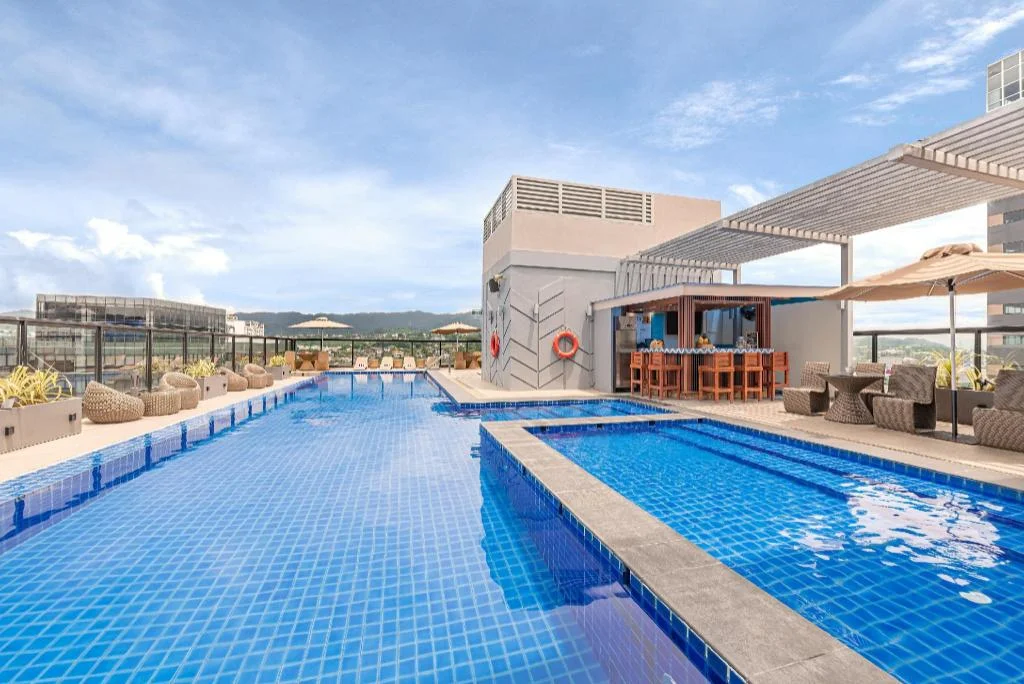
Seda Central Bloc Cebu City
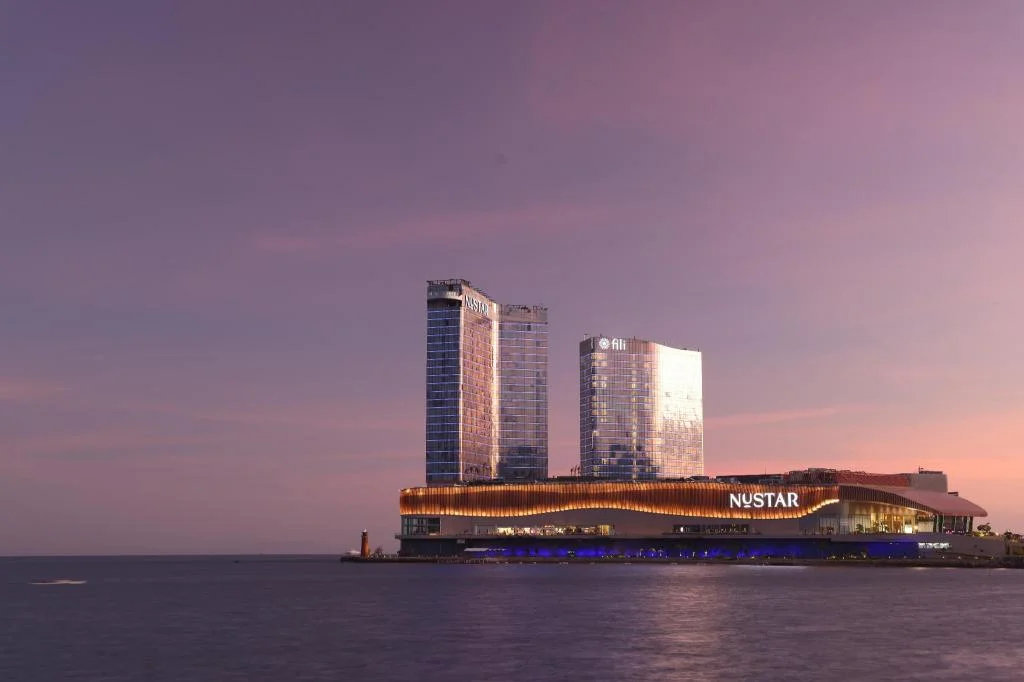
Fili Hotel - NUSTAR Resort & Casino Cebu
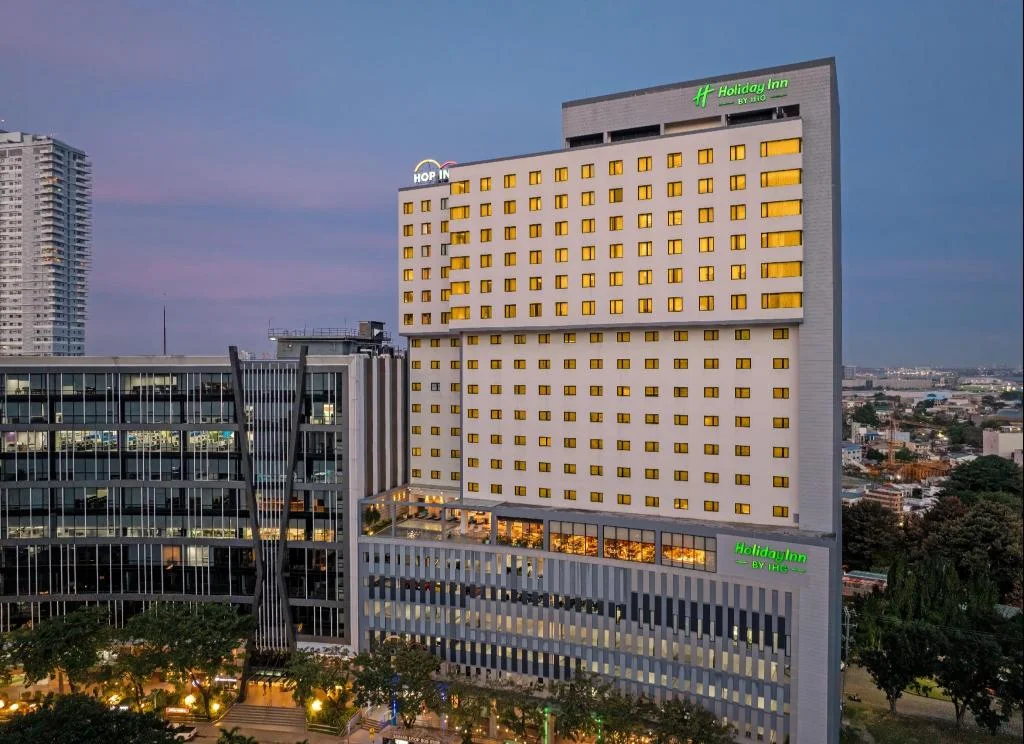
Holiday Inn Cebu City By IHG
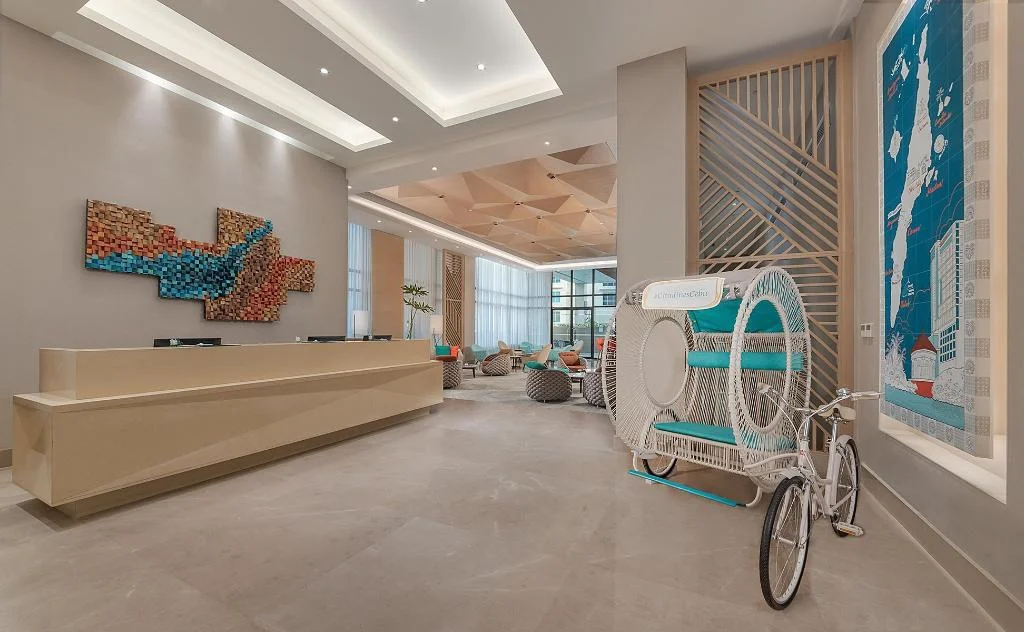
Citadines Cebu City
Prefer a rental? Vacation rentals near Cebu City
Self-catering condos and apartments — book the exact unit, kitchen included.
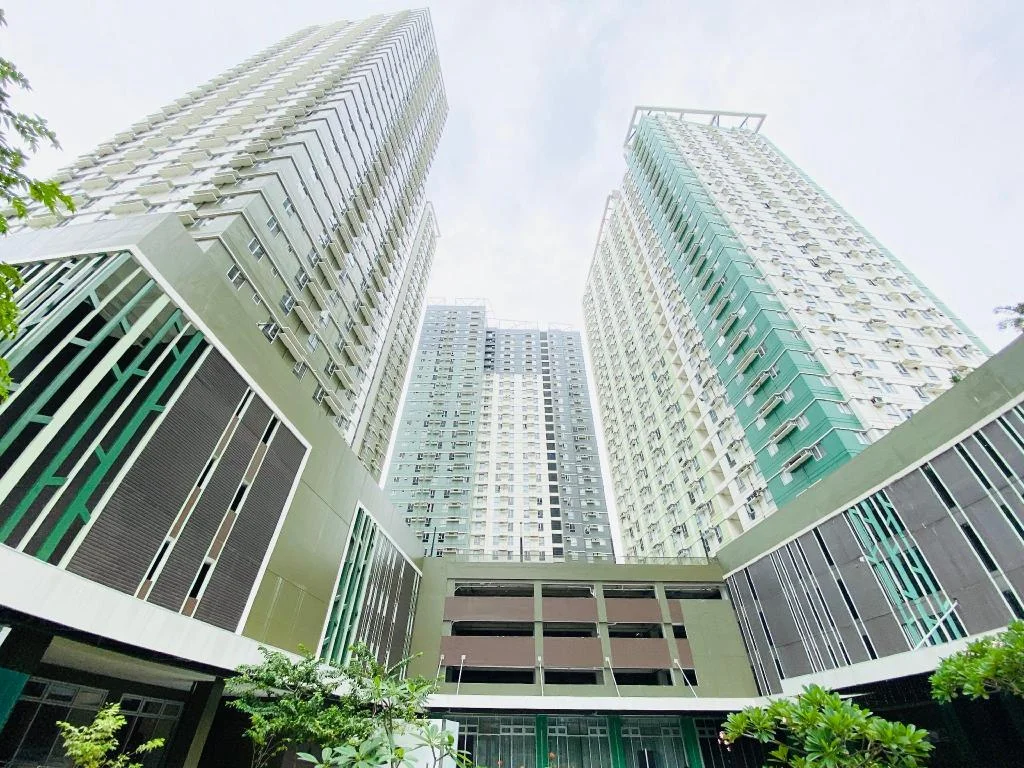
Cebu Avida Riala by P&J
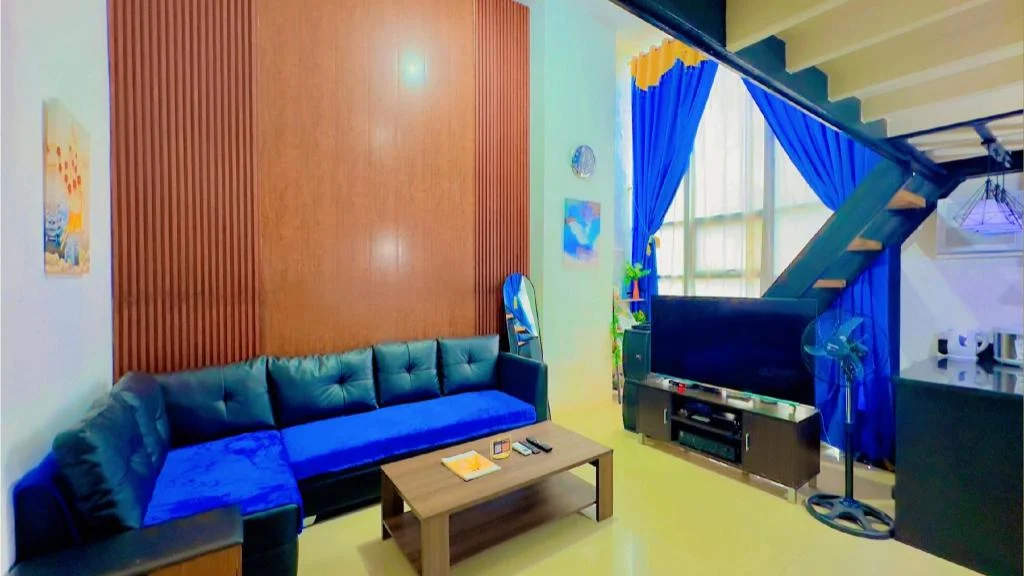
Special Big Loft Unit w/Fibreop Internet & Netflix
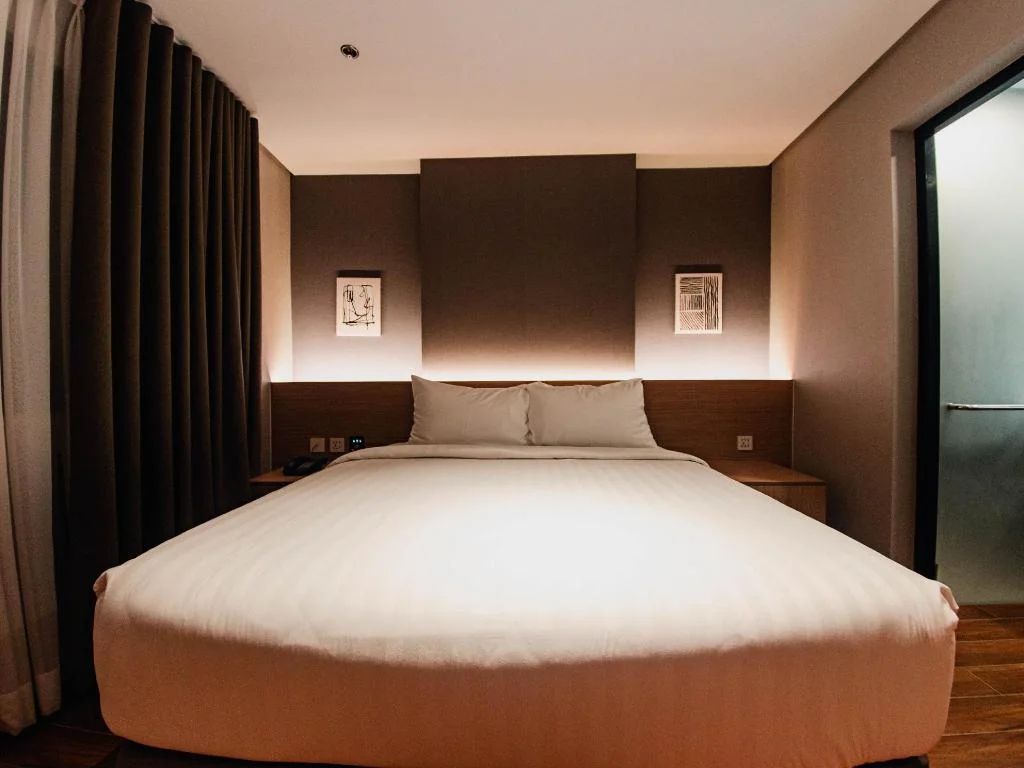
Moonstar Cebu Hotel - Deluxe Room
Before you go
Frequently asked
What's the best area in Cebu for a family with kids?
How much is international school tuition in Cebu?
Do I need a yaya or helper, and how much does one cost?
Can my kids get Philippine residency with me?
Which hospital is best for kids in Cebu?
How much extra does a family budget need compared to a single expat in Cebu?
Is Cebu or Manila better for relocating with kids?
Do gated villages or condos make more sense for a family?
More Places to Explore
Temple of Leah
Cebu City
A magnificent Roman-inspired temple built as a monument of love, nicknamed 'Cebu's Taj Mahal,' offering stunning architecture and city views.
Tops Lookout
Cebu City
Cebu City's premier hilltop viewpoint offering stunning panoramic views of the city, especially spectacular at sunset and nighttime.