
TL;DR: Cebu has a handful of real options for expat-family schooling, not dozens: Cebu International School (CIS) in Talamban for the full IB continuum, Singapore School Cebu in Mandaue for a Singapore-to-Cambridge/IB pathway, CIE British School in Kasambagan/Mabolo for the British system, and Bright Academy in Banilad as the more affordable, longer-established option. Annual tuition spans roughly ₱120,000 to over ₱1,300,000 (about US$1,935-20,968+) depending on school and grade, and none of them publish every fee line item online - get a written quote before you commit. There’s no dedicated Japanese or Korean K-12 school in Cebu. Verified July 2026.
If you’re relocating to Cebu with kids, schooling is usually the decision that locks in everything else - which neighborhood you live in, how long your commute is, and a meaningful slice of your monthly budget. Cebu isn’t Manila: it has a small, well-known set of international schools rather than dozens of competing campuses, and most of them cluster in the same few districts north of Cebu City - Banilad, Talamban, and Mabolo, near the Temple of Leah and Tops Lookout hillside area. This guide compares the main schools expat and balikbayan families actually consider: curriculum, location, tuition ranges, and how admissions and waitlists really work, so you can shortlist before you fly in for campus visits.
Cebu’s Main International Schools at a Glance
| School | Curriculum | Area | ~₱/year (indicative) |
|---|---|---|---|
| Cebu International School (CIS) | IB continuum: PYP, MYP, DP | Pit-os, Talamban | ₱550,000-1,090,000+ (returning students); new-student entrance fees push some grades past ₱1.3M |
| Singapore School Cebu | Singapore curriculum + Cambridge IGCSE + IB DP | North Reclamation Area, Mandaue | Not publicly published - request a quote |
| CIE British School | British/Cambridge (IGCSE, A-Level) | Kasambagan/Mabolo | ₱180,000-350,000 (third-party estimate; some report higher) |
| Bright Academy | Blended American/British | Gov. M. Cuenco Ave, Banilad | Not fully published; elementary reportedly from ~₱120,000, higher for secondary |
| Maria Montessori International School (MMIS) | Singapore curriculum, Montessori early years | Talamban & Gorordo | ~₱180,000-250,000 (estimate) |
| Harvest Christian School International (HCSI) | American | Cebu City | ₱35,900-78,171 (published, budget tier) |
Figures are annual tuition only - add entrance/development fees, books, uniforms, and transport. Peso-to-dollar conversions in this guide use ₱62 ≈ US$1 (July 2026). Confirm current fees directly with each school before budgeting. Verified July 2026.
What Are the Main International Schools in Cebu?
There are really four schools most expat families shortlist, plus two lower-cost alternatives. Cebu International School (CIS) is the oldest and largest, founded in 1924 and now the only school in the Philippines authorized to run the complete IB continuum - Primary Years Programme through the Diploma Programme - on one 3.2-hectare campus in Pit-os, Talamban. Singapore School Cebu, in Mandaue’s North Reclamation Area, is the only provider of the Singapore curriculum in Cebu for preschool through lower secondary, transitioning students into Cambridge IGCSE and then the IB Diploma for the final two years. CIE British School (Centre for International Education), in Kasambagan near Mabolo, runs the British system - Key Stages through A-Level - integrated with Cambridge assessments. Bright Academy, on Gov. M. Cuenco Avenue in Banilad, has been operating since 1992 (originally as Play House Preschool) and now serves roughly 1,500 students with a more flexible, blended curriculum at a lower price point than CIS or CIE. Maria Montessori International School runs Montessori early years into a Singapore-curriculum primary and secondary program across its Talamban and Gorordo campuses. Harvest Christian School International is the budget option, with an American-style program and fees a fraction of the others.
Which Curriculum Should You Choose?
Match the curriculum to how long you’ll stay and where you might go next, not to brand recognition. If your family expects to relocate internationally again, CIS’s IB Diploma is the most portable credential - it’s recognized by universities worldwide and doesn’t lock your child into one country’s exam system. If you’re coming from (or planning to return to) a UK-system country, CIE British School or Singapore School Cebu’s Cambridge IGCSE track keeps that continuity. If early academic rigor in math and science is the priority, the Singapore curriculum at Singapore School Cebu or Maria Montessori International School has a strong reputation for that specifically. If your stay is shorter or your budget tighter, Bright Academy’s blended approach and Harvest Christian School International’s American-style program are more forgiving on both fronts.
Where Are the Schools Located, and Where Should You Live?
Banilad and Talamban are the practical answer for most families, because CIS, Bright Academy, and Maria Montessori International School all sit in that corridor. CIS is in Pit-os, at the Talamban end; Bright Academy and MMIS’s Gorordo campus are further toward Banilad proper. Singapore School Cebu is technically in Mandaue’s North Reclamation Area, a short drive from Banilad. CIE British School is in Kasambagan, closer to Mabolo, IT Park, and Cebu Business Park - a better fit if a parent commutes to an office job in either business district. Most of these schools run zoned bus services covering Talamban, Banilad, IT Park, Cebu Business Park, and parts of Mandaue, so you don’t have to live within walking distance - but a shorter run cuts real time off a young child’s day.
How Much Does International School Cost in Cebu?
Budget from roughly ₱120,000 a year at the low end to well over ₱1,000,000 at the high end, and expect the number to depend heavily on grade level and whether your child is a new or returning student. CIS publishes the most detailed fee schedule of the group: Early Years and early Primary run around ₱550,000-670,000 a year for returning students (about US$8,871-10,806), Middle School around ₱766,000 (about US$12,355) for returning students but over ₱1,000,000 for new entrants, and Senior High around ₱1,000,000-1,040,000 (about US$16,129-16,774) - before a separate dollar-denominated fee and, for new students, entrance fees that can add another ₱60,000-320,000. CIE British School doesn’t publish fees; third-party estimates put it around ₱180,000-350,000 a year (about US$2,903-5,645), though some reports cite higher figures - treat any number here as a starting point to confirm, not a quote. Bright Academy and Singapore School Cebu also don’t publish full fee schedules online; expect Bright Academy’s elementary fees to start north of ₱120,000 and rise for secondary, and expect Singapore School Cebu to land in similar territory to CIE given its comparable curriculum mix. Harvest Christian School International is the clear budget option at a published ₱35,900-78,171 a year.
Every school on this list charges extra for entrance/development fees, books, uniforms, technology, and often a separate transport fee - build in another 10-20% on top of the headline tuition number.
How Do You Get Your Child In - Admission, Testing, and Waitlists?
Expect an entrance assessment and an interview at every school, not just an application form. At CIS, the process runs through an online inquiry, document submission (including passport and Bureau of Immigration paperwork for non-Filipino applicants), an entrance assessment - academic testing from Grade 2 up, plus an English-as-an-Additional-Language evaluation where needed - and a principal interview before an offer and fee payment. Class sizes are kept around 20 students, and when a grade level fills up, CIS maintains a waitlist prioritized by class balance (nationality mix, EAL and learning-needs ratios), sibling enrollment, family circumstances, and how early you applied. CIE British School runs a similar four-step process: parent orientation, a joint student/parent interview, a paid placement test, and an evaluation before enrollment. Singapore School Cebu likewise requires an admission test, with an added interview for Pre-University (IB) applicants. None of these schools guarantee a seat on inquiry alone, so if you’re planning a move for the following August, start the paperwork as early in the year as you can - CIS in particular fills popular grade levels well before the school year starts.
Are There Japanese or Korean Schools in Cebu?
No dedicated K-12 school for either community exists in Cebu. The Philippines has exactly one Ministry of Education-recognized Japanese overseas school (nihonjin gakko), and it’s in Manila, not Cebu. There’s no equivalent Korean national-curriculum K-12 school here either - the Korean International School Philippines is also based in Metro Manila. In practice, Japanese and Korean families living in Cebu enroll their children at CIS, Singapore School Cebu, or Bright Academy for regular schooling, then supplement with weekend or after-school programs to maintain the home language - Japanese-language centers and Korean institutes (including a King Sejong Institute branch) operate in Cebu City for exactly this purpose, though they’re language enrichment, not accredited day schools.
How to Choose - A Quick Checklist
- Confirm the exit qualification matters to you: IB Diploma (CIS) is the most internationally portable; Cambridge A-Level (CIE, Singapore School Cebu) suits UK-bound families; Singapore curriculum (Singapore School Cebu, MMIS) front-loads math/science.
- Get a full written fee quote, not a website estimate - several of these schools don’t publish complete fee schedules, and the number you’re quoted can vary by nationality mix, new-vs-returning status, and grade.
- Ask about the waitlist policy for your child’s specific grade, not just general capacity - popular grades (especially early primary and the IB Diploma years) fill first.
- Visit before you commit, if at all possible - class size, EAL support quality, and campus facilities vary more between these schools than the marketing copy suggests.
- Line up temporary housing near your shortlisted school while you finalize enrollment and apartment-hunt; a serviced condo or extended-stay hotel in Cebu City or Banilad buys you time to compare campuses in person. Compare extended-stay options in Cebu City on Agoda if you need a base for the first few weeks.
The Honest Take
Cebu’s international school scene is small and that’s not necessarily a bad thing - you’re choosing between four or five well-established, decades-old institutions rather than sorting signal from noise across dozens of newer campuses. But the tradeoff is real: CIS’s tuition at the top grades rivals or exceeds international schools in much bigger, more expensive cities, and neither CIE nor Bright Academy publish fees transparently, which makes early budgeting harder than it should be. If cost is the binding constraint, don’t assume you’re stuck with the ₱35,000-a-year DepEd-Filipino-school alternative or a six-figure international campus - ask Bright Academy and Harvest Christian School International for numbers before ruling them out, since the gap between “international school” and “expensive international school” in Cebu is wider than the marketing suggests. And if you’re weighing whether Cebu is even the right city for a family relocation in the first place, the schooling question is only one piece - housing costs, healthcare access, and visa status matter just as much.
Planning the Rest of the Move
Once schooling is sorted, the bigger relocation questions - which neighborhood fits your budget and commute, whether to rent or buy, and how the SRRV or other long-stay visas work - are worth mapping out before you sign a lease. See our guides on the best areas for families to live in Cebu and retiring in Cebu under the SRRV for the wider picture, and book a temporary base in Cebu City on Agoda while you finalize your family’s school and neighborhood choice.
Sources
- Cebu International School - official site and admissions
- Cebu International School fee schedule SY2025-2026 (PDF)
- Singapore School Cebu - official site and admissions
- CIE British School (Centre for International Education) - official site and admissions
- Bright Academy - official site and tuition fees page
- doris.school - International Schools in Cebu directory and fee data
- Wikipedia - Nihonjin gakko (Japanese overseas schools)
- School fee estimates for CIE British School, Bright Academy, Maria Montessori International School, and Singapore School Cebu are third-party aggregations where schools don’t publish full schedules - confirm current figures directly with admissions offices. Verified July 2026.
Book Tours & Hotels for This Trip
Find and book the best deals — prices and availability update in real time. Links open in a new tab.
Where to stay near Cebu City
Top-rated hotels for this trip — tap through to check live rates.
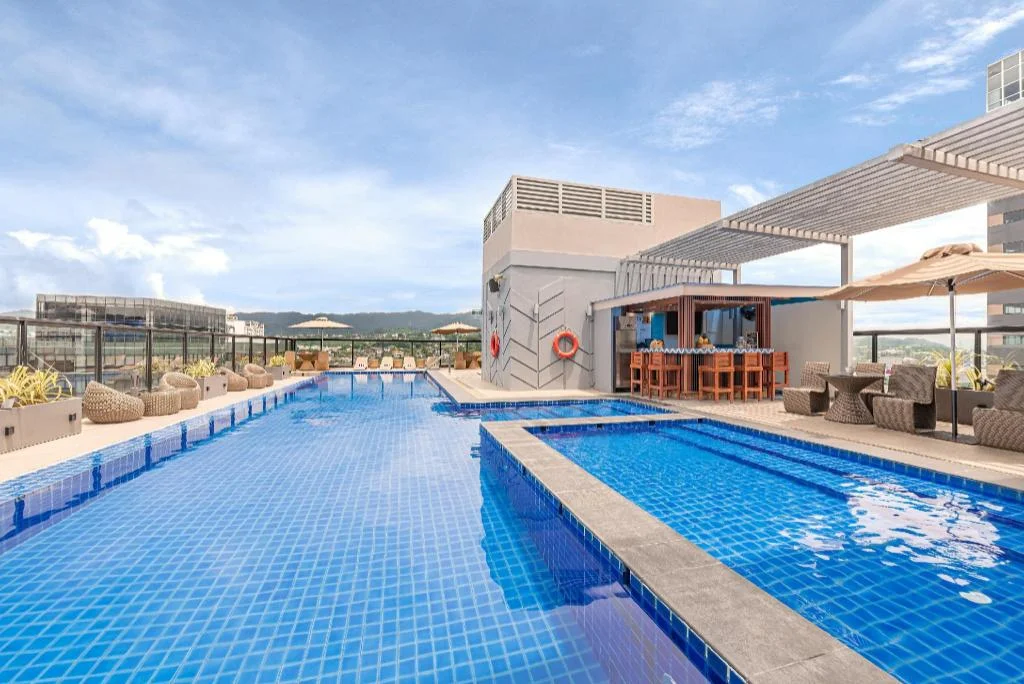
Seda Central Bloc Cebu City
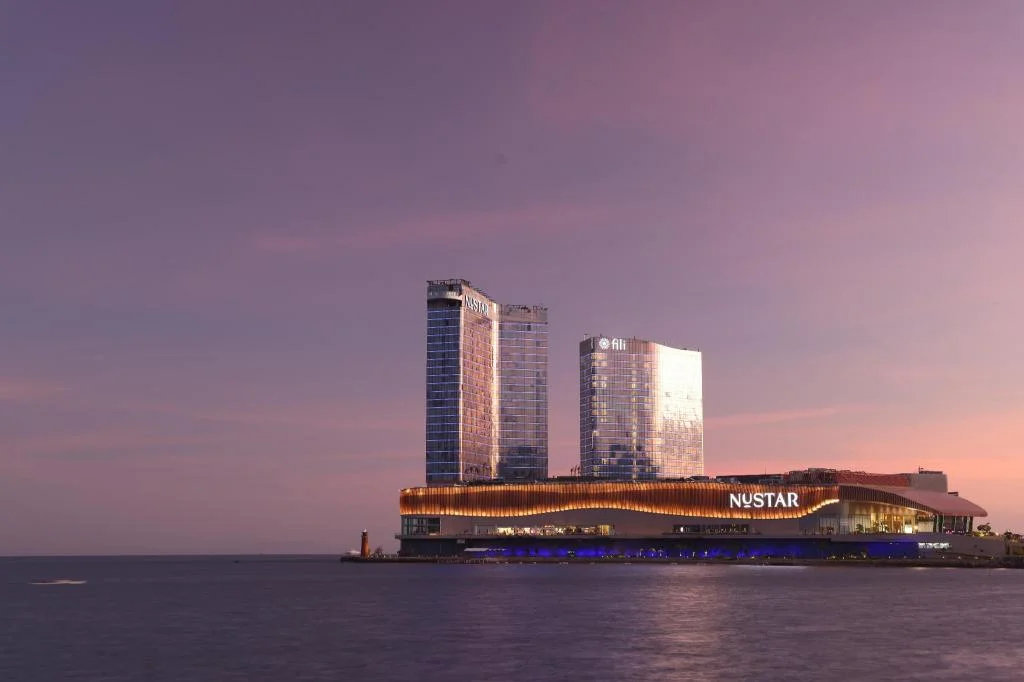
Fili Hotel - NUSTAR Resort & Casino Cebu
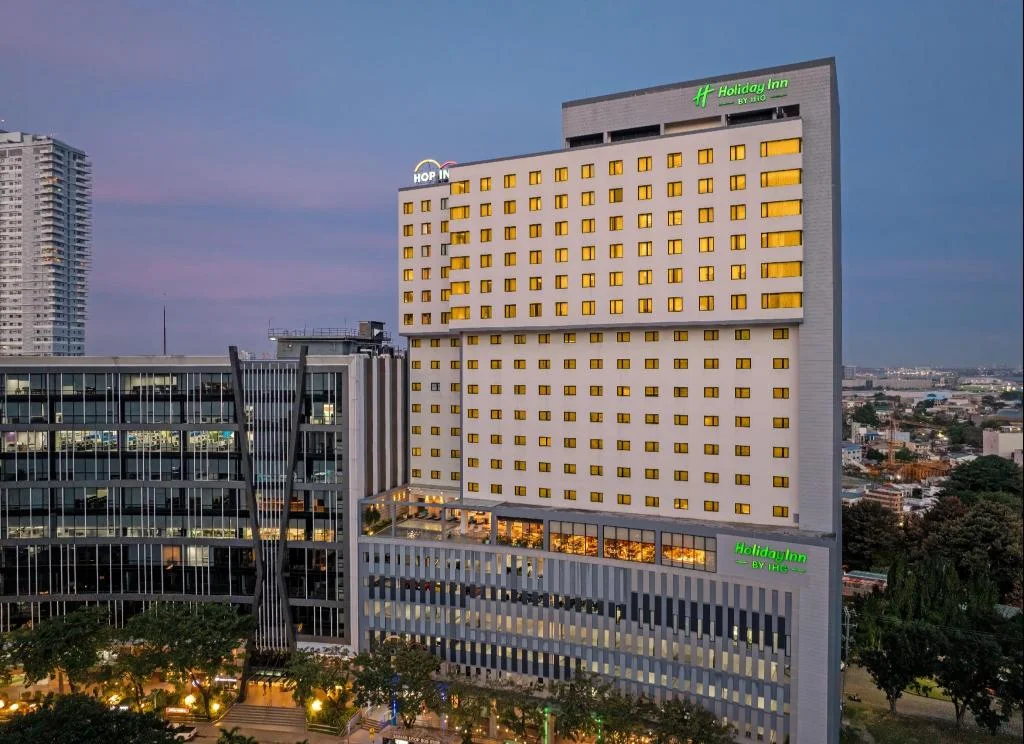
Holiday Inn Cebu City By IHG
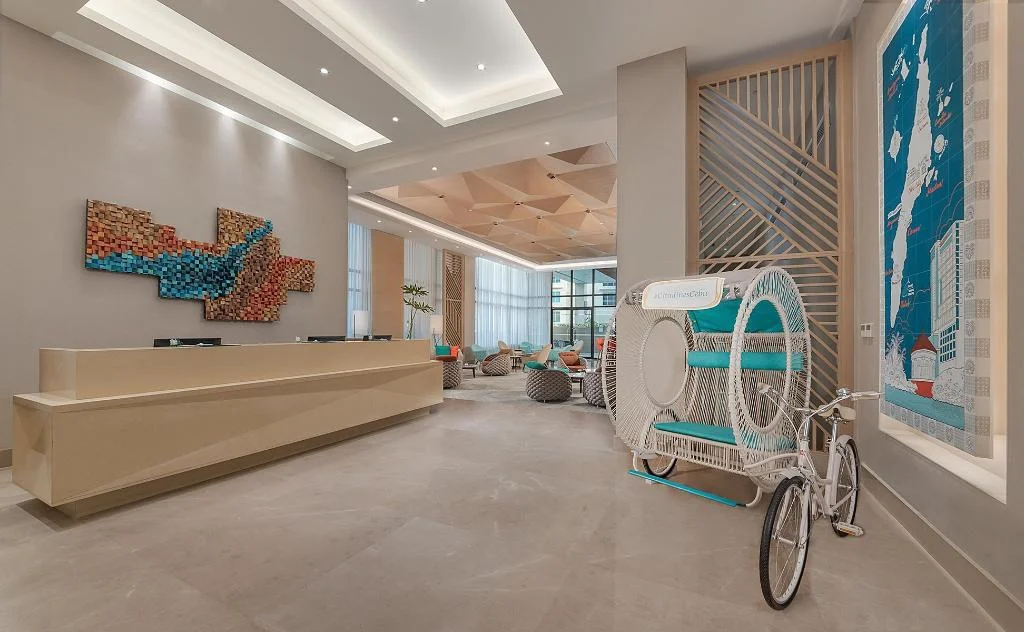
Citadines Cebu City
Prefer a rental? Vacation rentals near Cebu City
Self-catering condos and apartments — book the exact unit, kitchen included.
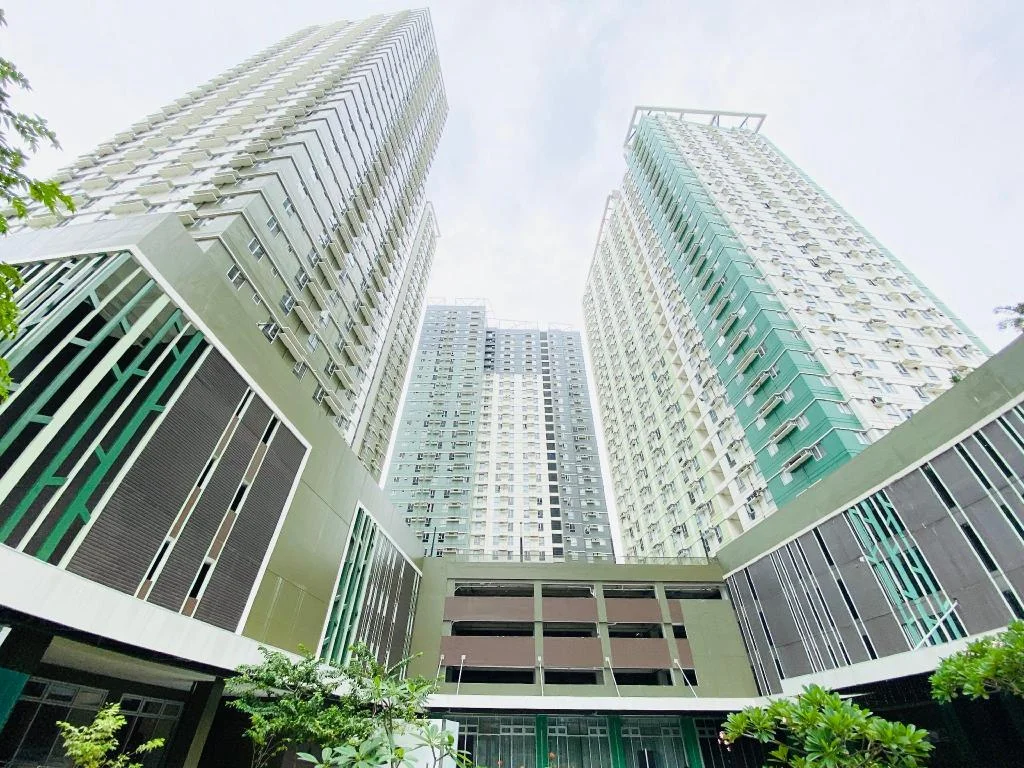
Cebu Avida Riala by P&J
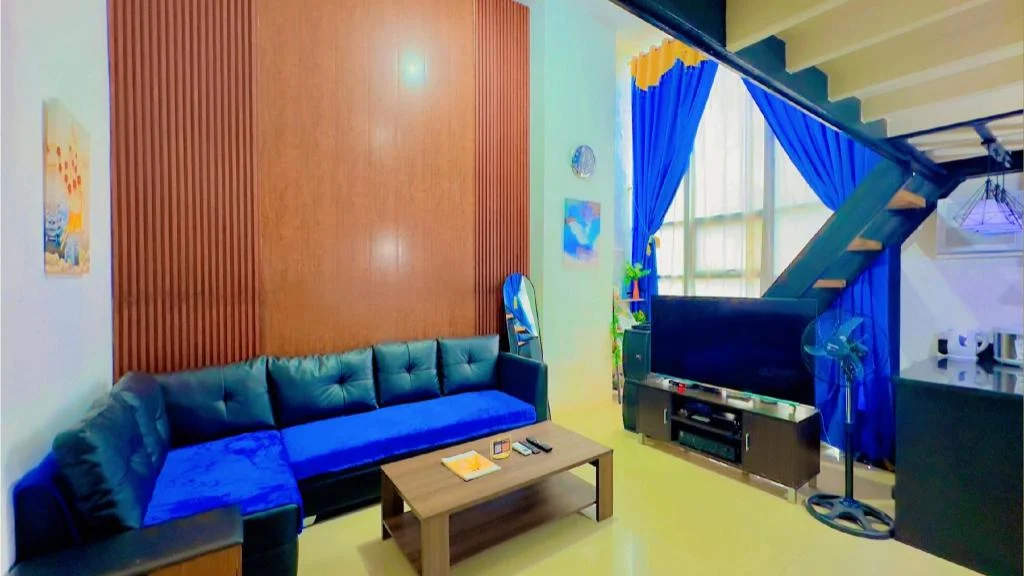
Special Big Loft Unit w/Fibreop Internet & Netflix
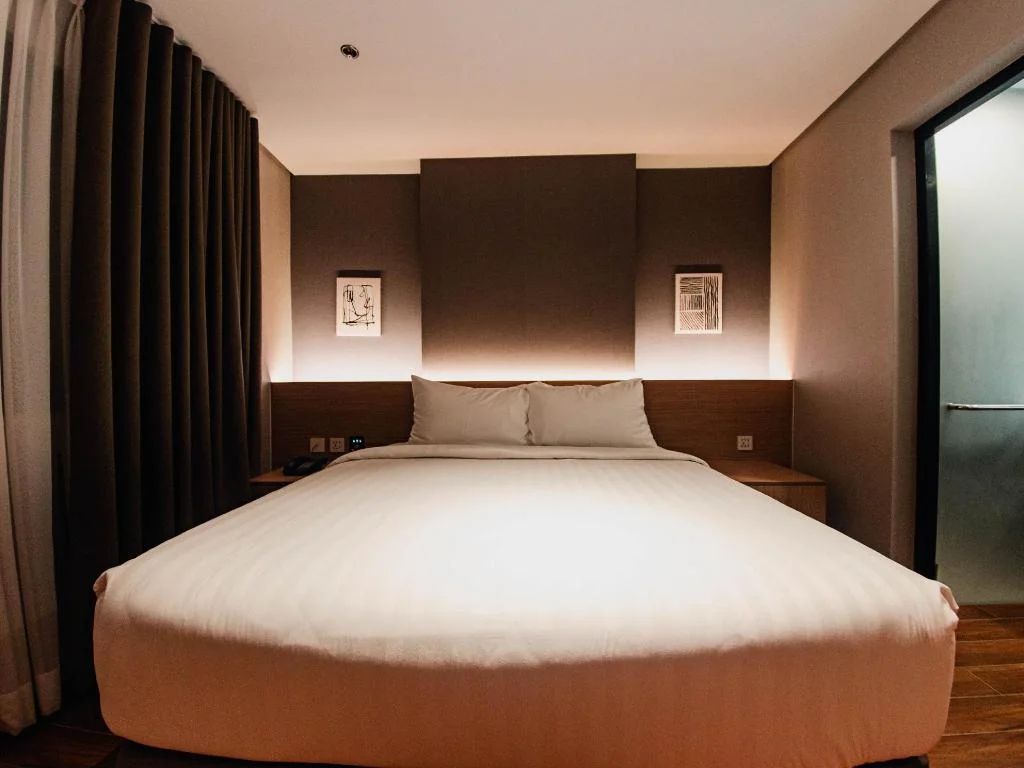
Moonstar Cebu Hotel - Deluxe Room
Before you go
Frequently asked
What is the best international school in Cebu?
How much does international school cost in Cebu?
Is there a Japanese or Korean school in Cebu?
Which curriculum should I choose - IB, British, American, or Singapore?
Where should we live if our kids attend an international school in Cebu?
How competitive is admission and is there a waitlist?
Do these schools accept mid-year transfers?
Are there cheaper alternatives to full international schools in Cebu?
More Places to Explore
Temple of Leah
Cebu City
A magnificent Roman-inspired temple built as a monument of love, nicknamed 'Cebu's Taj Mahal,' offering stunning architecture and city views.
Tops Lookout
Cebu City
Cebu City's premier hilltop viewpoint offering stunning panoramic views of the city, especially spectacular at sunset and nighttime.