
TL;DR: From the Cebu South Bus Terminal, a Ceres bus to Argao costs ₱80–100 (US$1.40–1.75) and takes 2–2.5 hours; continuing to Boljoon costs ₱130–160 (US$2.25–2.75) and takes 3–3.5 hours total. Both towns sit on the same highway, so you can hop off in Argao for the church, heritage houses, and torta, then catch the next bus onward to Boljoon’s fortress church in 30–45 minutes. Doable as a single long day trip from Cebu City if you start by 6–7 AM. Verified July 2026.
Argao and Boljoon are two of the best-preserved Spanish-era towns in southern Cebu, and neither gets the crowds that Oslob or Moalboal do. Argao is built around the grand San Miguel Arcangel church and a plaza lined with ancestral houses; Boljoon, a short hop further south, has a squat coral-stone fortress church that’s under consideration for UNESCO’s Baroque Churches of the Philippines extension. Both are reachable on the same Ceres bus line out of the Cebu South Bus Terminal, which makes them an easy pairing if you want a heritage day trip that isn’t Carcar or Sibonga. This guide covers exactly how to get there, what the fares and travel times actually are, what to do once you arrive, and how to string both towns into one day without missing the last bus home.
At a Glance: Fares and Travel Times
| Leg | Mode | Fare | Time |
|---|---|---|---|
| Cebu South Bus Terminal → Argao | Ceres ordinary bus | ₱80 (~US$1.40) | ~2–2.5 hrs |
| Cebu South Bus Terminal → Argao | Ceres air-con bus | ₱100 (~US$1.75) | ~2–2.5 hrs |
| Cebu South Bus Terminal → Boljoon | Ceres ordinary bus | ₱130 (~US$2.25) | ~3–3.5 hrs |
| Cebu South Bus Terminal → Boljoon | Ceres air-con bus | ₱160 (~US$2.75) | ~3–3.5 hrs |
| Argao → Boljoon (onward leg) | South-bound bus or jeepney | ~₱20–30 (~US$0.35–0.50) | ~30–45 min |
| Cebu City → south Cebu | Private van rental (one-way) | ~₱4,500–5,800 (~US$78–100) | ~2.5–4 hrs door-to-door |
Fares are per person unless noted; distances are roughly 68 km to Argao and 105 km to Boljoon by road. Confirm current fares with the conductor or terminal before boarding. Verified July 2026.
How Do You Get to Argao?
Take any south-bound Ceres bus from the Cebu South Bus Terminal on N. Bacalso Avenue. Buses run about every 30 minutes from as early as 1:00 AM to as late as 10:00 PM, so there’s no need to reserve ahead — just show up, buy a ticket at the counter or pay onboard, and board the next one headed south past Carcar. Ordinary buses run about ₱80 (US$1.40); air-conditioned buses run about ₱100 (US$1.75). The ride is roughly 2 to 2.5 hours, though it stretches longer if you catch the morning rush through Talisay and Minglanilla — plan around 7 to 8 AM traffic if you can. The bus drops you right along the highway at Argao’s town center, a short walk from the church and plaza.
How Do You Continue to Boljoon?
Stay on the same highway and either ride a through bus or hop off in Argao and flag down the next one. Boljoon is close enough to Argao that most Cebu City-Argao-Oslob buses pass straight through it, so if your bus is continuing south you can simply stay on board. If you already got off in Argao, wait at the roadside near the plaza or market for any bus or jeepney marked for Oslob, Santander, or Bato — the trip to Boljoon takes about 30 to 45 minutes and costs roughly ₱20 to 30 (US$0.35–0.50). Buying a ticket straight through from Cebu City to Boljoon costs about ₱130 ordinary or ₱160 air-conditioned (US$2.25–2.75) and takes roughly 3 to 3.5 hours total.
Can You Go Straight From Cebu City to Boljoon Without Stopping?
Yes — it’s the same bus, you just don’t get off in Argao. If your priority is Boljoon’s fortress church and you’re short on time, buy a through ticket, tell the conductor you’re headed to Boljoon, and stay on past the Argao stop. It’s the same route and roughly the same total travel time as the two-leg version, just without the layover.
What Should You See in Argao?
The San Miguel Arcangel church and its surrounding heritage district are the reason to stop. The Archdiocesan Shrine of San Miguel Arcangel is a National Cultural Treasure with an elaborately carved baroque facade and a freestanding bell tower — worth 20 to 30 minutes to see the interior retablo and walk the plaza. A few blocks around the church, look for surviving Spanish-era houses such as Balay Pumares, one of the ancestral homes locals point to as a marker of Argao’s old cabecera (town center); most of these houses are privately owned and not set up for public tours, so treat them as facades to admire and photograph from the street rather than sites with fixed hours — ask around locally if you want to confirm whether any are open that day. Before you leave, try Argao’s torta, a dense rice-and-egg cake sold by home bakeries near the public market; it’s the town’s signature pasalubong and the namesake of the La Torta Festival held every September 29 for the feast of St. Michael the Archangel. If you have extra time, Mahayahay Beach is a quieter alternative to the crowded beaches further south.
What Should You See in Boljoon?
The fortress church is the whole trip. Formally the Archdiocesan Shrine of Patrocinio de Maria Santisima, Boljoon Church was built from coral stone with walls roughly 2 meters thick, originally doubled as a watchtower against Moro raids, and still has its original terracotta roof tiles and a distinctive folk-baroque choir screen and pulpit. It’s a National Historical Landmark and sits on the tentative list for UNESCO’s Baroque Churches of the Philippines extension, alongside the four already-inscribed churches elsewhere in the country. The convent’s ground floor holds a small museum of vestments, record books, and santo images — worth 15 to 20 minutes if it’s open when you arrive, since hours can be informal in a town this small.
How Do You Choose: Bus, Van, or Driving Yourself?
Bus is cheapest and most flexible; a private van costs more but saves real time. The Ceres bus needs no reservation and runs all day in both directions, which makes it the default choice for solo travelers or anyone on a budget. A private van or car rental with driver runs roughly ₱4,500 to 5,800 (US$78–100) one-way for the south Cebu corridor — confirm the current quote with the operator — but it drops you at each church door and lets you set your own pace, which matters if you’re traveling as a family or a small group splitting the cost. Renting a self-drive car is an option too, though the coastal highway narrows through each town center and street parking is informal, so a bus or a driven van is the less stressful choice for a first visit.
Can You Combine Both Towns in a Single Day Trip?
Yes, and most visitors do exactly that. Catch a bus out of Cebu City by 6 to 7 AM, spend an hour or so in Argao around the church and plaza, catch the next south-bound bus for the 30-to-45-minute hop to Boljoon, spend another 30 to 45 minutes at the fortress church, then flag a north-bound bus back to Cebu City. Budget the whole day — realistically 8 to 10 hours round trip once you count waiting for connections — and you’ll be back in the city before dark with two heritage towns and Argao’s torta checked off.
The Honest Take
Argao and Boljoon reward people who actually like old churches and quiet town plazas — if that’s not you, this is a long bus ride for a facade and a pastry. Neither town has the polish of Carcar’s heritage district or the built-out tourist infrastructure of Oslob, and that’s the appeal: no entrance gates, no tour buses, no souvenir stalls hawking the same magnets. The trade-off is that information is thin on the ground — heritage houses like Balay Pumares aren’t formally open for tours, the Boljoon museum keeps informal hours, and you’re relying on Ceres bus schedules that shift without much notice. Go on a weekday if you can, confirm the last northbound bus time as soon as you arrive in Boljoon, and don’t expect a curated experience — expect two real working towns that happen to have some of the oldest stone churches in the province.
Sources
- Cebu South Bus Terminal fare guide (route distances and fares to Argao and Boljoon)
- Boljoon Church — Wikipedia (construction, National Historical Landmark and UNESCO tentative-list status)
- Sunstar Cebu — Holy Gem of the South (Boljoon church background)
- Argao Church — Wikipedia (San Miguel Arcangel church history)
- OneCebu — Historic Argao (Argao heritage district, La Torta Festival)
- Bus fares, distances, and schedules verified against 2025–2026 Cebu South Bus Terminal reporting; confirm current fares and departure times with the conductor or terminal before you travel. Verified July 2026.
Pair this trip with the rest of the south Cebu heritage trail — read our Argao guide and Boljoon guide for deeper detail on each town, or see the full south Cebu church heritage route if you want to add Carcar and Sibonga to the same trip. Book your onward stay with Cebu City hotels on Agoda if you’re basing yourself in the city between day trips.
Book Tours & Hotels for This Trip
Find and book the best deals — prices and availability update in real time. Links open in a new tab.
Where to stay near Argao
Top-rated hotels for this trip — tap through to check live rates.
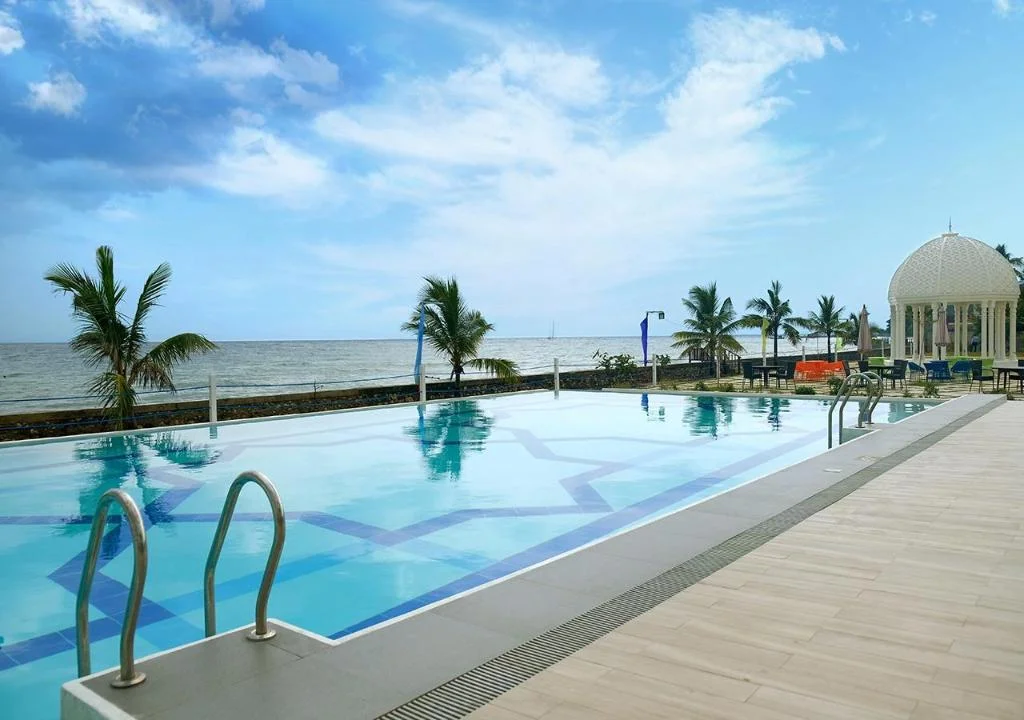
Maayo Argao Resort
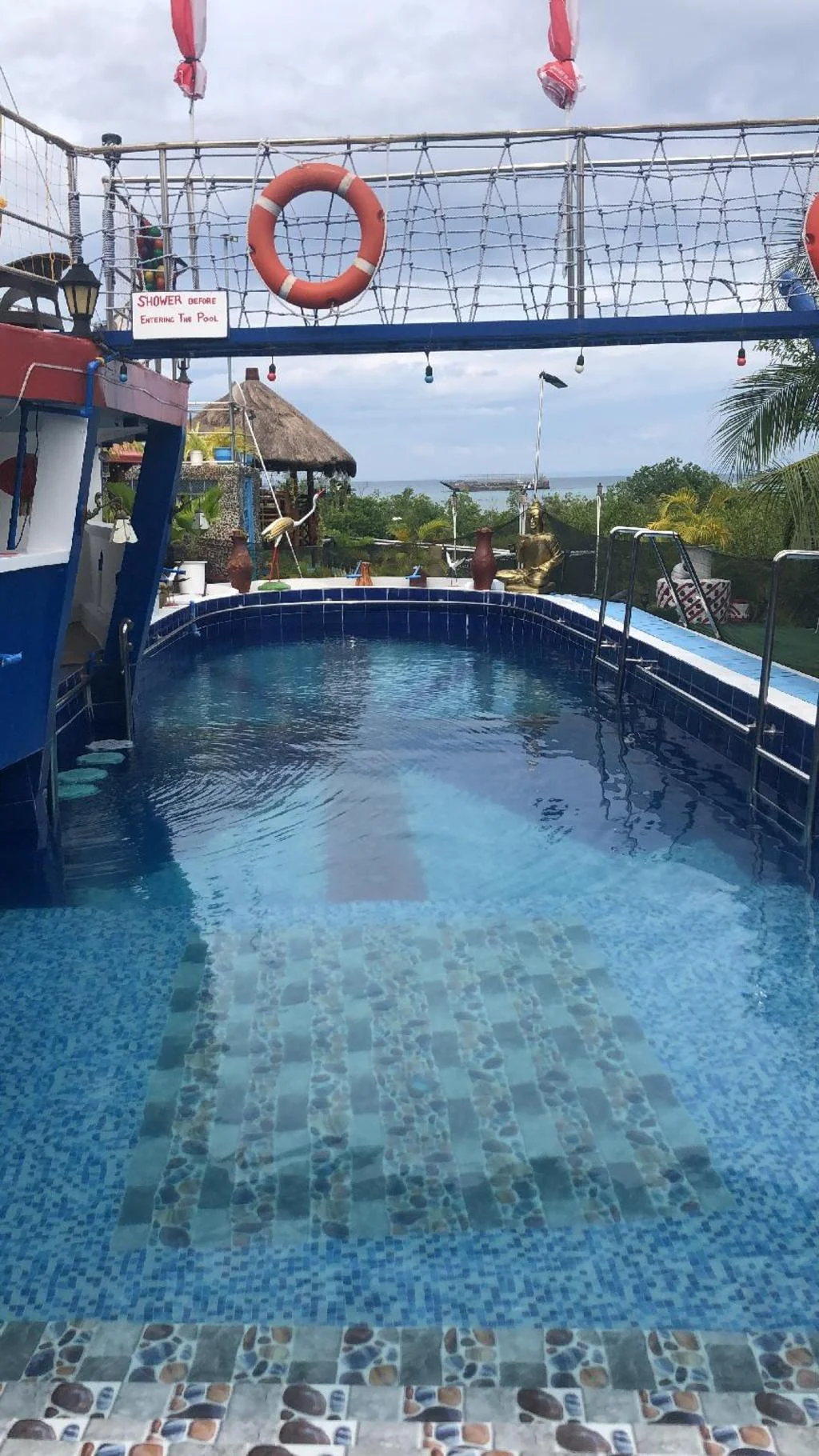
Pirate Galeon Resort
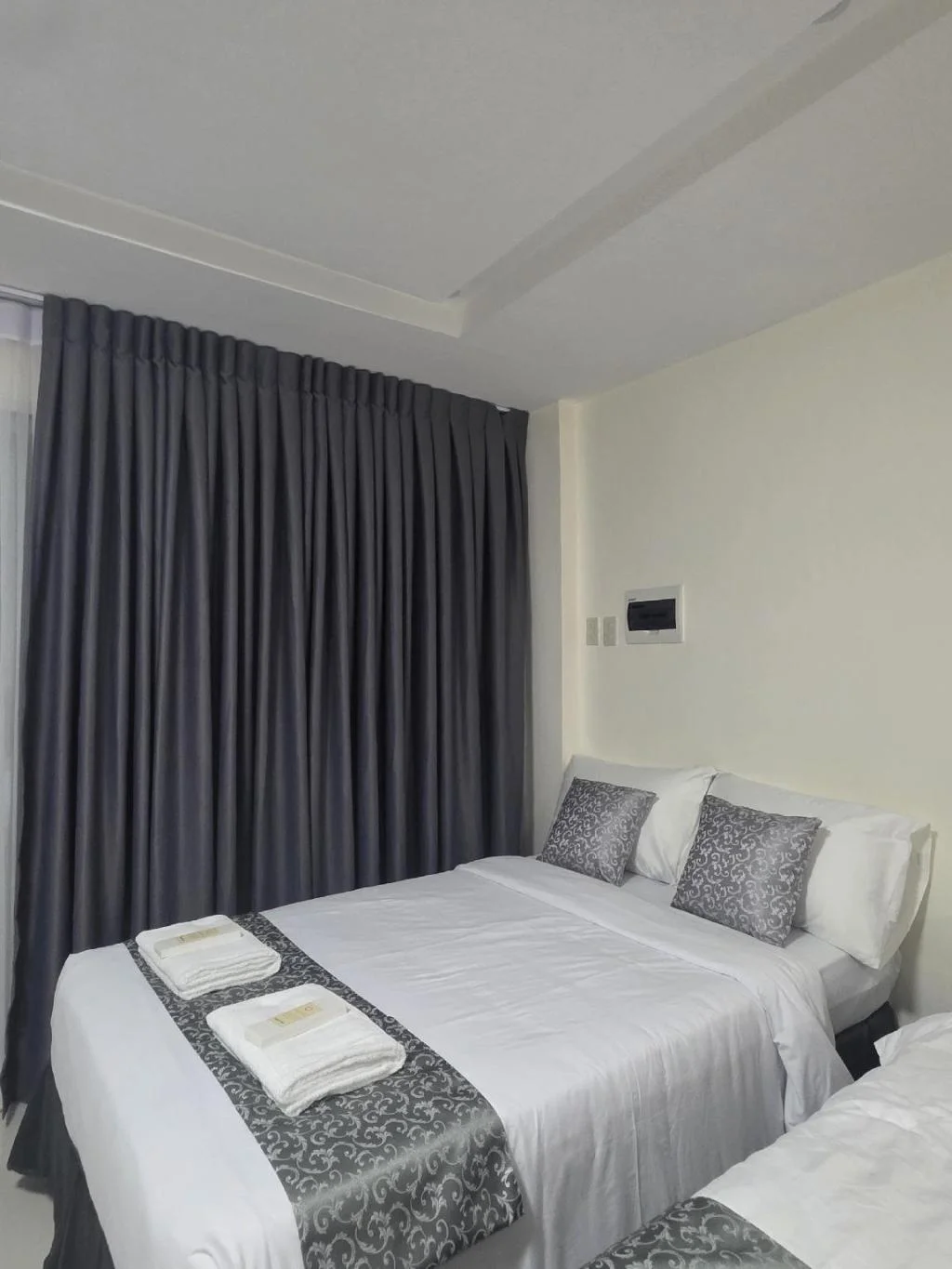
Paraiso de Lourdes Mountain Resort
Prefer a rental? Vacation rentals near Argao
Self-catering condos and apartments — book the exact unit, kitchen included.
Browse all vacation rentals →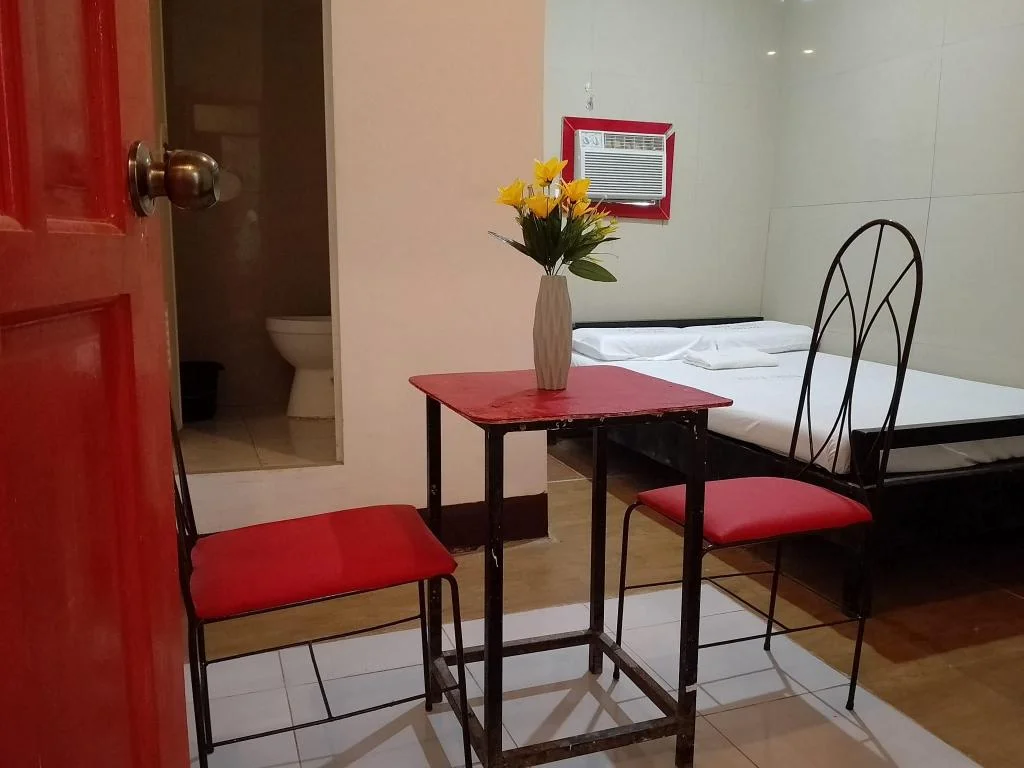
Before you go
Frequently asked
How do you get from Cebu City to Argao?
How do you get from Cebu City to Boljoon?
Can you go straight from Argao to Boljoon without returning to Cebu City?
What is there to see in Argao?
What is there to see in Boljoon?
Can you visit both Argao and Boljoon in one day trip from Cebu City?
Should you take the bus, a van, or drive yourself?
Is there a bus terminal in Argao or Boljoon for the return trip?
More Places to Explore
San Miguel Arcangel Parish Church
Argao
A beautifully preserved 18th-century Spanish colonial church with baroque architecture, intricate carvings, and National Cultural Treasure status.
Mahayahay Beach
Argao
A peaceful public beach in Argao with calm waters, local atmosphere, and beautiful sunset views across the Bohol Strait.
Carcar Rotunda and Heritage District
Carcar City
The iconic circular plaza at the heart of Carcar's heritage district, surrounded by beautifully preserved Spanish colonial ancestral houses.