
TL;DR: A genuinely tight day in Cebu costs about ₱850–1,000 (roughly US$14.70–17): a basic dorm bed (₱300), carinderia meals plus street food (₱250), a few jeepney rides (₱100), one free activity like walking Colon Street or the Basilica, and a small buffer for water and incidentals (₱150–200). It’s doable, but it means fan rooms over aircon, walking over habal-habal, and free sights over paid ones. It does not stretch to Oslob whale sharks, Kawasan Falls canyoneering, or any island-hopping trip — those blow past a full day’s budget on the activity alone. Verified July 2026.
Every “cheap Southeast Asia” list eventually asks the same question about Cebu: how low can you actually go? This guide tests the floor at ₱1,000 a day — tighter than the ₱1,500 backpacker number most guides quote, and closer to what a genuinely broke traveler or a long-term shoestring trip needs to hit. It’s built from real 2026 dorm, food, and fare prices, not a rounded-down guess. If ₱1,000 sounds too tight once you see the trade-offs, our ₱1,500/day backpacker guide covers the more comfortable version of the same trip. This one is for people who want the honest floor, sacrifices included, walking downtown Cebu City past sights like Colon Street and skipping the paid ones like the Temple of Leah.
The ₱1,000/Day Budget Breakdown
| Category | Cost (₱) | Cost (US$) | Notes |
|---|---|---|---|
| Dorm bed | ₱300 | ~$5 | Basic fan or budget dorm, shared bath |
| Food (3 meals + snacks) | ₱250 | ~$4.30 | Carinderia rice + viand, puso, barbecue sticks |
| Local transport | ₱100 | ~$1.70 | 3–4 jeepney rides at minimum fare |
| Free activity | ₱0–50 | ~$0–0.90 | Colon Street, Basilica, Magellan’s Cross |
| Buffer | ₱150–200 | ~$2.60–3.50 | Bottled water, coffee, contingency |
| Total | ~₱850–900 | ~$14.70–15.50 | Leaves ~₱100–150 slack under the ₱1,000 ceiling |
Verified July 2026. Prices are per person; excludes intercity bus fares, entrance fees, tours, and alcohol.
Is ₱1,000 a Day Actually Enough?
Barely, and only for city or beach-town days with no paid activity and no intercity travel. The math above lands around ₱850–900 for the strict basics, which leaves a small margin for the ₱1,000 line to absorb a slightly pricier meal or an extra jeepney ride. The moment you add a paid attraction, a habal-habal charter, or a bus ticket to another town, the budget breaks — those are separate line items covered below, not something ₱1,000 quietly absorbs.
What makes ₱1,000 realistic at all is that Cebu’s cheapest dorms, carinderias, and jeepneys are genuinely cheap by regional standards, not just cheap for the Philippines. The trade-off is comfort: you’re choosing the plainest option at every single step, all day, every day.
How Cheap Can a Dorm Bed Get?
Basic dorm beds in Cebu City and Moalboal start around ₱190–300 a night (about US$3.30–5) for the plainest fan-room or shared-bath tier, per current Hostelworld and Hostelz listings, at the low end of a wider ₱230–700 range across the two towns. Aircon dorms, private rooms, and anything in a smaller destination like Malapascua or Bantayan run higher and don’t fit this budget — those towns have thinner hostel supply and skew toward guesthouse rooms.
Booking direct through a hostel’s Facebook page sometimes beats the listed OTA rate, especially for a multi-night stay. Compare current Cebu City stays on Agoda to see the range before you commit to the cheapest listing — sometimes a slightly pricier dorm with a working fan and a locker is worth the extra ₱50–100 rather than saving it and dealing with a bad night’s sleep.
How Do You Eat on ₱250 a Day?
Eat at carinderias, not restaurants, and lean on street food to fill the gaps. A full rice-plus-one-viand meal at a student- or worker-focused carinderia runs roughly ₱55–90; Carbon Market and Colon Street spots serving rice plus two viands run closer to ₱60–120. Street food covers the rest cheaply — puso (hanging rice) and barbecue sticks go for ₱10–30 apiece, and a bottle of water rounds out a meal without pushing past ₱150–200 total. Note that a run of oil-price increases through 2026 has pushed most carinderias to add roughly ₱10 per dish versus a year ago, so treat the low end of these ranges as optimistic rather than guaranteed.
Three meals a day at these prices lands around ₱200–260 — the ₱250 line in the budget table. The only way this holds is turnover: busy carinderias with a lunch line move food fast, which is also the safer choice health-wise. For a longer list of specific cheap-eat spots, see best cheap eats in Cebu.
What Does ₱100 of Transport Actually Buy?
Enough jeepney rides to move around one city or town for a day, and nothing more. Traditional jeepneys currently run a ₱14 minimum fare for the first few kilometers, with modern air-conditioned jeepneys starting at ₱17, following the March 2026 fare adjustment — though fare confusion followed a last-minute suspension, so confirm the posted chart at your terminal before boarding. ₱100 covers roughly five to six short jeepney hops, which is enough to get from a dorm to downtown sights and back with a stop in between.
What ₱100 does not cover: habal-habal charters to a trailhead, any tricycle ride longer than a few blocks, or a Grab car. If you need any of those, it’s coming out of your buffer line, not a separate splurge — which is exactly the kind of trade-off that separates ₱1,000/day from ₱1,500/day. For the full landscape of getting around cheaply, see cheapest way to travel Cebu.
What Can You Actually Do for Free?
Walk downtown Cebu City. Colon Street, the oldest street in the Philippines, runs 1.17 kilometers through the historic Parián district, with lamppost markers along the way identifying what stood at each address through the centuries — the whole walk costs nothing. From either end you’re a short walk from the Basilica del Santo Niño and Magellan’s Cross, both free to visit, both walkable from each other.
What doesn’t fit: the Temple of Leah, which charges ₱120 on weekdays and ₱150 on weekends (plus ₱50 for parking if you’re driving) — a real entrance fee, small in absolute terms but enough to blow a ₱1,000 day’s remaining slack on its own. Save it for a day you’ve budgeted a bit looser, or a splurge day alongside a paid activity elsewhere.
A Sample ₱1,000 Day
- Morning: Wake in a fan dorm, grab coffee and a pan de sal from a nearby bakery (₱30–50).
- Midday: Jeepney downtown (₱14–17), walk the length of Colon Street, pop into the Basilica del Santo Niño (free), carinderia lunch nearby — rice plus one viand (₱70–90).
- Afternoon: Jeepney back or a second short hop (₱14–17), rest through the heat, buy a bottle of water (₱20).
- Evening: Street food dinner — puso plus two barbecue sticks (₱60–90), maybe a small dessert or fresh buko juice (₱30–40).
- Total: roughly ₱850–900, leaving a small cushion for anything unplanned.
Where ₱1,000/Day Doesn’t Work
| Destination / activity | Typical cost | Fits ₱1,000/day? |
|---|---|---|
| Cebu City (walking, carinderia food, jeepneys) | ₱800–950/day | Yes, barely |
| Moalboal beach days (no diving) | ₱850–1,000/day | Yes, barely |
| Temple of Leah entrance | ₱120–150 alone | No — eats the whole buffer line |
| Oslob whale shark watching | ~₱1,000 entrance alone | No — equals or exceeds the daily budget by itself |
| Kawasan Falls canyoneering | ₱1,500–2,100+ per person | No — well over the daily ceiling |
| Moalboal island hopping / diving | ₱1,500–3,000+ per person | No — treat as a separate splurge day |
Verified July 2026; confirm current entrance and package fees locally, as regulated rates and fuel-linked fares both shift.
How to Make ₱1,000/Day Actually Work
- Pick one town and stay put. Every intercity move — Cebu City to Moalboal, Moalboal to Oslob — costs more than a full transport day’s budget by itself, so minimize how often you relocate.
- Front-load a bigger meal at lunch when carinderias are busiest and freshest, then keep dinner to street food — it’s both cheaper and generally safer than an evening meal from something that’s been sitting out.
- Carry a reusable water bottle. Bottled water adds up fast at ₱20–25 a pop across a multi-week trip.
- Treat ₱1,000 as a target, not a hard ceiling. A day that runs ₱1,100–1,200 because of an unavoidable extra jeepney ride or a closed carinderia isn’t a failure — average it against a day that comes in under ₱800.
- Bank a few strict days before any splurge day. If Oslob or Kawasan are on your list, plan three or four ₱800–900 days around them so the week still averages out cheap.
The Honest Take
₱1,000 a day is a real number in Cebu, not a marketing exaggeration — the dorms, carinderias, and jeepneys genuinely exist at these prices, and plenty of long-term budget travelers hit close to it. But be honest about what it costs you in comfort: no aircon unless you get lucky on a room upgrade, no habal-habal shortcuts, no paid attractions beyond the rare small one, and constant vigilance about which carinderia is actually the cheap one that day rather than the one that raised prices last month.
The other honesty check: ₱1,000/day works fine as a baseline for city and beach-town stretches, but it says nothing about the days you actually came to Cebu for — Oslob’s whale sharks, Kawasan’s canyoneering, Moalboal’s diving. Budget those as separate splurge days at ₱2,000–4,000 each, and let the strict ₱1,000 days on either side pay for them. Pretending the whole trip averages ₱1,000 including those days is the kind of guide that gets people stuck short on cash halfway through.
Sources
- Hostelworld — Cebu dorm bed listings from US$3.33 (dorm bed pricing)
- Hostelz — cheapest hostels in Cebu City (dorm bed pricing)
- WhyCebu — cheap eats in Cebu (carinderia and street food pricing)
- Mindanews — carinderia price increases, April 2026 (oil-price-driven cost increases)
- Rappler — jeepney, bus, and ride-hailing fare increases, March 2026
- WhyCebu — Temple of Leah entrance fee and hours
- WhyCebu — Colon Street complete guide
- Dorm, food, and fare prices verified against 2026 reporting; confirm current rates locally before you go, as fuel-linked fares and carinderia prices shift. Verified July 2026.
Want a version of this trip with a bit more breathing room? See our ₱1,500/day backpacker guide for the same loop with a slightly bigger buffer, best cheap eats in Cebu for specific carinderia and street food picks, and cheapest way to travel Cebu for the full transport rundown. When you’re ready to book the cheapest bed you can find, compare Cebu City hostels and guesthouses on Agoda before you commit.
Book Tours & Hotels for This Trip
Find and book the best deals — prices and availability update in real time. Links open in a new tab.
Where to stay near Cebu City
Top-rated hotels for this trip — tap through to check live rates.
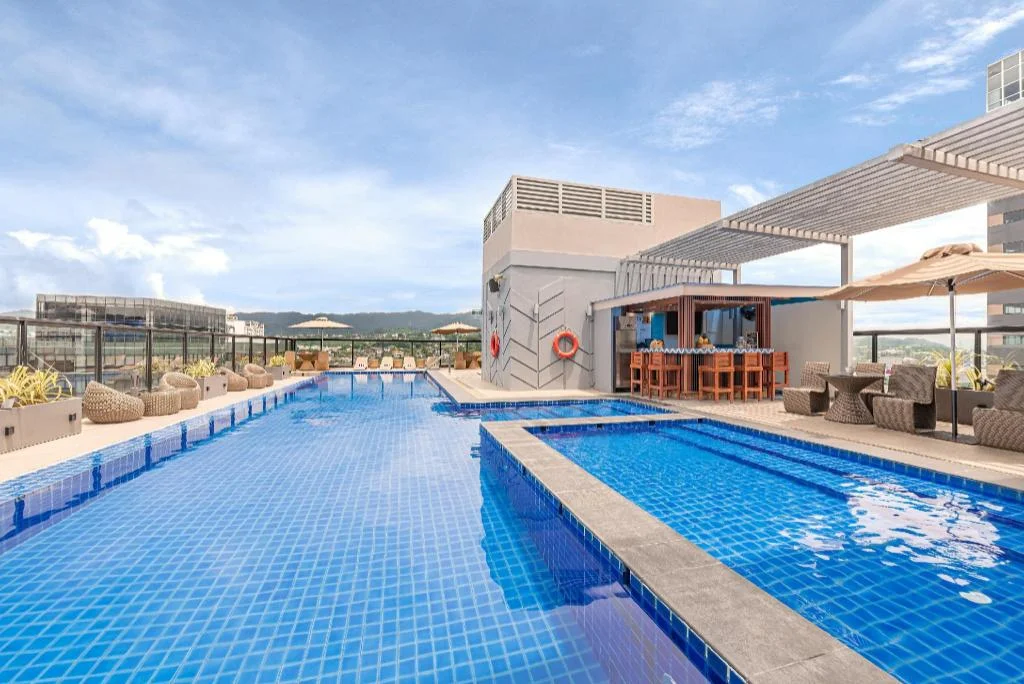
Seda Central Bloc Cebu City
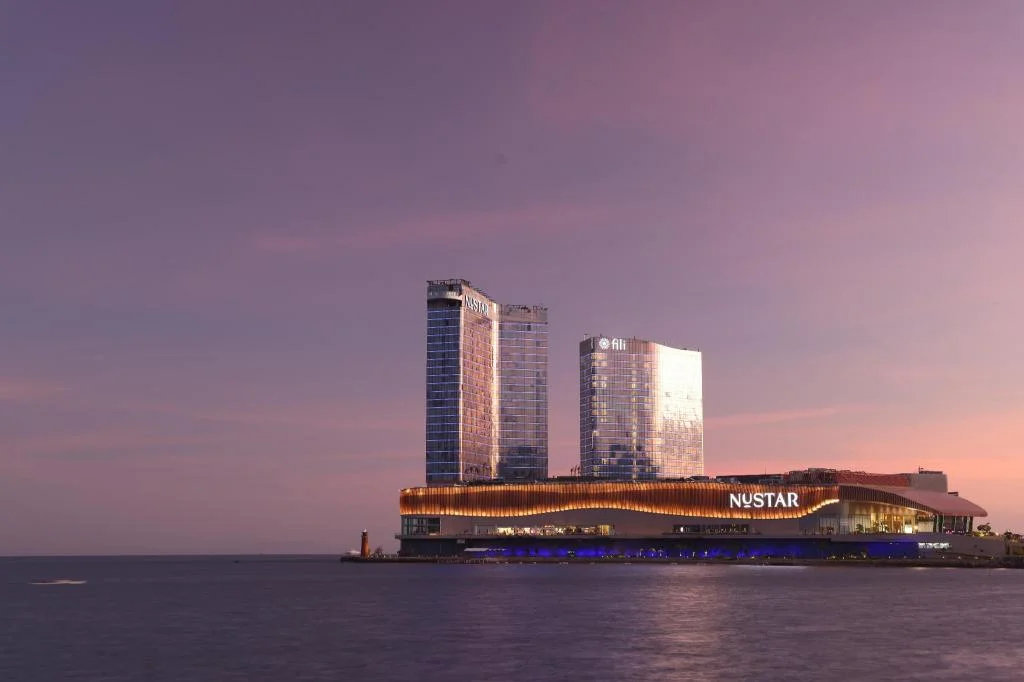
Fili Hotel - NUSTAR Resort & Casino Cebu
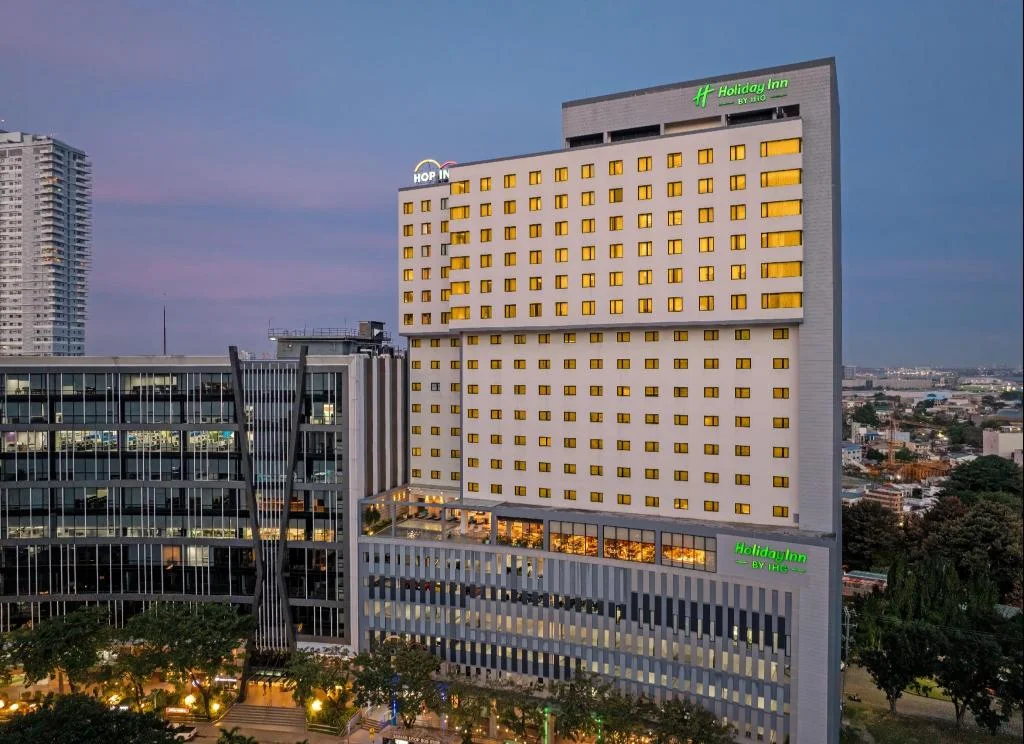
Holiday Inn Cebu City By IHG
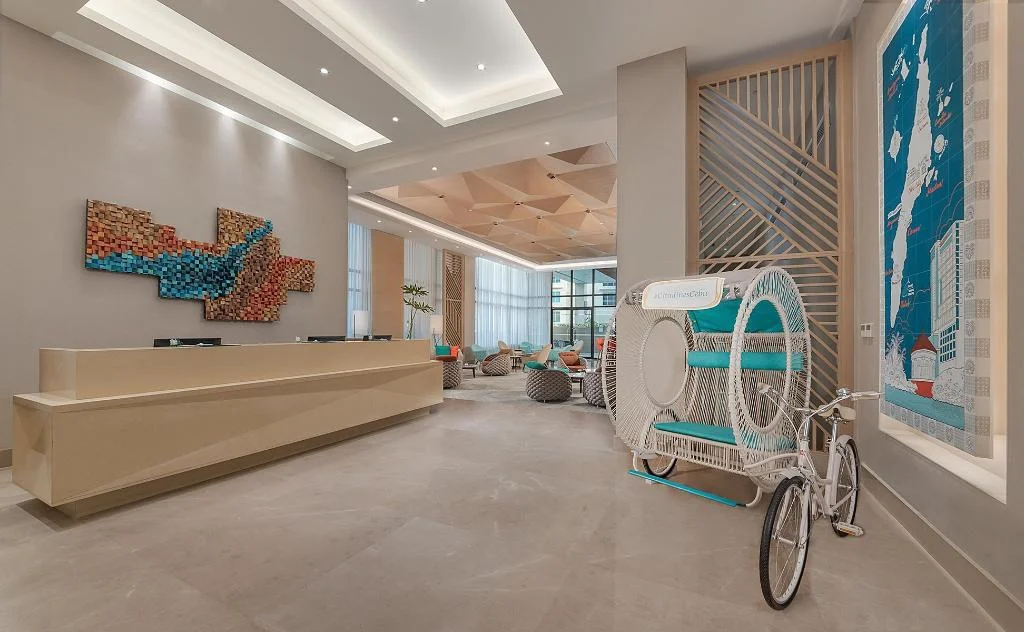
Citadines Cebu City
Prefer a rental? Vacation rentals near Cebu City
Self-catering condos and apartments — book the exact unit, kitchen included.
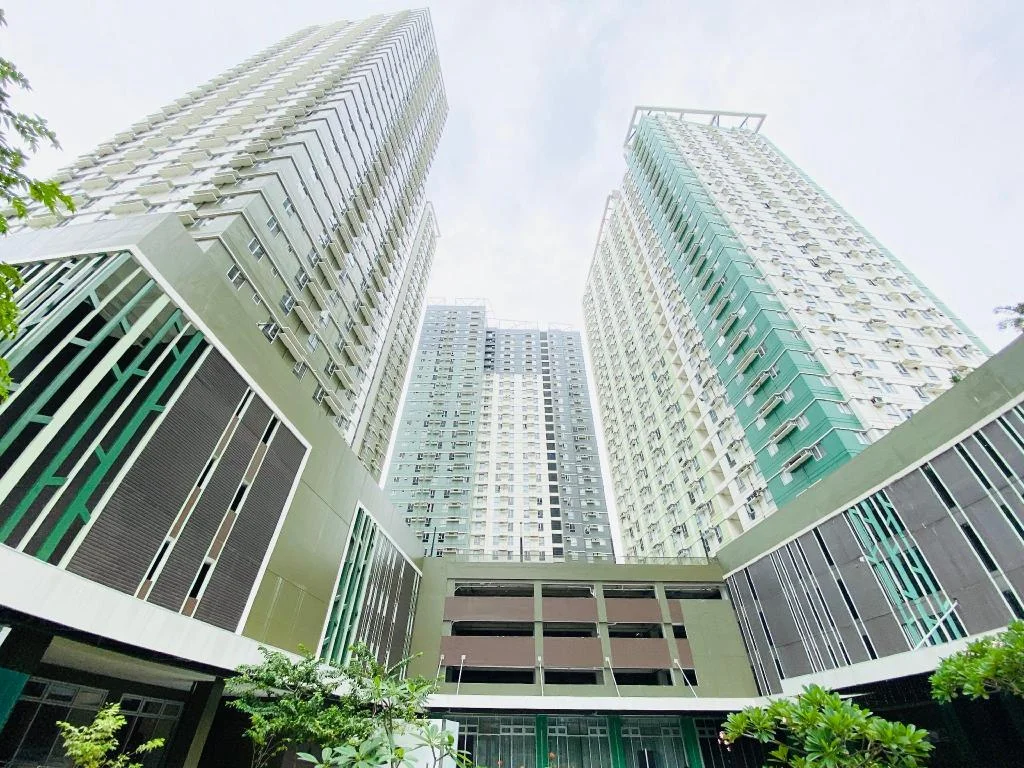
Cebu Avida Riala by P&J
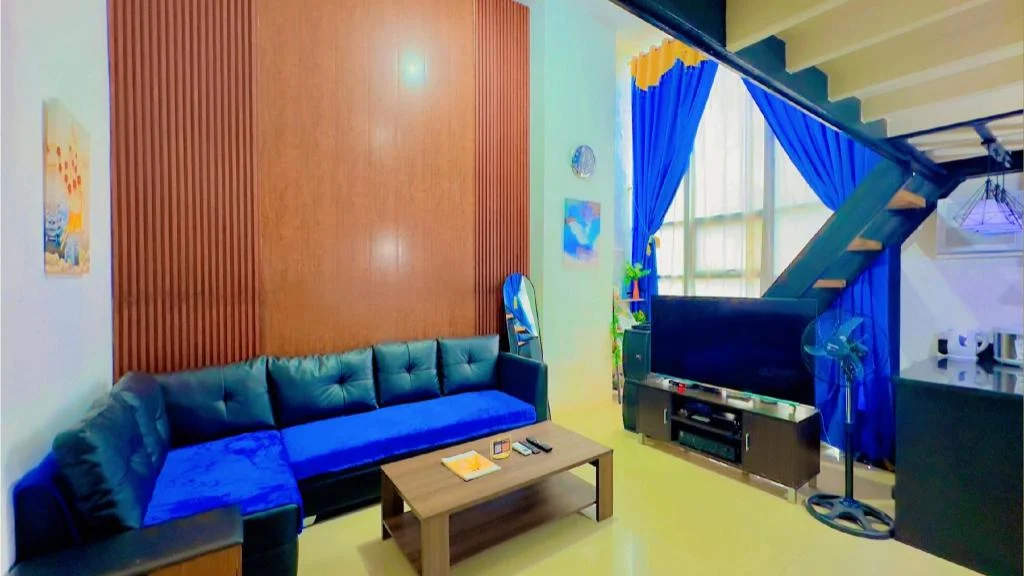
Special Big Loft Unit w/Fibreop Internet & Netflix
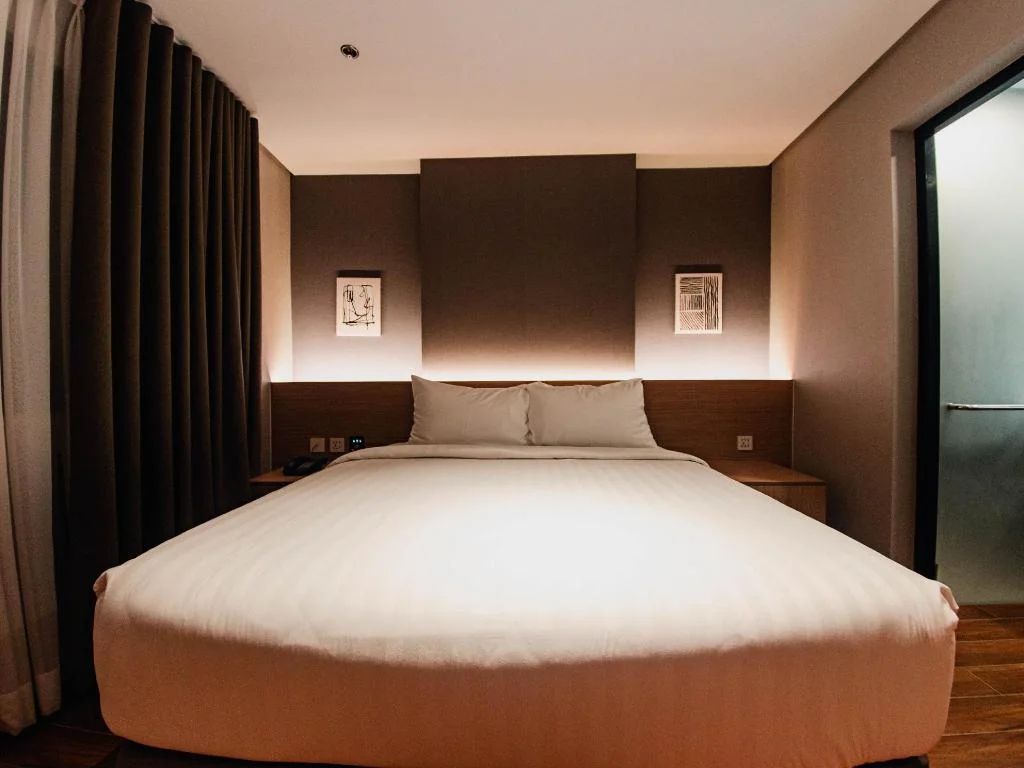
Moonstar Cebu Hotel - Deluxe Room
Before you go
Frequently asked
Can you really travel Cebu on ₱1,000 a day?
What does the ₱1,000/day budget actually cover?
What do you give up at ₱1,000/day compared to ₱1,500/day?
Where does ₱1,000/day fall apart in Cebu?
What's the cheapest place to sleep for under ₱1,000/day?
How do you eat on ₱250 a day in Cebu?
Is ₱1,000/day realistic for more than a few days in a row?
What free things can you do to fill a ₱1,000 day?
More Places to Explore
Colon Street
Cebu City
The oldest street in the Philippines, a historic commercial thoroughfare that has been Cebu's trading center since Spanish colonial times.
Temple of Leah
Cebu City
A magnificent Roman-inspired temple built as a monument of love, nicknamed 'Cebu's Taj Mahal,' offering stunning architecture and city views.