
TL;DR: The cheapest way to see Cebu is jeepneys (₱13–15) over Grab, public Ceres buses (₱170–330) over private vans, hostel dorms (₱230–750/night) over hotels, and carinderias (₱60–150/meal) over restaurants. Book flights during a seat sale months ahead, join shared island-hopping boats instead of private charters, and refill water bottles (₱25–40 per 5-gallon jug) instead of buying single bottles daily. Stack these choices and a full Cebu day — transport, food, and a shared tour — can run ₱600–900 (US$10–15) outside your accommodation. Verified July 2026.
Cebu doesn’t have to be expensive. The postcard version — private vans, resort buffets, chartered boats — is what most tour packages default you into, but locals and long-term backpackers move around this island for a fraction of that cost, using the same jeepneys, buses, and carinderias everyone here actually uses. This guide walks through the cheapest real option for every part of a Cebu trip: getting around the city, getting to the south and the islands, where to sleep, where to eat, and how to book tours and flights without paying the tourist rate. It’s written for budget travelers and backpackers, but even if you’re not counting every peso, knowing the real “local” price protects you from getting overcharged. If you’re basing yourself downtown, most of this starts around Colon Street, the historic center of cheap eats, markets, and jeepney routes in Cebu City.
Where the Money Goes: Cheap vs Costly, Side by Side
| Category | Cheapest option | Common tourist default | Approx. ₱ saved |
|---|---|---|---|
| Airport to city center | Airport taxi coupon / Grab ₱250–500 | Hotel private transfer ₱800–1,500 | ₱300–1,000 |
| Getting around the city | Jeepney ₱13–15 | Grab (surge) ₱80–200+ | ₱65–185/ride |
| Cebu City ↔ Moalboal/Oslob | Ceres public bus ₱170–330 | Private van transfer ₱600–900/pax | ₱300–700 |
| Cebu ↔ Bohol by sea | OceanJet economy/open-air ₱450–800 | OceanJet business class ₱1,000–1,560 | ₱500–800 |
| Sleeping | Hostel dorm ₱230–750/night | Mid-range hotel room ₱2,500–4,000/night | ₱1,700–3,500 |
| Eating | Carinderia/turo-turo ₱60–150/meal | Mall or resort restaurant ₱250–450/meal | ₱150–300/meal |
| Island hopping | Joiner (shared) boat ₱1,500–2,500pp | Private boat charter, small group | ₱1,500–4,000+/pax |
| Drinking water | Refill station ₱25–40 per 5-gallon jug | Daily single bottled water purchases | Varies, adds up fast |
| Flights to Cebu | Seat sale, booked months ahead ₱188–1,500 | Walk-up fare ₱3,000–6,000+ | ₱2,000–4,500 |
Prices are typical ranges from 2025–2026 fares and reporting; airlines, bus operators, and ferry lines adjust rates without much notice, so treat these as planning ranges and confirm the current fare before you pay. Verified July 2026.
What’s the Cheapest Way to Get Around Cebu City?
Take the jeepney. The minimum fare on a traditional jeepney is around ₱13–15 (about US$0.22–0.26); modern air-conditioned jeepneys run a bit higher, closer to ₱15–17. Compare that to a short Grab ride, which typically starts around ₱80–100 and climbs fast with surge pricing during rain or rush hour — routinely 5–10x the jeepney fare for the same distance.
Jeepneys aren’t complicated once you know the trick: routes are painted on the windshield as a code (like “04L” or “13B”), and drivers or fellow passengers will point you the right way if you ask. Pay by handing your fare forward through other passengers — “bayad po” — and say “para” (stop) when you want off. It’s slower than Grab and not air-conditioned, but for anyone spending more than a couple of days in the metro, it’s the single easiest way to cut daily transport costs to almost nothing.
For late nights, heavy luggage, or trips where safety and speed matter more than saving ₱100, a Grab is still the right call — cheap travel means being smart about where you spend, not avoiding every convenience.
What’s the Cheapest Way to Travel Between Towns?
Public buses, not private vans or tours. A Ceres Liner bus from the Cebu South Bus Terminal to Moalboal costs roughly ₱170 non-aircon or ₱210 aircon (about US$3–3.60), taking 3–4 hours depending on traffic and stops. To Oslob, fares run about ₱200–330 depending on bus class, over a similar 4-hour ride. A private van transfer covering the same route commonly runs ₱600–900 per person, and a chartered private van for the day can run into the thousands.
The public bus is slower — it makes local stops and doesn’t drop you at your hotel door — but it’s the same bus locals ride, it runs multiple times daily, and it’s dramatically cheaper for solo travelers or pairs. If you’re short on time or traveling with a group where the private-van cost splits down to a reasonable per-person rate, that convenience premium can be worth it; just don’t assume it’s your only option.
What’s the Cheapest Way to Island-Hop to Bohol, Camotes, or Bantayan?
Book the lower ferry class, and compare operators before you commit. OceanJet’s Cebu-to-Tagbilaran (Bohol) route runs roughly ₱1,000–1,560 depending on class, with open-air/economy seating at the lower end and business class at the top. The Cebu-to-Getafe route (also Bohol, further north) is often cheaper overall, around ₱450–800. Cebu to Camotes runs from roughly ₱671. Fares shift by season and promo, so it pays to check both OceanJet and 2GO before booking, and to book online in advance rather than walking up to the pier, where seats on the cheapest class may already be gone.
If you’re flexible on timing, weekday sailings are usually less crowded and occasionally cheaper than weekend departures, when Cebuano day-trippers fill the boats.
How Do You Find the Cheapest Flights to Cebu?
Book during a seat sale, months ahead, and keep your search small. Cebu Pacific and Philippine Airlines both run periodic seat sales with domestic base fares as low as under ₱200, though the advertised price is a base fare only — taxes, terminal fees, and surcharges get added at checkout, so the final total is always higher than the headline number. Creating a free GetGo account (Cebu Pacific’s loyalty program) means faster checkout and sometimes earlier access to a sale. Booking for one or two passengers at a time, rather than a large group, tends to surface promo fares that disappear when you search for more seats at once.
The other lever is timing: flying midweek and outside Sinulog (mid-January), Holy Week, and the Christmas–New Year rush keeps fares down even without a promo. If you want the fuller playbook on tracking sales and picking dates, see our guide to booking cheap flights to Cebu.
Where Can You Sleep Cheap in Cebu?
A hostel dorm bed, which runs roughly ₱230–750 a night (about US$4–13) depending on the season and location, against ₱2,500–4,000+ for even a basic private mid-range hotel room. December and Sinulog week (mid-January) push prices toward the top of that range and beyond, so book those dates early if you’re traveling then. February tends to be one of the cheaper months to find a bed.
If you’d rather not share a dorm room but still want to keep costs down, look at guesthouses and budget private rooms outside the main tourist strips — IT Park and Fuente Osmeña carry a premium simply for location. For a fuller rundown of where those cheaper beds cluster, see our cheapest places to stay in Cebu guide.
What’s the Cheapest Way to Eat Well in Cebu?
Carinderias and turo-turo stalls. These are the point-and-order eateries found in every neighborhood, where trays of pre-cooked ulam (viands) sit behind glass and you point at what you want over rice. A full plate — rice plus two viands — typically runs ₱60–150 (about US$1–2.60), compared to ₱250–450 for a similar meal at a mall restaurant or resort restaurant. The cheapest filling meal in the city is arguably puso (rice steamed in a woven coconut-leaf pouch) with a couple of barbecue skewers from a street stall, often ₱50–80 total.
Carbon Market and the streets around Colon Street have some of the densest, cheapest concentrations of carinderias in the metro, alongside fresh produce and dried goods if you’re self-catering. For a longer list of specific spots, see the best cheap eats in Cebu.
Joiner Tour or Private Tour: Which Actually Saves More?
Joiner (shared) tours, almost every time — unless your group is large. A shared Mactan island-hopping boat, visiting spots like Hilutungan and Nalusuan marine sanctuaries, typically runs ₱1,500–2,500 per person, sometimes with a Klook-packaged version around ₱2,000–2,300 including lunch and snorkel gear (plus marine sanctuary fees of roughly ₱150–300 per site, paid on top). A private boat charter for the same route costs a flat amount for the whole boat regardless of headcount, so the per-person cost only beats the joiner rate once you have a large enough group — commonly 5 or more people — to split it across.
The trade-off with a joiner tour is a fixed schedule and sharing the boat with strangers; a private charter buys flexibility on timing and stops. If you’re solo, a couple, or a small group of 2–4, the joiner rate usually wins on price. For a deeper price breakdown across operators, see cheapest island hopping in Cebu. You can also compare island-hopping and day-tour options on Klook before booking.
How Do You Avoid Tourist Markups?
Ask a local — your host, a jeepney driver, a fellow guest — what a fair price is before you pay, especially anywhere prices aren’t posted. Fixed-price places (malls, chain stores, convenience stores, official ticket counters) don’t need haggling. Open-air markets like Carbon, souvenir stalls, and unmetered rides (habal-habal, some tricycles) do — agree on the fare or price before you commit, not after. Piers and bus terminals are common spots for touts offering “tours” or “vans” at inflated prices; booking through a known operator, your accommodation, or a platform avoids the worst of it.
Water is a small but constant one: a 5-gallon refill at a station costs roughly ₱25–40, while buying single bottles from a convenience store or resort every day adds up fast over a week-long trip. Bring a refillable bottle and top up at refill stations or your accommodation instead.
The Honest Take
Cebu rewards travelers who are willing to move at local speed. The savings above are real and add up — a backpacker riding jeepneys, sleeping in a dorm, and eating at carinderias can comfortably spend a fraction of what a resort-and-private-van itinerary costs for the same number of days — but the trade-off is almost always time and a bit of friction: buses that take longer and stop more, jeepneys that require you to ask directions, dorm rooms with less privacy. If your trip is short and your time is worth more to you than the peso difference, spend where it matters (a faster private transfer to Moalboal after a red-eye flight, say) and save where it doesn’t (your daily lunch). The mistake to avoid is defaulting to the expensive option out of habit or unfamiliarity — most of the “budget” version of Cebu is simply the version locals already use every day.
Combine It With the Rest of Your Trip
Pair this with the classic downtown loop through Colon Street for markets and cheap eats, and Temple of Leah, a striking (and free-to-view-from-outside) hilltop landmark that costs nothing beyond the jeepney or habal-habal fare to reach. For a fuller day-by-day framework built around this kind of spending, see our budget backpacker guide and ₱1,000-a-day guide, or the general getting around Cebu breakdown for every transport option in one place. If you’d rather book ahead than wing it, compare hostel and budget hotel rates on Agoda before you land.
Sources
- Cebu Pacific Seat Sale — official page
- Cebu Pacific Seat Sales help article
- Rappler — fare hikes for jeepneys, buses, and ride-hailing, 2026
- Sun.Star Cebu — jeepney fare hike suspended
- Cebu Bus Terminal fare guide, 2026
- OceanJet official schedule and fares
- Pamasahe.com — Cebu-Tagbilaran and Cebu-Getafe OceanJet fares, 2026
- Hostelz.com — Cebu City hostel pricing, 2026
- Carinderia and turo-turo meal pricing verified against 2025–2026 budget-travel and food-culture reporting on Cebu.
- Prices verified against current 2025–2026 reporting; confirm exact fares locally before you travel. Verified July 2026.
Book Tours & Hotels for This Trip
Find and book the best deals — prices and availability update in real time. Links open in a new tab.
Where to stay near Cebu City
Top-rated hotels for this trip — tap through to check live rates.
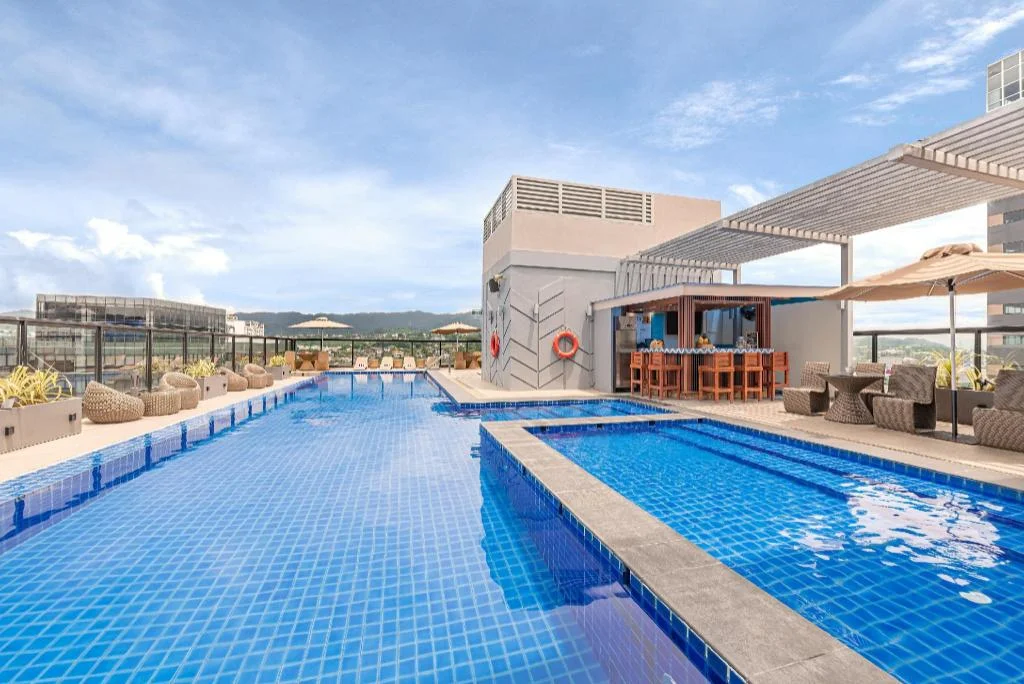
Seda Central Bloc Cebu City
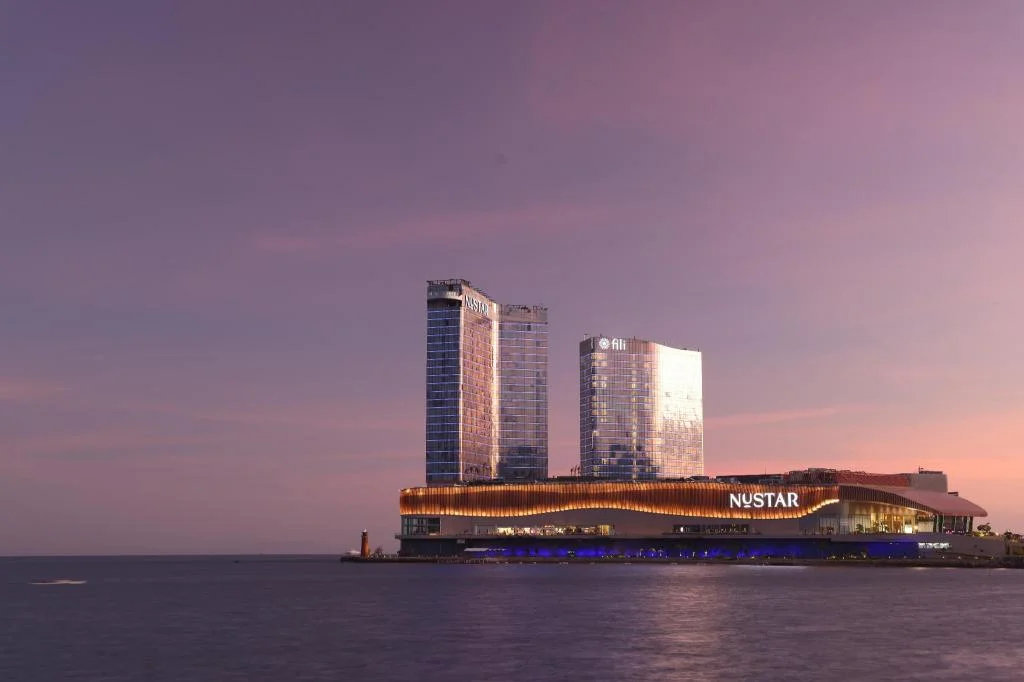
Fili Hotel - NUSTAR Resort & Casino Cebu
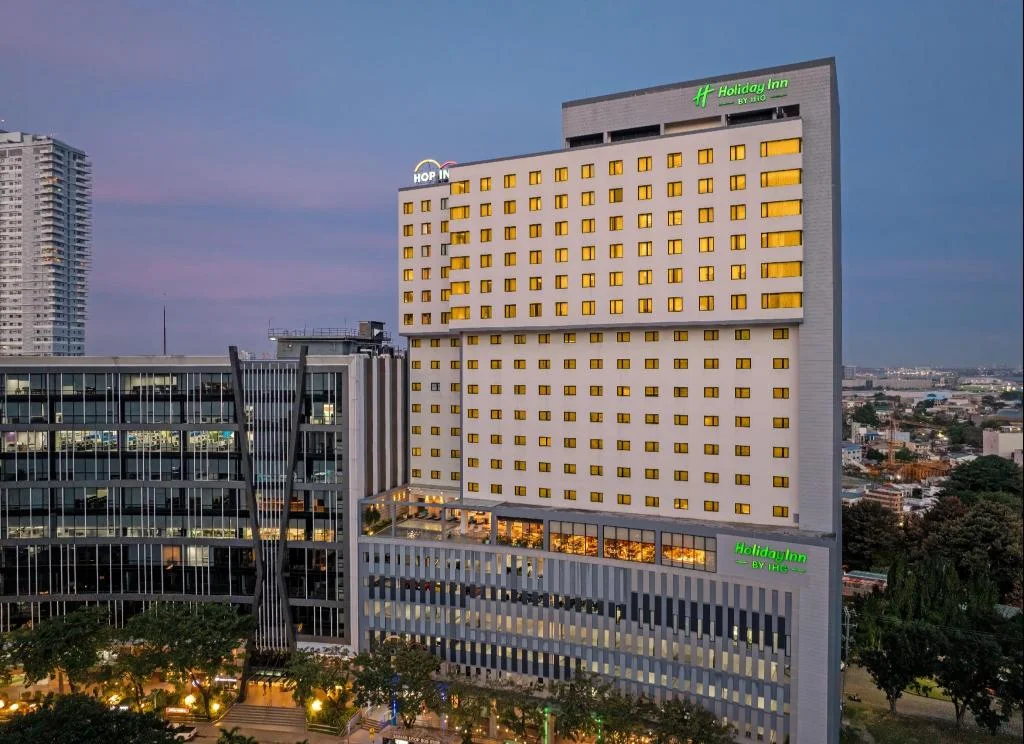
Holiday Inn Cebu City By IHG
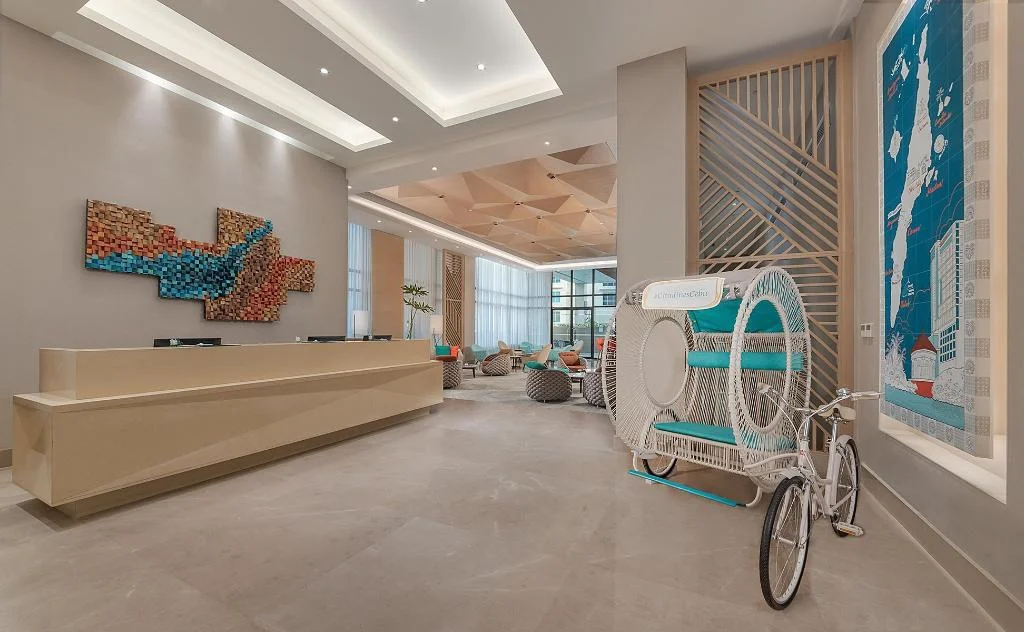
Citadines Cebu City
Prefer a rental? Vacation rentals near Cebu City
Self-catering condos and apartments — book the exact unit, kitchen included.
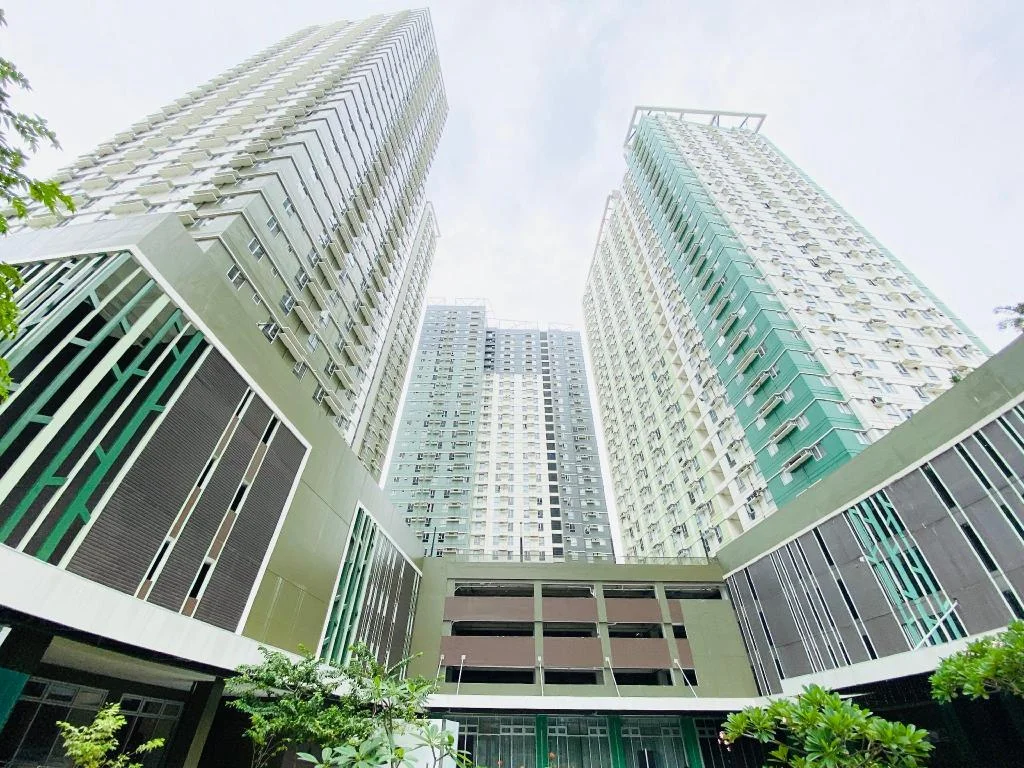
Cebu Avida Riala by P&J
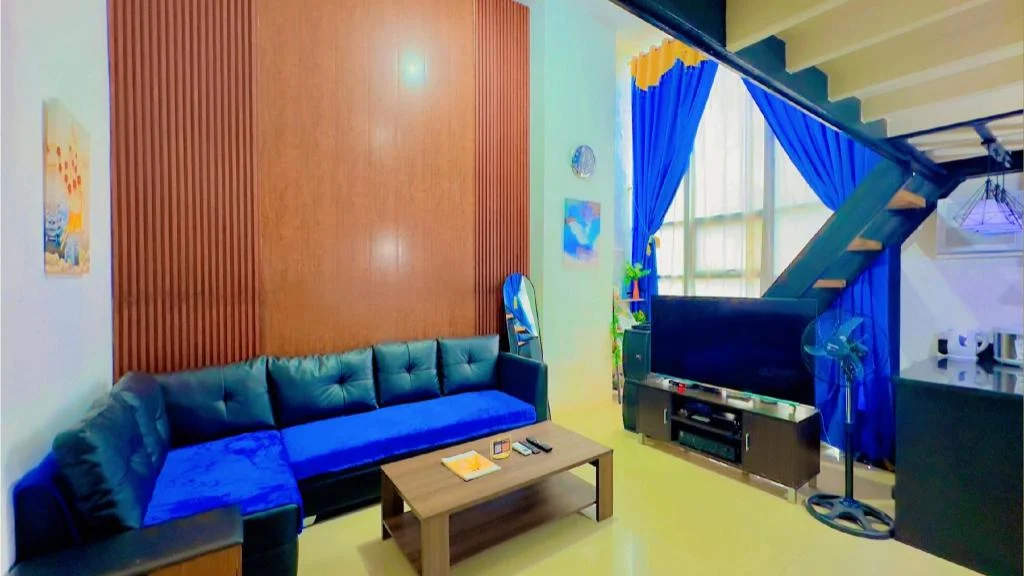
Special Big Loft Unit w/Fibreop Internet & Netflix
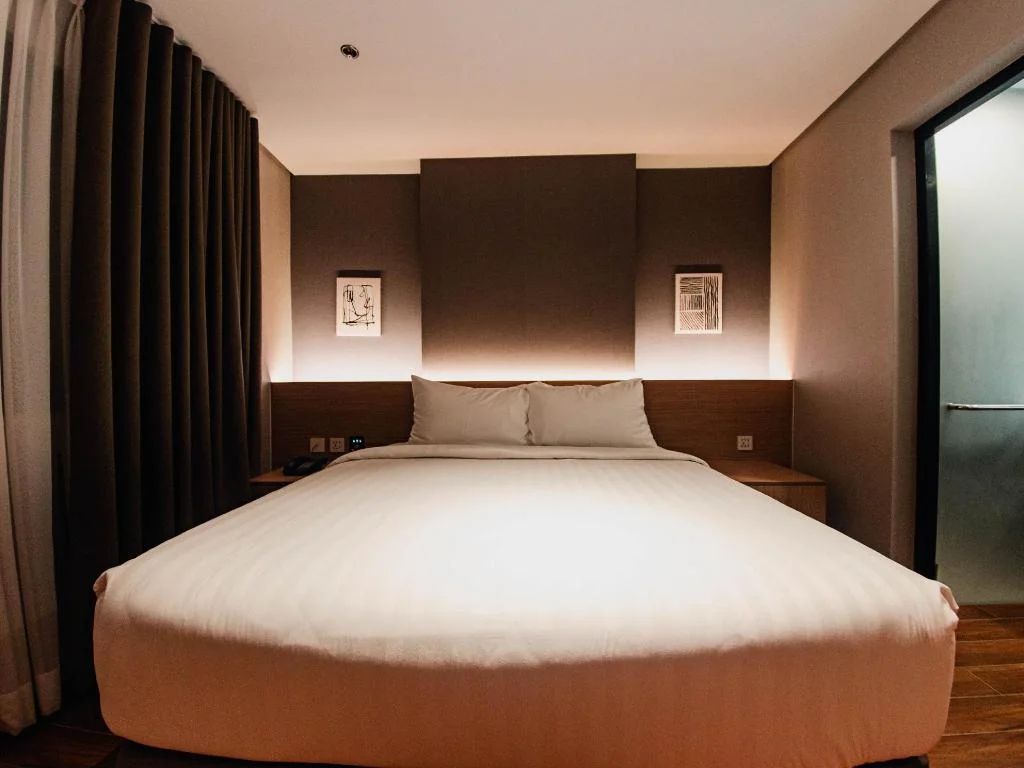
Moonstar Cebu Hotel - Deluxe Room
Before you go
Frequently asked
What is the cheapest way to get around Cebu City?
Is the bus cheaper than a private van to Moalboal or Oslob?
How do you find the cheapest flights to Cebu?
Are hostels actually cheaper than hotels in Cebu?
What's the cheapest way to eat well in Cebu?
Should I book a joiner tour or a private tour for island hopping?
Is Grab cheaper than a taxi or habal-habal in Cebu?
How do I avoid tourist markups in Cebu?
More Places to Explore
Colon Street
Cebu City
The oldest street in the Philippines, a historic commercial thoroughfare that has been Cebu's trading center since Spanish colonial times.
Temple of Leah
Cebu City
A magnificent Roman-inspired temple built as a monument of love, nicknamed 'Cebu's Taj Mahal,' offering stunning architecture and city views.