
TL;DR: Cebu is one of the more LGBTQ+-friendly stops in the Philippines — Cebu City has its own anti-discrimination ordinance, a visible bakla and gay community, gay-friendly bars around Mango Avenue, and a growing June Pride Festival. There’s no same-sex marriage nationally and no legal gender recognition for trans people, so expect warmth in the city and tourist zones alongside real gaps once you’re outside them, especially for trans travelers. Hand-holding is fine in the city; keep PDA modest everywhere, as Filipino culture does for all couples. Verified July 2026.
Cebu doesn’t market itself as an LGBTQ+ destination the way Bangkok or Manila’s Malate district does, but it’s a genuinely workable, mostly welcoming place to travel as a queer visitor. The Philippines is a majority-Catholic country with no marriage equality and no national anti-discrimination law, yet it also has one of the most visible gay and trans cultures in Asia, and Cebu City backs that up with its own local ordinance. This guide is for LGBTQ+ travelers weighing a trip to Cebu City, Mactan, or the wider province, who want a straight answer (no pun intended) on safety, nightlife, Pride, and the practical stuff — PDA norms, trans-specific issues, and where to get PrEP or HIV meds if you need them while you’re here.
Cebu for LGBTQ+ Travelers at a Glance
| Question | Short answer |
|---|---|
| Legal status | Homosexuality is not criminalized; no same-sex marriage or civil unions nationally |
| Local protection | Cebu City has a SOGIESC anti-discrimination ordinance (2022) |
| General safety | Good in Cebu City and tourist areas; more conservative outside them |
| Gay nightlife | Mango Avenue (General Maxilom Ave), Cebu City |
| Pride | Cebu Pride Festival, every June, organized by the Cebu Pride Movement |
| PDA | Discreet hand-holding fine in the city; avoid overt PDA anywhere |
| Trans travelers | Visible and culturally present; no legal gender recognition, bathroom friction possible |
| PrEP/HIV care | Available via LoveYourself and PULSE Clinic, not regular pharmacies |
Verified July 2026.
Is Cebu Safe for LGBTQ+ Travelers?
Yes, in the sense that matters most to a visitor: you’re very unlikely to be targeted for who you are in Cebu City, Mactan, or the main tourist towns. The Philippines has a long tradition of bakla and gay Filipinos in visible public roles — hosting TV shows, running salons, working in hospitality — and that visibility translates into a baseline tolerance you’ll feel walking around. Cebu City reinforced this legally in August 2022, when Mayor Mike Rama signed Ordinance 2660, the SOGIESC Equality Ordinance, which prohibits harassment, public humiliation, and denial of services based on sexual orientation and gender identity, and set up a city council (SPEC) with a minimum annual budget to enforce it.
That said, “safe” isn’t uniform. Safety here tracks the same lines as general safety in Cebu (see our is Cebu safe for tourists guide) — city and resort areas are more used to foreign visitors and more visibly diverse, while small towns and rural barangays lean more conservative, shaped heavily by the Catholic Church, which roughly 80% of Filipinos identify with. Nothing here suggests you’ll face confrontation outside the city, but don’t expect the same casual openness in Moalboal’s back streets that you’d get on Mango Avenue.
What Are the Actual Laws for LGBTQ+ People Here?
Same-sex relationships are legal and not criminalized, but there’s no marriage equality and no national anti-discrimination law. Consensual same-sex activity between adults has never been a crime in the Philippines, and the age of consent doesn’t change based on orientation. What’s missing is legal recognition: no same-sex marriage, no civil unions, no domestic partnerships nationally. In January 2026 the Philippine Supreme Court ruled that same-sex couples can co-own property they jointly paid for, and urged Congress to legislate on same-sex union recognition, but that’s a property-rights ruling, not marriage, and the long-pending national SOGIE Equality Bill still hasn’t reached a floor vote after roughly two decades in Congress.
In that gap, cities and provinces have stepped in on their own. Cebu City is one of around 20+ Philippine local governments (spanning cities and nine provinces) with a local SOGIE ordinance, alongside places like Quezon City and Davao City. It’s real protection, but it’s local — it doesn’t travel with you to a town that hasn’t passed one.
Where Is the Gay Nightlife Scene in Cebu?
Mango Avenue (General Maxilom Avenue) in Cebu City is the closest thing Cebu has to an LGBTQ+ nightlife strip. It’s not a self-contained gayborhood — it’s Cebu’s broader nightlife street, with a cluster of LGBTQ+-friendly venues mixed in among the general bars and clubs. Expect drag shows and themed nights rather than a dense strip of dedicated gay clubs; travelers point to venues like Club ICON around Mango Square for drag performances, alongside smaller LGBTQ+-friendly cafés and bars that double as informal community hangouts by night. For the fuller nightlife picture beyond the gay-specific spots, see our Cebu nightlife overview and best bars in Cebu City.
If you’re planning a night out, book ahead for anything with a show or DJ set on a weekend — confirm details directly with the venue, since Cebu’s nightlife scene turns over faster than its landmarks. Search Cebu nightlife tours and experiences on Klook if you’d rather join a guided crawl your first night than navigate cold.
Is There a Pride Event in Cebu?
Yes — the Cebu Pride Festival runs a month of programming every June, organized by the Cebu Pride Movement with backing from the city and provincial governments. The 2025 Pride march drew hundreds of advocates and allies through Cebu City’s streets on June 28. In 2026, the festival expanded into a full slate: a Run with Pride on June 7, a Big Pride Picnic on June 14, the Mister Gay Sugbo coronation on June 26, and, as the headline event, the first-ever Cebu Grand Pride Parade on June 27 — with a separate Mandaue City Pride March the next day. If your dates don’t land in June, you’ll miss the parade, but the organizing community (Cebu Pride Movement) posts updates and smaller events on its Facebook page year-round, so it’s worth a follow before you land.
How Should You Handle PDA in Cebu?
Keep it low-key, the same as any couple would. Hand-holding between same-sex partners is broadly fine and unremarkable in Cebu City, Mactan resorts, and the main tourist circuit — travelers consistently report no issues doing this. But Filipino culture is generally reserved about public affection across the board, gay or straight, so anything beyond that (extended kissing, overt affection) will draw looks whoever you are. The safe read: match the discretion you’d expect from locals themselves, and save anything more visible for private spaces. Our Cebu local etiquette and customs guide covers the broader social norms this sits inside.
Are Trans Travelers Welcome in Cebu?
Trans and bakla Filipinos are a visible, everyday part of Cebuano life, but visibility isn’t the same as legal protection. The Philippines has no legal gender recognition process, meaning your passport gender marker is what officials and hotel staff will go by regardless of your presentation. Where friction shows up most concretely is restrooms: national surveys (Social Weather Stations) have found a large share of Filipinos opposed to trans women using women’s facilities, and there have been documented incidents of trans women being blocked from women’s restrooms in malls and resorts elsewhere in the country. Day-to-day social reception in Cebu tends to be warmer than that statistic suggests, particularly in the city, but it’s worth going in with the expectation that specific situations (ID checks, restrooms, hotel check-in) may require patience that other travelers won’t have to think about.
Where Can You Get PrEP or HIV Medication While You’re Here?
Through a dedicated sexual health clinic, not a walk-in pharmacy. Philippine pharmacies don’t routinely stock or dispense PrEP over the counter, even though doctors can prescribe it, so turning up at a random drugstore won’t get you far. In Cebu City, LoveYourself White House and PULSE Clinic both offer PrEP consultations and HIV care, including to visiting patients, and PULSE also publishes a Philippines-wide ARV price list if you’re managing existing treatment. The only FDA-approved PrEP formulation in the Philippines is the Tenofovir/Emtricitabine combination (branded Truvada) — if you’re on a different regimen, bring your full supply, since matching medications locally isn’t guaranteed. Central Visayas (Cebu’s region) has also seen a real rise in PrEP enrollment and reported HIV cases in recent years, so local providers are used to fielding these questions.
The Honest Take
Cebu earns its reputation as one of the more comfortable Philippine stops for LGBTQ+ travelers, but don’t oversell it to yourself. The good parts are real: a legally protected city, a genuinely warm and visible bakla culture, gay-friendly nightlife, and a Pride festival that’s grown fast in just a few years. The gaps are also real and specific — no marriage equality, no national protections, and a trans experience that’s culturally accepted but legally unprotected, especially around IDs and restrooms. If you’re a couple looking for an easy, low-drama trip, Cebu City and Mactan deliver that comfortably. If you’re trans, or you want an explicitly queer scene rather than a tolerant mixed one, temper expectations against a place like Manila’s Malate district or set your sights on the Pride Festival window in June, when the community is most visibly out and organized. Outside the city, dial expectations down further — small-town Cebu runs more conservative, not hostile, just quieter about it.
Combine It With the Rest of Cebu
A Cebu trip doesn’t need to be built around your identity — most of it is just Cebu. Pair a night on Mango Avenue with a daytime visit to Temple of Leah, the Corinthian-style hillside estate that’s become one of the city’s most photographed viewpoints, or catch sunset at Tops Lookout above the city. For the broader safety picture before you book, read is Cebu safe for tourists, and check best bars in Cebu City for the wider drinking scene beyond Mango Avenue.
Ready to book a base in the city? Compare Cebu City hotels near IT Park and the Business District on Agoda — both areas put you within reach of Mango Avenue nightlife and the main tourist sights without a long commute.
Sources
- Cebu City passes SOGIESC equality ordinance — Outrage Magazine
- LIST: Philippine local governments with anti-discrimination ordinances — Rappler
- LGBTQ rights in the Philippines — Wikipedia
- IN PHOTOS: Cebu City Pride Parade 2025 — Rappler
- Cebu Pride Festival 2026 rolls out month-long celebration — SunStar Cebu
- Keeping up with HIV in 2025: Philippines must improve access to PrEP, ART, self-testing — Rappler
- SWS: 47% of Pinoys against trans women using female toilet — GMA News Online
- Nightlife venue details cross-checked against current LGBTQ+ travel guides for Cebu (MisterB&B, TravelGay). Verified July 2026.
Book Tours & Hotels for This Trip
Find and book the best deals — prices and availability update in real time. Links open in a new tab.
Where to stay near Cebu City
Top-rated hotels for this trip — tap through to check live rates.
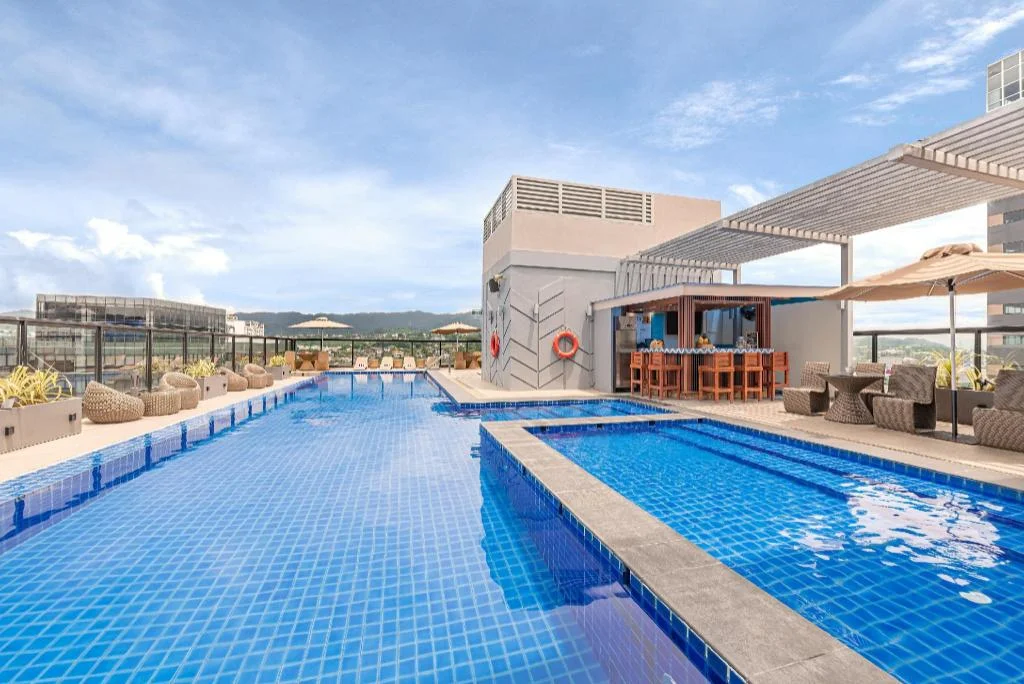
Seda Central Bloc Cebu City
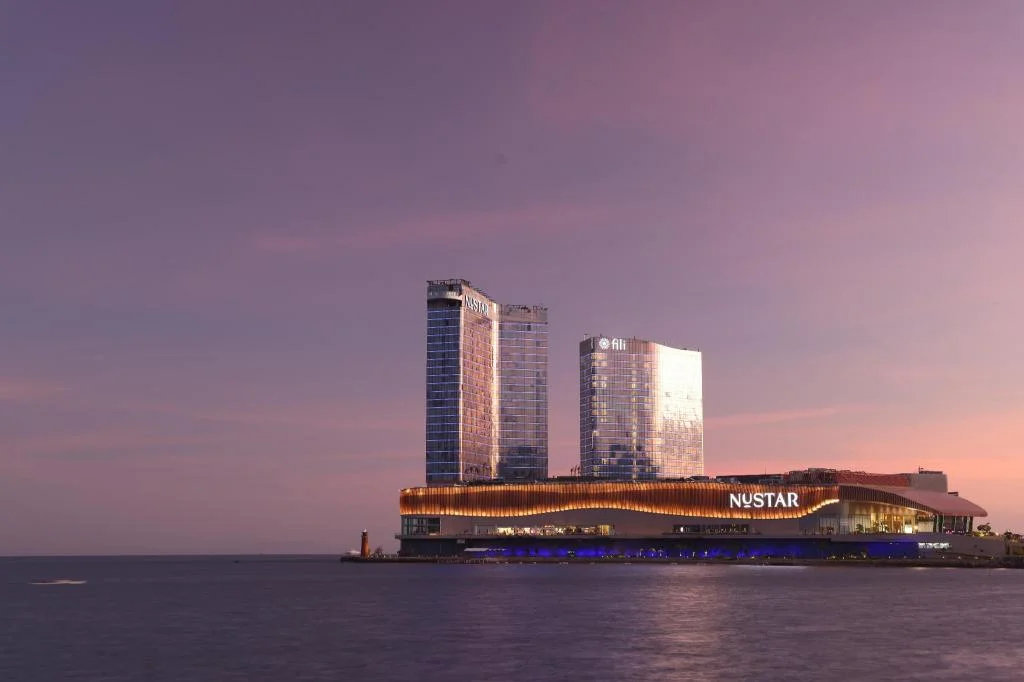
Fili Hotel - NUSTAR Resort & Casino Cebu
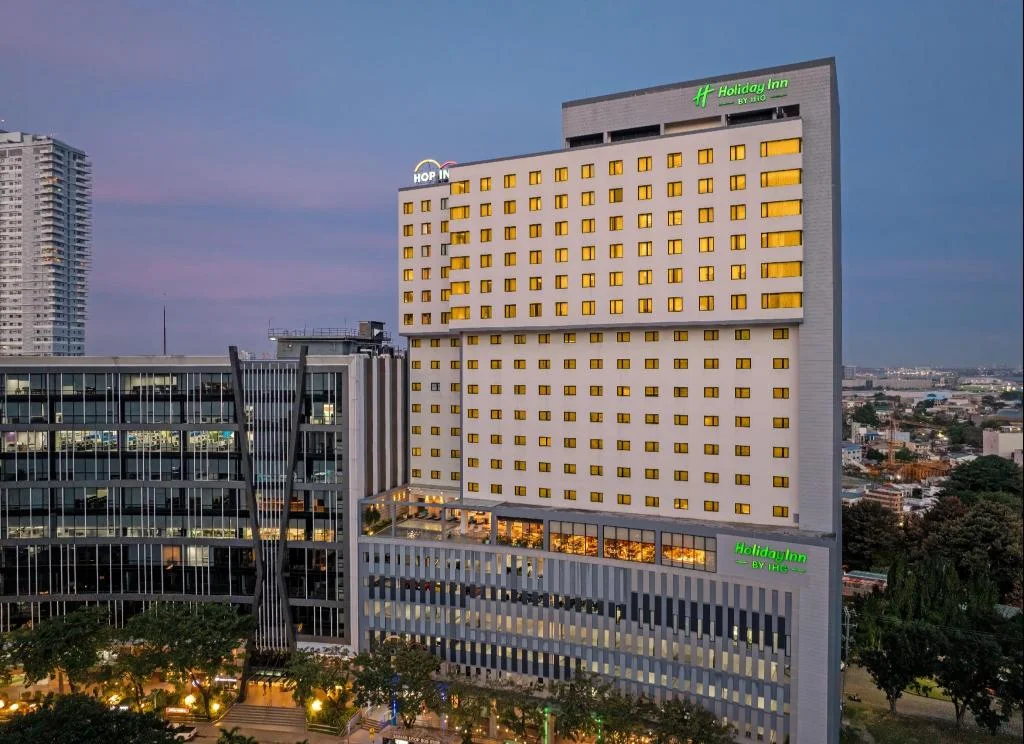
Holiday Inn Cebu City By IHG
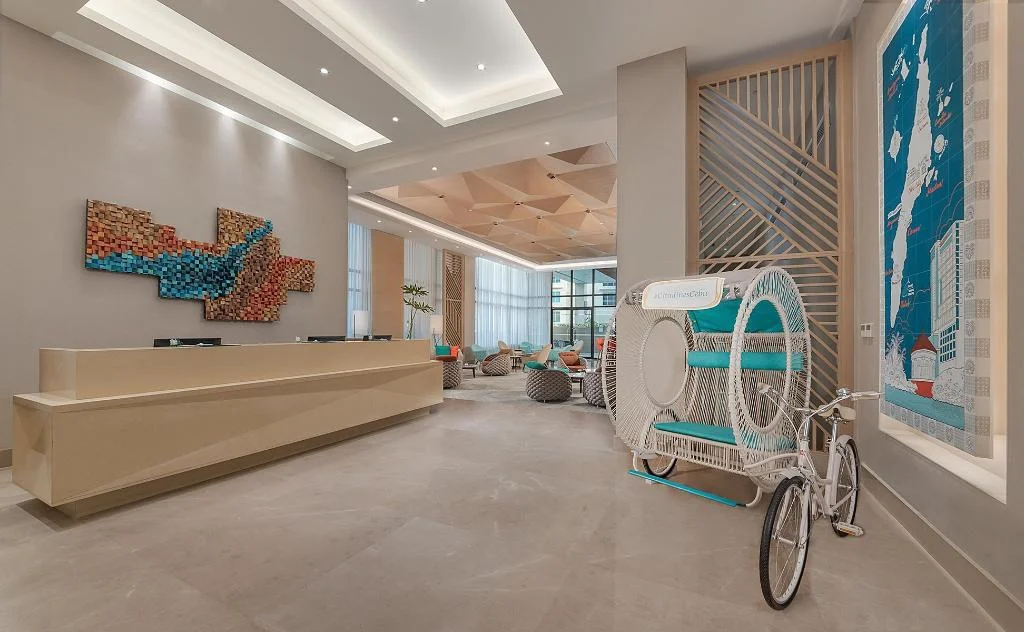
Citadines Cebu City
Prefer a rental? Vacation rentals near Cebu City
Self-catering condos and apartments — book the exact unit, kitchen included.
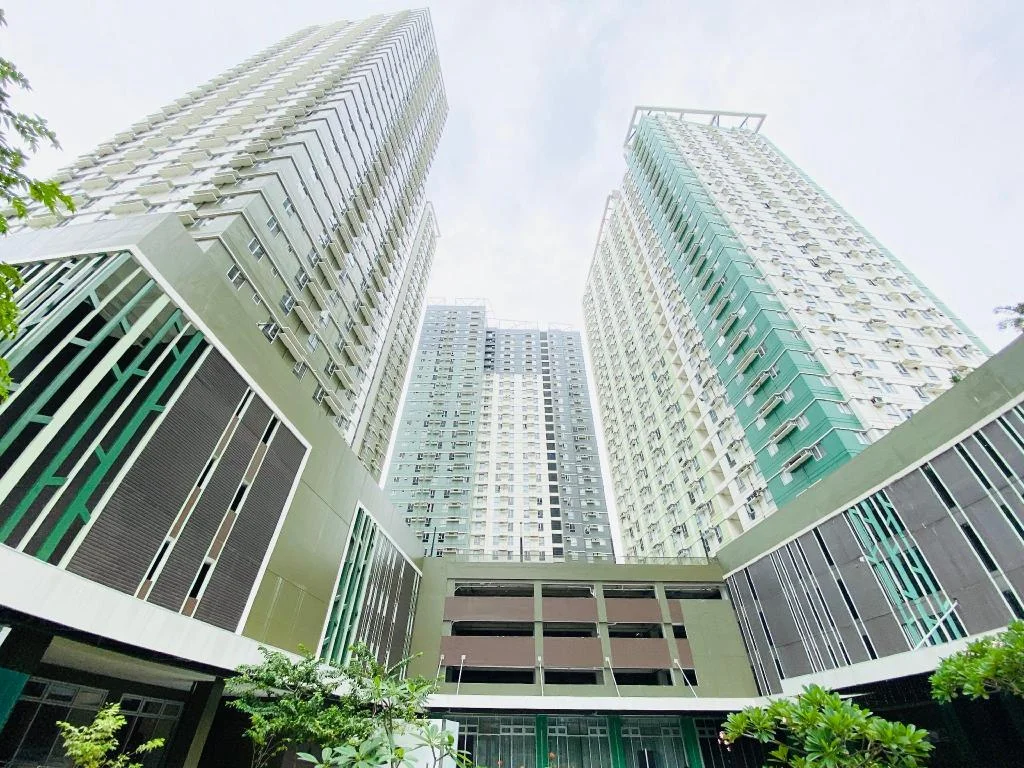
Cebu Avida Riala by P&J
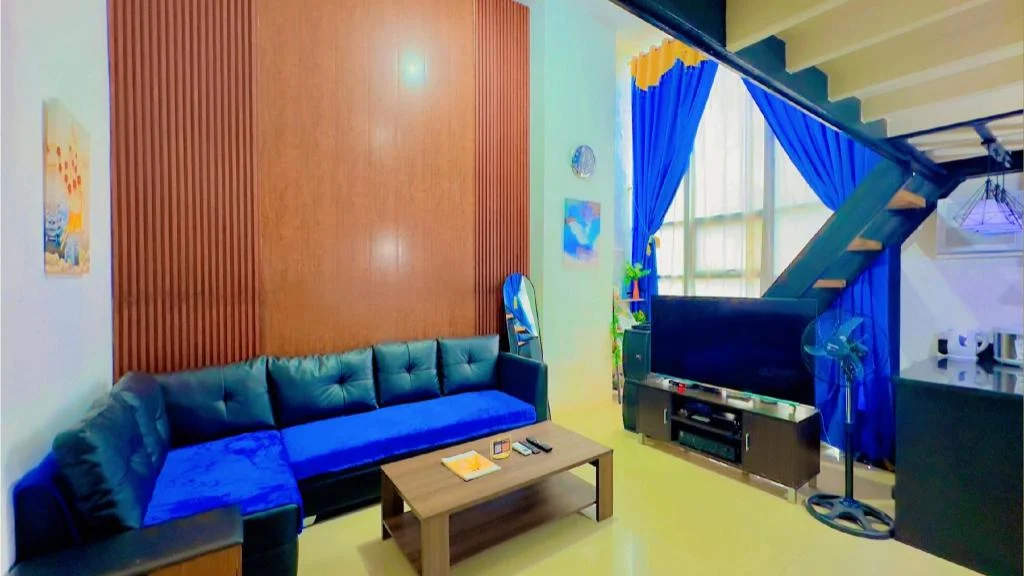
Special Big Loft Unit w/Fibreop Internet & Netflix
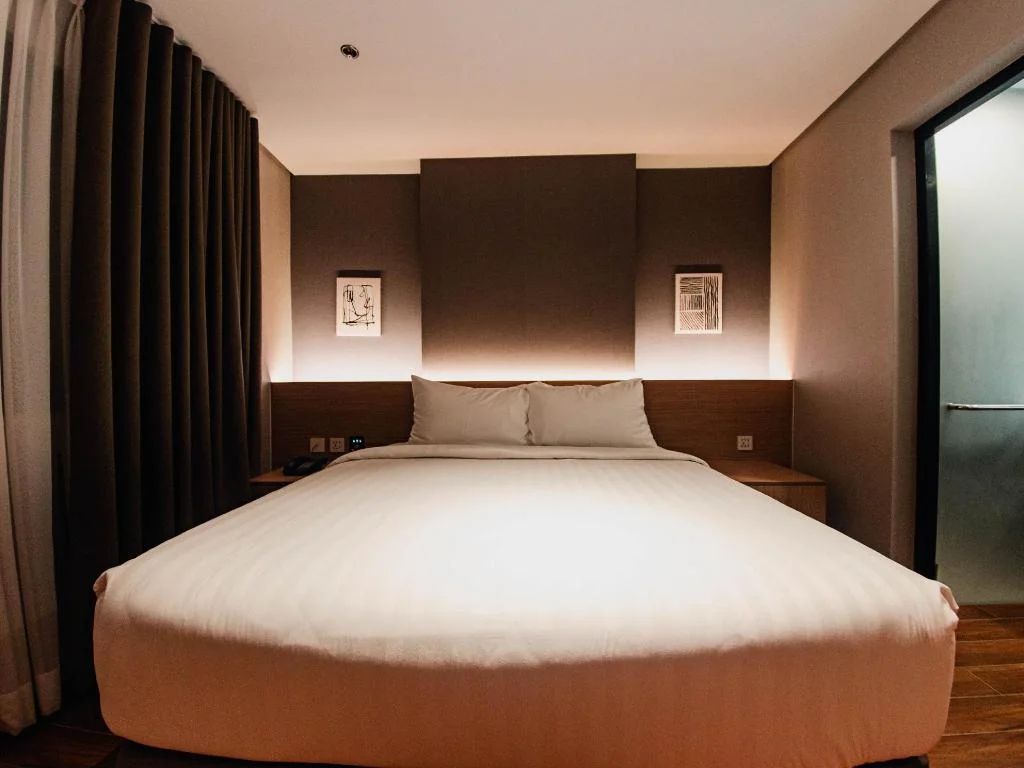
Moonstar Cebu Hotel - Deluxe Room
Before you go
Frequently asked
Is Cebu safe for LGBTQ+ travelers?
Is same-sex marriage legal in the Philippines?
Are there anti-discrimination protections for LGBTQ+ people in Cebu?
Where is the gay nightlife in Cebu?
Is there a Pride event in Cebu?
How much PDA is okay for same-sex couples in Cebu?
Are trans travelers welcome in Cebu?
Can I get PrEP or HIV medication while in Cebu?
More Places to Explore
Temple of Leah
Cebu City
A magnificent Roman-inspired temple built as a monument of love, nicknamed 'Cebu's Taj Mahal,' offering stunning architecture and city views.
Tops Lookout
Cebu City
Cebu City's premier hilltop viewpoint offering stunning panoramic views of the city, especially spectacular at sunset and nighttime.