TL;DR: Cebu’s best photography spots split into three types: elevated sunrise/sunset viewpoints (Tops Lookout, Temple of Leah, Sirao Flower Garden, each ₱100–150 / US$1.70–2.60 entrance), the mineral-blue water at Kawasan Falls (clearest in the March–June dry season), and heritage streets downtown (Basilica del Santo Niño, Colon, Carbon Market — all free). Register any drone 7kg+ with CAAP (₱1,500 + 12% VAT, per CAAP) and treat churches and private gardens as no-fly by default. Shoot golden hour around 5:30–7:30 AM or 4:30–6:00 PM, and rinse salt spray off gear the same day it happens. Verified July 2026.
Cebu rewards photographers who show up at the right hour more than photographers with the best gear. The same viewpoint that looks flat and hazy at noon turns into a genuinely striking shot forty minutes before sunset, and the same falls that look like every other jungle waterfall online turn electric blue if you go on a dry-season morning instead of after a week of rain. This guide is a practical shot list, not a gear review: where to go for sunrise and sunset, how to catch Kawasan Falls and Cebu’s sandbars at their best, how to shoot heritage streets and festivals without being that photographer, what the drone rules actually are, and how to keep your camera alive through the humidity and salt air. It’s built for anyone bringing a phone, a mirrorless body, or a drone to Cebu and wanting more than a flat midday snapshot to show for it.
Where to Shoot: Spot, Light, and Cost at a Glance
| Spot | Best light | Entrance fee (US$) | Notes |
|---|---|---|---|
| Tops Lookout | Late afternoon into sunset, 4–6 PM | ₱100 + ₱50 rooftop (~US$1.70 + US$0.86) | City-and-sea panorama; also open for sunrise |
| Temple of Leah | Early morning 6–9 AM (quiet) or late afternoon 3–5 PM (golden hour on the columns) | ₱120 weekday / ₱150 weekend (~US$2–2.60) | Confirm current hours locally — they’ve shortened at times in 2026 |
| Sirao Flower Garden | Early morning or late afternoon, soft light on the flower rows | ₱100 (~US$1.70) | Best bloom December–May dry season |
| Kawasan Falls | Morning before 10 AM for an empty basin; mid-morning during canyoneering for the cascades | Canyoneering fees vary by package | Water is bluest and clearest March–June |
| Sandbars (Virgin Island, Sumilon) | Midday for saturated turquoise water; late afternoon for warm tones on the sand | Boat + entrance vary (~₱250–2,500 / US$4–43 depending on group size and route) | Sandbar shape shifts with the tide — ask your boatman before you plan a shot |
| Basilica del Santo Niño, Colon, Carbon Market | Early morning for market energy and soft light; blue hour for street scenes | Free | Weekday mornings are calmer than weekends at the Basilica |
Verified July 2026.
What Are the Best Sunrise and Sunset Spots in Cebu?
The three reliable elevated spots are Tops Lookout, Temple of Leah, and Sirao Flower Garden, all in the Busay highlands above Cebu City. Tops Lookout gives you the widest panorama — city lights and Mactan Channel spread out below — and it’s the one built for sunset specifically, with the crowd thickening from about 4 PM as people stake out a spot before the light drops. Temple of Leah is smaller in scope but stronger in subject: the Roman colonnade catches warm side-light beautifully in the late afternoon, and if you’d rather skip the crowd entirely, go right at opening (6 AM) when the columns are empty and the light is still soft. Sirao Flower Garden is the odd one out — it’s not a viewpoint but a working flower farm, and the shot here is the celosia rows themselves, best photographed in early morning or late afternoon light rather than the flat glare of midday.
All three charge a modest entrance fee (roughly ₱100–150 depending on the site and day of week) and all three are a short habal-habal or Grab ride apart, so a single golden-hour run through Busay can realistically cover two of them in one evening if you plan the order around the light.
Is Kawasan Falls Worth It for Photographers?
Yes, but time it around the dry season if the blue water is the point of your visit. Kawasan Falls’ signature color comes from mineral-rich spring water that feeds the falls year-round, not from filters or editing — but the clarity of that color depends heavily on rainfall. Roughly March through June is the dry-season sweet spot, when the water runs clear and genuinely turquoise; by October through December, runoff from rain pushes the water higher and murkier, which is both a worse look and a real safety concern for canyoneering. If you’re shooting rather than jumping, arrive before 10 AM on a weekday to get the main basin without a crowd of swimmers in frame — the wilder, more dramatic shots you see online mostly come from inside a canyoneering trip through the upper falls, not from the base pool everyone photographs from the entrance.
Waterproof your gear seriously here: a proper waterproof case for a phone, or a dry bag plus a rented action camera for the canyoneering legs, since a regular camera has no business near the jump points.
How Do You Photograph Sandbars Without Wasting the Shot?
Shoot the turquoise water at midday and save the warm tones for the golden hour on the way back. Cebu’s sandbars — Virgin Island off Bantayan, the shifting sandbar at Sumilon Island near Oslob — look best in bright, high sun for the saturated blue-to-turquoise gradient in the water, which is the opposite of the “always shoot golden hour” rule that applies to most landscapes. That said, the sand itself photographs warmer and softer in late afternoon, so if your boat schedule allows both a midday swim stop and a late-afternoon return past the same sandbar, you get two different, both-worth-having shots from one trip.
One practical note: sandbars move and sometimes submerge with the tide, and boat operators plan around that — ask your boatman when the sandbar will be most exposed on the day you’re going rather than assuming it looks the way it does in every photo you’ve seen online.
What Are the Rules for Drone Photography in Cebu?
Registration only kicks in at 7kg and up, per CAAP’s own site — not the “250g / ₱1,000” figure repeated across some drone blogs. A typical consumer drone (DJI Mini, Air, Mavic) is well under that threshold and doesn’t need CAAP registration for recreational flying; non-commercial registration for drones 7kg and up costs ₱1,500 plus 12% VAT, per CAAP. Recreational flying is restricted to daylight hours; night flights need a specific CAAP permit. Airport exclusion zones have gotten stricter industry-wide in 2026 after drone sightings near NAIA prompted CAAP to expand no-fly buffers, so give Mactan-Cebu International Airport a wide berth and check current buffer distances before flying anywhere near Mactan or Lapu-Lapu. See our dedicated drone rules for tourists in Cebu guide for the full city-by-city breakdown.
Beyond the national rules, treat individual sites as their own gatekeepers. Temple of Leah and other privately run attractions may allow drones with prior permission but not as a walk-up default, and a small operation like Sirao Flower Garden can reasonably ask you to land if you didn’t check first. If you’re being paid for the footage — sponsored content, a commercial shoot — CAAP classifies that as a commercial operation requiring a Remote Pilot Licence, which is a different (and stricter) bar than recreational flying.
How Do You Shoot Cebu’s Heritage Streets Respectfully?
Go early, shoot wide, and ask before you go tight on a stranger’s face. The Basilica del Santo Niño, Colon Street, and Carbon Market are Cebu’s most photogenic heritage core, and they’re also active, crowded, working spaces — people praying, people running market stalls, people just living their day. Early morning, roughly 6–8 AM, gives you the softest light and the fewest people to work around at the Basilica specifically; weekday mornings are calmer than weekends, when Masses draw heavier crowds. Carbon Market is the reverse — the energy and the light both peak early, so a 6–7 AM visit gets you produce stalls in full swing rather than winding down. Treat drones as off-limits over both sites by default; it’s a dense, low-altitude urban and religious space, not a landscape.
For portraits of vendors, tricycle drivers, or churchgoers, a quick nod, a gesture toward your camera, or a simple “Pwede mag-picture?” (may I take a photo?) covers you in almost every situation, and showing the person the photo afterward is a small courtesy that goes a long way.
How Do You Photograph Sinulog and Cebu’s Festivals?
Wide shots of the crowd and the dancers are fair game without asking; close portraits of an individual dancer or reveler are a quick-ask situation, same as anywhere else. Sinulog is Cebu’s biggest photographic opportunity by far — feathered costumes, relentless drumming, and a million-strong crowd downtown — and our Sinulog festival guide covers the parade route, dates, and where to stand for the clearest sightlines. For photographers specifically: General Maxilom Avenue gives you wider lanes and better morning light than the tightly packed Fuente Osmeña Circle, and a grandstand seat near the finish, while paid, is the only way to get a clean, elevated angle on the full parade without shooting over heads all day. Bring only a small bag — backpacks are banned along the route — and keep your gear list minimal, since you’ll be on your feet in a crush of people for hours.
Gear for Cebu’s Humidity and Salt Air
Assume condensation and salt corrosion are working against your gear the entire trip, not just during a beach day. Moving between air-conditioned vehicles and Cebu’s outdoor heat fogs up lenses fast — give gear a few minutes to acclimate before shooting, and keep silica gel packs in your bag to manage the humidity inside your case overnight. Salt spray from any boat trip or beachside shoot should be rinsed off with fresh water the same day; left to dry, it corrodes zip pulls, hinges, and lens coatings over a multi-day trip faster than most travelers expect. A simple rain cover or dry bag is worth packing even outside the rainy season (roughly June to September), since sudden downpours happen year-round. If you’re doing Kawasan or any water-adjacent shoot, a dedicated waterproof housing or action camera protects you far better than hoping a phone case holds up to a splash.
The Honest Take
Cebu is a genuinely strong photography destination, but the postcard shots you’ve seen online are almost all about timing, not luck. The blue water at Kawasan needs the dry season. The Busay viewpoints need golden hour, not midday. The heritage streets need an early start before both the heat and the crowds build. Skip the temptation to drone everything — half of Cebu’s best subjects (churches, markets, small private gardens) are places where a drone reads as intrusive rather than impressive, and the ground-level shot of a vendor’s stall or the Basilica’s facade usually tells a better story anyway. If you only have one golden hour in the city, spend it at Temple of Leah or Tops rather than trying to squeeze in both — rushing between viewpoints for the “best” sunset shot usually means missing the light at either.
Sources
- CAAP — RPAS (drone) regulations
- Sinulog Foundation Inc. — official festival body
- Entrance fees and hours for Temple of Leah, Tops Lookout, and Sirao Flower Garden cross-checked against current visitor reporting; confirm exact hours and fees on-site, as Temple of Leah has shortened hours at times in 2026.
- Verified July 2026.
Pair a golden-hour run through Busay with a proper waterproof kit for Kawasan Falls, and check our best sunrise and sunset spots in Cebu and best photo spots in Cebu guides for more angles beyond this list. If you want a guided run to the classic viewpoints without renting your own transport, browse Cebu day tours and viewpoint transfers on Klook or compare Cebu City hotels near the Busay access roads on Agoda if you want to be close enough to catch both sunrise and sunset on the same trip.
Book Tours & Hotels for This Trip
Find and book the best deals — prices and availability update in real time. Links open in a new tab.
Where to stay near Cebu City
Top-rated hotels for this trip — tap through to check live rates.
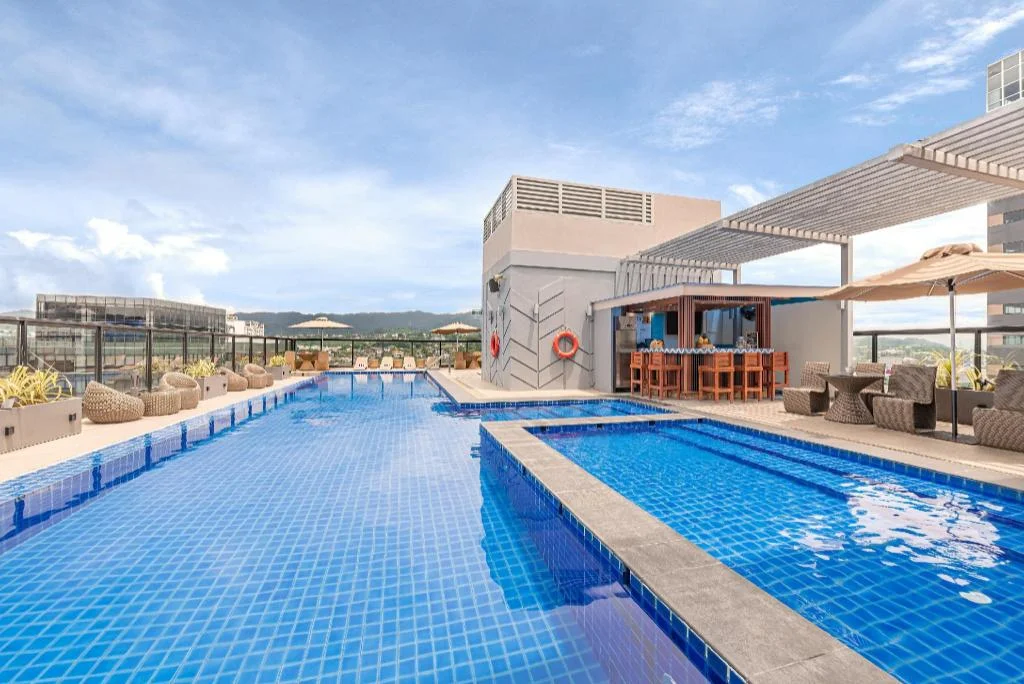
Seda Central Bloc Cebu City
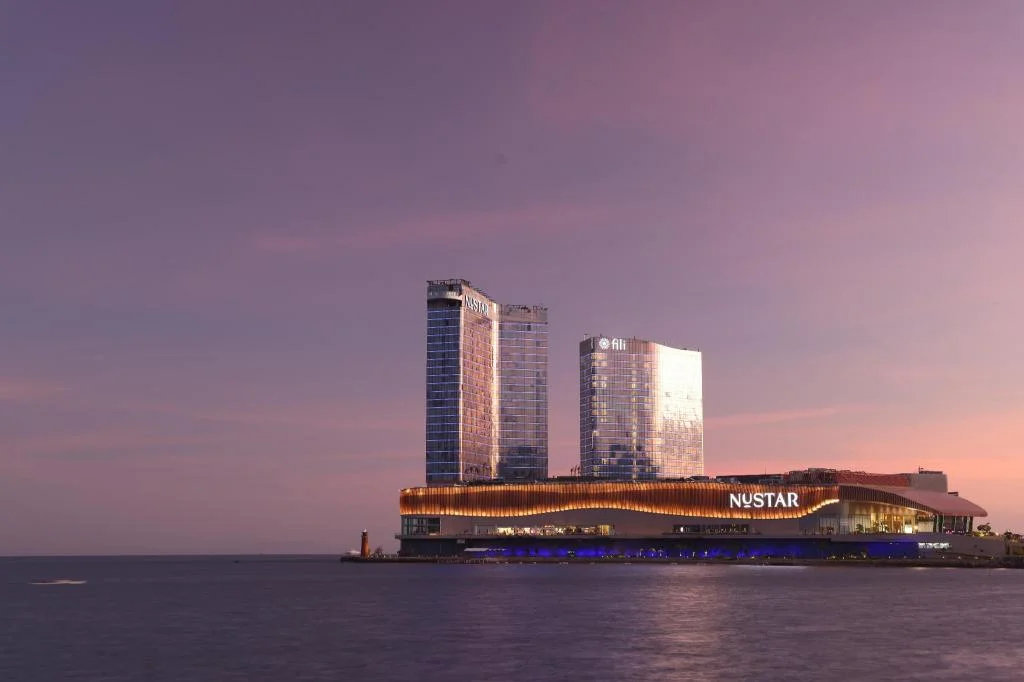
Fili Hotel - NUSTAR Resort & Casino Cebu
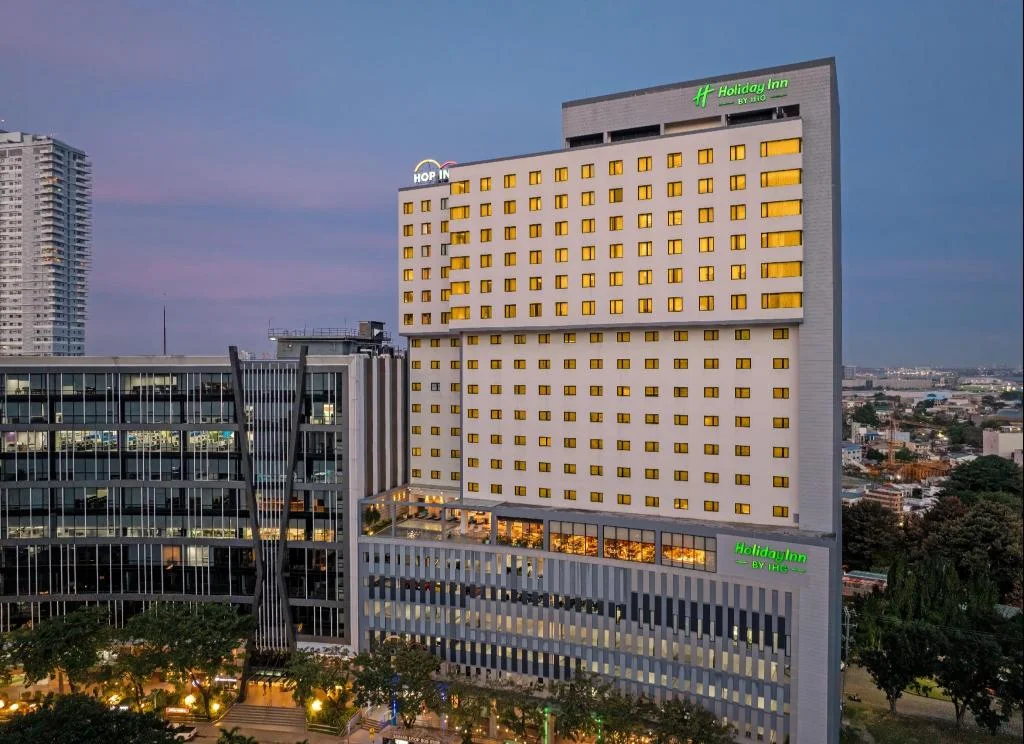
Holiday Inn Cebu City By IHG
Citadines Cebu City
Prefer a rental? Vacation rentals near Cebu City
Self-catering condos and apartments — book the exact unit, kitchen included.
Cebu Avida Riala by P&J
Special Big Loft Unit w/Fibreop Internet & Netflix
Moonstar Cebu Hotel - Deluxe Room
Before you go
Frequently asked
What is the best time of day to shoot in Cebu?
Do I need a permit to fly a drone in Cebu?
Is the water at Kawasan Falls really that blue in photos?
Can I fly a drone over the Basilica del Santo Niño or Sirao Flower Garden?
How do I protect my camera from Cebu's heat and humidity?
Where can I shoot sunrise or sunset without an entrance fee?
Is it okay to photograph people at markets and festivals?
More Places to Explore
Temple of Leah
Cebu City
A magnificent Roman-inspired temple built as a monument of love, nicknamed 'Cebu's Taj Mahal,' offering stunning architecture and city views.
Sirao Flower Garden
Cebu City
Cebu's 'Little Amsterdam' - a colorful flower farm featuring seas of celosia blooms set against a scenic mountain backdrop.
Kawasan Falls
Badian
A stunning three-tiered waterfall famous for its turquoise waters, bamboo raft rides, and as the endpoint of the famous Badian canyoneering adventure.
Basilica del Santo Niño
Cebu City
The oldest church in the Philippines (1565), home to the miraculous Santo Niño image and center of the famous Sinulog Festival.
Tops Lookout
Cebu City
Cebu City's premier hilltop viewpoint offering stunning panoramic views of the city, especially spectacular at sunset and nighttime.