
TL;DR: Cebu’s peak season runs December to May (Christmas/New Year, Sinulog in January, Chinese New Year, Holy Week, and the summer school break), when hotels average roughly 30-40% more than the cheapest off-peak month and whale shark queues in Oslob can stretch 2-3 hours. Off-peak is June to November, overlapping the rainy season, with visibly thinner crowds at Kawasan Falls and the Moalboal sardine run and hotel rates near their yearly low. September to November is the best-value stretch inside off-peak: rain is easing but peak prices haven’t kicked in. Book peak-season hotels 3-6 months ahead (6+ for Sinulog weekend); off-peak, a few days’ notice is usually enough. Verified July 2026.
If you can pick your dates, when you go changes your Cebu trip more than almost anything else you’ll decide. The same room that costs you a scramble and a premium in February can be a same-week, discounted booking in October. The same whale shark encounter that means a two-hour queue at Christmas can be a short wait on an ordinary Tuesday in September. This guide breaks down exactly what shifts between Cebu’s peak and off-peak stretches — prices, crowds, weather, and how far ahead you actually need to book — so you can pick a window that matches what you actually want from the trip. If your priority is specifically dodging crowds rather than saving money, see our shoulder season guide for the narrower sweet-spot months.
Peak vs Off-Peak at a Glance
| Aspect | Peak Season (Dec–May) | Off-Peak Season (Jun–Nov) |
|---|---|---|
| Weather | Dry, sunny, hot (especially Mar–May) | Rainy season; short daily downpours, some sun most days |
| Hotel rates (Cebu City avg) | Highest around Feb, roughly 30-40% above the yearly low | Lowest around Jul; best value Sep–Nov as rain eases |
| Flights into Cebu (CEB) | Priciest around Christmas/New Year and Chinese New Year | Generally cheaper; fares often ease further Sep–Oct |
| Oslob whale shark queue | Up to 2-3 hours on peak weekends/holidays | Well under an hour on an off-peak weekday |
| Kawasan Falls / sardine run | Crowded by mid-morning, packed on weekends | Noticeably quieter, especially weekday mornings |
| Booking lead time (hotels/flights) | 3-6 months; 6+ for Sinulog weekend | Days to a few weeks is usually fine |
| Ferry/tour booking lead time | 3-7 days minimum for popular routes | Often bookable a day or two ahead |
| Typhoon/storm risk | Low | Present, concentrated Aug–Oct |
| Best for | Guaranteed dry weather, festivals, first-timers wanting sure-thing weather | Budget travelers, crowd-averse travelers, repeat visitors |
Hotel rate comparison based on aggregated Cebu City booking-site averages (theworldtravelindex.com); individual properties and specific dates vary. Verified July 2026.
When Exactly Is Peak Season in Cebu?
Peak season runs roughly December through May, and it isn’t one flat stretch — it’s a series of spikes layered over generally dry, sunny weather.
- Christmas and New Year (mid-December to the first week of January) — the single busiest and most expensive stretch of the year, driven by balikbayans (Filipinos returning from abroad) flying home for the holidays.
- Sinulog Festival — the grand parade falls on the third Sunday of January (January 17, 2027). Downtown hotels sell out months ahead; see our Sinulog festival guide for dates and logistics.
- Chinese New Year — a Philippine public holiday that draws a smaller but real travel bump, typically mid-to-late February.
- Holy Week — Maundy Thursday through Black Saturday, which moves each year (it’s late March in 2027, early-to-mid April some years). A near-nationwide travel week as Filipinos head to home provinces or the beach.
- Summer school break — March through May, the hottest, driest, and busiest stretch for beaches and island hopping, since local school holidays overlap with the best beach weather.
Inside peak season, weekends and the days flanking a public holiday are always busier than weekday peak-season travel — the season sets the baseline, but the specific date still matters.
When Is Off-Peak Season, and What Do You Actually Get?
Off-peak is June through November, which lines up with the Philippines’ rainy season. Expect afternoon downpours more often than not, with mornings frequently clear — it’s rarely an all-day washout.
Two things make off-peak worth considering even if you don’t love rain:
- Lower prices across the board. Hotel rates in Cebu City sit near their yearly low around July, and flights into Cebu are generally easier to find at a discount than during the December–May run.
- Thinner crowds everywhere. Kawasan Falls, the Moalboal sardine run, Oslob’s whale sharks, and Cebu City’s viewpoints like Tops Lookout all see noticeably fewer visitors, especially on weekdays.
The trade-off is typhoon risk, which is concentrated in August through October and can force last-minute cancellations of ferries, island-hopping boats, and whale shark tours. It’s unpredictable more than about a week out, so it’s a real risk to plan around rather than something you can dodge by picking a “safer” off-peak month. For more on what the rain actually looks like month to month, see dry season vs rainy season in Cebu.
How Much More Do You Actually Pay in Peak Season?
Expect a real but not enormous price gap on hotels, and a much bigger gap on how far ahead you need to book.
Aggregated city-wide hotel data puts February — one of the peak months — noticeably above July, the cheapest month, with the gap landing somewhere in the 30-40% range on average nightly rates. That gap is widest for mid-range and upscale hotels chasing holiday demand; budget three-star rooms barely move between seasons because their price floor is already low. Compare current Cebu City hotel rates on Agoda for your actual dates rather than relying on averages — a specific property during Sinulog weekend can cost multiples of its off-peak rate, while the same property on an ordinary February Tuesday might barely move.
Flights show the same pattern but are messier to pin down: fares into Cebu are consistently highest around Christmas/New Year and Chinese New Year, and international carriers recommend booking peak-season seats 4-6 months ahead. Off-peak, especially September and October, tends to have the most flexible pricing and availability. Confirm actual fares on your route and dates before assuming a season-based rule of thumb applies — domestic and international routes don’t always move together.
Is Off-Peak Worth It, or Should You Just Pay for Peak?
If your main goal is guaranteed dry weather or you’re built around a fixed date like a festival, pay for peak. If you want value and elbow room, off-peak wins.
Whale sharks in Oslob, sardines in Moalboal, and the falls at Kawasan are there year-round — none of them are seasonal attractions in the way, say, a specific bird migration would be. What changes is how many people you’re sharing them with and how early you need to show up. A peak-season Saturday at Oslob can mean a 2-3 hour queue; the same tour on an off-peak Tuesday morning is a fraction of that wait. That difference alone is worth planning around if crowds bother you more than rain does.
How Far Ahead Should You Book in Each Season?
Peak season demands real lead time; off-peak rewards spontaneity.
- Hotels and flights, peak season: 3-6 months out. For Sinulog weekend specifically, 6 months or more — see where to stay for Sinulog if that’s your trip.
- Ferries and joiner tours, peak season: at least 3-7 days ahead for popular routes (Cebu-Bantayan, Cebu-Malapascua, Oslob and Moalboal day tours). Business-class ferry seats sell out first.
- Hotels and flights, off-peak: days to a couple of weeks ahead is usually fine outside of specific local events.
- Ferries and tours, off-peak: often bookable a day or two ahead, though it’s still worth checking that a storm hasn’t disrupted the schedule.
A Quick Spike-Date Calendar
Mark these on your calendar as “book early or expect a premium,” regardless of which broad season you’re traveling in:
- Late December – early January: Christmas, New Year — the single biggest spike of the year.
- Third Sunday of January: Sinulog grand parade (January 17, 2027).
- Mid-to-late February: Chinese New Year.
- Late March / April (date shifts yearly): Holy Week.
- Late October – early November: All Saints’/All Souls’ Day long weekend, a smaller domestic-travel bump.
The Honest Take
Peak season sells you certainty: dry skies, festival energy, and a guarantee that tours and ferries are running on the normal schedule. You pay for that certainty in higher hotel rates, longer queues at Oslob and Kawasan, and the need to book far ahead — and if your trip lands on Sinulog or Christmas week specifically, “far ahead” means months, not weeks.
Off-peak sells you space and value: shorter lines, easier bookings, and meaningfully lower prices, in exchange for accepting that some afternoons will be rained out and that a typhoon could reshuffle your itinerary with little warning, especially August through October. If you’re flexible and not chasing a specific festival, September through November is the strongest combination of lower rain risk and off-peak pricing — good enough that we’d call it the best-kept-secret window for Cebu. If you want the full argument for that narrower window, read our shoulder season guide next.
Either way, the worst outcome is showing up in a spike week without having planned for it — that’s when you end up overpaying for a mediocre room booked last-minute, or standing in a two-hour line you could have skipped by shifting your trip two weeks either direction.
Sources
- theworldtravelindex.com — Is Cebu City Expensive? Costs & Saving Tips (average hotel rates by month)
- ASAP Tickets — Cheapest Months to Fly to the Philippines (flight seasonality, booking lead time)
- Tripadvisor — Oslob whale shark forum discussion (queue times by season/time of day)
- PhilippineTravels.ph — Moalboal Sardine Run guide (weekday vs weekend crowd patterns)
- Philippine public holiday and long-weekend calendars for 2026-2027 (Sinulog, Chinese New Year, Holy Week dates) via Official Gazette and standard holiday calendars. Verified July 2026.
Whichever window you pick, lock in your accommodation first — it’s the piece that moves the most between seasons. Compare Cebu City hotel rates on Agoda for your actual travel dates, and pair this with our best time to visit Cebu guide and Cebu trip budget breakdown to plan the rest of the trip around whichever season you choose.
Book Tours & Hotels for This Trip
Find and book the best deals — prices and availability update in real time. Links open in a new tab.
Where to stay near Cebu City
Top-rated hotels for this trip — tap through to check live rates.
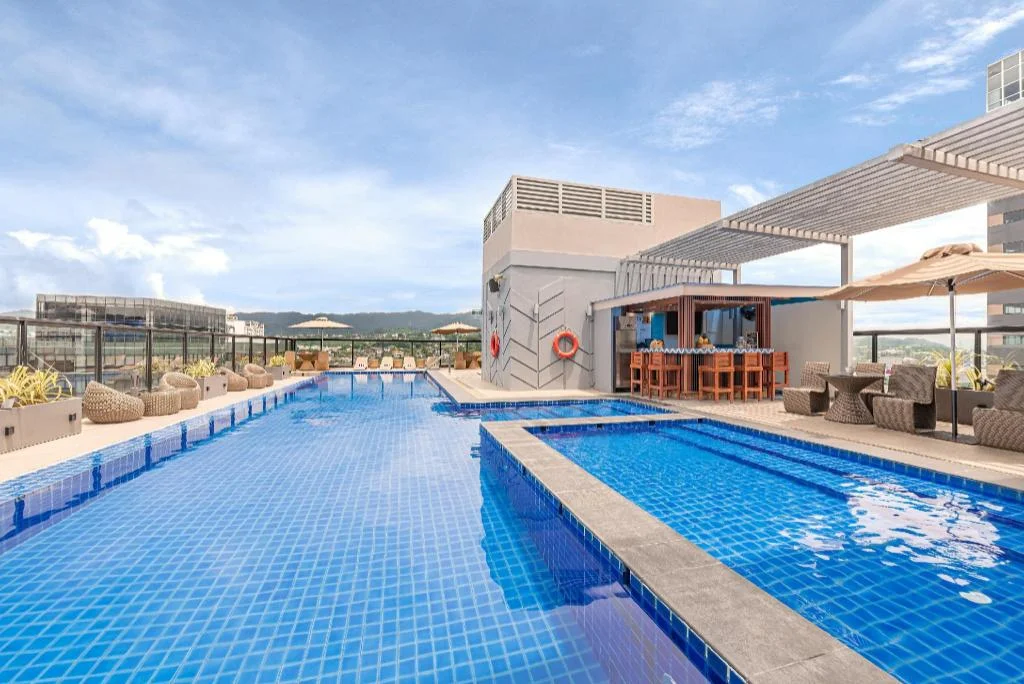
Seda Central Bloc Cebu City
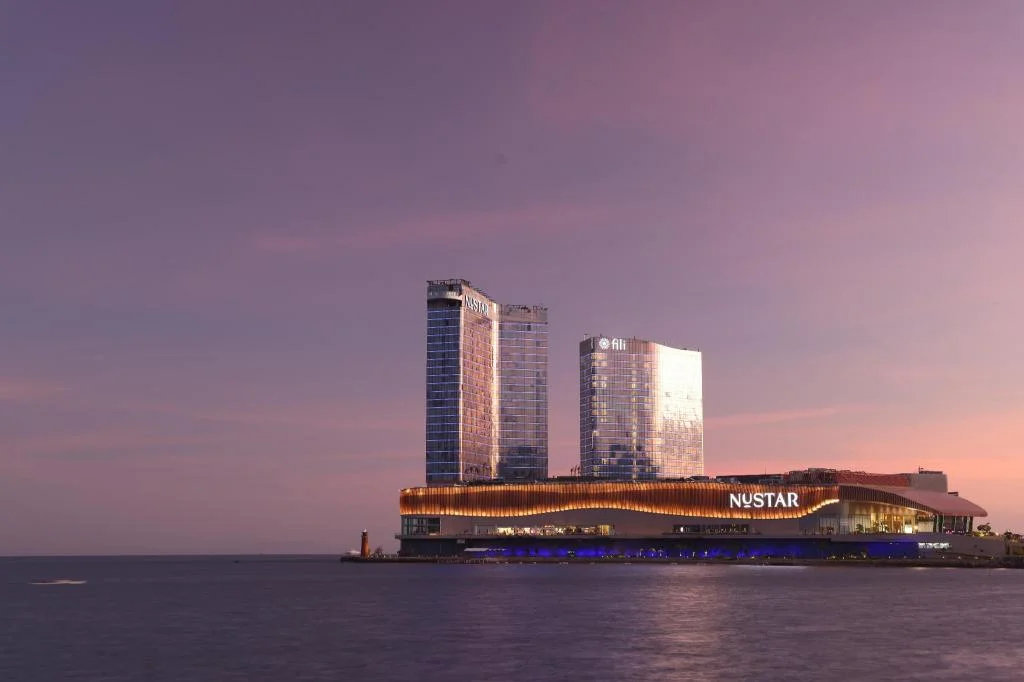
Fili Hotel - NUSTAR Resort & Casino Cebu
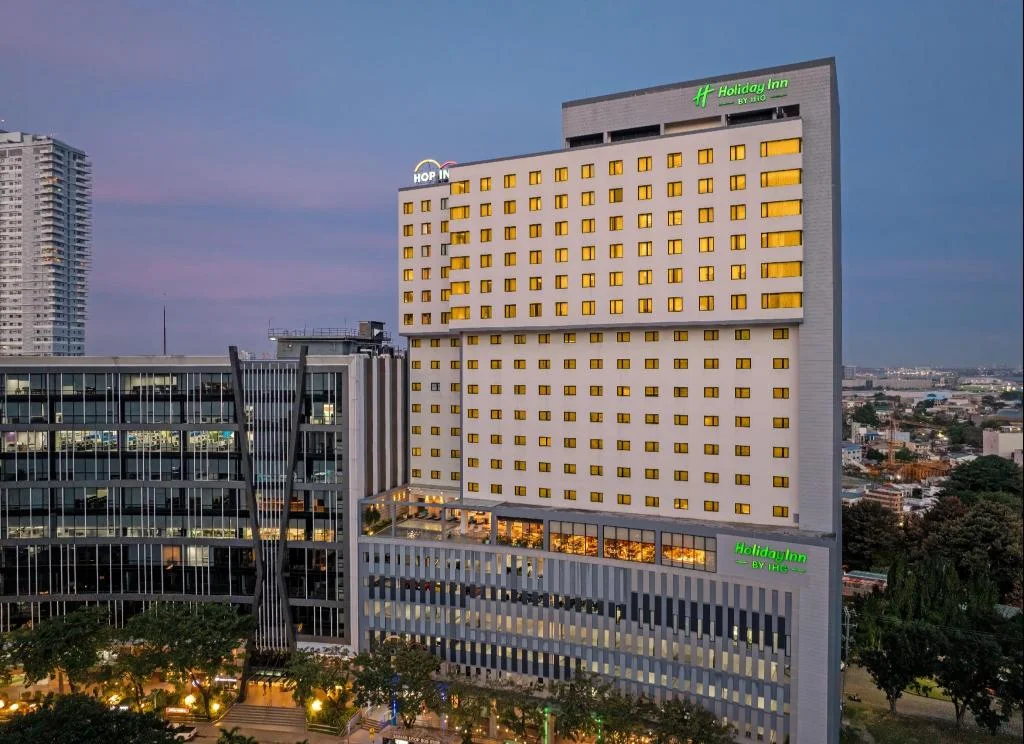
Holiday Inn Cebu City By IHG

Citadines Cebu City
Prefer a rental? Vacation rentals near Cebu City
Self-catering condos and apartments — book the exact unit, kitchen included.
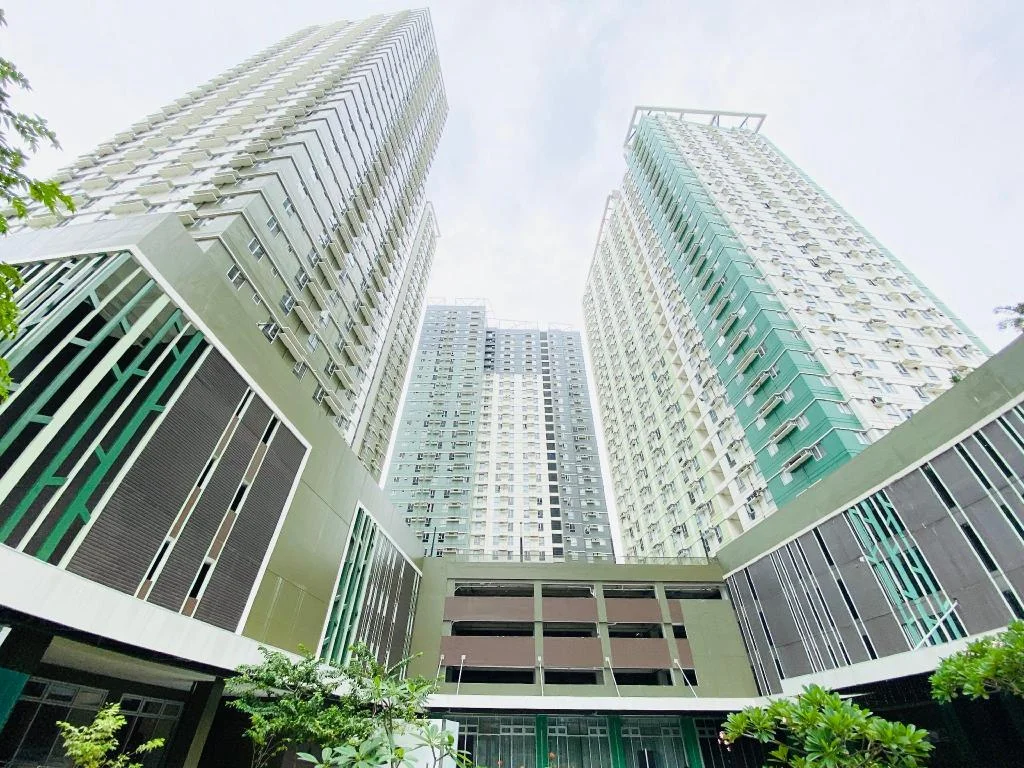
Cebu Avida Riala by P&J

Special Big Loft Unit w/Fibreop Internet & Netflix

Moonstar Cebu Hotel - Deluxe Room
Before you go
Frequently asked
When is peak season in Cebu?
When is off-peak season in Cebu?
How much more expensive are hotels in peak season?
Is off-peak season worth it despite the rain?
What are the worst dates to be in Cebu if I want to avoid crowds?
How far ahead should I book in peak vs off-peak season?
Are Kawasan Falls, Oslob, and the sardine run less crowded off-peak?
Does visiting off-peak mean bad weather the whole trip?
More Places to Explore
Temple of Leah
Cebu City
A magnificent Roman-inspired temple built as a monument of love, nicknamed 'Cebu's Taj Mahal,' offering stunning architecture and city views.
Tops Lookout
Cebu City
Cebu City's premier hilltop viewpoint offering stunning panoramic views of the city, especially spectacular at sunset and nighttime.