
TL;DR: Cebu’s dry season (roughly December-May, driest in March-April) brings the best diving visibility, reliable outdoor days, and the Sinulog crowds — but also the highest hotel prices and the most people at every stop. Rainy season (roughly June-December, wettest in July and September-October) is cheaper, quieter, and still mostly sunny day to day, with the trade-offs being choppier dive conditions, occasional Kawasan Falls closures after heavy rain, and typhoon-related ferry delays from August to October. Neither season is a dealbreaker — pick based on your budget and tolerance for crowds versus rain risk. Verified July 2026.
Cebu doesn’t have a hard “good season” and “bad season” the way some destinations do — it sits in PAGASA’s Type III climate zone, which means rainfall is spread fairly evenly across the year rather than concentrated in one dramatic monsoon block. Still, the two halves of the year feel genuinely different on the ground: one is sunnier, pricier, and busier; the other is cheaper, quieter, and a little less predictable. If you’re weighing a January trip against an October one, or wondering whether a rainy-season booking is a mistake, this is the head-to-head. For the month-by-month version of this same data, see our Cebu weather month by month guide; this one is the two-season comparison for people choosing between a dry-season window and a rainy-season window. We’ll use Kawasan Falls and Temple of Leah as running examples since both attractions behave differently depending on when you go.
Dry Season vs Rainy Season at a Glance
| Factor | Dry Season (roughly Dec-May) | Rainy Season (roughly Jun-Dec) |
|---|---|---|
| Driest/wettest months | March-April driest | July and Sept-Oct wettest |
| Typical rain pattern | Scattered showers, long sunny stretches | Longer downpours possible, still often sunny between |
| Diving/snorkeling visibility | Best Nov-May, calmer seas | Choppier Jun-Oct, still divable most days |
| Kawasan Falls / canyoneering | Reliably clear and open | Can turn brown/close after heavy upstream rain |
| Whale sharks (Oslob) | Runs year-round; water can be murkier in peak crowds | Runs year-round; occasional weather holds |
| Hotel prices | Highest Dec-May, peaks at Sinulog (Jan) and Holy Week | Noticeably lower, best value Sept-Nov |
| Crowds | Heaviest Jan-April | Lightest Jun-Nov |
| Typhoon/ferry risk | Low | Elevated Aug-Oct, moderate Jun-Jul and Nov-Dec |
| Best for | First-timers, divers, Sinulog | Budget trips, photographers who like lush green, fewer crowds |
Ranges are climatological averages, not a guarantee for any single week — always check a short-range forecast before you travel. Verified July 2026.
When Are Cebu’s Dry and Rainy Seasons, Exactly?
Dry season runs roughly January through April or into early May; rainy season runs roughly June through December. March and April are the driest months on average, while July and the September-October stretch are the wettest. May sits as the warmest month overall, and January and February are the coolest (though “coolest” in Cebu still means comfortably warm, rarely dipping much below the mid-20s Celsius at night).
Because Cebu’s climate doesn’t swing as hard as, say, Manila’s, don’t expect a clean on/off switch. You can get a sunny week in August or three rainy days in March. Treat these as the odds, not a promise.
What’s the Weather Actually Like Day to Day?
Dry season means more consecutive sunny days and lower humidity; rainy season means a higher chance of rain on any given day, usually arriving as a heavy but short downpour rather than an all-day soak. Average monthly rainfall climbs from around 55mm in April to over 200mm in peak-wet July, but that rain is rarely spread evenly across every day of the month — Cebu’s typical rainy-season pattern is bright mornings with a strong afternoon or evening downpour, especially outside the true typhoon window.
Humidity is high year-round (Cebu averages around 82% relative humidity), so even “dry” season feels muggy compared to a temperate climate — it’s the rain risk that changes, not the general warmth.
Is Dry Season Worth the Higher Prices and Crowds?
Yes, if diving conditions, guaranteed outdoor days, or Sinulog are the point of your trip — otherwise it’s a trade-off, not an automatic win. Dry season (especially February through April) gives you the calmest seas and best visibility for diving and island hopping, the most reliable weather for hikes like Osmeña Peak, and obviously the only window for Sinulog itself. The cost is real: hotel rates climb across every price tier from December through May, spiking hardest around Sinulog in January and Holy Week in March or April, and popular stops get genuinely crowded — Kawasan Falls, the Moalboal sardine run, and Oslob’s whale shark boats all see their heaviest traffic in these months.
Is Rainy Season Actually Bad for a Cebu Trip?
No — most days are still sunny, and you’ll pay less and see fewer people at every stop. The “rainy season” label oversells how wet it actually gets outside the true peak months. September through November in particular is often cited as Cebu’s best value window: rates are at their lowest, crowds thin out noticeably at spots like Kawasan Falls and the sardine run, and you still get plenty of clear days. The honest caveats are real, though — August through October carries the highest typhoon and ferry-disruption risk, and a hard rain upstream can turn Kawasan’s river brown and pause canyoneering for a day. If your itinerary has backup plans for a rained-out afternoon (a cafe crawl, an indoor market, a spa day), rainy season works fine for most travelers.
Does Rain Ruin Diving, Waterfalls, and Whale Sharks?
Rarely outright, but it does change the odds. Moalboal’s reefs and the sardine run are diveable year-round, but visibility is best from November through May when the sea is calmer; June through October brings a higher chance of choppy water and reduced visibility on any single dive day, though trips still go out. Oslob’s whale shark watching runs daily, year-round, regardless of season — the sharks are fed in place rather than migratory — but the water there can be murkier during peak crowding or right after rain, dry season included.
Kawasan Falls is the one attraction most sensitive to rain: the river feeding it runs through a canyon system, so a heavy storm anywhere upstream — even out of sight of the falls — can turn the water brown and dangerous within hours, and canyoneering operators will call off tours on those days. That can technically happen in any month, but it’s far more common from June through October than in the driest stretch of the year.
How Do Prices and Crowds Really Compare?
Rainy season (roughly June-November) runs noticeably cheaper across every hotel tier than dry season (roughly December-May), and December-May is when the province is busiest. Booking-site averages put budget rooms around US$19-35/night (₱1,100-2,030) and mid-range hotels around US$37-69/night (₱2,150-4,000) depending on season, with the low end of each range typical of the June-November stretch and the high end typical of peak dry-season demand — treat these as ballpark figures and confirm live rates for your dates, since they move year to year. The two sharpest price and crowd spikes of the whole year are Sinulog (mid-January) and Holy Week (March or April), when even mid-range hotels can double and rooms near the city center sell out months ahead — see our best time to visit Cebu guide for the month-by-month breakdown of exactly when those spikes hit.
Compare Cebu City hotel rates by date on Agoda to see the current spread before you book.
What About Typhoons and Ferry Cancellations?
Typhoon season runs roughly June through November, with the highest activity from August through October — Cebu itself takes fewer direct hits than northern parts of the Philippines, but it still feels the indirect effects. Inter-island ferries (2GO, OceanJet, and the smaller Bantayan/Camotes/Malapascua routes) can suspend departures with little notice when seas get rough, even if the storm’s center is nowhere near Cebu. Every major operator rebooks you onto the next available sailing or refunds the fare for weather cancellations, but that doesn’t help if you had a tight connecting flight. If you’re traveling June through November, build at least one buffer day around any ferry-dependent leg of your trip, and check our typhoon season safety and planning guide before you lock in a rainy-season island-hopping itinerary.
How to Choose Your Season
- Pick dry season (Jan-May) if: you want Sinulog, you’re prioritizing dive visibility, you have zero flexibility for a rained-out day, or you’re fine paying peak rates for guaranteed sun.
- Pick rainy season (Jun-Dec) if: budget matters more than certainty, you’d rather skip the crowds at Kawasan Falls and the sardine run, and you can build a rain-day backup into your plans.
- Split the difference: February is the closest thing to a “best of both” month — dry-season weather without the Sinulog crush or its price spike. Late November into early December is the rainy-season equivalent: rains are tapering off, but peak prices haven’t landed yet.
The Honest Take
Don’t over-plan around this. Cebu’s seasons are real but soft — plenty of people have a perfect week in August, and plenty get three rained-out days in supposedly “dry” March. The bigger, more predictable cost of dry season isn’t the weather, it’s the price tag and the crowd at every viewpoint and waterfall. The bigger, more predictable cost of rainy season isn’t total washout, it’s the small chance a ferry gets held or a canyoneering trip gets called off for the day — annoying, not trip-ending, if you’ve left slack in your schedule. If you’re chasing perfect dive visibility or you’re building your whole trip around Sinulog, go dry season and pay for it. If you just want a good, cheaper Cebu trip with fewer people in your photos, rainy season — especially September through November — is a genuinely underrated pick, not a compromise.
Plan Around It
Whichever season you land in, pair the weather-sensitive spots with a few that aren’t — Temple of Leah and the rest of the Busay heritage loop hold up fine in a light drizzle, while Kawasan Falls is the one to watch closely against the forecast. For the week-by-week version of all this, see Cebu weather month by month, and if you’re traveling June through November specifically, read what to expect in rainy season before you finalize your itinerary. Whichever window you pick, compare current Cebu City hotel rates on Agoda for your actual travel dates rather than relying on seasonal averages.
Sources
- Climate of Cebu — Wikipedia (monthly rainfall, temperature, PAGASA classification)
- Cebu City climate — Climates to Travel (seasonal averages)
- OceanJet — Travel Advisories (weather-related sailing policy)
- PHFerry — Ferry Travel During Typhoon Season (typhoon-season ferry guidance)
- Hotel pricing patterns cross-checked against booking-site seasonal averages (Budget Your Trip, Agoda listings); confirm live rates for your dates. Verified July 2026.
Book Tours & Hotels for This Trip
Find and book the best deals — prices and availability update in real time. Links open in a new tab.
Where to stay near Cebu City
Top-rated hotels for this trip — tap through to check live rates.

Seda Central Bloc Cebu City
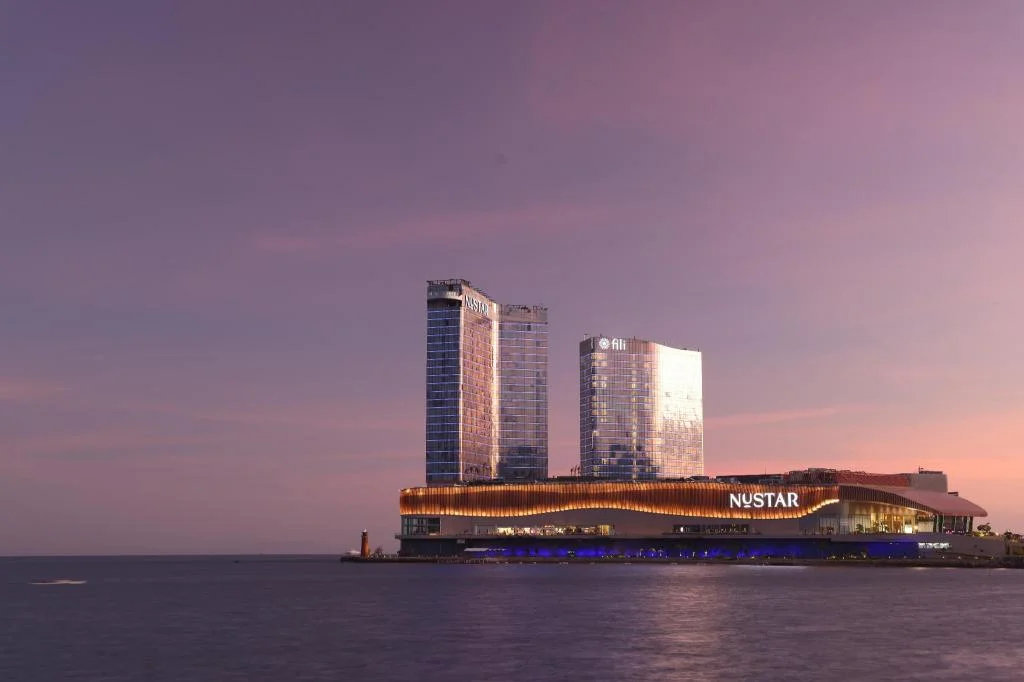
Fili Hotel - NUSTAR Resort & Casino Cebu

Holiday Inn Cebu City By IHG

Citadines Cebu City
Prefer a rental? Vacation rentals near Cebu City
Self-catering condos and apartments — book the exact unit, kitchen included.
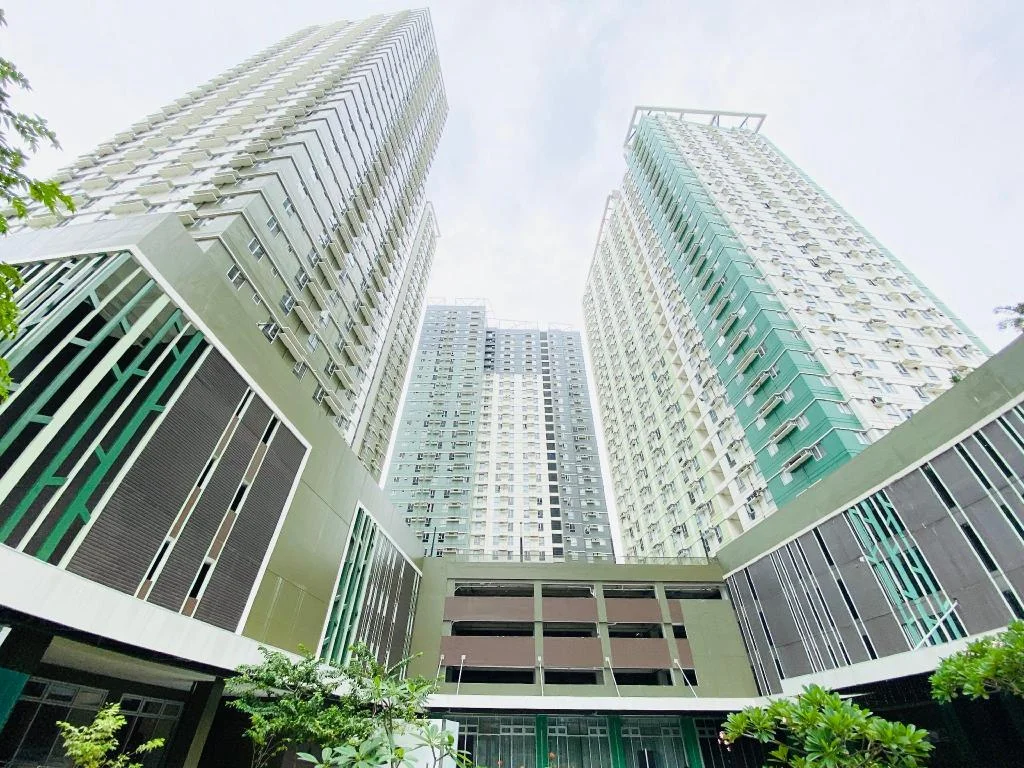
Cebu Avida Riala by P&J

Special Big Loft Unit w/Fibreop Internet & Netflix

Moonstar Cebu Hotel - Deluxe Room
Before you go
Frequently asked
When is dry season in Cebu?
When is rainy season in Cebu?
Is it cheaper to visit Cebu in rainy season?
Does rain ruin diving and snorkeling in Cebu?
Does rain affect Kawasan Falls?
Is typhoon season in Cebu dangerous for travelers?
Should I avoid Cebu during rainy season?
What's the single best month if I want a mix of both?
More Places to Explore
Kawasan Falls
Badian
A stunning three-tiered waterfall famous for its turquoise waters, bamboo raft rides, and as the endpoint of the famous Badian canyoneering adventure.
Temple of Leah
Cebu City
A magnificent Roman-inspired temple built as a monument of love, nicknamed 'Cebu's Taj Mahal,' offering stunning architecture and city views.