
TL;DR: Cebu’s real shoulder season is late May–June and September to early November — the gap between peak dry season (December–May) and the worst of the wet season (July–August). Expect 30–50% lower hotel rates, cheaper flights, and noticeably thinner crowds at Kawasan Falls, Moalboal, and Bantayan, in exchange for warm, humid days with short afternoon downpours and a real (if lower) typhoon risk. September through early November is the steadier of the two windows. Build one flexible buffer day into any itinerary that depends on a boat. Verified July 2026.
Cebu runs on a fairly predictable rhythm: a crowded, pricey, sunny stretch from December through May, a genuinely wet peak in July and August, and two in-between windows that don’t get talked about nearly enough. This guide is about those windows — late May into June, and September through early November — when the crowds thin out at places like Kawasan Falls and Bantayan Island, hotel rates drop, and the weather, while less reliable than peak season, is far from a washout. It’s written for travelers who’d rather save money and skip the queues than chase a guaranteed blue sky — with the honest trade-offs so you can decide if that’s you.
What Counts as Cebu’s Shoulder Season?
Cebu’s shoulder season is the transition period on either side of the wet-season peak: late May to June, and September through early November. The province runs a two-season climate — dry (roughly December–May) and wet (roughly June–November) — with July and August as the wettest, least forgiving stretch in between. Shoulder season sits just outside that core wet-season peak, so you get some of the rain-season discount without the worst of the rain-season weather.
| Period | Season type | Typical daily rain chance | Hotel rates vs. peak | Crowd level |
|---|---|---|---|---|
| Dec–Feb (peak dry) | High season | Low | 100% (baseline) | Very high |
| Mar–early May | Late dry / Holy Week spike | Low–moderate | 90–110% (Holy Week spikes) | High |
| Late May–June | Shoulder | Moderate, short afternoon showers | ~50–70% of peak | Low–moderate |
| Jul–Aug | Wet-season peak | High | ~50–60% of peak | Low |
| Sep–early Nov | Shoulder | Moderate, tapering off | ~50–70% of peak | Low |
| Late Nov–early Dec | Ramp-up to peak | Moderate | Rising back toward peak | Rising |
Rates are directional, based on typical seasonal patterns reported by hotels and travel platforms — always check live prices for your dates. Verified July 2026.
What’s the Weather Actually Like?
Warm and humid in both windows, with rain that mostly comes as short, heavy afternoon downpours rather than all-day washouts. Temperatures hold steady in the high 20s to low 30s Celsius (mid-80s to high-80s Fahrenheit) year-round in Cebu, so the difference between seasons is rainfall and humidity, not heat.
In late May–June, the southwest monsoon is just kicking in — mornings are often clear, with buildup and downpours in the afternoon. September carries roughly a 40% daily chance of meaningful rain, and October is technically Cebu’s wettest month on the calendar, averaging around 16 rainy days and roughly 200mm of rainfall. By late October into early November, rainfall tapers and you start easing back toward drier conditions. None of this means constant rain — it means you should expect at least one rained-out afternoon on a week-long trip, not a rained-out week.
How Much Cheaper Is It, Really?
Hotel rates commonly drop 30–50% below peak-season pricing across the June–November stretch, and shoulder-season weeks land at the low-to-mid end of that range. Resorts in Moalboal, Bantayan, and Mactan that charge premium rates in a January or April high season routinely discount for the wet season generally — you won’t get the rock-bottom rates of deep July–August, but you’ll do noticeably better than December–May pricing.
Flights follow the same logic. Airfare into Mactan-Cebu International Airport is consistently cheaper across the June–November window than in the December–May peak, when seats also sell out faster around Sinulog and Holy Week. Booking a shoulder-season week means avoiding both the price spike and the scramble for availability that peak season brings.
Which Places and Activities Hold Up Best?
Beach- and waterfall-based destinations with short, flexible activities handle shoulder season better than trips built around a single clear-sky moment. A few notes by destination:
- Bantayan Island — a laid-back, beach-first island where a rainy afternoon just means hammock time. Good shoulder-season pick; see the full Bantayan Island guide for ferry and stay details.
- Kawasan Falls and canyoneering in Badian — the falls run year-round and are genuinely less crowded outside peak months, though heavier rain upstream can raise water levels and occasionally pause canyoneering for safety. Check conditions the morning of.
- Moalboal’s sardine run — present nearly every day of the year regardless of season; rain affects underwater visibility more than it affects whether the sardines show up.
- Oslob whale shark watching — operates year-round on the same interaction rules in any month; shoulder-season mornings tend to have shorter lines than the December–May rush.
- Malapascua and multi-day dive trips — fine for shoulder season in general, but if your trip hinges on a specific liveaboard sailing or open-water crossing, keep an eye on marine forecasts, since these routes are the first to get cancelled if a weather system moves through.
Save trips built entirely around guaranteed sunrise views, hard-to-move dive charters, or a single non-negotiable island-hopping day for the December–May dry season instead — shoulder season is about flexibility, and those plans have none.
What Are the Real Trade-offs?
The rain is manageable, but the typhoon risk is real and worth planning around, not ignoring. The Philippine typhoon season broadly spans May to December, with the most active stretch from August through November — which overlaps with the tail of Cebu’s shoulder season. Cebu itself sits in a relatively sheltered part of the Visayas and takes a direct typhoon hit far less often than Luzon or the eastern seaboard, but “less often” isn’t “never,” and a passing system can still ground inter-island ferries to Bantayan, Malapascua, or Camotes for a day or two even without a direct hit.
Practical adjustments: check PAGASA’s forecast a few days out before booking any ferry-dependent leg, build one buffer day into multi-stop itineraries, and buy travel insurance that covers weather delays if you’re flying in from overseas on a tight schedule.
How Do You Book Smart for Shoulder Season?
- Pick late Sept–early Nov over late May–June if you have to choose one. It’s the steadier of the two windows — closer to the dry season on the calendar, with rainfall already trending down rather than just starting to build.
- Book accommodation with free cancellation. Shoulder-season rates are already discounted, so there’s little reason to lock into a non-refundable rate when a system could shift your plans.
- Front-load weather-dependent days. Do Kawasan Falls, island hopping, or diving early in your trip so a rained-out day later still leaves room to reschedule.
- Watch flight and hotel prices 6–8 weeks out. Shoulder-season demand is lower, so last-minute deals do appear, but don’t wait so long you lose the best rooms in Moalboal or Bantayan.
- Compare Cebu-area hotel and resort rates on Agoda for your exact dates — shoulder-season pricing shifts week to week, so a live search beats any rule of thumb.
The Honest Take
Shoulder season is Cebu’s best-kept pricing secret, and most of the “off-peak” horror stories online are overstated. You are not going to get rained out for a week straight, and you are not going to be swimming through a typhoon. What you will get is a real chance of one or two disrupted afternoons, a slightly higher (not high) risk of a ferry delay, and in exchange, meaningfully cheaper hotels and a Kawasan Falls or Panagsama Beach that doesn’t feel like a queue.
Where it’s genuinely not worth it: if you’re flying a long way for a single big-ticket, weather-locked experience — a specific dive liveaboard, a sunrise trek, a one-shot island-hopping day with no slack in your schedule — the dry season removes a variable you can’t otherwise control. Everyone else, especially budget-conscious travelers and anyone who can roll with a change of plan, is a good fit for late September through early November in particular. Skip the deep wet-season months (July–August) unless the discount is the entire point; that’s when the rain risk stops being a minor annoyance and starts being the main character.
If you want the full seasonal picture before locking in dates, see our dry season vs. rainy season breakdown and peak vs. off-peak prices and crowds guides, or the month-by-month view in best time to visit Cebu.
Sources
- Climate of Cebu — Wikipedia (seasonal rainfall patterns)
- PAGASA — Philippine typhoon and weather advisories (typhoon season timing)
- Hotel and flight seasonal pricing patterns cross-checked against current listings on Agoda and Traveloka for Cebu, Bantayan Island, and Moalboal.
- Rainfall and temperature figures for September–October cross-checked against Climates to Travel and Weather Spark climate data for Cebu City.
- Verified July 2026.
Planning around the rain is the easy part — the payoff is a quieter Kawasan Falls, a cheaper night in Moalboal, and a Bantayan beach without the crowd. Once you’ve got your dates picked, browse Cebu tours and activities on Klook and lock in your stay while shoulder-season rates are still down.
Book Tours & Hotels for This Trip
Find and book the best deals — prices and availability update in real time. Links open in a new tab.
Where to stay near Moalboal
Top-rated hotels for this trip — tap through to check live rates.
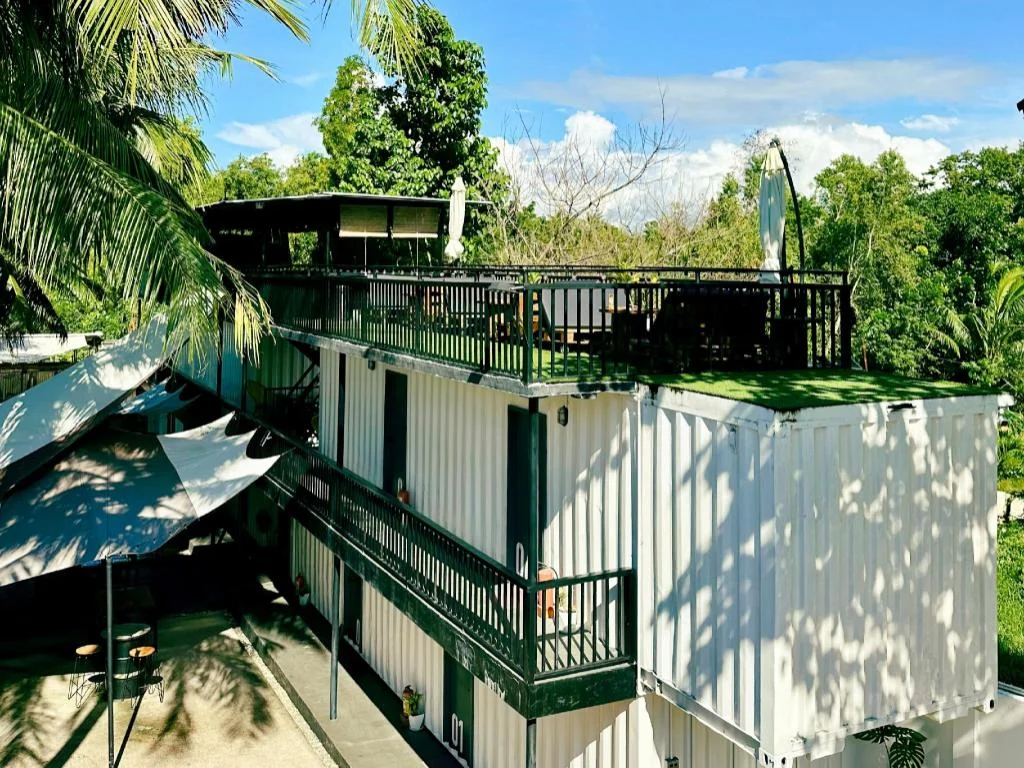
PIG DIVE HOSTEL MOALBOAL

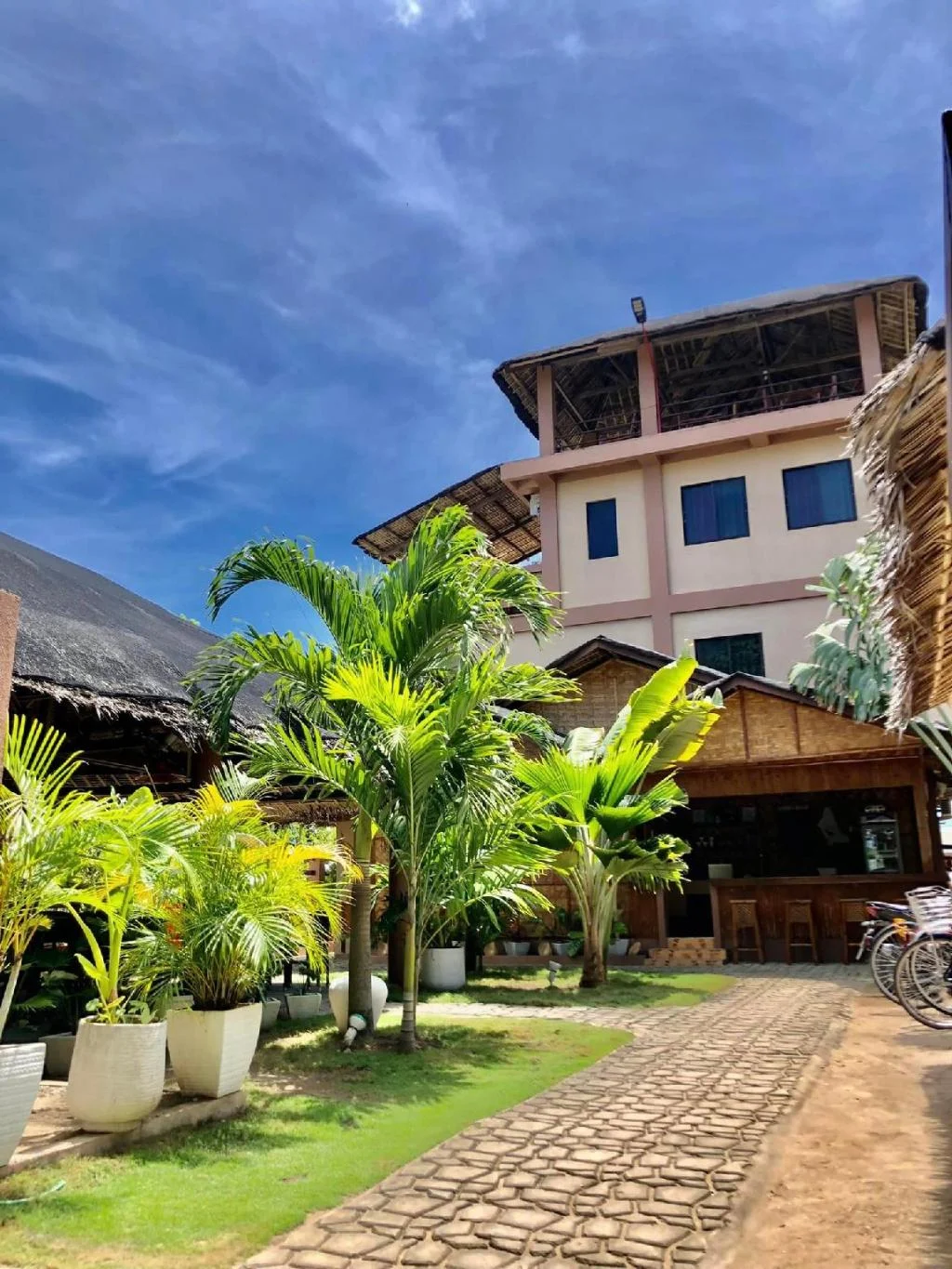
Harman Suites Moalboal

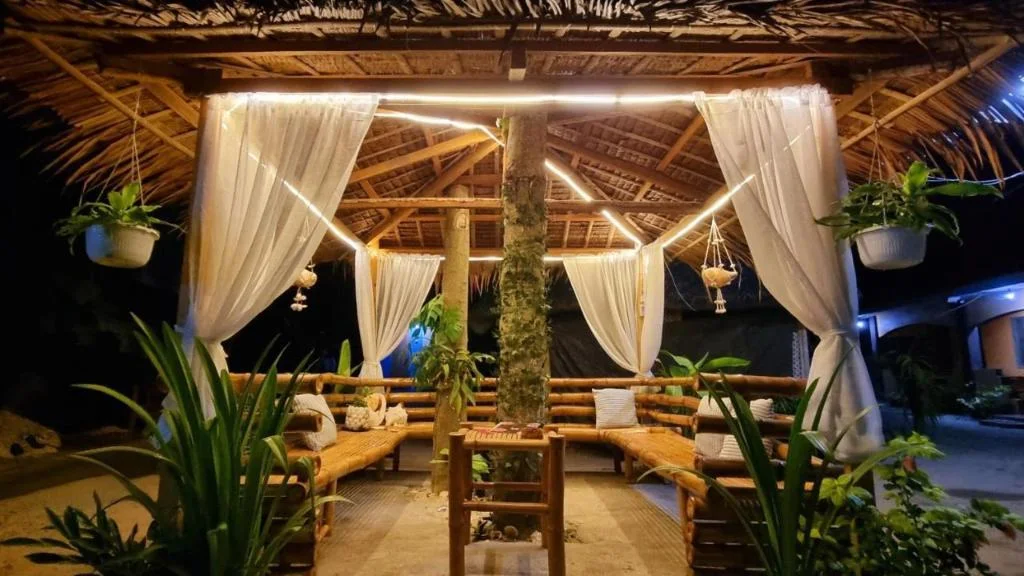
Il Sogno Resort
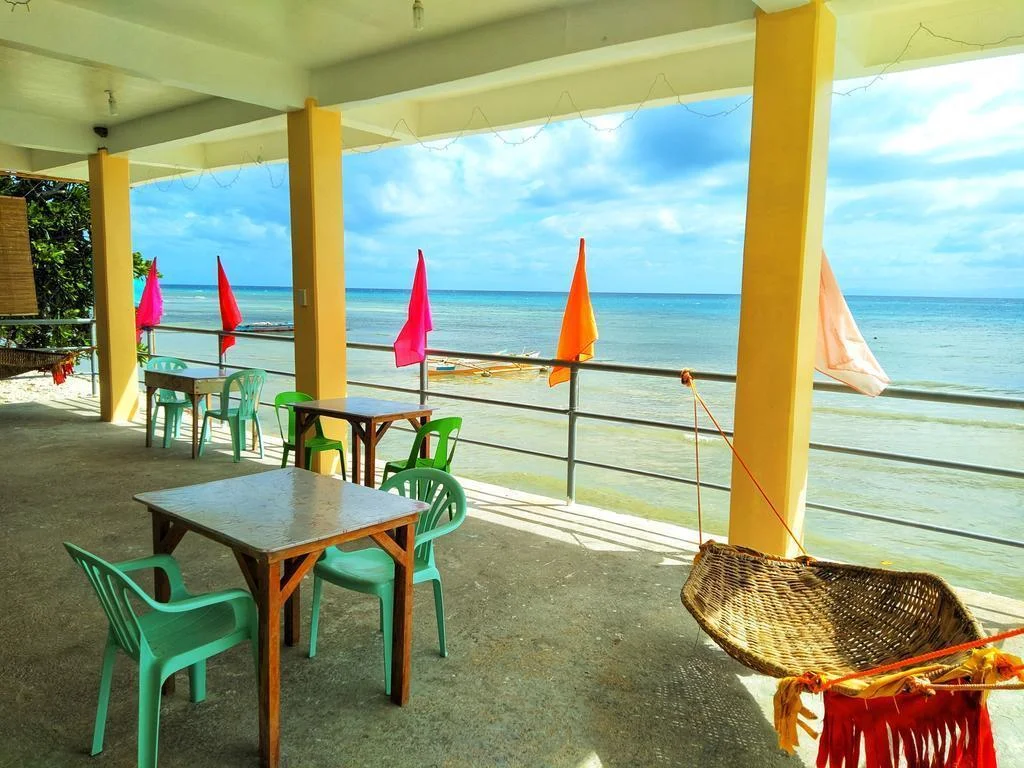
Anahaw Seaside Inn
Prefer a rental? Vacation rentals near Moalboal
Self-catering condos and apartments — book the exact unit, kitchen included.
Edsan Apartment
Ocean View Lodging House
Seamed Guest House - Couple room
Before you go
Frequently asked
When exactly is Cebu's shoulder season?
Is Cebu weather bad during shoulder season?
How much cheaper are hotels in shoulder season?
Do I still need to worry about typhoons in September or October?
Is the Oslob whale shark watching or Moalboal sardine run affected by shoulder season?
Which islands work best for a shoulder-season trip?
Should I skip shoulder season entirely and just come in dry season?
More Places to Explore
Kawasan Falls
Badian
A stunning three-tiered waterfall famous for its turquoise waters, bamboo raft rides, and as the endpoint of the famous Badian canyoneering adventure.
Santa Fe Beach
Santa Fe
The main beach hub of Bantayan Island with white sand, clear waters, stunning sunsets, and easy access to all Santa Fe amenities.
Moalboal Sardine Run
Moalboal
Swim with millions of sardines in one of the world's only year-round sardine runs, just meters from shore.
Whale Shark Watching
Oslob
Swim alongside gentle whale sharks, the world's largest fish, in one of the few places where these magnificent creatures can be reliably encountered.