
TL;DR: Indians get 14 days visa-free in the Philippines (30 days if you hold a valid US/UK/Schengen/Canada/Australia/Japan/Singapore visa) — no advance visa needed, just a return ticket and, for the 14-day route, a hotel booking and proof of funds. There’s no direct flight from India to Cebu; fly to Manila and connect, or fly to Singapore or Kuala Lumpur and take a direct Cebu Pacific, Scoot, or AirAsia flight straight into Mactan. Budget ₱2,500–9,000/day (roughly ₹3,830–13,790) depending on style, expect real but limited vegetarian and halal options, and go December–May for the driest weather. Verified July 2026.
Cebu is one of the easier Southeast Asian trips for an Indian traveler to pull off — English is the default language of business and street signage, the visa situation is genuinely simple as of 2025’s rule change, and the island covers everything from whale sharks to waterfall canyoneering to a walkable colonial-era city center. It’s also one of the least-documented for an Indian audience, which means a lot of the planning advice floating around is generic Southeast Asia copy rather than Cebu-specific. This guide covers what actually matters if you’re flying in from India: the visa rules as they stand in 2026, how to actually get here without wasting a day in Manila, what food looks like if you’re vegetarian or need halal, and what a trip costs once you convert pesos to rupees. Cebu City’s heritage core and viewpoints like Temple of Leah and Tops Lookout are a good first taste of the island before you head to the beaches and dive sites further south.
Cebu for Indian Travelers at a Glance
| Details | |
|---|---|
| Visa | 14 days visa-free (or 30 days with a valid US/UK/Schengen/Canada/Australia/Japan/Singapore visa) |
| Flight route | No direct flight — via Manila, or via Singapore/Kuala Lumpur direct to Cebu |
| Flight time | ~10–15 hours total including layover |
| Daily budget | ₱2,500–3,500 backpacker (₹3,830–5,360) · ₱6,000–9,000 mid-range (₹9,190–13,790) |
| Best months | December–May (driest); avoid August–October if you can |
| SIM/eSIM | Globe or Smart tourist SIM, ₱500–2,000 for 15–30 days of data |
| Food | Genuine but limited vegetarian/Indian and halal scene, concentrated in Cebu City |
Peso amounts use ₱62 ≈ US$1 and US$1 ≈ ₹95 (July 2026). Rates move — recheck before you book. Verified July 2026.
Do Indians Need a Visa for Cebu?
For most trips, no — you can enter visa-free. Since June 8, 2025, the Philippines lets Indian nationals in without a visa for 14 days, for tourism or business, as long as you can show a passport valid at least six months beyond your stay, a confirmed hotel booking, proof you can support yourself financially, and a return or onward ticket. This is non-extendable and non-convertible — you can’t stretch it or switch it into another visa type once you’re in the country.
If you happen to hold a valid US, UK, Schengen, Canada, Australia, Japan, or Singapore visa or a residence permit from one of those places, you qualify for the longer 30-day visa-free entry instead — known informally as the AJACSSUK privilege. For that route, you only need your passport (six months’ validity) and a return ticket; the hotel-booking and proof-of-funds requirements drop away. This is also non-extendable and non-convertible.
Both privileges have been consistent policy since mid-2025, but immigration rules are exactly the kind of thing that changes without much warning — confirm the current status with the nearest Philippine Embassy or Consulate in India, or check our Philippines visa-free entry guide, before you lock in flights. Everyone, regardless of visa status, also needs to file the free eTravel registration online within about 72 hours of arrival — it’s a quick form, not a visa, but airlines and immigration do check for it.
If neither visa-free option covers your trip length or purpose, apply for a regular tourist (9(a)) visa at the Philippine Embassy or a VFS center in India before you fly — visa-free entry can’t be converted into one after you’ve landed.
Is There a Direct Flight From India to Cebu?
No — there’s no nonstop flight from any Indian city to Cebu, and there won’t be a realistic one soon. You’re connecting no matter what, so the real question is which connection wastes the least time.
The route most people default to is flying to Manila and connecting on a short domestic hop — Cebu Pacific, Philippine Airlines, and AirAsia Philippines all fly Manila–Cebu multiple times a day, and the flight itself is under three hours. The catch is that Manila connections from India usually route through the Middle East or a Southeast Asian hub anyway, so you’re often looking at two layovers, not one.
A cleaner option for many Indian departure cities: fly to Singapore or Kuala Lumpur — both have frequent direct flights from Delhi, Mumbai, Bengaluru, Chennai, and other major Indian airports — and then take a direct flight straight into Mactan-Cebu, skipping Manila entirely. Cebu Pacific, Scoot, and Singapore Airlines fly nonstop between Singapore and Cebu; AirAsia and Firefly fly nonstop between Kuala Lumpur and Cebu. That’s one connection instead of two, and it’s usually the faster path from South India in particular. Either way, budget roughly 10–15 hours of total travel time including the layover, and compare both routings — see our flights to Cebu guide for current airlines and fares before you commit to one hub.
How Much Does a Cebu Trip Cost in Indian Rupees?
Expect ₱2,500–3,500 a day (about ₹3,830–5,360) if you’re traveling backpacker-style, or ₱6,000–9,000 a day (about ₹9,190–13,790) for a comfortable mid-range trip. Cebu runs cheaper than most people expect coming from a US-dollar cost-of-living comparison, but it isn’t quite as cheap as backpacking in parts of India or mainland Southeast Asia once you add tours and inter-island transport.
| Daily spend | ₱ | US$ | ₹ (approx.) |
|---|---|---|---|
| Hostel dorm bed | ₱600–1,200 | $10–19 | ₹920–1,840 |
| Private budget room | ₱1,800–3,000 | $29–48 | ₹2,760–4,600 |
| Local meal (carinderia/turo-turo) | ₱100–200 | $2–3 | ₹150–310 |
| Mid-range restaurant meal | ₱350–700 | $6–11 | ₹540–1,070 |
| Grab ride across Cebu City | ₱120–250 | $2–4 | ₹180–380 |
| Whale shark tour (Oslob, day trip) | ₱2,500–4,500 | $40–73 | ₹3,830–6,900 |
Peso and INR figures use ₱62 ≈ US$1 and US$1 ≈ ₹95 (July 2026) — confirm live rates before you travel. Verified July 2026.
Flights from India are the single biggest swing in your total budget — round trips have ranged anywhere from roughly ₹18,000 on a good AirAsia or Scoot fare to ₹45,000+ during Indian festival season or Philippine peak months. Book early and be flexible on the connecting hub. For a fuller province-wide price breakdown, see our Cebu prices guide.
Is Vegetarian and Indian Food Easy to Find in Cebu?
Yes in Cebu City, thinner outside it. Cebu City has a small but real cluster of Indian restaurants with dedicated vegetarian menus — think dosas, uttapams, dal, paneer dishes, and thali-style plates — mostly concentrated around the city center and the areas near Ayala Center. If you’re strict vegetarian, this is genuinely useful: Filipino food leans heavily on meat, seafood, and fish sauce, and “vegetarian” isn’t a default category on most local menus the way it is in India.
Outside Cebu City — in Moalboal, Oslob, Bantayan, or Malapascua — the options narrow to rice, vegetable side dishes, tofu, and eggs at general restaurants, plus the occasional international-leaning café. If a beach town stretch is on your itinerary, it’s worth stocking up on snacks in the city first, or checking ahead which resorts can do a vegetarian plate on request. Our vegetarian and vegan restaurants in Cebu guide has current names and locations for the city’s better options.
Is Halal Food Available in Cebu?
Yes, though it’s a developing scene rather than an established one. Cebu is a predominantly Catholic city, so halal dining is a smaller slice of the food scene than in, say, Manila or Mindanao — but there are dedicated halal and Middle Eastern restaurants serving shawarma, kebabs, and Indian-Pakistani dishes, plus a handful of mosques in the metro, including one in the Mambaling area and one locally known as the Green Mosque. Some hotels can prepare pork-free meals with advance notice, and the local tourism office has been actively trying to grow halal tourism as a category. If halal certification (rather than just pork-free) matters to you, ask specifically before you order — labeling isn’t as standardized here as in Muslim-majority countries. Our halal restaurants in Cebu guide has a current list.
What SIM or eSIM Should You Get?
Buy a Globe or Smart tourist SIM or eSIM — don’t rely on hotel Wi-Fi. Both networks sell tourist packages at booths inside Mactan-Cebu International Airport, at malls across the city, and through their apps for pre-purchase before you land. Typical pricing runs about ₱500 for 15 days/20GB up to roughly ₱2,000 for 30 days/120GB, and 5G coverage is solid across Cebu City, Mandaue, and the main tourist routes, thinning out in remote areas like far-north Bantayan or deep in the mountains. See our Cebu SIM and eSIM guide for current plans and prices.
When’s the Best Time for Indians to Visit?
December through May is the easiest window, with January to April the driest. If you’re coming from an Indian winter and want to lock in beach and island-hopping weather without rain risk, that stretch is the safest bet. June through November is the rainy season, with the highest typhoon risk from roughly August to October — it’s also cheaper and less crowded, and Cebu is less typhoon-exposed than northern Luzon, but you should build slack into any inter-island ferry or boat-tour plans during those months. For the full month-by-month breakdown, see best time to visit Cebu.
Culture and Etiquette Notes Worth Knowing
- English works everywhere. Government offices, restaurants, drivers, and tour operators all operate in English by default — this alone makes Cebu markedly easier to navigate solo than most non-English-speaking Asian destinations.
- Dress modestly at churches like the Basilica del Santo Niño — shoulders and knees covered is the safe default.
- Tipping isn’t mandatory but is appreciated — rounding up or adding 10% at restaurants and for tour guides is standard practice.
- “Filipino time” is real. Tours and pickups can run 15–30 minutes behind schedule; build slack into tight connections.
- Bargaining is normal in markets (like Carbon Market) but not in malls, restaurants, or metered transport.
The Honest Take
Cebu is a genuinely easy first Southeast Asia trip for an Indian traveler — the visa process is simpler than most people assume, English removes the biggest usual friction point, and the island covers beaches, mountains, waterfalls, and city heritage sites within a couple of hours of each other. Where it’s less convenient: there’s no shortcut around the connecting flight, and if you’re strict vegetarian or need certified halal food, Cebu City covers you reasonably well but the beach towns don’t — plan meals accordingly rather than assuming you’ll figure it out on arrival.
If your main goal is beaches and diving, go December–May. If you’re chasing lower prices and don’t mind rain risk, the shoulder months either side of the wet season (November or May–June) tend to offer the best balance of weather and value. Skip peak Philippine holiday weeks (Holy Week, Christmas–New Year) if crowds and inflated hotel rates aren’t your thing — those weeks hit Cebu’s hotel prices hard regardless of nationality.
Plan the Rest of Your Trip
Once the visa and flights are sorted, a 5-day Cebu itinerary is a solid way to structure a first visit — city heritage sites, a whale shark or canyoneering day down south, and a beach stretch to close it out. Compare Cebu City hotels on Agoda for your base, and look at Klook’s Cebu tour listings for day trips you can book before you land, from whale sharks in Oslob to canyoneering at Kawasan Falls.
Sources
- Philippine Embassy, New Delhi — visa-free privileges for Indian nationals
- Philippine Embassy, New Delhi — AJACSSUK visa-free entry announcement
- evisa.gov.ph — official Philippine visa policy
- Philippine Embassy, Kuala Lumpur — new visa-free policy for Indian nationals
- Flight routing verified against current Cebu Pacific, AirAsia, and Scoot published routes; fares and connections change seasonally — recheck before booking.
- Exchange rates and SIM pricing verified against July 2026 market data. Verified July 2026.
Book Tours & Hotels for This Trip
Find and book the best deals — prices and availability update in real time. Links open in a new tab.
Where to stay near Cebu City
Top-rated hotels for this trip — tap through to check live rates.
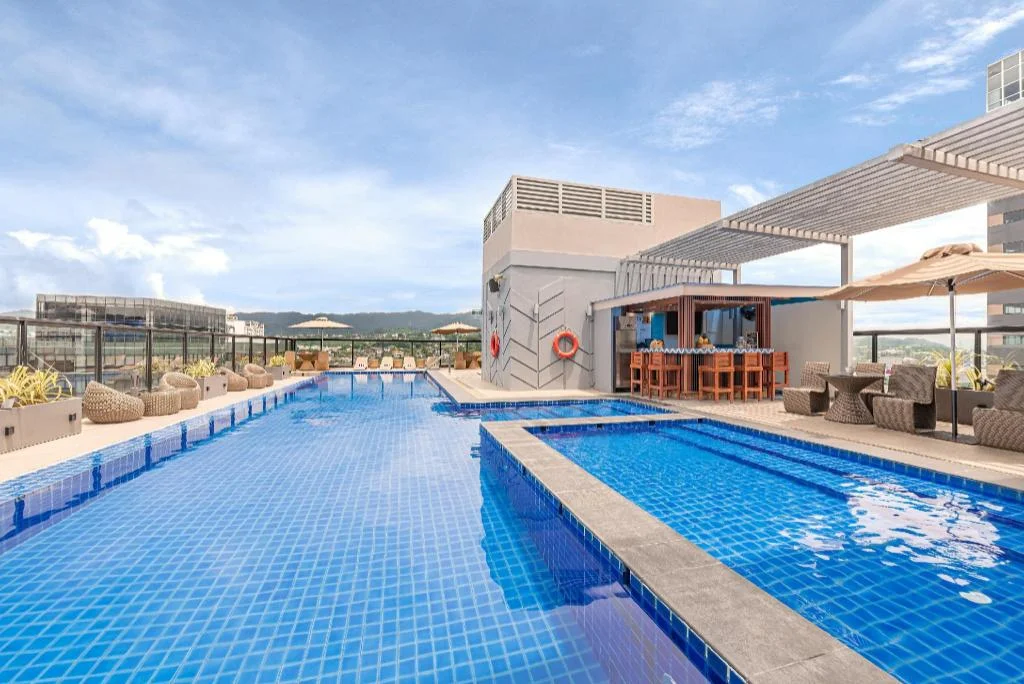
Seda Central Bloc Cebu City
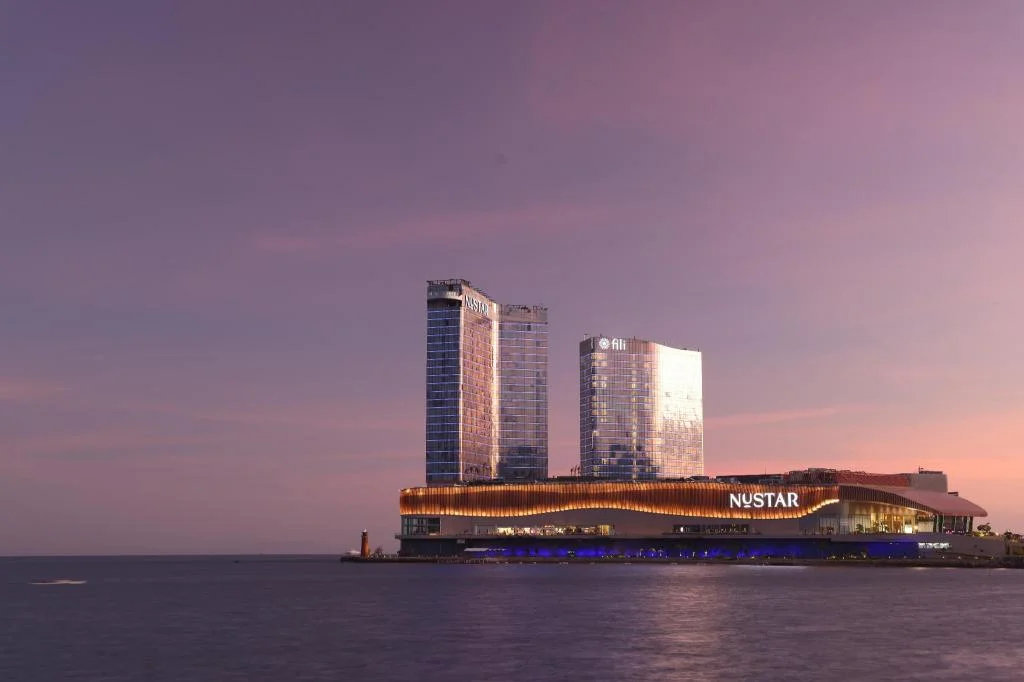
Fili Hotel - NUSTAR Resort & Casino Cebu
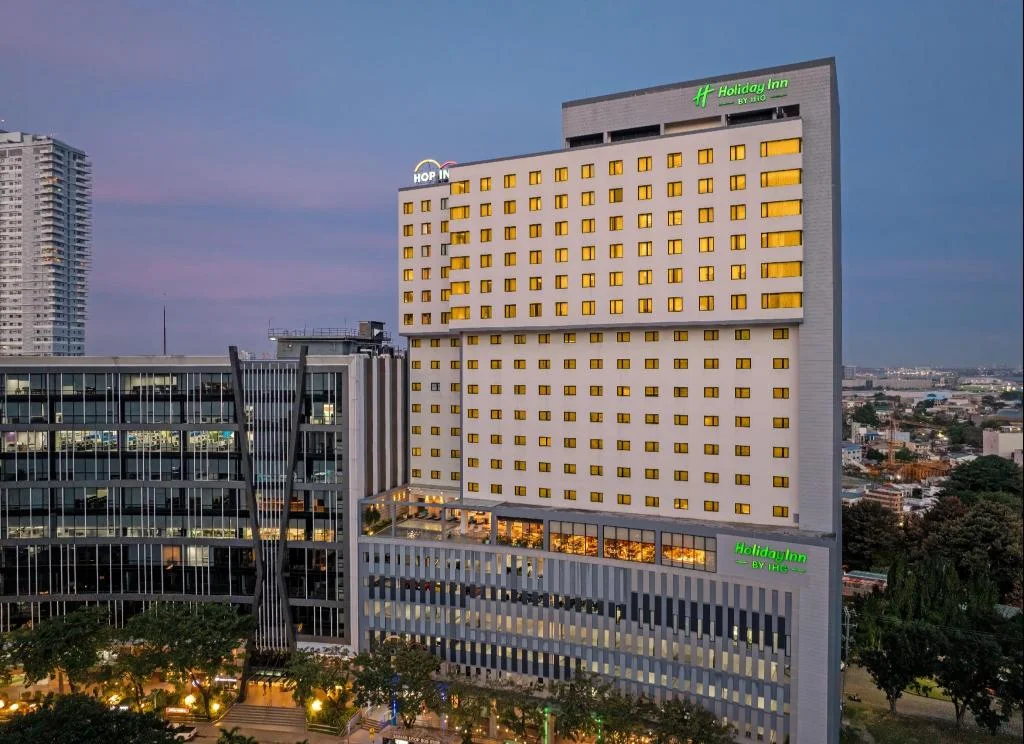
Holiday Inn Cebu City By IHG
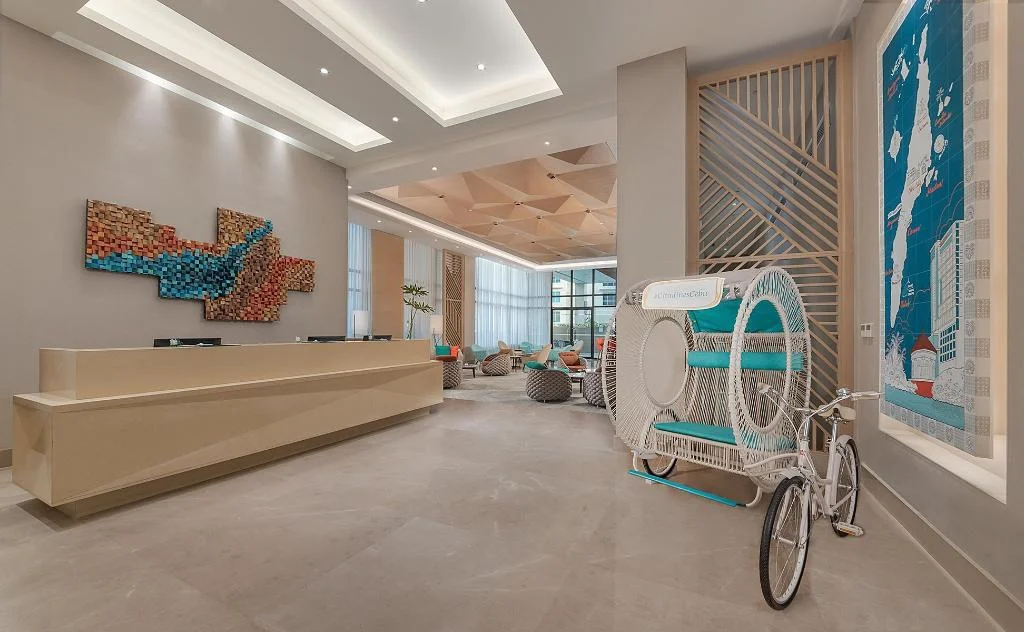
Citadines Cebu City
Prefer a rental? Vacation rentals near Cebu City
Self-catering condos and apartments — book the exact unit, kitchen included.
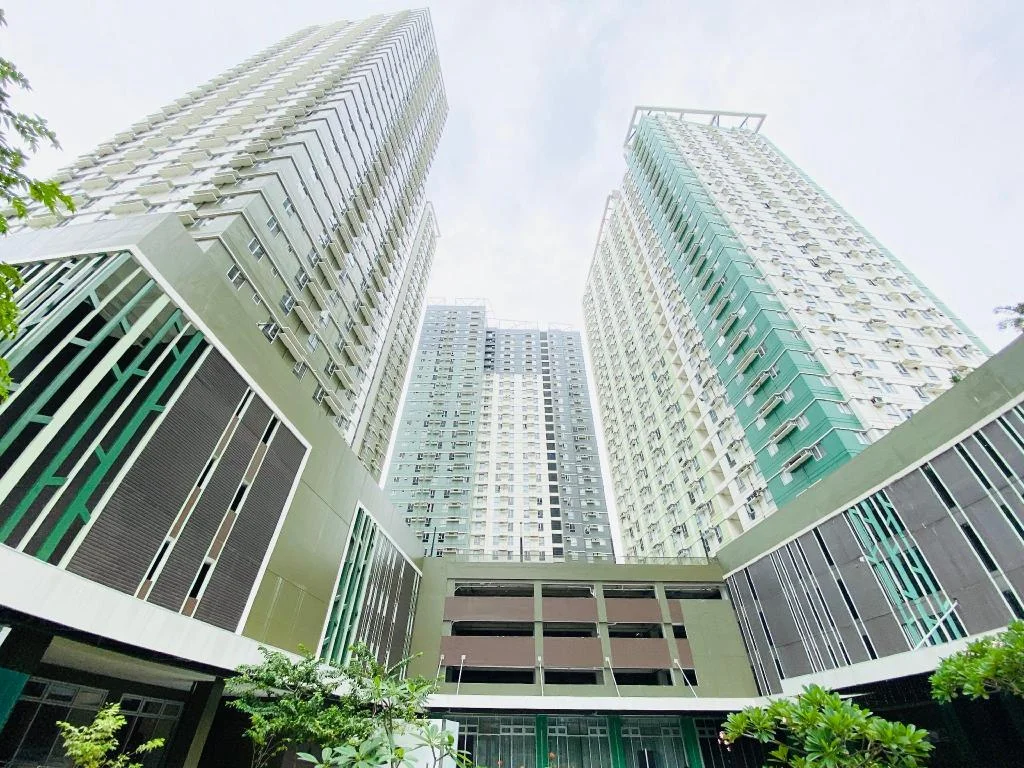
Cebu Avida Riala by P&J
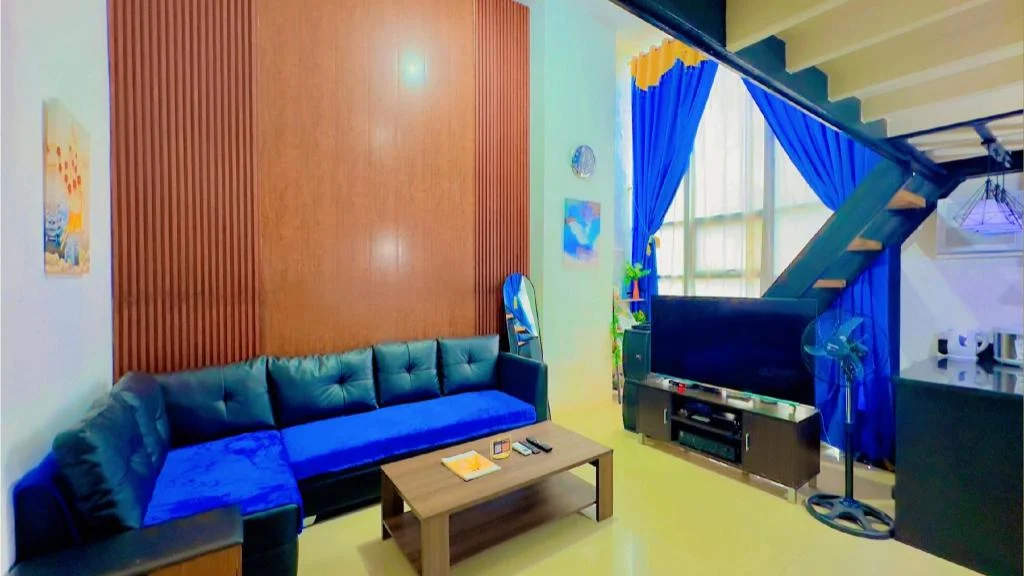
Special Big Loft Unit w/Fibreop Internet & Netflix
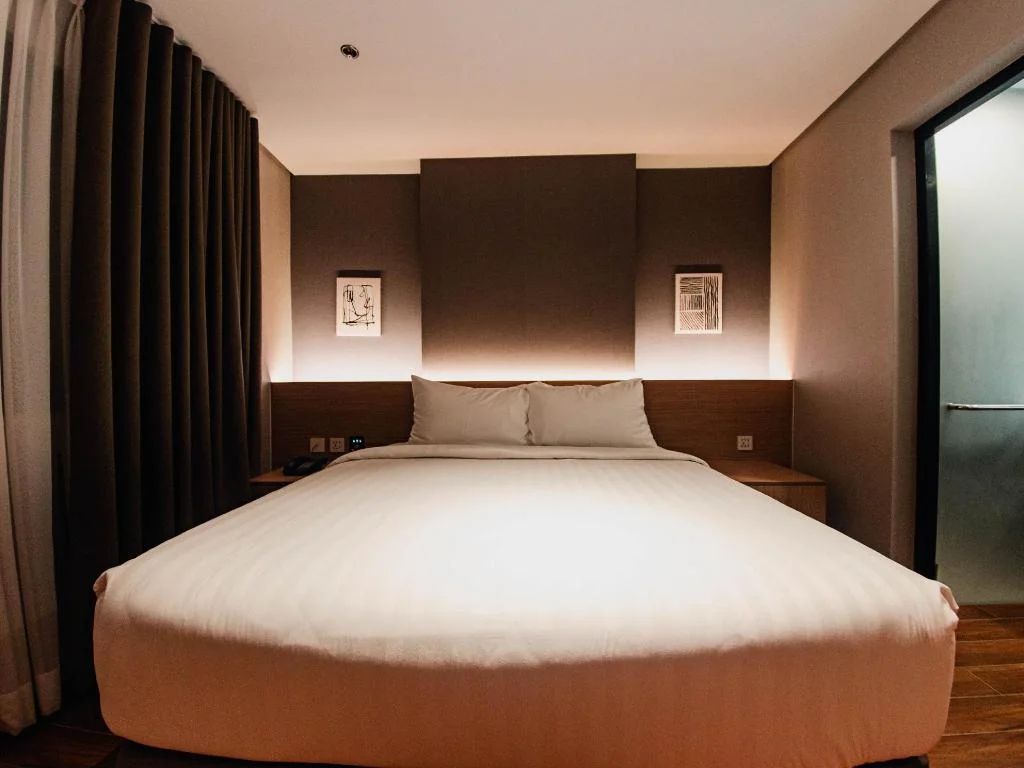
Moonstar Cebu Hotel - Deluxe Room
Before you go
Frequently asked
Do Indians need a visa to visit Cebu?
Is there a direct flight from India to Cebu?
How much does a Cebu trip cost for an Indian traveler?
Is vegetarian or Indian food easy to find in Cebu?
Is halal food available in Cebu?
What's the best time for Indian travelers to visit Cebu?
Do I need a local SIM or eSIM in Cebu?
Is Cebu safe for Indian travelers?
More Places to Explore
Temple of Leah
Cebu City
A magnificent Roman-inspired temple built as a monument of love, nicknamed 'Cebu's Taj Mahal,' offering stunning architecture and city views.
Tops Lookout
Cebu City
Cebu City's premier hilltop viewpoint offering stunning panoramic views of the city, especially spectacular at sunset and nighttime.