
TL;DR: Malaysians get 30 days visa-free in the Philippines and can fly direct from Kuala Lumpur to Cebu in about 4 hours on AirAsia, Firefly, or Malaysia Airlines — Cebu Pacific requires a Manila connection. Halal food exists but is limited to a handful of restaurants around Banilad, Cebu Business Park, and Mactan; the nearest mosques are Al-Khairiah Masjid and Sittie Mariam Masjid near downtown Cebu City. Best months are January–April (dry season); avoid August–October if you can (peak typhoon risk). Budget roughly RM230–400 a day mid-range, using ~RM1 to ₱15. Verified July 2026.
If you’re flying out of Kuala Lumpur, Cebu is one of the easier Philippine destinations to reach — a direct flight, no visa paperwork beyond a free online form, and a tropical climate that won’t shock anyone used to Malaysian weather. What’s different is the food landscape: Cebu doesn’t have Malaysia’s halal infrastructure, so if you keep halal, you’ll want to know exactly where to eat before you land, not figure it out on the fly. This guide covers the practical side of a Cebu trip for a Malaysian traveler — flights, the visa-free rule, halal food and mosque locations, timing, and what things cost in ringgit — so you can spend your energy on the actual trip: the diving, the waterfalls, and viewpoints like Temple of Leah and Tops Lookout above the city.
Cebu for Malaysians at a Glance
| What | Details |
|---|---|
| Flight time from KL | ~4 hours direct (AirAsia, Firefly, Malaysia Airlines) |
| Visa | Visa-free, 30 days, tourism only |
| Currency | Philippine Peso (₱); ~RM1 ≈ ₱15 |
| Language | Filipino/Cebuano + English widely spoken |
| Halal food | Limited — a handful of dedicated restaurants |
| Nearest mosque | Al-Khairiah Masjid, Mambaling, Cebu City |
| Best months | January–April (dry season) |
| Typhoon risk | Highest August–October |
| Mid-range daily budget | ₱3,500–6,000 (RM230–400) per person |
Verified July 2026.
How do you get from Kuala Lumpur to Cebu?
You fly direct — no need to transit through Manila. Philippines AirAsia, Firefly, and Malaysia Airlines all operate nonstop flights between Kuala Lumpur International Airport (KUL) and Mactan-Cebu International Airport (CEB), together running roughly 20+ flights a week, with a flight time of around 4 hours. Fares are promo-driven on AirAsia and Firefly — one-way prices have been advertised from around RM500–600 in sales, though a normal-fare one-way ticket typically runs higher; check current pricing on AirAsia or Firefly before booking, since low-cost carrier pricing swings a lot by season and how far ahead you book.
Cebu Pacific does not fly this route directly. If you’re loyal to Cebu Pacific or chasing a specific fare, you’ll be connecting through Manila (NAIA), which adds a layover and usually total travel time of 6–8+ hours door to door. For a straightforward trip, the direct AirAsia/Firefly/Malaysia Airlines option from KUL is the simpler and usually faster choice. See our guide to international flights and airlines into Cebu for the wider route picture, including connections if you’re coming from Penang or Johor Bahru instead of KL.
Do Malaysians need a visa for the Philippines?
No — Malaysian passport holders get 30 days visa-free for tourism. You need: a passport valid at least 6 months past your intended stay, a return or onward flight ticket, and proof of accommodation (a hotel booking is fine). Immigration officers occasionally ask for proof of funds, so don’t arrive looking underfunded relative to your stated trip length.
Separately, every traveler — Malaysians included — must complete the Philippines’ eTravel registration online within 72 hours before arrival. It’s free, takes under 10 minutes, and generates a QR code you show at immigration alongside your passport. Don’t skip it; it’s now a standard part of arrival processing at Mactan-Cebu International Airport. If you want to stay longer than 30 days, extensions are handled through the Bureau of Immigration — our Philippine visa-free entry guide and the eTravel registration guide cover both processes in more detail.
Is halal food easy to find in Cebu?
Not really — plan ahead rather than assume. Cebu’s food scene is built around pork (lechon, chicharon, sinigang na baboy), so halal dining is a small, specific list rather than something you stumble into. The good news: what does exist is genuinely halal-focused, not just “pork-free.”
| Restaurant | Area | Cuisine |
|---|---|---|
| Persian Palate | Ayala Center Cebu, Cebu Business Park | Iranian/Middle Eastern |
| Shawarma Gourmet | Escario Central Mall | Middle Eastern wraps/platters |
| Cherry’s The Spice | Banilad | Indian (biryani, tandoori) |
| Bollywood Tandoor | Banilad | North Indian |
| Saad’s Kitchenette | Marigondon Rd, Mactan (Lapu-Lapu City) | Bangladeshi/Indian |
Areas and cuisines as reported by local food coverage; confirm current halal certification/status with each restaurant directly, since none appear to carry formal government halal certification. Verified July 2026.
Beyond this list, some hotel buffets in Cebu City and Mactan will prepare halal-friendly dishes if you call ahead, and seafood, egg dishes, and plain rice are safe defaults almost anywhere. For a longer list and more detail, see our best halal restaurants in Cebu guide.
Where can Malaysian Muslims pray in Cebu?
Cebu City has a small, established Muslim community, and a few mosques serve it — mostly clustered south of the downtown core, around Mambaling and Pahina Central:
- Al-Khairiah Masjid — N. Bacalso Ave, Mambaling, Cebu City
- Sittie Mariam Masjid — A. Sanciangko St, Pahina Central, Cebu City
- Cebu Green Mosque — Sikatuna Street, Cebu City
None of these are walkable from the usual tourist bases (IT Park, Ayala/Cebu Business Park, or Mactan’s resort strip) — expect a 20–30 minute Grab ride. If your itinerary takes you north to Bantayan or Malapascua, note that Madinah Mosque is in San Remigio, on the northern tip of Cebu island, not in the city — it’s a landmark for that region rather than a convenient stop for a city-based trip.
When’s the best time for Malaysians to visit?
January through April is Cebu’s dry season and the most reliable window for beach days, island hopping, and canyoneering without weather disruptions. January and February are the coolest months (still warm and humid by any measure, but noticeably less intense than April–May, which push toward 34°C). Coming from Malaysia’s year-round tropical climate, the temperature itself won’t be a shock — the bigger variable is rain and storms.
June through November is typhoon season, with the highest risk concentrated in August–October. Outdoor-heavy plans — Kawasan Falls canyoneering, Oslob whale shark tours, island hopping to Bantayan or Malapascua — are the ones most likely to get cancelled or washed out in that stretch. If you want fewer crowds and don’t mind some rain risk, November is a reasonable middle ground; just build a day of slack into your itinerary. See our full best time to visit Cebu breakdown for a month-by-month view.
How much should you budget in ringgit?
Using the July 2026 rate of roughly RM1 to ₱15 (so ₱62 ≈ US$1), here’s what a day in Cebu typically costs:
| Style | Daily cost (₱) | Daily cost (RM, approx.) |
|---|---|---|
| Budget (hostel, street food, jeepneys) | ₱1,800–2,500 | RM120–165 |
| Mid-range (3-star hotel, restaurants, Grab) | ₱3,500–6,000 | RM230–400 |
| Comfortable (4-star hotel, tours, private transport) | ₱7,000–12,000+ | RM465–800+ |
Excludes flights and paid tours/activities, which are billed separately below. Verified July 2026 against the prevailing MYR/PHP rate — check a live converter before your trip since it moves.
Your biggest single cost is usually the flight itself, followed by any paid activities (whale shark tours, canyoneering, island-hopping boats) — budget those separately since they’re often ₱1,500–3,500 (RM100–235) each. For island-hopping or whale-shark day trips, compare tour options on Klook before you land — booking ahead avoids the beach-side upsell pricing.
Do you need a local SIM or eSIM?
Yes — don’t rely on Malaysian roaming for a week-long trip. Maxis, Celcom, and Digi roaming charges in the Philippines add up fast for daily data use (maps, Grab, messaging your group). A Globe or Smart eSIM bought online before you fly, or a physical SIM picked up at Mactan-Cebu airport arrivals, gives you several GB of data for a fraction of roaming cost. Search current Philippines eSIM options on Klook so it’s ready to activate the moment you land. Our Cebu SIM and eSIM guide covers carrier comparisons and setup in more detail.
What will feel familiar — and different — to Malaysians?
A lot will feel close to home: the heat and humidity, the traffic, the mall culture, the general Southeast Asian rhythm of things. Grab works the same way it does in KL — use it over street-hailed taxis for both convenience and fair pricing. Bargaining norms, tipping (not expected but appreciated for good service), and general street-smarts carry over directly.
What’s different: pork is everywhere by default (Cebu’s signature dish, lechon, is pork), the halal food scene is a specific short list rather than a given, and Islam is a minority religion here rather than the norm, so mosque access and prayer space take more planning than they would in Malaysia. English is spoken widely and confidently across Cebu, arguably more consistently than in parts of Malaysia, so the language barrier is minimal.
The Honest Take
Cebu is an easy, low-friction trip for a Malaysian traveler on the logistics side — direct flight, no visa hassle beyond a free form, familiar climate, widely spoken English. Where it takes real planning is food and prayer: if you keep halal, you can’t wing it the way you might in a Muslim-majority country. Build your restaurant list before you land, especially outside Cebu City (Moalboal, Oslob, and Bantayan have essentially no dedicated halal options, so pack snacks or plan around seafood and eggs if you’re heading south or to the islands).
Timing matters more than most first-time visitors expect. If your trip dates are flexible, lean toward January–April; if you’re stuck with an August–October window because of school holidays, just go in with lower expectations for outdoor days and a backup plan (city sights, malls, Temple of Leah, Tops) if a storm cancels the beach day. Skip the assumption that “tropical country” means “same as home” on food — that’s the one part of this trip that genuinely needs advance research.
Sources
- AirAsia — Kuala Lumpur to Cebu flights (route, schedule)
- Philippines eTravel — official registration system (arrival registration requirement)
- Consulate General of Malaysia, Davao City — requirements for Malaysians (visa-free entry terms)
- Sugbo.ph — Halal Food Spots in Cebu (restaurant list and locations)
- HalalTrip — Mosque directory, Cebu City (mosque locations)
- MYR/PHP exchange rate referenced from mid-2026 currency data; confirm the live rate before budgeting. Verified July 2026.
Cebu rewards a Malaysian traveler who does five minutes of homework: lock in a direct AirAsia or Firefly flight, register your eTravel QR code, and know your halal restaurant list before you land. From there it’s the same trip everyone else comes for — waterfalls, whale sharks, and viewpoints — paired with a 5-day Cebu itinerary if you want a ready-made plan. Check hotel rates in Cebu City on Agoda once your flight dates are set, since central areas near Ayala and IT Park book up fastest in peak dry-season months.
Book Tours & Hotels for This Trip
Find and book the best deals — prices and availability update in real time. Links open in a new tab.
Where to stay near Cebu City
Top-rated hotels for this trip — tap through to check live rates.
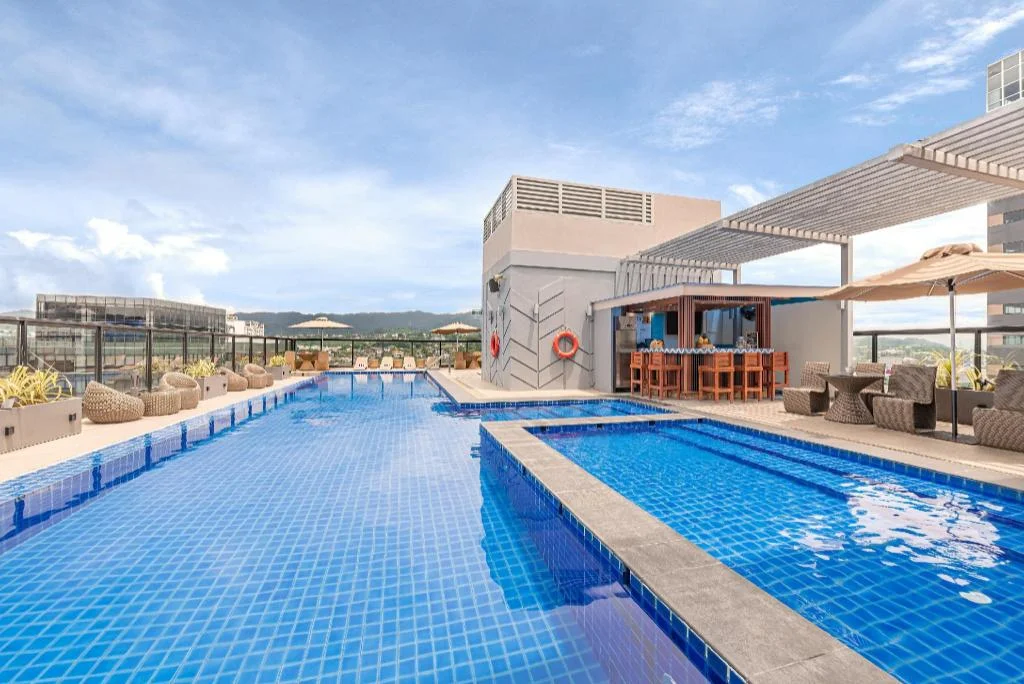
Seda Central Bloc Cebu City
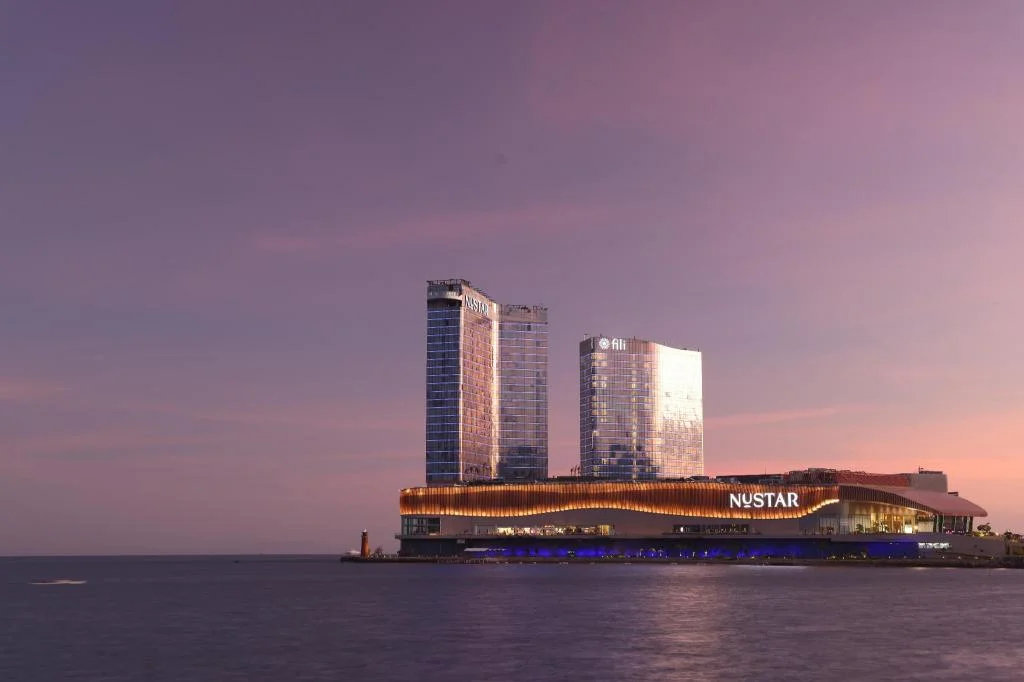
Fili Hotel - NUSTAR Resort & Casino Cebu
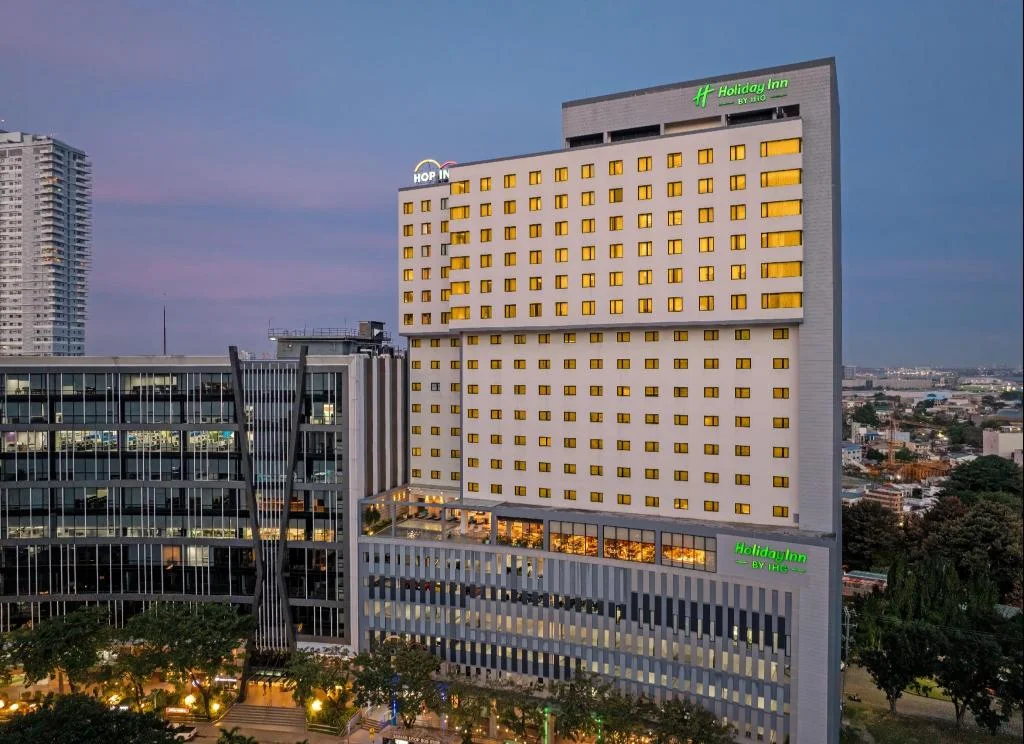
Holiday Inn Cebu City By IHG
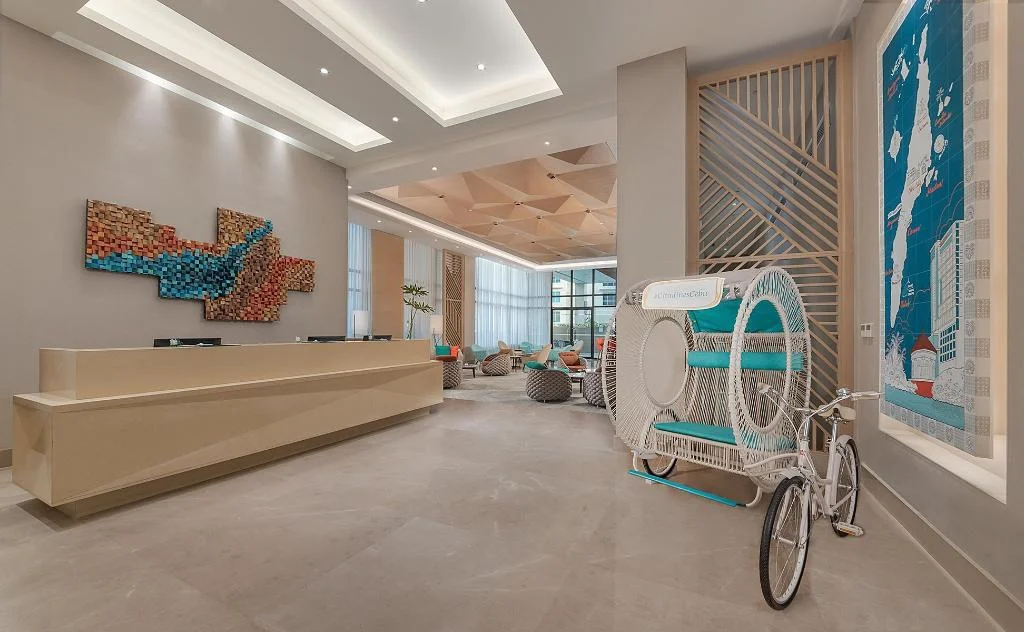
Citadines Cebu City
Prefer a rental? Vacation rentals near Cebu City
Self-catering condos and apartments — book the exact unit, kitchen included.
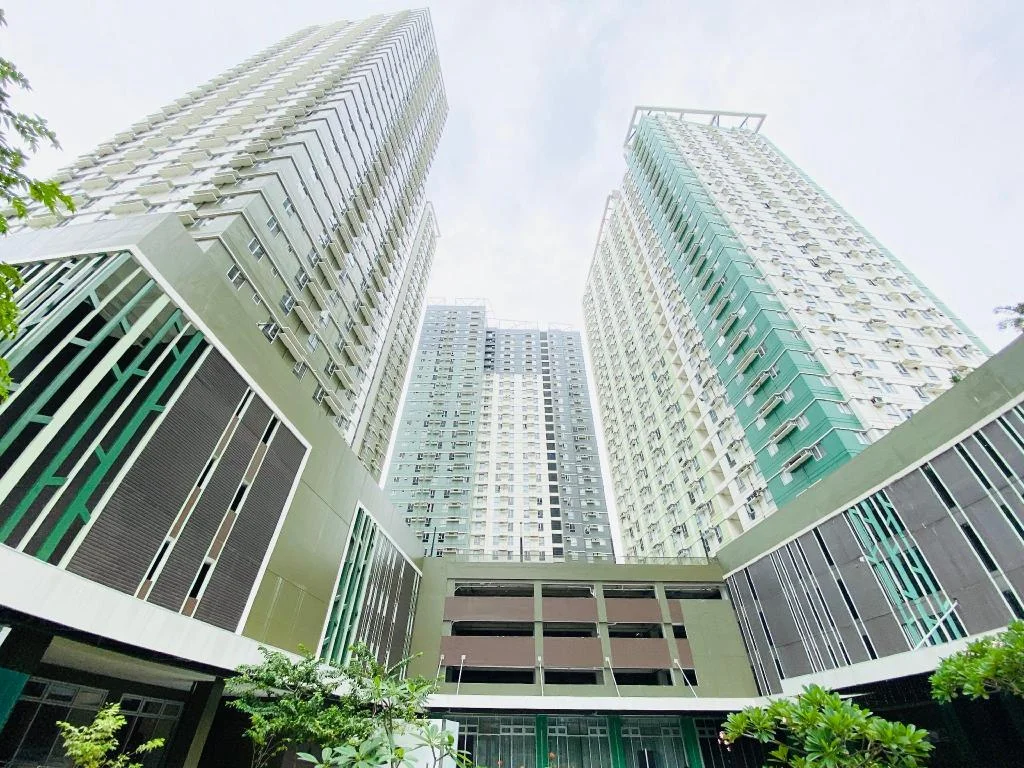
Cebu Avida Riala by P&J
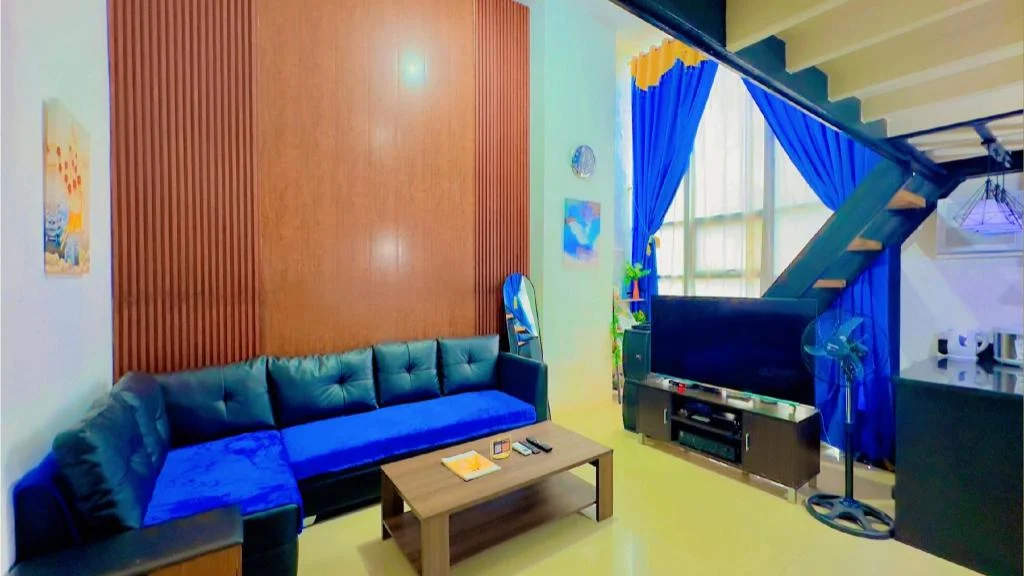
Special Big Loft Unit w/Fibreop Internet & Netflix
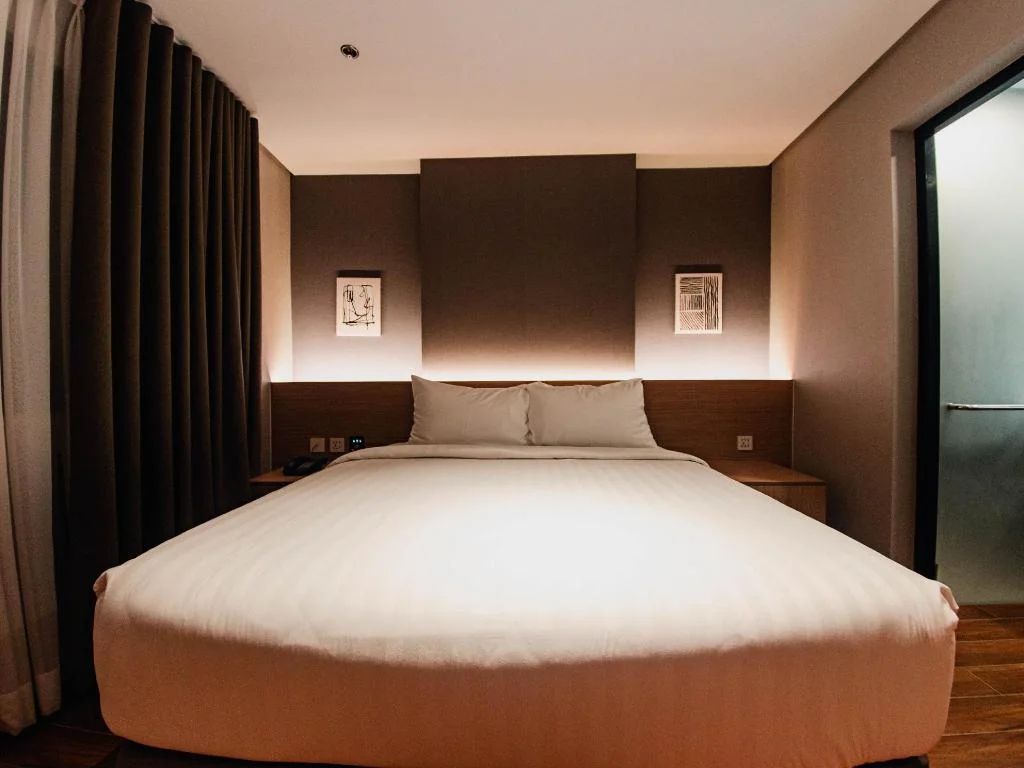
Moonstar Cebu Hotel - Deluxe Room
Before you go
Frequently asked
Do Malaysians need a visa to visit Cebu?
Are there direct flights from Kuala Lumpur to Cebu?
Is halal food easy to find in Cebu?
Where can Malaysian Muslims pray in Cebu?
What's the best time for Malaysians to visit Cebu?
How much should I budget in ringgit?
Do I need a local SIM or eSIM in Cebu?
Is Cebu safe and easy for a Malaysian tourist?
More Places to Explore
Temple of Leah
Cebu City
A magnificent Roman-inspired temple built as a monument of love, nicknamed 'Cebu's Taj Mahal,' offering stunning architecture and city views.
Tops Lookout
Cebu City
Cebu City's premier hilltop viewpoint offering stunning panoramic views of the city, especially spectacular at sunset and nighttime.