
TL;DR: Cebu is the cheaper, quieter option — solo nomads live comfortably on US$800–1,500/month, fiber internet in IT Park and Lahug hits 100–300 Mbps for $30–50/month, and a tourist visa extension costs about ₱2,000 (under $40) every 60 days. Bali has the bigger nomad community and scenery but costs more ($1,500–3,500+/month), and its E33G Remote Worker KITAS demands roughly $60,000/year in income, or you’re doing visa runs every two months. Cebu suits nomads who want low cost and less noise; Bali suits nomads who want an instant community and don’t mind paying for it. Verified July 2026.
Cebu and Bali both show up on every “best places to be a digital nomad in Asia” list, and both get pitched as the same thing: cheap island living with fast-enough Wi-Fi and a beach five minutes away. They’re not actually that similar once you dig in. Bali built an entire industry around remote work — Canggu’s coworking spaces, meetups, and Western brunch spots exist because of nomads. Cebu didn’t; its economy runs on BPO offices, universities, and tourism, and nomads are a small slice riding on top of that infrastructure. That difference shapes almost everything below — cost, community, even how easy it is to just show up and stay.
This guide is for remote workers actually choosing between the two, not comparing them as vacation spots. If you want the island viewpoints locals actually recommend once you’re settled, Temple of Leah and Tops Lookout are two Cebu City spots worth the short trip up from IT Park on a slow afternoon.
Cebu vs Bali at a Glance
| Factor | Cebu | Bali |
|---|---|---|
| Solo monthly budget | US$800–1,500 | US$1,500–3,500+ |
| Coworking (monthly) | ~$100–150 | ~$95–195 |
| Fiber speed (nomad hubs) | 100–300 Mbps, $30–50/mo | 100–300 Mbps, similar cost, patchier outside hubs |
| Long-stay visa | Tourist visa extendable to 36 months (~₱2,000/60 days); Digital Nomad Visa exists but new | E33G Remote Worker KITAS ( |
| Nomad community | Small, IT Park-centered, mixed with expats/BPO | Large, Canggu-centered, built for nomads |
| Standout draw | Diving, whale sharks, cheap cost of living | Surf, yoga/wellness, scenery variety |
| Biggest downside | Small scene, city traffic, few nomad-specific spaces | Overcrowding, rising rents, visa cost/hassle |
Prices from nomad cost-of-living trackers and 2026 visa-agency data. Verified July 2026.
How Do the Two Compare on Cost of Living?
Cebu is meaningfully cheaper. A solo nomad can live well for US$800–1,500 a month — a one-bedroom condo in IT Park, Lahug, or Cebu Business Park runs $300–600, or $200–400 in Banilad, Talamban, or Mandaue, plus food, a coworking pass, and the occasional weekend trip. Push into more comfortable territory — a nicer central condo, regular restaurant meals, coworking membership — and you’re at $1,300–1,800 solo, or $1,800–2,500 for a couple with two scooters.
Bali runs higher across the board. A bare-bones budget eating at warungs and sharing a room lands around $1,500 a month; a private pool villa, Western restaurants, and a dedicated coworking desk push that past $3,500. Canggu rent specifically has climbed roughly 18% year-on-year, and some villa owners now ask for two months’ deposit up front instead of one — a sign of how tight the nomad-favorite areas have gotten.
Which Has Faster, More Reliable Internet?
Nationally, Indonesia edges out the Philippines, but both islands’ actual nomad hubs are close. Ookla data through early 2026 puts the Philippines’ average fixed broadband speed at 105.17 Mbps against Indonesia’s 156.72 Mbps. That’s a real national gap, but it doesn’t fully carry over to where nomads actually work. PLDT and Globe fiber in IT Park, Lahug, Cebu Business Park, and Banilad commonly deliver 100–300 Mbps for $30–50 a month, on par with what Canggu and Ubud coworking spaces and villas offer. The practical difference shows up more in coworking density than raw speed — Bali simply has more dedicated coworking real estate to choose from if a single connection lets you down.
Either way, don’t assume: ask a landlord or coworking space for a recent speed test before you sign anything, especially outside the main hubs on both islands.
Where’s the Bigger Nomad Community and Coworking Scene?
Bali, and it’s not close. Canggu is one of the biggest digital nomad hubs in Southeast Asia — a dense rotation of coworking spaces, meetups, and Western cafes that exist specifically to serve remote workers. The scene does turn over fast: Dojo Bali, once the area’s flagship coworking space, closed permanently in December 2022, and Outpost’s original Canggu coworking floor shut in April 2024 (its coliving rooms in Berawa are still running). Newer spaces like Tropical Nomad and BWork have taken their place, with monthly memberships running roughly IDR 1.5–3.2 million (about $95–195). Ubud offers a calmer, cheaper alternative with slower but workable internet.
Cebu’s coworking scene is smaller and more utilitarian — think The Company Cebu ($10–15/day) or Culture Cloud Coworking ($8–12/day), with monthly memberships around $100–150. It’s concentrated almost entirely in IT Park, and it shares space with local BPO workers and students rather than existing purely for nomads. The community here is real but low-key: mixed in with long-term expats and English teachers rather than a distinct backpacker-nomad culture. If you want built-in networking events every week, that’s a Bali strength Cebu doesn’t match.
Which Visa Is Easier for a Long Stay?
Cebu is cheaper and simpler if you’re not chasing residency; Bali is better if you clear its income bar. The Philippines gives most passport holders a 30-day visa on arrival, extendable in stages at the Bureau of Immigration office on Osmeña Boulevard in Cebu City, up to a maximum stay of 36 months. Extensions run roughly ₱2,000 (under $40) every 60 days, though anyone staying past 60 days needs an ACR I-Card on top of that. A Philippine Digital Nomad Visa also exists under Executive Order No. 86 (2025), with a stated income threshold around $24,000 a year and a one-year renewable stay — it’s newer, so confirm current requirements directly with the Bureau of Immigration before relying on it.
Bali’s clean option is the E33G Remote Worker KITAS: proof of about $60,000 a year in foreign income gets you a renewable one-year stay for around $315 in official fees (agents typically add $300–600 on top). Fall short of that income line and you’re on the tourist track instead — extensions every 60 days through an agent for roughly 3.5 million rupiah (about $210–220) each cycle, the classic Bali “visa run” cost. Over a year, that adds up to considerably more than Cebu’s tourist-visa route.
Which Has Better Beaches and Nature Access?
Different flavors, both strong. Cebu’s strength is marine life and day-trip range: whale shark encounters in Oslob, canyoneering and waterfall-jumping at Kawasan Falls, the Moalboal sardine run, and Bantayan’s white sand, all reachable in a few hours from Cebu City. For a shorter break without leaving town, Temple of Leah and Tops Lookout give you a hilltop view over the whole metro in under 30 minutes from IT Park.
Bali packs more variety into a smaller radius — volcanoes, rice terraces, waterfalls, and famous surf breaks like Uluwatu and Canggu itself, most within an hour’s ride. It also carries a far bigger surf and yoga/wellness culture, which shapes the whole social scene around it in a way Cebu’s outdoor life doesn’t.
What’s the Food and Nightlife Scene Like in Each?
Cebu’s food scene splits cleanly: excellent, cheap Filipino food everywhere (lechon, sutukil-style seafood, street eats), with a smaller but solid cluster of international restaurants and cafes concentrated in IT Park, Ayala Center, and Banilad. Nightlife centers on IT Park, Mango Avenue, and a growing set of rooftop bars — good for a weeknight or weekend out, but it’s a city nightlife scene, not a resort-town party circuit.
Bali runs the opposite way — an enormous, nomad-driven international food and cafe culture (particularly in Canggu and Seminyak), plus a famous beach club scene (Potato Head, Finns, and others) that draws a party crowd well beyond just nomads. If eating out constantly and a built-in social calendar matter to your day-to-day, Bali delivers more of it by default.
Which Has Better Healthcare?
Cebu’s private hospitals — Chong Hua Hospital (Cebu City and Mandaue) and Perpetual Succour Hospital among them — get solid marks from long-term expats for general and specialist care, though for the most complex cases many still medevac to Manila or Singapore. Bali’s BIMC (Kuta and Nusa Dua) was built specifically for international patients, with English-speaking staff throughout, and Siloam Hospital Bali carries JCI accreditation. Both islands handle routine and most urgent care well; both have expats who fly out for the most serious procedures. Neither is a clear winner here — budget for international health insurance either way.
How to Choose
If low cost, quieter pace, and diving or beach day trips matter most, and you don’t need a ready-made nomad community waiting for you on arrival, Cebu wins. It’s also a better base if your plan includes exploring the rest of the Philippines — Bohol, Palawan, or Siargao are all a short flight away.
If you want an established, plug-and-play nomad scene with weekly meetups, more coworking choice, and a bigger wellness/surf culture, and you’re either clearing Bali’s income threshold or willing to pay for regular visa runs, Bali wins — just go in knowing Canggu specifically is crowded, trafficky, and pricier than it was a few years ago.
The Honest Take
Neither island is the “easy mode” its Instagram reputation suggests. Bali’s nomad fame is a double-edged sword: the community and infrastructure are real, but so is the overcrowding — Canggu traffic between 4 and 7 PM is genuinely bad, rents have risen fast, and the area can feel more like a nomad theme park than an authentic slice of Bali. If that’s not what you want, Ubud or the Bukit Peninsula are calmer alternatives on the same island.
Cebu’s downside is the mirror image: there’s less hand-holding. You won’t land and immediately find a Slack group, a dozen coworking options, and a weekly meetup calendar the way you would in Canggu. Cebu City traffic around IT Park and Escario at rush hour is its own headache, and air quality downtown isn’t great. But for nomads who’d rather work quietly, spend less, and treat the beach trips as a bonus rather than the whole point, that lower-key setup is a feature, not a bug.
Getting Set Up
Wherever you land, sort your base before you commit to a long lease. For Cebu, compare condos and serviced apartments in Cebu City on Agoda for your first few weeks while you scout neighborhoods in person — IT Park and Lahug for walkability, Banilad or Talamban for quieter and cheaper. And build in downtime: browse Cebu island-hopping and whale shark tours on Klook for the weekend trips that make the lower cost of living worth it.
For more on the Cebu side specifically, see our guides to digital nomad life in Cebu, co-living spaces in Cebu, and internet speed and reliability for remote work.
Sources
- Nomads.com — Cost of Living in Cebu, Jun 2026
- Nomads.com — Cost of Living in Canggu, Bali, Jul 2026
- Citizen Remote — Bali Digital Nomad Visa (2026)
- Citizen Remote — Philippines Digital Nomad Visa, June 2026
- PH Nomad — How to Extend a Tourist Visa in Cebu, 2026
- DICT Philippines — Internet Speed as of December 2025 (PDF)
- Coworking and visa pricing cross-checked against multiple 2026 nomad and visa-agency guides for Bali and Cebu. Confirm current visa requirements with the Bureau of Immigration (Philippines) or official Indonesian immigration channels before applying. Verified July 2026.
Book Tours & Hotels for This Trip
Find and book the best deals — prices and availability update in real time. Links open in a new tab.
Where to stay near Cebu City
Top-rated hotels for this trip — tap through to check live rates.
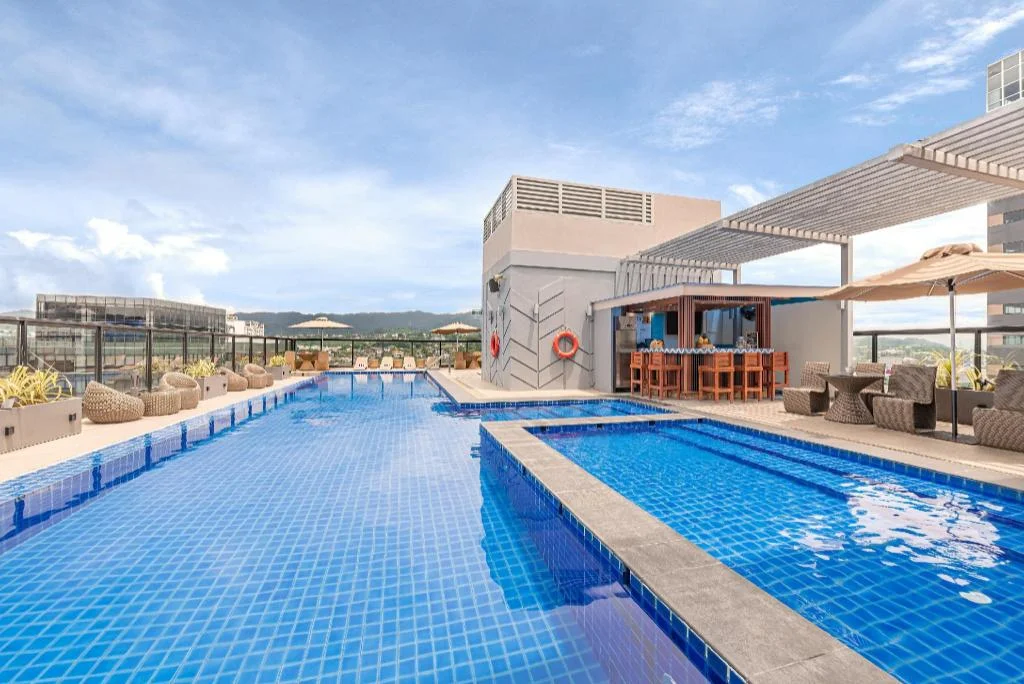
Seda Central Bloc Cebu City
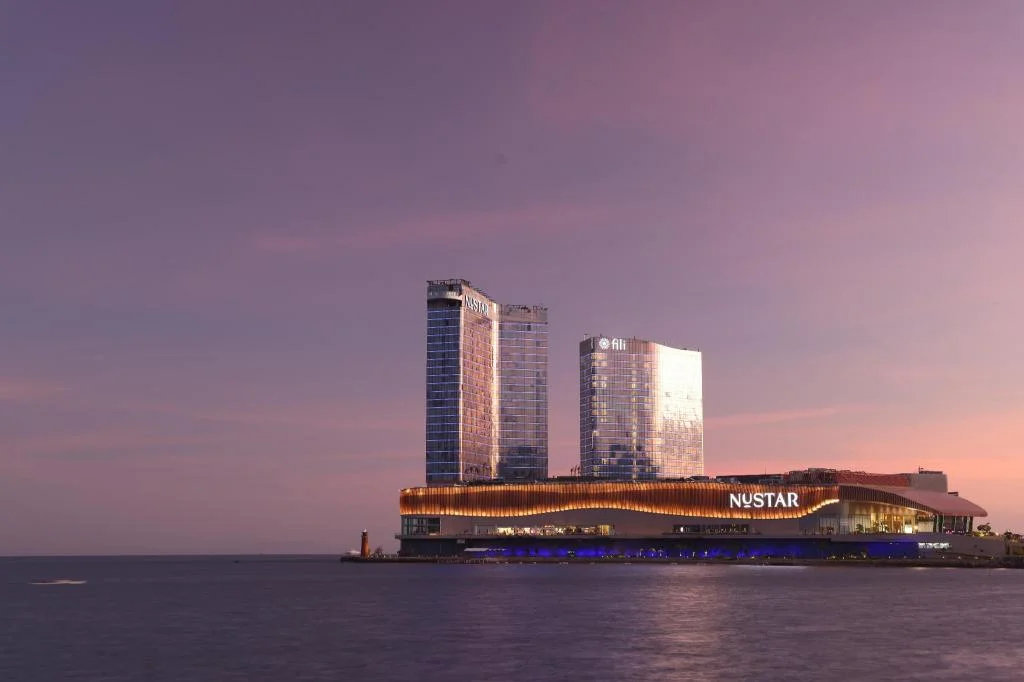
Fili Hotel - NUSTAR Resort & Casino Cebu
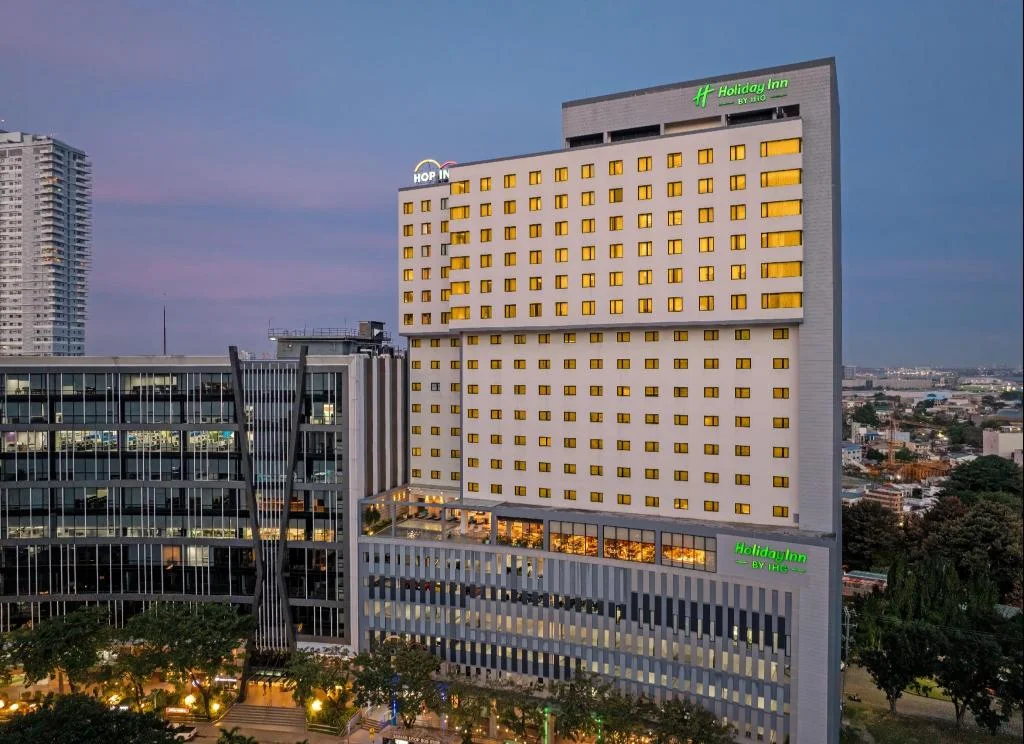
Holiday Inn Cebu City By IHG
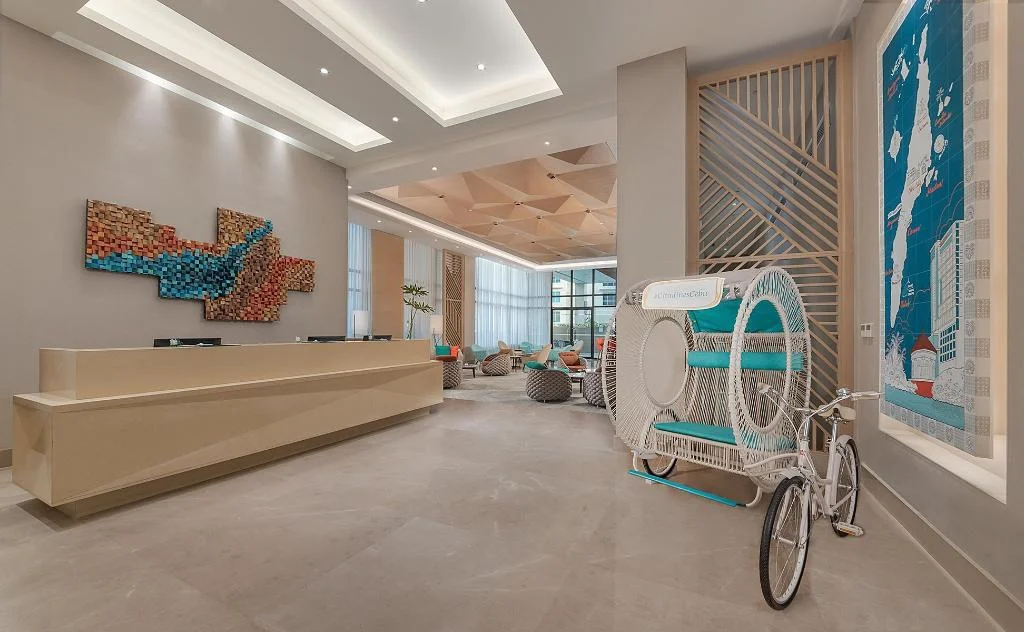
Citadines Cebu City
Prefer a rental? Vacation rentals near Cebu City
Self-catering condos and apartments — book the exact unit, kitchen included.
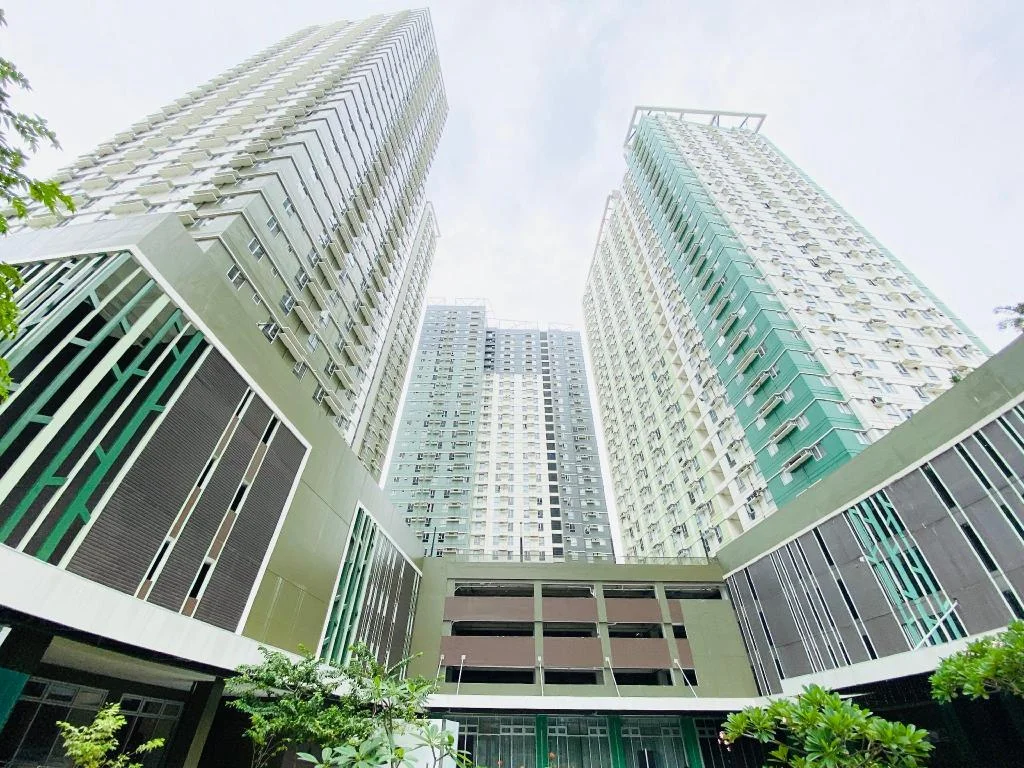
Cebu Avida Riala by P&J
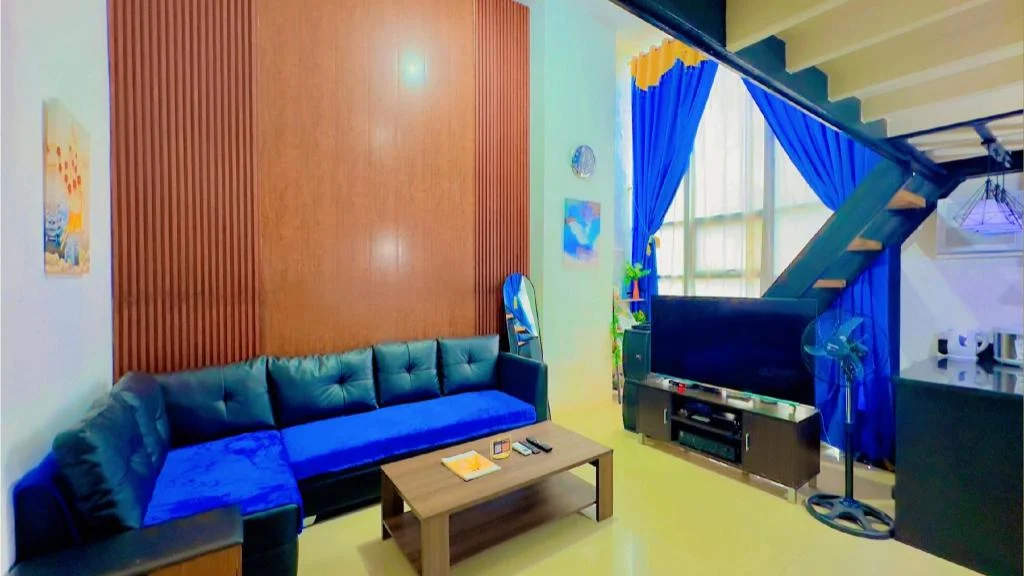
Special Big Loft Unit w/Fibreop Internet & Netflix
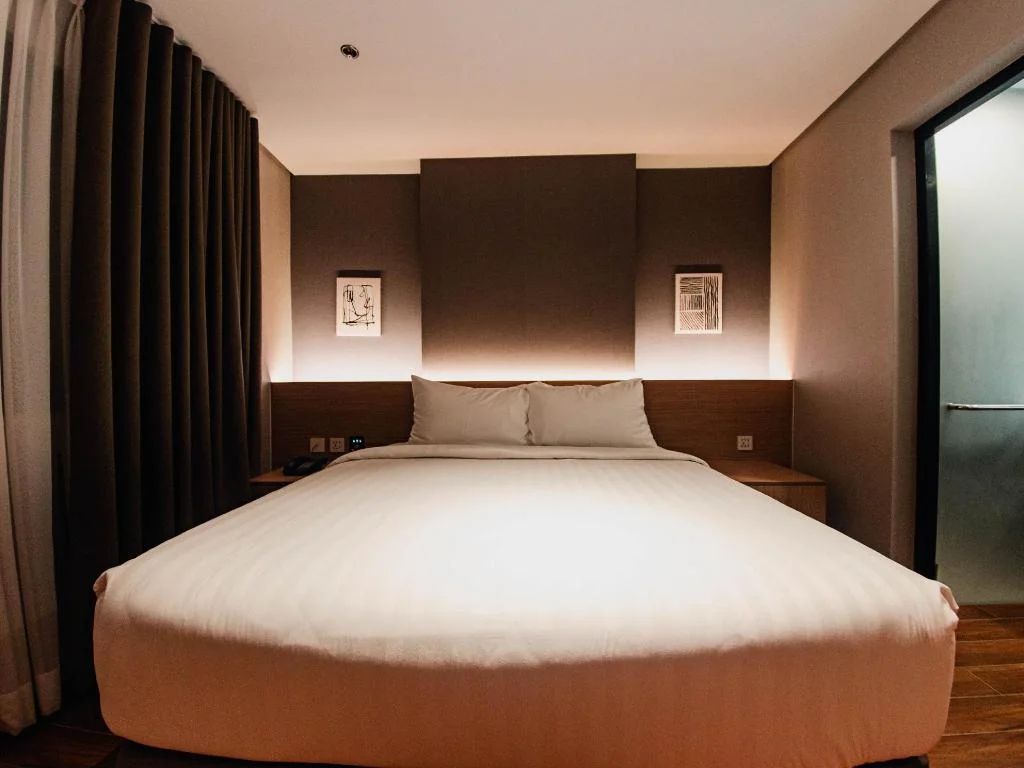
Moonstar Cebu Hotel - Deluxe Room
Before you go
Frequently asked
Which is cheaper, Cebu or Bali, for digital nomads?
Which has faster internet, Cebu or Bali?
Is there a digital nomad visa for the Philippines?
Do digital nomads in Bali have to do visa runs?
Which has a bigger digital nomad community, Cebu or Bali?
Which is better for beaches and outdoor life, Cebu or Bali?
Should I choose Cebu or Bali as a digital nomad?
More Places to Explore
Temple of Leah
Cebu City
A magnificent Roman-inspired temple built as a monument of love, nicknamed 'Cebu's Taj Mahal,' offering stunning architecture and city views.
Tops Lookout
Cebu City
Cebu City's premier hilltop viewpoint offering stunning panoramic views of the city, especially spectacular at sunset and nighttime.