
TL;DR: Boracay wins on beach quality — four kilometers of powdery White Beach in one walkable strip. Cebu wins on variety and value — whale sharks, canyoneering, diving, waterfalls, and a real city, spread across one province, at roughly 30–40% lower day-to-day costs. Getting to Cebu is easier (its own international airport); getting around Boracay is easier (everything’s walkable). Pick Boracay for a low-effort beach vacation, Cebu for an active trip with more to do. Verified July 2026.
If you’re choosing between the Philippines’ two most famous non-Manila destinations, the honest answer is that they’re built for different trips. Boracay is a single, spectacular beach you can walk to breakfast, sunset drinks, and your hotel from. Cebu is a whole province — a real city, whale shark watching in Oslob, canyoneering at Kawasan Falls, and diving around Pescador Island — that rewards travelers willing to move around a bit. This guide breaks down beaches, cost, activities, access, and crowds so you can pick the one that actually matches how you like to travel, not just which one photographs better.
Cebu vs Boracay at a Glance
| Cebu | Boracay | |
|---|---|---|
| Signature beach | No single famous beach; variety across the province | White Beach — 4 km of fine white sand |
| Best for | Diving, whale sharks, canyoneering, city + island mix | Beach relaxation, sunset drinks, walkability |
| Budget room/night | ₱600–800 (US$10–14) | ₱1,200–2,000 (US$21–34) |
| Whale shark swim | ₱1,000 (US$17) at Oslob | Not available |
| Canyoneering / big adventure | ₱1,500–2,500 (US$26–43) at Kawasan Falls | Not available on-island |
| Entry fees | None island-wide | Environmental fee ₱300 + terminal fee ₱150 each way (~₱450 first entry) |
| Getting there | Mactan-Cebu Intl. Airport (CEB), direct int’l flights | No airport on-island; fly to Caticlan or Kalibo, then boat |
| Getting around | Grab, taxis, rented scooter/habal-habal — spots are spread out | Walking, e-trikes, paraw boats — compact and walkable |
| Nightlife style | City bars/clubs (IT Park, Cebu City) | Beachfront strip (Station 2, D’Mall) |
| Vibe | Bigger, more varied, more “figure it out yourself” | Smaller, resort-polished, low-effort |
Prices are per-person estimates; confirm current rates before booking. Verified July 2026.
Which Has Better Beaches — Cebu or Boracay?
Boracay wins on beach quality alone. White Beach is genuinely one of the best stretches of sand in Southeast Asia — fine, almost flour-like powder, calm turquoise water, and a nearly four-kilometer length that means you can always find a quieter patch even when the island is busy.
Cebu doesn’t have an equivalent single beach, but it has more range across the province. Moalboal’s shoreline is rockier and built around diving rather than lounging. Best beaches in Cebu covers the full spread — Mactan’s resort beaches, Bantayan’s quieter white sand, and the smaller coves south of Moalboal — but none of them are trying to be White Beach. If your trip is built entirely around “find the best beach and stay there,” Boracay is the more direct answer.
What Activities Does Each Island Offer?
Cebu offers far more variety; Boracay offers a more polished, lower-effort beach experience. Cebu is a full province with mountains, waterfalls, dive sites, and a colonial-era city center, while Boracay is essentially one island built around its beach and watersports.
In Cebu, a typical week can mix swimming near whale sharks at Oslob, canyoneering and cliff-jumping at Kawasan Falls, diving or snorkeling around Moalboal’s sardine run and Pescador Island, and a day in Cebu City for Spanish-era landmarks and lechon. Boracay’s activity list is narrower but well-executed: island-hopping by paraw sailboat, parasailing, jet skiing, helmet diving, and sunset sailing, almost all launched straight from the beach in front of your hotel.
If you want to fill a week with different kinds of days, Cebu has the range. If you want a shorter list of watersports you can book from a beach chair without moving hotels, Boracay is simpler.
Which Is Cheaper — Cebu or Boracay?
Cebu is cheaper across the board, especially outside Cebu City itself. Budget accommodation in Moalboal or Cebu City runs roughly ₱600–800 (US$10–14) a night, versus ₱1,200–2,000 (US$21–34) for a comparable room on or near White Beach — Boracay’s tourism infrastructure is more built-out, and that shows in room rates and restaurant prices.
Boracay also layers on entry costs that Cebu doesn’t have: a ₱300 environmental fee (one-time, paid on first arrival) plus a ₱150 terminal fee charged both entering and leaving the island, for roughly ₱450 total on your first day. Cebu has no island-wide entrance fee — you pay per activity instead, and those tend to run cheaper than Boracay’s paid watersports menu: whale shark watching at Oslob is ₱1,000 (US$17) per person, and Kawasan Falls canyoneering runs ₱1,500–2,500 (US$26–43) depending on the package, both including a certified guide.
How Do You Get to Each Island?
Cebu is easier to reach directly; Boracay requires an extra hop no matter where you start. Cebu has its own major airport, Mactan-Cebu International (CEB), with frequent domestic flights from Manila and direct international routes — roughly 23–26 flights a week to Seoul, plus year-round nonstops to Tokyo and Osaka. Land straight in Cebu and you’re already there.
Boracay has no airport on the island itself. You fly into either Caticlan (MPH), about 10 minutes by ferry from the jetty port, or the larger but more distant Kalibo (KLO), which adds 1.5–2 hours of van travel to reach the port. Both airports are served mostly by domestic connections through Manila, so most international travelers land in Manila first, then take a second short flight, then a boat. It’s not difficult, just an extra leg that Cebu skips.
Which Is Easier to Get Around — Cebu or Boracay?
Boracay is the clear winner for convenience. The main tourist strip is entirely walkable — hotel, beach, restaurants, and bars within a few minutes of each other, with e-trikes for anything farther. You genuinely don’t need to rent a vehicle or plan transport.
Cebu is a full province, and its best spots are spread out — Oslob for whale sharks, Moalboal for diving, Kawasan Falls in Badian, Cebu City for heritage sites. Getting between them means Grab, a rented scooter, a hired van, or a public bus (see getting around Cebu for the full breakdown). It’s manageable and part of what makes the trip varied, but it does take more planning than Boracay’s walk-everywhere layout.
Which Has Better Nightlife?
Boracay concentrates its nightlife into one walkable strip; Cebu’s is spread across a real city. Station 2 and D’Mall on Boracay pack fire dancers, beach bars, and live music into a compact area right on the sand — you can bar-hop without a ride home.
Cebu’s nightlife lives in IT Park and pockets of Cebu City — a bigger, more varied scene of clubs, rooftop bars, and live venues, but built around a city grid rather than a beach. If “nightlife within stumbling distance of the ocean” matters to you, Boracay has the edge. If you want more range in bars and price points, Cebu’s city scene has more depth.
When Should You Visit Each Island?
Both islands run on the same two seasons, but the effect on the beach itself differs. Cebu and Boracay sit close together in the Visayas, so the calendar is nearly identical: a dry season roughly November to May and a wetter, stormier season June to October, with typhoon risk highest from July to October in both places.
The difference shows up on the sand. Boracay’s White Beach faces the northeast wind (called Amihan) from November to May, which keeps the water calm and glassy — the postcard version of the beach. From June to October, the wind reverses (Habagat), White Beach gets choppier and less swimmable, and the action shifts to Bulabog Beach on the other side, which is when kite- and windsurfers show up instead. Dry season (February–April) also brings a seasonal algae bloom that can dull the sand’s color in patches, which surprises a lot of first-timers expecting flawless white the whole way through.
Cebu’s activities are less wind-dependent since they’re spread across dive sites, waterfalls, and a city rather than one beach — Kawasan Falls and Moalboal diving run close to year-round, weather permitting, though heavy rain can shut canyoneering down for safety on short notice. If your trip is Boracay-specific, aim for December through April for the calmest water. If you’re doing Cebu, the bigger factor is just avoiding a typhoon warning, not chasing a particular wind season.
How to Choose: Cebu or Boracay for Your Trip
- First-time visitor to the Philippines wanting zero-hassle relaxation: Boracay. Mature infrastructure, walkable everything, no vehicle needed.
- Divers, adventure travelers, and people who want variety: Cebu. Whale sharks, canyoneering, wall diving, and a real city in one province.
- Budget travelers: Cebu, on accommodation and activity costs alone.
- Families wanting one easy base: Boracay, for the shorter distances and resort-level amenities.
- Couples or friend groups building a longer itinerary: Cebu, since you can string together several different kinds of days without repeating yourself.
- Anyone who’s already done Boracay and wants the “next” Philippine beach trip: Cebu, precisely because it isn’t trying to be the same thing.
For a three-way version of this comparison that adds Palawan into the mix, see Cebu vs Boracay vs Palawan or the narrower Cebu vs Palawan breakdown.
The Honest Take
Boracay earned its reputation, but it also earned a six-month closure in 2018 for environmental rehabilitation after years of overtourism, and it now runs under a stricter carrying-capacity policy. It’s beautiful, but it’s also small, busy in peak months, and increasingly resort-priced — you’re paying for polish and convenience, not for undiscovered anything.
Cebu’s honest downside is friction: nothing is quite next door, transport takes planning, and quality varies more between operators, especially for canyoneering and whale shark tours — stick to licensed, municipality-registered operators and skip anyone underpricing the regulated rate. But the upside is real range. You can dive with turtles in the morning, stand under a waterfall by afternoon, and eat lechon in the city by night, all without changing islands.
Neither island is “better” in the abstract. Boracay is the easier trip. Cebu is the fuller one. If you’ve never done a Philippine beach trip and want the postcard with the least effort, book Boracay. If you want a week that doesn’t feel like the same day repeated with a different cocktail, Cebu is worth the extra planning — and see why Cebu works especially well for first-time foreign visitors if you’re still deciding.
Ready to book the Cebu side of the comparison? Browse Oslob whale shark tours on Klook, check Kawasan Falls canyoneering packages, and compare Cebu City hotel rates on Agoda before you lock in dates.
Sources
- Boracay iPass — official Aklan Province fee and entry system (environmental and terminal fees)
- Mactan-Cebu International Airport — official flight information (route network)
- Oslob whale shark and Kawasan Falls canyoneering pricing cross-checked against current operator and municipal tourism reporting for 2026.
- Boracay 2018 closure and carrying-capacity policy per Philippine Department of Tourism and Aklan provincial government reporting.
- Verified July 2026.
Book Tours & Hotels for This Trip
Find and book the best deals — prices and availability update in real time. Links open in a new tab.
Where to stay near Moalboal
Top-rated hotels for this trip — tap through to check live rates.
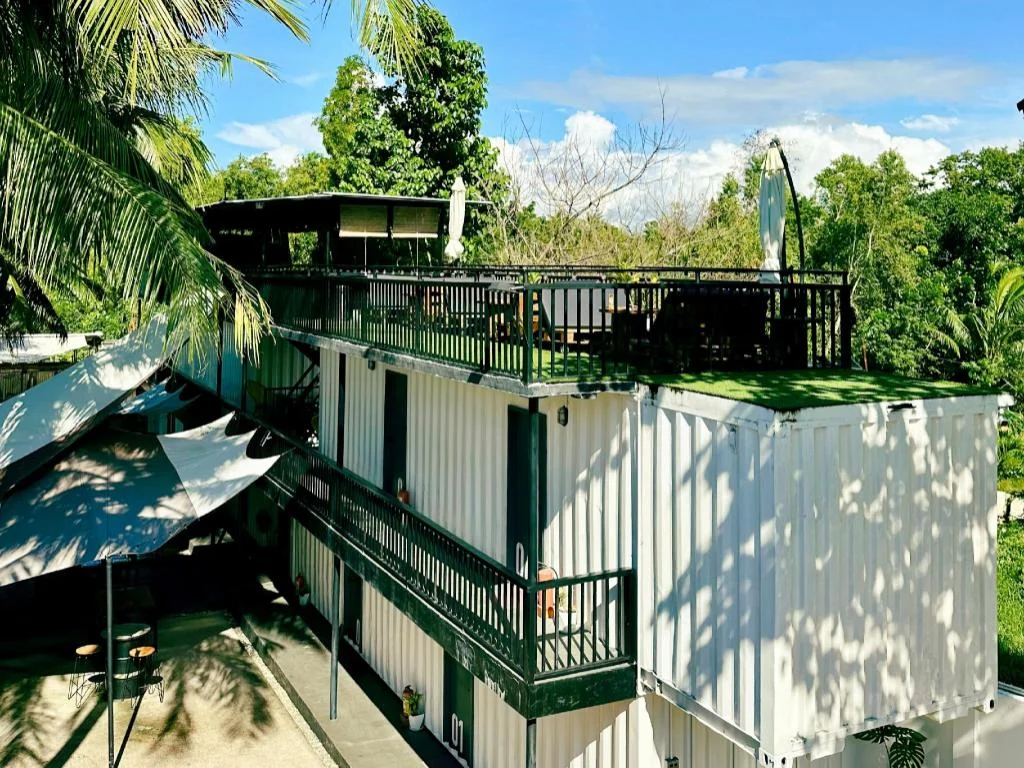
PIG DIVE HOSTEL MOALBOAL
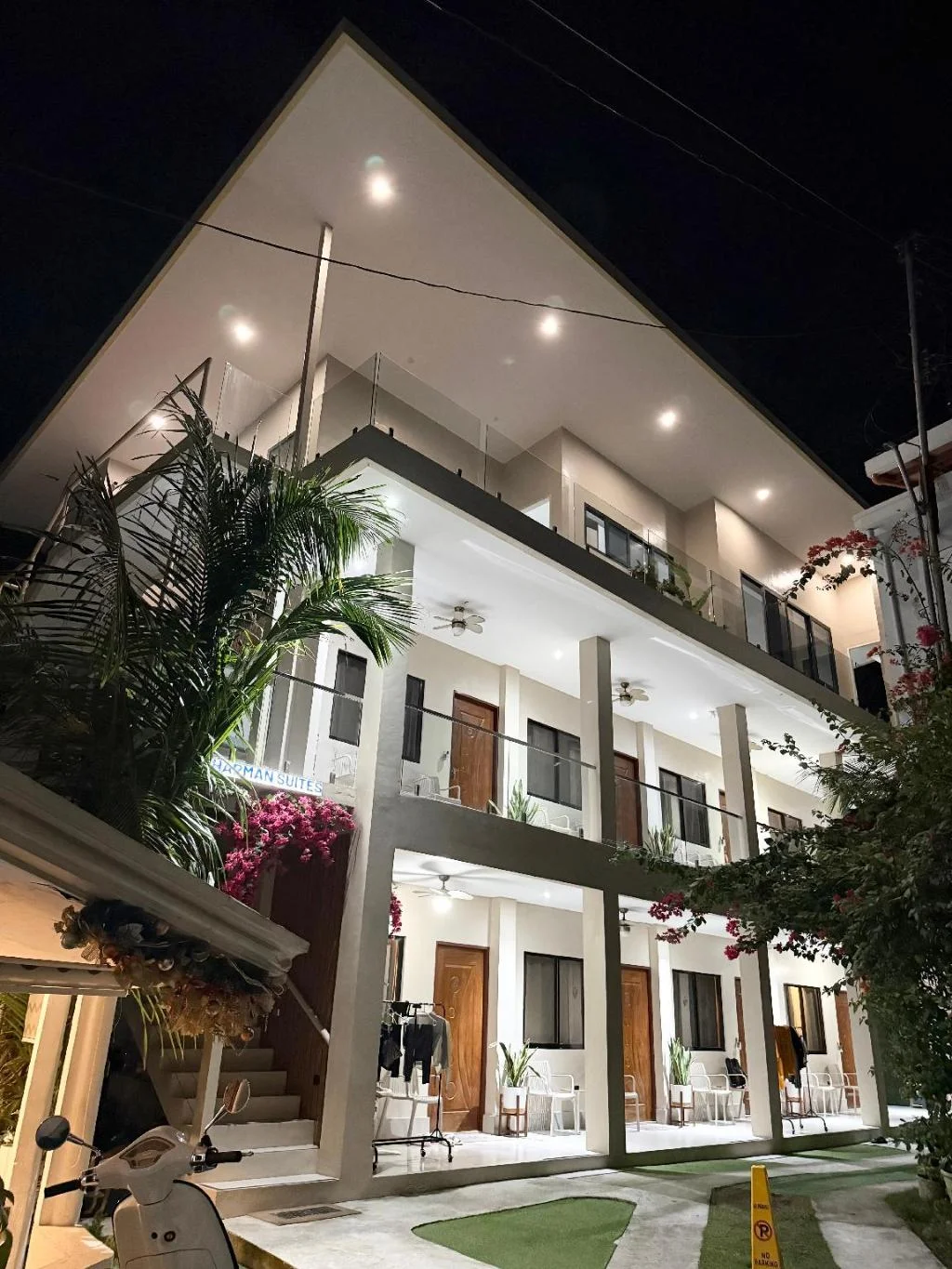
Harman Suites Moalboal
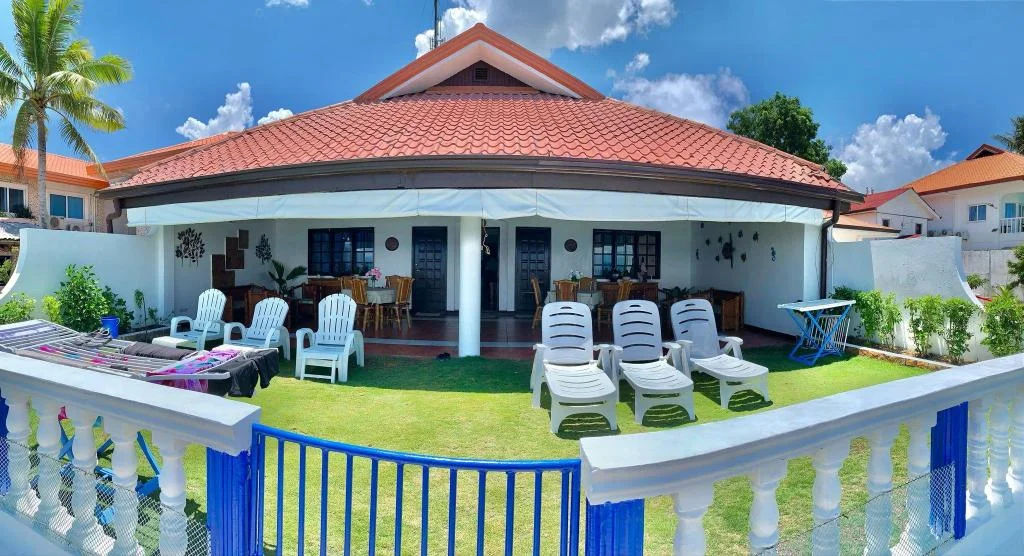
Il Sogno Resort
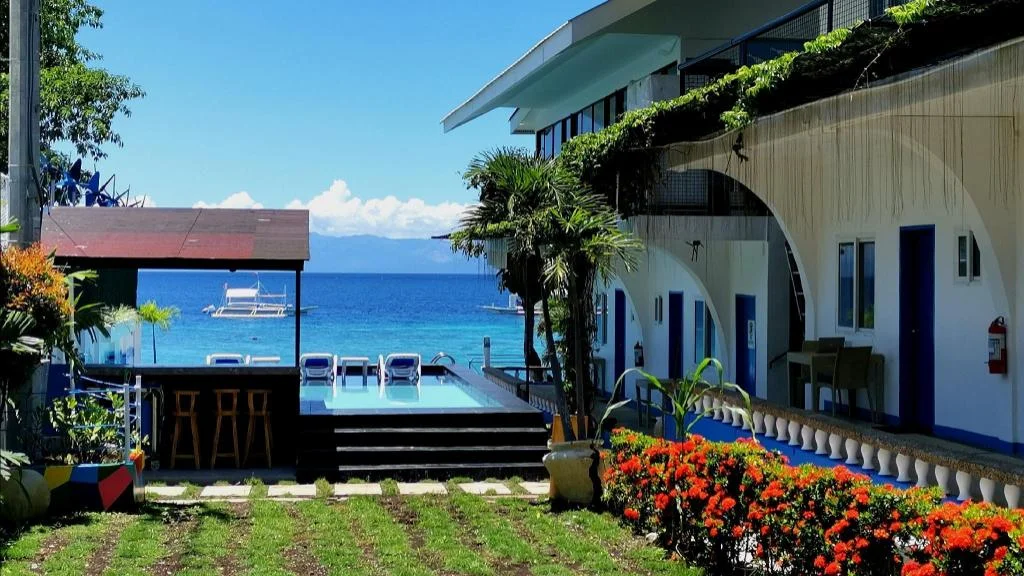
Pescadores Suites Moalboal
Prefer a rental? Vacation rentals near Moalboal
Self-catering condos and apartments — book the exact unit, kitchen included.
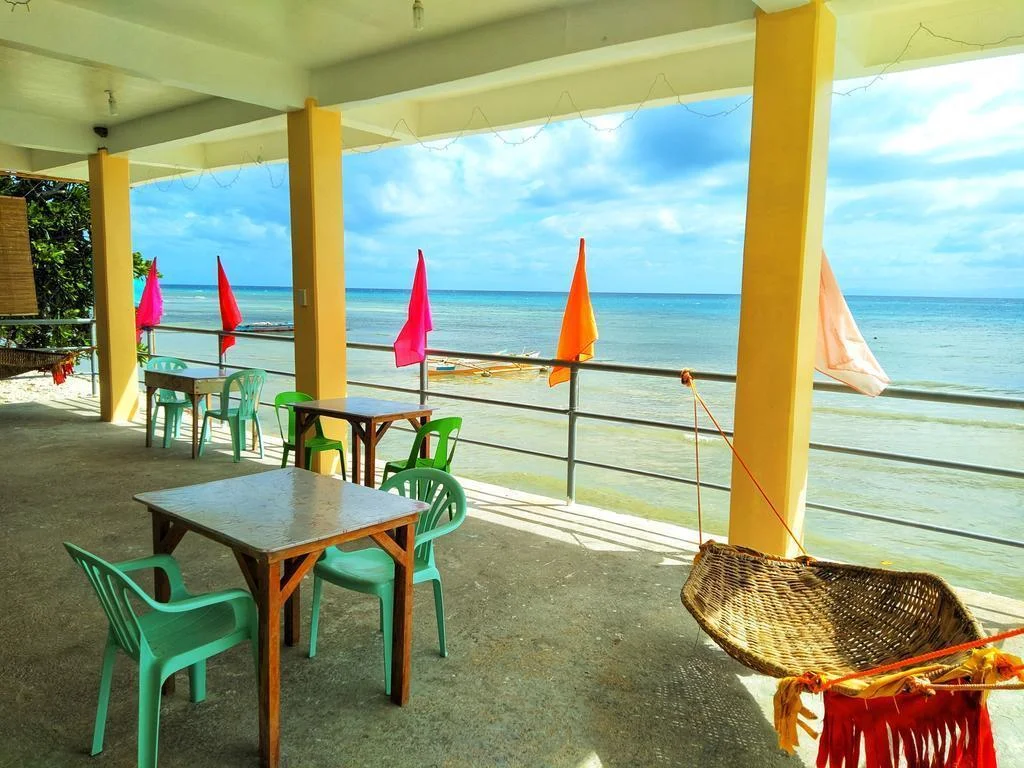
Ocean View Lodging House
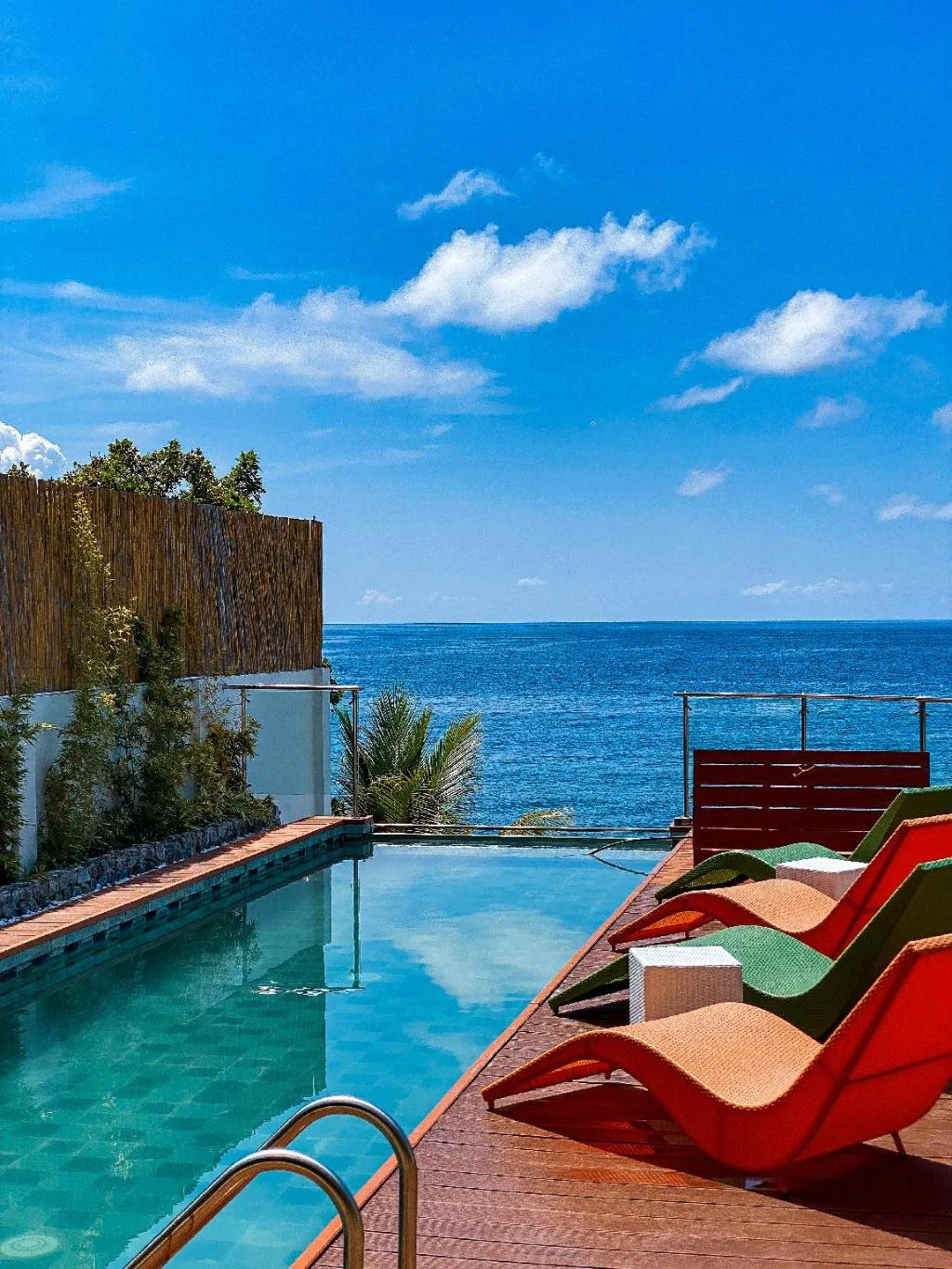
The South Hideaway Oslob
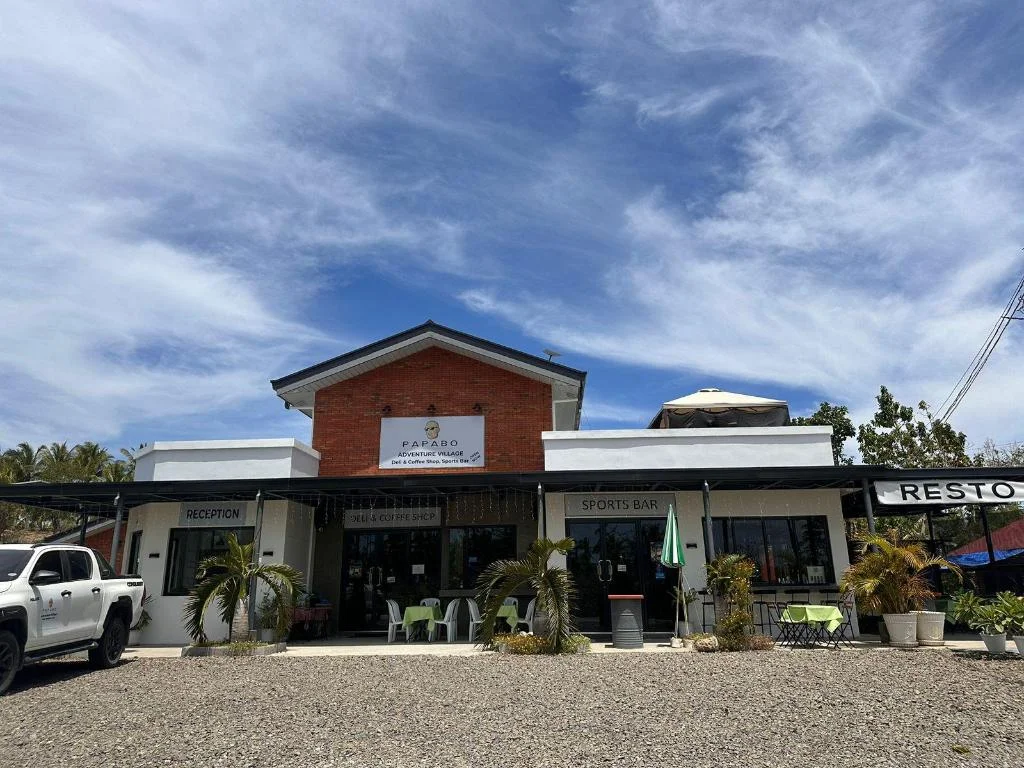
PAPABO Adventure Village
Before you go
Frequently asked
Is Cebu or Boracay better for a first trip to the Philippines?
Which has better beaches, Cebu or Boracay?
Is Cebu cheaper than Boracay?
How do you get to Boracay vs Cebu?
Which is better for diving and snorkeling, Cebu or Boracay?
Which has better nightlife, Cebu or Boracay?
Can you visit both Cebu and Boracay in one trip?
More Places to Explore
Whale Shark Watching
Oslob
Swim alongside gentle whale sharks, the world's largest fish, in one of the few places where these magnificent creatures can be reliably encountered.
Kawasan Falls
Badian
A stunning three-tiered waterfall famous for its turquoise waters, bamboo raft rides, and as the endpoint of the famous Badian canyoneering adventure.
Pescador Island
Moalboal
A world-class marine sanctuary featuring The Cathedral underwater cave and exceptional wall diving.