
TL;DR: Palawan (El Nido and Coron) has the more dramatic scenery — limestone cliffs, hidden lagoons, and legendary wreck diving — but it’s the harder, pricier trip: no direct international flights, near-mandatory island-hopping tours around ₱1,200–1,800 (US$19–29) a day, and slower connections between towns. Cebu is the easier, more flexible first trip — direct international flights into Mactan-Cebu, a genuine city plus waterfalls, whale sharks, and diving all within a few hours by road, and generally lower total trip costs once flights and tours are added up. Neither is “better” outright — this guide breaks down exactly where each one wins. Verified July 2026.
Cebu and Palawan are the two Philippine destinations that show up on almost every “where to go” shortlist, and they pull in very different directions. Palawan — specifically El Nido and Coron — is the postcard: karst cliffs, hidden lagoons, and boats gliding over impossibly clear water. Cebu is the all-rounder: a working city with an international airport, ringed by white-sand islands, waterfalls, and some of the best marine encounters in the country, including Oslob’s whale sharks and the reefs around Pescador Island. This guide compares them honestly on scenery, diving, logistics, cost, crowds, and how much time each one needs, so you can pick the trip that actually fits your time and budget — or plan both.
Cebu vs Palawan at a Glance (2026)
| What matters | Cebu | Palawan (El Nido / Coron / Puerto Princesa) |
|---|---|---|
| Getting there | Direct international flights into Mactan-Cebu (Asia hubs); direct domestic flight Cebu–Puerto Princesa (~1h35m) | Domestic-only airports; usually connect via Manila or Cebu first |
| Scenery | Varied — islands, waterfalls, mountain viewpoints, heritage city | The most dramatic in the country — karst cliffs, hidden lagoons |
| Diving/snorkeling | Sardine run, whale sharks, thresher sharks, reef diving — wide variety | World-class wreck diving (Coron), strong reef diving (El Nido) |
| Typical daily tour cost | Varies by activity; whale shark/canyoneering day trips ₱1,500–3,000 (US$24–48) | Island hopping ₱1,200–1,800 (US$19–29)/day in El Nido, more in Coron |
| Ease for first-timers | Easiest — flexible, drivable, good infrastructure | More effort — flights within flights, tour-dependent days |
| Time needed | 4–7 days covers a lot | 5–7+ days to see El Nido and Coron properly |
| Crowds | Concentrated at a few hotspots; easy to spread out | Island-hopping boats bunch up on the same routes by midday |
| Best for | First trip, variety, easy logistics, marine variety | Scenery-first travelers, divers, honeymoon/bucket-list trips |
Prices are typical ranges for 2026, converted at roughly ₱62 ≈ US$1 (July 2026); they vary by operator and season. Verified July 2026.
How Do You Get to Each One?
Cebu is the easier trip to reach from abroad. Mactan-Cebu International Airport (CEB) takes direct international flights from hubs across Asia — including Seoul, Tokyo, and Singapore — so a large share of foreign visitors can fly straight in without transiting Manila. There’s no direct service from CEB to Europe, North America, or most of the Middle East, but for travelers already in Asia, or connecting once through a regional hub, it’s a short hop.
Palawan is a domestic-only network. El Nido, Coron (Busuanga), and Puerto Princesa each have their own small airports, but none takes international flights. Most travelers fly into Manila first, then take a domestic leg onward — Cebu Pacific, Philippine Airlines, AirSWIFT, and SunlightAir all fly Manila–Coron in about an hour, and AirSWIFT and Cebgo fly Manila–El Nido in roughly 1 hour 20 minutes. There’s also a direct Cebu–Puerto Princesa flight (Cebu Pacific and Philippine Airlines, about 1 hour 35 minutes), which is the one shortcut if you’re already in Cebu and only want Puerto Princesa and the Underground River.
Moving between Palawan’s own towns is the part people underestimate. There is no direct flight from Puerto Princesa to El Nido or from Puerto Princesa to Coron — you’d fly back through Manila for either. Overland, Puerto Princesa to El Nido is about 5–6 hours by van. El Nido to Coron is best done by a direct AirSWIFT flight (about 40 minutes) or a multi-hour boat crossing that many travelers skip because of rough seas outside peak dry season. In short: pick one Palawan base per trip unless you have time to spare, or budget the extra flight/boat leg deliberately.
Which Has Better Scenery?
Palawan, and it’s not close. El Nido’s limestone karst towers rising straight out of turquoise water, and its hidden lagoons reached only by paddling under low rock openings, are some of the most photographed landscapes in the country. Coron adds the eerie blue of Kayangan Lake and a cluster of WWII Japanese shipwrecks sitting in impossibly clear water. If your trip is built around one jaw-dropping view after another, Palawan delivers on a different level.
Cebu’s strength is variety rather than one showstopper. In a single province you get white-sand islands, the crater-lake views from Kawasan Falls’ canyoneering route, mountain viewpoints above Cebu City, and a centuries-old heritage core downtown. Nothing in Cebu quite matches an El Nido lagoon shot, but you’re not committing your whole trip to one kind of landscape either — you can go from waterfall to beach to city in the same day.
Which Is Better for Diving and Snorkeling?
Both are genuinely strong, in different lanes.
Coron is a bucket-list dive destination, built around a cluster of WWII Japanese shipwrecks in clear, current-light water, plus striking topography around Coron Island itself. El Nido has solid reef diving too, alongside its island-hopping snorkel stops.
Cebu’s edge is the sheer variety of marine encounters you can string together in one trip. The Moalboal sardine run lets you snorkel directly off the beach into a moving wall of millions of fish, Oslob’s whale shark interaction is a controversial but hugely popular add-on, thresher sharks appear at dawn off Malapascua, and the reef around Pescador Island rounds it out. If you want wreck diving specifically, Palawan wins. If you want several very different marine experiences without long transfers between them, Cebu wins.
How Much Does Each One Cost?
This is where the two destinations genuinely diverge, and the honest answer has two layers: getting there and being there.
Getting there costs more for Palawan, almost always. Instead of one flight, you’re usually paying for two — Manila-to-Palawan on top of your international leg into Manila or Cebu — plus, in El Nido’s case, sometimes a van transfer from the airport. Cebu’s direct international access removes that second leg for a lot of travelers.
Once you’re there, day-to-day costs can look similar or even favor Palawan on paper — backpacker guesthouses in El Nido and Coron can be cheap, and street food and local eateries keep daily spend down. But Palawan’s headline activities are tour-dependent rather than optional: island hopping in El Nido (Tours A–D) runs roughly ₱1,200–1,800 per person (about US$19–29) plus a mandatory ₱300 in environmental and municipality fees, and Coron’s day tours land anywhere from about ₱2,600–3,600 (US$42–58) depending on route and group size. A Puerto Princesa Underground River visit adds another ₱1,085–2,500 (US$18–40) depending on whether you go DIY or pre-booked. Because these tours are close to the only way to see the sights, they’re not really skippable the way an optional day trip is in Cebu.
Cebu’s activities are more spread out by land, which keeps costs more optional and comparison-shoppable — you can mix a free public beach day with one paid tour (whale sharks or canyoneering, typically ₱1,500–3,000 / US$24–48) rather than paying for a boat every single day. Add up flights, transfers, and the tour load across a full trip, and Cebu usually comes out cheaper overall for the same number of days — though a no-frills backpacker week in El Nido can still undercut a hotel-heavy Cebu trip. Confirm current tour and flight prices locally before you book; they shift with season and fuel costs.
Which Is Easier for First-Time Travelers?
Cebu, clearly. Roads connect most of the province, Grab works in the city, buses run south and north on fixed schedules, and if a plan falls through you can usually pivot to something else nearby the same day. It’s the kind of place where a loosely planned itinerary still works out.
Palawan rewards — and somewhat requires — more planning. Days are often built around a single booked tour (an island-hopping boat with a fixed route, a permitted river visit with a capped daily quota), transfers between towns take hours, and weather can cancel a boat day outright with no easy backup plan. None of this makes Palawan difficult exactly, but it’s less forgiving of a loose itinerary than Cebu is.
How Long Do You Need?
Cebu works well from 4–7 days for a first visit — enough time for the city, one or two beach or diving stops, and a waterfall or canyoneering day, without feeling rushed thanks to short travel times between them.
Give Palawan at least 5–7 days, and closer to 10 if you want El Nido, Coron, and Puerto Princesa’s Underground River all in one trip — the connections between them (via Manila, or a long road/boat leg) eat travel days fast. A rushed 3–4 day Palawan trip usually means picking just one town and accepting you’ll spend a chunk of it in transit either way.
The Honest Take
Both destinations earn their reputations, but they’re not interchangeable, and the marketing photos can be misleading about the effort involved.
Palawan’s lagoons and wrecks are worth the hype — the honest caveat is that the postcard shots involve a fair amount of queueing: island-hopping boats cluster on the same handful of routes, so by midday, popular stops like El Nido’s Big Lagoon can feel more like a boat parking lot than a secluded paradise. Go early, or go in shoulder season, to get anything close to the empty-lagoon photo.
Cebu’s honest weak spot is that it doesn’t have one single “wow” view to rival El Nido — what it has instead is breadth, and a much lower cost of admission to see a lot of different things. Oslob’s whale shark interaction is also worth going in with eyes open about: it’s a paid, semi-controlled feeding encounter, not a wild sighting, and it divides opinion among divers and conservationists. If that matters to you, weigh it before booking.
Skip Palawan for now if you have less than 5 days, you’re traveling on a tight budget and want more flexibility day to day, or you want variety over one type of scenery. Skip Cebu for now if dramatic, once-in-a-lifetime scenery is the entire point of the trip and you’re willing to spend extra time and money getting there. Peak season for both is December–May; outside that window, expect lower prices but rougher seas and a real chance of a cancelled boat day in either destination.
How to Choose — By Traveler Type
- First-timer to the Philippines with under a week: Cebu. Easier access, more forgiving logistics, and enough variety in one place.
- Diver chasing wrecks and pristine reefs: Palawan (Coron especially).
- Traveler who wants one iconic, lagoon-postcard trip: Palawan (El Nido), budgeting extra days and cash for transfers.
- Family or budget-conscious traveler wanting flexibility: Cebu — more optional activities, easier to adjust plans day to day.
- Two-week trip or more: Do both. Fly into Cebu first for the easier international entry, then take the Cebu–Puerto Princesa direct flight (or connect through Manila) for the Palawan leg. See our Cebu vs Boracay vs Palawan guide if you’re weighing a three-way trip instead of just two.
Planning Your Cebu Leg
If Cebu is on your list — either as the whole trip or the first half of a Cebu-and-Palawan combo — start with why Cebu works well for first-time foreign visitors for the full logistics picture, then compare it against a beach-first alternative in our Cebu vs Boracay guide or a shorter island-hop alternative in Cebu vs Bohol. For the trip itself, browse Cebu tours and island-hopping activities on Klook and compare Cebu City hotels on Agoda before the dry-season crowds book up the good rooms.
If you’re leaning toward Palawan, check El Nido and Coron tours on GetYourGuide and compare accommodation in El Nido on Agoda — both fill up fast in peak months, and popular island-hopping slots can sell out days ahead in high season.
Sources
- Mactan-Cebu International Airport — official flight information
- Cebu Pacific Air — route network
- El Nido island-hopping tour pricing (Tours A–D) verified against 2026 operator listings and local tour guides
- Coron island-hopping and day-tour pricing verified against 2026 operator listings (Klook, Viator)
- Puerto Princesa Underground River permit and tour fees verified against the official Puerto Princesa Underground River site and 2026 travel reports
- Flight routes and connection times cross-checked against FlightConnections and airline schedules, June–July 2026
- Some links on this page are affiliate links — if you book through them we may earn a small commission at no extra cost to you. We only recommend things we’d tell a friend to do. Verified July 2026.
Book Tours & Hotels for This Trip
Find and book the best deals — prices and availability update in real time. Links open in a new tab.
Where to stay near Moalboal
Top-rated hotels for this trip — tap through to check live rates.
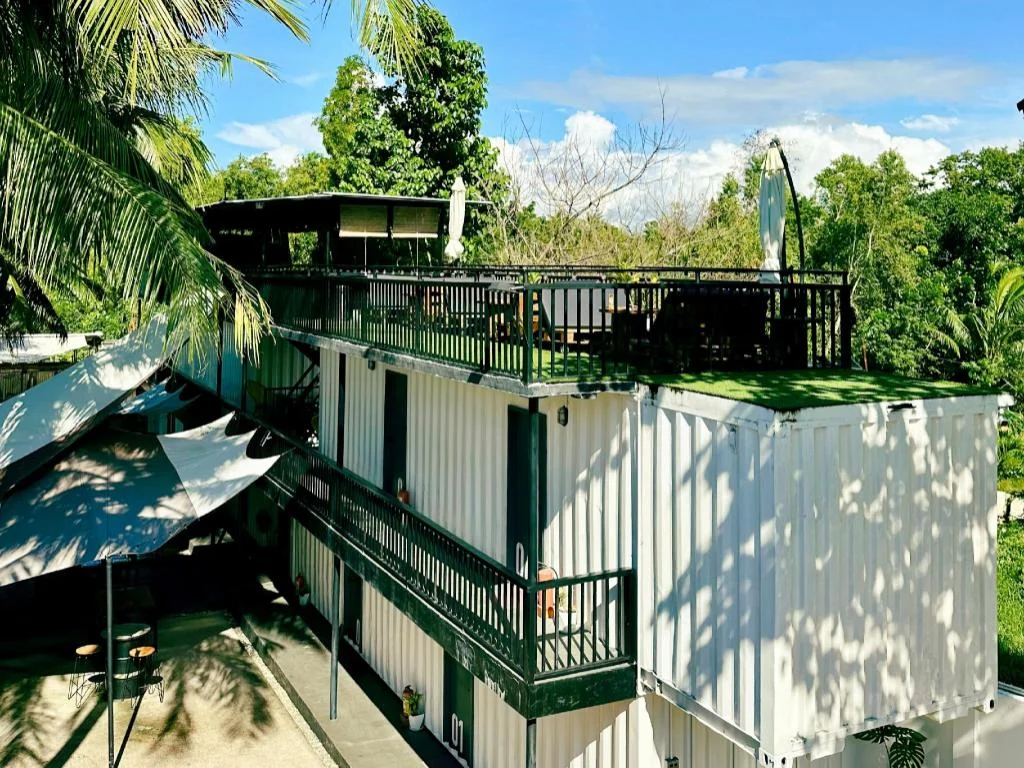
PIG DIVE HOSTEL MOALBOAL
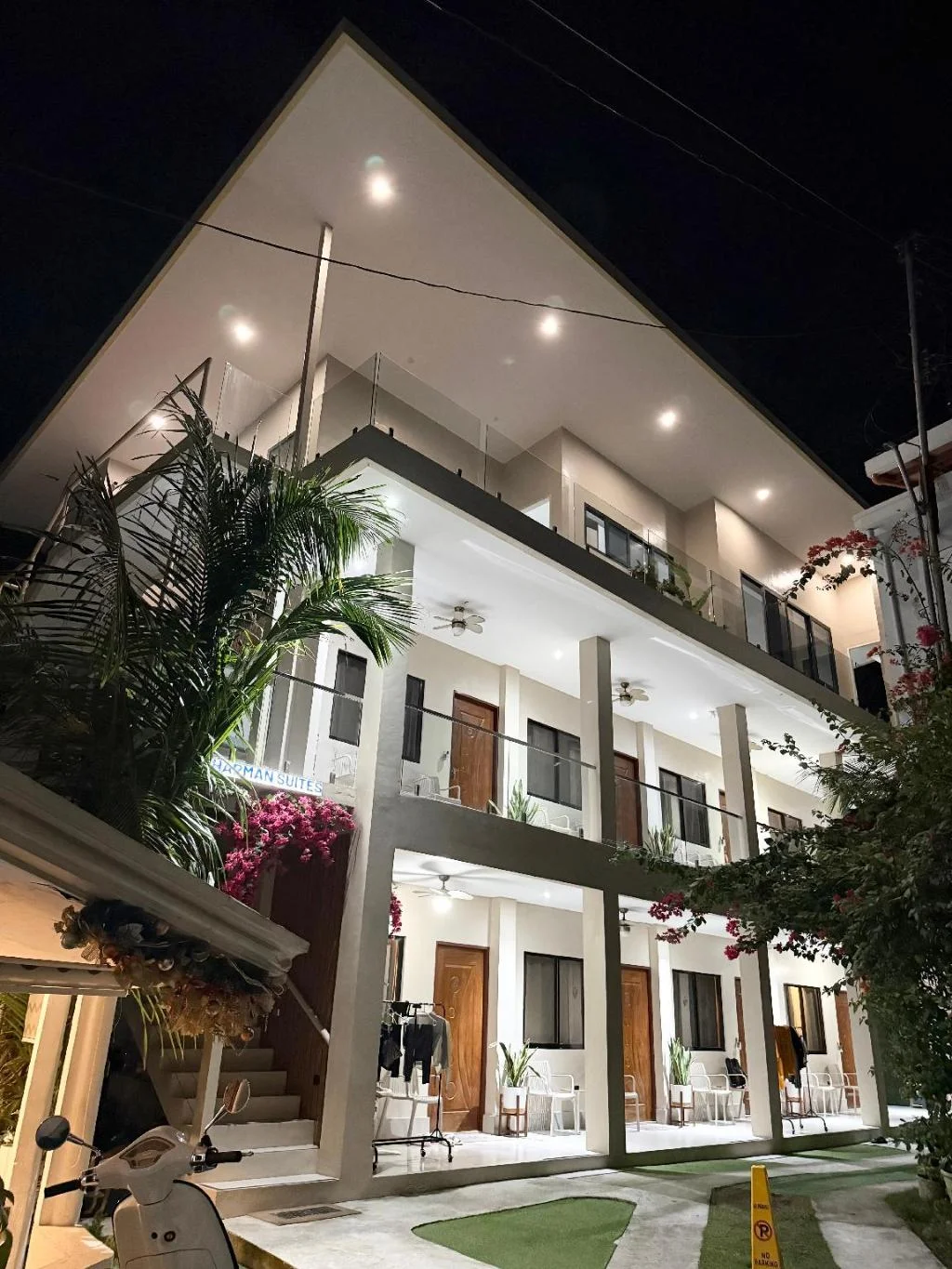
Harman Suites Moalboal
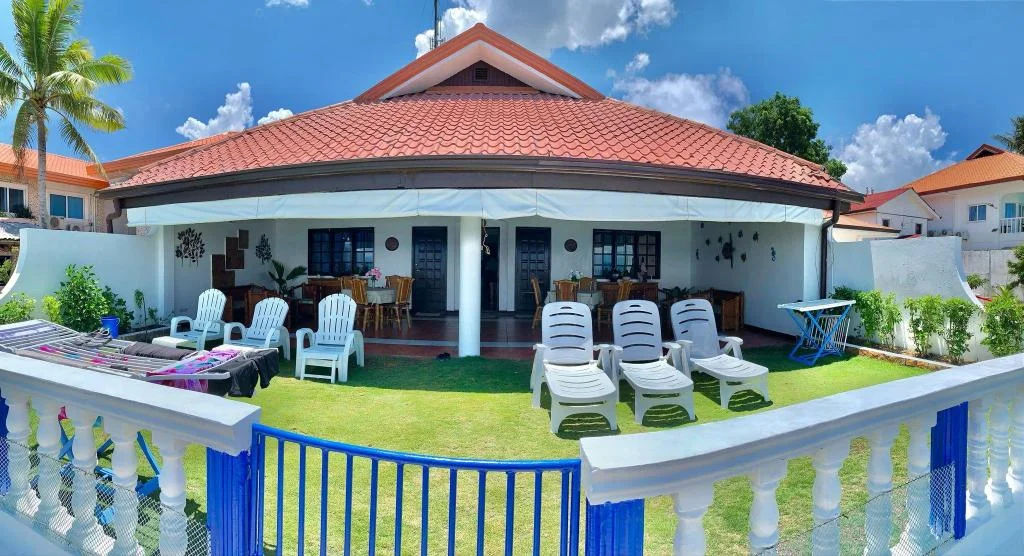
Il Sogno Resort
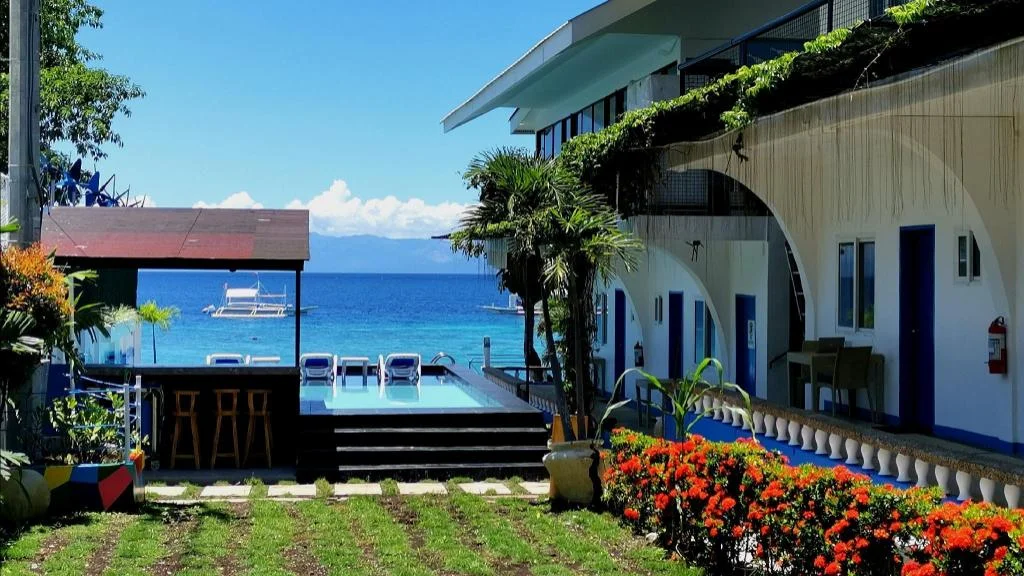
Pescadores Suites Moalboal
Prefer a rental? Vacation rentals near Moalboal
Self-catering condos and apartments — book the exact unit, kitchen included.
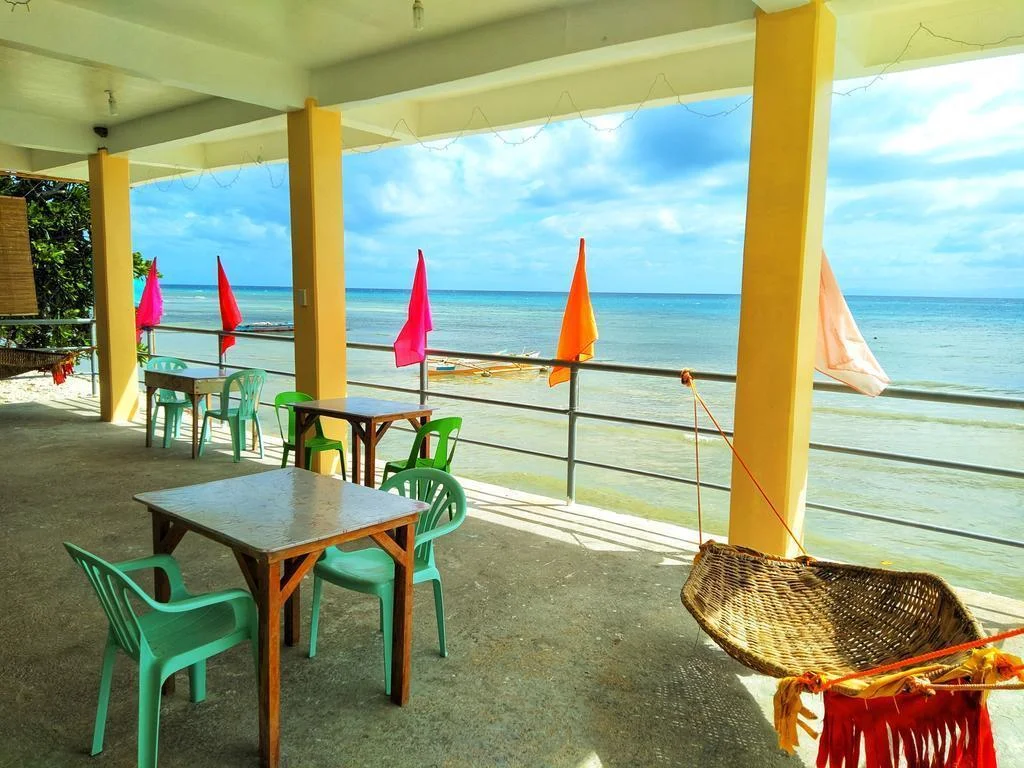
Ocean View Lodging House
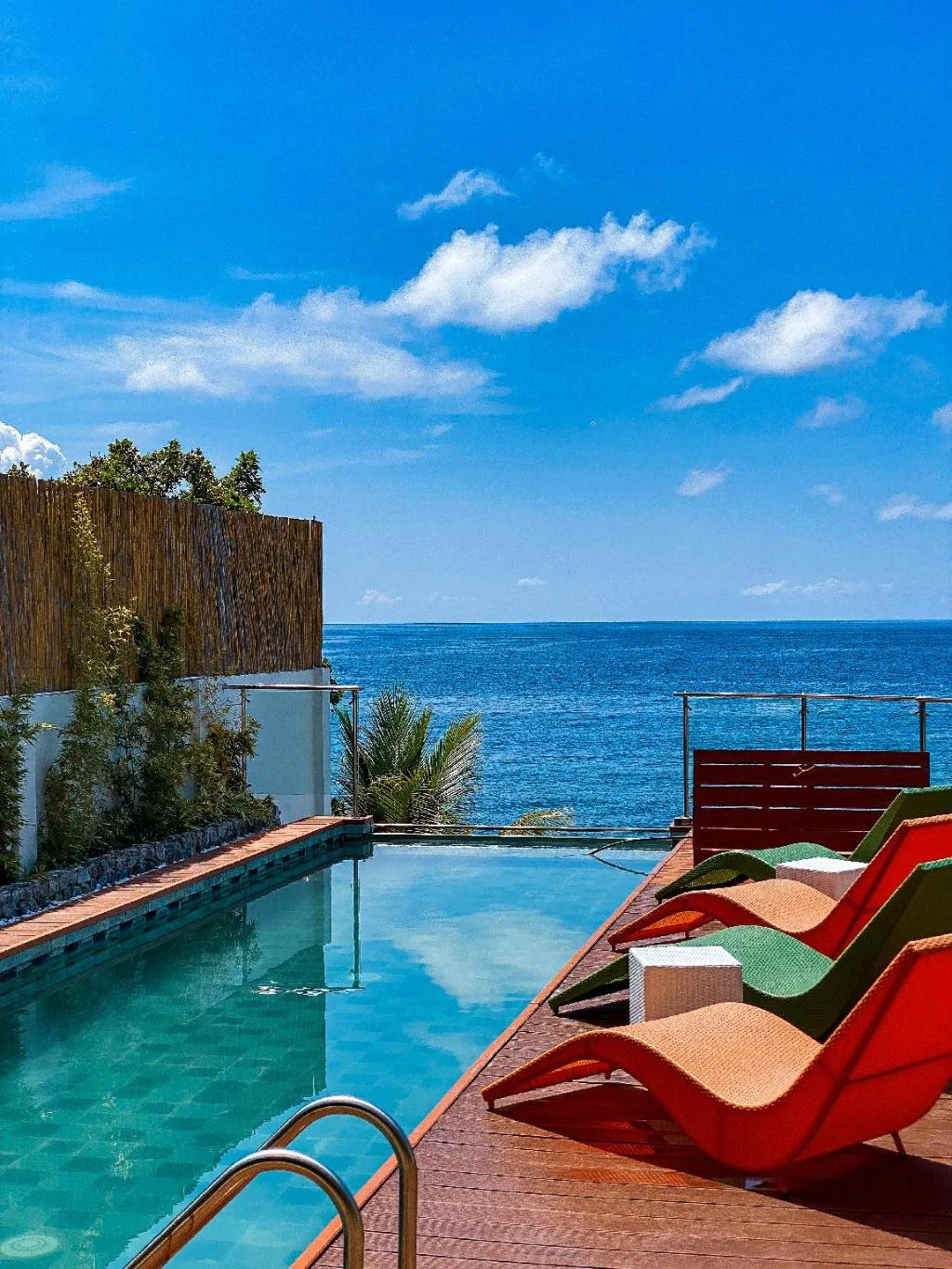
The South Hideaway Oslob

PAPABO Adventure Village
Before you go
Frequently asked
Is Cebu or Palawan better for first-timers to the Philippines?
Which has better scenery, Cebu or Palawan?
Is Palawan more expensive than Cebu?
How do you get between Cebu and Palawan?
Which is better for diving, Cebu or Palawan?
How many days do you need for Palawan versus Cebu?
Are Cebu and Palawan equally crowded?
Can you visit both Cebu and Palawan in one trip?
More Places to Explore
Pescador Island
Moalboal
A world-class marine sanctuary featuring The Cathedral underwater cave and exceptional wall diving.
Kawasan Falls
Badian
A stunning three-tiered waterfall famous for its turquoise waters, bamboo raft rides, and as the endpoint of the famous Badian canyoneering adventure.
Whale Shark Watching
Oslob
Swim alongside gentle whale sharks, the world's largest fish, in one of the few places where these magnificent creatures can be reliably encountered.