
TL;DR: Thailand is cheaper overall by roughly 15–25% for a typical two-week trip, mostly driven by flights and inter-island transport — Cebu’s archipelago geography means island-hopping often needs a domestic flight or ferry that Thailand’s overland network avoids. Day-to-day, though, the gap narrows: Cebu beats Thailand on alcohol (a San Miguel runs ₱35–65 / US$0.56–1.05 versus ₿80–120 / US$2.50–3.50 for a Chang), while Thailand beats Cebu on restaurant food, hostels, and diving certification. A backpacker day runs ₱2,000–3,200 (US$32–52) in Cebu versus ₿1,000–1,500 (US$30–45) in Thailand. Verified July 2026.
If you’re choosing between a Philippines trip and a Thailand trip — or trying to decide whether to bolt one onto the other — cost is usually the first question. Both give you white-sand beaches, diving, and cheap-ish tropical living, but they don’t cost the same, and the differences aren’t always where people assume. This guide breaks the comparison down by category: accommodation, food, transport, diving, alcohol, and flights, using real 2026 prices in pesos and baht with US dollar equivalents throughout (₱62 ≈ US$1, ₿33 ≈ US$1). It’s written from the Cebu side, so if you’re deciding where to spend your trip — or splitting time between Cebu and Phuket — you’ll get the honest numbers, not the marketing version.
Cebu vs Thailand: Cost at a Glance
| Category | Cebu, Philippines | Thailand (Bangkok/Phuket) |
|---|---|---|
| Backpacker daily budget | ₱2,000–3,200 (US$32–52) | ₿1,000–1,500 (US$30–45) |
| Mid-range daily budget | ₱4,000–7,000 (US$65–113) | ₿2,000–3,300 (US$60–100) |
| Hostel dorm / night | ₱700–1,200 (US$11–19) | ₿200–500 (US$6–15) |
| Mid-range hotel / night | ₱1,500–3,000 (US$24–48) | ₿2,500–3,500 (US$75–105) |
| Street food / local meal | ₱60–150 (US$0.97–2.42) | ₿40–80 (US$1.20–2.40) |
| Sit-down restaurant meal | ₱350–700 (US$6–11) | ₿130–260 (US$4–8) |
| Local beer, ordinary bar | ₱35–65 (US$0.56–1.05) | ₿80–120 (US$2.50–3.50) |
| Short Grab ride in town | ₱120–250 (US$1.94–4.03) | ₿100–200 (US$3–6) |
| PADI Open Water course | ₱15,900–22,000 (US$256–355) | ₿10,000–16,000 (US$300–485) |
| Island-hopping day tour | ₱2,050–5,950 (US$33–96) | ₿750–4,900 (US$23–148) |
| Round-trip flight from Australia | from ~US$329 | from ~US$203 |
Verified July 2026.
Is Accommodation Cheaper in Cebu or Thailand?
It’s close, and it splits by tier. Thailand generally has cheaper backpacker beds — a hostel dorm in Bangkok or Phuket runs ₿200–500 (about US$6–15), while an equivalent Cebu hostel dorm is closer to ₱700–1,200 (US$11–19). Flip to mid-range hotels and Cebu often comes out ahead: a solid 3-star room in Cebu City or Mactan runs ₱1,500–3,000 a night (US$24–48), where a comparable mid-range hotel in resort-heavy Phuket runs ₿2,500–3,500 (US$75–105). Bangkok’s mid-range hotels are cheaper than Phuket’s, closer to Cebu’s numbers, so the real split isn’t “Thailand vs Philippines” so much as “resort island vs city” — Phuket and Mactan are both pricier than their respective mainland cities.
Is Food Cheaper in Thailand or Cebu?
Thailand wins, mainly on restaurant meals. Street-level eating is close: a plate of pad thai from a local stall runs ₿40–80 (US$1.20–2.40), about the same as a carinderia meal in Cebu at ₱60–150 (US$0.97–2.42). The gap opens up once you sit down at an actual restaurant — Thailand averages ₿130–260 (US$4–8) for a casual restaurant meal, while Cebu runs ₱350–700 (US$6–11) for the same tier. Western food (burgers, pizza, imported ingredients) is pricier in both countries relative to local dishes, and the premium is similar — expect US$8–18 either way. If you eat where locals eat, both destinations are genuinely cheap; the moment you step into an air-conditioned restaurant, Thailand pulls ahead.
How Do Transport Costs Compare?
Thailand is cheaper for getting around, and it’s the single biggest driver of the overall cost gap. Within a city, the numbers are similar: a short Grab ride in Cebu City runs ₱120–250 (US$1.94–4.03), and a short Grab in Phuket runs ₿100–200 (US$3–6) — though Phuket’s cross-island trips (Bang Tao to Rawai, for example) can hit ₿500–700 (US$15–21) since the island has no real public transport backbone. Cebu’s advantage here is its bus network: a bus from Cebu City to Oslob or Moalboal costs ₱100–200 (US$1.61–3.23), and Angkas motorbike taxis start around ₱60 (US$1) for short hops.
The real cost difference shows up between regions. A two-week Thailand trip typically spends only US$80–120 on inter-city transport (buses, trains, occasional flights), while a comparable Philippines trip covering Cebu City, a south Cebu base like Moalboal, and an island like Bantayan can run US$200–300, because more of that movement requires a flight or ferry rather than an overland bus. That’s the “archipelago tax” — it’s the main reason Thailand comes out ahead in most side-by-side budget breakdowns. Our Cebu prices guide has the full local rundown if you’re staying Cebu-only.
Is Diving Cheaper in Cebu or Thailand?
Thailand’s Koh Tao is cheaper for certification; Cebu wins on what you get to see. A PADI Open Water course on Koh Tao runs roughly ₿10,000–16,000 (US$300–485), while Moalboal — Cebu’s main dive hub — runs ₱15,900–22,000 (US$256–355) depending on the operator, with some schools undercutting Koh Tao at the low end. Koh Tao’s sheer volume of dive shops keeps its floor price lower and its market genuinely competitive.
Where Cebu pulls ahead is on marine life you can’t buy in Thailand at any price: the Moalboal sardine run is a wall of millions of fish right off the shore, no boat required, and Oslob’s whale shark watching costs about ₱1,000 (US$16) for a near-guaranteed encounter — Thailand has no equivalent guaranteed whale shark site. Island-hopping day tours are similar in price on both sides: Cebu runs ₱2,050–5,950 (US$33–96) to visit spots like Hilutungan and Nalusuan, while Thailand’s Phi Phi tours range from ₿750 longtail trips (US$23) up to ₿4,900 luxury catamarans (US$148).
Which Has Cheaper Alcohol and Nightlife?
The Philippines, clearly — this is Cebu’s biggest win in the whole comparison. A San Miguel or Red Horse in an ordinary Cebu bar costs about ₱35–65 (US$0.56–1.05), and some low-key bars sell bottles for around ₱20 (US$0.32). In Thailand, a local Chang or Singha at a bar typically runs ₿80–120 (US$2.50–3.50) — two to three times the price for the same category of drink, driven largely by Thailand’s higher alcohol excise tax. Retail beer is closer (a large Chang at a Thai supermarket runs ₿50–60, about US$1.50–1.75, similar to San Miguel off a Philippine store shelf), but the moment you’re drinking out, Cebu is meaningfully cheaper.
Which Is Cheaper to Fly To?
Bangkok, usually, especially from Australia and Europe. Round-trip flights from Australia to Bangkok start around US$203–275, while flights to Cebu from Australia start around US$329–406 — Bangkok’s status as a major long-haul hub with dozens of competing airlines keeps its fares lower. If you’re already in Southeast Asia, hopping between the two is cheap: budget carriers fly Cebu to Bangkok or Phuket for roughly US$96–210 one-way, which is why combining a Cebu leg with a Thailand leg on one trip is a realistic option rather than an either-or decision. Check when to book cheap flights to Cebu if Cebu is part of your route regardless.
How to Choose: Cebu, Thailand, or Both
If your budget is the deciding factor and you’re flying from outside Asia, Thailand’s lower flight costs and cheaper restaurant food give it a real edge — pick Thailand if you’re optimizing hard for value per dollar, especially on a longer multi-region trip. If diving certification price is your main lever, Koh Tao beats Moalboal on the number, though not dramatically.
Pick Cebu if you want cheaper nights out, want to combine city, mountain, and beach in a smaller radius, or want marine encounters (sardine runs, whale sharks) that Thailand simply doesn’t offer at a comparable price. And if you can swing it, doing both on one trip isn’t the budget-buster it sounds like — the connecting flight is often under US$150.
The Honest Take
Neither destination is “cheap” anymore the way old backpacker forums describe — both have gotten pricier since the pandemic, and both now charge new tourist fees (Thailand’s ₿300 arrival fee took effect in 2026; the Philippines has its own e-Travel and terminal fees). What hasn’t changed is the shape of the gap: Thailand’s advantage is structural — a mature tourism economy with dense transport links and more competing operators driving prices down. Cebu’s advantage is experiential — you’re paying Philippine prices for things Thailand can’t sell you, like the sardine run or Oslob’s whale sharks, and you’re paying less for a night out doing it.
Where Cebu genuinely loses is the archipelago tax on multi-stop itineraries — every province you add costs more here than the equivalent hop would in Thailand. Where Thailand loses is variety at a single price point: Phuket and Phi Phi are more crowded and more built-up than Cebu’s south coast at a similar cost. If you’re chasing the lowest number on a spreadsheet, book Thailand. If you’re chasing specific experiences per dollar spent, Cebu still competes.
Combine It With the Rest of Your Trip
If you’re spending time in Cebu City between beach and mountain days, the free-to-cheap sightseeing holds its own against Thailand’s temple circuit — Temple of Leah and Tops Lookout cost little more than a habal-habal ride up the hill, similar to the entrance fees at most Thai temples. For the full day-by-day math on staying in Cebu specifically, see our breakdown of what a Cebu trip actually costs and our Cebu vs Phuket comparison if you’re still deciding between the two.
Ready to book the Cebu side of the trip? Compare Cebu City and Moalboal hotel rates on Agoda, or look up Moalboal diving and Oslob whale shark tours on Klook to see current package pricing before you commit to a country.
Sources
- BudgetYourTrip — Cebu travel cost data
- TripPick — Cebu travel cost guide 2026
- Machu Picchu Travel — Phuket budget guide 2026
- Off Path Thailand — street food prices 2026
- Black Turtle Dive / Scuba Birds — Koh Tao PADI course prices
- Cebu Fun Divers — Moalboal dive and course rates
- WhyCebu — Oslob whale shark price and entrance fee
- TaxiFareFinder — GrabCar Cebu fare estimates
- Phuket Travel Experience — Grab fares in Phuket 2026
- Flight pricing checked against Skyscanner, Kiwi.com, and momondo listings for Cebu–Bangkok, Cebu–Phuket, and Australia–Bangkok/Cebu routes, July 2026.
- Verified July 2026.
Book Tours & Hotels for This Trip
Find and book the best deals — prices and availability update in real time. Links open in a new tab.
Where to stay near Cebu City
Top-rated hotels for this trip — tap through to check live rates.
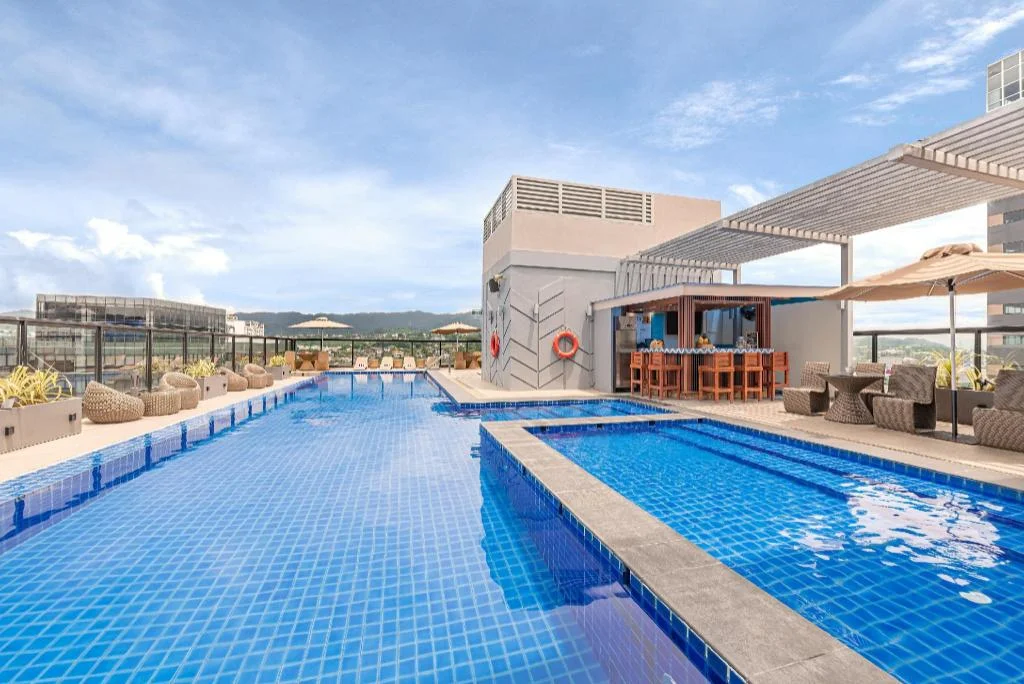
Seda Central Bloc Cebu City
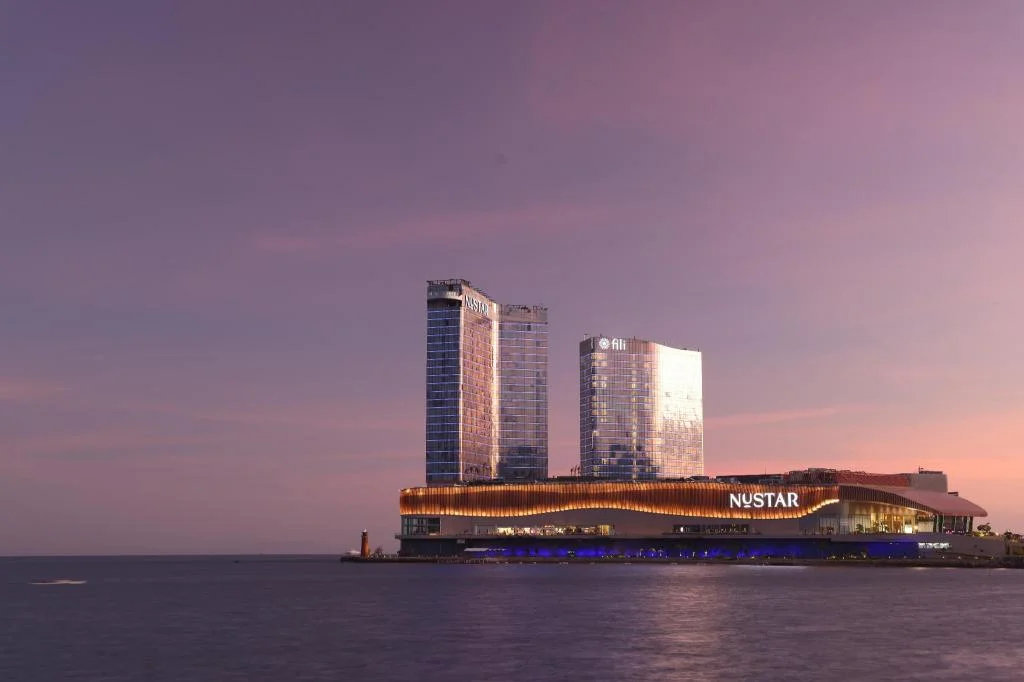
Fili Hotel - NUSTAR Resort & Casino Cebu

Holiday Inn Cebu City By IHG

Citadines Cebu City
Prefer a rental? Vacation rentals near Cebu City
Self-catering condos and apartments — book the exact unit, kitchen included.
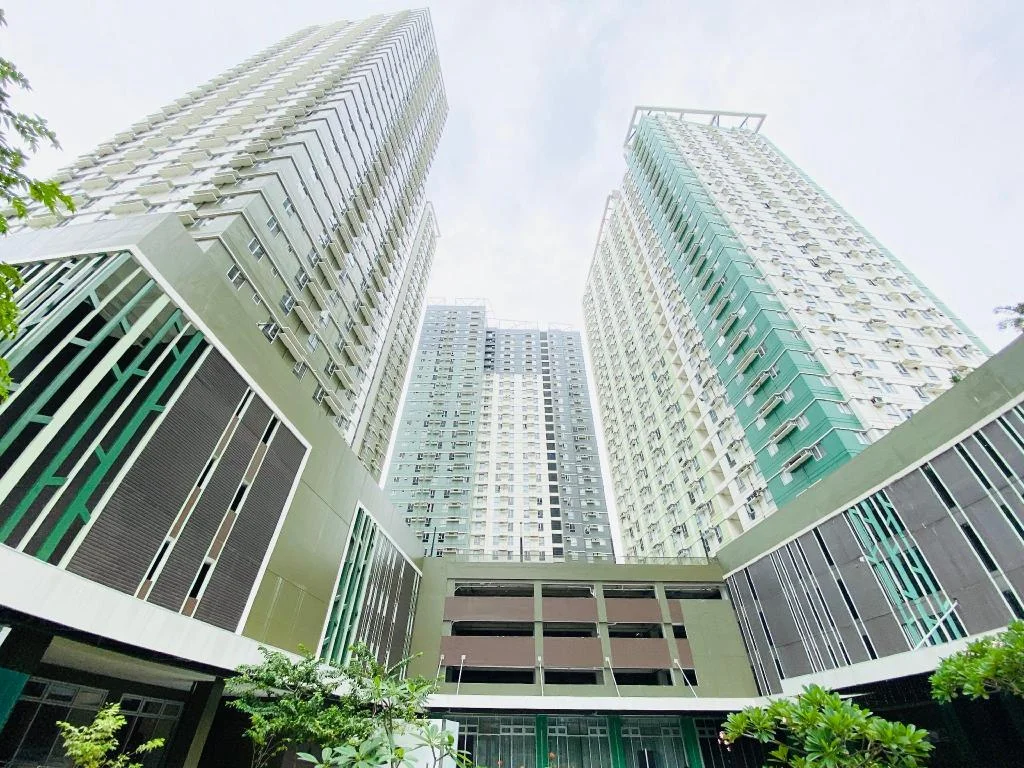
Cebu Avida Riala by P&J

Special Big Loft Unit w/Fibreop Internet & Netflix

Moonstar Cebu Hotel - Deluxe Room
Before you go
Frequently asked
Is Thailand cheaper than Cebu overall?
Is food cheaper in Thailand or the Philippines?
Is diving cheaper in Cebu or Koh Tao?
Is alcohol cheaper in the Philippines or Thailand?
Which is cheaper to fly to, Cebu or Bangkok?
Can you do a Cebu trip on the same budget as Thailand?
Which is better value for a beach and diving trip?
More Places to Explore
Temple of Leah
Cebu City
A magnificent Roman-inspired temple built as a monument of love, nicknamed 'Cebu's Taj Mahal,' offering stunning architecture and city views.
Tops Lookout
Cebu City
Cebu City's premier hilltop viewpoint offering stunning panoramic views of the city, especially spectacular at sunset and nighttime.