
TL;DR: Yes — ferry travel in Cebu is generally safe, especially on fastcraft catamarans (OceanJet, SuperCat) to Bohol, Bantayan, and Camotes. The Philippines’ worst disasters — Doña Paz (1987, ~4,386 dead) and MV Trisha Kerstin 3 (Jan 2026, 65+ dead) — involved larger RO-RO vessels, overcrowding, and manifest failures, not passenger-only fastcraft. Check the weather signal and book direct. Verified July 2026.
This is the honest, balanced answer to a real anxiety — not a brochure and not a scare piece. The Philippines has a genuinely mixed ferry safety record, and the useful thing is understanding which part of that record applies to the boat you’re actually booking.
Ferry Safety in Cebu at a Glance
| Question | Short answer |
|---|---|
| Is it safe overall? | Generally yes, especially on modern fastcraft operators |
| Worst historical disaster | MV Doña Paz, Dec 1987 — ~4,386 dead, collision + overcrowding + fire |
| Most recent major disaster | MV Trisha Kerstin 3, Jan 26, 2026 — 65+ dead, a RO-RO ferry, overloaded and inaccurately manifested |
| What differs on fastcraft | Passenger-only catamarans, no vehicle decks, life vests/rafts for 100% capacity required |
| Recent fastcraft incidents | MV OceanJet 2 grounding (Sept 2025) — no fatalities, all 53 aboard rescued |
| What triggers a suspension | PCG halts all sea travel on a route at Wind Signal #1 or higher |
| Typhoon season | Roughly June–November; cancellations usually 12–48 hours, with free rebooking |
Verified July 2026. Book direct with the operator and check current advisories before travel — conditions and schedules change with weather.
Is It Safe to Travel by Ferry in Cebu and the Philippines?
Yes, generally — and the fastcraft operators tourists actually use for Cebu’s short hops (OceanJet, SuperCat, Lite Ferries) are a meaningfully safer category than the incidents that built the country’s reputation. That reputation is real and earned: the Philippines has had some of the deadliest ferry disasters in world history. But those disasters share a specific profile — large roll-on/roll-off (RO-RO) vessels carrying vehicles and cargo alongside passengers, overloaded beyond certified capacity, with inaccurate passenger manifests. That’s a different animal from a 30-knot passenger catamaran running Cebu to Tagbilaran with no vehicle deck at all.
The honest anxiety question isn’t “are Philippine ferries safe,” it’s “which class of ferry am I booking, and is the operator following the rules.” For the routes covered on this site — Cebu to Bohol, Bantayan, Camotes, and similar hops — the answer skews clearly toward yes.
What Happened with Doña Paz — and Why People Still Bring It Up
MV Doña Paz collided with the oil tanker MT Vector on December 20, 1987, in the Tablas Strait, and both vessels sank within hours. A 1999 government report put the death toll at roughly 4,386 — the deadliest peacetime maritime disaster ever recorded, surpassing the Titanic. The ferry was certified for 1,518 passengers, but off-the-books ticket sales meant an estimated three times that many were actually aboard. When the tanker’s fuel ignited, the fire spread so fast that lifeboats were never launched; most victims went into burning, oil-covered water without life jackets.
Doña Paz is why “Philippine ferry” carries a specific dread for a lot of travelers, and it’s a fair thing to know about. But it’s also nearly 40 years old, and it happened under a manifest and overloading culture the Maritime Industry Authority (MARINA) has spent decades trying to close down — with mixed but real progress, and with a sobering reminder in 2026 that the underlying failure mode hasn’t disappeared everywhere.
Has a Bad Ferry Accident Happened Recently?
Yes, and it’s worth being straight about it: MV Trisha Kerstin 3, a RO-RO passenger ferry, sank near Basilan on January 26, 2026, killing at least 65 people, with more missing and 293 rescued. MARINA’s investigation found the vessel had exceeded its passenger manifest, that vehicles boarding the RO-RO weren’t weighed as legally required, and that the crew failed to properly brief passengers on safety procedures as the ship began to list. In response, the Department of Transportation fired the local MARINA station chief, the Philippine Coast Guard’s Zamboanga district head, and 12 other officials.
That’s a genuinely bad, genuinely recent disaster, and it belongs in an honest answer to this question — not buried under reassurance. What it shares with Doña Paz is the profile: a RO-RO vessel, overloading, and manifest failures, not the fastcraft catamaran category most Cebu-based travelers book.
How Is a Fastcraft Like OceanJet Different from a RO-RO Ferry?
Fastcraft are smaller, faster, passenger-only catamarans — no vehicle deck, no cargo hold competing for weight capacity against passenger safety margins. OceanJet, for example, runs a fleet of modern high-speed catamarans reaching around 30 knots and operates under the Philippine Ship Safety Rules and Regulations (PSSRR), which build in International Maritime Organization (IMO) SOLAS requirements — including life vests and inflatable rafts sufficient for 100% of certified passenger capacity.
That doesn’t mean fastcraft are incident-free. In September 2025, MV OceanJet 2 ran aground in waters between Bohol and Getafe; the Philippine Coast Guard rescued all 36 passengers and 17 crew safely, with no reported fatalities. In March 2026, a formal complaint over M/V Ocean Jet 10 — rodents, obstructed emergency exits, and crew sleeping in passenger areas on a Cebu-Getafe run — led MARINA to order corrective action, which OceanJet began implementing within days. Both are real, documented lapses. Neither is a Doña Paz or a Trisha Kerstin. The difference is category: mechanical and housekeeping failures that get caught and corrected, versus structural overloading that sinks a ship.
What Should You Check Before Booking a Ferry in Cebu?
A few habits handle almost all of the realistic risk on a Cebu ferry trip:
- Book directly through the operator — OceanJet, SuperCat, or Lite Ferries’ own site or app — rather than an unofficial reseller, so your booking and manifest entry are accurate.
- Check the weather and PAGASA signal for your travel date before you lock in a schedule, especially June through November.
- Confirm the route hasn’t been suspended. The Philippine Coast Guard posts route-specific suspensions; operators will also message ticket holders directly.
- Sit through the safety briefing and note where the life vests are — tedious, but it’s the one thing that matters if something does go wrong.
- Wear a vest if one’s offered, particularly on open-deck sections or in rough weather.
None of this is unique caution for the Philippines — it’s the same basic diligence that makes any ferry trip anywhere safer, just applied deliberately instead of skipped out of habit.
How Does Typhoon Season Affect Ferry Travel?
Typhoon season runs roughly June through November, and the Philippine Coast Guard suspends all sea travel on a route once a Tropical Cyclone Wind Signal #1 or higher is raised for that area — a hard rule, not a suggestion operators can override. Suspensions typically run 12–48 hours, and once lifted, operators may need another half-day to clear the backlog of rebooked passengers. If your trip is cancelled for weather, every major operator offers free rebooking to the next available departure or a refund, usually processed within 7–15 banking days.
The practical implication for trip planning: build a buffer day around any inter-island ferry leg during typhoon season, especially if you have a flight to catch afterward. A cancelled ferry is a scheduling problem, not a safety failure — the suspension is the system working as designed.
The Honest Verdict
Put plainly: the fastcraft ferries that dominate Cebu’s tourist routes are safe by any reasonable standard, and the disasters that shaped the Philippines’ reputation are a different category of vessel operating under a different failure mode. Doña Paz and the 2026 Trisha Kerstin sinking are real, both tragic, and both involved RO-RO ferries, overloading, and manifest failures — not the passenger-only catamarans covered in this guide. MARINA’s ongoing enforcement against operators like OceanJet — grounding investigations, sanitation complaints, corrective orders — is evidence the regulatory system is actively working, not evidence of hidden danger.
Book with a known operator, check the weather, don’t fight a suspended signal, and the odds are solidly in your favor. For the full port-by-port breakdown of routes, schedules, and prices, see the complete Cebu ferry port guide and the OceanJet vs 2GO fast ferry comparison. If you’re timing a trip around Moalboal or Oslob during storm season, the typhoon season safety planning guide covers how to build in flexibility.
FAQ
Is it safe to travel by ferry in Cebu and the Philippines?
Yes, generally, especially on modern fastcraft operators like OceanJet and SuperCat. The country’s worst disasters involved larger RO-RO vessels with overcrowding and manifest failures, not the catamaran fastcraft that dominate short Cebu routes.
What was the Doña Paz disaster and why do people still bring it up?
MV Doña Paz collided with the tanker MT Vector in December 1987 and sank with an estimated 4,386 deaths — the deadliest peacetime maritime disaster in history, caused by severe overcrowding and a fire that prevented lifeboat launches.
Has a bad ferry accident happened recently in the Philippines?
Yes — MV Trisha Kerstin 3, a RO-RO ferry, sank near Basilan on January 26, 2026, killing at least 65 people. MARINA found the vessel was overloaded with an inaccurate manifest, and the government fired 14 officials in response.
How is a fastcraft like OceanJet different from a RO-RO ferry?
Fastcraft are passenger-only catamarans with no vehicle deck, required to carry life vests and rafts for 100% of certified capacity. RO-RO ferries carry vehicles and cargo, and the country’s major disasters involved that overloading dynamic.
What should I check before booking a ferry in Cebu?
Book direct with the operator, check the weather signal for your date, confirm the route isn’t suspended, sit through the safety briefing, and wear a life vest if offered.
Do ferries get cancelled during typhoon season in Cebu?
Yes, routinely. The Coast Guard suspends sea travel on a route once Wind Signal #1 or higher is raised, usually for 12–48 hours, with free rebooking or refunds for affected passengers.
Are OceanJet and SuperCat currently facing any safety issues?
MARINA has flagged specific, fixable issues — a September 2025 grounding with no fatalities, and a March 2026 sanitation/safety complaint that led to corrective action — not catastrophic failures.
Is ferry travel in Cebu safer than driving?
There’s no single comparable statistic, but using a reputable fastcraft operator, checking weather advisories, and not sailing during a suspended signal removes most of the realistic risk.
Sources
- MV Doña Paz — Wikipedia
- Death Toll in Philippine Ferry Sinking Rises to 40 / Trisha Kerstin 3 coverage — The Maritime Executive, 2026
- Philippine Government Fires 14 Officials Over Deadly Ferry Disaster — The Maritime Executive, 2026
- 36 passengers, 17 crew rescued after MV OceanJet 2 runs aground off Bohol — Cebu Daily News, September 2025
- OceanJet hit with safety violations, fare hike — Bohol Tribune, April 2026
Confirm current schedules, weather advisories, and route suspensions directly with your ferry operator before travel.
Book Tours & Hotels for This Trip
Find and book the best deals — prices and availability update in real time. Links open in a new tab.
Where to stay near Moalboal
Top-rated hotels for this trip — tap through to check live rates.
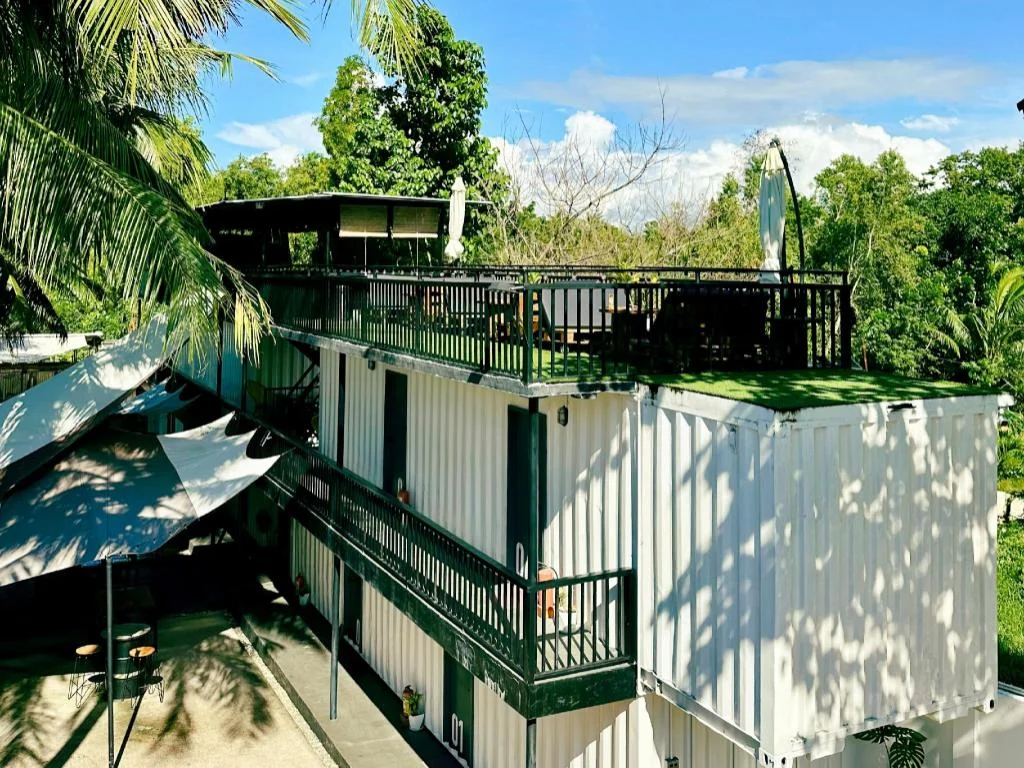
PIG DIVE HOSTEL MOALBOAL
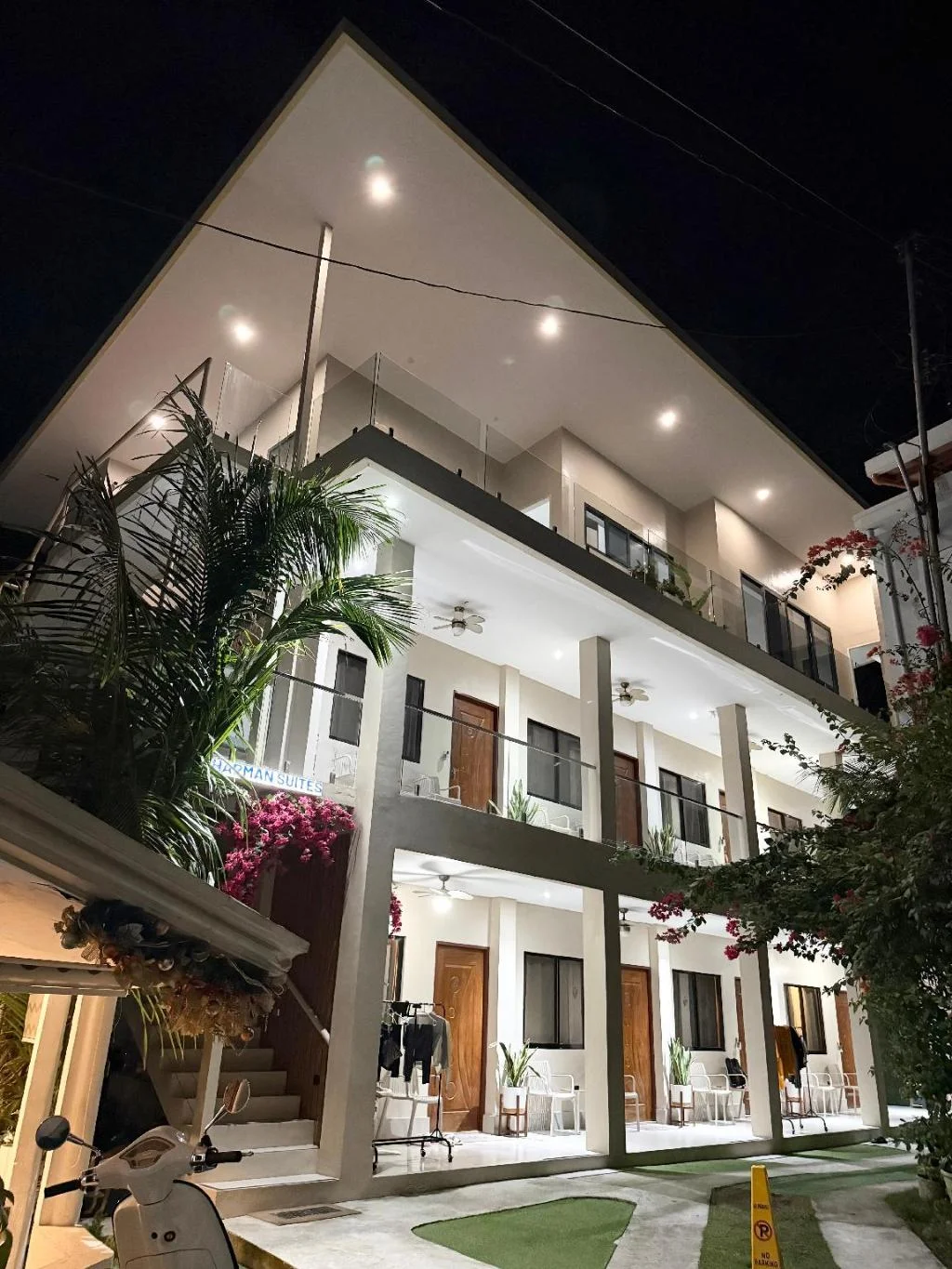
Harman Suites Moalboal
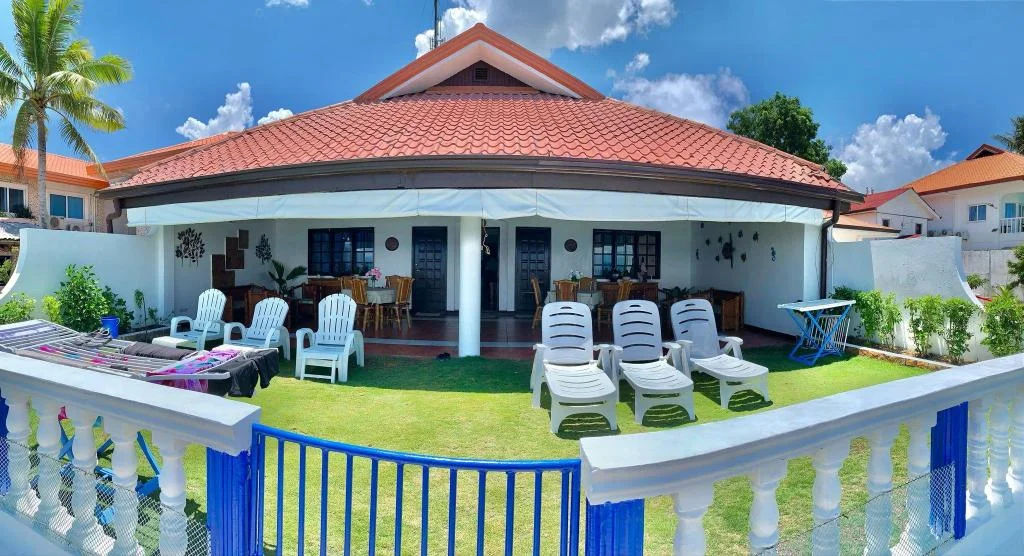
Il Sogno Resort
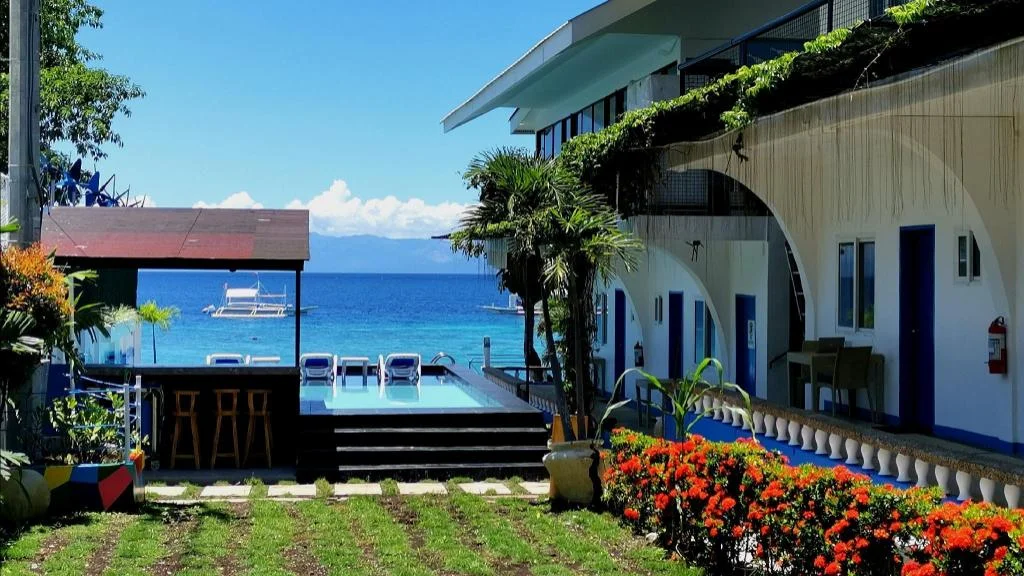
Pescadores Suites Moalboal
Prefer a rental? Vacation rentals near Moalboal
Self-catering condos and apartments — book the exact unit, kitchen included.
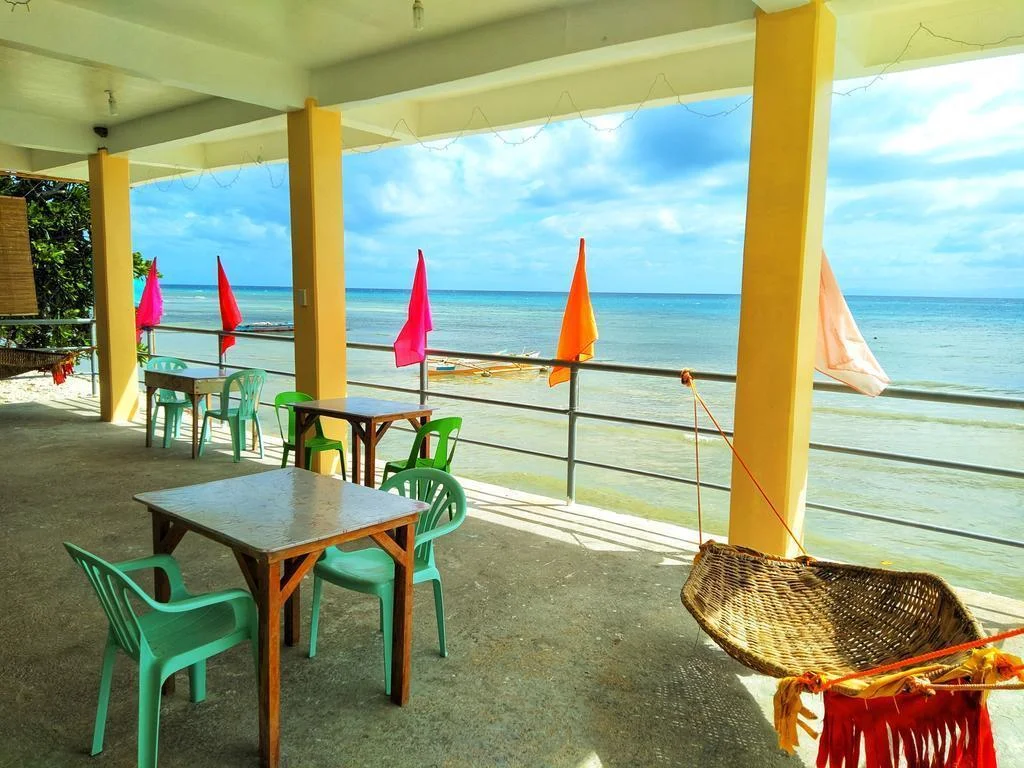
Ocean View Lodging House

The South Hideaway Oslob
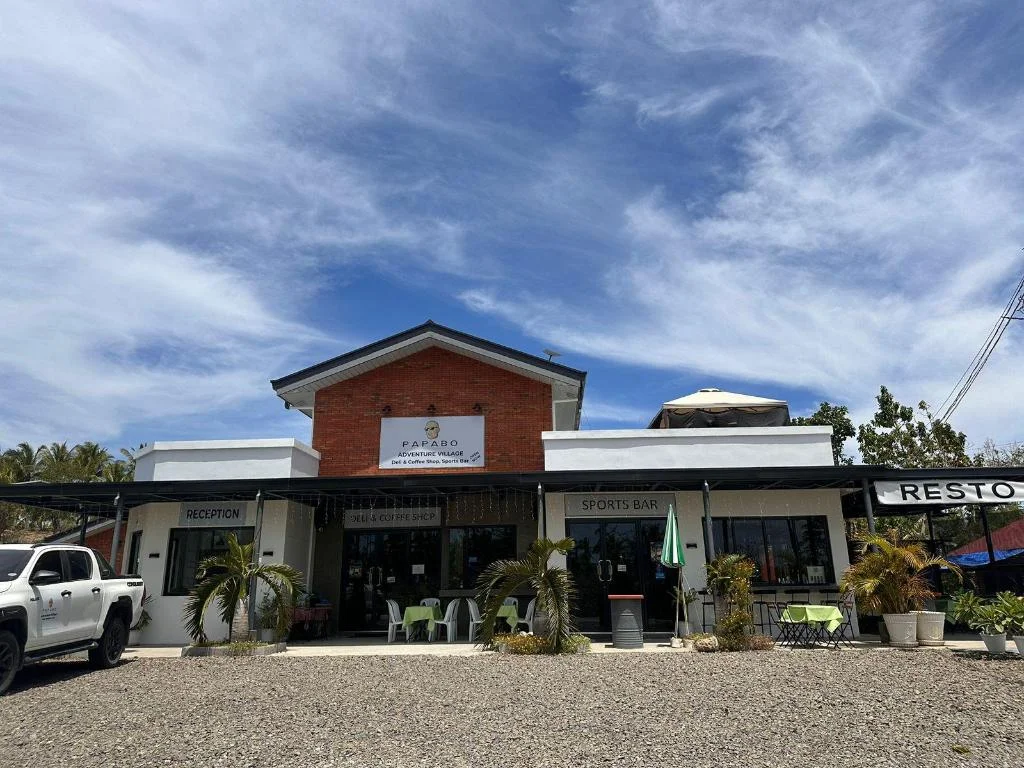
PAPABO Adventure Village
Before you go
Frequently asked
Is it safe to travel by ferry in Cebu and the Philippines?
What was the Doña Paz disaster and why do people still bring it up?
Has a bad ferry accident happened recently in the Philippines?
How is a fastcraft like OceanJet different from a RO-RO ferry?
What should I check before booking a ferry in Cebu?
Do ferries get cancelled during typhoon season in Cebu?
Are OceanJet and SuperCat currently facing any safety issues?
Is ferry travel in Cebu safer than driving?
More Places to Explore
Moalboal Sardine Run
Moalboal
Swim with millions of sardines in one of the world's only year-round sardine runs, just meters from shore.
Whale Shark Watching
Oslob
Swim alongside gentle whale sharks, the world's largest fish, in one of the few places where these magnificent creatures can be reliably encountered.