
TL;DR: The Kagasangan Festival is Moalboal’s street-dancing fiesta for patron San Juan Nepomuceno, fixed on May 16. “Kagasangan” means coral reefs — costumes honor Moalboal’s famous dive scene. Free to watch from the town plaza, about a 2.5-3 hour bus ride from Cebu City. Pair it with a Pescador Island dive. Verified July 2026.
Moalboal’s identity is built on what’s underwater — Pescador Island’s wall, the resident sardine bait ball off Panagsama Beach, the turtles that show up a few steps from shore. Once a year, that identity comes onto land. The Kagasangan Festival, launched in 2009, dresses street dancers in coral-toned costumes and reef-inspired props, turning the town’s marine tourism economy into a fiesta for its patron saint, San Juan Nepomuceno. It’s one of the newer entries on Cebu’s festival calendar, but it’s grown into a genuine Pasigarbo sa Sugbo contender. Getting to town takes about a 2.5-3 hour bus ride from Cebu City (₱90-110) plus a short tricycle onward, and the festival pairs easily with a Pescador Island dive or the sardine run the same trip. This guide covers what Kagasangan actually is, when it happens in 2026, what to expect, and how to fold it into a Moalboal diving trip.
Kagasangan Festival 2026 at a Glance
| Detail | Information |
|---|---|
| Fixed date | May 16 (feast of San Juan Nepomuceno) |
| Meaning | “Kagasangan” — Cebuano for corals / coral reefs |
| First held | 2009, under the Municipality of Moalboal |
| Patron saint | San Juan Nepomuceno (St. John Nepomucene) |
| Parish established | February 6, 1852 |
| Main event | Street-dancing and ritual showdown competition, coral-themed costumes and props |
| Entrance cost | Free — community fiesta, no grandstand tickets |
| Where to watch | Moalboal town plaza and the parade route through downtown |
| Getting there | Cebu South Bus Terminal → Moalboal junction (bus, 2.5-3 hrs, ₱90-110) → tricycle to town/Panagsama |
Verified July 2026. Confirm the exact 2026 program with Moalboal’s municipal tourism office or official Facebook page closer to May.
What Is the Kagasangan Festival?
Kagasangan is Moalboal’s annual fiesta and street-dancing competition, built around the town’s coral reefs and timed to the feast day of its patron saint, San Juan Nepomuceno. “Kagasangan” is Cebuano for corals — a direct nod to the reef systems around Pescador Island and the wider Moalboal coastline that turned the town from a sleepy fishing municipality into one of the Philippines’ best-known dive destinations.
The Municipality of Moalboal launched the first Kagasangan Festival in 2009, explicitly framed as a way to give the town’s tourism identity — reefs, diving, marine life — a civic celebration of its own, alongside the older religious fiesta for San Juan Nepomuceno, whose parish was established on February 6, 1852, the same year the town itself was organized.
What Happens During the Festival?
The centerpiece is a street-dancing and ritual showdown competition where costume design does a lot of the storytelling. Past contingents have worn bright gemstone and petal accessories designed to mimic coral formations, paired with massive hand-built props depicting underwater reef scenes — a visual translation of what a diver actually sees at Pescador Island or along Moalboal’s house reef.
Around that centerpiece:
- Kagasangan Festival Queen pageant — the beauty-pageant component of the fiesta.
- Novena masses and a fluvial parade for the feast of San Juan Nepomuceno, the town’s patron.
- Food fairs featuring local delicacies alongside the street celebration.
- Sports tournaments and civic events, run alongside the main program.
The choreography itself has been described in past local coverage as fast-paced, meant to reflect the motion and beauty of Moalboal’s marine environment rather than a slower, ceremonial pace — closer in energy to a reef current than a solemn procession.
When Is Kagasangan Festival 2026?
The fixed point is May 16 — San Juan Nepomuceno’s feast day never moves. Around that date, Moalboal runs a multi-day town fiesta, with the street-dancing competition and ritual showdown scheduled on whichever day the municipal government sets as the main event. Because the LGU finalizes the exact day-by-day program each year, treat any specific 2026 schedule beyond May 16 itself as provisional — check Moalboal’s municipal tourism office or its official Facebook page in the weeks before you travel.
Is Kagasangan Festival Free to Watch?
Yes — like most Cebu town fiestas, there’s no grandstand-ticket system. Watch the parade and street dancing from the sidewalks around Moalboal’s town plaza, for free. Arrive early for a decent viewing spot, since the plaza and parade route are compact and fill up fast once the dancing starts. The religious events tied to the feast — novena masses, the fluvial parade — are open to the public as well.
How Does Kagasangan Compare to Pasigarbo sa Sugbo?
Kagasangan has appeared as a Moalboal contingent at Pasigarbo sa Sugbo, the Cebu provincial government’s festival-of-festivals competition, including a fielded entry at the 2023 edition where the town’s contingent competed against roughly 15 other municipalities and cities. It’s a younger festival than repeat Pasigarbo champions like Bantayan’s Palawod Festival or Carcar’s Kabkaban Festival, but it gives Moalboal a civic showcase that matches the town’s international dive-tourism reputation rather than a generic festival theme borrowed from elsewhere.
How Do You Get to Moalboal for the Festival?
Take a Ceres bus from the Cebu South Bus Terminal to the Moalboal junction, then a short tricycle into town. The bus ride runs roughly 2.5-3 hours for about ₱90-110. From the junction, a tricycle to Panagsama Beach or the town plaza costs roughly ₱150-200. A private van covers the same route door to door in about 2-2.5 hours for a higher fare. See our Cebu City to Moalboal guide for the full transport breakdown, including where to catch the bus and how to time it around festival-day traffic.
Combine It With Diving and the Sardine Run
Kagasangan is one of the easier Cebu festivals to pair with the attraction it’s actually about — the reefs are a normal-schedule boat ride away the same week. Pescador Island diving, the Moalboal sardine run at Panagsama Beach, and Turtle Point all run on their usual schedules during festival week, so a typical visit stacks a sunrise sardine-run snorkel or a Pescador dive trip against the afternoon or evening street dancing in town. Our Moalboal complete guide and Panagsama Beach guide cover how to plan the diving side of a Moalboal trip in more detail, and our sardine run guide covers current tour pricing if you want to book a dive or snorkel trip around the festival dates.
The Honest Take
Kagasangan is a hometown fiesta, not a headline event — don’t expect Sinulog-scale crowds or production values. What makes it worth timing a Moalboal trip around is the fit: this is a town that already draws visitors for its reefs, and the festival gives you a reason to see that identity performed in the street rather than just underwater. If you’re already booking a Moalboal dive trip for mid-May, checking the festival dates costs nothing extra.
If diving and the sardine run are your only priority, Kagasangan isn’t a reason on its own to change your travel dates — Moalboal’s underwater draws are there year-round. But if you land in town during the fiesta, it’s a genuinely fun, low-effort add-on to an already-planned trip.
Getting the Rest of Your Trip Sorted
Most visitors base themselves in Panagsama Beach or White Beach (Basdaku) rather than Moalboal’s town proper, since that’s where the dive shops and most accommodation are concentrated. Compare Moalboal stays on Agoda for a base near both the diving and the festival route. If you want a dive or island-hopping trip booked ahead of your visit, check Moalboal tours on Klook or compare similar listings on GetYourGuide.
Sources
- Kagasangan Festival — Moalboal municipal government website
- Moalboal’s pride: ‘Kagasangan Festival’s’ dance of the sea — SunStar Cebu (2023 Pasigarbo entry, choreography, costume detail)
- Moalboal launches “Kagasangan Festival” — Philstar/The Freeman (2009) (founding year)
- Gov. Baricuatro joins Kagasangan Festival 2026 celebration in Moalboal — Province of Cebu
- Festivals of Cebu — Wikipedia (meaning, patron feast)
- Bus fares and travel times cross-checked against our own Cebu City to Moalboal guide, verified July 2026.
Book Tours & Hotels for This Trip
Find and book the best deals — prices and availability update in real time. Links open in a new tab.
Where to stay near Moalboal
Top-rated hotels for this trip — tap through to check live rates.
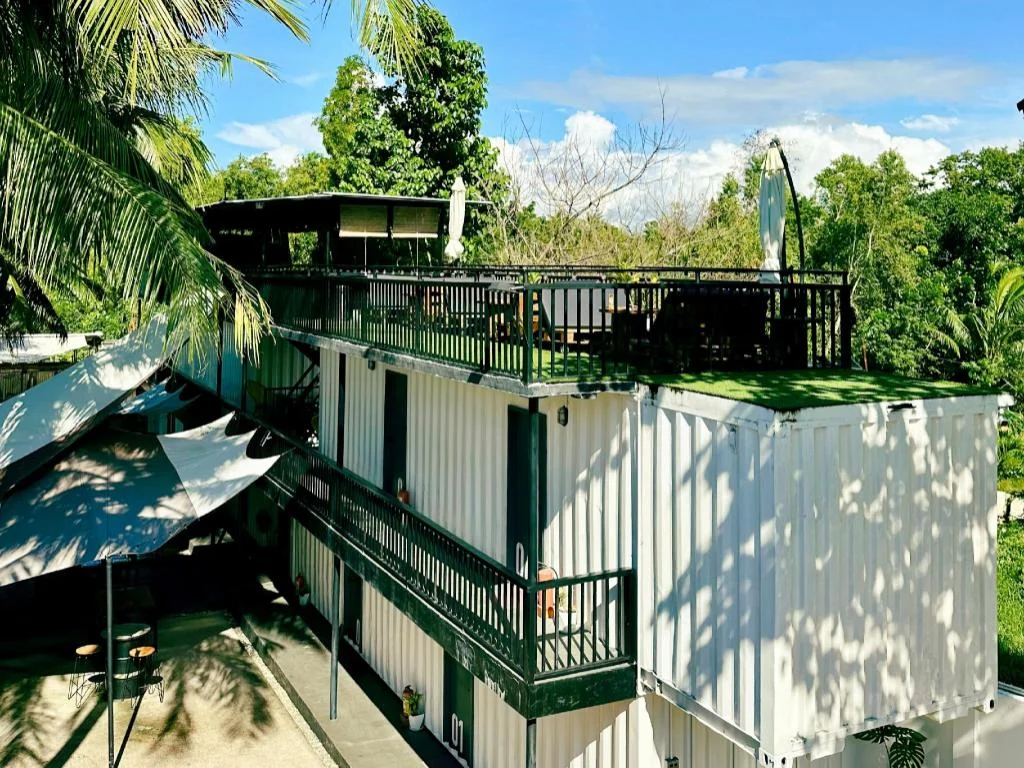
PIG DIVE HOSTEL MOALBOAL
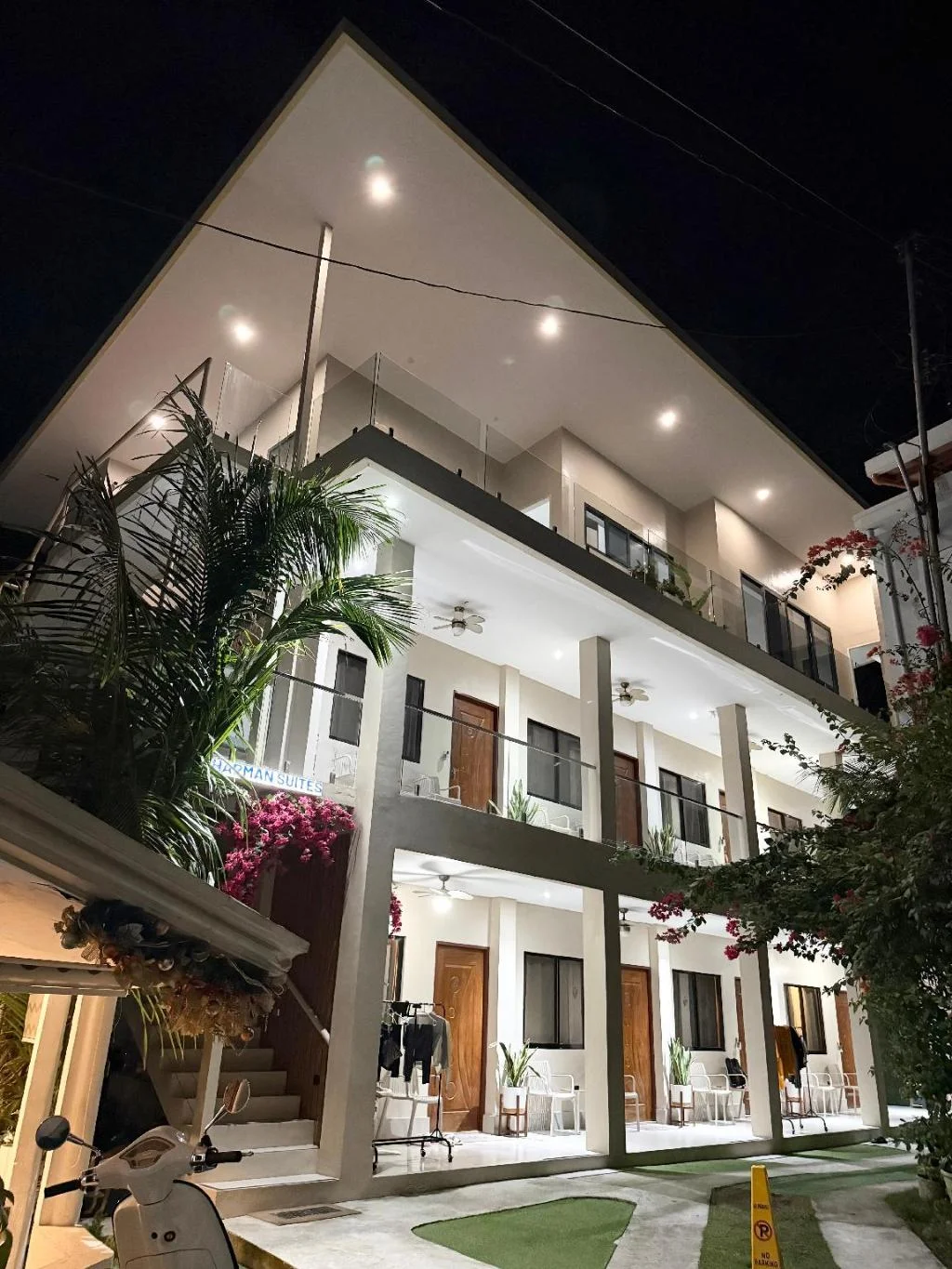
Harman Suites Moalboal
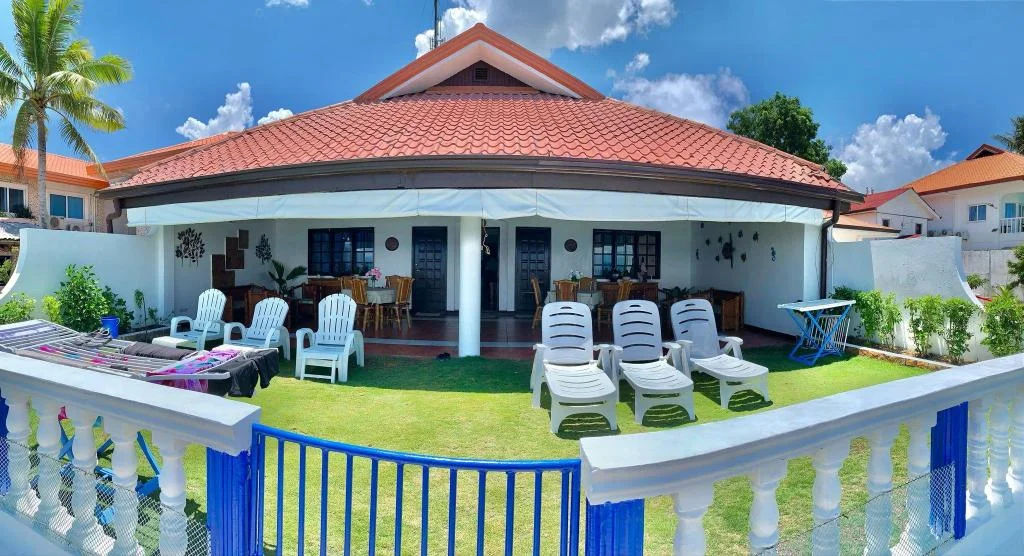
Il Sogno Resort
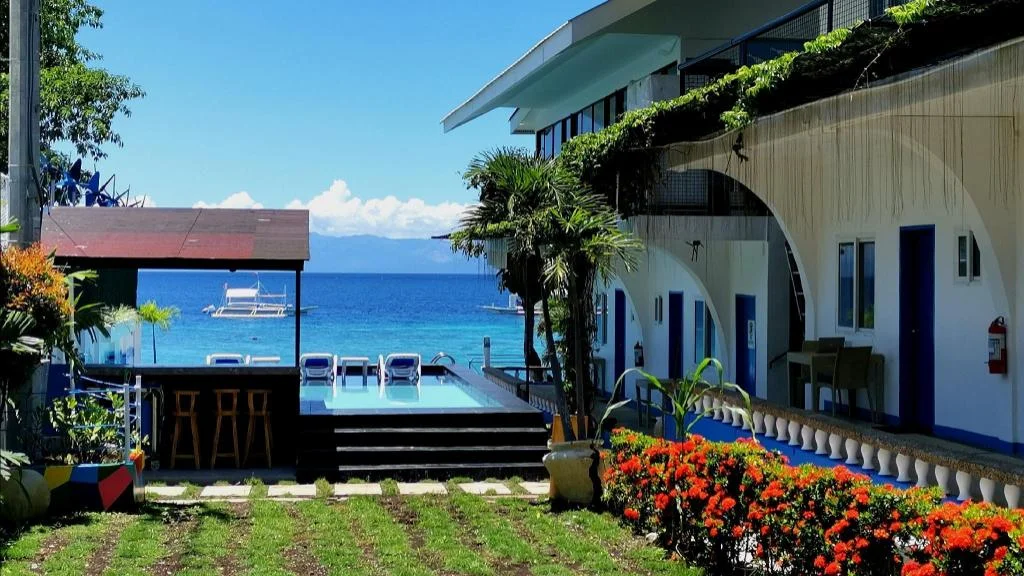
Pescadores Suites Moalboal
Prefer a rental? Vacation rentals near Moalboal
Self-catering condos and apartments — book the exact unit, kitchen included.
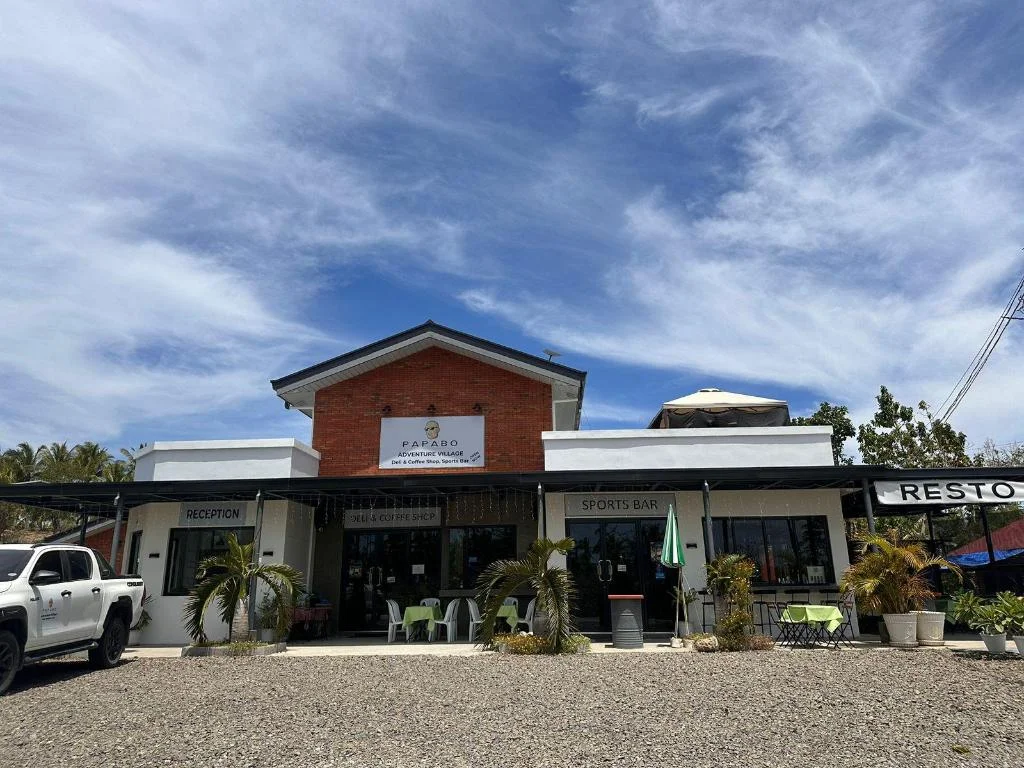
PAPABO Adventure Village
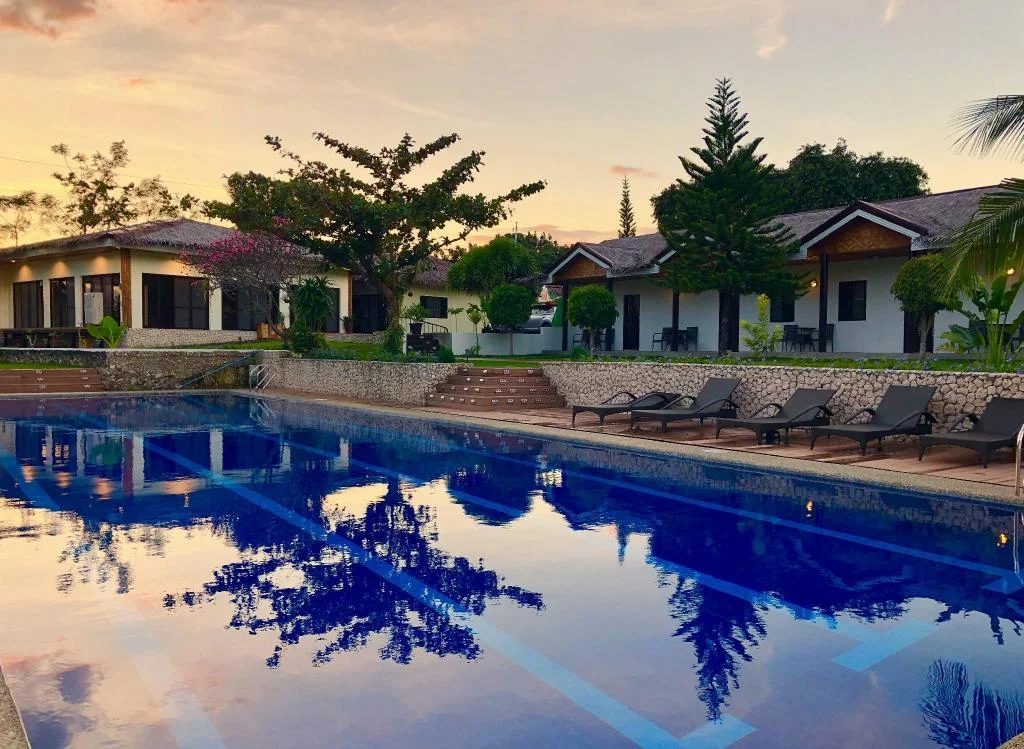
Casa de Moalboal

Althea Appartelle
Before you go
Frequently asked
When is the Kagasangan Festival 2026 in Moalboal?
What does 'Kagasangan' mean?
When was the Kagasangan Festival first held?
What happens during the Kagasangan Festival?
Is Kagasangan Festival free to watch?
How do you get to Moalboal for the festival?
Can you combine Kagasangan Festival with diving in Moalboal?
How does Kagasangan compare to other Cebu sea-themed festivals?
More Places to Explore
Panagsama Beach
Moalboal
Moalboal's main beach and diving hub, famous for the sardine run and sea turtles just meters from shore.
Moalboal Sardine Run
Moalboal
Swim with millions of sardines in one of the world's only year-round sardine runs, just meters from shore.
Pescador Island
Moalboal
A world-class marine sanctuary featuring The Cathedral underwater cave and exceptional wall diving.
White Beach (Basdaku)
Moalboal
A kilometer-long stretch of white sand beach perfect for swimming, sunbathing, and family beach activities.