
TL;DR: Mactan = beach resorts, the airport, and easy island hopping, but no real public beach and a bridge crossing for everything else. Cebu City = heritage sites, the best food and nightlife, and the hub for day trips south and north, but zero beach. The transfer between them runs 30–75 minutes and ₱300–600 (US$5–10) by Grab or taxi depending on traffic. Beach-first trips and short layovers should base in Mactan; culture, food, and multi-region trips should base in Cebu City. Longer trips (5+ nights) should split the difference. Verified July 2026.
Every first-time visitor to Cebu asks some version of the same question: do I stay near the beach, or do I stay in the city? It’s a real fork in the road, because Mactan and Cebu City are two different trips wearing the same province’s name. Mactan is where the airport sits, where the resort chains built their pools and private coves, and where island-hopping boats leave from. Cebu City is where the food scene, the colonial-era heritage sites, and the nightlife actually live — with no beach in sight.
This guide breaks down the honest trade-offs by trip type: beach holiday, explorer, business trip, or first-timer trying to see everything. We’ll cover the real transfer time and cost between the two, what each base is actually good for, and when splitting your nights makes more sense than picking one.
Mactan vs Cebu City at a Glance
| Mactan | Cebu City | |
|---|---|---|
| Best for | Beach holiday, island hopping, short layovers | Heritage, food, nightlife, day-trip hub |
| Airport distance | 15–25 min, ₱150–300 (US$2.42–5) | 30–75 min, ₱300–600 (US$5–10) |
| Beach access | Resort beaches (paid/guests only); few public options | None — no swimmable coastline |
| Typical lodging cost/night | Budget from ~US$15–30; resorts US$150–500+ | Budget ₱800–1,500 (US$13–24); mid-range from ~US$40 |
| Nightlife style | Resort bars, beach clubs, relaxed | IT Park bars/clubs, bigger variety, later hours |
| Day-trip base for | Island hopping (Hilutungan, Nalusuan, Olango) | South Cebu (Oslob, Kawasan, Moalboal), North Cebu, mountain viewpoints |
| Vibe | Resort bubble, could be anywhere in Southeast Asia | Genuinely feels like Cebu |
Peso figures use ₱62 ≈ US$1 (July 2026). Verified July 2026.
How Far Apart Are Mactan and Cebu City, Really?
Closer on a map than in practice. The two landmasses are connected by two bridges — the Marcelo Fernán Bridge and the older Mactan-Mandaue Bridge — plus the tolled Cebu-Cordova Link Expressway (CCLEX) further south, which mostly serves traffic headed toward South Road Properties rather than central Cebu City.
Outside rush hour, a Grab or taxi between Mactan and downtown Cebu City takes 30–60 minutes. During the morning (7–9 AM) and evening (5–8 PM) crunch on the bridges, that stretches to 45–75 minutes, and can go longer after heavy rain. Fares run roughly ₱300–600 (US$5–10) depending on distance within each area and which bridge your driver takes; Grab tends to run 20–30% cheaper than a flagged-down metered taxi. Budget the crossing as a genuine commute, not a quick hop — it shapes almost every decision on this page.
Where Should You Stay for a Beach Holiday?
Mactan. If your priority is waking up, walking to a pool or a private beach cove, and doing water sports or island hopping without much logistics, Mactan resorts deliver that directly. The catch: most of the swimmable, photogenic sand on Mactan sits behind a resort gate. Shangri-La’s stretch is generally regarded as the best natural beach on the island; other properties have thinner or partly reclaimed sand, seagrass at low tide, or rely on day-use passes rather than open shoreline. Lapu-Lapu City does have a few public beaches, but they’re basic — bring your own towel and don’t expect resort infrastructure.
If a genuine white-sand beach matters more than convenience, be honest with yourself: Moalboal, Bantayan Island, and the southern islands off Oslob all beat what Mactan itself offers. Mactan’s real strength is a comfortable base plus quick access to boats — see our Mactan island resorts guide for specific properties.
Where Should You Stay to Explore — Heritage, Food, Day Trips?
Cebu City. This is where Cebu’s actual identity shows up: the Basilica del Santo Niño and Magellan’s Cross downtown, Carbon Market, the lechon stalls, the Korean-influenced strip near IT Park, and the buses and vans that fan out to Oslob’s whale sharks, Kawasan Falls’ canyoneering, Moalboal’s sardine run, and the Busay hill viewpoints. Staying in the city cuts the bridge crossing out of every single day trip — you just walk to a terminal or grab a van.
Cebu City is also where the honest food and nightlife scene lives. Things to do in Cebu leans heavily toward city-based experiences for exactly this reason. The trade-off is what we said above: no beach, so any ocean time means a planned trip out, whether that’s Mactan for the day or further south.
What About Business Travelers?
Depends on where the meetings actually are. Most of Cebu’s BPO offices, corporate headquarters, and conference facilities cluster around IT Park and Cebu Business Park in Cebu City — stay there and skip the bridge entirely for work. If your business is airport-adjacent — a short trip, or meetings held at a hotel/conference venue on Mactan itself — staying on Mactan avoids the commute in the other direction. Check where your actual appointments are before booking; guessing wrong here costs you an hour each way, every day.
What’s the Right Call for First-Timers?
If you have 3 nights or fewer, pick one base and don’t fight the bridge. A beach-and-relax trip means Mactan; a “see Cebu” trip means Cebu City. Trying to do both in a short window usually means losing half a day to traffic in each direction.
If you have 5+ nights, split it — this is what most repeat visitors end up doing. A common pattern: 2–3 nights in Cebu City first (heritage, food, book your tours), then move to Mactan for the back half to decompress by the pool with the airport a short ride away on departure day. It costs you one hotel change, not a second flight, and it avoids the false economy of a single base that requires long crossings for everything you actually came to do.
How Much Does Each Option Cost?
Cebu City generally stretches a budget further. Guesthouses and hostels there run roughly ₱800–1,500 (US$13–24) a night, and solid mid-range hotels are widely available from around US$40–70. Mactan has budget guesthouses too, but its headline inventory is beach resorts, where nightly rates commonly run US$150–500+ depending on the property and season. If cost is the deciding factor and the beach isn’t essential, Cebu City wins outright. Compare Cebu City hotel rates on Agoda or browse Mactan resorts to see current pricing for your dates.
The Honest Take
Mactan sells convenience and a resort bubble — it’s genuinely easy, the airport is right there, and the pools are nice, but plenty of the “beach experience” is manufactured: paid access, imported sand in places, and a strip that could be Phuket or Bali with the branding swapped. If someone tells you Mactan has amazing beaches, ask which resort they stayed at, because it varies wildly property to property.
Cebu City is the opposite trade: it’s genuinely Cebu, loud, a little rough around the edges in spots, and short on green space or ocean views, but it’s where the food, the history, and the nightlife you’ll actually talk about later are happening. Neither base is objectively “better” — they’re different trips. The mistake first-timers make is picking Mactan because it looks like the postcard, then discovering three days in that everything interesting requires an hour-long crossing they didn’t plan for. Decide what your trip is actually for, then base yourself where that thing is.
Plan the Rest of Your Trip
However you split your nights, pair Mactan time with the Mactan Shrine and an island-hopping day, and pair Cebu City time with the heritage core plus a day up to Temple of Leah in the hills above the city. Landing or leaving via Mactan-Cebu International Airport? Check our airport guide for transfer options, and getting around Cebu for Grab, bus, and rental logistics between bases. Browse island-hopping tours on Klook to lock in a boat for your Mactan days before you land.
Sources
- Grab Philippines — Mactan-Cebu International Airport transfers (fares, transfer options)
- Sugbo.ph — public beaches in Lapu-Lapu City (Mactan public beach access)
- Cebu-Cordova Link Expressway toll rates — AutoIndustriya (CCLEX toll)
- Bridge traffic patterns, Grab/taxi fares, and lodging price ranges cross-checked against current 2025–2026 travel guides and hotel listings (Agoda, Tripadvisor). Verified July 2026.
Book Tours & Hotels for This Trip
Find and book the best deals — prices and availability update in real time. Links open in a new tab.
Where to stay near Cebu City
Top-rated hotels for this trip — tap through to check live rates.
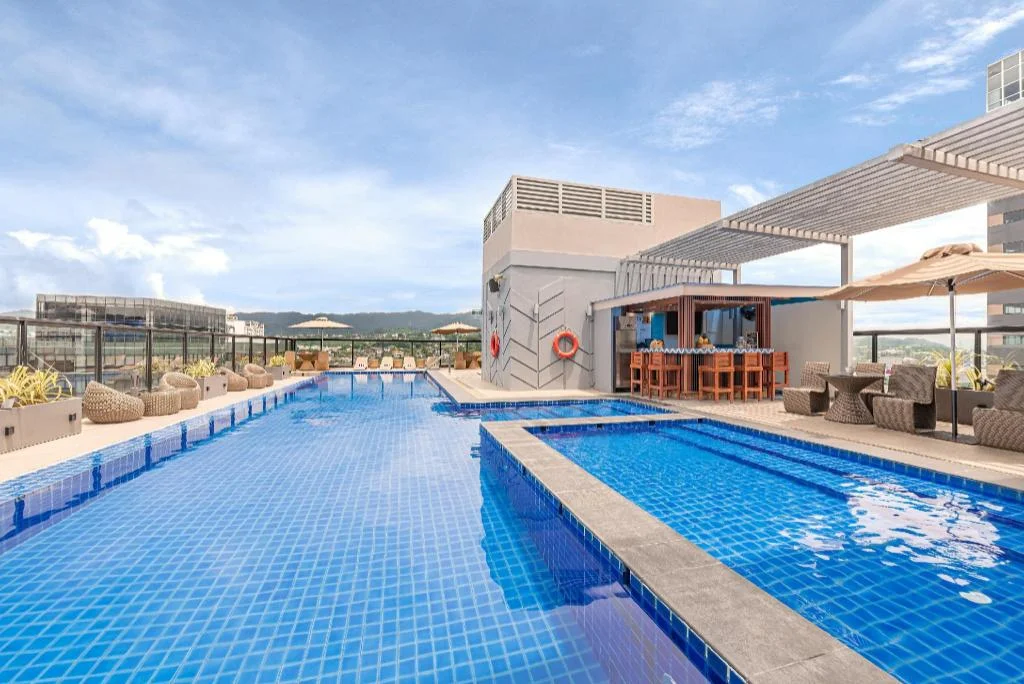
Seda Central Bloc Cebu City
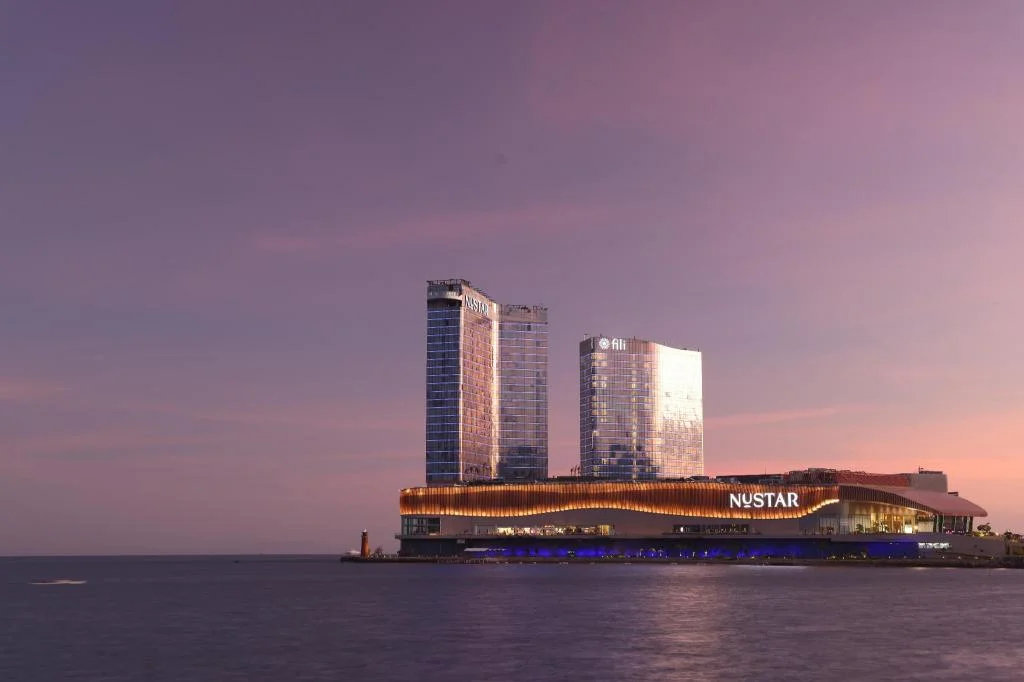
Fili Hotel - NUSTAR Resort & Casino Cebu
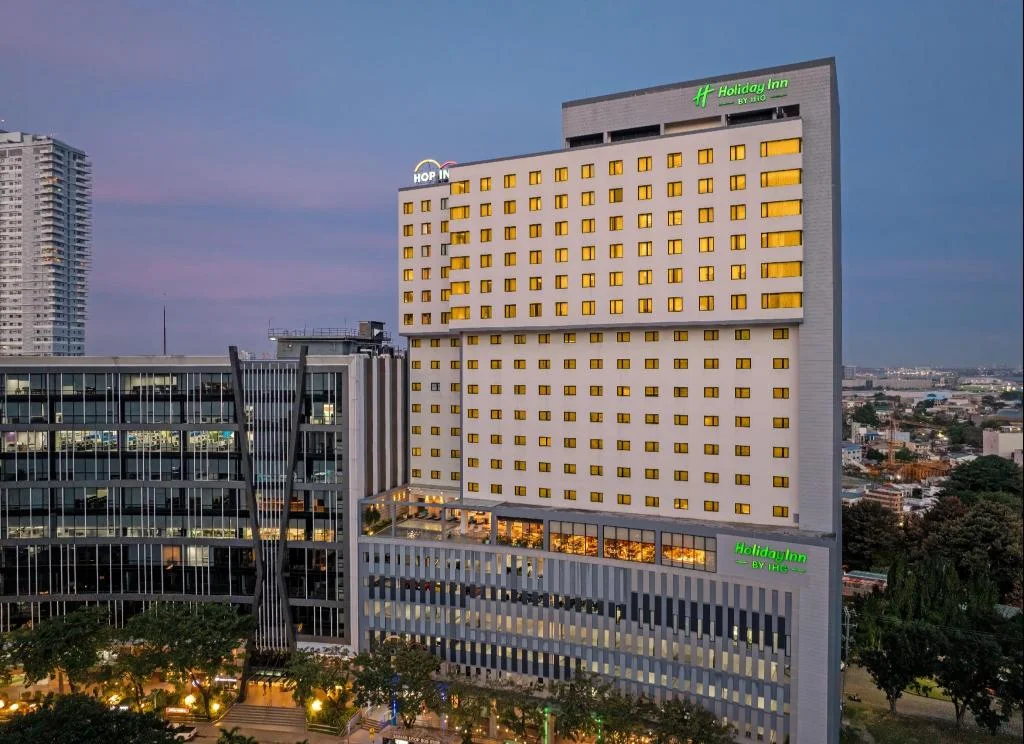
Holiday Inn Cebu City By IHG
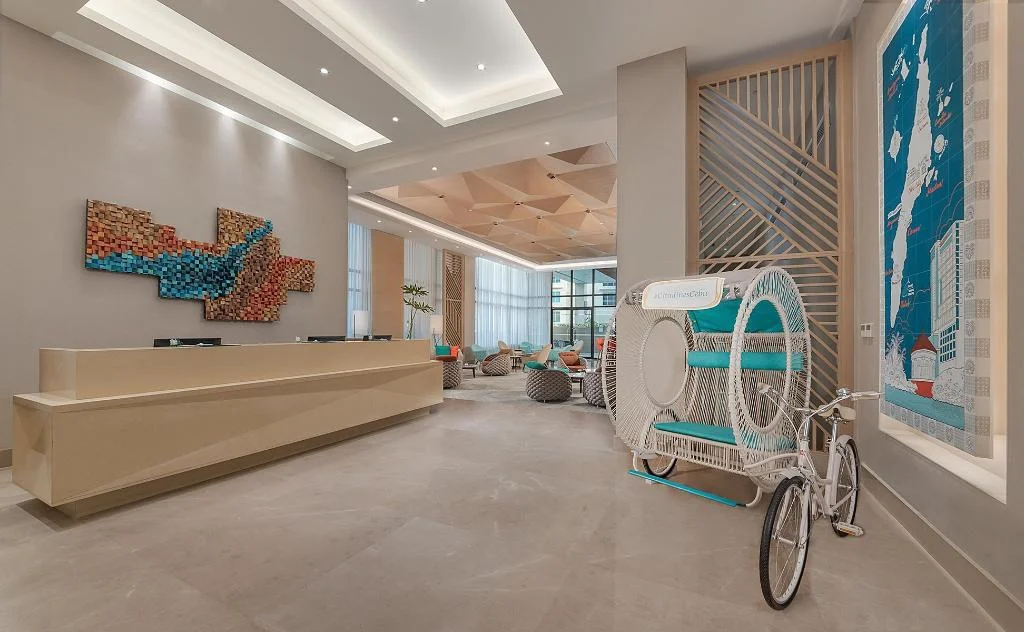
Citadines Cebu City
Prefer a rental? Vacation rentals near Cebu City
Self-catering condos and apartments — book the exact unit, kitchen included.
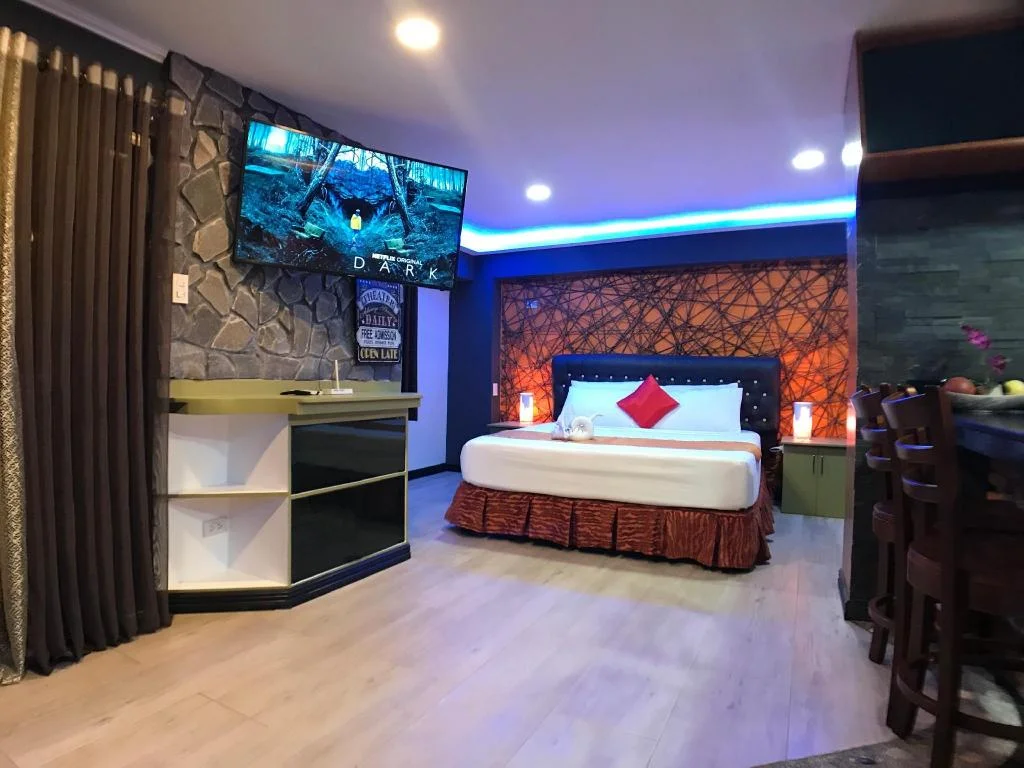
ClockWorkOrange Luxury Suites
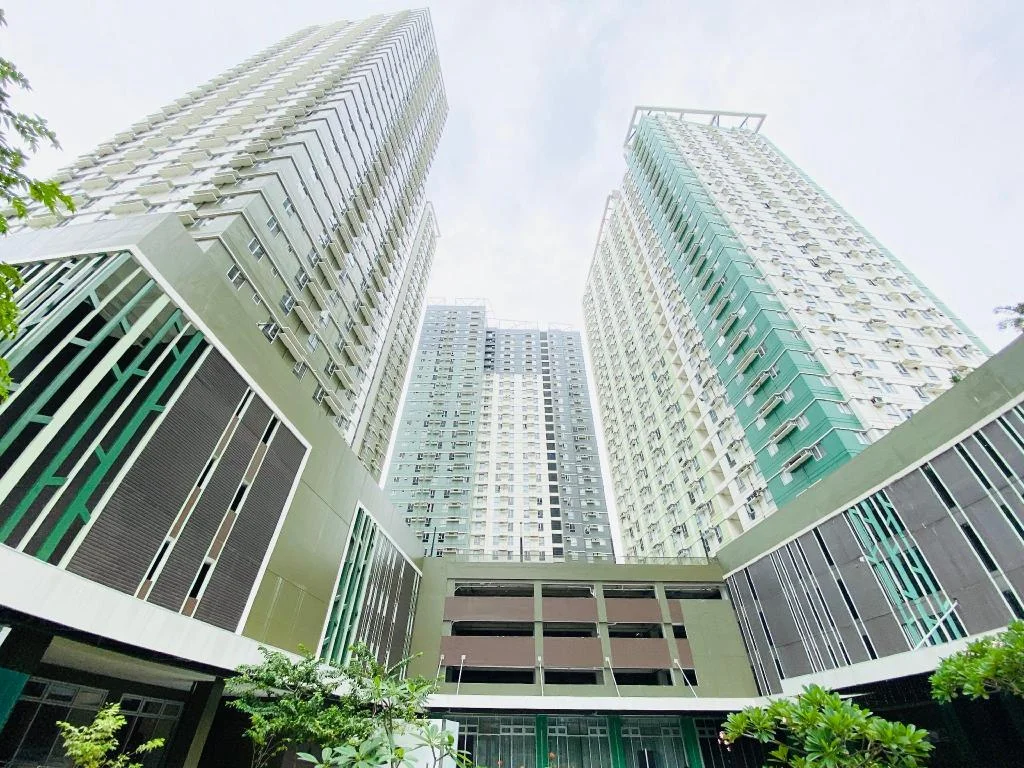
Cebu Avida Riala by P&J
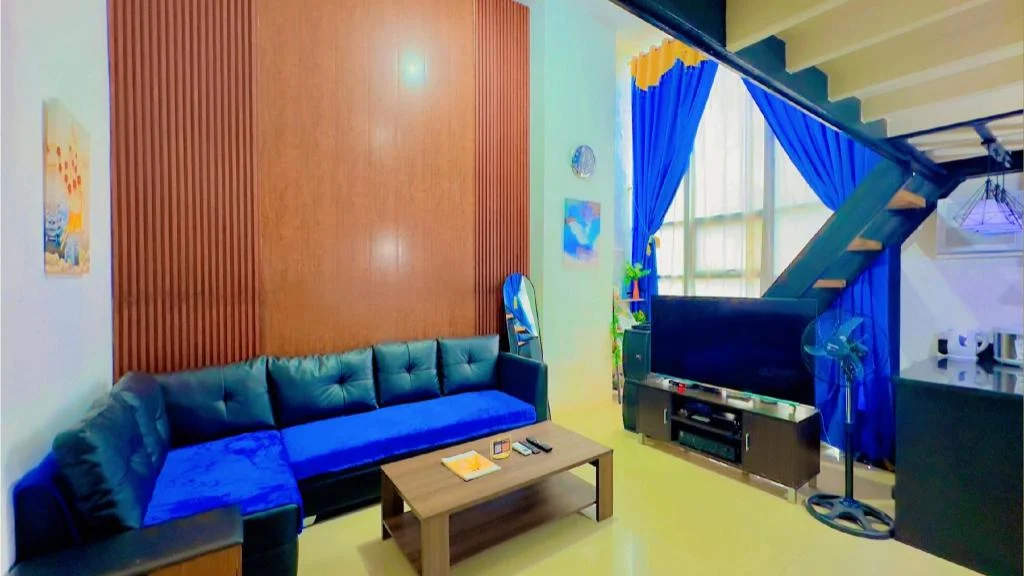
Special Big Loft Unit w/Fibreop Internet & Netflix
Before you go
Frequently asked
Is Mactan or Cebu City better for a first-time visit?
How far is Mactan from Cebu City?
Does Mactan have good beaches?
Does Cebu City have a beach?
Which is cheaper, Mactan or Cebu City?
Can you stay in Mactan and still do a Cebu City day trip?
Where should business travelers stay?
Is it worth splitting a trip between Mactan and Cebu City?
More Places to Explore
Mactan Shrine
Lapu-Lapu City
Historic park commemorating the 1521 Battle of Mactan where Lapu-Lapu defeated Magellan, featuring monuments to both warriors.
Temple of Leah
Cebu City
A magnificent Roman-inspired temple built as a monument of love, nicknamed 'Cebu's Taj Mahal,' offering stunning architecture and city views.
Magellan's Cross
Cebu City
The historic cross planted by Ferdinand Magellan in 1521, marking the birth of Christianity in the Philippines and now a National Cultural Treasure.