
TL;DR: Cebu’s expat and nomad community runs mostly through Facebook — groups like Cebu Expats and Cebu Digital Nomads are the fastest way to find events, ask questions, and get invited places. Layer on InterNations (free to join, ~₱200–500 per event) for structured mixers, a coworking space in IT Park for daily nomad contact, and a club — Hash House Harriers (₱100/Sunday), the Cebu Scuba Club, or Cebu Bicycle Enthusiasts — for a standing weekly reason to show up. The people who build real friendships fastest combine an online group with one in-person, recurring activity within their first month. Verified July 2026.
Moving to Cebu solo — whether you’re retiring, working remotely, or just staying long enough that “vacation mode” wears off — the hardest part usually isn’t the visa or the apartment. It’s the first month of knowing nobody. Cebu has a genuinely large, active foreign community (concentrated around IT Park, Banilad, and Mactan) plus a strong local social culture, and the two overlap more than most guides admit. This guide is for anyone trying to go from “I don’t know a single person here” to an actual weekly routine of people to see — through online groups, structured expat networks, sports and hobby clubs, coworking and co-living setups, and dating apps, with an honest note on how to meet Cebuanos and not just other foreigners.
Ways to Build a Social Circle in Cebu, at a Glance
| Channel | Typical cost | Best for | Where to find it |
|---|---|---|---|
| Facebook expat groups | Free | Fast answers, event listings, first contacts | “Cebu Expats,” “Cebu Digital Nomads,” “Cebu Events & Meetups” |
| InterNations Cebu | Free to join; ~₱200–500 (US$3–9) per event | Structured mixers, professional networking | internations.org/cebu-expats |
| Coworking spaces | Day pass to monthly plan (see our coworking guide) | Remote workers, daily casual contact | IT Park and Banilad spaces |
| Cebu Hash House Harriers | ₱100 (~US$1.72) per Sunday walk | Casual runners/walkers, weekly ritual | Facebook: Cebu Hash House Harriers |
| Cebu Scuba Club | Varies by trip (see our dive pricing guide) | Divers wanting a regular crew | Facebook group + Mactan/Moalboal dive shops |
| Cebu Bicycle Enthusiasts | Free to join; ride costs vary | Cyclists of any level | Facebook group |
| Church & volunteer groups | Free | Mixing with locals, longer-term community | CIC, Victory Cebu, Gawad Kalinga |
| Dating apps | Free–~US$20/month for premium tiers | Romantic connections | Tinder, Bumble, Hinge, FilipinoCupid |
Costs are approximate and change by event and operator — confirm current fees with each group directly. Verified July 2026.
Where Do You Even Start Online?
Start with Facebook, not Meetup or Eventbrite — that’s genuinely where Cebu’s expat community lives. The most active groups are general ones like “Cebu Expats” (a long-running group with tens of thousands of members covering visas, rentals, jobs, and event announcements) and narrower ones like “Cebu Digital Nomads” for remote workers and “Cebu Events & Meetups” for social gatherings, language exchanges, and hikes. Join two or three before you arrive, read a week of posts to get a feel for who’s active, and don’t be shy about posting an introduction — “new here, would love to meet people” posts get replies constantly because everyone in these groups was in your position once.
The tradeoff: Facebook groups are noisy and skew toward quick questions and marketplace-style posts (someone selling a motorbike, someone asking about a hospital). Treat them as a directory to real events, not the social life itself.
Is InterNations Worth Joining in Cebu?
Yes, if you want structure — InterNations runs regular mixers in Cebu with a small door fee, usually ₱200–500 (roughly US$3–9) to cover venue or food costs. Basic membership is free and gets you into public events; a paid “Albatross” tier adds perks like guaranteed spots at popular events, which matters when a mixer fills up. InterNations skews toward professionals, business owners, and expats staying for months rather than a week, so it fits a “settling in” phase better than a short visit. It’s also one of the more reliable ways to meet other foreigners across nationalities in one room rather than just English-speakers from your own Facebook feed.
How Do Digital Nomads and Remote Workers Meet People?
Coworking spaces are the fastest on-ramp for remote workers, because you’re sitting next to the same people daily instead of meeting once at an event. IT Park and Banilad have several options with regular community programming — Friday socials, pitch nights, and skill-sharing sessions are common formats. See our best coworking spaces in Cebu guide for a full comparison of desks, prices, and neighborhoods.
Co-living takes it a step further by bundling housing and community together, which matters more in Cebu than in nomad hubs with dense, walkable café culture — here, a co-living house with shared common areas solves the “who do I eat dinner with” problem that a solo condo doesn’t. Our co-living spaces in Cebu guide breaks down the current options if you’re choosing where to land. If you’re planning the move itself, our Cebu for digital nomads guide covers the broader logistics — visas, internet, and which part of the city to base in.
What Sports and Fitness Clubs Can You Join?
Three groups come up constantly among long-term expats: Hash House Harriers, the Cebu Scuba Club, and Cebu Bicycle Enthusiasts — none require you to be fast or serious about the sport.
- Cebu Hash House Harriers — a “drinking club with a running problem,” and one of the most consistent expat social fixtures in the city. Weekly walks or runs (most people walk) happen on Sundays, typically around 2pm, along a 3.5–6.5km loop through Metro Cebu or nearby hills, followed by socializing and food back at the circle. Registration runs about ₱100 (roughly US$1.72); kids come free. Find the current week’s meetup location through the Cebu Hash House Harriers Facebook group.
- Cebu Scuba Club — a mixed group of local and foreign divers organizing weekend trips to Mactan, Moalboal, and Malapascua. Good for meeting people if you’re already diving or want to start; check our dive prices guide and learn to dive in Cebu guide if you need the course first.
- Cebu Bicycle Enthusiasts — an active Facebook group organizing group rides for riders of all levels, from casual weekend spins to longer routes out toward the Transcentral Highway.
Beyond those three, informal pickup sports show up regularly at venues like Sugbo Grounds in Mactan (ultimate frisbee, beach volleyball) — these aren’t formal clubs, so check the relevant Facebook groups for the current schedule rather than expecting a fixed weekly slot.
What If You Want Something Beyond the Expat Bubble?
Church congregations, service clubs, and volunteer organizations tend to mix nationalities and long-term residents far more than expat-only Facebook groups do. Cebu International Church and Victory Cebu (with a congregation in IT Park) both draw large mixed crowds of expats, balikbayans, and Cebuanos, and typically run small groups or community activities beyond the Sunday service itself. The American Association of Cebu hosts recurring events like Thanksgiving dinners, July 4th gatherings, and charity fundraisers — useful if you want an American-expat anchor point specifically. Rotary and Lions clubs have active Cebu chapters with real project work (healthcare, education) alongside the networking, which suits people who want community built around doing something rather than just socializing.
For volunteering specifically, groups like Gawad Kalinga run ongoing community-building projects around Cebu that welcome foreign volunteers — a genuinely good way to spend a Saturday working alongside Cebuanos rather than only alongside other foreigners.
What About Dating Apps in Cebu?
Tinder, Bumble, and Hinge all have real, active user bases in Cebu City, and work the same way they do anywhere else — Hinge in particular has been growing and tends to attract more intentional profiles. Apps built specifically around foreigner-Filipina matching, like FilipinoCupid, also have a following, though a paid membership is generally needed to actually message people on them. Worth knowing before you download anything: Filipino dating culture leans more relationship-oriented than casual hookup culture in a lot of Western cities, so be upfront about what you’re looking for early on.
The one hard rule, repeated by literally every source on dating in the Philippines: treat any request for money, load, or gifts from someone you haven’t met in person as a scam and stop talking to them. It’s an extremely common pattern targeting foreigners specifically, and it escalates fast if you engage.
How Do You Meet Actual Cebuanos, Not Just Other Foreigners?
This is the question expat guides tend to dodge, so here’s the honest version: expat Facebook groups and InterNations mixers are mostly other foreigners talking to each other. If meeting Cebuanos is the actual goal, the channels that work better are the ones built around a shared activity rather than shared nationality — Hash House Harriers, the scuba and cycling clubs, church congregations, and volunteer groups all skew far more mixed. Taking even a short Cebuano-Bisaya phrase class (see our basic Cebuano/Bisaya phrases guide) also opens doors, since a genuine effort with the language gets a warm reaction here even when it’s clumsy. None of this is exclusive of the expat scene — most long-term foreigners in Cebu end up with a mixed circle built from both sides.
The Honest Take
Cebu’s expat community is real and easy to plug into, but it can also become an echo chamber if you let it — it’s entirely possible to spend a year here mostly around other foreigners in IT Park and Mactan, hearing the same handful of opinions about visas and condos on repeat. The groups and clubs in this guide work best treated as a starting point, not the whole social life. If you’re the type who needs structure to show up, InterNations and coworking socials will do the work for you. If you’d rather build something organically, a weekly hash or dive trip gets you there slower but with people who actually share an interest with you, not just a passport situation. Either way, the first month is the hardest — show up to something in person within your first week, even if it feels awkward, because the payoff compounds fast after that.
One caution worth repeating from every long-term resident: Facebook groups and dating apps are useful, but they’re also where the Philippines’ well-known “romance scam” pattern targets foreigners hardest. Meet new contacts in public the first time, and treat any early request for money as a hard stop.
Get Settled, Then Get Social
If you’re still deciding where in Cebu to actually live before you start building a routine, our best areas to stay in Cebu and digital nomad bases in Cebu guides cover the neighborhood tradeoffs. For a lower-effort way to meet people fast, book a group island-hopping tour on Klook — a full boat of strangers for a day is a surprisingly reliable way to make a friend or two — or line up a co-living stay near IT Park through Agoda’s Cebu City listings so you’re within walking distance of the coworking and mixer scene from day one.
Sources
- Expat Communities and Events in Cebu — 3D Academy
- Where to Meet People in Cebu: Clubs, Groups, and More — 3D Academy
- InterNations Factsheet
- Cebu Hash House Harriers and Cebu Hash House Harriers Facebook group
- An Expat’s Guide to Dating Sites in the Philippines — ExpatDen
- Cebu Expat Group — Facebook
- Community details on InterNations, Hash House Harriers, and Facebook groups current as of mid-2026 reporting; confirm current fees and schedules directly with each group. Verified July 2026.
Book Tours & Hotels for This Trip
Find and book the best deals — prices and availability update in real time. Links open in a new tab.
Where to stay near Cebu City
Top-rated hotels for this trip — tap through to check live rates.
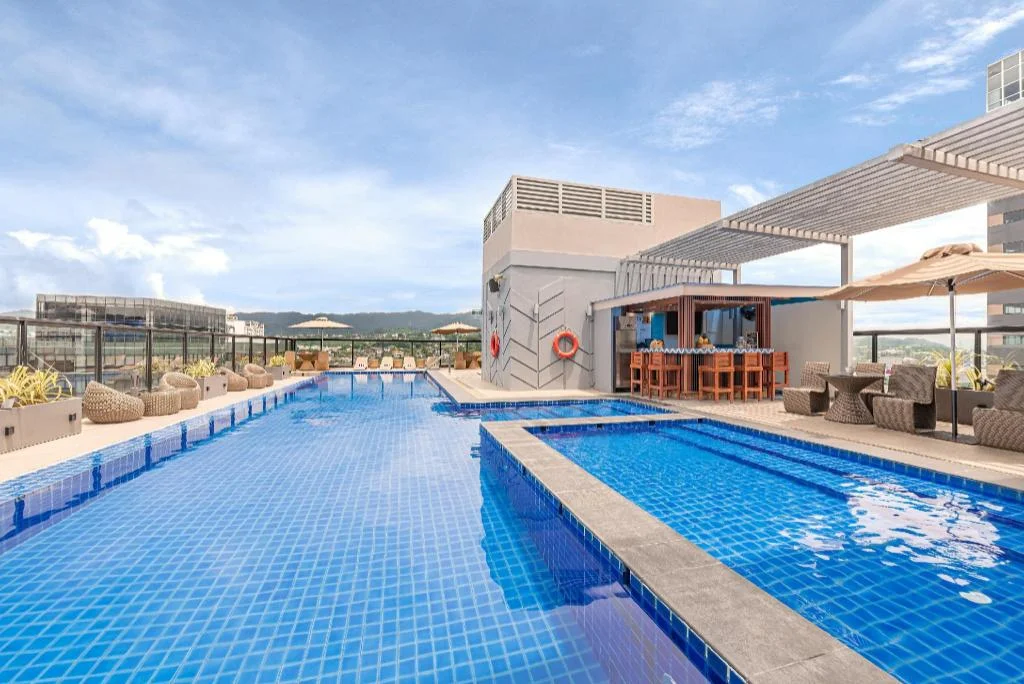
Seda Central Bloc Cebu City
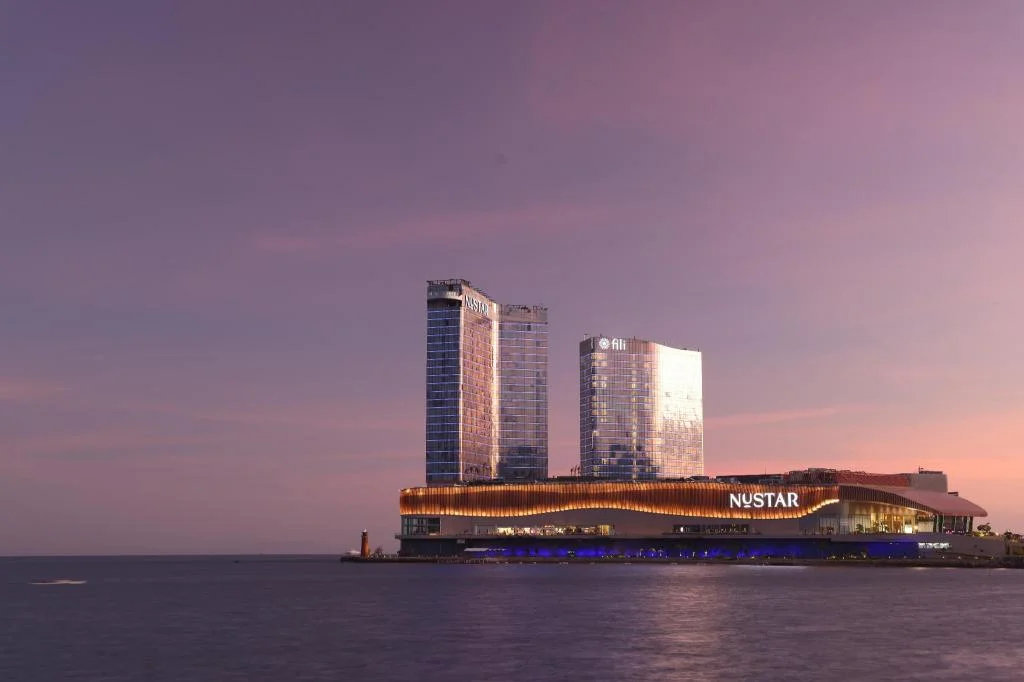
Fili Hotel - NUSTAR Resort & Casino Cebu

Holiday Inn Cebu City By IHG
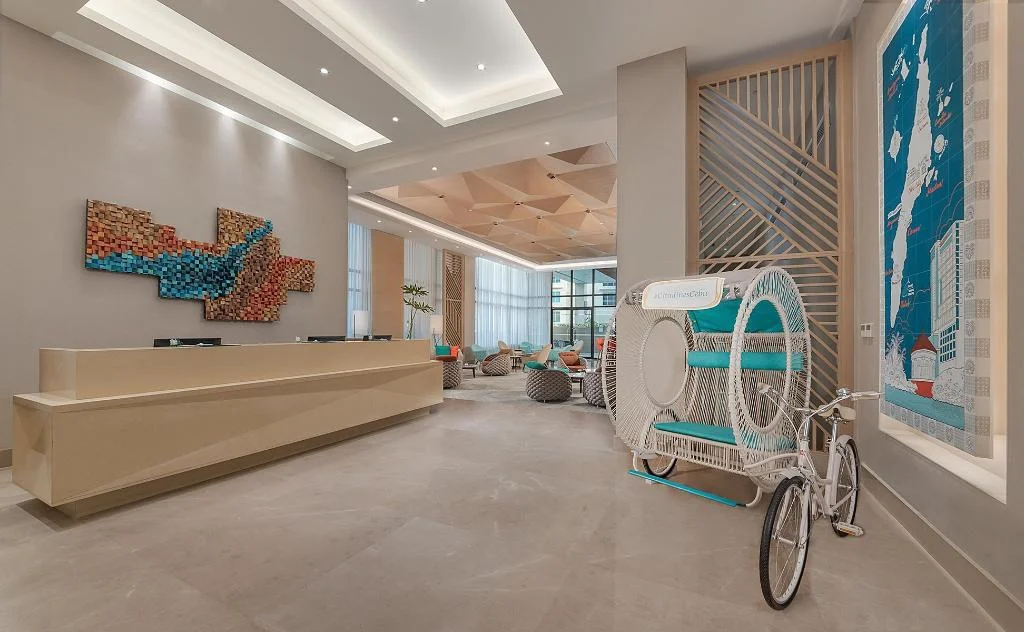
Citadines Cebu City
Prefer a rental? Vacation rentals near Cebu City
Self-catering condos and apartments — book the exact unit, kitchen included.

Cebu Avida Riala by P&J

Special Big Loft Unit w/Fibreop Internet & Netflix
Moonstar Cebu Hotel - Deluxe Room
Before you go