
TL;DR: Cebu and Manila are connected by frequent nonstop flights on Philippine Airlines, Cebu Pacific, and AirAsia — about 1h20–1h35 in the air, from roughly ₱1,600–2,500 one-way (US$28–43) on a promo fare up to ₱3,500–6,500 (US$60–112) at regular pricing. There’s also a slower 2GO ferry (about 22–23 hours, ₱2,900–8,600 / US$50–148) for the adventurous or those hauling cargo. Most travelers pair the two cities: Cebu for beaches and islands, Manila for heritage, food, and the international flight home. Verified July 2026.
Cebu and Manila are the Philippines’ two biggest gateways, and a huge number of trips end up touching both — whether you’re connecting through Manila on an international ticket, adding a city stop before flying home, or just need to get between the two for work. This guide covers how to actually make that trip: flight times and fares, the ferry alternative, which NAIA terminal to look for, and how to structure a combined Cebu-Manila itinerary instead of treating the transfer as dead time. If you’re starting from scratch on getting into Cebu itself, see our Mactan-Cebu Airport guide first.
Cebu to Manila: At a Glance
| Mode | Travel time | Approx. fare (one-way) |
|---|---|---|
| Flight (PAL / Cebu Pacific / AirAsia) | ~1h20–1h35 | ₱1,600–2,500 promo, ₱3,500–6,500 regular (US$28–112) |
| 2GO ferry (tourist class) | ~22–23 hours | ₱2,900–4,500 (US$50–78) |
| 2GO ferry (private cabin) | ~22–23 hours | ₱5,500–8,600 (US$95–148) |
Fares fluctuate with demand, season, and how far ahead you book. Verified July 2026.
How Long Is the Flight, and Who Flies It?
It takes about 1 hour 20 minutes to 1 hour 35 minutes, nonstop, and it’s one of the busiest domestic air routes in the country. Philippine Airlines, Cebu Pacific, and Philippines AirAsia all operate the route directly, with a combined schedule that runs from before dawn to close to midnight — flight trackers show departures as early as 12:05 AM and as late as 11:55 PM most days. That frequency is the real selling point: if you miss a flight or a schedule shifts, there’s usually another one within a few hours.
Cebu Pacific and AirAsia generally undercut Philippine Airlines on price, especially on promo fares, while PAL tends to include a checked bag and a meal even on non-promo tickets, which can close the price gap once you add baggage fees on the budget carriers.
How Much Does It Actually Cost?
Expect roughly ₱1,600–2,500 one-way (about US$28–43) if you book a promo fare weeks or months out, and ₱3,500–6,500 (about US$60–112) for a regular fare booked closer to your travel date. Some searches turn up one-way fares as low as ₱1,600–1,900 during sales, while Philippine Airlines’ standard fares commonly start closer to ₱4,500. Prices spike hard around Sinulog (mid-January), Holy Week, and the Christmas–New Year stretch, so book those windows as early as you can.
- Book 4–8 weeks ahead for the best shot at promo pricing on Cebu Pacific or AirAsia.
- Set a fare alert if your dates are flexible — this route runs enough promos that patience often pays off.
- Add baggage costs on the budget carriers before comparing to PAL; a “cheaper” ticket can end up pricier once you add a 20kg bag.
Is the Ferry Worth It?
Only if you’re after the experience itself, need to move a lot of luggage or cargo, or genuinely can’t fly. 2GO Travel runs the Cebu-Manila route roughly four times a week, and the crossing takes about 22–23 hours — you leave one evening and arrive the following evening or morning. Fares range from about ₱2,900 for a shared tourist-class bunk up to ₱8,600 for a private cabin (roughly US$50–148), and 2GO advises showing up 3–4 hours before departure for baggage checks and boarding.
Do the math before you book: a decent promo flight can cost less than a mid-tier cabin, and it saves you a full day. The ferry makes more sense as a slow-travel choice, or if you’re bringing something you can’t check on a plane.
Which NAIA Terminal Should You Expect?
As of mid-2026, domestic Cebu-Manila flights are split mainly between Terminal 2 (Philippine Airlines) and Terminal 4 (Cebu Pacific and some AirAsia domestic flights), with AirAsia’s other operations based at Terminal 1. NAIA has been in the middle of a terminal reassignment through 2026 aimed at decongesting the airport, and assignments have already shifted more than once this year. Don’t rely on memory from a previous trip — check the terminal printed on your e-ticket or booking confirmation before you head to the airport, and build in extra time if you’re transferring between terminals for a connecting international flight.
Combining Cebu and Manila in One Trip
The most common pattern is Cebu first, Manila last — do the beaches, waterfalls, and island-hopping in and around Cebu, then fly to Manila for 2–3 days of heritage sites, food, and shopping before catching an international flight home, since most long-haul routes out of the Philippines connect through Manila anyway. See our Cebu vs. Manila comparison if you’re deciding how to split your time, and our domestic flights to Cebu guide if you’re flying in from elsewhere in the Philippines first.
If your Manila time is a genuine layover rather than a city stop, plan around the length of your gap:
- 6–8 hours: Grab to Bonifacio Global City (BGC) — about 25–40 minutes from NAIA in light traffic, longer at rush hour. Walk the high street, grab a meal, then head back with at least 90 minutes of buffer before your flight.
- 8+ hours: Add Intramuros, Manila’s walled Spanish-colonial old town, roughly 25–35 minutes from the airport. Pair it with BGC or Binondo (the world’s oldest Chinatown) if you have a full day.
Manila traffic is the wildcard in all of this — a 25-minute Grab ride can become 90 minutes at the wrong hour, so pad your return time generously. For international connections, our international flights to Cebu guide covers routing options if you’re weighing whether to fly into Cebu or Manila in the first place.
Before flying out of Mactan, it’s worth spending a morning at Temple of Leah or swinging by Mactan Shrine near the airport if you have a few spare hours on the Cebu side — see our roundup of side trips from Cebu for more options if you’re stretching the visit.
If you’d rather book your Manila stay ahead of time, compare Manila hotels near BGC and Makati on Agoda, or line up a guided Intramuros walking tour on Klook so a layover or short stopover doesn’t turn into aimless wandering.
The Honest Take
This route is one of the easiest transfers in the Philippines — cheap, frequent, and short enough that a bad flight time barely matters. The main way people overpay is booking last-minute during Sinulog, Holy Week, or the December holidays, when fares on both PAL and the budget carriers spike hard; book those windows early or expect to pay two to three times a normal fare. The ferry sounds romantic but is rarely the practical choice unless you specifically want the slow-travel experience or need to move cargo — factor in a full day, food costs onboard, and the fact that a good flight promo often beats it on price alone. If you’re just passing through Manila between flights, don’t skip the city entirely: even a 6-hour gap is enough for a walk around BGC, and it’s a better use of the layover than sitting at the gate.
Sources
- Cebu Pacific Air — official fares and schedule
- Philippine Airlines — flights from Cebu to Manila
- 2GO Travel — official site
- FlightConnections — Cebu to Manila route data
- Flight schedules, fares, and NAIA terminal assignments verified against July 2026 airline and airport-operator reporting; confirm your specific flight’s terminal on your e-ticket, as NAIA’s terminal reshuffle has continued through 2026. Verified July 2026.
Book Tours & Hotels for This Trip
Find and book the best deals — prices and availability update in real time. Links open in a new tab.
Where to stay near Cebu City
Top-rated hotels for this trip — tap through to check live rates.

Seda Central Bloc Cebu City
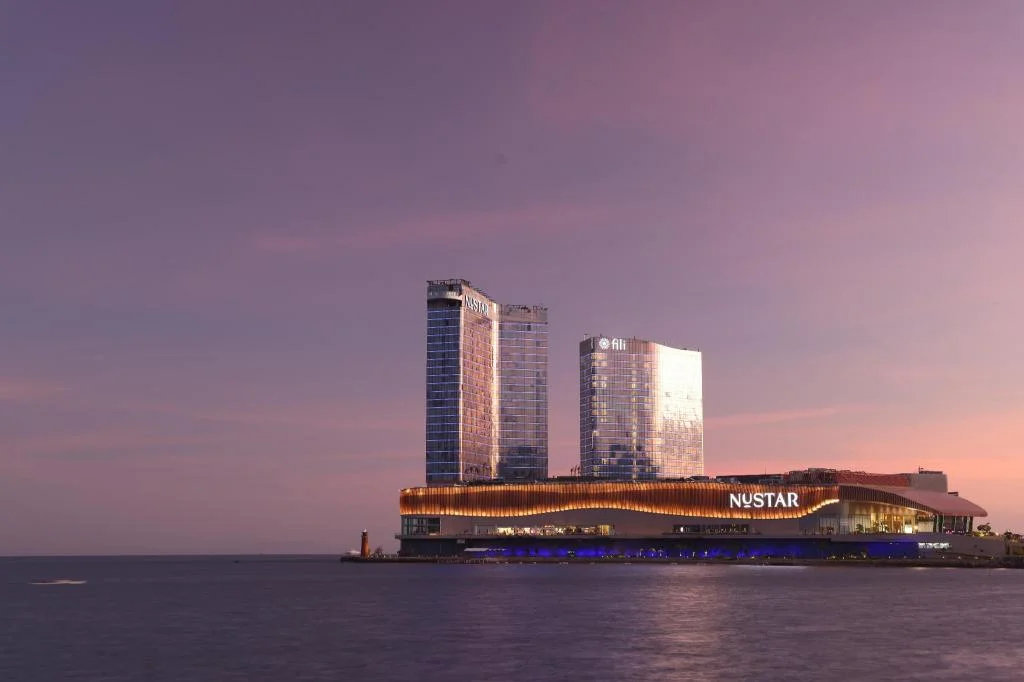
Fili Hotel - NUSTAR Resort & Casino Cebu
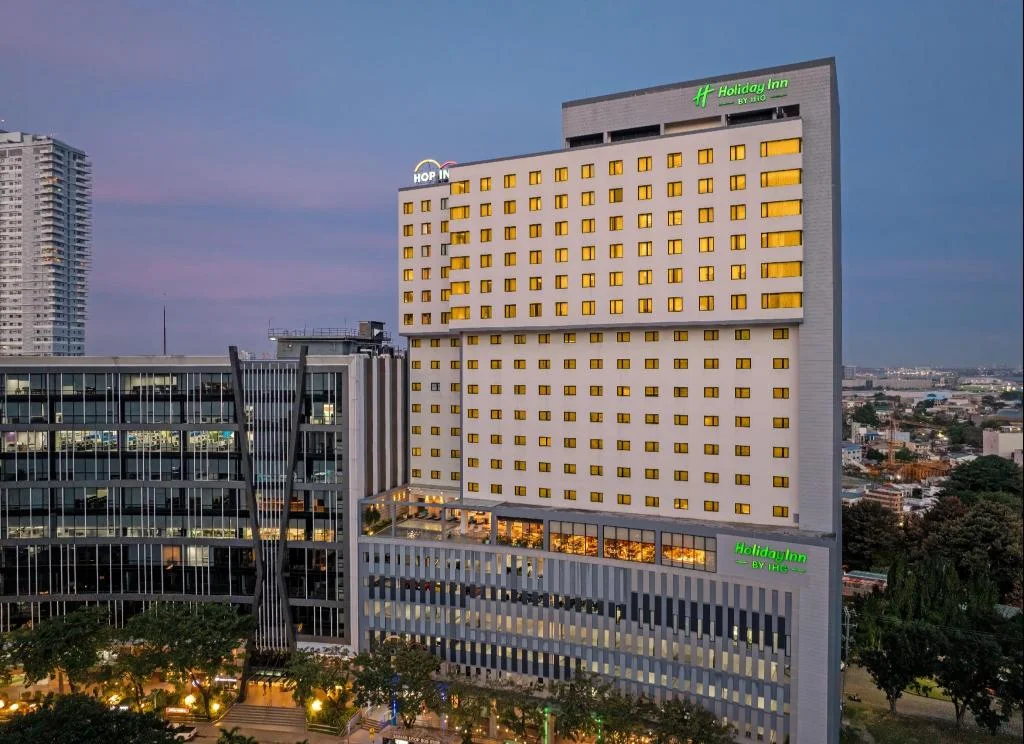
Holiday Inn Cebu City By IHG

Citadines Cebu City
Prefer a rental? Vacation rentals near Cebu City
Self-catering condos and apartments — book the exact unit, kitchen included.

ClockWorkOrange Luxury Suites
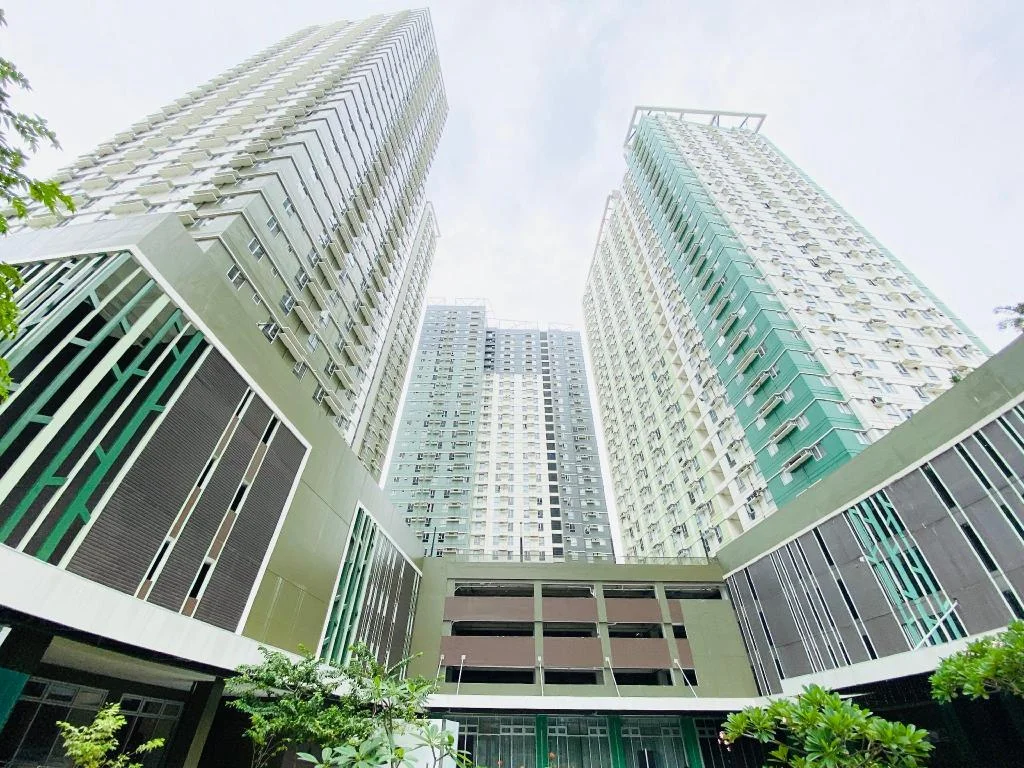
Cebu Avida Riala by P&J

Special Big Loft Unit w/Fibreop Internet & Netflix
Before you go
Frequently asked
How long is the flight from Cebu to Manila?
Which airlines fly Cebu to Manila?
How much does a Cebu to Manila flight cost?
Is there a ferry from Cebu to Manila?
Is the ferry cheaper than flying?
Which NAIA terminal do I use in Manila?
Can I combine Cebu and Manila in one trip?
What can I do on a Manila layover?
More Places to Explore
Temple of Leah
Cebu City
A magnificent Roman-inspired temple built as a monument of love, nicknamed 'Cebu's Taj Mahal,' offering stunning architecture and city views.
Mactan Shrine
Lapu-Lapu City
Historic park commemorating the 1521 Battle of Mactan where Lapu-Lapu defeated Magellan, featuring monuments to both warriors.