
TL;DR: Cebu’s modern jeepneys are the air-conditioned, GPS-tracked replacements for the classic open-air PUJ, and since the March 19, 2026 fare hike they start at ₱17 (~US$0.29) for the first four kilometers versus ₱14 (~US$0.24) for a traditional jeepney. Some units — mostly run by the Cebu People’s Multi-Purpose Cooperative — take a tap card or QR code; most still run cash-only. Confusingly, “Beep” was also the brand name of a separate modern jeepney fleet (unrelated to the beep payment card), and it’s had a rocky, on-and-off run since 2023. Bring small cash, don’t assume any jeepney takes a card, and treat the modernization rollout as a work in progress. Verified July 2026.
Cebu’s jeepney fleet is mid-upgrade. Alongside the classic, open-sided jeepneys that have run this city for decades, you’ll now spot enclosed, air-conditioned “modern jeepneys” — part of the Philippines’ nationwide PUV (public utility vehicle) modernization program — sharing the same routes through downtown, Colon Street, and out toward IT Park and the airport corridor. They’re more comfortable, a little pricier, and sometimes cashless. This guide covers what actually changes when you board a modern jeepney instead of a traditional one: the 2026 fares, which routes actually run them, how the CIBUS bus service and MyBus overlap with jeepney routes, and the honest state of card payments — including the very confusing fact that “Beep” is both a jeepney brand and a separate payment card. It’s written for visitors and new transplants who don’t want to guess at the fare or get stuck without cash. For the basics of flagging down a jeepney at all, pair this with our traditional jeepney routes guide.
Fares & Payment at a Glance
| Ride type | Minimum fare (2026) | Per extra km | Aircon | Cashless option |
|---|---|---|---|---|
| Traditional jeepney | ₱14 (~US$0.24) | Ask driver / posted chart | No | No — cash only |
| Modern jeepney | ₱17 (~US$0.29) | ₱2.40 (~US$0.04) | Yes | Sometimes (varies by unit) |
| CIBUS (aircon bus, SRP–IT Park) | ₱15–₱38 depending on distance | Zone-based | Yes | Cash; card rollout ongoing |
| MyBus (airport–Mandaue–Talisay) | Roughly ₱50–₱100 depending on distance | Zone-based | Yes | Reloadable MyBus card (not beep) |
| Cebu BRT (CBRT) | Free (promotional, 1 year from March 13, 2026) | N/A | Yes | N/A during free period |
Students get a 20% discount on school days; seniors and PWDs get 20% off anytime, with ID. Fares and promos change — confirm the posted chart onboard or with the operator. Verified July 2026.
How Is a Modern Jeepney Different From a Regular One?
A modern jeepney is enclosed and air-conditioned, with individual foam seats instead of facing wooden benches, plus GPS tracking, CCTV, and a cleaner Euro 4/5 diesel engine — the whole point of the government’s PUV modernization push. Cebu’s biggest operator of these, the Cebu People’s Multi-Purpose Cooperative (CPMPC), runs Durabus Zhongtong units built to this spec across Cebu City and neighboring towns. You’ll recognize one by the boxy, bus-like body and closed windows — a traditional jeepney is open-sided with the driver’s name and route painted across the front.
How Much Do Modern Jeepneys Cost in 2026?
A modern jeepney starts at ₱17 (~US$0.29) for the first four kilometers, rising by ₱2.40 (~US$0.04) per kilometer after that — up from ₱15 and ₱2.20 before the LTFRB’s province-wide fare hike took effect March 19, 2026. A traditional jeepney costs less: ₱14 (~US$0.24) minimum, also raised by ₱1 in the same hike. That roughly ₱3 gap is the price of aircon and a smoother ride. Students riding on school days, plus seniors and persons with disabilities at any time, get a 20% discount — carry ID to claim it.
Wait — Is “Beep” a Card or a Jeepney?
Both, and that’s a genuinely confusing overlap worth knowing before you go. The lowercase “beep” card is a nationwide tap-to-pay card from AF Payments, used on Manila’s LRT/MRT, various P2P buses, and Cebu’s inter-island ferries. Separately, “Beep” (capitalized) was the brand name of a specific modern jeepney fleet in Cebu City, operated by Persano Corp. on a route between Cebu City Hall and IT Park via Robinsons Galleria and Cebu Business Park, launched back in 2018. The two share a name by coincidence of branding, not by function.
The jeepney brand’s story is also a useful reality check on how bumpy modernization has been here: Persano Corp. suspended its Beep jeepneys for six months starting October 2023, blaming a shortage of spare parts for its Russian-built units tied to the Russia-Ukraine conflict. A planned April 2024 restart then stalled because only a fraction of its roughly 50 drivers came back, leaving just 17 of 54 units running. Confirm locally whether Beep jeepneys are currently operating on that route before you plan around them — public reporting on their status has been thin since.
Can You Actually Tap a Card to Pay?
On some units, yes — but not consistently, so don’t count on it. CPMPC rolled out cashless payment on its aircon jeepneys starting in 2023 through a partner tap-card/e-wallet system, and separate reporting has linked CPMPC to AF Payments for automated fare collection (AFCS) as required under the modernization program — the same infrastructure behind the beep card. In practice, the specific cashless system varies unit to unit and route to route. If you see a card reader or QR sticker near the driver, ask before tapping; if there’s none, pay cash like everyone else. Either way, keep small bills and coins on you — that’s still the reliable option across virtually every jeepney in Cebu.
Where Do Modern Jeepneys Actually Run — and How Do CIBUS, MyBus, and the BRT Fit In?
Modern jeepneys are being phased in gradually across the city’s existing route numbers, not on a separate network of their own. Cebu City’s 2024–2028 Local Public Transport Route Plan, approved by the LTFRB in 2025, sets 40 official routes (39 regular plus one special class) with just over 1,000 authorized units citywide, and modernization is rolling out route by route rather than all at once. On a given corridor you might flag a modern unit one trip and a traditional one the next.
The busiest overlap zone for modern units is the downtown-to-IT Park corridor — commonly cited route codes include 14D (Ayala to Colon via Escario and Fuente), 04L (IT Park to SM City via Ayala Center), 13C (SM City through Ayala to IT Park and JY Square), and 17B/17C/17D (IT Park and Lahug down to Carbon Market). Treat these as a starting point, not gospel — the ongoing route rationalization means numbers can shift, so match the code painted on the unit to your destination and ask the conductor if unsure.
This same corridor is also where jeepneys share space with two other systems that are easy to confuse with them:
- CIBUS (Cebu Interim Bus Service) is a separate aircon bus route between South Road Properties and IT Park, launched in 2020 as a stopgap while the full Cebu Bus Rapid Transit (BRT) system was being built.
- MyBus, run by Metro Rapid Transit Services, Inc., connects Mactan-Cebu International Airport with SM City Cebu, Mandaue, and Talisay, using its own reloadable MyBus card — not the beep card.
- The Cebu BRT itself began partial operations on March 13, 2026, with 17 buses on a 13-kilometer SRP–IT Park loop, offered free for a promotional year. Full rollout is targeted for later in 2026, and — in a sign of how tight things still are — the city has started letting both modern and traditional jeepneys share the BRT’s dedicated lane to ease congestion during construction.
None of these three currently share one ticketing system with each other or with modern jeepneys, so budget separately for each leg of a multi-mode trip.
How Do You Get and Load a Beep Card?
If you do want to try a beep card for the ferries or wherever it’s accepted on modern jeepneys, you can reload one at Bayad Center, SM Bills Payment counters, Villarica Pawnshop, or Tambunting outlets, through the BPI mobile app, or via the Coins.ph app if your phone supports NFC. Buying the physical card itself is easier in Manila, where it’s sold at LRT/MRT stations, than in Cebu — check beep.com.ph for the nearest local sales point before you assume you can pick one up at a jeepney stop.
Cash or Card — What Should You Actually Do?
Carry cash. A beep card is a nice bonus if you already have one loaded from a Manila trip or a ferry ride, but Cebu’s cashless coverage on jeepneys is still patchy and unit-dependent in 2026. Keep a stash of ₱20 and ₱50 bills plus coins, especially for traditional jeepneys, which are cash-only across the board. If a modern jeepney happens to have a working card reader, great — treat it as a convenience, not a default plan.
How to Choose Between Jeepney, CIBUS/MyBus, BRT, or Grab
- Short downtown hops (Colon, Carbon Market, Ayala, IT Park): flag a jeepney, modern or traditional — cheapest, and rarely a long wait.
- SRP to IT Park specifically: CIBUS or the new BRT, both aircon and currently sharing the same lane.
- Airport to Mandaue or Talisay: MyBus is built for this route; see our Mactan-Cebu Airport guide for the terminal layout.
- Heavy luggage or door-to-door: compare Grab against a metered taxi, or check taxi fares and common scams first.
- No patience for figuring out routes: book a private airport transfer on Klook and skip the guesswork above entirely.
The Honest Take
Cebu’s PUV modernization is real but slower and messier than it looks on paper. The city’s flagship modern jeepney brand, “Beep,” went from a promising 2018 launch to a stalled fleet within five years — spare parts, driver shortages, and a broader modernization mandate all colliding at once. The BRT is running a fraction of its planned fleet on a free-ride promotion rather than full paid service, and cashless payment is inconsistent enough that you shouldn’t count on it working when you need it to.
None of that makes modern jeepneys not worth taking — on a hot afternoon, a ₱3 premium for aircon and a real seat is an easy trade. Just don’t build your plans around any one system running exactly as advertised: bring cash, check the route code painted on the unit, and keep Grab or a taxi as backup for when the modern one doesn’t show.
Get Around the Rest of Cebu
Once jeepneys are sorted, see our full guide to getting around Cebu for buses, taxis, and rentals, or compare hotels near IT Park and the city center on Agoda if you’d rather walk to most of what you need.
Sources
- Rappler — fare increase for jeepneys, buses, and ride-hailing, effective March 19, 2026
- Philippine News Agency — 170 modern jeepneys to ply Cebu City routes
- Philippine News Agency — Cebu modern jeeps ready to fill traditional PUJ routes after deadline
- Sunstar Cebu — Cebu City approves 40 new PUJ routes under the 2024–2028 route plan
- Manila Times — Cebu City launches first phase of Bus Rapid Transit
- Manila Times — Cebu opens bus transit lanes to jeepneys amid traffic woes
- Sunstar Cebu — lack of drivers delays Beep Cebu’s return
- Cebu Daily News — BEEP Cebu announces suspension of operations for six months
- beep™ official site — where to use and where to load
- Facts on CIBUS, MyBus, and jeepney route codes cross-checked against current commuter-guide reporting. Confirm current fares, routes, and card acceptance locally before you travel. Verified July 2026.
Book Tours & Hotels for This Trip
Find and book the best deals — prices and availability update in real time. Links open in a new tab.
Where to stay near Cebu City
Top-rated hotels for this trip — tap through to check live rates.
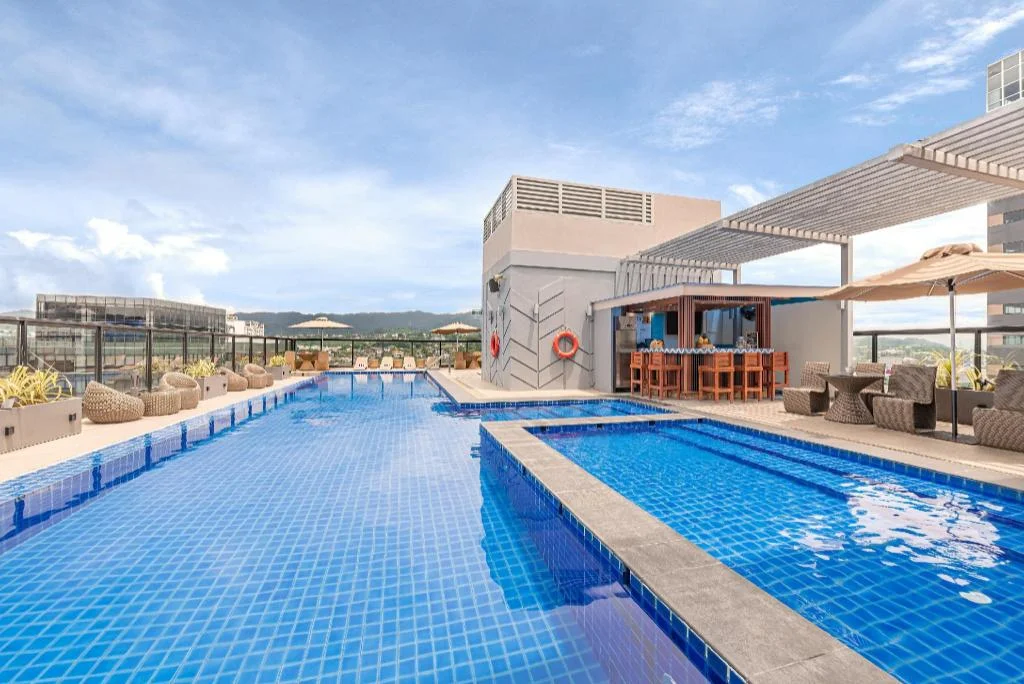
Seda Central Bloc Cebu City
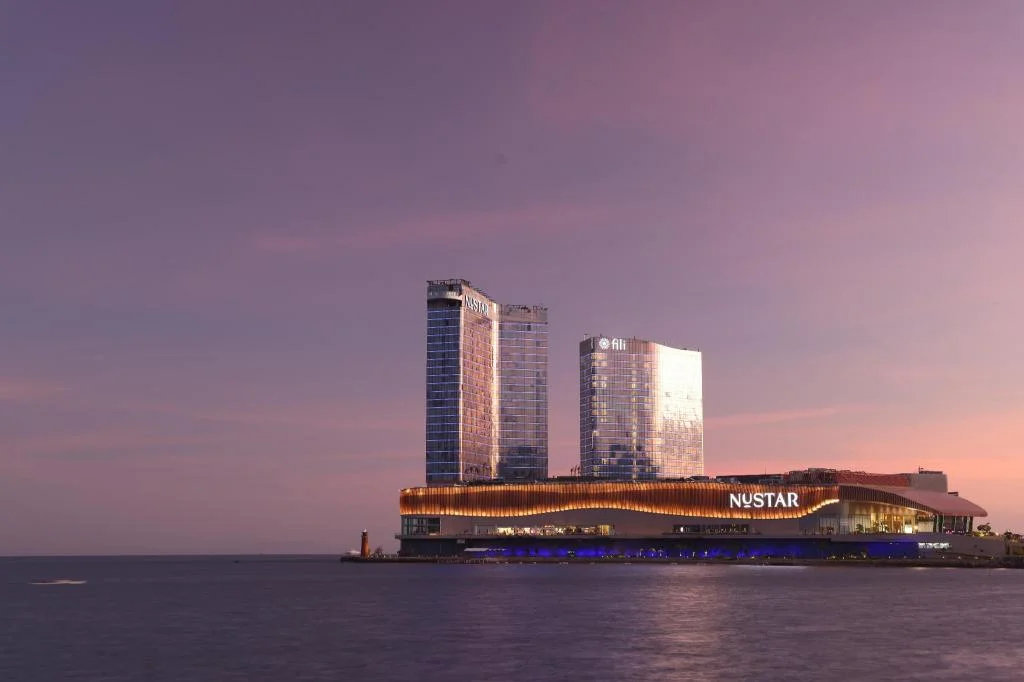
Fili Hotel - NUSTAR Resort & Casino Cebu
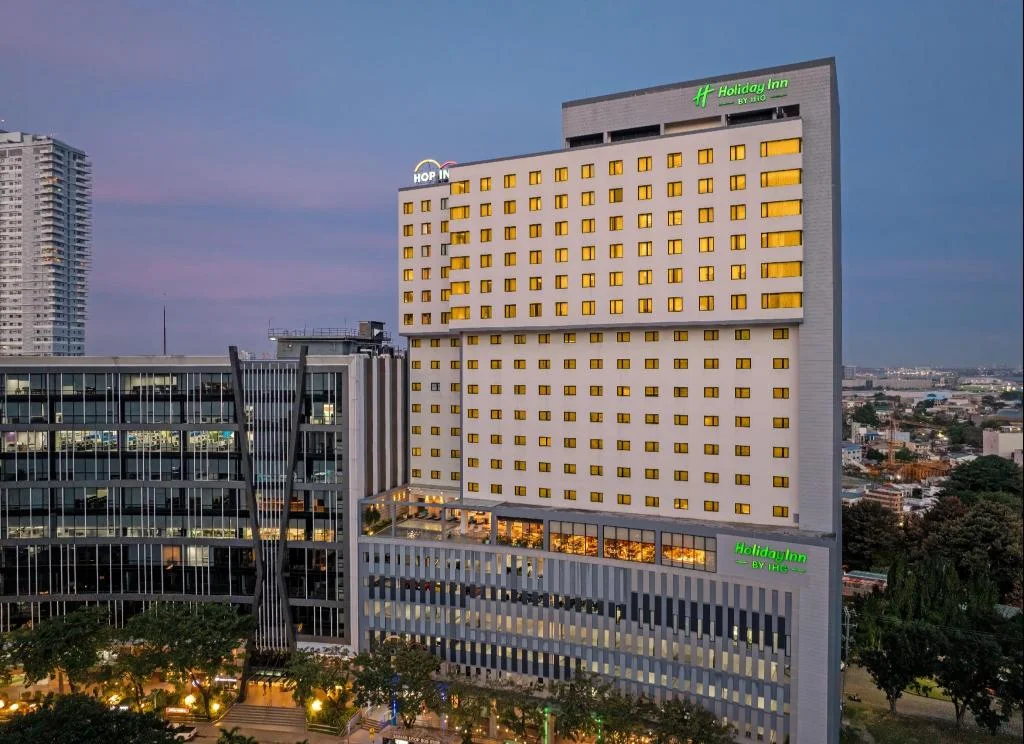
Holiday Inn Cebu City By IHG
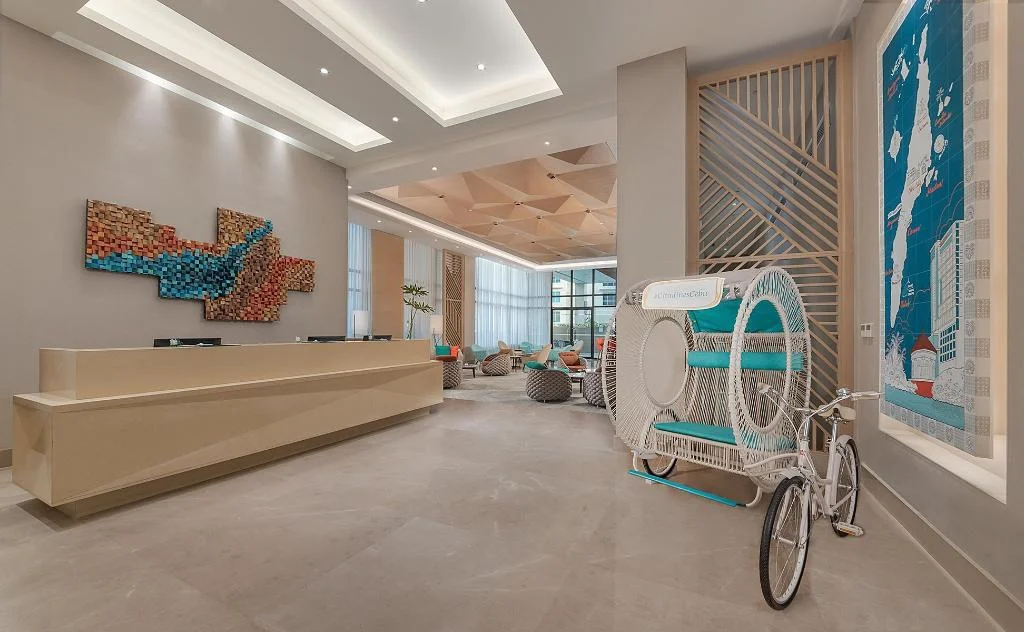
Citadines Cebu City
Prefer a rental? Vacation rentals near Cebu City
Self-catering condos and apartments — book the exact unit, kitchen included.
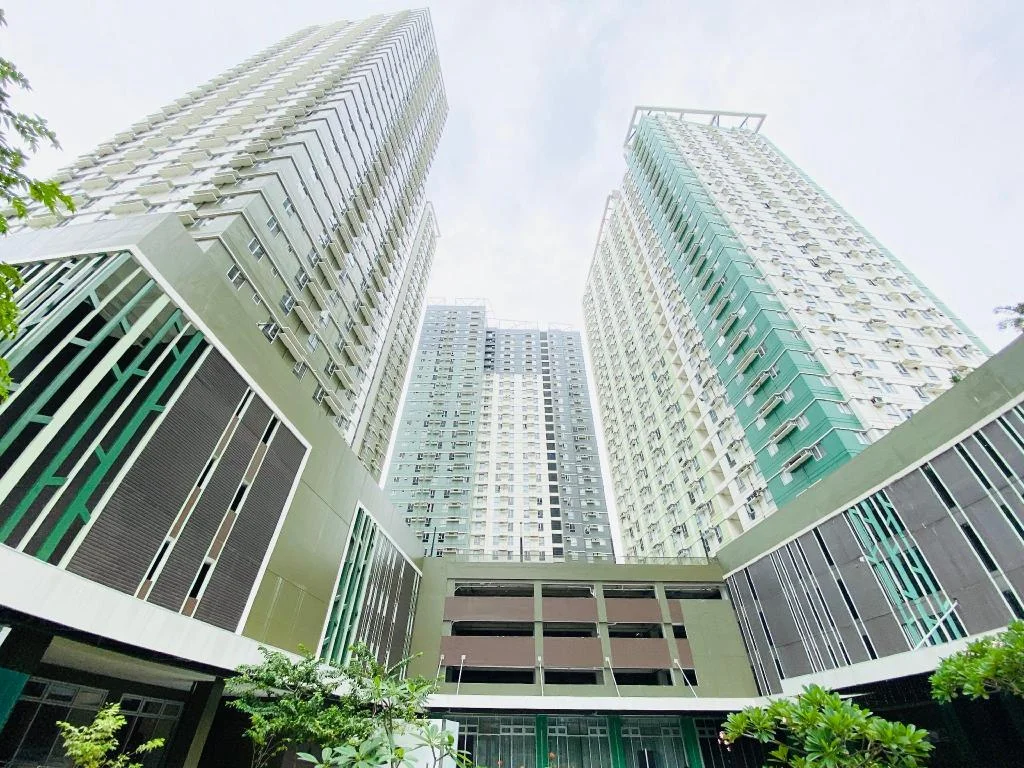
Cebu Avida Riala by P&J
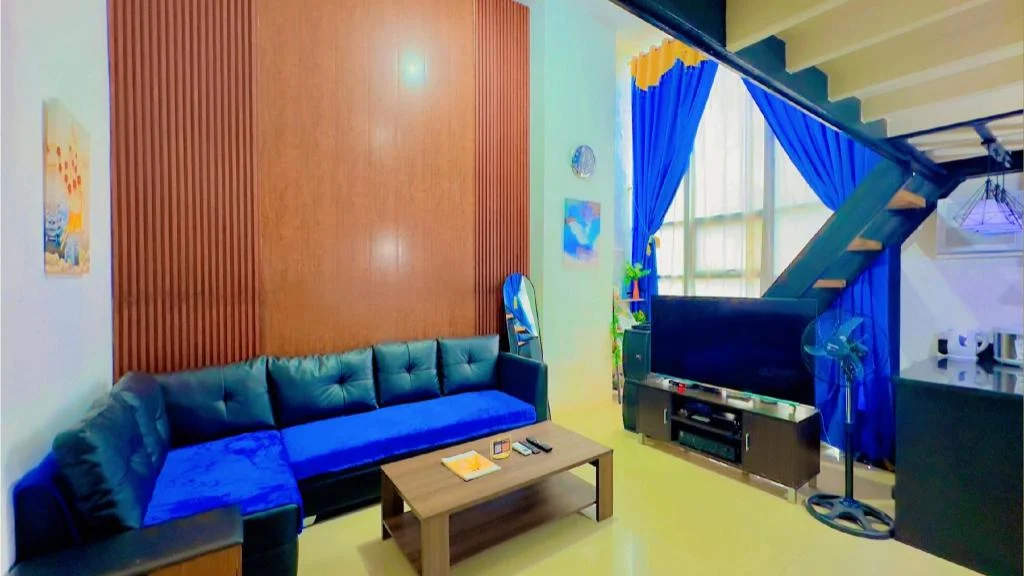
Special Big Loft Unit w/Fibreop Internet & Netflix
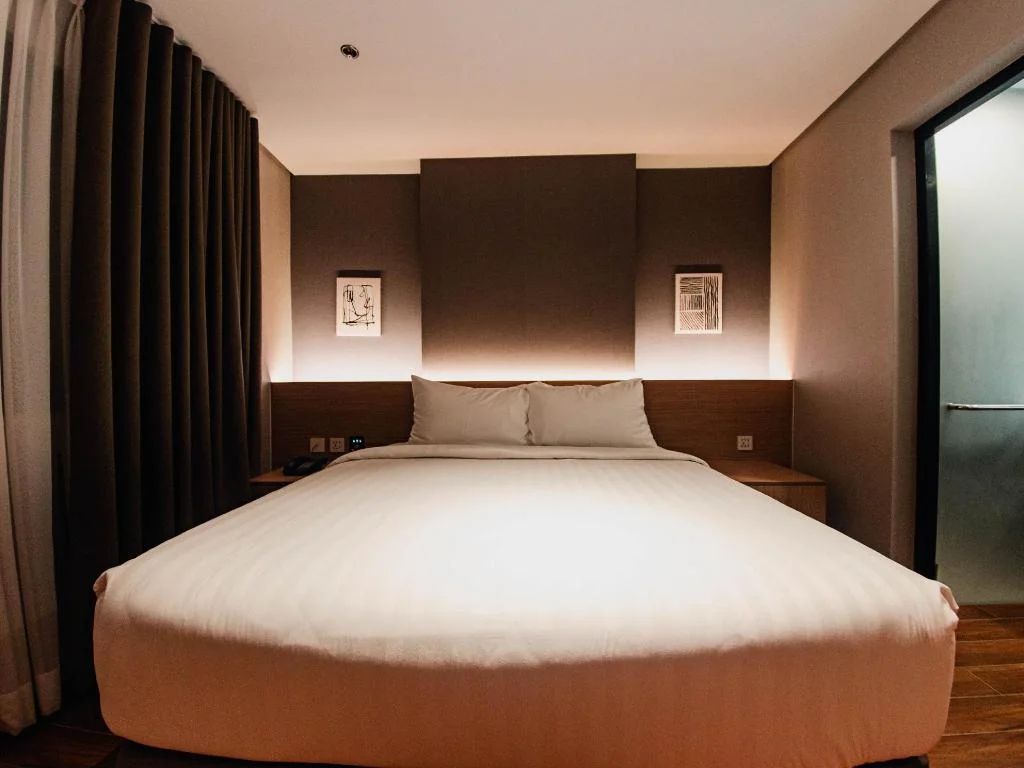
Moonstar Cebu Hotel - Deluxe Room
Before you go
Frequently asked
What's the difference between a traditional and a modern jeepney in Cebu?
How much does a modern jeepney cost in Cebu in 2026?
Is 'Beep' a jeepney or a payment card in Cebu?
Can I pay jeepney fares with a beep card in Cebu?
Where can I load a beep card in Cebu?
Do modern jeepneys and CIBUS or MyBus run the same routes?
Should tourists use cash or a card on Cebu jeepneys?
Are modern jeepneys running on every route in Cebu City?
More Places to Explore
Colon Street
Cebu City
The oldest street in the Philippines, a historic commercial thoroughfare that has been Cebu's trading center since Spanish colonial times.
Carbon Market
Cebu City
Cebu's oldest and largest market (since 1909), offering an authentic local shopping experience with fresh produce, seafood, and traditional goods.
Fort San Pedro
Cebu City
The oldest and smallest triangular fort in the Philippines (1565), a well-preserved Spanish colonial military structure with a history museum.