
TL;DR: For most tourists, Grab wins on predictability — the fare is fixed before you ride (from ₱65 base + ₱15 pickup, plus distance and time, after the March 2026 hike), it’s cashless via GCash, and there’s no haggling. A metered taxi is cheaper on paper (₱50 flag-down for the first 500 meters) but only if the driver actually runs the meter — a real risk at the airport and tourist areas. Airport runs cost roughly ₱350–600 on Grab (US$6–10) versus ₱250–400 on a metered taxi (US$4–7), plus tolls either way. Use Grab by default; use a taxi when you know the fair price and Grab is surging. Verified July 2026.
Cebu gives you two real options for getting around by car: Grab, the ride-hailing app that dominates Metro Cebu, and the classic metered taxi, hailed on the street or lined up outside malls and the airport. Both work. Both have trade-offs. This guide breaks down what each actually costs in 2026, when the honest advice is to pick one over the other, and how to avoid the handful of scams that give Cebu taxis a bad name. It’s aimed at anyone weighing “just open the app” against “grab a cab off the street” for city trips, the Mactan-Cebu airport run, or a trip up to a hillside spot like Temple of Leah.
Grab vs Taxi at a Glance
| Factor | Grab | Metered Taxi |
|---|---|---|
| Base fare (2026) | ₱65 sedan + ₱15 pickup fee | ₱50 flag-down (first 500m) |
| Typical city trip | ₱120–250 (US$2–4) | ₱150–250 (US$2.6–4.3) |
| Airport to city | ₱350–600 (US$6–10) | ₱250–400 (US$4–7), metered |
| Price known upfront? | Yes, fixed before booking | No, meter runs live |
| Payment | GCash, card in-app, cash | Cash only (almost always) |
| Surge pricing | Yes, 1.5–2x at peak/rain | No — meter rate is fixed |
| Haggling risk | None | Real, especially at tourist spots |
| Coverage | Strong in Metro Cebu, thin outside it | Anywhere you can flag one down |
| Booking | App, needs data/Wi-Fi | Street hail, no app needed |
Fares assume normal traffic and no surge. Tolls (e.g., the CCLEX bridge, ₱90) are billed separately from either fare. Verified July 2026.
How Much Does Grab Actually Cost in Cebu?
A typical Grab ride within Cebu City runs ₱120–250 (US$2–4); airport transfers run ₱350–600 (US$6–10). The March 2026 LTFRB fare adjustment raised the TNVS base fare for a standard sedan from ₱45 to ₱65 and added a ₱15 pickup fee, so the number you see when you open the app is a bit higher than it was in 2025. Per-kilometer and per-minute rates weren’t changed in that hike.
The upside of Grab is that the quoted fare is what you pay — it’s calculated before you confirm the booking, and it doesn’t change mid-trip even if the driver takes a longer route or you hit a jam (unless you cancel and rebook). It also builds in things a taxi meter doesn’t automatically show you, like an estimated time of arrival and a GPS-tracked route.
The catch is surge pricing. During rush hour (roughly 7–9 AM and 5–8 PM), heavy rain, or big events like Sinulog, Grab fares can climb to 1.5–2x the normal quote. If a ride that should be ₱150 shows up as ₱280 in the app, that’s surge — waiting 10–15 minutes or walking a block from a jeepney stop sometimes brings the price back down.
How Much Does a Metered Taxi Cost in Cebu?
A metered taxi’s flag-down rate is ₱50 for the first 500 meters, with roughly ₱13.50 per additional kilometer and a small per-minute waiting charge. That base rate has stayed put through the March 2026 fare round — the petition to raise fares for ordinary (non-airport) taxis was still under LTFRB deliberation as of this writing, so confirm the current rate hasn’t changed by the time you travel.
For a short hop — say, IT Park to Ayala Center, or Fuente Osmeña to the Basilica del Santo Niño — a metered taxi in light traffic often comes out a little cheaper than Grab’s base fare. The problem is the word “metered.” Plenty of Cebu taxi drivers run an honest meter without being asked. But at the airport, around the Basilica, and near nightlife strips, it’s common enough to hear “meter’s broken” or get quoted a flat price well above what the meter would show. If a driver won’t start the meter before you leave the curb, that’s your answer — get out and find another cab, or open Grab instead.
Grab vs Taxi: When Does Each One Win?
Grab wins when you want a fixed price, cashless payment, or you’re new to Cebu and don’t know fair fares yet. It also wins late at night in areas where taxis have gotten scarce, since you can see driver ratings and a tracked route rather than getting into an unmarked cab.
A taxi wins when Grab is surging hard, when you’re somewhere Grab coverage is thin, or when you already know the fair metered price for your route. It’s also the practical option if your phone has no data and you can’t get on Wi-Fi to book a ride.
A few concrete calls:
- Heavy rain or 6 PM rush hour downtown: check Grab’s price first — if it’s surging past ₱300 for a trip that’s normally ₱150, a street taxi with a working meter is the better deal.
- Late at night from a bar in IT Park: Grab, for the tracked route and driver ID.
- Quick trip inside a mall complex or a very short hop: either works; a taxi flag-down might save you a few pesos if the meter’s honest.
- Heading up to Temple of Leah or Tops Lookout in the Busay hills: Grab availability thins out fast once you’re off the main roads, and drivers (Grab or taxi) will often only take the trip as a fixed round-trip fare, since there’s no fare back down from the hilltop. Agree on the full up-and-back price before you get in, whichever you choose.
Grab or Taxi for the Mactan-Cebu Airport Run?
Grab is the more predictable choice for the airport, and it’s what most repeat visitors default to. Book it on the terminal Wi-Fi before you walk out to the taxi queue — you’ll see a fixed fare (typically ₱350–600, US$6–10) and a driver assigned to you, which sidesteps the queue-side haggling that airport taxi ranks are known for.
Airport-authorized taxis are metered and legitimate, but their flag-down rate jumped from ₱75 to ₱115 for the first 500 meters after the March 2026 hike — so an airport metered fare into the city now typically lands around ₱250–400 (US$4–7), still usually cheaper than Grab on a normal-traffic day. Neither fare includes tolls: if your driver crosses the CCLEX bridge, expect a separate ₱90 charge at the gate, paid on top of the fare shown on the meter or in the app.
For the full breakdown of airport transport options, including shuttles and pre-booked transfers, see our Mactan-Cebu Airport guide. If you’d rather lock in a fixed-price transfer before you land, compare private airport transfer options on Klook.
The Honest Take
Neither option is a trap — Cebu’s taxis aren’t uniquely dangerous, and Grab isn’t always cheaper. The honest read: Grab is the safer default for anyone unfamiliar with fair local prices, because the fare is fixed and the trip is tracked, and the modest premium over a taxi is worth it for that peace of mind, especially at the airport or late at night. A metered taxi is genuinely the better deal once you know the going rate for your route and you’re confident the driver will run the meter — which most will, outside a few well-known tourist choke points.
Where Grab actually loses is coverage and surge. It’s excellent inside Metro Cebu but gets patchy fast once you’re headed into the hills or out to towns like Moalboal or Oslob, and its dynamic pricing can spike uncomfortably during rain or rush hour. A taxi’s flat metered rate doesn’t move with demand, which occasionally makes it the smarter pick even for a first-time visitor.
Skip the fixed-price street “special trip” offers you’ll get shouted at you outside malls and the airport — that’s where the real overcharging happens, on either side of the Grab-vs-taxi debate. For a fuller rundown of the scams to watch for beyond transport, see our guide to common scams in Cebu and how to avoid them.
Getting Around Beyond Grab and Taxi
Grab and taxis cover most short trips well, but they’re not the only way to move around Cebu — jeepneys, motorbike rentals, and habal-habat fill in the gaps, especially outside Metro Cebu. For the full picture of routes, fares, and which mode fits which trip, see our guide to getting around Cebu, and for a deeper dive specifically into taxi fares and scam patterns, read taxis in Cebu: fares, tips, and scams. If Grab is new to you, our Grab in Cebu guide covers setting up the app, payment methods, and booking your first ride before you land.
Sources
- LTFRB fare hike announcement, March 2026 — Topgear.ph (TNVS and airport taxi base fare changes)
- LTFRB fare hike coverage — BusinessMirror (ordinary taxi rate status)
- LTFRB P50 flag-down rate — Philippine News Agency
- Grab airport transfer fare estimates — TaxiFareFinder
- Cebu taxi overcharging guide — Cebu Insights
- Fares and fare-hike figures verified against March 2026 LTFRB reporting; confirm current rates locally before you travel. Verified July 2026.
Book Tours & Hotels for This Trip
Find and book the best deals — prices and availability update in real time. Links open in a new tab.
Where to stay near Cebu City
Top-rated hotels for this trip — tap through to check live rates.
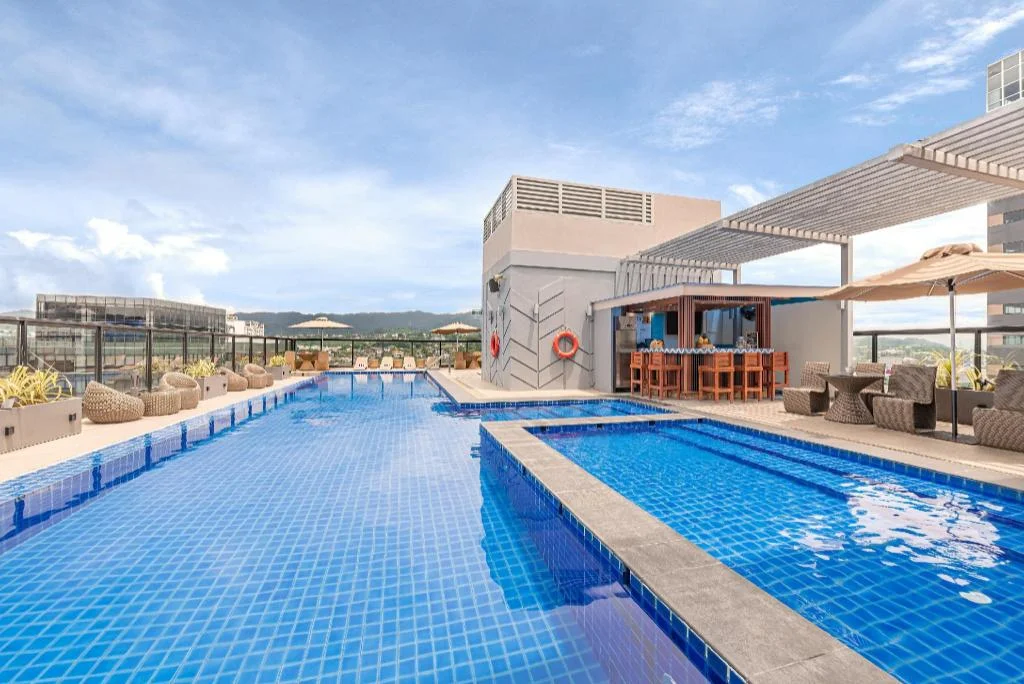
Seda Central Bloc Cebu City
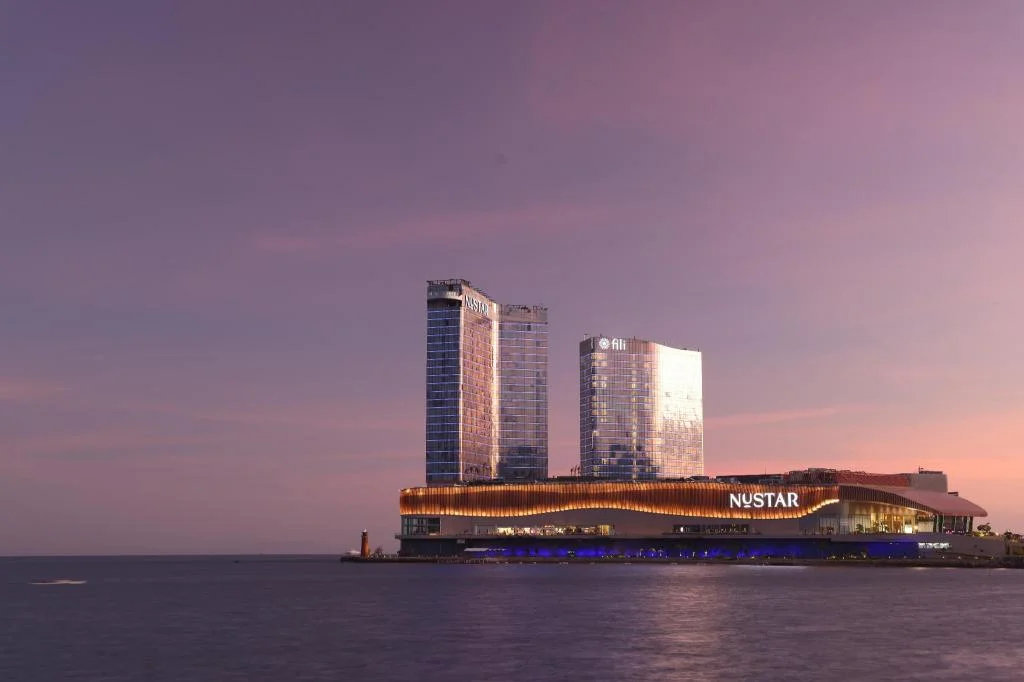
Fili Hotel - NUSTAR Resort & Casino Cebu
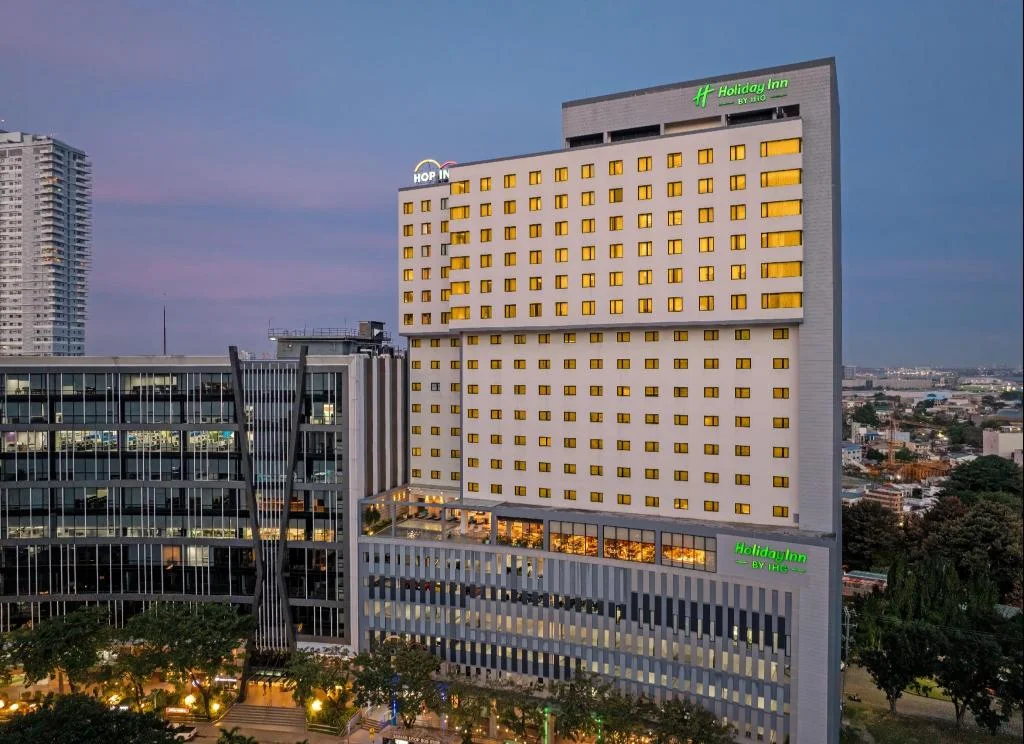
Holiday Inn Cebu City By IHG

Citadines Cebu City
Prefer a rental? Vacation rentals near Cebu City
Self-catering condos and apartments — book the exact unit, kitchen included.
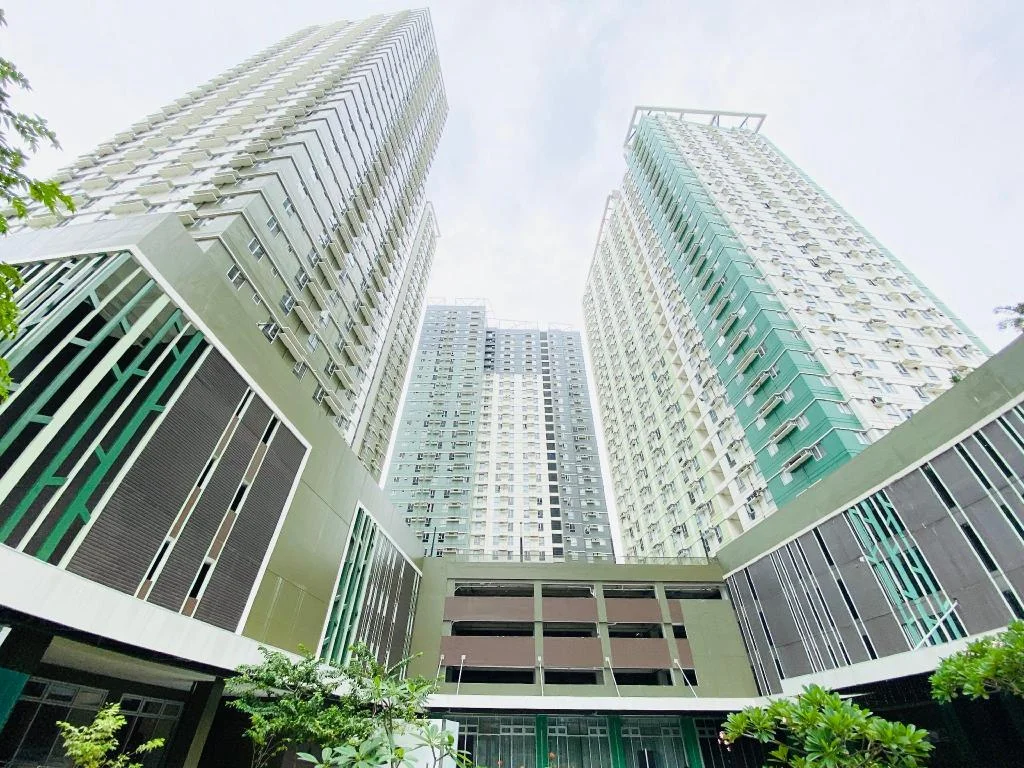
Cebu Avida Riala by P&J

Special Big Loft Unit w/Fibreop Internet & Netflix

Moonstar Cebu Hotel - Deluxe Room
Before you go
Frequently asked
Is Grab or taxi cheaper in Cebu?
Does Grab surge in Cebu, and by how much?
Can you pay Grab with GCash in Cebu?
Is it safe to take a taxi in Cebu, or should tourists stick to Grab?
Which is better for the Mactan-Cebu airport run, Grab or taxi?
Why can't I get a Grab in some parts of Cebu?
Do Grab and taxi drivers expect tips in Cebu?
More Places to Explore
Temple of Leah
Cebu City
A magnificent Roman-inspired temple built as a monument of love, nicknamed 'Cebu's Taj Mahal,' offering stunning architecture and city views.
Tops Lookout
Cebu City
Cebu City's premier hilltop viewpoint offering stunning panoramic views of the city, especially spectacular at sunset and nighttime.