TL;DR: The National Shrine of St. Joseph sits in the heart of Mandaue City and holds the Señor San Jose de Mandaue, believed to date to around 1600 and considered the oldest publicly venerated image of St. Joseph in the Philippines. It was declared a National Shrine in 2001. Entry is free, mass runs most hours of the day, and the city’s fiesta and Panagtagbo Festival fall around May 8, with a separate church solemnity and procession on March 19. It’s a 15–30 minute Grab ride from Cebu City and pairs naturally with a Mandaue day out. Verified July 2026.
Most visitors to Cebu never cross the bridge into Mandaue, and that’s a mistake if you care about the region’s religious history. The National Shrine of St. Joseph — known locally as Mandaue Church — is one of the oldest parish sites in the province, and it holds something genuinely rare: a nearly 400-year-old image of St. Joseph that survived earthquakes, an American bomb, and multiple rebuilds. This guide is for anyone doing a church-heritage circuit around Cebu City, timing a visit around the Mandaue fiesta, or simply curious why a mid-sized industrial city has its own National Shrine. It covers the history, the image itself, mass times, the fiesta calendar, and how to actually get there from Cebu City.
At a Glance
| What | Details |
|---|---|
| Location | S.B. Cabahug St., Barangay Centro, Mandaue City, Cebu |
| Entrance fee | Free (active parish church) |
| National Shrine declared | August 6, 2001 (dedicated August 8, 2001) |
| Key relic | Señor San Jose de Mandaue — oldest publicly venerated St. Joseph image in the Philippines |
| Mass schedule | Daily, roughly 5:30 AM–8:00 PM; alternates Cebuano/English |
| Fiesta | May 8 (Panagtagbo Festival); separate solemnity March 19 |
| From Cebu City | 15–30 min by Grab/taxi from IT Park or downtown |
Verified July 2026.
Who Is the Señor San Jose de Mandaue?
The shrine’s central image shows St. Joseph standing with the Child Jesus, holding a staff topped with lilies while the boy Jesus carries a small carpenter’s toolbox — a composition devotees call “El Patrocinio,” the Patronage of St. Joseph. Jesuit historian Fr. Rene Javellana, SJ has proposed the image was likely made locally around 1600 under the direction of the Spanish Jesuit missionaries who first evangelized Mandaue, which would make it close to 400 years old. The shrine itself describes it as the oldest publicly venerated image of St. Joseph anywhere in the Philippines, a claim that gives Mandaue a religious significance most visitors driving past its furniture shops and lechon stalls never suspect.
Beyond the main image, the church compound also displays a life-sized “Señor de Cena” (Last Supper) tableau depicting Christ and the twelve apostles, added as part of a “Gallery of Saints” installation in 2022 — a newer devotional feature that’s popular with Visita Iglesia crowds during Holy Week.
What’s the History Behind the Shrine?
Devotion to St. Joseph in Mandaue traces back to the Jesuit missionaries who took over the parish from earlier Augustinian caretakers around the turn of the 17th century, building the first substantial church here and installing St. Joseph as patron. What followed was centuries of rebuilding: the Jesuits’ 1768 expulsion handed the parish to the Augustinian Recollects, an 1886 description records a Greek-cross floor plan with octagonal side chapels, a 1922 earthquake did serious damage, and repairs finished in 1936 added a bell tower to the façade. World War II undid much of that — an American bomb tore open the roof and destroyed the tower along with historic Last Supper imagery and parish records. The church was rebuilt in the 1950s with the dual symmetrical towers you see today, and a lengthy 1990s–2001 renovation replaced the ceiling, roof, and support posts (a 2002 fire also damaged the altar and was quickly repaired).
That long rebuilding effort culminated on August 6, 2001, when Cardinal Ricardo J. Vidal, then Archbishop of Cebu, declared the parish a National Shrine with the approval of the Catholic Bishops’ Conference of the Philippines — it was formally dedicated and consecrated two days later. It remains the only National Shrine in the country dedicated to St. Joseph, and today anchors a vicariate of eight parishes across Mandaue.
What Does the Architecture Look Like?
Expect a mix of Neo Greco-Roman and Baroque styling rather than the ornate stonework of Cebu’s more famous Spanish-era churches — the 1998 renovation removed some of the original roof-supporting pillars, which changed the interior feel noticeably from older photographs. It’s a working, frequently-restored building rather than a preserved colonial artifact, which is worth knowing if you’re coming from photos of coral-stone churches elsewhere in Cebu and expecting the same. The value here is historical and devotional rather than purely visual: the twin bell towers, the compound’s Last Supper gallery, and of course the Señor San Jose image itself are the reasons to come, not the façade.
When Is the Mandaue Fiesta?
Mandaue’s grand fiesta — and the city’s biggest annual event — falls on May 8, honoring St. Joseph the Worker, and is marked by the Panagtagbo Festival. “Panagtagbo” is Cebuano for “the meeting,” and the festival commemorates the translacion: the annual transfer of the Santo Niño de Cebu and Our Lady of Guadalupe images to the shrine, where they’re ceremonially reunited with St. Joseph ahead of Sinulog’s fluvial procession. Panagtagbo replaced the older Mantawi Festival — a secular street-dancing competition tied to Mandaue’s founding — in 2015, shifting the city’s showcase event toward its religious core.
Separately, the shrine also observes St. Joseph’s liturgical solemnity on March 19, with its own procession using a different image depicting St. Joseph’s death. If you’re building a visita iglesia church route around Holy Week or want to catch Cebu’s best churches, either date is worth checking against your travel dates — confirm the exact 2026 program with the parish or Mandaue City Hall before finalizing plans, since festival details shift year to year.
What Are the Mass Times?
As of mid-2026, masses run nearly every hour of the day. Sundays start at 5:30 AM and run through roughly 8:00 PM, alternating Cebuano and English, with the 8:00 AM Cebuano mass livestreamed on the parish’s Facebook page. Weekdays and Saturdays follow a lighter schedule from about 5:30 AM to 6:30 PM, including Saturday evening anticipated masses for those who won’t make Sunday. Treat any published schedule as a starting point, not gospel — Philippine parish mass times shift with staffing and season, so check the National Shrine of St. Joseph (NSSJMandaue) Facebook page for the current schedule before you go, especially around fiesta or Holy Week.
How Do You Get There From Cebu City?
The shrine sits on S.B. Cabahug Street, Barangay Centro, Mandaue City — close enough to Cebu City that it’s an easy add-on rather than a day trip. From IT Park, Cebu Business Park, or downtown, a Grab or taxi typically takes 15–30 minutes depending on traffic, which can back up badly at rush hour on the Mandaue–Mactan corridor. By jeepney, routes running the Mandaue–Cebu City corridor (some passing through IT Park or Colon on their way to Mandaue’s Centro district) will get you within walking distance; minimum jeepney fare in Cebu runs around ₱13–15 (roughly US$0.25), so confirm the current rate and exact route with the driver or a transit app before boarding.
If you’re staying in Cebu City and want to base yourself centrally for a heritage-focused trip that includes Mandaue, compare Cebu City hotel rates on Agoda.
How to Combine It With the Rest of Mandaue
The shrine works best as one stop on a broader Mandaue visit rather than a standalone destination. Mandaue is Cebu’s industrial and furniture-manufacturing hub, so pair the church with a look at the city’s furniture showrooms, a stop at the Ouano Wharf seafood market for fresh catch, or a walk along Mantawi International Drive. If you want the full picture of the city beyond the shrine — its food scene, industry, and neighborhoods — a dedicated Mandaue city guide covers that ground. For a broader Cebu heritage day that ties the shrine into a downtown route, our Cebu cultural heritage walking tour is built around exactly that kind of stop-hopping, and can be adapted with Mandaue added at the start or end. Travelers who prefer a guided option can also browse Cebu heritage and city tours on Klook to see if an operator already routes through Mandaue.
The Honest Take
This isn’t a bucket-list attraction, and it shouldn’t be sold as one. If you’re chasing dramatic colonial architecture, the shrine’s repeated rebuilds mean it doesn’t have the untouched grandeur of, say, Cebu’s older Spanish-era churches further south — the interior in particular reads more “functional parish” than “heritage showpiece” after the 1998 renovation. What makes it worth the detour is the story: an image that predates most of what tourists see in Cebu, a national designation the city rarely gets credit for, and a living devotional culture (the Panagtagbo translacion, the daily mass crowds) that hasn’t been packaged for visitors at all. Go if you’re building a genuine heritage or Holy Week itinerary, if you’re in Mandaue anyway for furniture shopping or the seafood market, or if you want to understand Sinulog’s religious mechanics beyond the parade. Skip it if you only have one day in Cebu and haven’t yet seen the Basilica del Santo Niño or Colon Street — those come first.
Best time to go is any weekday morning outside of a scheduled mass, when the compound is quiet enough to actually look around. Avoid arriving right at fiesta peak (May 8) or during Panagtagbo unless you specifically want the crowd and the procession — parking and street access around Centro get difficult on those days.
Combine a stop here with Cebu City’s own heritage core — the Heritage of Cebu Monument and the old Colon Street district are both a short ride away and round out a half-day of Cebu-Mandaue history in one loop. If you’d rather have someone else handle the routing, search Cebu day tours on Klook before you land.
Sources
- A brief background of the National Shrine of St. Joseph in Mandaue — Cebu Daily News
- Visita Iglesia: National Shrine of St. Joseph in Mandaue City — Cebu Daily News
- Mandaue Church — Wikipedia
- The Miraculous El Glorioso Patriarca, Señor San Jose de Mandaue — Pintakasi
- Mantawi Festival — Wikipedia
- National Shrine and Parish of Saint Joseph mass schedule — Philmass
- The National Shrine of St. Joseph (NSSJMandaue) — official parish Facebook page
- Mass times, fiesta dates, and transit details verified against 2026 reporting; confirm current mass schedule and festival program with the parish before you go. Verified July 2026.
Book Tours & Hotels for This Trip
Find and book the best deals — prices and availability update in real time. Links open in a new tab.
Where to stay near Cebu City
Top-rated hotels for this trip — tap through to check live rates.
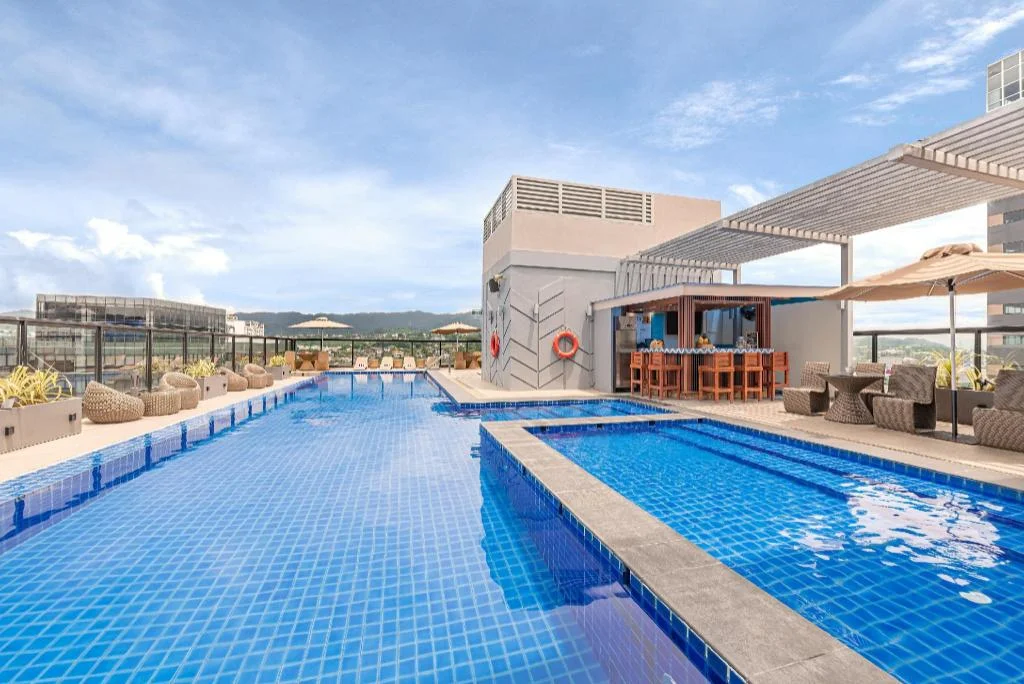
Seda Central Bloc Cebu City
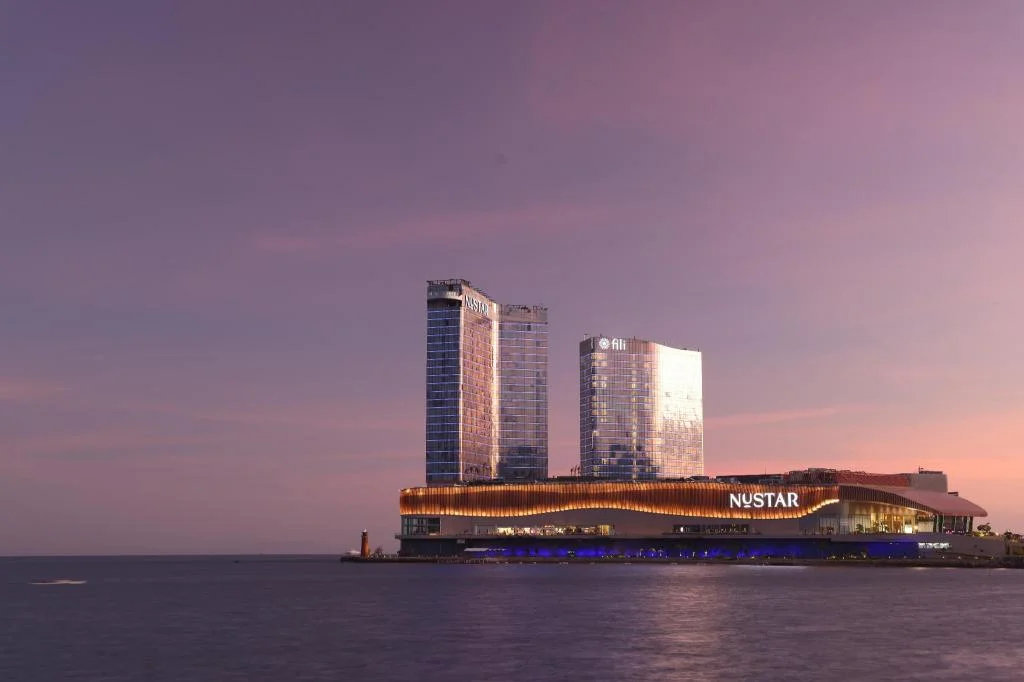
Fili Hotel - NUSTAR Resort & Casino Cebu
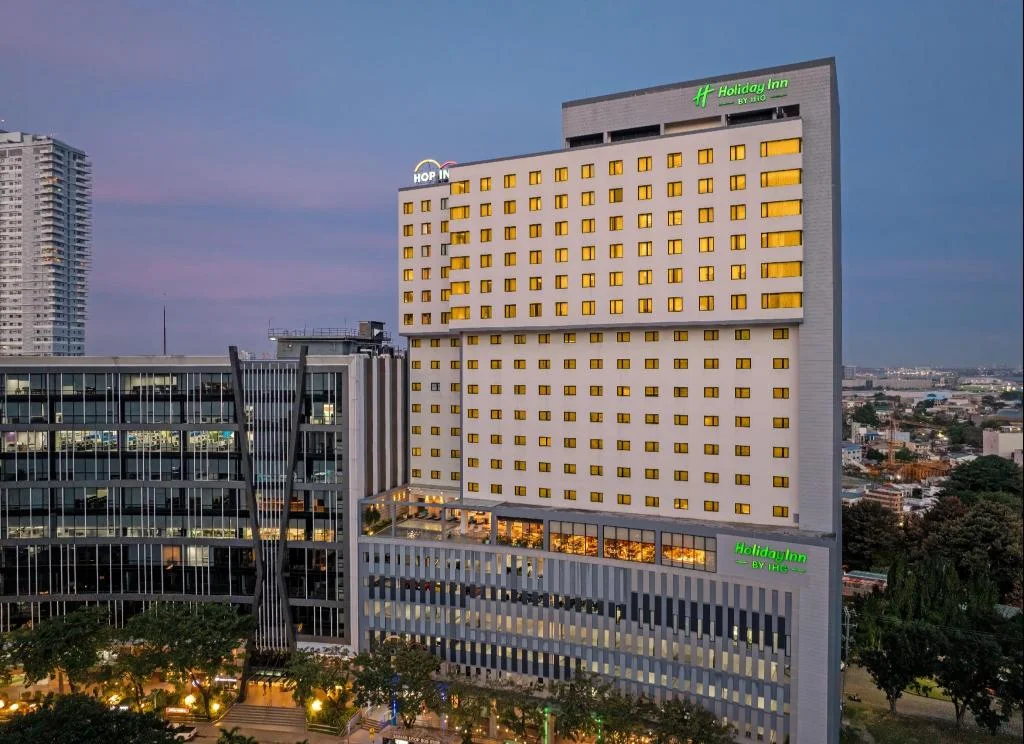
Holiday Inn Cebu City By IHG
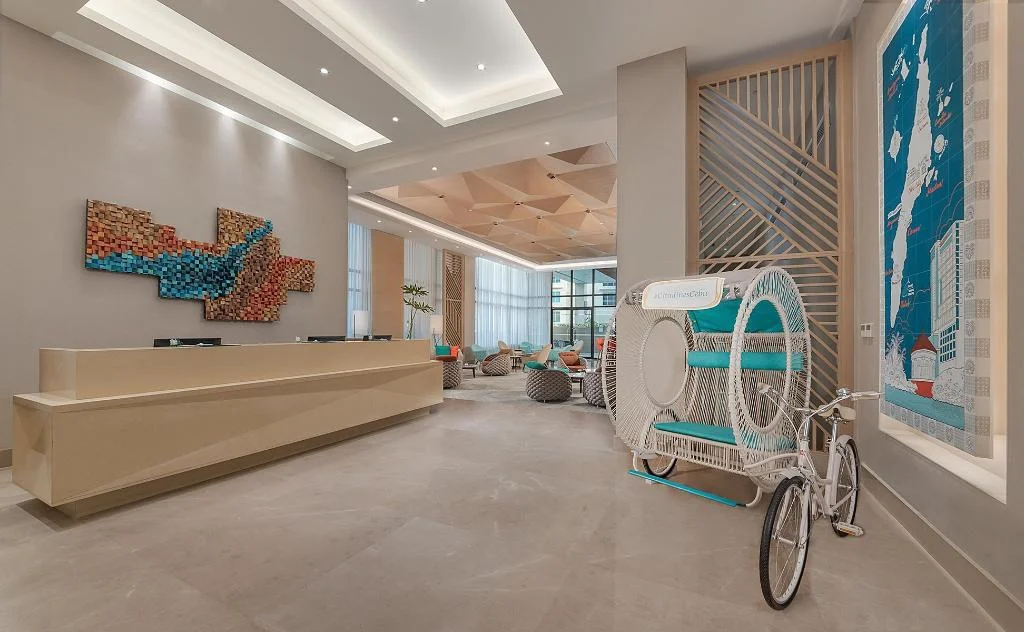
Citadines Cebu City
Prefer a rental? Vacation rentals near Cebu City
Self-catering condos and apartments — book the exact unit, kitchen included.
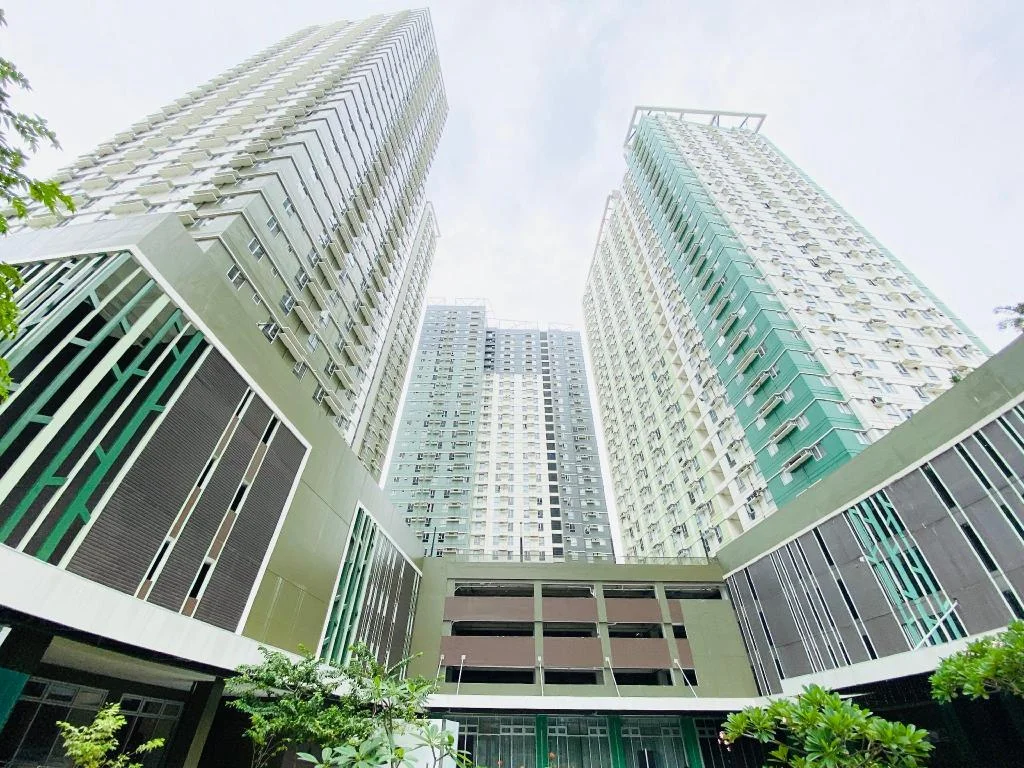
Cebu Avida Riala by P&J
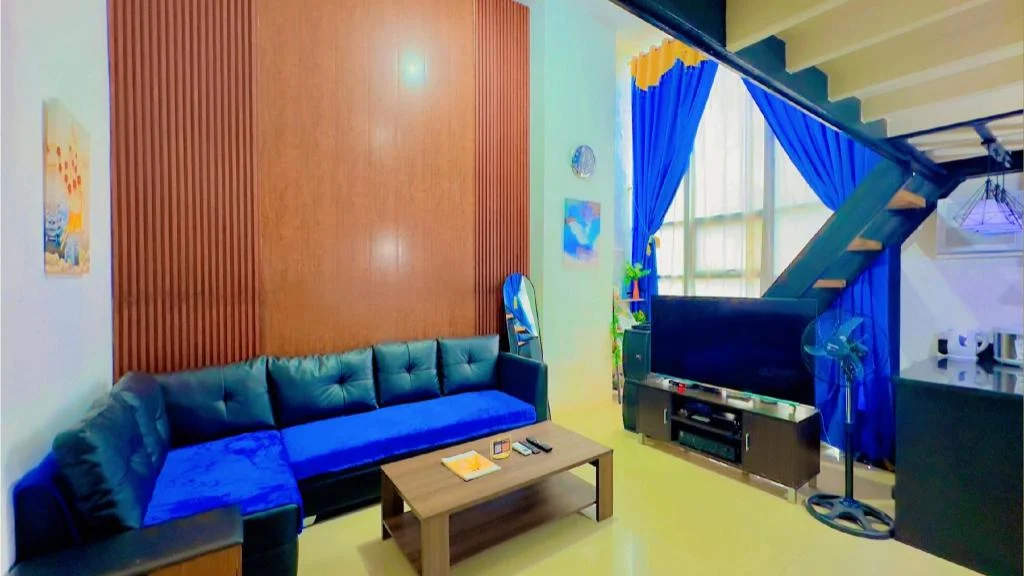
Special Big Loft Unit w/Fibreop Internet & Netflix
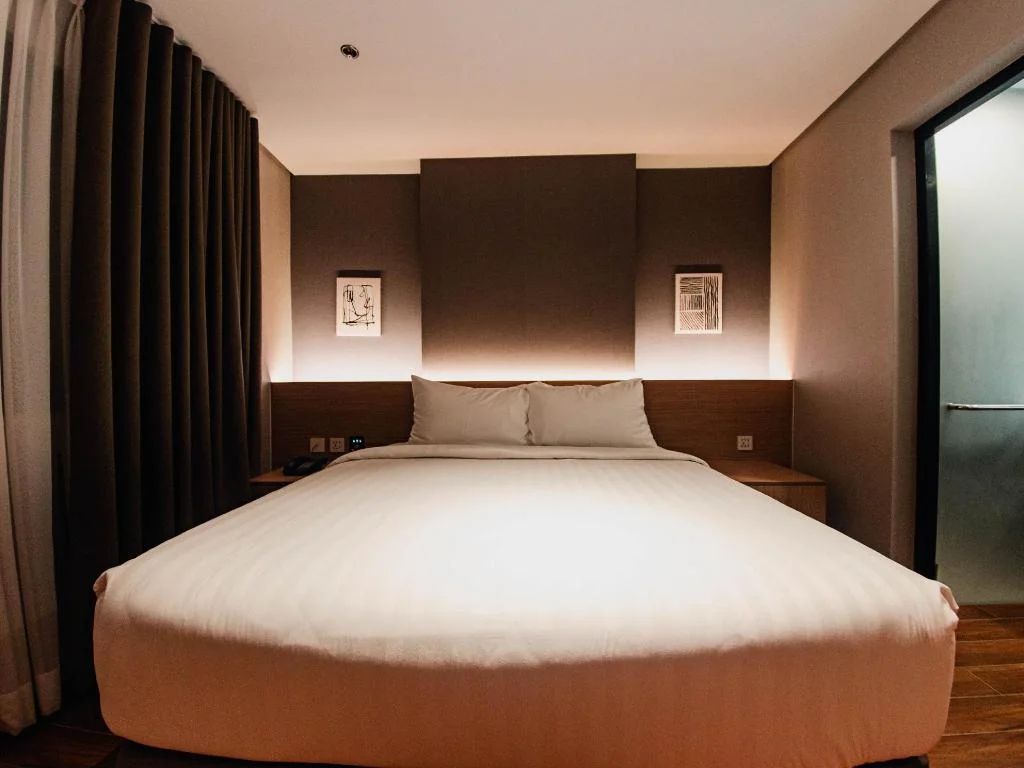
Moonstar Cebu Hotel - Deluxe Room
Before you go
Frequently asked
What is the National Shrine of St. Joseph in Mandaue?
How old is the Señor San Jose image?
When is the Mandaue fiesta?
What is the Panagtagbo Festival?
What are the mass times at the shrine?
How do you get to the shrine from Cebu City?
Is there an entrance fee?
Is it worth visiting outside Holy Week or the fiesta?
More Places to Explore
Heritage of Cebu Monument
Cebu City
A dramatic sculptural tableau by Eduardo Castrillo depicting key moments in Cebu's history, from Magellan's arrival to modern times.
Colon Street
Cebu City
The oldest street in the Philippines, a historic commercial thoroughfare that has been Cebu's trading center since Spanish colonial times.