TL;DR: Holy Thursday 2027 falls on March 25, with Good Friday on March 26 — the traditional Visita Iglesia window, done any time from Thursday evening through Friday afternoon. Cebu City’s compact downtown 7-church loop — Basilica del Santo Niño, Cebu Metropolitan Cathedral, Sto. Rosario, San Nicolas de Tolentino, Sacred Heart, Redemptorist, and Our Lady of Lourdes — can be done in half a day on foot plus a few Grab rides. A south Cebu alternative through Carcar, Sibonga, Argao, Boljoon, and Oslob takes a full day by private van. Both routes are free to walk; only transport and any tour van cost money. Verified July 2026.
Visita Iglesia — literally “church visit” — is the Filipino Catholic tradition of visiting seven churches during the Easter Triduum, praying at each one in quiet reflection on Christ’s Passion. In Cebu, the country’s oldest Catholic city, it’s less a tourist activity than a lived custom: families pile into a car after the Holy Thursday evening Mass and don’t stop until they’ve made the rounds, usually finishing sometime on Good Friday. This guide lays out a realistic downtown Cebu City loop anchored by the Basilica del Santo Niño — the oldest church in the Philippines — plus a longer south Cebu option for anyone who wants to turn the tradition into a day trip through heritage towns. Whether you’re a lifelong devotee, a balikbayan reconnecting with the custom, or a curious visitor who wants to understand what Holy Week actually looks like here, the route and etiquette below will get you through it without wasted driving or confused parish schedules.
The Downtown Cebu City Route at a Glance
| # | Church | Area | Note |
|---|---|---|---|
| 1 | Basilica del Santo Niño | Downtown (P. Burgos St.) | Oldest church in the Philippines (1565); start here early |
| 2 | Cebu Metropolitan Cathedral | Downtown (Mabini/Sanciangko St.) | Archdiocesan seat, declared an Important Cultural Property in 2023 |
| 3 | Sto. Rosario Parish (Our Lady of the Holy Rosary) | P. del Rosario St., beside University of San Carlos | Quieter neighborhood parish, walkable from the Cathedral |
| 4 | San Nicolas de Tolentino Parish Church | San Nicolas, ~1.5 km south of downtown | One of the oldest parishes in the country (1584) |
| 5 | Archdiocesan Shrine of the Most Sacred Heart of Jesus | D. Jakosalem St., Capitol/Cogon area | Jesuit-run parish, Archdiocesan Shrine since 2012 |
| 6 | Redemptorist Church (Our Mother of Perpetual Help) | Queen’s Road, Camputhaw, near Mango Ave. | Famous for its Wednesday novena; quieter on Holy Week evenings |
| 7 | Archdiocesan Shrine of Our Lady of Lourdes | Punta Princesa | Modern shrine, a good closing stop before heading home |
Distances between stops are approximate and traffic-dependent — confirm the fastest route with Grab or Waze on the day. Verified July 2026.
What Is the Best 7-Church Route in Downtown Cebu City?
Start at the Basilica del Santo Niño and work outward, walking the first three stops before switching to Grab or taxi for the rest. The Basilica, Cebu Metropolitan Cathedral, and Sto. Rosario Parish near the University of San Carlos sit close enough together in the old downtown grid to walk between in normal weather, especially in the cooler evening hours after the Holy Thursday Mass of the Lord’s Supper. From there, the route fans out into different barangays — San Nicolas to the south, then Sacred Heart and Redemptorist toward the Capitol and Fuente area, finishing at Our Lady of Lourdes in Punta Princesa. These last four stops aren’t a single walkable loop, so budget short Grab or taxi rides between each rather than trying to walk the whole thing.
If you’re starting from a hotel near Fuente Osmeña or IT Park rather than downtown, it can make more sense to flip the order and finish at the Basilica, since it stays open late and draws a strong Good Friday crowd for evening devotions.
Where Do Magellan’s Cross and Fort San Pedro Fit In?
They’re not part of the traditional seven churches, but they’re a two-minute walk from the Basilica and worth folding into the same stop. Magellan’s Cross, housed in its own small kiosk chapel beside the Basilica, marks the site of the first Catholic baptisms in the Philippines in 1521 and is where many families light a candle before or after their Basilica visit. Fort San Pedro, a few minutes further toward Plaza Independencia, isn’t a devotional site, but it rounds out the downtown heritage cluster if you have extra time before moving on to Sto. Rosario or San Nicolas.
When Should You Start, and How Long Does It Take?
Most Cebuanos start the evening of Holy Thursday, after the Mass of the Lord’s Supper, and aim to finish by early afternoon on Good Friday. In 2027, that’s the window between the evening of March 25 and the afternoon of March 26. The old custom is to complete the seven churches before 3 PM on Good Friday — the hour tied to Christ’s death on the cross — though plenty of families spread it across both days without treating that as a hard deadline.
Realistically, the downtown loop takes 3–5 hours including travel time, prayer stops, and inevitable queueing at the Basilica and Cathedral. Doing it late Thursday night, when traffic is lighter and most churches keep doors open for devotees, is usually faster than trying it on Good Friday afternoon, when the two busiest churches are packed.
Is There a Visita Iglesia Route Outside Cebu City?
Yes — a south Cebu heritage-church route strings together five towns along the same coastal road used for whale shark and canyoneering day trips. It’s a bigger undertaking than the downtown loop, closer to a full-day pilgrimage than an evening errand, but it doubles as a tour through some of the province’s grandest Spanish-era churches.
| # | Church | Town | Approx. distance/time from Cebu City |
|---|---|---|---|
| 1 | St. Catherine of Alexandria Parish Church | Carcar City | ~1 hour |
| 2 | Simala Shrine (Monastery of the Holy Eucharist) | Sibonga | ~1.25 hours |
| 3 | San Miguel Arcangel Parish Church | Argao | ~1.75–2 hours |
| 4 | Boljoon Church (Patrocinio de Maria) | Boljoon | ~2 hours |
| 5 | Immaculate Conception Church | Oslob | ~2.5 hours |
Drive times assume normal traffic on the South Coastal Road and will run longer during Holy Week, when southbound traffic is heavier. Confirm current road conditions locally. Verified July 2026.
The Simala Shrine draws pilgrims year-round for its castle-like architecture and reported answered-prayer devotion, while St. Catherine of Alexandria in Carcar and San Miguel Arcangel in Argao are two of the best-preserved Spanish colonial churches in the province. Boljoon’s church complex is UNESCO-recognized heritage architecture — worth reading up on before you go — and Oslob’s Immaculate Conception Church sits a short walk from the Cuartel ruins if you want to combine the stop with a little more history.
Because these towns are strung along a single highway rather than clustered in one city, a private van with driver is the practical way to do this route in a day. If you’d rather not organize it yourself, browse south Cebu day tours on Klook — some can be adapted into a church-focused itinerary if you talk to the operator in advance.
How Do You Choose Between the Downtown Loop and the South Cebu Route?
Pick the downtown loop if you want a traditional, half-day Visita Iglesia; pick the south Cebu route if you want to turn Holy Week into a heritage road trip. The downtown seven are close enough to do without an overnight stay and don’t require a car — a few Grab rides will get you through it. The south Cebu option demands a full day, a driver, and realistically means treating it as a standalone excursion rather than something squeezed in after work on Holy Thursday. If you’re short on time or don’t have a vehicle, the downtown loop alone satisfies the tradition; the south route is for people who already plan to be touring that part of the island during Holy Week.
What Are the Etiquette Rules for Visita Iglesia?
Dress modestly, keep quiet inside, and treat every stop as an active place of worship rather than a photo op. A few specifics locals follow:
- Cover shoulders and knees. Some parishes enforce a dress code at the door, especially during Holy Week.
- Silence your phone and skip flash photography if a Mass, novena, or private devotion is underway.
- Bring water, a fan, and sun protection. Downtown Cebu has little shade at midday, and queues at the Basilica and Cathedral can be long.
- Don’t rush. The point of Visita Iglesia is quiet reflection at each stop, not a checklist to clear as fast as possible.
- Expect reduced parking near every downtown church from Holy Wednesday through Black Saturday — factor in extra time to park or arrange drop-offs.
The Honest Take
Visita Iglesia in Cebu City is genuinely worth doing if you want to understand what Holy Week means here beyond the beach-season lull it creates elsewhere in the province — the Basilica and Cathedral in particular carry five centuries of continuous Catholic history, and the atmosphere on Holy Thursday night is unlike any other night of the year downtown. But go in with realistic expectations: this isn’t a curated tourist circuit, it’s a living devotional practice, and the two busiest churches will be crowded, hot, and short on parking exactly when you want to visit them.
If you’re not Catholic or not particularly religious, you can still walk the route respectfully and get a lot out of the architecture and history — just don’t expect guided tours or English signage at most of these parishes, and be prepared to simply observe rather than participate. And if crowds and heat aren’t your thing, Holy Week is also one of the quietest weeks for beaches and waterfalls elsewhere in the province, since most of the local crowd is doing exactly what this guide describes.
Plan the Rest of Your Holy Week in Cebu
Visita Iglesia pairs naturally with the rest of Cebu’s Holy Week calendar — see our Holy Week in Cebu (Semana Santa) guide for processions, closures, and what’s open. For more on the downtown heritage cluster itself, read our Cebu Metropolitan Cathedral guide and the Cebu cultural heritage walking tour, or browse our roundup of Cebu’s best churches for parishes beyond this list. If you’re staying downtown for Holy Thursday night, compare hotels near the historic core on Agoda — rooms within walking distance of the Basilica book up as Holy Week approaches.
Sources
- Cebu Daily News — Visita Iglesia: seven churches in Cebu City worth visiting
- Rappler — 7 Cebu churches for Visita Iglesia
- Camella — A Lenten Tradition: Exploring Iconic Churches During Visita Iglesia in Cebu City
- Archdiocese of Cebu — Our Lady of the Holy Rosary Parish (Sto. Rosario)
- Holy Week 2027 dates (Holy Thursday March 25, Good Friday March 26, Easter Sunday March 28) cross-checked against multiple liturgical calendars. Verified July 2026.
Book Tours & Hotels for This Trip
Find and book the best deals — prices and availability update in real time. Links open in a new tab.
Where to stay near Cebu City
Top-rated hotels for this trip — tap through to check live rates.
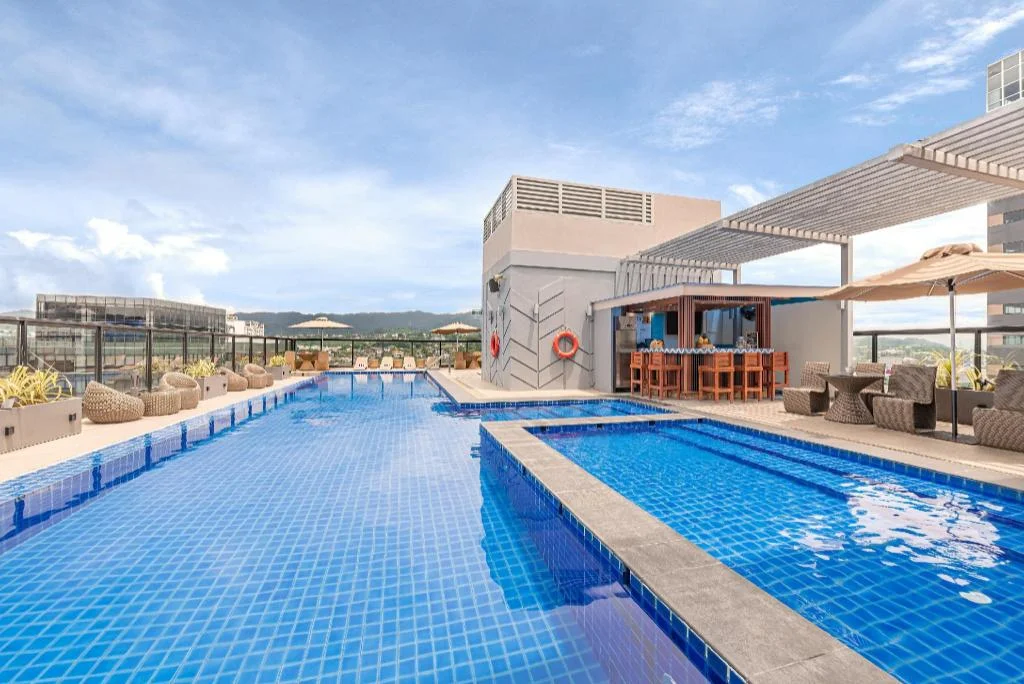
Seda Central Bloc Cebu City
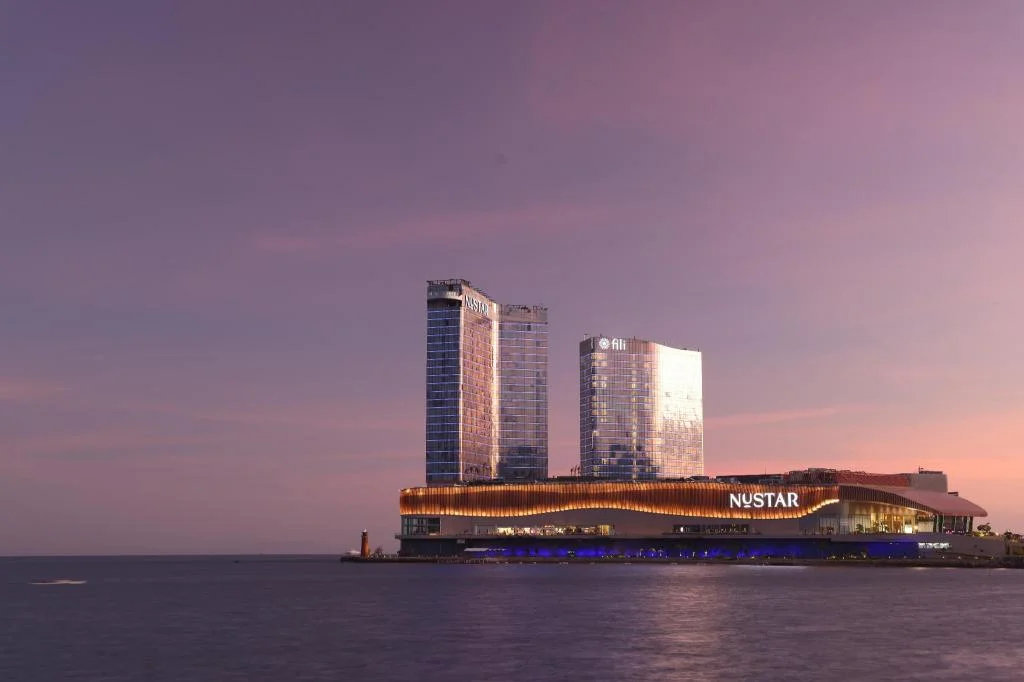
Fili Hotel - NUSTAR Resort & Casino Cebu
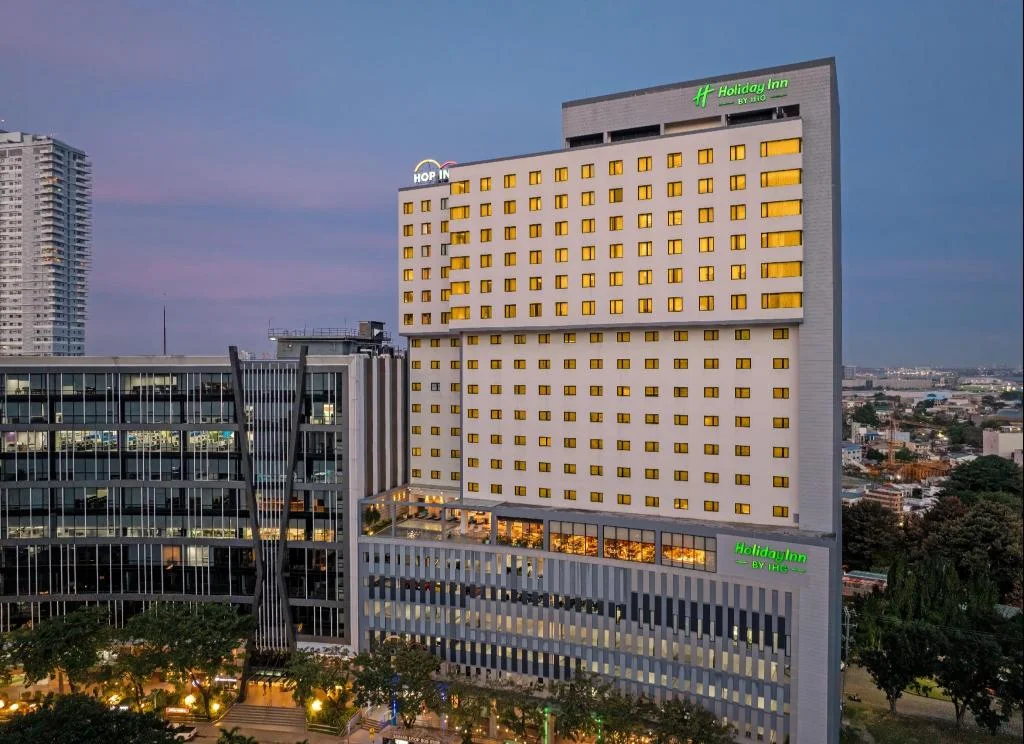
Holiday Inn Cebu City By IHG
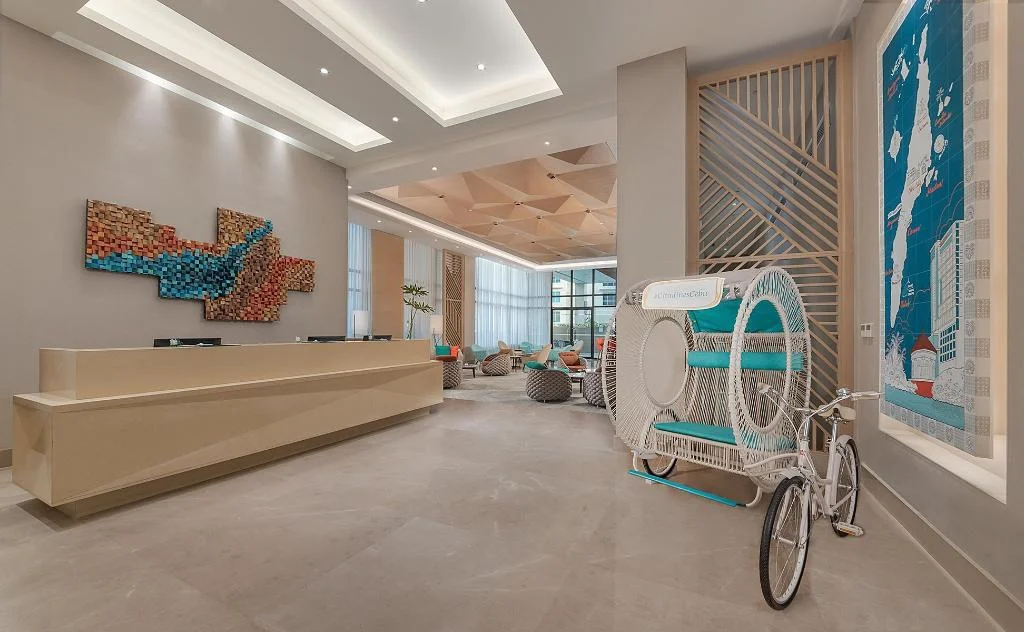
Citadines Cebu City
Prefer a rental? Vacation rentals near Cebu City
Self-catering condos and apartments — book the exact unit, kitchen included.
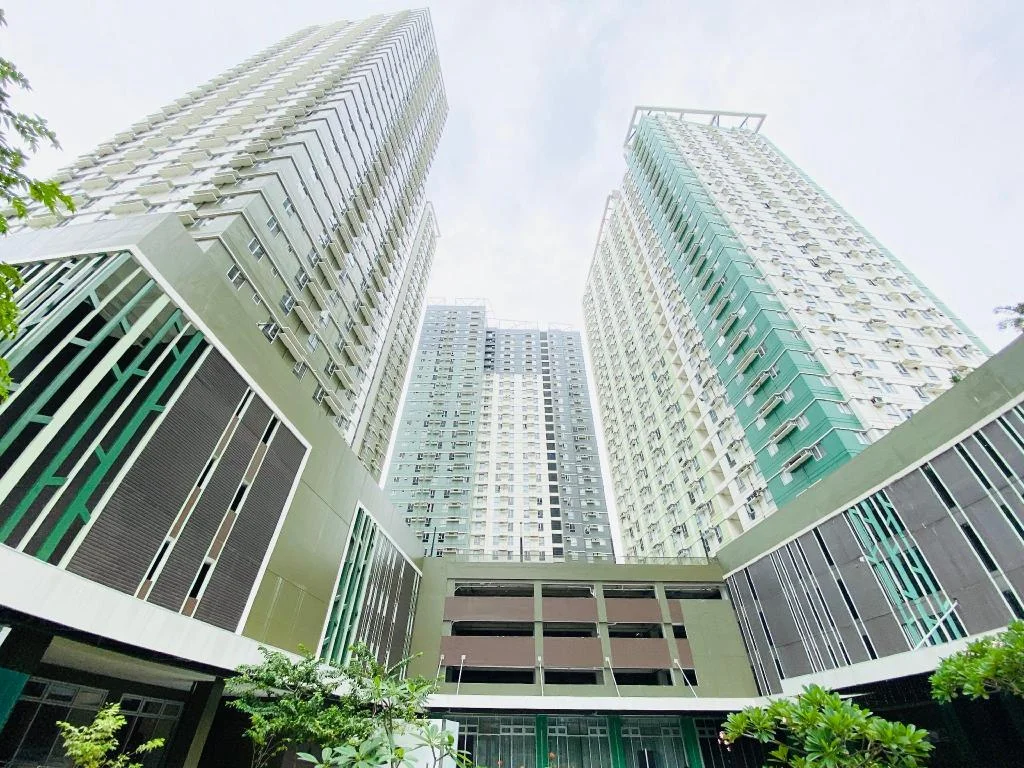
Cebu Avida Riala by P&J
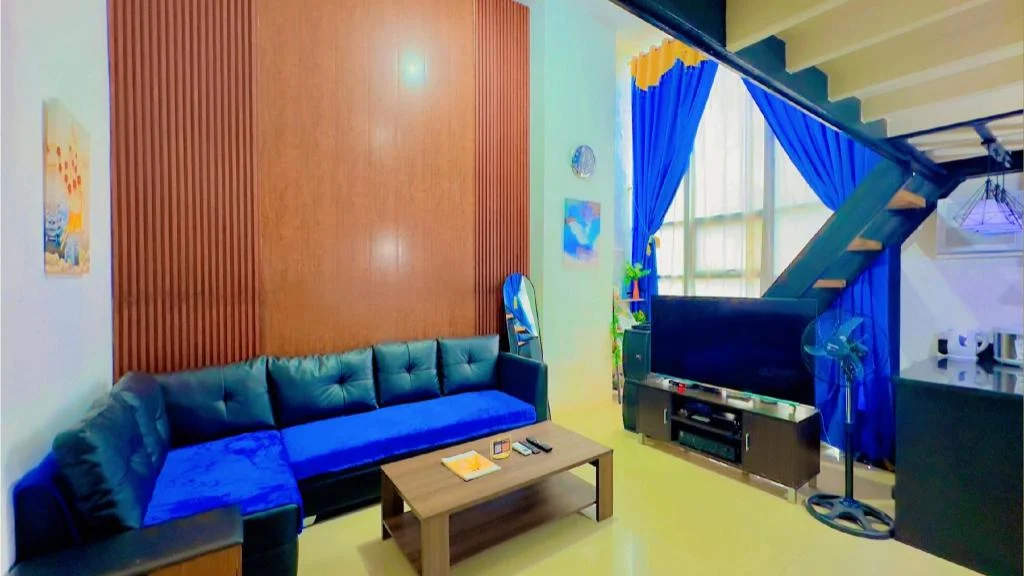
Special Big Loft Unit w/Fibreop Internet & Netflix
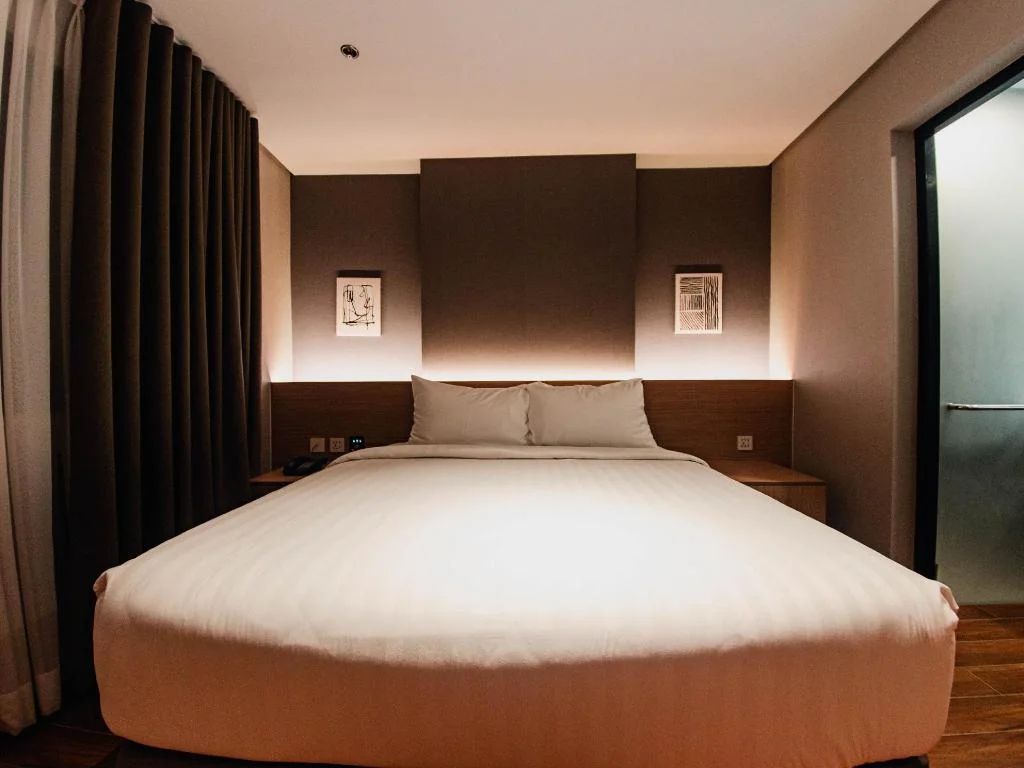
Moonstar Cebu Hotel - Deluxe Room
Before you go
Frequently asked
What is Visita Iglesia and when do you do it in 2027?
Do you have to visit exactly seven churches?
What's the easiest 7-church route in downtown Cebu City?
Is there a Visita Iglesia route outside Cebu City?
How do you get between the churches?
Are the churches crowded during Holy Week?
What should you wear and bring?
Can non-Catholics or foreign visitors join Visita Iglesia?
More Places to Explore
Basilica del Santo Niño
Cebu City
The oldest church in the Philippines (1565), home to the miraculous Santo Niño image and center of the famous Sinulog Festival.
Magellan's Cross
Cebu City
The historic cross planted by Ferdinand Magellan in 1521, marking the birth of Christianity in the Philippines and now a National Cultural Treasure.
Fort San Pedro
Cebu City
The oldest and smallest triangular fort in the Philippines (1565), a well-preserved Spanish colonial military structure with a history museum.