
TL;DR: Cebu Metropolitan Cathedral is a free-to-enter, still-active parish church on P. Burgos Street in downtown Cebu City, one block from Magellan’s Cross and the Basilica del Santo Niño. Its roots go back to a 1565 wooden church; the current structure survived a near-total flattening in WWII (1944) and was rebuilt through the 1950s. Masses run daily from early morning to evening in Cebuano and English; the adjoining Cathedral Museum charges a small separate fee (roughly ₱10–50 / US$0.20–0.90, confirm locally). Budget 15–20 minutes for the church, longer if you add the museum, and pair it with the rest of the heritage core in one downtown loop. Verified July 2026.
Most visitors doing Cebu’s downtown heritage walk beeline for Magellan’s Cross and the Basilica del Santo Nino and never notice the cathedral one block over on P. Burgos Street. That’s a shame, because Cebu Metropolitan Cathedral is the seat of the Archdiocese of Cebu — the senior Catholic institution on the island — and its scarred, rebuilt-more-than-once facade tells a longer story than either of its more photogenic neighbors. This guide covers what it actually is, when the masses run, what the museum next door holds, and how to fold a stop here into the rest of your downtown loop without adding much time to your day.
What Is Cebu Metropolitan Cathedral, at a Glance?
| Detail | Info |
|---|---|
| Address | P. Burgos St., Cebu City (downtown/Parian area) |
| Entrance fee (church) | Free; donations welcomed |
| Museum entrance fee | Small fee, reports vary (~₱10–50 / US$0.20–0.90) — confirm at the door |
| Church hours | Open around daily masses; roughly early morning to evening |
| Museum hours | Weekday mornings into late afternoon (varies by source) — call ahead |
| Mass schedule | Daily, Cebuano and English, 6:00 AM–7:00 PM range (see below) |
| Dress code | Modest — covered shoulders, no short shorts |
| Nearest landmarks | Magellan’s Cross, Basilica del Santo Niño, Colon Street |
Verified July 2026. Hours and fees for the adjoining museum fluctuate across sources — treat the figures above as a planning range and confirm on arrival.
How Old Is the Cathedral, and Why Was It Rebuilt So Many Times?
The parish dates to 1565, but the building you see today is largely a 1950s reconstruction of a 19th-century structure. When Miguel López de Legazpi’s expedition landed in Cebu in April 1565 and founded the first permanent Spanish settlement in the Philippines, a wooden parish church went up near the fort almost immediately. What followed was two and a half centuries of bad luck: typhoons collapsed early stone attempts in the late 1600s, one incomplete structure was deliberately demolished in 1719 because it had deteriorated too far to save, and construction restarted under at least five different bishops before the façade and main body were finally finished around 1786. The cathedral was consecrated in 1815. The Diocese of Cebu itself is far older, established in 1595, but the church wasn’t elevated to a full Archdiocese — with this building as its seat — until 1934.
If that sounds like a lot of stops and starts for one building, it’s because Cebu’s colonial-era churches were rebuilt against constant funding shortfalls, typhoon damage, and shifting church administration — a pattern repeated at churches across the province, not unique to this one.
What Happened to It During World War II?
Allied air raids on September 12, 1944 destroyed most of the cathedral, leaving only the belfry, façade, and outer walls standing. The belfry that survived had been built in 1835 and is the oldest intact piece of the current structure. Architect Jose Ma. Zaragoza supervised the rebuild through the 1950s under Archbishop Gabriel Reyes, essentially reconstructing the interior and roofline from what the bombing had spared. The building was formally re-consecrated — this time to the Most Holy Name of Jesus — by Cardinal Ricardo Vidal on November 18, 1994. In March 2023, the cathedral was declared an Important Cultural Property, a recognition that puts it in the same conservation category as other historic structures in the Parian heritage district.
A small mausoleum built in 1982 behind the sacristy holds the remains of several past archbishops and cardinals of Cebu, including Cardinal Julio Rosales and Cardinal Ricardo Vidal — a detail most visitors walk past without knowing it’s there.
What Does the Facade and Interior Look Like?
Spanish colonial baroque with a distinctive trefoil-shaped pediment above the main door, and thick, squat walls built the way every Cebu-era church was: to survive typhoons and earthquakes. Inside, look for the carved retablos (altarpieces) behind the main altar, ceiling paintings depicting biblical scenes, and a collection of centuries-old saint statues that predate the WWII rebuild — many were salvaged from the original interior before the 1944 bombing. Compared to the more ornate, heavily visited Basilica del Santo Niño a block away, the cathedral’s interior is calmer and less crowded, which is part of its appeal if you want a few quiet minutes rather than a photo queue.
When Are the Masses?
Masses run daily starting around 6:00 AM and continuing through the evening, alternating between Cebuano and English. Weekdays typically open with a 6:00 AM Cebuano mass, followed by English masses roughly hourly through the morning, and an evening mass around 6:00 PM. Saturday adds an anticipated Sunday mass in the early evening (around 5:30–6:30 PM). Sunday is the fullest day, with masses from roughly 5:00 AM through 7:00 PM across both languages — expect a fuller church and a livelier atmosphere if you time your visit around one of these. Confession is normally offered midweek, Wednesday and Friday, in a late-morning and mid-afternoon block. Because schedules shift for Holy Week, patronal feast days, and diocesan events, call the parish office at (032) 255-8823 or check its Facebook page before building your visit around a specific mass time.
If you’re not Catholic or not attending mass, you can still step inside respectfully between services to look around — just avoid wandering through during an active mass.
What’s in the Cathedral Museum Next Door?
The Cathedral Museum of Cebu (also called the Archdiocesan Museum) occupies a 19th-century building beside the cathedral that survived WWII largely intact — one of the few downtown structures that did. It reopened in its current form in 2006 after a multi-year refurbishment and holds a handful of small galleries: black-and-white photography tracing the growth of Catholicism on the island, memorabilia from Cardinal Ricardo Vidal (vestments, prayer books), construction photos and materials from the Spanish colonial-era churches, statues pulled from various Cebu parishes, chalices and other liturgical silver, and a recreated priest’s bedroom. A side chapel displays what’s known as the Carmen collection — carved wooden altar pieces cased in etched silver.
Reported entrance fees for the museum range from roughly ₱10 to ₱50 (about US$0.20–0.90), and reported hours vary between sources — some list weekday mornings into late afternoon, others cite a shorter window. Treat both as approximate and confirm at the entrance; it’s a small enough add-on that even if it’s closed when you arrive, you haven’t lost much of your day.
What Should You Wear, and What Are the Etiquette Basics?
Dress modestly — shoulders covered, nothing too short — the same standard you’d use at any active Catholic church in the Philippines. Outside of mass times, a quick, respectful look around in ordinary travel clothing is fine. If you’re attending or walking through during a mass, keep your voice down, silence your phone, and avoid stepping in front of the altar area or flash-photographing worshippers. This is a functioning parish for a local congregation, not a static heritage attraction, and Cebuanos take the distinction seriously.
How Do You Get There, and How Long Should You Budget?
It’s on P. Burgos Street in the downtown Parian/Colon heritage area, an easy walk from every other major site in the district. Magellan’s Cross and the Basilica del Santo Niño are one to two minutes away on foot; Colon Street, the oldest street in the country, and the Heritage of Cebu Monument are both a short walk further. From Mactan or IT Park, a Grab ride runs roughly 15–30 minutes depending on traffic and time of day; taxis and jeepneys also serve the area, and downtown Cebu City is dense enough that most visitors simply walk the whole heritage core in one loop.
Budget 15–20 minutes for the cathedral itself, longer if you attend a mass or add the museum next door. Most people fold it into a half-day downtown heritage walk rather than visiting it as a single-purpose trip — see our Cebu cultural heritage walking tour for a full route that strings it together with Fort San Pedro, Colon Street, and the Basilica.
The Honest Take
Cebu Metropolitan Cathedral is a worthwhile five-to-fifteen-minute stop, not a destination in its own right. It gets a fraction of the foot traffic the Basilica del Santo Niño does, which means fewer crowds and an easier photo of the façade, but also fewer amenities and less signage for tourists — there’s no gift shop, no ticket booth, no queue management, because it isn’t set up as an attraction. If you’re the type who wants a quiet moment inside a working church rather than a monument, this delivers that better than its famous neighbor. If you’re short on time downtown, prioritize the Basilica and Magellan’s Cross first and only add the cathedral if you have an extra 15 minutes — but if you’re already standing on that block, there’s no good reason to skip it.
Combine It With the Rest of Downtown Cebu
Cebu Metropolitan Cathedral works best as one stop on a downtown heritage loop, not a standalone trip. Pair it with the Basilica del Santo Niño, Magellan’s Cross, and a walk down Colon Street, then round it out at the Heritage of Cebu Monument a few blocks away. For a structured route through all of it, see our Cebu cultural heritage walking tour or the best churches in Cebu heritage roundup for how it stacks up against the province’s other historic churches.
If you’d rather have a guide walk you through the history in person, browse Cebu heritage and city tours on Klook — several combine the cathedral, Basilica, and Fort San Pedro into a single half-day itinerary. Basing yourself downtown for easy access to all of it? Compare Cebu City hotel rates on Agoda before you book.
Sources
- The Roman Catholic Archdiocese of Cebu — parish page (contact info, clergy, patronal feast)
- Cebu Metropolitan Cathedral — Wikipedia (construction history, WWII damage, consecrations, mausoleum)
- Cathedral Museum of Cebu — Wikipedia (museum galleries, reopening date)
- Mass Schedules — Cebu Metropolitan Cathedral (mass and confession times)
- Museum fees and hours cross-checked against multiple third-party travel listings, which disagree on specifics — confirm both locally. Verified July 2026.
Book Tours & Hotels for This Trip
Find and book the best deals — prices and availability update in real time. Links open in a new tab.
Where to stay near Cebu City
Top-rated hotels for this trip — tap through to check live rates.
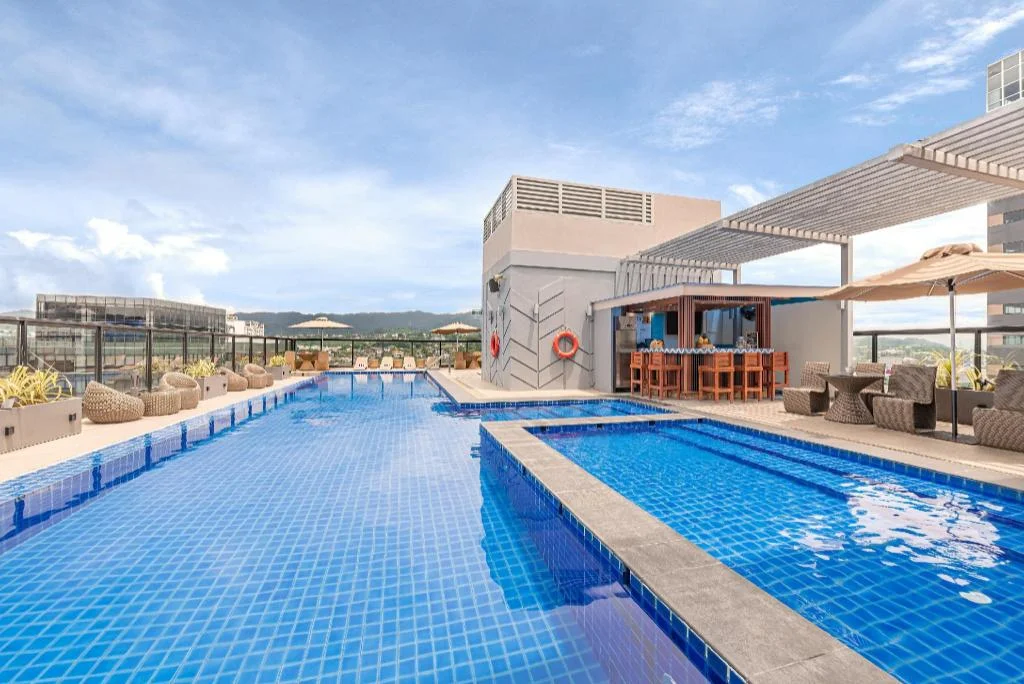
Seda Central Bloc Cebu City
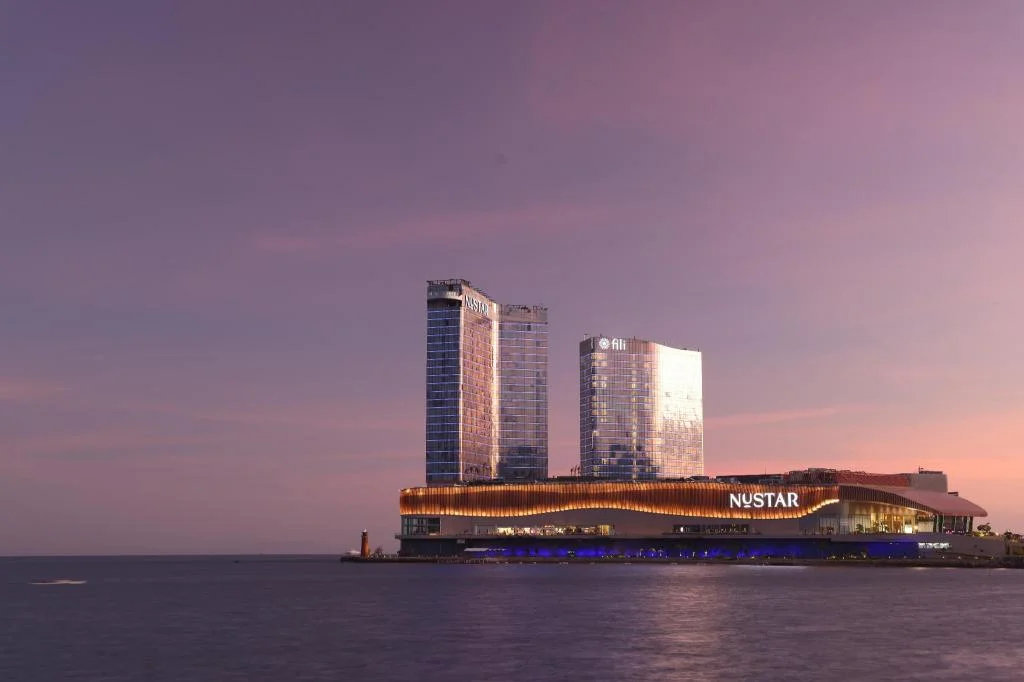
Fili Hotel - NUSTAR Resort & Casino Cebu
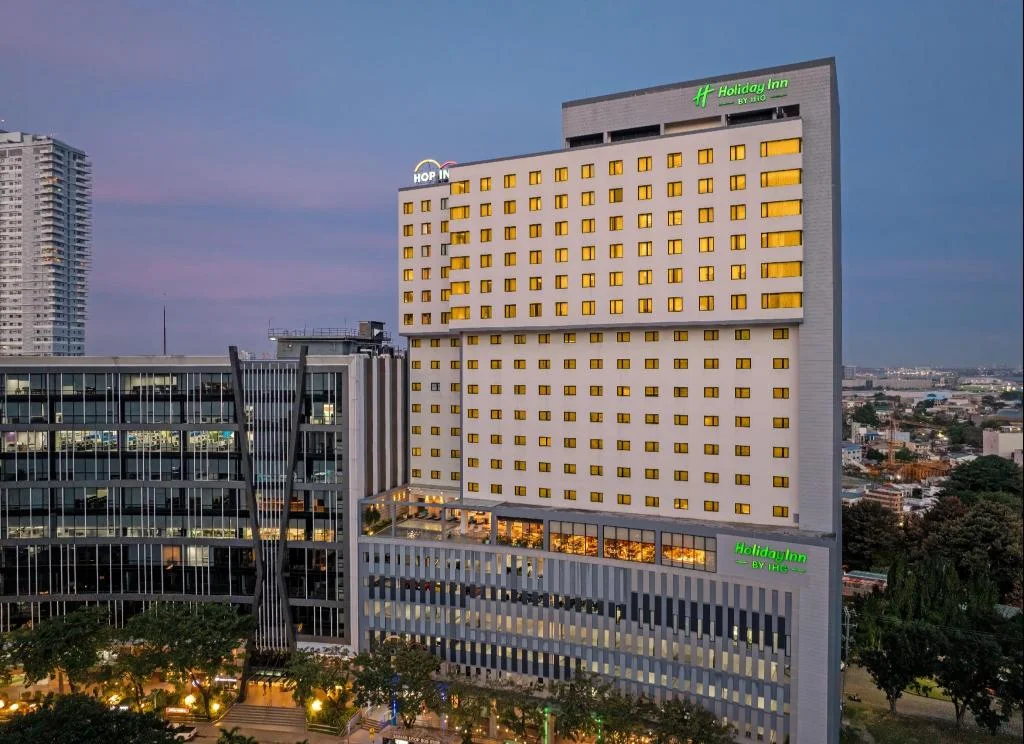
Holiday Inn Cebu City By IHG
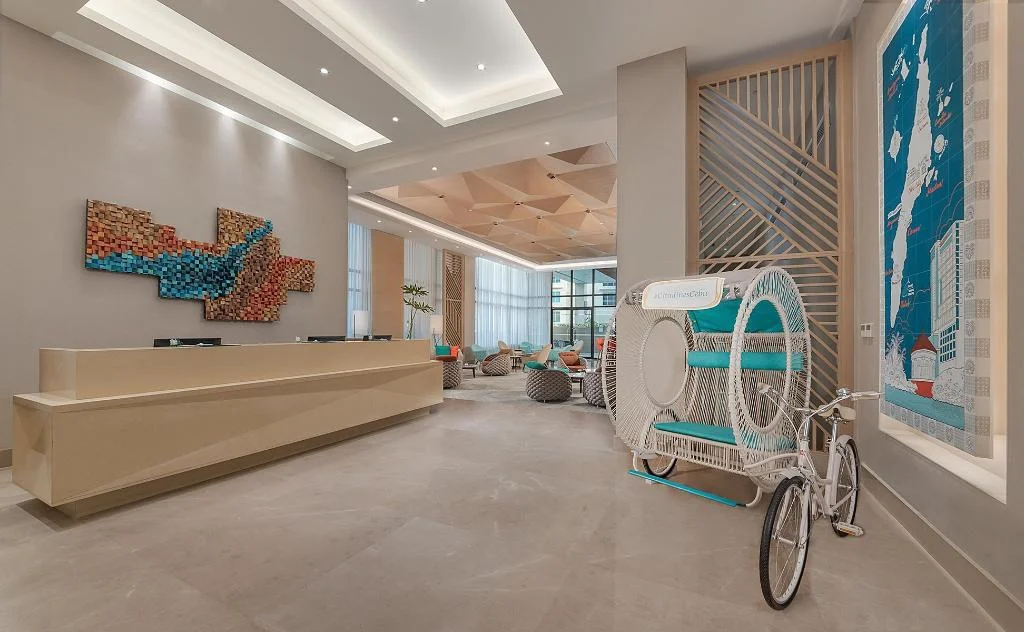
Citadines Cebu City
Prefer a rental? Vacation rentals near Cebu City
Self-catering condos and apartments — book the exact unit, kitchen included.
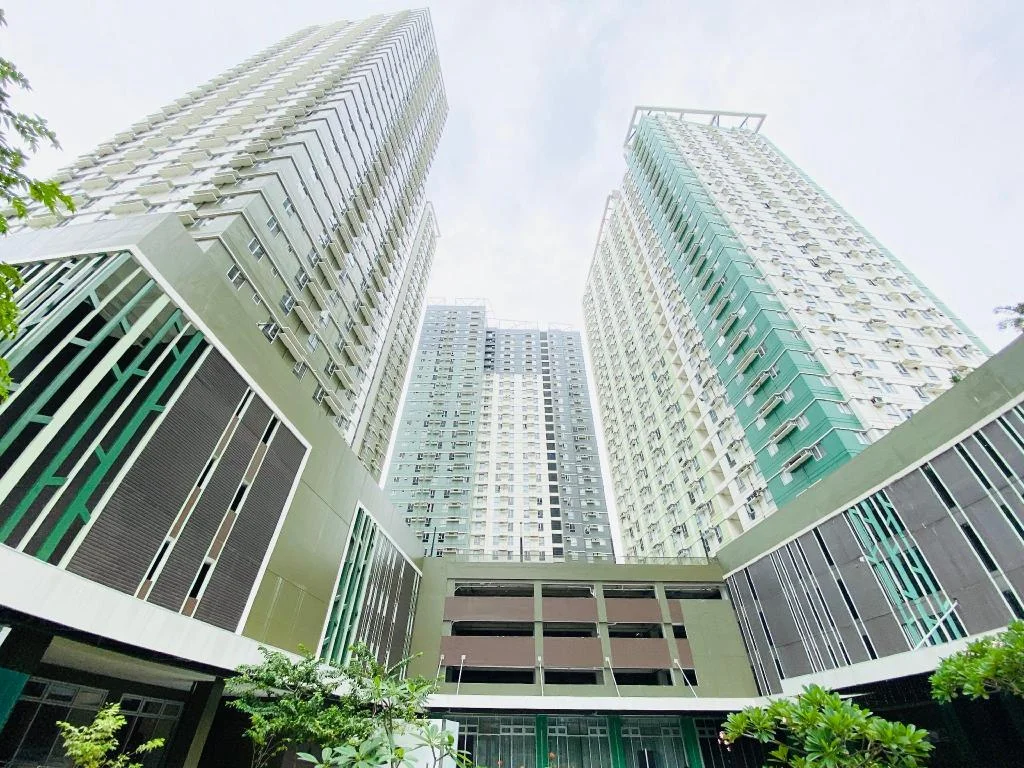
Cebu Avida Riala by P&J
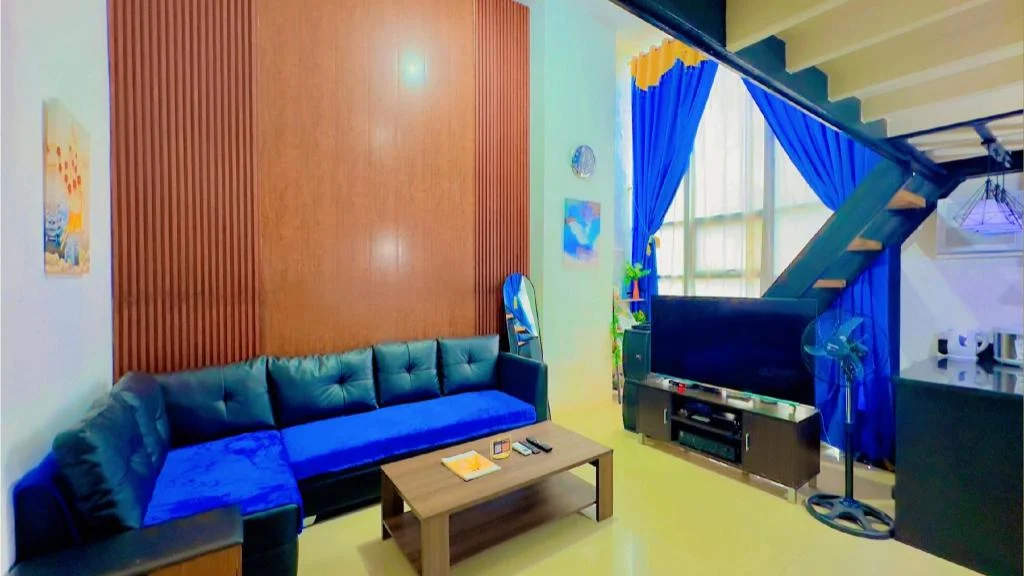
Special Big Loft Unit w/Fibreop Internet & Netflix
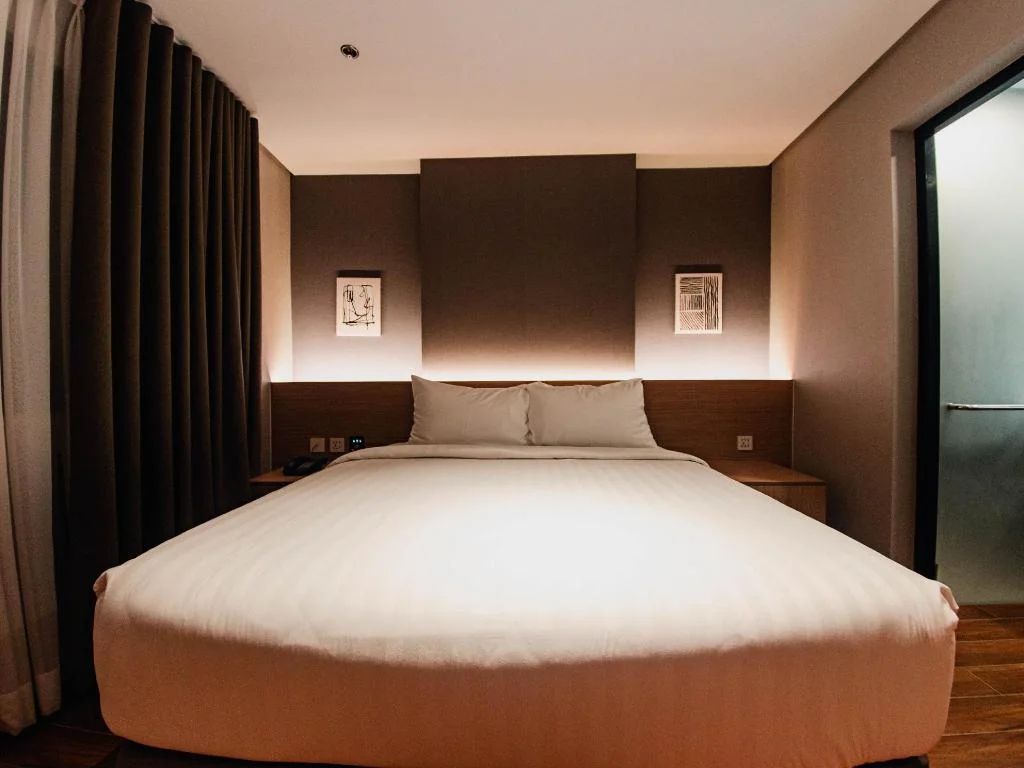
Moonstar Cebu Hotel - Deluxe Room
Before you go
Frequently asked
Is Cebu Metropolitan Cathedral free to enter?
What is the mass schedule at Cebu Metropolitan Cathedral?
What is the dress code for visiting the cathedral?
How old is Cebu Metropolitan Cathedral?
Was the cathedral destroyed in World War II?
Is there a museum at the cathedral?
How do I get to Cebu Metropolitan Cathedral?
Is Cebu Metropolitan Cathedral worth visiting?
More Places to Explore
Basilica del Santo Niño
Cebu City
The oldest church in the Philippines (1565), home to the miraculous Santo Niño image and center of the famous Sinulog Festival.
Magellan's Cross
Cebu City
The historic cross planted by Ferdinand Magellan in 1521, marking the birth of Christianity in the Philippines and now a National Cultural Treasure.
Colon Street
Cebu City
The oldest street in the Philippines, a historic commercial thoroughfare that has been Cebu's trading center since Spanish colonial times.
Heritage of Cebu Monument
Cebu City
A dramatic sculptural tableau by Eduardo Castrillo depicting key moments in Cebu's history, from Magellan's arrival to modern times.