
TL;DR: Foreigners cannot own land anywhere in the Philippines, Cebu included — that’s constitutional, not a loophole you can lawyer around. What foreigners CAN legally own outright is a condo unit, capped at 40% foreign ownership per building. Long-term land leases run up to 75 years (50+25) under existing law, with a newer 99-year option reserved for large registered investment projects, not individual house-lot leases. Buying via a Filipino spouse’s name carries real legal risk. Closing costs on a condo run 3.5%–5.5% on top of the price. For stays under three years, renting beats buying almost every time. Verified July 2026.
If you’re an expat, retiree, or digital nomad settling into Cebu, the “should I buy?” question comes up fast — especially once you’ve spent a few weekends looking at Busay hillside condos with views toward Temple of Leah and Tops Lookout and started doing the math against your monthly rent. The honest answer is that Philippine property law draws a hard line most foreigners don’t expect: you can’t own the ground under your feet, but you can own the unit stacked forty floors above it. This guide walks through what’s actually legal for foreigners in Cebu — condo ownership, long-term leases, the Filipino-spouse trap, real closing costs, and a straight rent-vs-buy comparison — so you go into any conversation with a broker or lawyer already knowing the rules. It is not a substitute for one; treat everything here as the starting point for that conversation, not the final word.
Own vs Rent vs Lease: The Options at a Glance
| Option | Can foreigners do this? | Key limit | Typical use case |
|---|---|---|---|
| Buy a condo unit | Yes, outright ownership | Max 40% foreign ownership per building | Long-term residents, retirees, investors |
| Buy land or a house-and-lot | No, not as an individual | Constitutionally reserved for Filipino citizens/60%-Filipino corporations | N/A for individual foreigners |
| Long-term land lease | Yes | Up to 50 years + 25-year renewal (75 total) under RA 7652; up to 99 years only for registered large investment projects under RA 12252 (2025) | Building a house on leased land, resort/commercial ventures |
| Buy through Filipino spouse’s name | Legally risky | Can trigger the Anti-Dummy Law; courts have denied foreign spouses a claim | Not recommended without a lawyer-drafted agreement |
| Rent | Yes, no restrictions | Standard lease terms, usually 6–12 months | Short-to-medium stays, testing a neighborhood first |
Rules and thresholds verified against current Philippine statutes as of July 2026. Confirm project-specific details with a licensed broker or lawyer before signing.
Can Foreigners Own Land in Cebu?
No — this is a constitutional rule, not a technicality. The 1987 Philippine Constitution reserves land ownership for Filipino citizens and corporations that are at least 60% Filipino-owned, and it applies uniformly across the country, Cebu included. There’s no residency length, investment size, or visa category that unlocks land ownership for an individual foreigner. Foreign-owned corporations can lease land for business use, and foreigners can own the building or house sitting on land they don’t own, but the title to the land itself stays out of reach.
Can Foreigners Own a Condo Unit in Cebu?
Yes — this is the one form of real property foreigners can own outright. Under the Condominium Act (Republic Act 4726), a foreign buyer can have the Condominium Certificate of Title (CCT) issued fully in their own name, provided total foreign ownership across the entire project — units, floor area, or shares in the condo corporation — stays under 40%. The other 60% must stay in Filipino hands. Any sale that would push a building over that cap is void, and the Registry of Deeds won’t register it without the condo corporation certifying the project is still under quota.
In practice this means a well-established, foreign-popular building — think Ayala Land’s Avida towers or Megaworld developments in IT Park and Cebu Business Park — can genuinely be “sold out” to foreigners on paper even while unsold units remain, if those units are only available to Filipino buyers. Ask the developer or the condo corporation for the current foreign-ownership percentage before you fall in love with a specific unit.
What About Buying Through a Filipino Spouse?
Don’t use it as a workaround — the legal risk is real and well-documented. Marrying a Filipino citizen does not grant you land ownership rights, and titling land in your spouse’s name specifically to get around the ownership ban can violate the Anti-Dummy Law (Commonwealth Act 108), which penalizes both the Filipino “dummy” and the foreigner benefiting from the arrangement. The Philippine Supreme Court, in cases like Matthews v. Taylor, has refused to recognize a foreign spouse’s claim to land bought this way — even when the foreigner supplied the money — because doing so would indirectly let a foreigner control land the Constitution says they can’t own. If the marriage ends or your spouse passes away without provisions for you, you may have no enforceable claim to the property.
What does work: your Filipino spouse owns the land in their name legitimately (not as a front), and you separately own the house or structure built on it, since buildings aren’t covered by the land restriction. Couples serious about this route typically also sign a notarized property settlement agreement spelling out reimbursement if things go wrong. None of this replaces a lawyer — get one before any money changes hands.
What Are the Long-Term Lease Options?
Leasing land is the other legitimate path to long-term security without owning it. The Investors’ Lease Act (Republic Act 7652) lets a foreign individual or company lease private land for up to 50 years, renewable once for another 25 — 75 years total, enough to build a house and live in it for decades or pass the remaining term to heirs. In September 2025, Republic Act 12252 extended the maximum term to a single 99-year lease, which sounds like it applies to everyone — but read the fine print: it’s built for registered foreign investment projects (tourism, industrial, agro-industrial ventures) that meet minimum investment thresholds (for tourism, a $5 million minimum project investment), not for an individual foreigner leasing a house lot in a Cebu suburb. If you’re leasing land for a personal home rather than a registered investment project, plan around the 50+25 framework and have a lawyer confirm which law actually governs your lease.
What Does It Actually Cost to Buy a Condo in Cebu?
Budget an extra 3.5%–5.5% on top of the sale price for taxes and fees — there’s no foreigner surcharge; the schedule is identical for Filipino and foreign buyers.
| Cost item | Typical rate | Notes |
|---|---|---|
| Documentary stamp tax (DST) | ~1.5% of price or fair market value, whichever is higher | National tax, paid at BIR |
| Local transfer tax | 0.5%–0.8% | Rate set by the city/municipality (Cebu City, Mandaue, Lapu-Lapu each set their own within this range) |
| Registration fee | Tiered, roughly 0.25% | Paid to the Registry of Deeds |
| Notary fee | Often 1% of price (cap), commonly negotiated lower | Especially on bigger transactions |
| VAT | 12% on qualifying developer sales | Residential units priced around ₱3.6M and below are typically VAT-exempt (BIR RR 1-2024) |
Approximate rates as of 2026; local transfer tax specifically depends on the LGU. Verified July 2026 — confirm exact figures with the developer, a title lawyer, or the local Registry of Deeds before budgeting a purchase.
You’ll also need a Philippine Tax Identification Number (TIN) before you can pay these taxes and get the eCAR (electronic Certificate Authorizing Registration) that allows the title to transfer into your name.
Rent or Buy — Which Actually Makes Sense?
If you’re staying under three years, rent. If you’re staying five-plus years with stable income, buying a condo can pencil out — but go in with open eyes about financing. Gross rental yields on Cebu condos run roughly 5%–7% in expat-heavy areas like IT Park and Lahug, dropping to something closer to 3.5%–4% net once you factor in condo dues, vacancy, and repairs. A studio in IT Park typically rents for around ₱14,000–₱23,000 a month; a one-bedroom in Cebu Business Park or Ayala-adjacent buildings runs roughly ₱22,000–₱38,000. Compare that monthly outlay against the 3.5%–5.5% closing-cost hit plus the purchase price itself, and the breakeven point for most buyers lands somewhere around the four-to-six-year mark, longer if you can’t get local financing.
That financing point matters more for foreigners than it does back home: Philippine banks generally want a long-term visa, an ACR I-Card, and proof of local income before they’ll even consider a housing loan to a non-citizen, and terms tend to be less generous than for Filipino borrowers. Many foreign buyers end up either paying largely in cash or using a developer’s in-house financing plan, which usually asks for a bigger down payment than a bank would. If you’re not sure yet whether Cebu is a forever-home or a few-year stay, renting first while you get to know neighborhoods is the lower-risk move — see our guide on finding an apartment in Cebu for how that process actually works, or browse long-term rental condos in Cebu to get a feel for pricing before you commit to buying.
If you’re still deciding on a neighborhood or just need a base while you house-hunt, compare extended-stay condos and hotels in Cebu City on Agoda — month-to-month serviced options let you test an area before signing a year-long lease or a purchase agreement.
Which Condos Do Foreigners Actually Buy in Cebu?
IT Park, Cebu Business Park, and parts of Mactan see the heaviest foreign buying activity, mostly because of reliable fiber internet, walkability, and developer reputations that make resale easier. Ayala Land’s Avida towers and Megaworld’s IT Park and Cebu Business Park projects come up most often in local broker conversations, alongside newer entries like Calyx Residences and Calyx Centre. On Mactan, condo and condotel developments near the airport and beach strip attract buyers who want a rentable vacation unit rather than a full-time home — if that’s your angle, compare Mactan hotel and condotel rates on Agoda to benchmark what similar units already earn as short-term rentals before you assume a purchase price makes sense as an investment.
Stick with established developers with a clean track record (Ayala Land, Megaworld, Robinsons Land, Filinvest), confirm the building’s current foreign-ownership percentage before you commit, and always verify the developer’s license to sell and the project’s title status with a lawyer — not just the sales agent.
The Honest Take
Buying property in Cebu as a foreigner isn’t the minefield some forum threads make it sound like, but it also isn’t the same experience as buying back home, and the biggest mistake is treating “foreigners can own condos” as license to skip legal advice on everything else. The land-ownership ban is absolute and permanent — no amount of local connections, spousal goodwill, or “everyone does it” nominee arrangements changes that, and the court cases involving foreign spouses losing land claims are not edge cases, they’re the predictable outcome the law is designed to produce. Condo ownership is genuinely simple and low-risk by comparison. The part people underestimate is financing: without a strong local income history or an ACR I-Card, expect to pay a large chunk in cash, which changes the rent-vs-buy math a lot more than the tax schedule does. If your Cebu stay is still open-ended, rent for at least a year first — you’ll pick a much better building once you actually know which parts of the city suit how you live, and you won’t be stuck reselling into a foreign-ownership quota if you change your mind.
Combine This With Your Broader Cebu Planning
Property decisions rarely happen in isolation — they connect to how long you’re staying and what visa you’re on. If you’re weighing retirement, our SRRV and retiring-in-Cebu guide covers the visa side of a long-term stay, and cost of living in Cebu versus Manila helps you sanity-check whether Cebu is even the right city for your budget before you start touring condos near Temple of Leah or the Tops Lookout ridgeline. Whatever you decide, get a Philippine real estate lawyer to review any contract before you sign — this guide gets you into that meeting informed, not out of needing it.
Sources
- Republic Act 4726 — The Condominium Act (40% foreign ownership cap)
- Republic Act 7652 — Investors’ Lease Act (50+25 year land lease)
- Republic Act 12252 (2025) — 99-year lease amendment
- Respicio & Co. — Foreign ownership limits under RA 4726
- BIR Revenue Regulations No. 1-2024 (VAT exemption threshold for residential sales)
- Anti-Dummy Law (Commonwealth Act 108) and Matthews v. Taylor Supreme Court ruling, as summarized by Philippine legal commentary
- Local transfer tax and closing-cost figures cross-checked against 2025–2026 Cebu real estate market reporting
This is general information, not legal or financial advice — confirm your specific situation with a licensed Philippine real estate lawyer and accountant before buying or leasing. Verified July 2026.
Book Tours & Hotels for This Trip
Find and book the best deals — prices and availability update in real time. Links open in a new tab.
Where to stay near Cebu City
Top-rated hotels for this trip — tap through to check live rates.
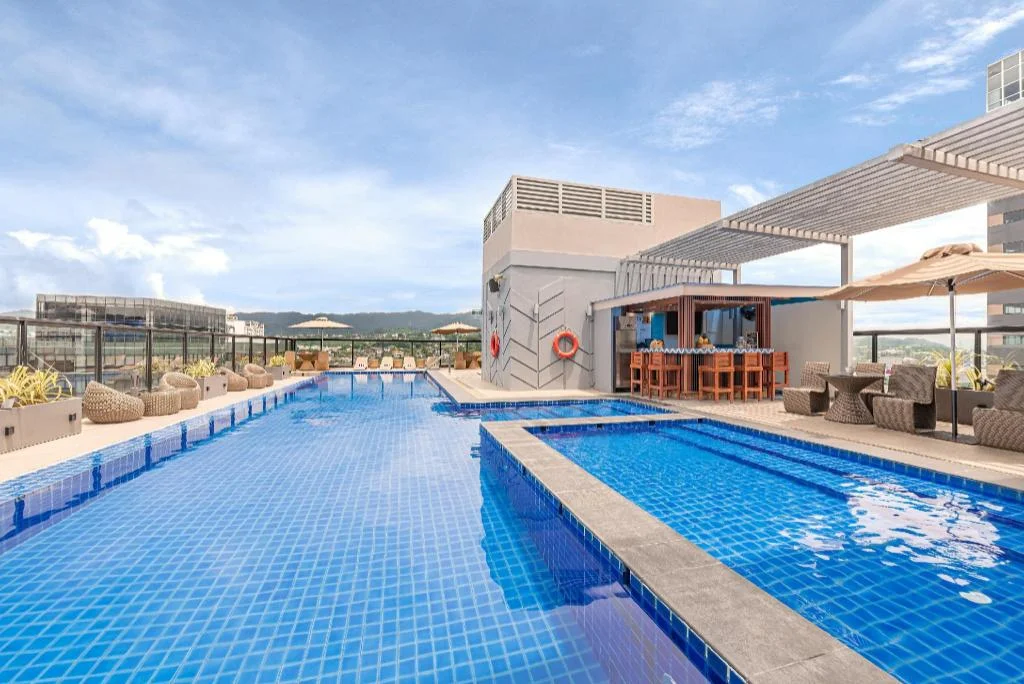
Seda Central Bloc Cebu City
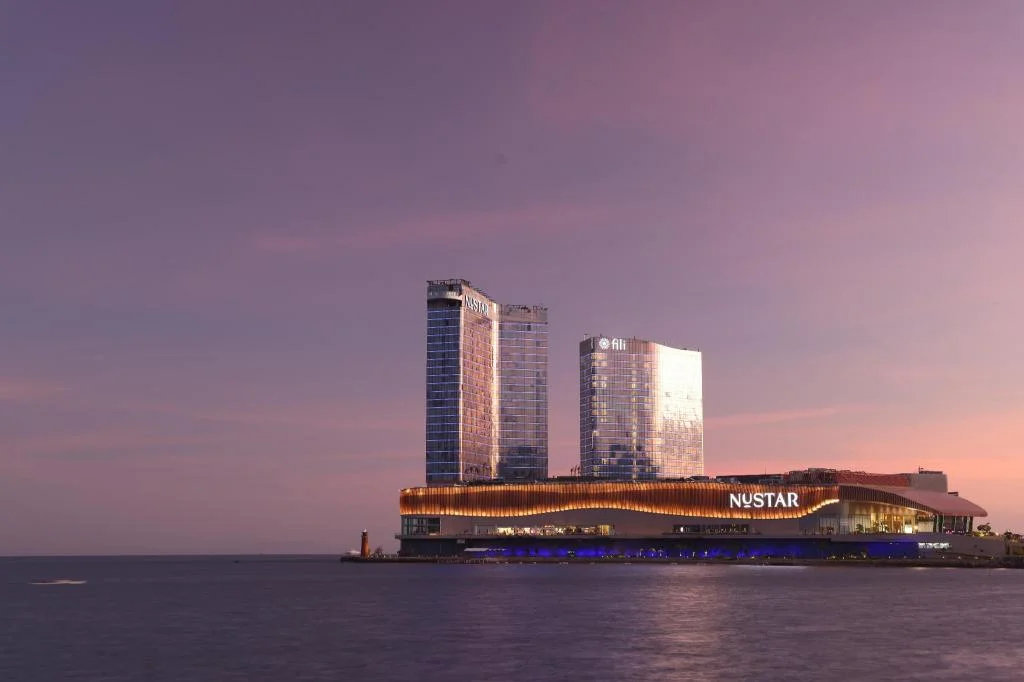
Fili Hotel - NUSTAR Resort & Casino Cebu
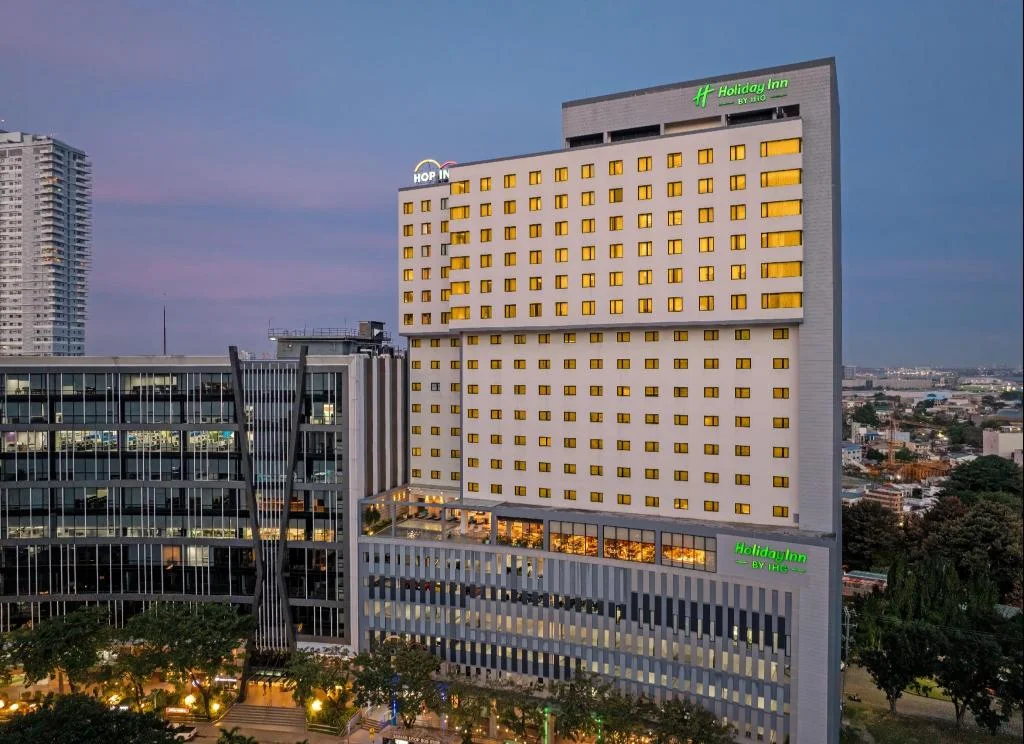
Holiday Inn Cebu City By IHG
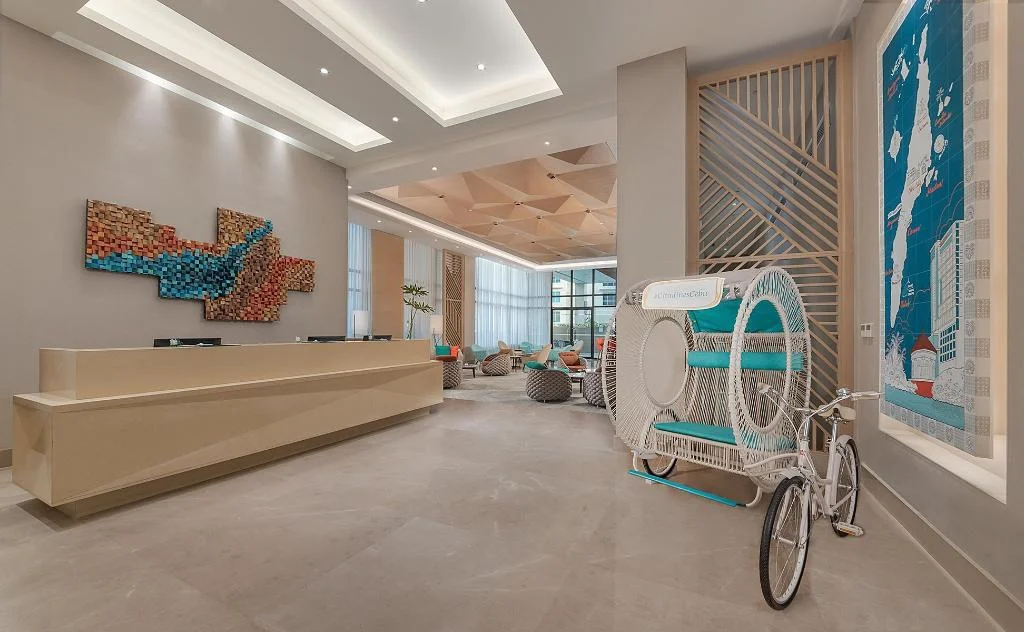
Citadines Cebu City
Prefer a rental? Vacation rentals near Cebu City
Self-catering condos and apartments — book the exact unit, kitchen included.
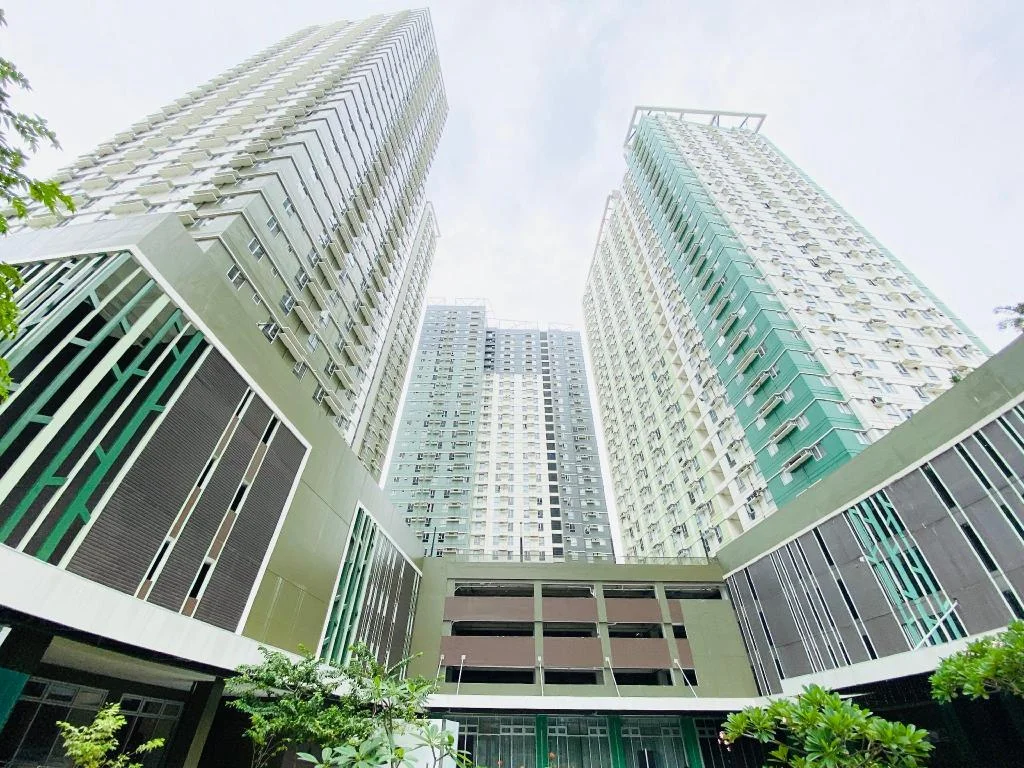
Cebu Avida Riala by P&J
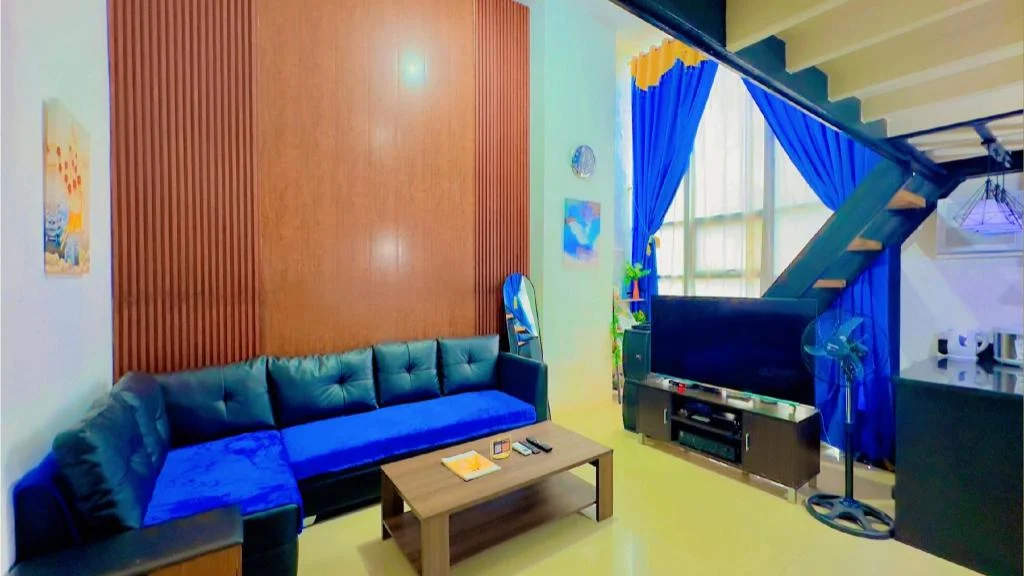
Special Big Loft Unit w/Fibreop Internet & Netflix
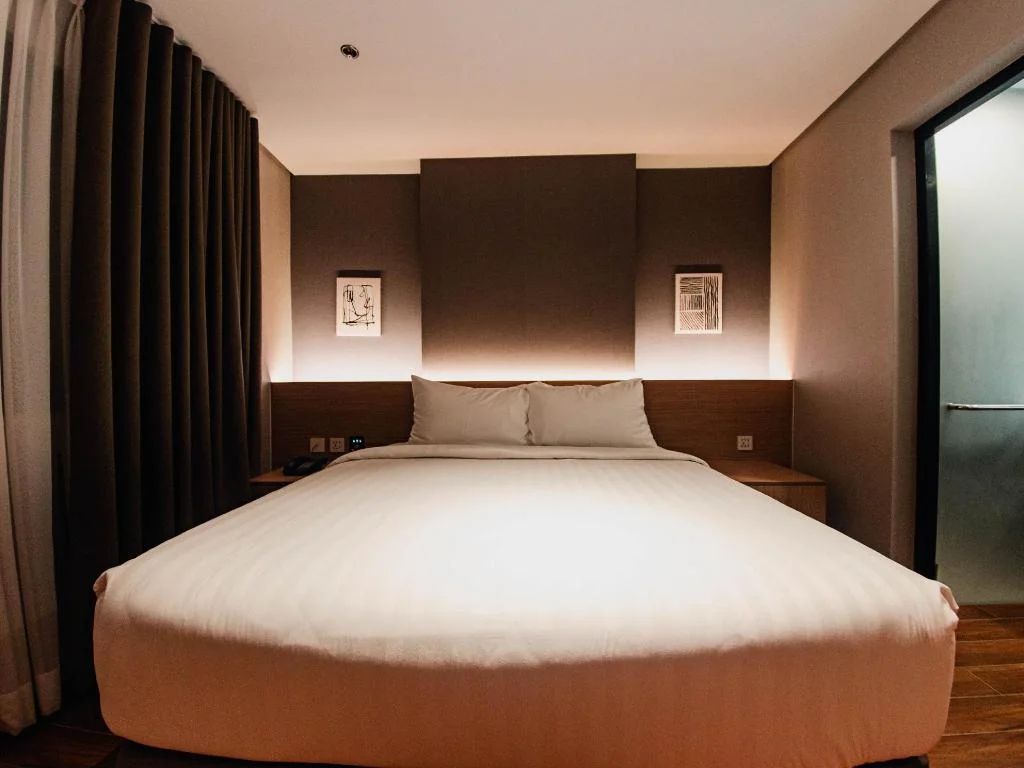
Moonstar Cebu Hotel - Deluxe Room
Before you go
Frequently asked
Can foreigners own land in Cebu?
Can foreigners own a condo unit in Cebu?
What happens if I buy land through my Filipino spouse?
Can foreigners lease land in Cebu long-term instead of buying?
How much does it cost to buy a condo in Cebu as a foreigner?
Is it better to rent or buy in Cebu as a foreigner?
Can foreigners get a mortgage in the Philippines?
Should I talk to a lawyer before buying property in Cebu?
More Places to Explore
Temple of Leah
Cebu City
A magnificent Roman-inspired temple built as a monument of love, nicknamed 'Cebu's Taj Mahal,' offering stunning architecture and city views.
Tops Lookout
Cebu City
Cebu City's premier hilltop viewpoint offering stunning panoramic views of the city, especially spectacular at sunset and nighttime.