
TL;DR: Since January 16, 2026, Chinese (PRC) passport holders get 14 days visa-free for tourism/business, arriving only via Manila (NAIA) or Mactan-Cebu (MCIA), under a one-year trial. It’s non-extendable. Bring a passport valid 6+ months, a hotel booking, and a return ticket. Verified July 2026 — confirm the trial is still active.
This is the highest-friction entry rule on our site: staying longer, traveling for another purpose, or entering elsewhere still needs a 9(a) Temporary Visitor’s Visa or a group-tour visa, and the trial itself is explicitly under review before it expires — confirm its live status with the Bureau of Immigration or a Philippine embassy/consulate in China before you book anything.
| Route into the Philippines | Max stay | Extendable? | Where to apply | Best for |
|---|---|---|---|---|
| 14-day visa-free trial (since Jan 16, 2026) | 14 days | No | Nothing to apply for — arrive via NAIA or MCIA | Short tourism/business trips |
| Visa-free via US/Japan/Australia/Canada/Schengen visa (SBM-2014-012) | 7 days, +14 extendable (21 max) | Yes, once | Nothing to apply for — show the qualifying foreign visa | Travelers who already hold one of those visas |
| 9(a) Temporary Visitor’s Visa | Set by visa grant; extendable locally | Yes, at a BI office | Philippine embassy/consulate in China (Beijing, Shanghai, Guangzhou, Xiamen) | Longer stays, other purposes, other airports |
| Tour Group Visa | Set by tour itinerary | No | Accredited Chinese travel agency + PH DOT-accredited operator | Organized group tours |
This is entry-rules information that changes, and this guide covers a genuinely new and still-provisional policy. Everything below was verified July 2026, but the 14-day visa-free trial is reviewed before its scheduled one-year expiry and could be extended, modified, or ended. Treat this as a starting point and confirm the specifics for your situation with the Philippine Bureau of Immigration or your nearest Philippine embassy or consulate in China before you book flights or hotels.
Do Chinese Citizens Need a Visa to Visit the Philippines?
It depends, and this changed recently. For years, Chinese (PRC) passport holders needed a visa for any Philippine visit — there was no general visa-free allowance the way there is for US, Korean, or Japanese travelers under Executive Order 408.
That changed on January 16, 2026, when the Philippine Department of Foreign Affairs began a one-year trial allowing Chinese nationals to enter visa-free for up to 14 days, for tourism or business purposes only. The DFA’s own announcement described the policy as being “in line with the President’s directive to facilitate trade, investments, and tourism, as well as strengthen people-to-people exchanges” between the two countries.
The trial comes with real limits that make it narrower than EO 408’s visa-free terms for other nationalities:
- 14 days maximum, and this cannot be extended or converted to another visa type.
- Two airports only — Ninoy Aquino International Airport (NAIA) in Manila and Mactan-Cebu International Airport (MCIA). If you’re flying directly into Cebu, you’re covered; entering through a different airport isn’t.
- Tourism or business only — not for work, study, or long-term stays.
- Standard derogatory-record checks still apply at immigration, same as for every arriving traveler.
Because this is a trial under review, treat “visa-free” here as current-but-provisional rather than a settled long-term rule the way EO 408 is for other nationalities.
Verified July 2026, based on the trial policy in effect since January 16, 2026. Confirm current status with the Philippine Bureau of Immigration or a Philippine embassy/consulate in China before you book.
How Long Can Chinese Nationals Stay in the Philippines Without a Visa?
Up to 14 days, and that’s a hard ceiling under the current trial — there’s no on-the-ground extension the way there is for a 30-day EO 408 traveler. If your Cebu trip is a focused week of whale sharks at Oslob, canyoneering at Kawasan Falls, and a city day around Magellan’s Cross, 14 days is workable. If you want a longer trip, plan for a visa in advance rather than assuming you can stretch the visa-free window.
Verified July 2026 — the 14-day limit and its non-extendable status are explicit terms of the current trial and could change if the policy is revised.
What Documents Do Chinese Travelers Need for Visa-Free Entry?
The 14-day visa-free entry requires:
- A passport valid at least 6 months beyond your intended stay.
- Confirmed hotel accommodation — have your booking ready to show, not just a tentative reservation.
- A return or onward ticket to your next destination.
Immigration also runs routine background checks on arriving travelers, which applies under this trial the same as under any other entry route. Because the visa-free entry is new, expect officers at both NAIA and MCIA to be applying it carefully — bring printed or easily accessible copies of your hotel booking and onward ticket rather than relying on showing them from an email app under time pressure.
A confirmed Cebu City hotel booking on Agoda satisfies both the accommodation-proof requirement and gives immigration a concrete answer on where you’re staying.
Verified July 2026 — confirm current document requirements with the Bureau of Immigration or your airline before you fly, since conditions on a new trial program can be refined.
What If You Don’t Qualify for the 14-Day Visa-Free Trial?
If your trip doesn’t fit the trial’s conditions — longer than 14 days, a different airport, a purpose beyond tourism or business — you need an actual Philippine visa arranged before you travel. Two established routes:
1. The 9(a) Temporary Visitor’s Visa, applied for at a Philippine embassy or consulate in China (Beijing, Shanghai, Guangzhou, or Xiamen). The general application typically asks for a completed application form, your passport (valid 6+ months) plus a photocopy, a recent passport-style photo, a round-trip flight itinerary, and proof of financial capacity such as bank or credit card statements. We’re not publishing a specific fee or processing-time figure here — these vary by consulate and change, and stating a number we haven’t verified for your specific consulate risks giving you stale information. Confirm both directly with the consulate covering your region before applying.
2. A Tour Group Visa, submitted by a travel agency accredited by the China National Tourism Administration that holds a cooperation agreement with a Philippine Department of Tourism-accredited operator. This route predates the 2026 trial and remains available — it’s the standard path for organized Chinese group tours to the Philippines and doesn’t depend on the trial’s continuation.
There’s also a narrower, older route: mainland Chinese citizens holding a valid, current American, Japanese, Australian, Canadian, or Schengen visa can enter the Philippines visa-free for up to 7 days, extendable by 14 more days for a maximum of 21 days, under a separate immigration circular (SBM-2014-012) that has nothing to do with the 2026 trial. It’s a real fallback if you already hold one of those visas, but it doesn’t help if you don’t.
Verified July 2026 — visa fees, processing times, and accredited-agency lists change. Confirm current details with the Philippine embassy or consulate covering your region in China.
What Happens If the Trial Isn’t Renewed?
Plan as if it might not be. The visa-free policy for Chinese nationals is explicitly described as a one-year trial “to be reviewed accordingly before it expires” — meaning its continuation past its first year isn’t guaranteed. If you’re booking travel for a date close to or beyond the trial’s review point, build in a buffer: check the trial’s live status with the Philippine Bureau of Immigration or a Philippine embassy/consulate in China before finalizing non-refundable flights or hotels, and have the 9(a) visa route in mind as a backup if the trial lapses or is narrowed.
This is also the reason we’re not giving this trial the same confident, long-settled framing as Executive Order 408’s visa-free terms for American, Japanese, or Korean travelers elsewhere on this site — it’s genuinely new, and “current as of July 2026” is doing real work in that sentence.
Verified July 2026 — confirm the trial’s live status close to your travel date, not just once when you first plan the trip.
What Happens If You Overstay?
Overstaying is a bigger problem under this rule than under EO 408’s visa-free terms. Because the 14-day stay is non-extendable, there’s no equivalent of “just extend at a Bureau of Immigration office a few days before you’re due to leave” — the option available to American, Japanese, or Korean tourists on their 30-day allowance. If you think there’s any real chance you’ll need more than 14 days, the safer move is arranging a 9(a) visa or confirming your group-tour visa terms before you travel, not hoping to sort it out after arrival.
Verified July 2026 — confirm current overstay penalties and procedures with the Bureau of Immigration, since specifics for this newer visa-free category may differ from long-established routes.
A Few Honest Caveats Before You Book
This is the newest, least-settled entry rule we cover. Executive Order 408’s 30-day visa-free terms for other nationalities have been stable for years. The 14-day Chinese trial started in January 2026 and is due for review before its first anniversary — treat every detail here as “true in July 2026,” not as a fixed long-term policy.
Two airports only. If your itinerary somehow doesn’t route through NAIA or MCIA, the visa-free trial doesn’t apply to you regardless of trip length.
Non-extendable means non-extendable. Don’t count on stretching a 14-day stay locally the way you might on a 30-day EO 408 allowance.
Use only official sources for a final answer. For the Bureau of Immigration’s current position, that’s immigration.gov.ph. For visa applications, that’s the Philippine embassy or consulate in China covering your region. This guide is a starting point for planning — the official channels are what matter when you’re booking irreversible flights or standing at the counter.
The honest bottom line: Chinese travelers now have a real, if narrow and provisional, visa-free option into Cebu for short trips — a genuine change from years of needing a visa for every visit. Confirm the trial is still live close to your travel date, keep your stay to 14 days or arrange a proper visa in advance, and have your hotel booking and onward ticket ready at immigration.
Once You’re In: Plan Your Cebu Trip
With entry sorted, Cebu is a strong short-trip destination that fits neatly inside a 14-day window — beaches, waterfalls, and world-class diving all within a few hours of Mactan-Cebu International Airport, one of the two gateways covered by the visa-free trial.
Pair this guide with the Cebu travel guide for Chinese travelers for a fuller itinerary framework, and check flights from China to Cebu for current routes. The Philippines visa-free entry guide covers the broader EO 408 rules that apply to other nationalities, useful context if you’re traveling as part of a mixed-nationality group.
The signature day trips are close by: Oslob whale shark watching, Kawasan Falls canyoneering, and heritage stops like Magellan’s Cross in the old city. Compare tours on Klook’s Cebu listings, and lock in your accommodation proof for immigration by searching Cebu City hotels on Agoda.
Sources
- Philippine Bureau of Immigration
- PHGuides — Tourist Visa Extension (published extension and visa-waiver fees)
- Philippines to Allow Visa-Free Entry for 14 Days for Chinese Nationals — Department of Foreign Affairs
- Philippines to Allow Visa-Free Entry for 14 Days for Chinese Nationals — Philippine Embassy in Singapore
- Philippines: Visa-Free Entry for Chinese Nationals — BAL Immigration News
- Guidelines on the Entry of Temporary Visitors to the Philippines — Philippine Consulate General Macau
- eTravel official registration site
Final Word
For Chinese passport holders, 2026 marks a real shift: a 14-day visa-free trial launched January 16, 2026 replaces the old blanket visa requirement for short tourism or business trips through Manila or Mactan-Cebu, provided you bring a passport valid 6+ months, a confirmed hotel booking, and a return ticket. It’s non-extendable, so plan a 9(a) visa or a group-tour visa if you need more than 14 days or a different entry point — and because it’s a trial under review, confirm it’s still active close to your travel date with the Philippine Bureau of Immigration or a Philippine embassy/consulate in China. Then book a Cebu City stay on Agoda, line up a tour on Klook, and start planning with the Cebu travel guide for Chinese travelers. Verified July 2026.
Book Tours & Hotels for This Trip
Find and book the best deals — prices and availability update in real time. Links open in a new tab.
Where to stay near Cebu City
Top-rated hotels for this trip — tap through to check live rates.
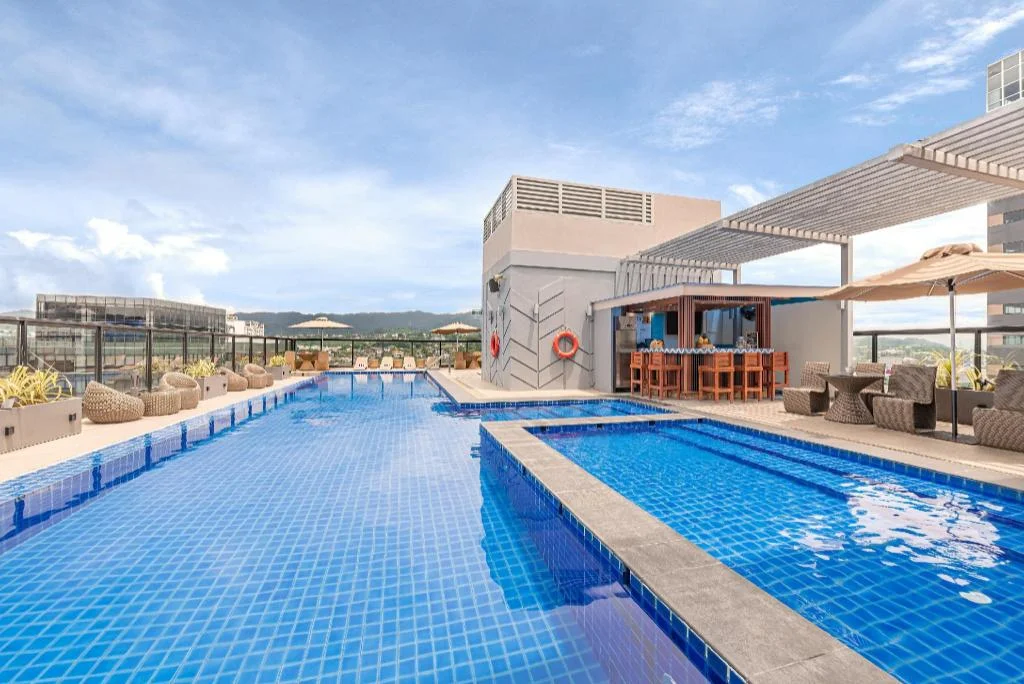
Seda Central Bloc Cebu City
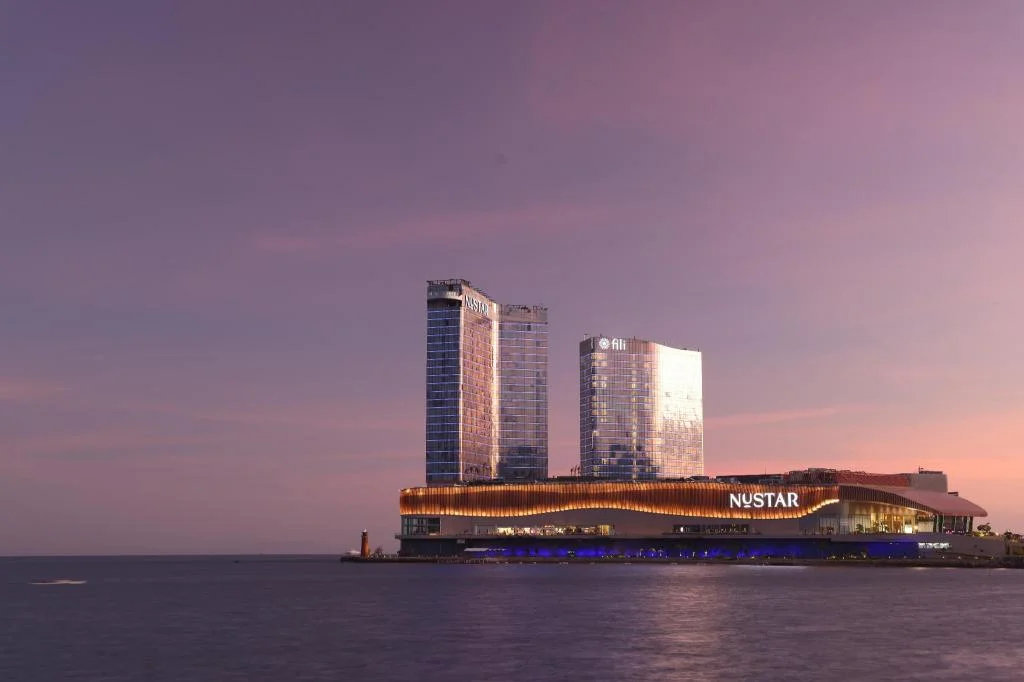
Fili Hotel - NUSTAR Resort & Casino Cebu

Holiday Inn Cebu City By IHG
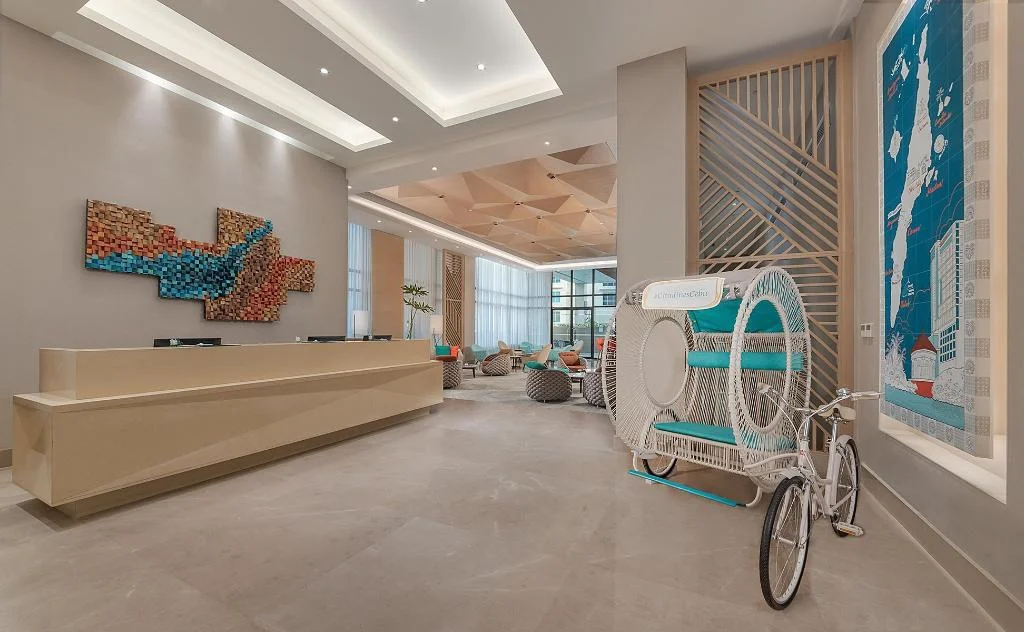
Citadines Cebu City
Prefer a rental? Vacation rentals near Cebu City
Self-catering condos and apartments — book the exact unit, kitchen included.

Cebu Avida Riala by P&J
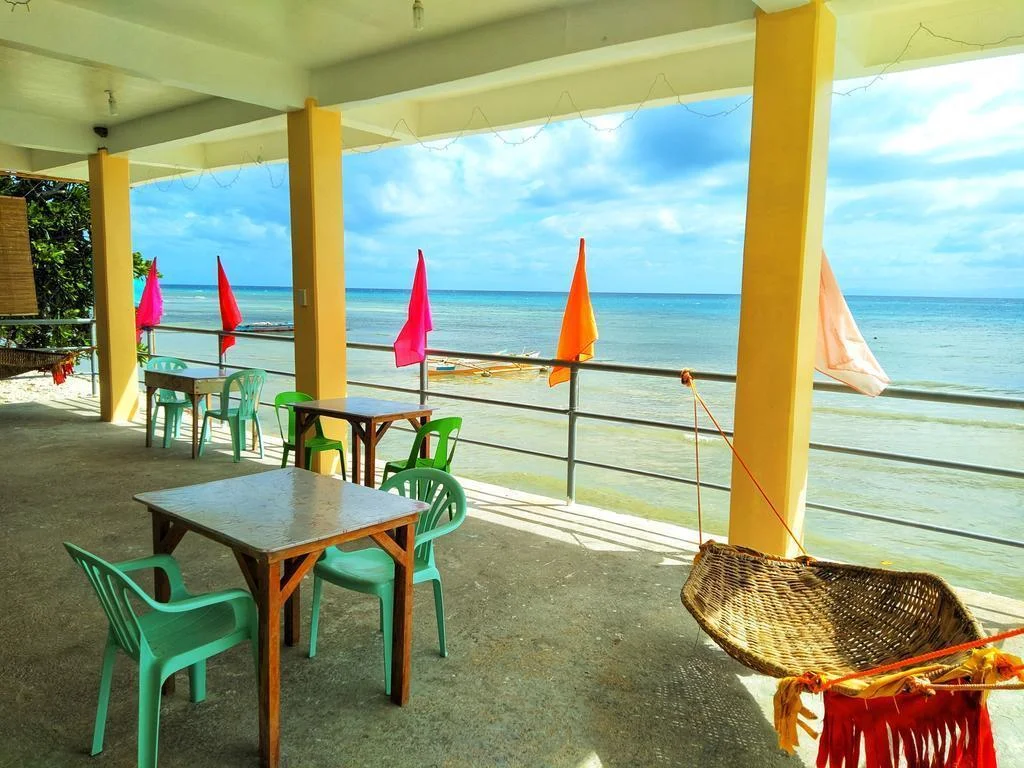
Ocean View Lodging House

Special Big Loft Unit w/Fibreop Internet & Netflix
Before you go
Frequently asked
Do Chinese citizens need a visa to visit the Philippines?
How long can Chinese nationals stay in the Philippines without a visa?
What documents do Chinese travelers need for the 14-day visa-free entry?
What if the 14-day visa-free trial for Chinese nationals ends or isn't renewed?
How do Chinese citizens apply for a Philippine tourist visa if they don't qualify for visa-free entry?
Is there a group tour visa option for Chinese tourists visiting the Philippines?
Can Chinese nationals holding a US, Japanese, Australian, Canadian, or Schengen visa enter the Philippines visa-free?
What happens if a Chinese tourist overstays either the visa-free period or a visa-based stay?
More Places to Explore
Kawasan Falls
Badian
A stunning three-tiered waterfall famous for its turquoise waters, bamboo raft rides, and as the endpoint of the famous Badian canyoneering adventure.
Whale Shark Watching
Oslob
Swim alongside gentle whale sharks, the world's largest fish, in one of the few places where these magnificent creatures can be reliably encountered.
Magellan's Cross
Cebu City
The historic cross planted by Ferdinand Magellan in 1521, marking the birth of Christianity in the Philippines and now a National Cultural Treasure.