
TL;DR: Foreigners can own a Cebu business outright in some categories (export enterprises, PEZA locators, and retail under the amended law) but face a 40% cap in most “domestic market” activities unless they clear the standard US$200,000 paid-up capital threshold (about ₱12.4 million). Expect to register with the SEC, then BIR, then get a Barangay Clearance and Mayor’s Permit from the city, in that order. Cebu IT Park and Cebu Business Park offer PEZA incentives for export/IT-BPO activity. None of this substitutes for a Philippine lawyer — the rules are sector-specific and the penalties for getting ownership structure wrong (the Anti-Dummy Law) are serious. Verified July 2026.
Cebu is the Philippines’ second-biggest economy after Metro Manila, and its BPO towers, dive resorts, and small-business street life all run on a mix of Filipino and foreign capital. If you’re an expat, retiree, or investor thinking about opening something here — a café, a dive shop, a software company, a small manufacturing line — the legal path is more workable than most Facebook-group horror stories suggest, but it isn’t a weekend errand either. This guide walks through what foreigners can actually own, what it costs in paid-up capital, the registration sequence from SEC to your city Business Permit, and the visa options that let you stay to run it. It’s a framework, not legal advice — treat it as the map that tells you which questions to bring to a lawyer, not a substitute for one.
Ownership Structures and Capital, at a Glance
| Route | Foreign ownership | Minimum paid-up capital | Best for |
|---|---|---|---|
| Domestic corporation, standard | Up to 40% | No special minimum (₱5,000 nominal floor) | Local retail, F&B, services partnering with Filipino co-owners |
| Domestic corporation, majority/full | Up to 100% | US$200,000 (~₱12.4M) | Consulting, manufacturing, most non-restricted domestic activity |
| Domestic corporation, reduced threshold | Up to 100% | US$100,000 (~₱6.2M) | Advanced-tech (DOST-certified) or 50+ direct Filipino employees |
| Export enterprise (60%+ revenue from exports) | 100% | No FINL-based cap; standard SEC minimums apply | Manufacturing/services sold abroad, many IT-BPO setups |
| Retail trade (RA 11595) | 100% | ₱25,000,000 (~US$403,000); ₱10M per store if multiple | Retail chains, franchises |
| Branch office | 100% (of parent) | Typically US$200,000 inward remittance | Extending an existing foreign company into PH |
| Representative office | 100% (of parent) | Around US$30,000/year, no local income allowed | Liaison, marketing, quality control only |
| PEZA-registered locator (e.g. Cebu IT Park) | Per activity, often 100% for export/IT | Per SEC minimums above, plus PEZA project cost thresholds | BPO, IT services, export manufacturing |
Peso figures use ₱62 ≈ US$1 (July 2026). Capital thresholds are legal minimums, not typical startup budgets — confirm current amounts with SEC/BOI before wiring funds. Verified July 2026.
Can Foreigners Actually Own a Business in Cebu?
Yes, but how much of it depends on the sector. The Philippine Constitution and the Foreign Investment Negative List (FINL) reserve certain activities — land ownership, mass media, small-scale mining, and a handful of others — wholly or partly to Filipino citizens. Outside those restricted categories, the default rule for a “domestic market enterprise” caps foreign equity at 40% unless the company meets the standard US$200,000 paid-up capital minimum, in which case majority or full foreign ownership is allowed. That threshold drops to US$100,000 if the business uses DOST-certified advanced technology or directly employs at least 50 Filipino workers. Export enterprises — those earning 60% or more of revenue from goods or services sold abroad — sidestep the FINL cap entirely and can be 100% foreign-owned.
One thing to take seriously: the Anti-Dummy Law criminalizes using a Filipino nominee to hold shares on paper while a foreigner controls the real equity or profits. If a lawyer or “fixer” suggests a nominee arrangement to get around the 40% cap, that’s a legal exposure, not a workaround — structure around the real rules instead (export status, capital thresholds, or a genuine Filipino joint-venture partner).
What Structure Should You Use?
Most foreign owners running an actual Cebu-based business use a domestic corporation; branch and representative offices suit companies extending operations from abroad. A domestic corporation (including a One Person Corporation, allowed under the Revised Corporation Code) is a separate Philippine legal entity that can earn local income and holds its own liability — this is the standard vehicle whether you’re opening a café or a services firm. A branch office is legally an extension of a foreign parent company: it can earn Philippine income, but the parent bears full liability, and it typically needs the same US$200,000 inward remittance as a majority-foreign domestic corporation. A representative office cannot generate revenue in the Philippines at all — it exists only to promote the parent company, source suppliers, or handle quality control — and needs a smaller yearly inward remittance, commonly cited around US$30,000. Foreigners generally cannot register a sole proprietorship through DTI; that route is essentially reserved for Filipino citizens, which is why almost every foreign-owned small business here is technically a corporation, even a one-person one.
How Much Capital Do You Actually Need?
Budget for the legal minimum first, then your real operating costs on top of it. As the table above shows, a majority-or-fully foreign-owned domestic business generally needs US$200,000 in paid-up capital, reduced to US$100,000 for advanced-technology or high-employment enterprises, while export enterprises and many PEZA-registered activities aren’t held to that threshold at all. Retail businesses fall under a separate law (RA 11595, in force since 2022), which set the minimum at ₱25 million paid-up capital, with at least ₱10 million per store if you’re opening more than one location. These are floors set by law, checked by SEC and the National Economic and Development Authority on a periodic review cycle — they are not a budget for rent, staff, licenses, or inventory, which you’ll need on top.
Are There Ways to Get 100% Foreign Ownership Without the $200K?
Two realistic paths: qualify as an export enterprise, or register through PEZA. If your business sells goods or services abroad and derives 60% or more of revenue that way, it’s classified as an export enterprise and the 40% domestic cap doesn’t apply — you can own it outright. This is the route many small IT/BPO and remote-service companies use. The second path is registering as a PEZA locator inside an accredited economic zone — Cebu IT Park and Cebu Business Park both host PEZA-registered towers, largely for IT-enabled services and BPO. PEZA registration adds fiscal incentives on top of the ownership question: a multi-year income tax holiday, then the option of a 5% special corporate income tax or enhanced deductions, plus duty-free import of capital equipment and VAT zero-rating on qualifying local purchases. PEZA processing runs roughly three weeks once your documents are complete, separate from your SEC and BIR registration.
What’s the Registration Process, Step by Step?
SEC first, then BIR, then your city permits — in that order, because each step needs proof of the last. The typical sequence:
- SEC registration — file Articles of Incorporation, a Treasurer’s Affidavit, and supporting IDs through the SEC’s eSPARC online portal. Regular processing runs about a week once documents are complete, though the full round trip with document prep commonly takes 20–35 business days.
- BIR registration — get a Tax Identification Number, Certificate of Registration, and authority to print official receipts/invoices, then register your books of account at the Revenue District Office covering your Cebu address.
- Barangay Clearance — from the barangay where your office or shop is physically located.
- Mayor’s/Business Permit — Cebu City’s Business Permits and Licensing Office (or the equivalent office in Mandaue, Lapu-Lapu, or wherever you’re based) issues this after the barangay clearance; apply within 30 days of your SEC/DTI registration to avoid late-registration penalties. Renewal is due annually by January 20.
- SSS, PhilHealth, and Pag-IBIG — mandatory employer registrations if you’re hiring, due within 30 days of getting your business permit.
Environmental and sanitary permits get added for food service, manufacturing, or anything with health/safety exposure — Cebu City in particular checks this at the permit stage for restaurants and production businesses.
Should You Register Inside a PEZA Zone Like IT Park?
If your business is export-oriented IT, BPO, or a similar service, PEZA zones are worth the extra paperwork; if you’re opening a retail shop or restaurant, they generally aren’t. Cebu IT Park and Cebu Business Park cluster BPO towers, software firms, and shared-services centers precisely because PEZA locators there get the income tax holiday and duty exemptions described above. A café or boutique doesn’t qualify for those incentives the same way and is better off with straightforward SEC/BIR/city registration outside a zone. If you’re weighing where an IT-enabled business should actually sit day to day, our IT Park guide covers the district itself, and Cebu Business Park is the other main option downtown.
Can You Hire Staff, and What About Your Own Visa?
Hiring is straightforward once you’re registered; staying to run the business yourself takes a separate visa. Once your business permit is in hand, you register as an employer with SSS, PhilHealth, and Pag-IBIG, and can hire Filipino staff under normal labor law. For your own status, foreign business owners typically use one of three routes: a 9(g) pre-arranged employment visa, where your own company sponsors you as an employee or executive, which first requires an Alien Employment Permit from DOLE; a Special Investor’s Resident Visa (SIRV), administered by the Board of Investments, granting indefinite residency for a minimum US$75,000 investment in a qualifying enterprise, with an initial probationary visa taking roughly 30–45 working days; or, if you’re also winding toward retirement, the SRRV track covered in our retiring in Cebu guide. None of these visas substitutes for registering the business correctly first — see our broader rundown of long-stay visa options for how they compare against tourist-visa extensions and other categories.
While your registration is in process — SEC and BIR alone can eat a month or more of back-and-forth — most foreign founders base themselves in an extended-stay hotel or serviced apartment near their intended office rather than committing to a lease before the paperwork clears. Compare extended-stay options in Cebu City on Agoda if you need a base for the registration period, or look at Mactan if you’re staying closer to the airport for frequent trips home during setup.
The Honest Take
The paperwork is real but not uniquely brutal — dozens of small foreign-owned cafés, dive shops, and consultancies operate legally around Cebu, and the framework above is exactly how they got there. Where people get burned is skipping the capital rules or the Anti-Dummy Law and hoping a “trusted” local partner or a cheap fixer makes ownership problems disappear; that’s the version of this that ends in a business you don’t actually control, or a criminal exposure you didn’t sign up for. The other honest caveat: government processing timelines quoted online (a week here, three weeks there) describe the best case with complete documents — budget more like six to ten weeks end to end for SEC, BIR, and your business permit if this is your first time navigating Philippine bureaucracy, and don’t sign a long commercial lease until your SEC registration is confirmed. If your business is genuinely export-facing or IT/BPO, it’s worth seriously exploring PEZA from day one rather than registering standard and switching later.
None of this is a substitute for sitting down with a Philippine corporate lawyer and an accountant before you commit capital — the sector-specific exceptions and current FINL edition change, and this guide can only frame the landscape as it stood in mid-2026.
Sources
- Securities and Exchange Commission — eSPARC company registration
- Republic Act No. 7042 — Foreign Investment Act, as amended
- Republic Act No. 11595 — Amended Retail Trade Liberalization Act
- Philippine Economic Zone Authority — incentives overview
- Board of Investments — Special Investor’s Resident Visa FAQ
- City of Cebu — business permit application
- Capital thresholds, structures, and visa figures cross-checked against 2025–2026 legal-practice summaries; confirm current rules with SEC, BOI, or a Philippine corporate lawyer before acting. Verified July 2026.
Getting the structure right on paper is half the job — the other half is knowing what daily life and costs look like once the business is running. Cross-check your numbers against our cost of living in Cebu vs. Manila breakdown, and if you’re weighing employment instead of ownership, see how BPO and teaching jobs in Cebu actually pay before you commit to the harder road of owning the company yourself.
Book Tours & Hotels for This Trip
Find and book the best deals — prices and availability update in real time. Links open in a new tab.
Where to stay near Cebu City
Top-rated hotels for this trip — tap through to check live rates.
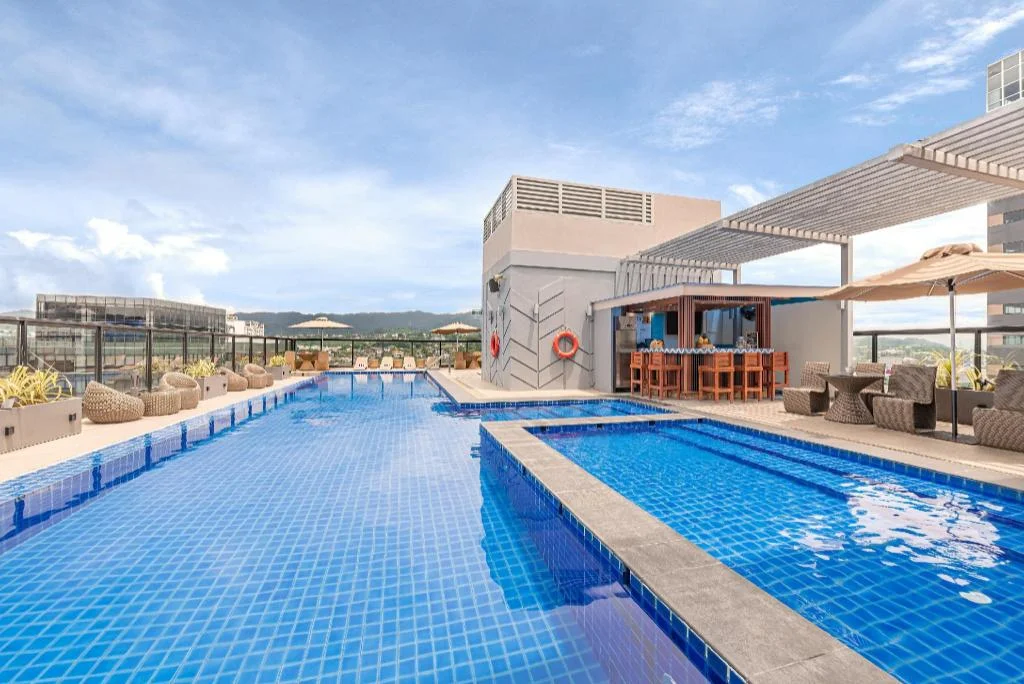
Seda Central Bloc Cebu City
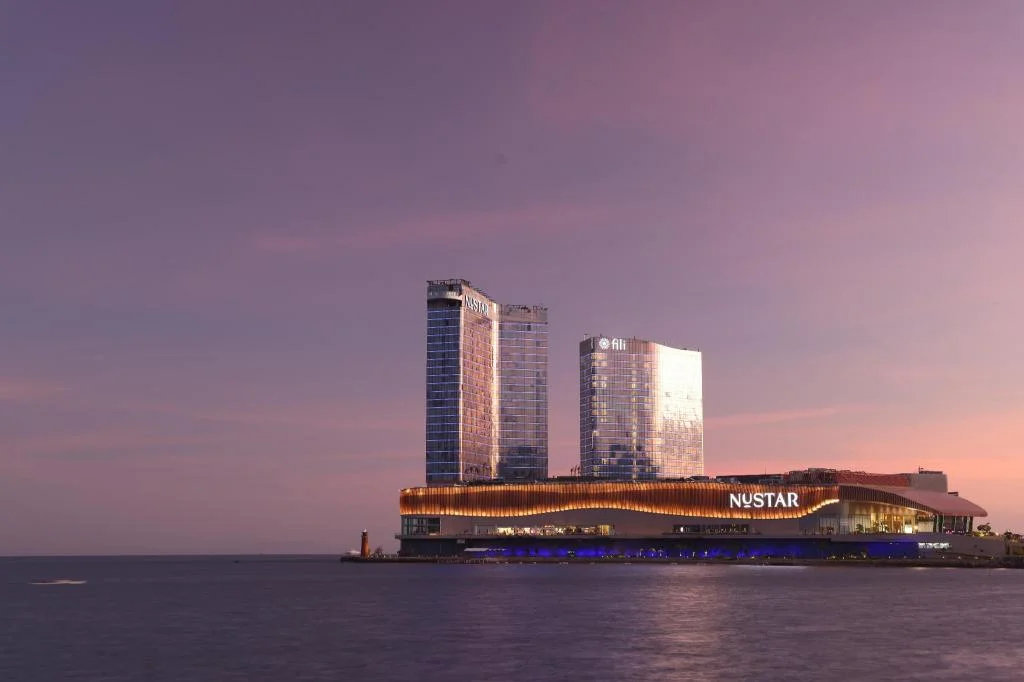
Fili Hotel - NUSTAR Resort & Casino Cebu
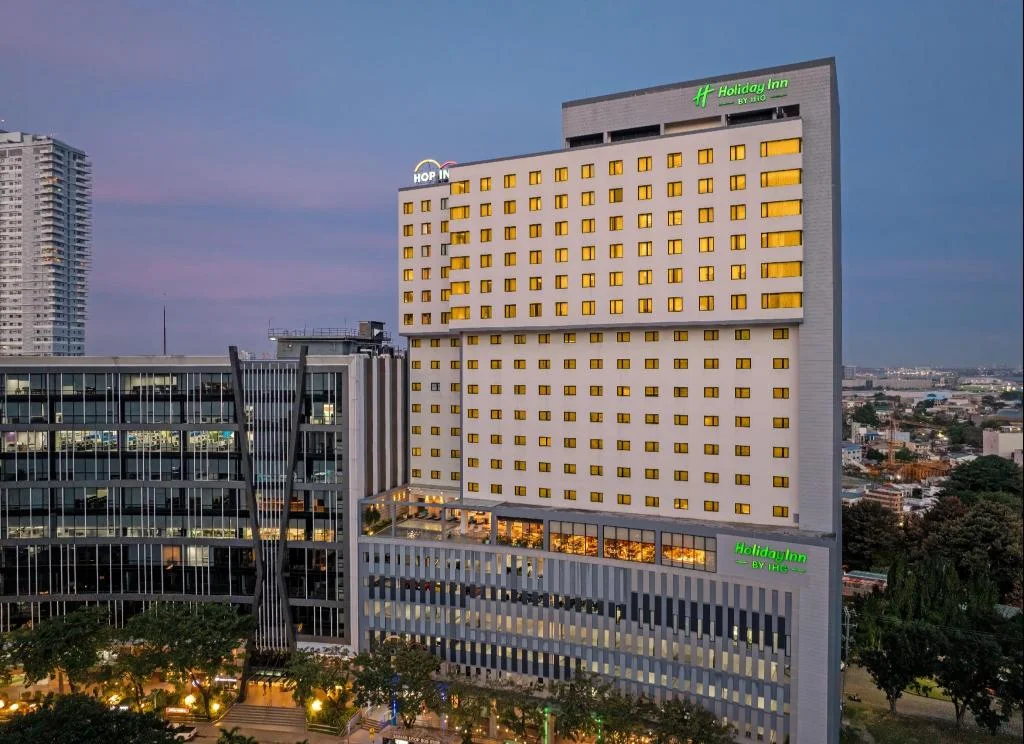
Holiday Inn Cebu City By IHG
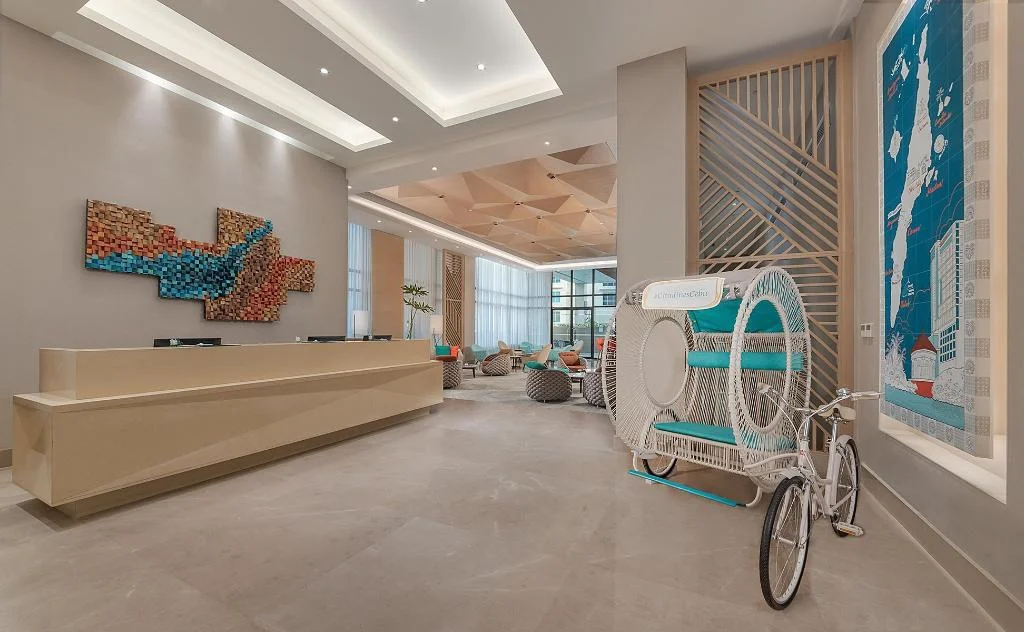
Citadines Cebu City
Prefer a rental? Vacation rentals near Cebu City
Self-catering condos and apartments — book the exact unit, kitchen included.
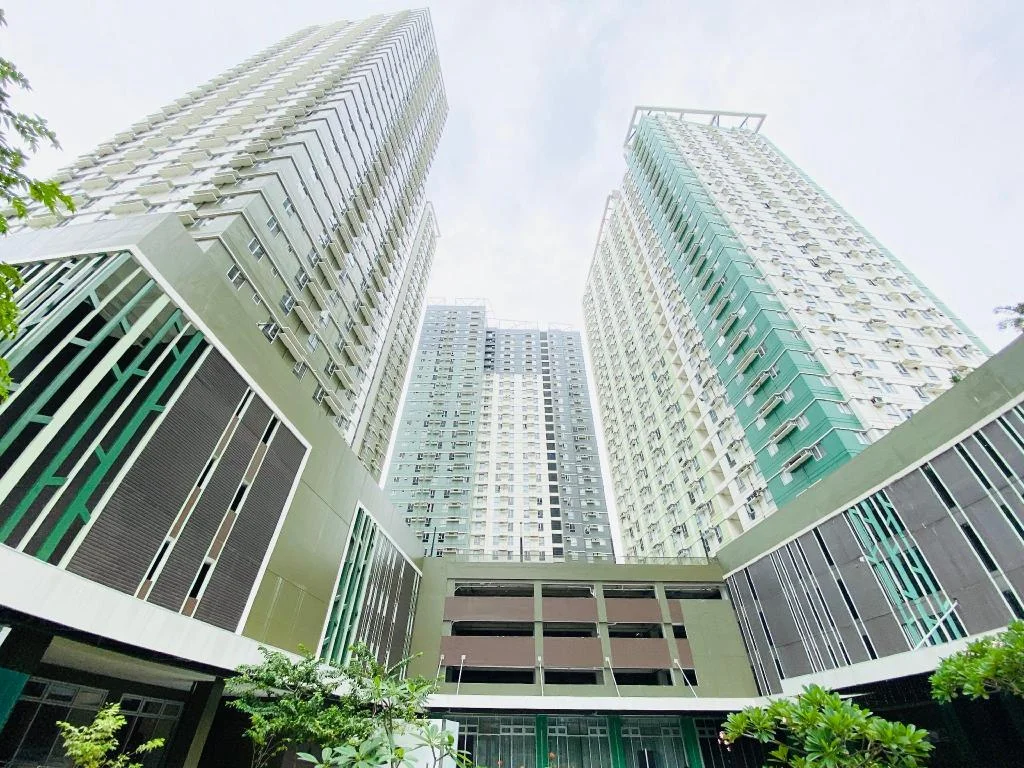
Cebu Avida Riala by P&J
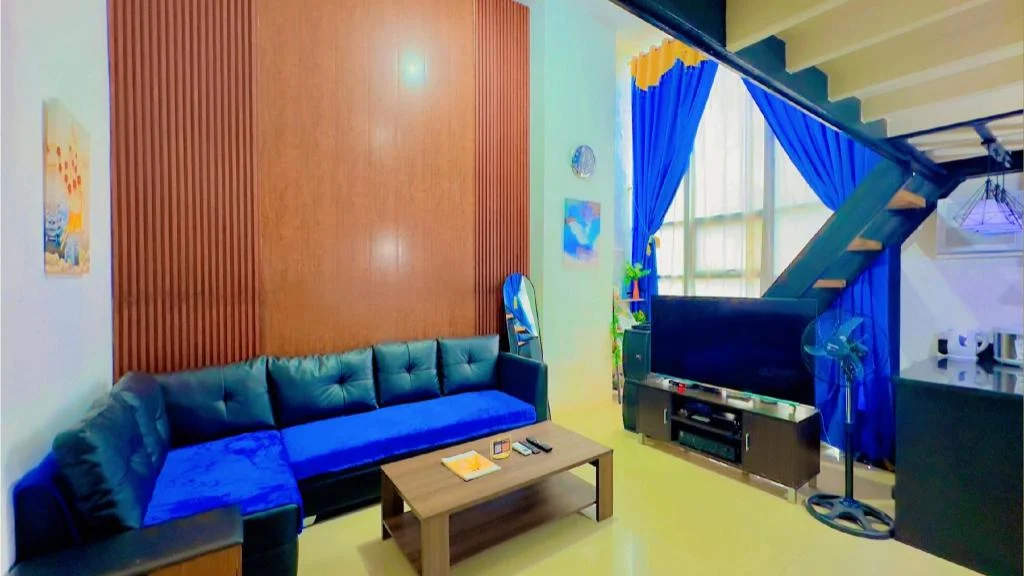
Special Big Loft Unit w/Fibreop Internet & Netflix
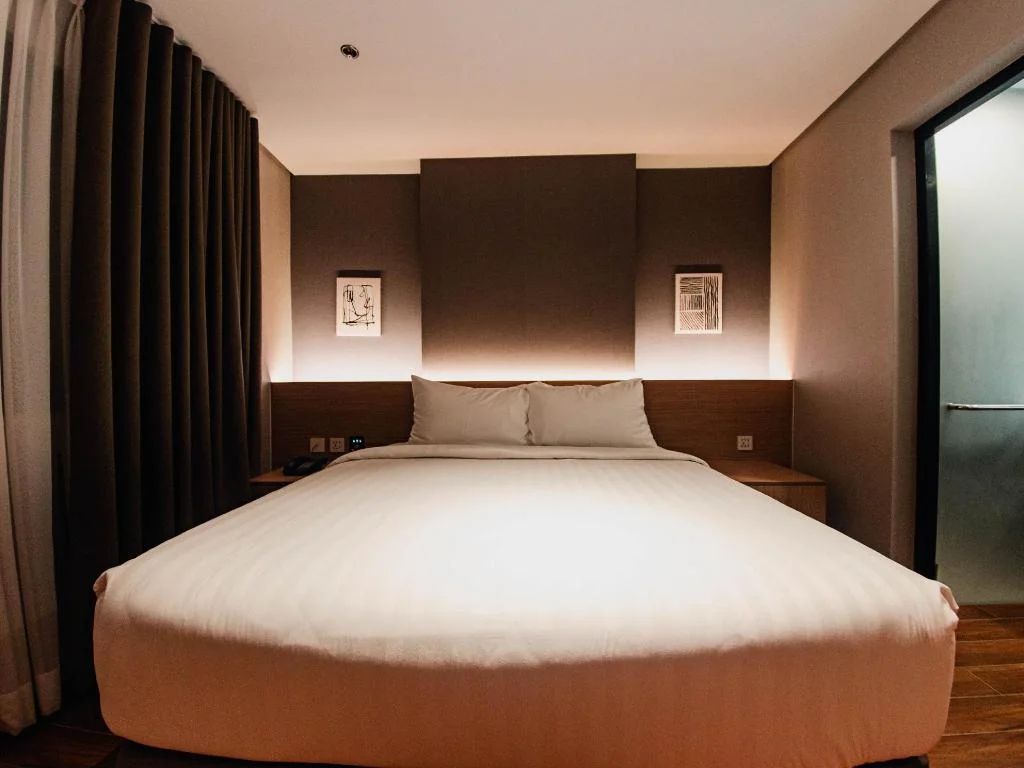
Moonstar Cebu Hotel - Deluxe Room
Before you go