
TL;DR: The religious core of Sinulog runs the week before the parade: a nine-day novena of masses at the Basilica del Santo Niño (roughly January 8–16, 2027), opening with the pre-dawn Walk with Jesus, then the dawn fluvial procession and afternoon solemn foot procession on Saturday, January 16 — the day before the January 17 grand parade. All of it is free. The 2026 solemn procession alone drew an estimated 1.9 million devotees over a 5.5-km route. Dress modestly (sleeves, knee-length; enforced since October 2024) and expect serious crowds, especially in the final days. Verified July 2026.
Most visitors know Sinulog as the parade — drums, costumes, a downtown street party. But the parade is the closing act. The week before it is a genuinely devotional event, built around the Santo Niño de Cebu, the small ivory image of the Christ Child gifted to Rajah Humabon’s wife in 1521 and now the country’s oldest Christian relic. This guide covers that religious side: the nine-day novena of masses at the Basilica del Santo Niño, the dawn Walk with Jesus, the fluvial and solemn processions, and how to take part as a visitor without getting in the way of people who are there on a genuine vow. If you’re only around for the parade weekend, pair this with a walk past Magellan’s Cross, planted a short walk from the Basilica and tied to the same 1521 story.
Sinulog 2027 Devotional Schedule at a Glance
| Event | Approx. 2027 date | Time | Cost |
|---|---|---|---|
| Novena masses begin | ~Jan 8 | Daily, 4 AM–8:30 PM | Free |
| Walk with Jesus | Opening days of the novena, pre-dawn | ~4:00 AM | Free |
| Novena masses continue | Jan 9–15 | Daily, 4 AM–8:30 PM | Free |
| Fluvial procession | Sat, Jan 16 | Dawn, ~5:30–6:30 AM | Free |
| Solemn foot procession | Sat, Jan 16 | Early afternoon, ~1:00 PM | Free |
| Grand parade (for reference) | Sun, Jan 17 | Morning | Free streets / paid grandstand |
Sinulog dates follow the third-Sunday-of-January rule, so the novena, fluvial, and solemn procession dates shift each year. These 2027 dates are projected from the confirmed 2026 pattern (fluvial and solemn procession the Saturday before the parade, novena the nine days before that) — confirm the final 2027 schedule with the Basilica del Santo Niño or the Sinulog Foundation closer to the date. Verified July 2026.
What Is the Sinulog Novena, and When Does It Run?
The novena is nine straight days of masses at the Basilica, ending the day before the grand parade — for 2027, that’s roughly January 8 through 16. On a normal day the Basilica runs Masses from around 6 AM to 5:30 PM; during the novena the schedule extends earlier and later to handle the volume, with Cebuano and English masses stacked from before dawn until close to 9 PM. Fridays during the novena period draw the heaviest turnout, since Friday has long been the traditional day of devotion to the Santo Niño even outside festival season.
Devotees attend as a panaad — a personal vow, often repeated every year, to give thanks or ask for protection, health, or a specific intention. You don’t need to be Catholic or Filipino to attend; you just need to treat it as what it is, a religious service, not a photo op.
What Is Walk with Jesus?
Walk with Jesus is the pre-dawn penitential walk that kicks off the religious calendar, days before the parade. Thousands gather before sunrise — many barefoot, some carrying their own Santo Niño images — and walk together toward the Basilica, praying the rosary along the route. It’s quieter and more personal than anything else in the Sinulog calendar: no floats, no drums, just candlelight and a slow procession of families. If you want to see the devotional side of Sinulog without a single dancer or drum, this is it.
What Happens at the Fluvial Procession?
At dawn, a replica of the Santo Niño is carried by boat along the Cebu City coastline, re-enacting how the image is believed to have arrived by sea in 1521. In 2026 this meant being near the Mactan Channel or Pier 1 by around 5 AM, with the boat procession itself starting shortly after. It’s one of the most atmospheric events of the week: quiet water, torches, chanting, and none of the crush of the parade. Expect the surrounding piers and the harbor stretch to fill early — arrive well before sunrise if you want an unobstructed view. Our Basilica del Santo Niño guide has more on the church itself if you’re combining this with a daytime visit.
What Is the Solemn Foot Procession, and What’s the Route?
Later the same day, the image is carried on foot through a roughly 5.5-kilometer loop of downtown Cebu City streets, starting and ending at the Basilica. In 2026 the route ran from the Basilica along D. Jakosalem, Magallanes, A. Borromeo, Leon Kilat, and N. Bacalso, then back via V. Rama, B. Rodriguez, and Osmeña Boulevard. This is the single largest devotional gathering of the week — an estimated 1.9 million people joined in 2026, up from 1.4 million in 2025 — so density is heaviest near the Basilica and at the main street intersections. Police cordons enforce a strict no-backpack rule at Plaza Independencia and around the Basilica, the same policy used for the parade itself.
How Do You Join the Novena or Masses as a Visitor?
Show up, sit or stand quietly, and follow the lead of the people around you — you don’t need an invitation to attend a public Mass. A few practical notes:
- Go early for calm. The 5–6 AM masses are consistently the least crowded and the most atmospheric — this is when the Basilica feels like a church again rather than a festival venue.
- Skip the sightseeing during Mass. Save photos and video for outside the church or between services; treat the Mass itself as a service, not a performance.
- Expect a lot of standing. Seating fills fast on Fridays and in the last days of the novena; many devotees stand or kneel outside the main doors and follow the Mass on speakers.
- The candle vendors outside are part of the tradition, not a tourist trap. The forward-two-steps, back-one-step “sinulog” prayer dance performed with lit candles outside the Basilica — to the chant of “Pit Señor!” (“Hail, Lord!”) — is the original Sinulog ritual, older than the parade itself. You’re welcome to have a candle lit and join if you want to, but it’s a devotional act for the people doing it, not a show staged for cameras.
What Should You Wear?
Cover your shoulders and knees — the Basilica has enforced a formal dress code since October 2024, and it turns people away at the door. Banned: sleeveless tops, tank tops, spaghetti straps, plunging necklines, crop tops, shorts, and ripped or low-waist clothing. Bring a top with sleeves and something knee-length or longer — the Basilica stopped lending out shawls to cover bare shoulders, so don’t count on borrowing one at the door. Smart casual is the safe bet: a collared shirt or blouse, jeans or a longer skirt, closed or comfortable shoes.
How Crowded and Safe Is It?
Crowded enough to plan around, but well-managed. The 2026 solemn foot procession pulled an estimated 1.9 million people through a 5.5-km route, with over 2,400 police deployed and no major incidents reported. The novena masses are far calmer on an ordinary Tuesday or Wednesday than on a Friday or the final pre-procession days. If you’re sensitive to crowds, pick an early weekday Mass over a Friday evening one, and watch the fluvial procession from a pier rather than trying to get close to the Basilica itself on solemn procession day.
How Do You Get to the Basilica During Novena Week?
Traffic in downtown Cebu City gets heavier every day of the novena, but it’s nothing like the full shutdown on parade day. Ordinary novena masses on a weekday still let cars and jeepneys through nearby streets, just with more congestion than usual around Colon and Osmeña Boulevard. The fluvial and solemn procession day is different — road closures start expanding from early morning around the Basilica, Plaza Independencia, and the procession route, so treat that Saturday more like parade-day logistics. See our guide to getting around Cebu for how Grab, taxis, and jeepneys behave once the closures kick in, and our Mactan-Cebu Airport guide if you’re flying in specifically for the novena rather than the parade weekend. Whichever day you’re headed to the Basilica, build in extra time and expect to walk the last stretch regardless of how you start the trip.
The Honest Take
The novena and processions are, for our money, the more meaningful half of Sinulog — the grand parade is the spectacle, but this is the reason the spectacle exists. If you only have time for one, the dawn fluvial procession or an early novena Mass gives you the real weight of the devotion with a fraction of the parade-day chaos, and neither costs anything. The trade-off is that you’re a guest in someone else’s act of faith, so this isn’t the place for costume photos, drone shots over the altar, or treating the candle dance outside as street theater. If that framing doesn’t interest you and you just want the party, skip straight to the grand parade and the street parties afterward instead. And if you’d rather understand where all of this comes from before you go, our guide to the history and meaning of Sinulog covers the 1521 backstory in full.
Where to Stay Nearby
Base yourself close to the Basilica — the downtown core around Colon, Plaza Independencia, or Cebu Business Park puts you within walking distance of the novena masses and both processions, which matters once the no-drive zones start. Compare Cebu City hotels on Agoda and book well ahead; rooms near downtown sell out for the whole Sinulog week, not just parade day. If you want a guided walk through the Basilica, Magellan’s Cross, and the rest of the heritage core rather than navigating the crowds solo, browse Cebu City heritage tours on Klook for options.
Sources
- Basilica Minore del Santo Niño de Cebu — Mass and Confession Schedules
- Basilica Minore del Santo Niño de Cebu — Fiesta Señor events page
- Sinulog Foundation Inc. — official schedule
- Inquirer — Cebu’s basilica to enforce strict dress code
- The Freeman/Philstar — Almost 2 million join Solemn Procession
- GMA News — Devotees join Walk with Jesus, the start of Sinulog 2026
- Basilica Minore del Sto. Niño de Cebu — chronicles on the traditional religious Sinulog and Pit Señor
- 2027 novena, fluvial, and solemn procession dates projected from the confirmed 2026 schedule pattern; confirm final dates with the Basilica or Sinulog Foundation. Verified July 2026.
Book Tours & Hotels for This Trip
Find and book the best deals — prices and availability update in real time. Links open in a new tab.
Where to stay near Cebu City
Top-rated hotels for this trip — tap through to check live rates.
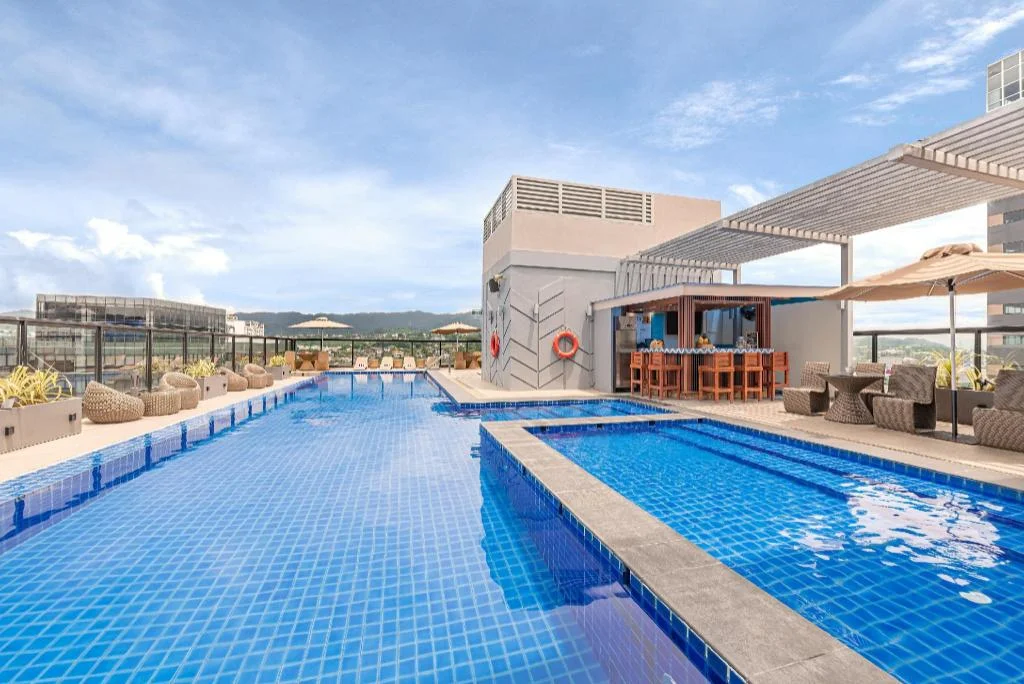
Seda Central Bloc Cebu City
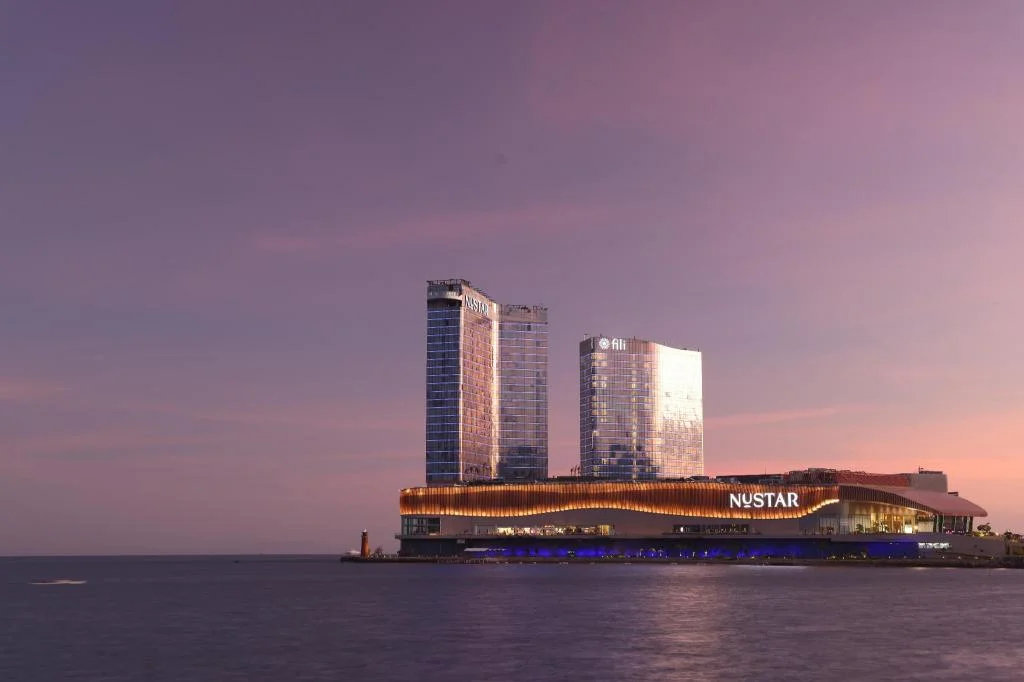
Fili Hotel - NUSTAR Resort & Casino Cebu
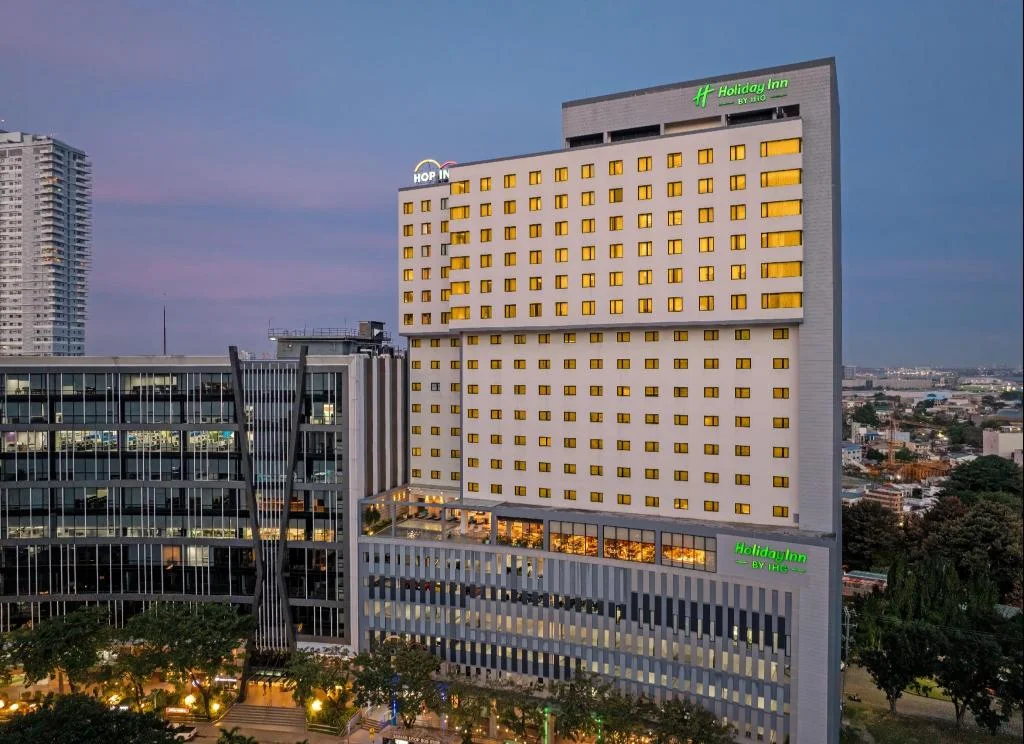
Holiday Inn Cebu City By IHG
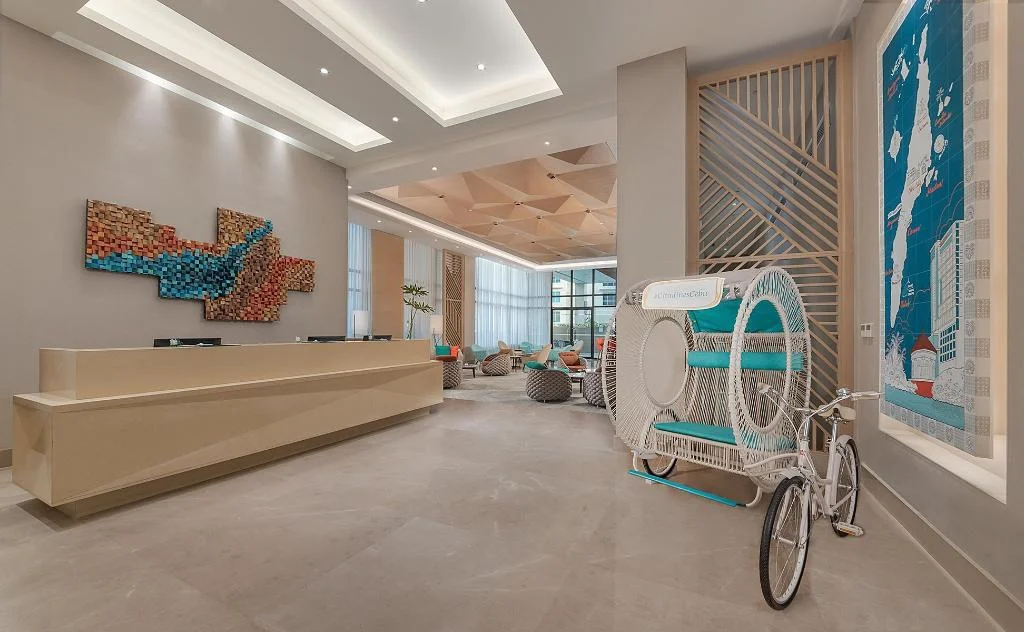
Citadines Cebu City
Prefer a rental? Vacation rentals near Cebu City
Self-catering condos and apartments — book the exact unit, kitchen included.
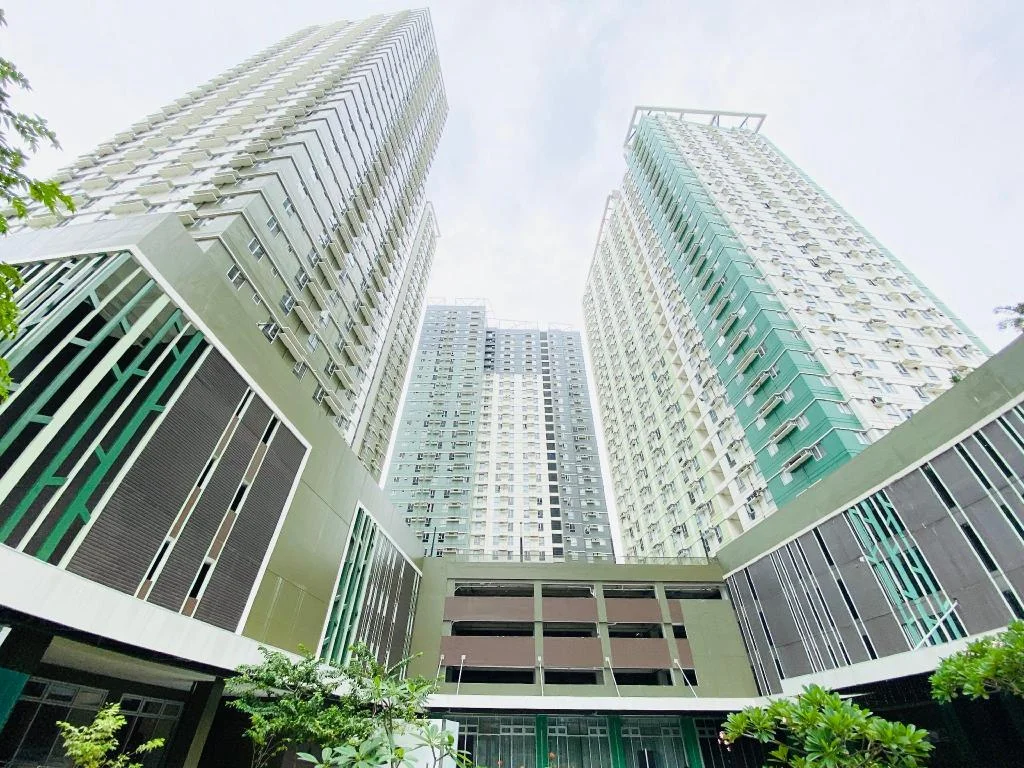
Cebu Avida Riala by P&J
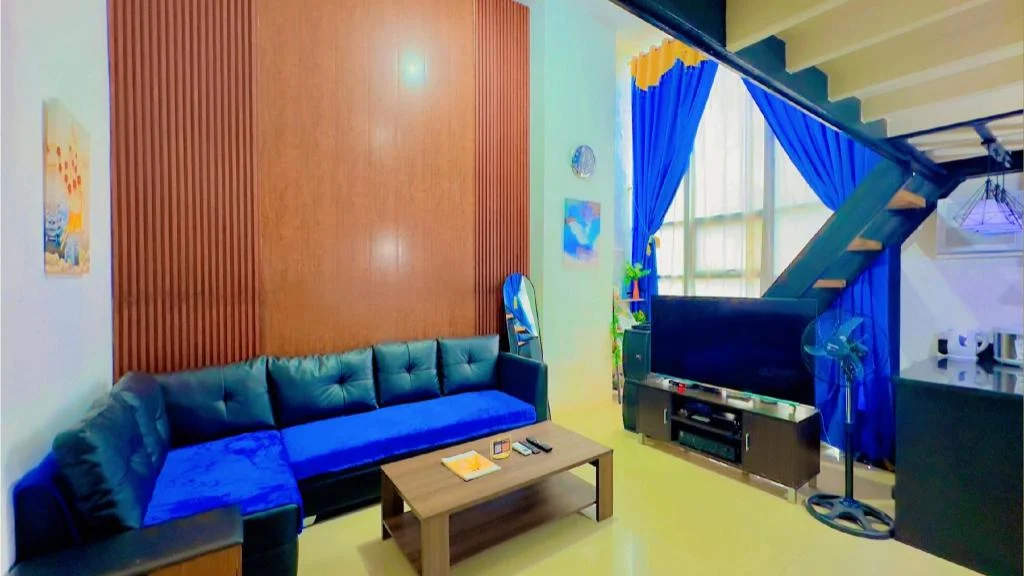
Special Big Loft Unit w/Fibreop Internet & Netflix
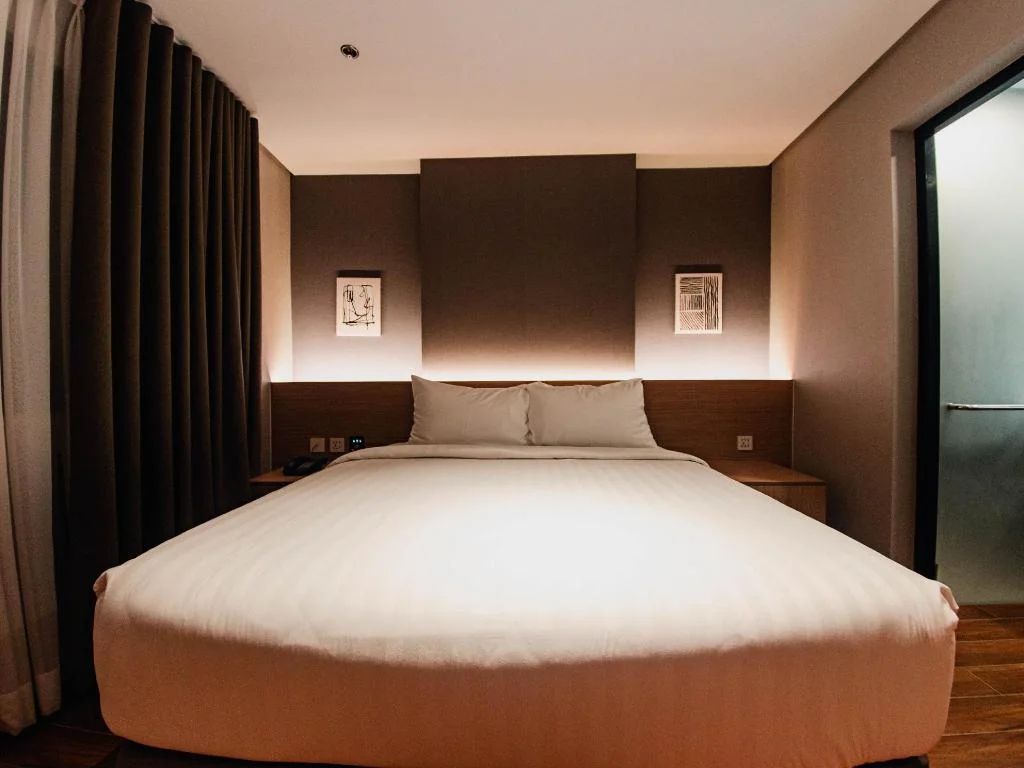
Moonstar Cebu Hotel - Deluxe Room
Before you go
Frequently asked
What is the Sinulog novena?
What is Walk with Jesus?
What's the difference between the fluvial procession and the solemn foot procession?
Can tourists attend the novena masses?
Is there a dress code at the Basilica del Santo Niño?
How crowded do the novena and processions get?
Do you need tickets for the novena masses or processions?
What should I bring to the processions?
More Places to Explore
Basilica del Santo Niño
Cebu City
The oldest church in the Philippines (1565), home to the miraculous Santo Niño image and center of the famous Sinulog Festival.
Magellan's Cross
Cebu City
The historic cross planted by Ferdinand Magellan in 1521, marking the birth of Christianity in the Philippines and now a National Cultural Treasure.