
TL;DR: Sinulog’s story starts in April 1521, when Ferdinand Magellan’s expedition reached Cebu and, on April 14, baptized Rajah Humabon, his wife, and roughly 800 others — Magellan reportedly gave the Santo Niño image as a baptismal gift, and the wife’s joyful dance upon receiving it is remembered as the first Sinulog. The image vanished for 44 years until a Spanish sailor found it unburned in the ashes on April 28, 1565, an event still treated as a minor miracle. The devotion continued quietly for centuries until January 20, 1980, when Cebu City staged the first modern Sinulog street parade. Today’s festival is that devotion — novena, fluvial procession, “Pit Señor” — wrapped around a citywide party. Verified July 2026.
Every January, Cebu City turns into a wall of drums, feathered costumes, and a few hundred thousand people shouting “Pit Señor!” If you only see the grand parade, it’s easy to mistake Sinulog for a colorful street party invented for tourism. It isn’t. The festival sits on top of a five-century-old devotion to a small wooden image of the Child Jesus — the Santo Niño — now enshrined at the Basilica del Santo Niño a few blocks from Magellan’s Cross. This guide walks through where the story actually comes from: the 1521 baptism, the 1565 rediscovery, and the 1980 decision that turned a religious ritual into the biggest festival in the Philippines. If you want dates, routes, and logistics for attending, see our Sinulog festival guide instead — this one is about the why.
Sinulog Timeline at a Glance
| Year | Event | Why it matters |
|---|---|---|
| April 7, 1521 | Magellan’s expedition arrives in Cebu | Opens contact between Rajah Humabon and the Spanish |
| April 14, 1521 | Humabon, his wife, and ~800 others baptized | Magellan gives the Santo Niño image as a gift; the wife’s dance is remembered as the first Sinulog |
| April 27, 1521 | Magellan killed at the Battle of Mactan | Spanish presence in Cebu collapses for decades |
| April 28, 1565 | Santo Niño image found undamaged in the ashes | Legazpi orders a shrine built; devotion formalizes |
| January 20, 1980 | First modern Sinulog street parade | City-organized dance contest launches today’s festival format |
| Third Sunday of January, ongoing | Annual grand parade | Sinulog becomes one of the Philippines’ largest festivals |
Timeline compiled from Sinulog Foundation Inc., Wikipedia, and Philippine historical reporting cited in Sources below. Verified July 2026.
How Did Sinulog Begin? The 1521 Baptism and the Gift of the Santo Niño
Sinulog traces back to a single afternoon in April 1521, when a Christian baptism was marked with a dance. Ferdinand Magellan’s expedition reached Cebu on April 7, 1521, and struck an alliance with the local ruler, Rajah Humabon. On April 14, 1521, Humabon, his wife — recorded in most accounts as Hara Humamay, baptized Juana in honor of the Spanish queen mother — and roughly 800 of their people were baptized by the expedition’s priest, Fr. Pedro Valderrama.
As a baptismal gift, Magellan is said to have given Humabon’s wife a small carved image of the Child Jesus, the Santo Niño. Tradition holds that on receiving it, she danced with joy, and the natives around her followed her lead. That dance — not a parade, not a contest, just a spontaneous devotional movement — is remembered as the first Sinulog. Two weeks later, on April 27, 1521, Magellan was killed at the Battle of Mactan, and Spanish influence in Cebu went dormant for more than four decades. The image, and whatever devotion had grown around it, disappeared from the historical record until 1565.
What Does “Sinulog” Actually Mean?
“Sinulog” comes from the Cebuano word sulog, meaning water current — it describes the dance’s forward-two-steps, back-one-step shuffle, which mimics a current flowing forward and pulling back. It isn’t a made-up festival name; it describes a specific physical movement that predates the festival by centuries. Some historical accounts tie the movement more precisely to the old Pahina River near the original devotional site in what’s now downtown Cebu City.
What makes the etymology interesting is what it implies about the dance’s age. Cebuano communities are documented as performing similar ritual prayer-dances to local idols before Magellan ever arrived — the movement existed as a form of worship, and after 1521 it was redirected toward the new Christian image rather than invented from scratch. That’s part of why Sinulog feels layered: a pre-colonial rhythm wrapped in a Catholic feast.
Why Was the Santo Niño Found in the Ashes in 1565?
Because the image survived a fire that destroyed the settlement around it — an event Spanish colonizers treated as a sign and Cebuanos still talk about as the moment the devotion became permanent. Forty-four years after the 1521 baptism, a Spanish expedition under Miguel López de Legazpi arrived in Cebu, clashed with the local population, and burned a large part of the coastal settlement. On April 28, 1565, a member of the expedition, a sailor named Juan Camus, was inspecting the wreckage and reportedly entered one of the few huts left untouched by the fire. Inside, in a wooden box, he found the Santo Niño image — undamaged.
Legazpi ordered a shrine built on the spot where it was found, and that structure eventually grew into today’s Basilica del Santo Niño, still standing near Magellan’s Cross in the old heart of the city. Whatever you make of the miracle framing, the practical effect is clear: the 1565 rediscovery is what turned a scattered pre-colonial memory into an institutionalized, continuously observed devotion — the direct ancestor of today’s novena and fluvial procession. For more on how this period reshaped the island, see our history of Cebu from Rajahnate to now and a closer look at Magellan’s 1521 landing sites.
How Did a Religious Ritual Become a Street Festival? The 1980 Turning Point
The devotion is centuries old, but the parade you see today is not — it started as a single city-organized event on January 20, 1980. For most of the four centuries between 1565 and the late 20th century, the Santo Niño devotion existed as Masses, a novena, and processions, without a citywide street parade attached to it. That changed when David S. Odilao Jr., then regional director of the Ministry of Youth and Sports Development, organized students from seven Cebu schools to dance the Sinulog along a route starting at Plaza Independencia. Physical education teachers trained the dancers; the event was small by today’s standards but caught the city’s attention immediately.
Cebu City’s government picked up the idea and expanded it year after year, adding contingents, competition categories, and eventually the “carousel” parade route now associated with the grand parade. Odilao is widely credited as the “Father of Sinulog” for that first 1980 parade. Within a decade, what had been a local dance contest became one of the largest annual festivals in the Philippines, now drawing visitor numbers the original organizers couldn’t have imagined. If you’re planning around today’s version of that parade, our guide to the Sinulog novena and the religious side covers the devotional half most tourists skip.
What Does “Pit Señor” Mean, and Why Do People Shout It?
“Pit Señor” is a devotional cry, not a festival slogan — it’s short for a Cebuano phrase that roughly means calling out to the Lord. You’ll hear “Viva Pit Señor!” shouted during Masses, during the novena, and constantly throughout the parade, usually with the right hand raised. It functions as a call-and-response: someone leads a petition or invocation, and the crowd answers with the cry. It predates the modern parade and is used in ordinary Santo Niño devotions year-round, not just in January.
Visitors sometimes assume it’s a cheer, like a stadium chant, and treat it that way — shouting it as a greeting or a photo caption. Locals generally don’t mind, but it’s worth knowing that for a lot of the crowd standing next to you, it’s genuinely a prayer.
What Does Sinulog Mean to Cebuanos Today?
For most Cebuanos, Sinulog is two things layered on top of each other: a personal act of faith and a citywide celebration, and which one dominates depends on who you ask. Many locals attend the dawn Walk with Jesus, the fluvial procession, or the novena Masses specifically to avoid the parade crowds — for them, the festival is fundamentally about gratitude, petitions, and the Santo Niño, and the dancing contingents are almost a separate event that happens to share the same weekend. Others, especially younger Cebuanos and the barkada crowd, treat Sinulog as the year’s biggest party, with the religious side as background noise.
Both readings are legitimate, and neither cancels the other out. That tension — devotion and fiesta sharing one weekend — is arguably the most honest way to describe what Sinulog actually is, rather than picking one label over the other.
The Honest Take
Sinulog’s history is genuinely moving once you know it — a small wooden statue that survived a fire, a devotion that outlasted colonization, decolonization, and a world war, still carried through the same streets every January. But don’t romanticize the modern festival more than it deserves. The grand parade you’ll see today is a 1980s civic invention layered onto an old religious core, built partly for tourism and city pride, and it shows: contingents rehearse for months, judging is competitive, and the street-party scene downtown on Saturday night has little to do with the Santo Niño. If the history is what draws you, prioritize the novena Masses at the Basilica and the fluvial procession over the parade — they’re closer to the original 1521 moment than the choreographed street contest is. If you just want the spectacle, the parade delivers, but go in knowing it’s the newer half of the story, not the older one.
Sources
- Sinulog Foundation Inc. — official history
- Sinulog — Wikipedia
- Santo Niño de Cebú — Wikipedia
- Basilica del Santo Niño — “Viva Pit Señor” explainer
- Cebu Daily News — 40 years of Sinulog, the making of the festival
- Philstar — A brief history of Sinulog
- Historical dates and sequence cross-checked across the above; minor details (exact names/spellings from 1521 chronicles) vary between sources and are noted in the FAQ. Verified July 2026.
If the story behind the statue has you curious about seeing it in person, the Basilica del Santo Niño and Magellan’s Cross are a five-minute walk apart in downtown Cebu City, and a guided Cebu heritage walking tour on Klook will walk you through both plus Fort San Pedro in a single morning. Basing yourself downtown makes both easy same-day visits — compare Cebu City hotels on Agoda if you’re planning the trip around January. For the practical side of attending the modern festival — dates, routes, where to stay — go to our Sinulog festival guide.
Book Tours & Hotels for This Trip
Find and book the best deals — prices and availability update in real time. Links open in a new tab.
Where to stay near Cebu City
Top-rated hotels for this trip — tap through to check live rates.
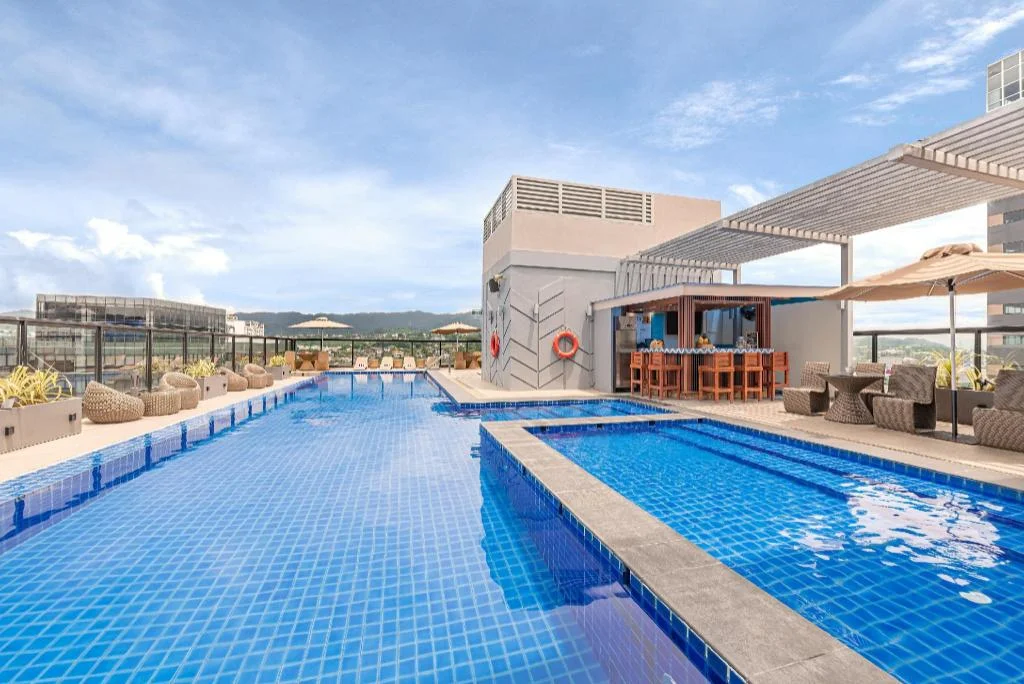
Seda Central Bloc Cebu City
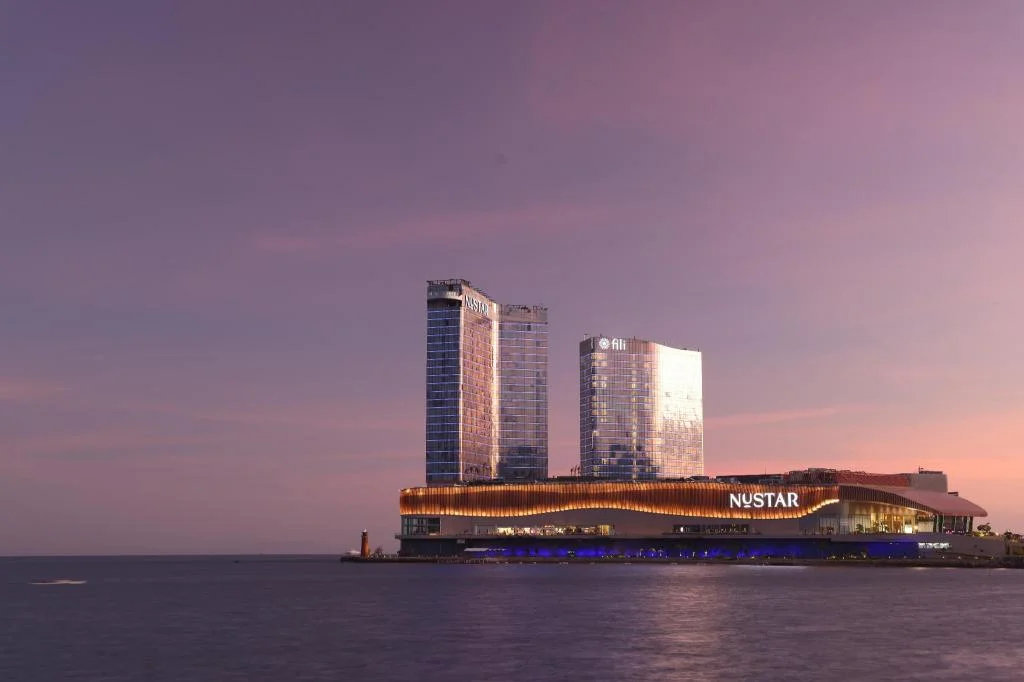
Fili Hotel - NUSTAR Resort & Casino Cebu
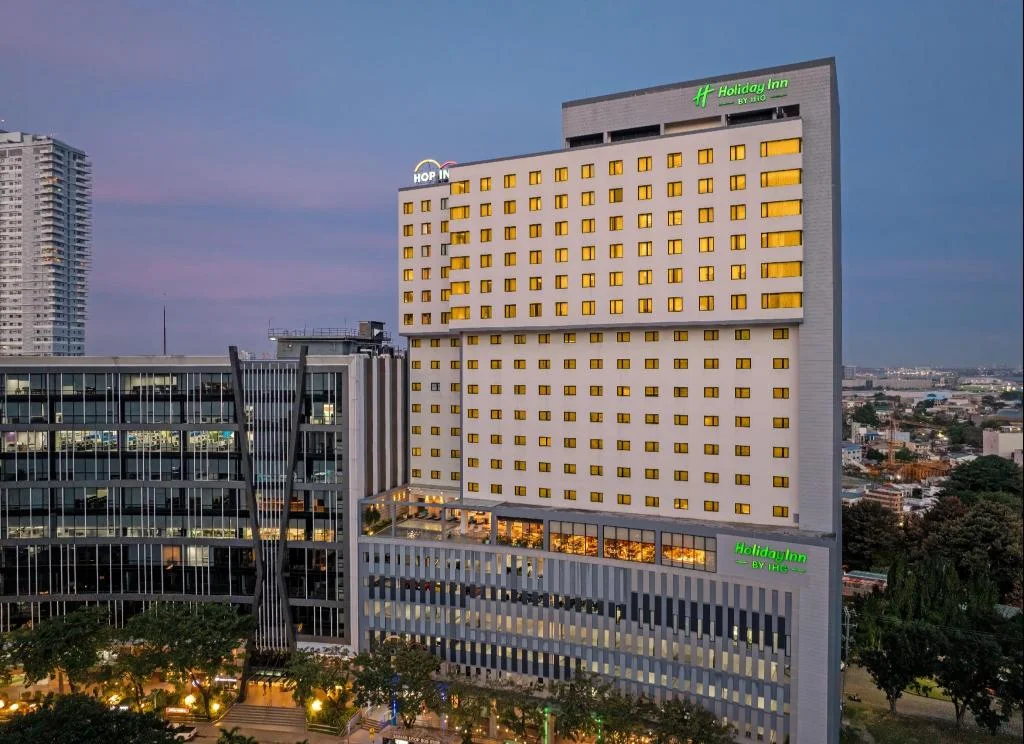
Holiday Inn Cebu City By IHG
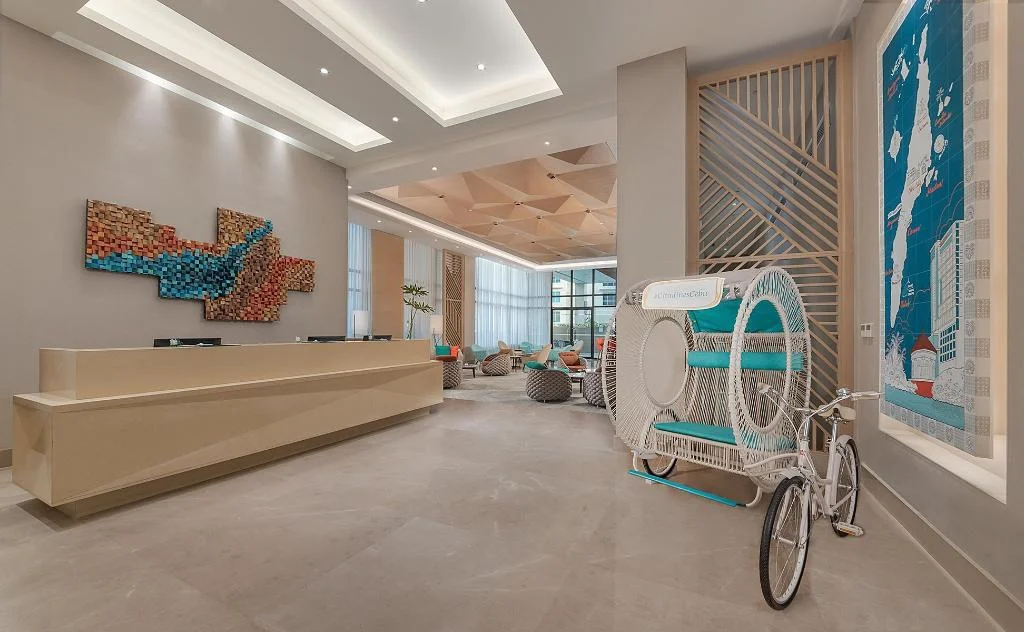
Citadines Cebu City
Prefer a rental? Vacation rentals near Cebu City
Self-catering condos and apartments — book the exact unit, kitchen included.
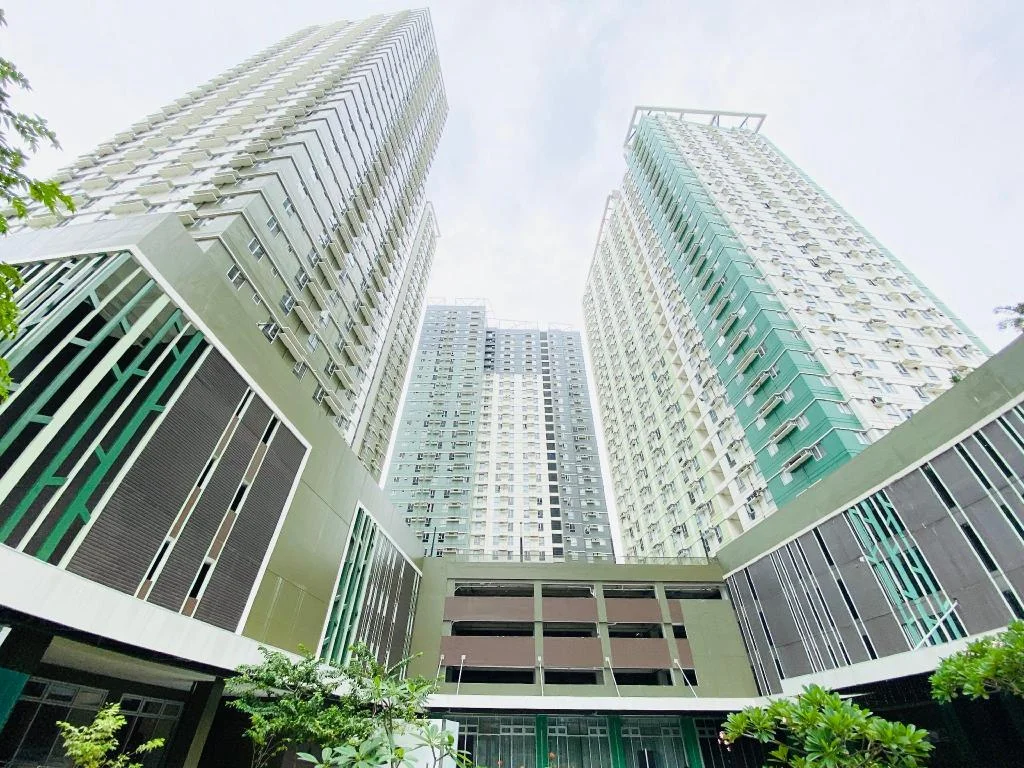
Cebu Avida Riala by P&J

Special Big Loft Unit w/Fibreop Internet & Netflix
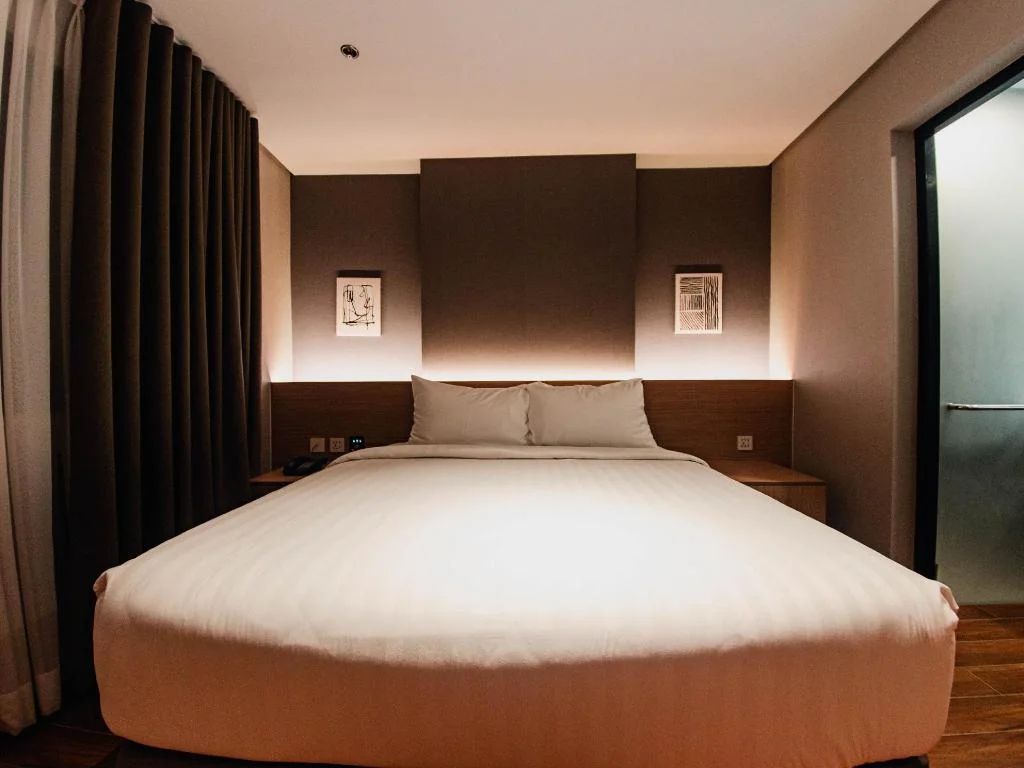
Moonstar Cebu Hotel - Deluxe Room
Before you go
Frequently asked
Where does the word 'Sinulog' come from?
What is the Santo Niño and why does Cebu worship it?
Did the natives worship the Santo Niño as a Christian icon right away?
How was the Santo Niño image found again in 1565?
When did Sinulog become the big street parade it is today?
What does 'Pit Señor' mean?
Is Sinulog a religious event or a party?
Is the story of the 1521 baptism fully settled history?
More Places to Explore
Basilica del Santo Niño
Cebu City
The oldest church in the Philippines (1565), home to the miraculous Santo Niño image and center of the famous Sinulog Festival.
Magellan's Cross
Cebu City
The historic cross planted by Ferdinand Magellan in 1521, marking the birth of Christianity in the Philippines and now a National Cultural Treasure.