
TL;DR: Sumilon’s marine sanctuary has been a no-fishing zone since 1974, the Philippines’ oldest marine protected area, and the payoff is a genuinely healthy reef: dense coral, big schools of fusiliers and snappers, angelfish, clownfish, parrotfish, and regular sea turtle sightings, with visibility up to 15-20 meters on calm days. Snorkel the shallow coral garden near the sandbar for an easy swim, or the southwest drop-off wall with a guide for denser coral and more fish. Budget roughly ₱1,500 (US$26) for the boat plus ₱50-200 (US$1-3) in sanctuary fees, or ₱2,200+ (US$38+) for a package with gear and a guide. Best conditions run November-May, peak December-March. Verified July 2026.
The reef around Sumilon Island is the reason the sandbar photos exist in the first place — the island sits inside one of the Philippines’ oldest marine protected areas, and more than fifty years of no-fishing rules have left a reef that punches well above its weight for something this easy to reach from the Cebu mainland. This guide skips the boat-schedule logistics (covered in our Sumilon boat tour guide) and the sandbar-timing questions (covered in our Sumilon Island guide) and focuses on one thing: what it’s actually like to get in the water here, what you’ll see, what it costs, and when to go. It’s written for anyone deciding whether the marine sanctuary is worth the extra time and small fee on top of an Oslob day trip.
What Makes Sumilon’s Sanctuary Worth Snorkeling?
Sumilon’s marine sanctuary became a no-fishing zone in 1974, making it the first local marine protected area in the Philippines, and decades of that protection show in the water. It was set up under the Silliman University Marine Reserve program in Dumaguete, working with the Cebu provincial government, and the no-take rule has held for the reef surrounding most of the island. The result is coral cover and fish biomass that’s noticeably denser than open-access reefs nearby — this is the kind of long-running conservation success story that’s rare in the Philippines, where enforcement often lapses within a few years.
That said, the reef isn’t untouched by hard luck. Super Typhoon Odette battered the region in December 2021, and Sumilon’s coral took real damage. Recent visitor reports describe strong recovery — regrowth and healthy fish populations — but don’t expect a pristine, storm-untouched reef; expect a resilient one that’s bounced back well.
Where Do You Snorkel, and What Will You See?
The two zones worth knowing are the shallow coral garden near the sandbar, and the drop-off wall on the island’s southwest side. The coral garden is calm, shallow, and beginner-friendly — good for first-timers, kids, or anyone who just wants an easy float over healthy coral without worrying about current. The southwest wall is where the sanctuary gets more dramatic: the reef slopes into deeper water, and that’s where you’ll find denser hard and soft coral, sponges, anthias, and more fish activity, along with a bit more current than the coral garden.
Expect large schools of fusiliers and snappers, plenty of angelfish, clownfish, and parrotfish, and travelers regularly report sea turtle sightings; the wall occasionally turns up a reef shark in deeper water. Visibility on calm days is reported around 15-20 meters, which is genuinely good for a spot you can reach without a dedicated dive boat. It’s not the sardine-run density of Moalboal or the thresher shark spectacle off Malapascua, but for an easy, scenic snorkel bolted onto an Oslob day, it’s one of the better options in southern Cebu.
How Much Does It Cost to Snorkel the Sanctuary?
Budget roughly ₱1,550-1,700 (US$27-29) per person for the boat and basic sanctuary access, or ₱2,200+ (US$38+) if you want gear and a guided reef swim bundled in. Fee reporting is genuinely inconsistent across sources and operators, so treat the numbers below as a range and confirm locally before paying.
| Item | Price | Notes |
|---|---|---|
| Public boat, Bancogon wharf | ~₱1,500 (US$26) per boat, shared up to ~10 pax | Round-trip crossing; see our boat tour guide for schedules |
| Environmental / sanctuary fee | ₱50-200 (US$1-3) per person | Paid on the island; figure varies by source and season — confirm on the day |
| Guided snorkel session (short) | ~₱350 (US$6) per group, 30-45 minutes | Reported for a basic guided swim in the protected zone |
| Snorkel gear + full guided sanctuary access | ~₱2,200 (US$38) per person | Bundled gear rental and a longer guided reef swim |
| Bluewater Resort day pass (bundled) | from ~₱4,247 (US$73) per person via OTA | Includes transfers, buffet lunch, pool access, and free mask/snorkel use |
Prices vary by operator, season, and how you book — confirm directly with the Bancogon boatmen’s association, Bluewater Resort, or your tour operator before paying. Verified July 2026.
When Is the Best Time to Snorkel at Sumilon?
Aim for the dry season, November through May, with December through March as the calmest, clearest window. Southern Cebu sits along the Tanon Strait, and from roughly June to October, stronger winds and swell can rough up the surface and cut visibility noticeably. Morning crossings tend to be calmer than afternoon ones year-round, so an early boat gives you better odds regardless of season. This window overlaps with when the sandbar itself tends to look its best too, which is worth knowing if you’re timing a trip around both.
What Should You Bring for Snorkeling?
Reef-safe mineral sunscreen (or a rash guard instead of sunscreen), water shoes, and your own mask if you have one. Chemical sunscreens are a real threat to a reef that’s been protected since 1974, and staff have started pushing back on visitors who show up slathered in the wrong kind — a rash guard and hat solve most of the problem without any chemicals at all. Rental masks and snorkels are available through boatmen, tour operators, and at Bluewater Resort, but shared gear during peak season isn’t always a great fit, so bringing your own is worth the extra bag space. Water shoes help too, since parts of the reef entry are rocky rather than soft sand.
Public Boat, Guided Add-On, or Bluewater Day Pass — Which Is Best for Snorkeling?
Take the public boat plus a guided add-on if snorkeling is your main goal on a budget; take the Bluewater day pass if you want the reef plus a full resort day with lunch and a pool. The public-boat route gets you into the same sanctuary waters for a fraction of the price, and the short guided session is enough time to see the coral garden and, with a guide, the wall. The Bluewater day pass costs several times more, but it removes the guesswork — free mask and snorkel use is typically included, and you’re not timing your swim around a fixed public boat schedule.
If whale sharks are the priority and Sumilon’s reef is a bonus stop, a combo tour bundling both (covered in our Sumilon boat tour guide) usually works out simpler than booking each piece separately.
How to Choose Your Sumilon Snorkel
- First-time snorkeler or traveling with kids: stick to the shallow coral garden near the sandbar, skip the wall.
- Comfortable in the water, want the better reef: book the guided wall swim on the southwest side for denser coral and more fish activity.
- Want it simple, no logistics: Bluewater day pass — free gear, guided access, and a pool to fall back on if conditions turn choppy.
- Tight budget: public boat, your own mask, and the basic sanctuary fee; skip the paid gear/guide package if you’re a confident swimmer sticking to the shallow zone.
Ready to book? Search Sumilon Island snorkeling tours on Klook to compare guided packages against the Bluewater day pass, or browse Oslob accommodation on Agoda if you’re staying overnight to catch calmer morning conditions.
The Honest Take
The sanctuary’s reputation is earned — fifty-plus years of no-fishing protection is unusual and it shows in the fish density and coral cover, especially for a reef this easy to reach from Cebu City. But manage your expectations on two fronts. First, the guided session you pay for is often genuinely short (30-45 minutes has been reported), which can feel rushed if you were picturing a leisurely afternoon in the water. Second, the reef is still recovering in patches from 2021 typhoon damage, so don’t expect a flawless postcard reef everywhere you look — the recovery is real, but it’s not finished.
If snorkeling is the actual reason you’re visiting Sumilon rather than the sandbar photos, pay for the guided wall swim rather than settling for the shallow coral garden alone — that’s where the better coral and bigger fish schools are. And go in the morning, in dry season if you can manage the timing, since visibility swings hard with the weather here.
Combine It With the Rest of Oslob
Pair the snorkel with the rest of an Oslob day: an early whale shark session, a cooldown at Tumalog Falls, then the crossing to Sumilon for the reef and sandbar. For the sandbar’s tidal timing and the Bluewater Resort comparison in full, see our Sumilon Island guide, and for the full southern Cebu picture, our Oslob complete guide covers where to stay and how to plan the rest of your day.
Sources
- Cebu OK Travel — Sumilon Island Guide 2026 (fees, snorkeling logistics)
- The Map Chasers — Snorkelling Sumilon Island (guided session pricing, first-hand conditions)
- CebuInsider — Sumilon Island: The First Marine Protected Area in the Philippines (sanctuary history)
- Bluewater Sumilon Island Resort — official site (day pass inclusions)
- Reef conditions, fees, and typhoon-recovery notes cross-checked against 2025-2026 traveler reporting and operator listings; confirm current sanctuary fees locally before you go. Verified July 2026.
Book Tours & Hotels for This Trip
Find and book the best deals — prices and availability update in real time. Links open in a new tab.
Where to stay near Oslob
Top-rated hotels for this trip — tap through to check live rates.
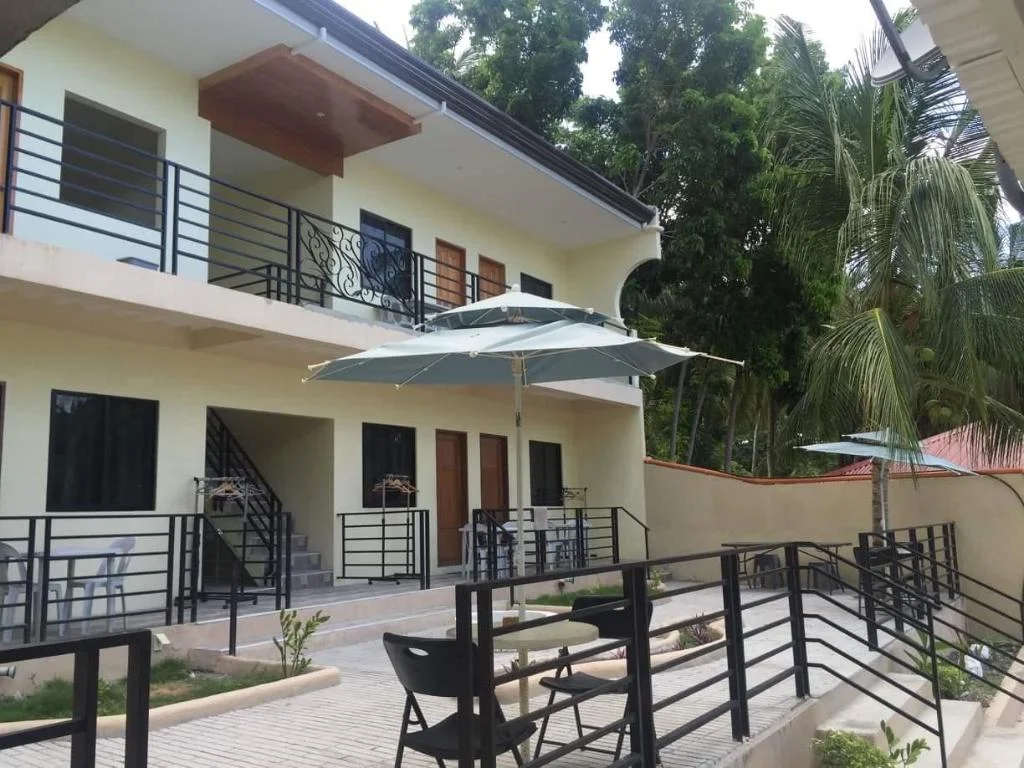
Joaquim's Lodge
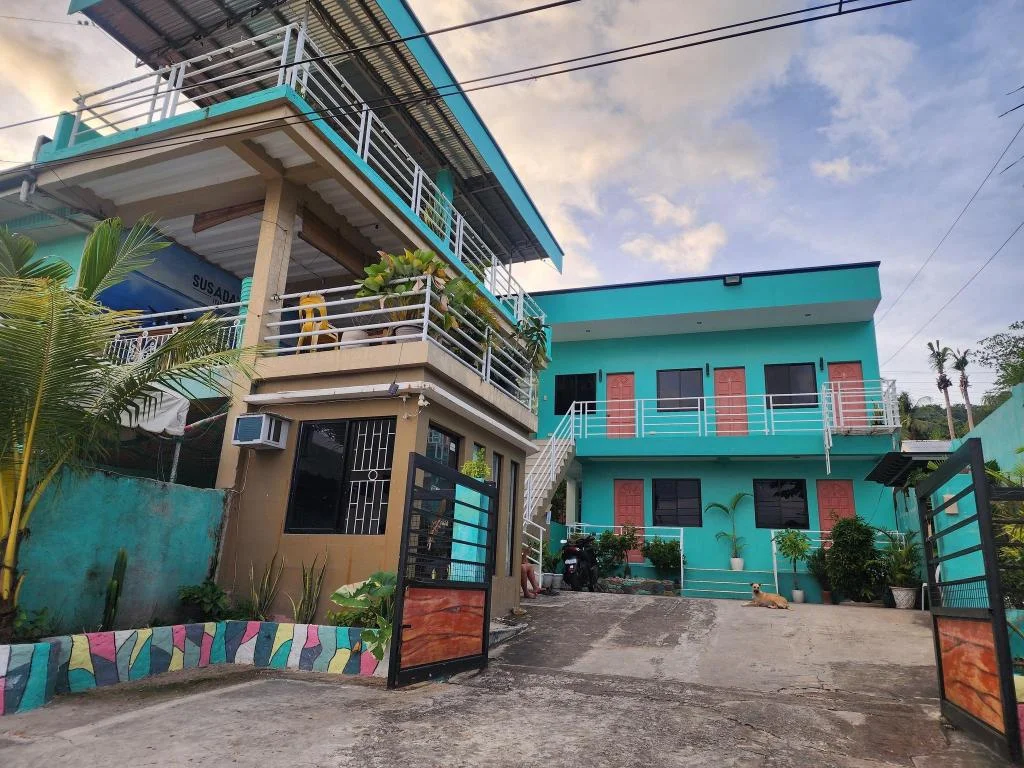
Susada's Inn
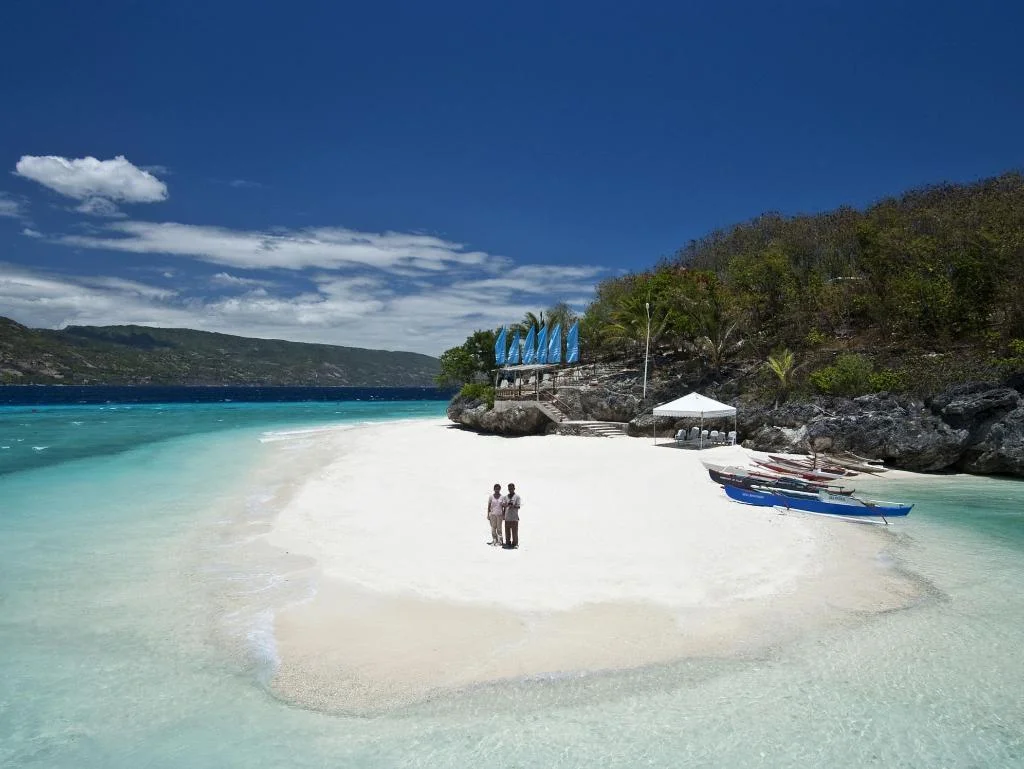
Bluewater Sumilon Island Resort
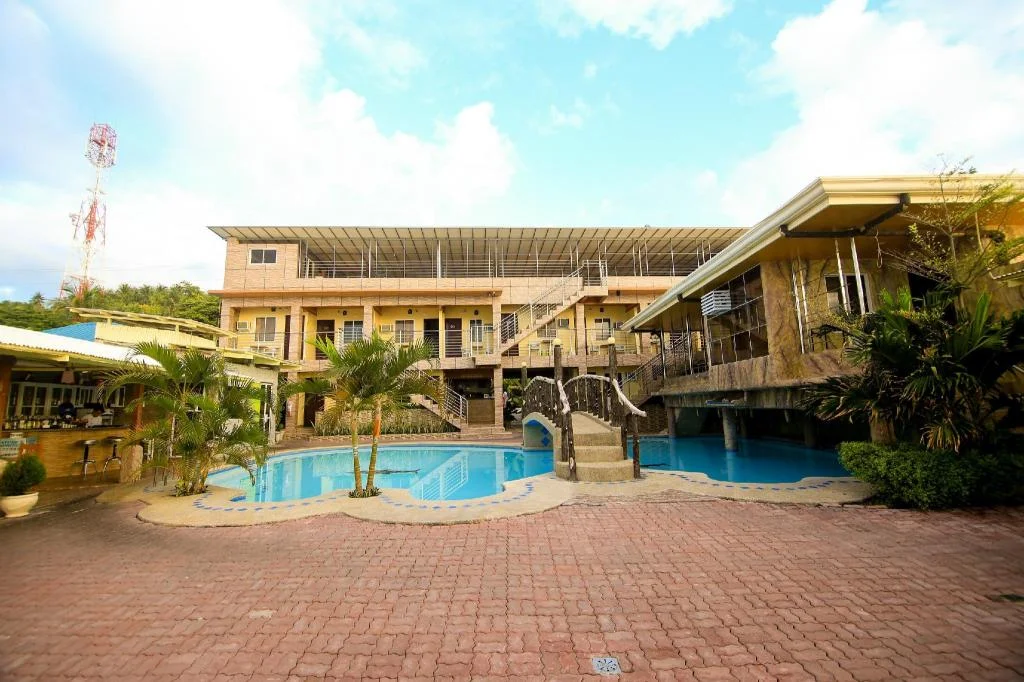
Ging-Ging Hotel & Resort
Prefer a rental? Vacation rentals near Oslob
Self-catering condos and apartments — book the exact unit, kitchen included.
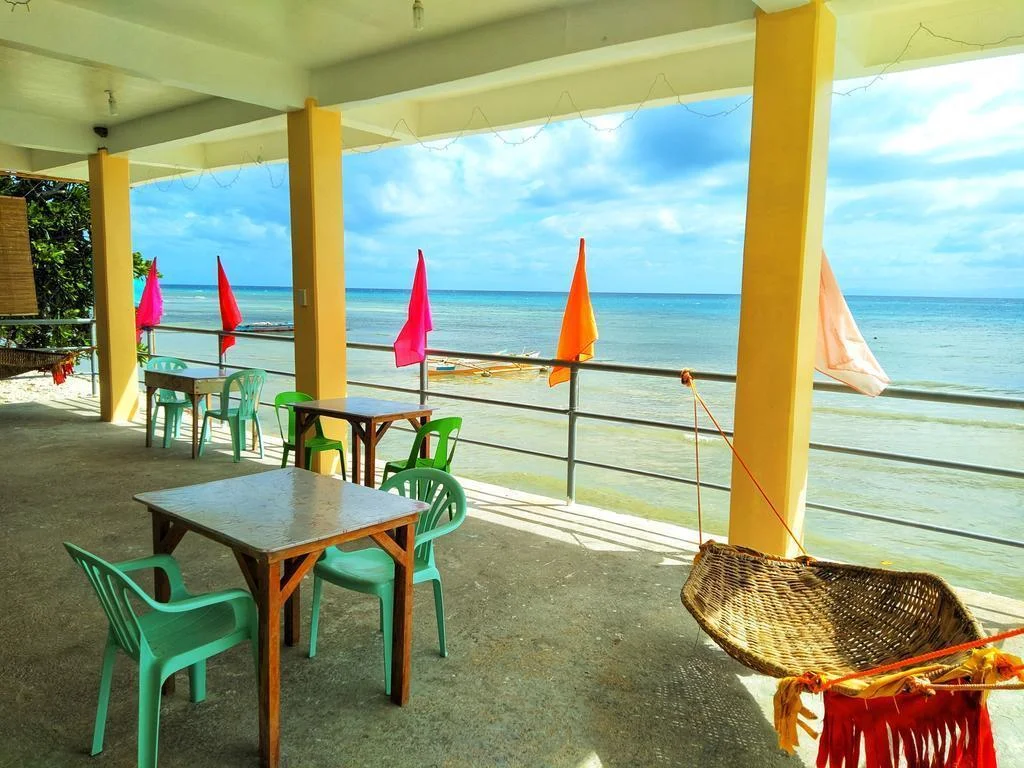
Ocean View Lodging House
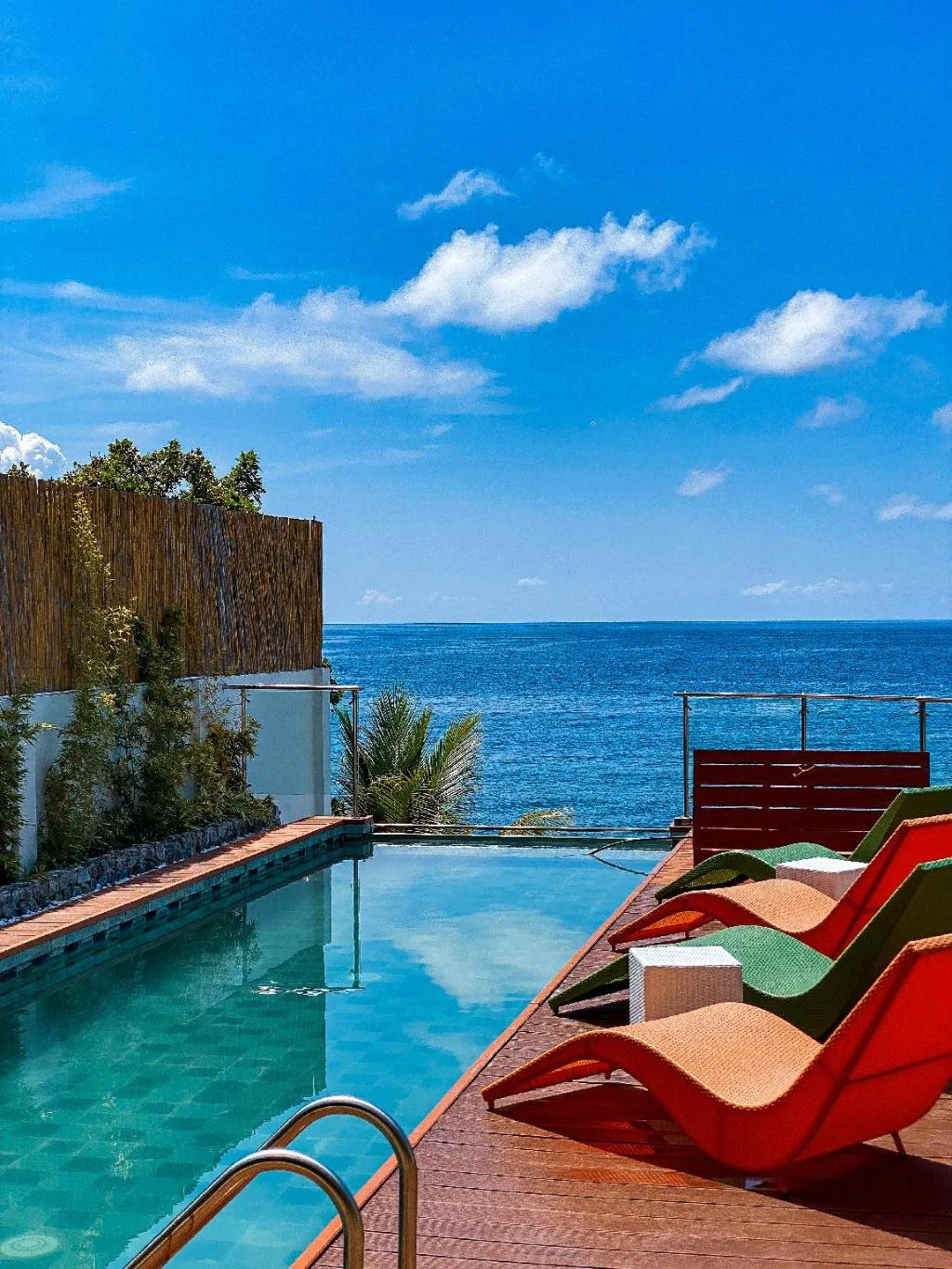
The South Hideaway Oslob
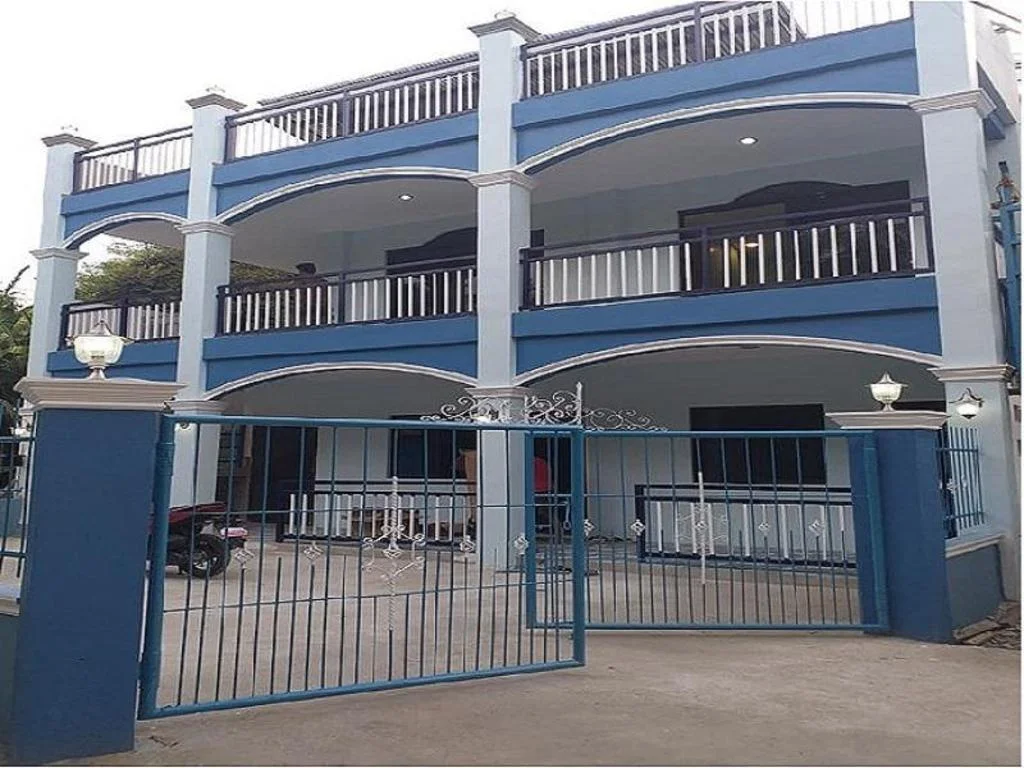
Azulea Family Deluxe 1 * own CR, shower, AC, TV
Before you go
Frequently asked
Is Sumilon Island's marine sanctuary good for snorkeling?
How much does it cost to snorkel at Sumilon's marine sanctuary?
Where exactly do you snorkel at Sumilon Island?
What marine life can you see snorkeling at Sumilon?
When is the best time to snorkel at Sumilon?
Do you need your own snorkeling gear?
Do you need to book a guide to snorkel the sanctuary?
Should you use sunscreen before snorkeling at Sumilon?
More Places to Explore
Sumilon Island
Oslob
A pristine coral island with a famous shifting white sandbar, excellent snorkeling, and the distinction of being the Philippines' first marine sanctuary.
Whale Shark Watching
Oslob
Swim alongside gentle whale sharks, the world's largest fish, in one of the few places where these magnificent creatures can be reliably encountered.
Tumalog Falls
Oslob
A spectacular curtain waterfall cascading down a moss-covered cliff into a shallow turquoise pool, creating a dreamlike natural retreat.