
TL;DR: Talisay City, about 10km south of Cebu City (roughly 30–45 minutes by road), is where Cebu’s whole-roast lechon tradition began in the 1940s — the Poblacion Lechon Food Park and Tabunok Public Market are the reasons to stop. Beaches are thin here (mostly resort pools like Camp Marina, not white sand), so treat Talisay as a lechon-and-market detour on the way south to Carcar, Moalboal, or Oslob rather than a full-day destination. The Halad Inasal Festival hits every October 15. Verified July 2026.
Most visitors blow past Talisay City on the highway south without stopping, which is a mistake if you care about lechon. This is the city where Cebu’s famous whole-roast pig tradition was born, and it’s still the first thing locals mention when someone asks where to get the “real” lechon before Carcar or Rico’s ever enter the conversation. Talisay isn’t a beach town or a heritage-park stop like Talisay City Public Plaza alone would suggest — it’s a dense, working city of over a quarter-million people that happens to sit exactly where the south road out of Cebu City begins. This guide is for anyone driving south who wants to know what’s actually worth a stop here: the lechon belt, the market, the one real festival, and the honest truth about the beaches.
Talisay City at a Glance
| Spot | Type | Note |
|---|---|---|
| Talisay Lechon Food Park (Poblacion) | Lechon market | Dozens of vendors, sold by the kilo, weekends 4 AM–10 PM or until sold out |
| Leslie’s Lechon | Sit-down lechon restaurant | Descended from Nanay Sana’s original 1940s recipe; featured on Netflix’s Street Food: Asia |
| Tabunok Public Market | Wet/public market | 24-hour public market, ~500 stalls across fish, meat, and produce sections |
| Gaisano Grand Fiesta Mall (Tabunok) | Mall | Biggest mall in south Cebu; supermarket 8:00 AM–8:30 PM |
| Archdiocesan Shrine of Santa Teresa de Avila | Heritage church | Built 1836–1848, coral-stone, twin bell towers; declared a shrine in 2007 |
| Talisay City Public Plaza | Civic plaza/heritage park | Undergoing a ₱100M Promenade and Heritage Park upgrade |
| Camp Marina Beach Resort | Resort compound | Pools and event lawns rather than a swimming beach; popular for outings |
Vendor prices and hours change often in a working market town — confirm locally on the day. Verified July 2026.
Why Is Talisay Called Cebu’s Lechon Capital?
Because the whole-roast tradition that made Cebu famous for lechon started here, not in Cebu City. Cebuanos credit Susana “Nanay Sana” Enjambre with founding Talisay’s lechon industry in 1940, roasting whole pigs the slow, charcoal-basted way that’s now shorthand for “Cebu lechon” anywhere in the Philippines. Her family line carries on through Leslie’s Lechon, run by her daughter-in-law, which picked up a wider following after appearing on Netflix’s Street Food: Asia. It’s the reason Cebuanos often name-check Talisay in the same breath as Carcar and Rico’s when the “best lechon in Cebu” debate comes up — see our where to buy the best lechon in Cebu guide for how the three compare.
Where Do You Eat Lechon in Talisay?
Go straight to the Talisay Lechon Food Park in Poblacion, near the Talisay Police Station and Talisay City College. It’s a cluster of open-air lechon stalls — sometimes called the Litson Food Park — that runs weekends only, roughly 4:00 AM to 10:00 PM or until the pigs are gone, so a Saturday or Sunday visit is non-negotiable if the food park itself is the goal.
- Buy by the kilo. Vendors sell both the meaty body cuts and the cheaper head-and-feet portions separately, and prices swing by vendor and cut — expect a range roughly ₱250–800/kg (about US$4–13 at ₱62 ≈ US$1 (July 2026)), confirmed on the day rather than fixed.
- Leslie’s Lechon is the sit-down option if you want a table and a full meal rather than a takeaway box.
- Go hungry and go early on weekends — the good cuts sell out by mid-afternoon.
This is a working food market, not a curated food hall, so expect plastic chairs, charcoal smoke, and zero pretension. That’s the point.
What’s at Tabunok Public Market?
Tabunok Public Market is southern Cebu’s biggest public market, and it’s worth a walk-through even if you’re not buying anything. Located at the corner of Lagtang Road and the Cebu South National Highway, the current building opened in 2018 after a ₱150 million rebuild, replacing the old cramped market. It runs long hours and packs in roughly 180 fish stalls, 98 meat stalls, and 224 fruit and vegetable stalls, plus dried goods, livestock, and household items.
It’s not a tourist attraction in the polished sense — it’s loud, wet-floored, and entirely functional — but if you like wandering real Filipino public markets rather than souvenir versions of them, it beats the more touristy stops. Pair it with the adjoining Gaisano Grand Fiesta Mall, the biggest shopping mall in south Cebu, if you need air conditioning, a supermarket run, or a food court break (supermarket hours run roughly 8:00 AM–8:30 PM).
Are There Beaches in Talisay?
Not really — and don’t come to Talisay expecting a beach day. The city’s coastline is built-up and partly reclaimed rather than the white sand you’ll find further south, so “beach” here mostly means a resort compound with a swimming pool, not open water. Camp Marina Beach Resort is the best-known of these — a coastal property with pools and grounds that gets booked out for company outings, reunions, and day tours rather than casual beach lounging. Treat it as a pool day, not a snorkeling trip.
If actual beaches are the priority, keep driving south — Moalboal, Badian, and Oslob are 2–3 hours further down the same coastal road and deliver the sand and clear water Talisay can’t.
What Is the Halad Inasal Festival?
Halad Inasal is Talisay City’s annual fiesta, held every October 15 in honor of its patroness, Santa Teresa de Avila. The name fuses two Cebuano words — halad (offering) and inasal (the local term for lechon) — and the festival exists specifically to celebrate the city’s lechon-making heritage alongside the religious fiesta. Expect a street dance parade, a festival queen competition, concerts, and a “ritual showdown” performed by school and barangay contingents. For how it stacks up against Cebu’s other town fiestas, see our Cebu town fiestas calendar. Confirm the exact 2026 schedule with the Talisay City LGU closer to October, since festival programs shift year to year.
The city’s older heritage anchor is the Archdiocesan Shrine of Santa Teresa de Avila, a coral-stone church built between 1836 and 1848 with a distinctive twin-bell-tower facade, declared an archdiocesan shrine in 2007. The Talisay City Public Plaza in front of it is mid-upgrade under a ₱100 million Promenade and Heritage Park project, aimed at turning the plaza into more of a proper public space.
How Do You Get to Talisay From Cebu City?
It’s about 10 kilometers south of Cebu City, and the drive normally takes 30–45 minutes depending on traffic. A few ways to get there:
- Modern jeepney (“Mango jeep”): runs from a transport hub along Geonzon Street in IT Park, Lahug, via Escario and Banawa, dropping you near Poblacion, Talisay.
- South-bound bus or van: anything leaving the South Bus Terminal toward Naga, Carcar, or points further south passes straight through Talisay on the Cebu South Coastal Road.
- Grab or taxi: the simplest option if you’re not counting pesos, and reasonably quick outside rush hour since the coastal road bypasses much of downtown traffic.
Confirm current jeepney codes and fares locally — Cebu’s jeepney routes get renumbered and modernized fairly often.
The Honest Take
Talisay isn’t a “sight” the way Temple of Leah or the Basilica are — it’s a functioning city that happens to sell some of the best lechon in the province, and that’s the entire draw. Don’t build a dedicated day around it expecting resort beaches or heritage-park polish; the plaza upgrade is still a work in progress and the coastline won’t compete with anywhere south of it. Where Talisay earns its stop is as the honest, unpretentious version of Cebu’s lechon culture — a food-park plastic chair and a box of lechon by the kilo, no markup for tourists, no Instagram staging. If you’re already driving south for Carcar’s heritage district, Moalboal, or Oslob, build in twenty minutes for the Poblacion food park or a market walk through Tabunok. If you’re staying in Cebu City and just want lechon without the Carcar drive, Talisay is the closer, cheaper option.
Rounding Out a South Cebu Trip
Talisay works best as the opening stop on a longer south Cebu run rather than a destination on its own — see our best day trips from Cebu City guide for how it fits alongside Carcar, Moalboal, and Oslob. If you’re basing yourself in Cebu City between trips south, balance the lechon stop with the city’s other landmarks — Temple of Leah and Tops Lookout up in Busay make a good contrast on a day you’re not chasing lechon.
For getting around without your own car, book a private van with driver to cover Talisay and the south coast in one trip, or browse Cebu City hotels on Agoda if you’d rather stay central and do Talisay as a half-day out. For a guided taste of the wider lechon scene beyond Talisay, a Cebu food and culture tour is worth comparing against doing it yourself.
Sources
- Talisay, Cebu — Wikipedia (population, land area, road network)
- Archdiocesan Shrine of Santa Teresa de Avila — Wikipedia (church history)
- Why is Talisay inasal special? — Cebu Daily News (lechon origin, Nanay Sana)
- Halad Inasal Festival — FESTIVALSCAPE (festival details)
- New Talisay market now open — The Freeman (Tabunok Market rebuild)
- Gaisano Grand Fiesta Mall — Gaisano Grand Malls (mall hours, location)
- Jeepney routes and market/festival details cross-checked against 2025–2026 local reporting; confirm current schedules locally. Verified July 2026.
Book Tours & Hotels for This Trip
Find and book the best deals — prices and availability update in real time. Links open in a new tab.
Where to stay near Cebu City
Top-rated hotels for this trip — tap through to check live rates.
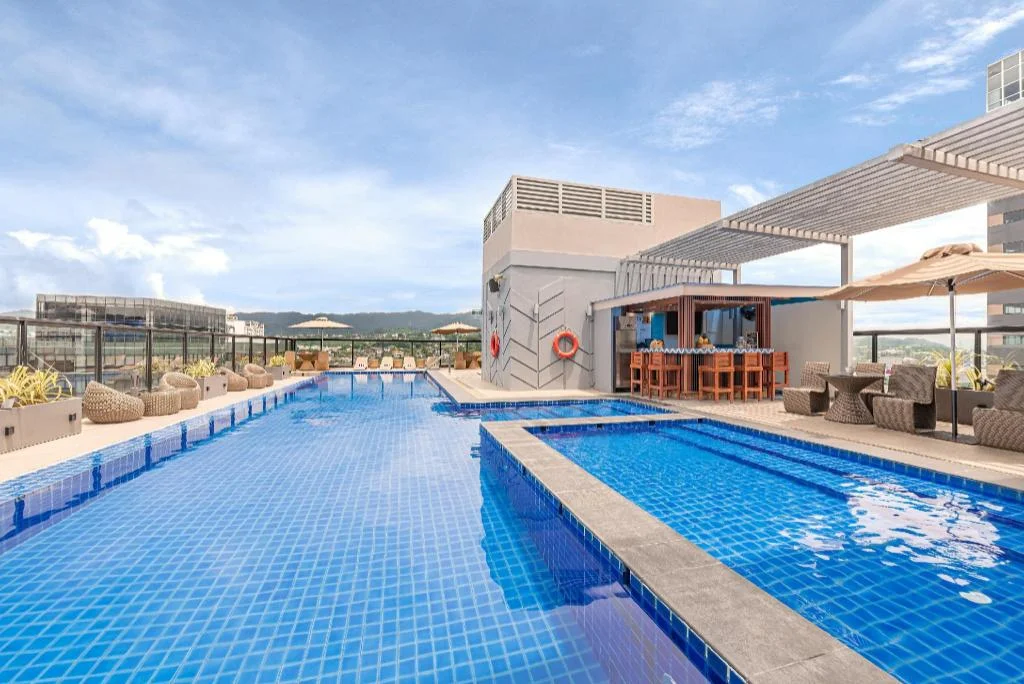
Seda Central Bloc Cebu City
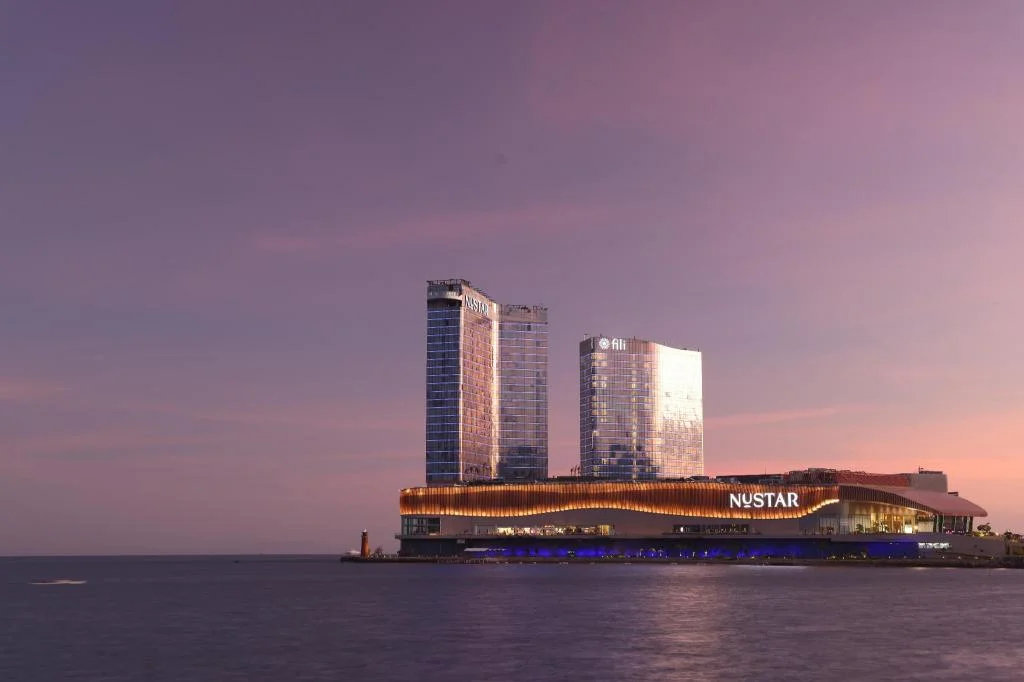
Fili Hotel - NUSTAR Resort & Casino Cebu
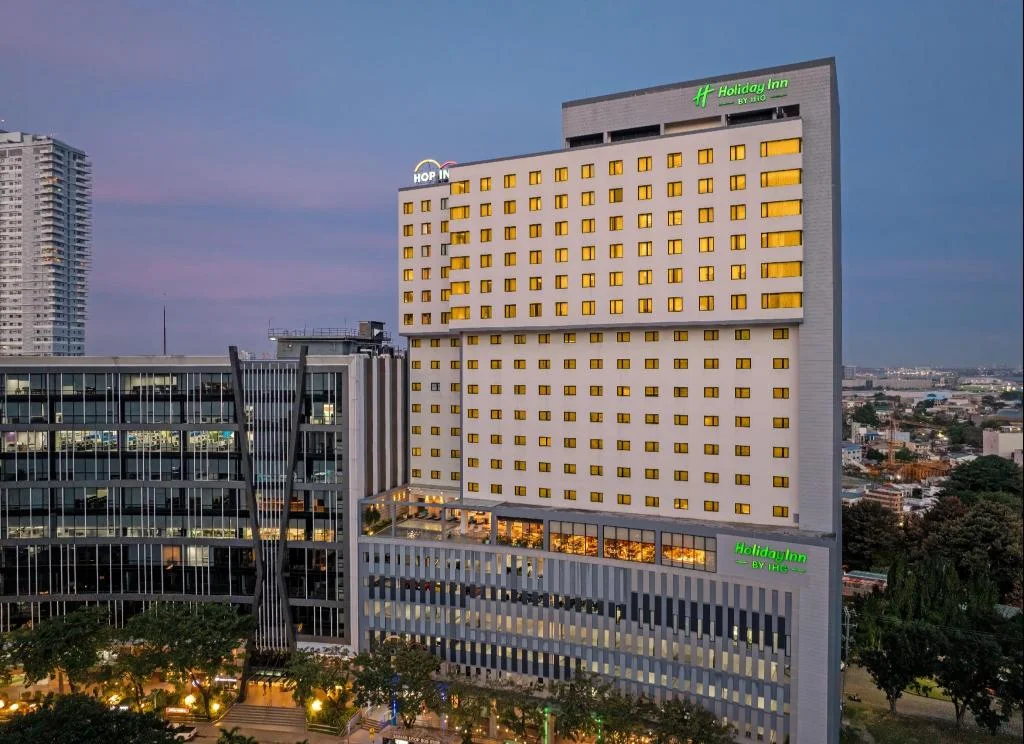
Holiday Inn Cebu City By IHG
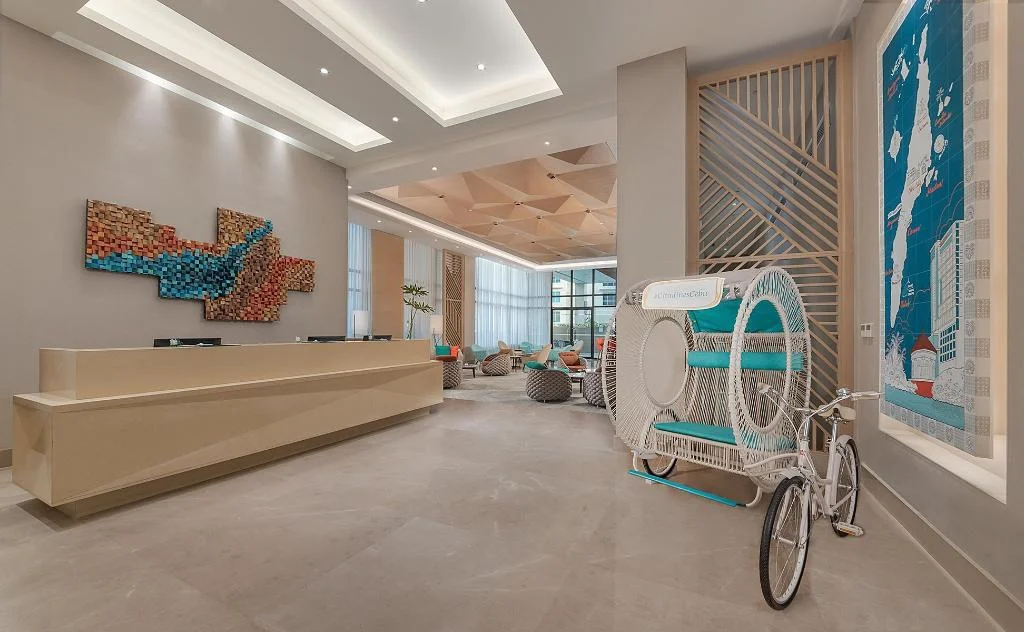
Citadines Cebu City
Prefer a rental? Vacation rentals near Cebu City
Self-catering condos and apartments — book the exact unit, kitchen included.
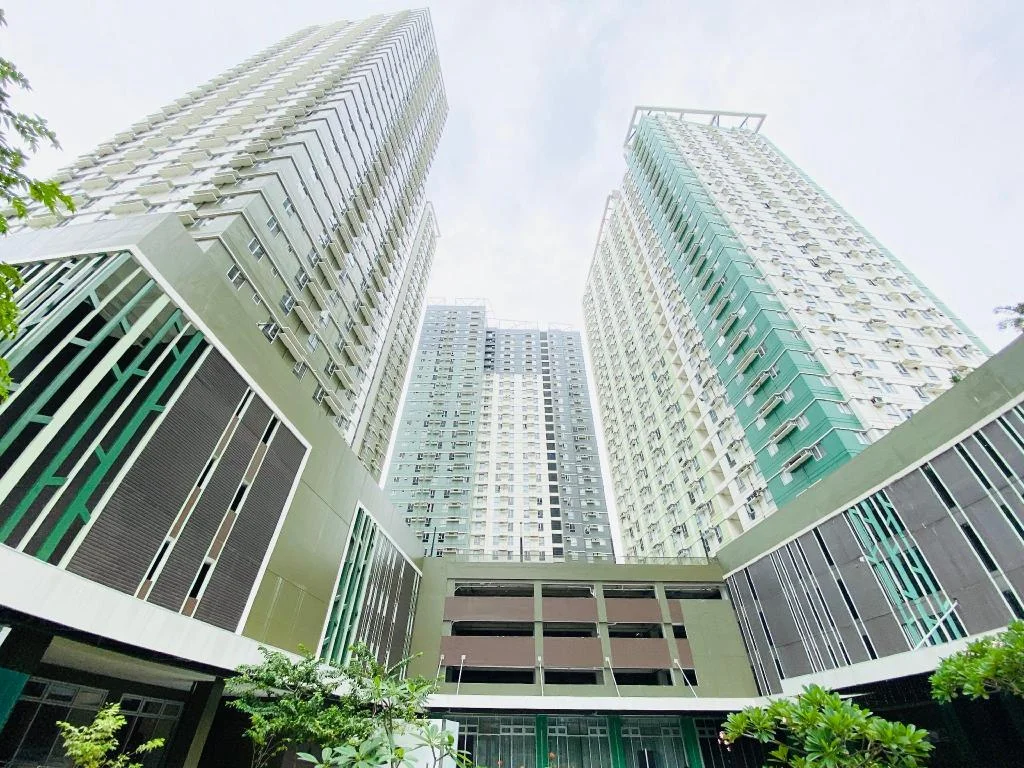
Cebu Avida Riala by P&J
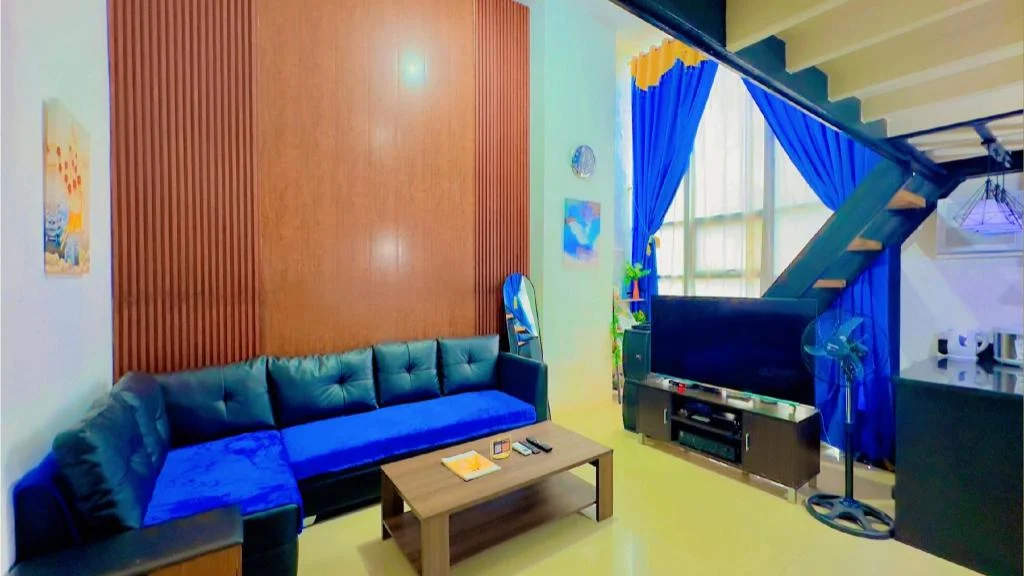
Special Big Loft Unit w/Fibreop Internet & Netflix
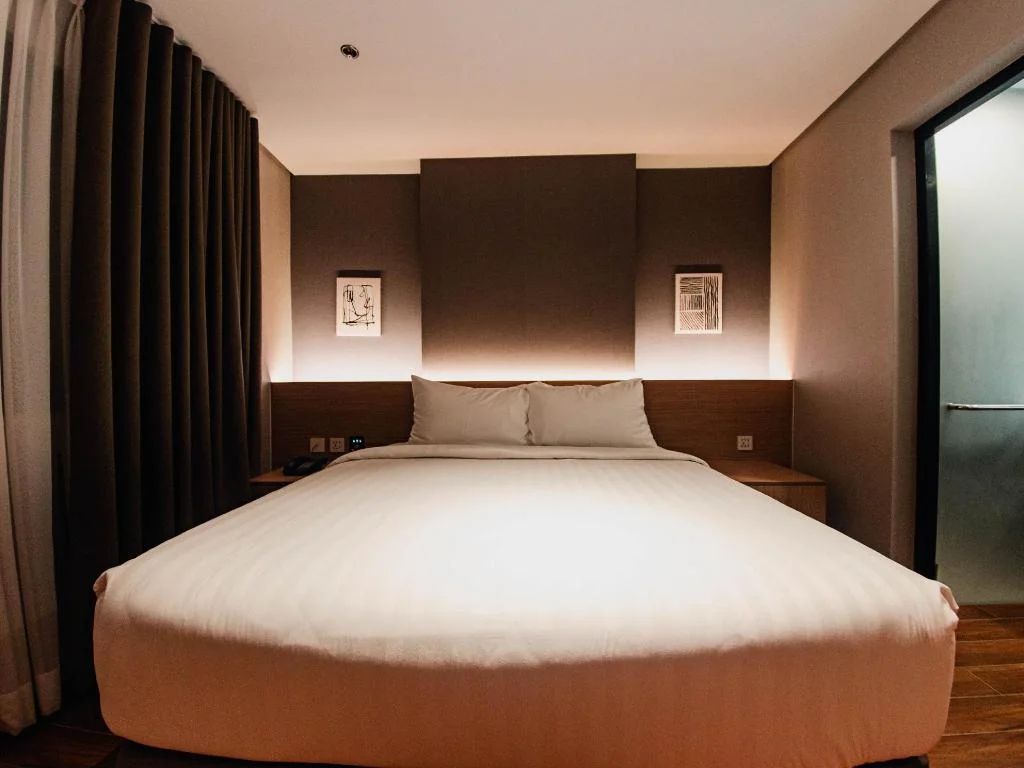
Moonstar Cebu Hotel - Deluxe Room
Before you go
Frequently asked
Why is Talisay called Cebu's lechon capital?
How do I get from Cebu City to Talisay?
Where can I eat lechon in Talisay?
Are there beaches in Talisay City?
What is the Halad Inasal Festival and when is it?
Is Talisay worth a day trip from Cebu City?
What's at Tabunok Public Market?
Can I combine Talisay with other south Cebu stops?
More Places to Explore
Temple of Leah
Cebu City
A magnificent Roman-inspired temple built as a monument of love, nicknamed 'Cebu's Taj Mahal,' offering stunning architecture and city views.
Tops Lookout
Cebu City
Cebu City's premier hilltop viewpoint offering stunning panoramic views of the city, especially spectacular at sunset and nighttime.