
TL;DR: Cebu’s dive sites are workable close to year-round, but Amihan season (November-May) brings the calmest seas, 20-30m visibility, and the most predictable boat schedules. January-April is the sweet spot for Malapascua’s thresher sharks and clear water; the Moalboal sardine run and Pescador Island run year-round regardless of season. Avoid August-October, when Habagat rains and typhoon risk peak and boat trips get cancelled most often. Verified July 2026.
Cebu is one of the few places in the Philippines where you genuinely can dive in any month — water temperature barely moves, sitting around 27-30C whether you go in January or August. What changes with the season is sea state, visibility, and how often your boat gets cancelled, and that’s the part worth planning around. This guide breaks down when to go for each of Cebu’s three main dive regions: Malapascua for thresher sharks, Moalboal and Pescador Island for the sardine run and wall diving, and Mactan for easy reef and wreck dives, plus Oslob for whale shark encounters. It’s written for anyone weighing a Cebu dive trip against the calendar — whether you’re chasing the clearest possible water or just trying to dodge a typhoon.
Cebu Diving Seasons at a Glance
| Site | Best Months | Note |
|---|---|---|
| Malapascua (thresher sharks, Kimud Shoal) | Jan-Apr for visibility; sharks show year-round | Nov-Dec choppier, 10-15m viz; water dips to 25-26C in Dec-Jan |
| Moalboal / Pescador (sardine run, wall, turtles) | Nov-May, early morning (6-8am) | Sardine ball is a year-round resident, not seasonal |
| Mactan (reefs, wrecks, muck diving) | Nov-May | Sheltered channel; good beginner conditions most of the year |
| Oslob (whale shark watching) | Year-round, 6am-12pm daily except Good Friday; Feb-Mar sweet spot | Suspended when a storm signal or unsafe swell is in effect |
| Avoid / build in slack | Aug-Oct | Peak typhoon risk, heaviest rain, most boat cancellations |
Verified July 2026.
What’s the Best Overall Season for Diving in Cebu?
Amihan season, roughly December through May, is the best window for diving anywhere in Cebu. The northeast monsoon (Amihan) brings drier air and calmer seas across the Visayas, which translates directly into better boat rides and clearer water at every site in this guide. The southwest monsoon (Habagat), roughly June through November, brings more rain, choppier surface conditions, and the year’s typhoon risk.
Cebu is somewhat sheltered compared to islands further north and east — it rarely takes a direct typhoon hit the way Eastern Samar or the Bicol coast does — but Habagat still means rougher crossings to Malapascua and Pescador, and murkier water near river mouths after heavy rain. If you can pick your month freely, aim for January through April, when the dry season is well established and before Holy Week/summer crowds peak.
When Should You Dive Malapascua for Thresher Sharks?
Thresher sharks show up at Kimud Shoal on close to every early-morning dive, all year — the season mainly affects visibility and comfort, not shark sightings. March through June brings the calmest seas and 20-30m visibility, but it’s also the busiest and priciest stretch. November through February is the Amihan shoulder: choppier crossings and visibility often down to 10-15m, with water temperature dipping to 25-26C in December and January. January through April is generally considered the peak window for combining good visibility with reliable shark sightings.
The dive itself starts before sunrise, since threshers surface at Kimud Shoal’s cleaning station in the early morning light and drop back to deeper water once the sun is up. Bring a 5mm wetsuit for the pre-dawn boat ride and the thermocline at depth, even if you’re diving in shorts weather everywhere else in Cebu.
When Is the Moalboal Sardine Run at Its Best?
The sardine run isn’t seasonal at all — millions of sardines have made Panagsama Beach a year-round home — so timing is about visibility and crowds, not whether the fish show up. The best conditions fall in the Amihan months (November-May), when seas are calmer and the water is clearer for photos. Early morning, roughly 6-8am, is the best window on any given day: the sardines sit closer to shore, the light is best for photography, and you’ll share the water with far fewer snorkelers and divers.
Pair a sardine run dive with a boat trip to Pescador Island, 15 minutes offshore, for The Cathedral swim-through, a sheer wall drop-off, and regular sightings of whitetip reef sharks, turtles, and frogfish. Visibility at Pescador can reach 30-40m on a good day in dry season, dropping noticeably during Habagat runoff.
When Should You Dive Mactan’s Reefs and Wrecks?
Mactan’s dive sites sit in a relatively sheltered channel, so it’s diveable most of the year, with November-May giving the calmest, clearest conditions. This is where most people in Cebu do their Open Water certification, precisely because the house reefs are shallow, current is manageable, and boat rides are short. It’s a reasonable backup plan if weather cancels a Malapascua or Moalboal trip — Mactan’s more protected waters keep running when the outer islands get choppy.
When’s the Best Time to Swim With Whale Sharks in Oslob?
Oslob’s whale shark watching runs 6am-12pm every day of the year except Good Friday, and sharks are present almost daily regardless of season — but November-May, and especially February-March, gives you the calmest seas and most predictable operating hours. Boats are suspended when a storm signal is up or swells make the shallow interaction area unsafe, which happens more often in the Habagat months. For a deeper breakdown of Oslob’s calendar and the ethics debate around the feeding-based encounter, see our Oslob whale shark season guide.
What About Water Temperature and Thermoclines?
Surface water in Cebu holds steady between roughly 27C and 30C in every month, so you’re never diving in genuinely cold water — the real variable is the thermocline at depth. Thermoclines get more pronounced during the seasonal transitions (around April-May and October-November), when a distinct colder layer can sit at 15-25m depending on the site. A 3mm shorty or full suit covers most Cebu dives comfortably; step up to 5mm for early-morning Malapascua dives or anywhere you’ll spend real time below 20m.
When Should You Avoid Diving in Cebu?
August through October carries the highest typhoon risk and the roughest seas of the year, and it’s the stretch most likely to cost you a cancelled boat day. The Habagat monsoon runs roughly June through November, but the wettest, stormiest core is August-September, tapering into October. Heavy rain also pushes silt and runoff into coastal water near river mouths, cutting visibility even on days without an active storm. If you’re traveling on a fixed schedule during these months, build a buffer day or two into your itinerary in case a dive operator postpones for weather.
How to Choose Your Dive Month
- Chasing the clearest water and calmest seas: go January-April.
- Want fewer crowds and still-good conditions: November or May, at the edges of Amihan season.
- Budget-focused and flexible on cancellations: June, July, or November — lighter rain than the August-October core, and off-peak pricing on boats and resorts.
- Fixed non-negotiable dates: if they fall in August-October, book a flexible cancellation policy with your dive shop and add a spare day to your itinerary.
The Honest Take
Cebu’s dive marketing leans hard on “year-round diving,” and it’s technically true — water temperature and the core attractions (threshers, sardines, whale sharks) really don’t disappear by month. But don’t let that flatten the real seasonal difference in comfort and visibility. Diving Malapascua in a choppy December swell with 10m viz is a different trip than diving it in March with a flat sea and 25m viz, even though the sharks show up either way. If a operator or agency tells you “any month is the same,” that’s a sales line, not a weather forecast.
The honest trade-off: dry season (December-May) gets you the best conditions but also the highest prices and the most boats at Kimud Shoal and Pescador. If crowds bother you more than a slightly choppier ride, the shoulder months of November and June are a good compromise. Skip the August-October stretch unless you have real schedule flexibility and travel insurance — it’s not that diving is impossible, it’s that you’re stacking the odds of a cancelled day.
Plan the Rest of Your Trip
Once you’ve picked your window, line up the logistics: check our best time to visit Cebu guide for how diving season lines up with the rest of the year’s weather and crowds, browse Cebu’s best dive sites for a full site-by-site rundown, and see Cebu for divers for certification options and multi-site itineraries.
Ready to book? Search Malapascua thresher shark diving trips on Klook or compare Moalboal dive resorts on Agoda if you’re building your stay around the sardine run.
Sources
- Malapascua Diving — Best Time to Dive Malapascua
- Diverbliss — Sardines Run Moalboal
- Diverbliss — Amihan and Habagat Monsoon Seasons in the Philippines
- PADI Blog — Philippines Diving Calendar
- Oslob Whale Sharks — Official FAQ
- Seasonal patterns cross-checked against 2025-2026 operator and traveler reporting. Verified July 2026.
Book Tours & Hotels for This Trip
Find and book the best deals — prices and availability update in real time. Links open in a new tab.
Where to stay near Moalboal
Top-rated hotels for this trip — tap through to check live rates.
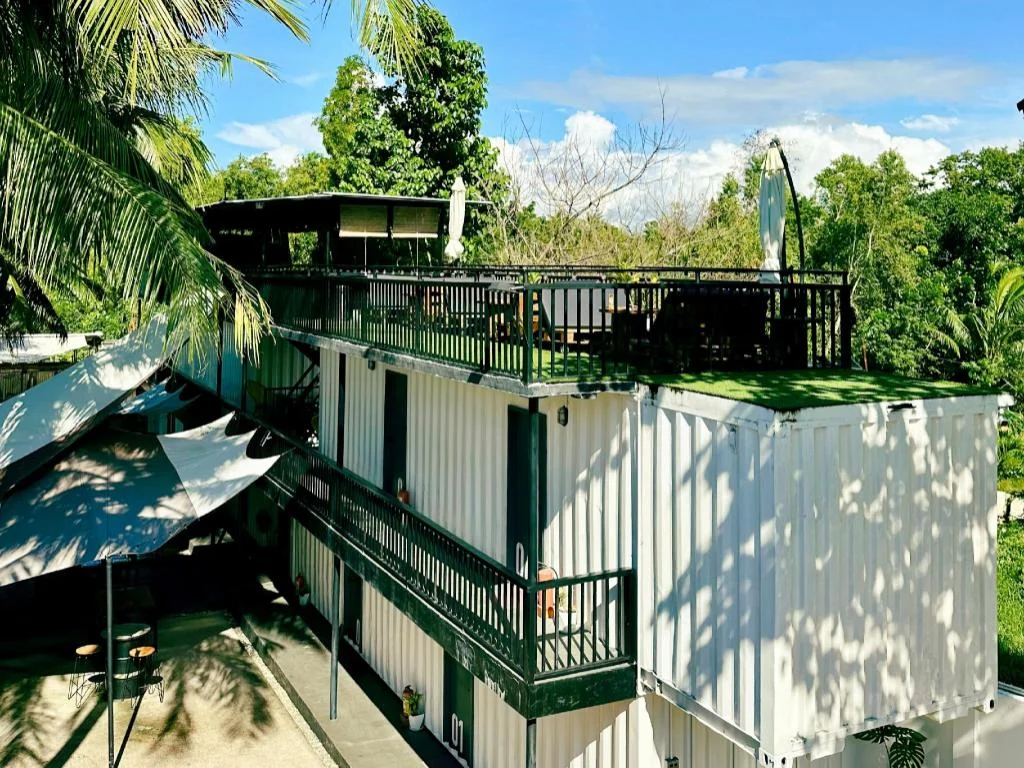
PIG DIVE HOSTEL MOALBOAL
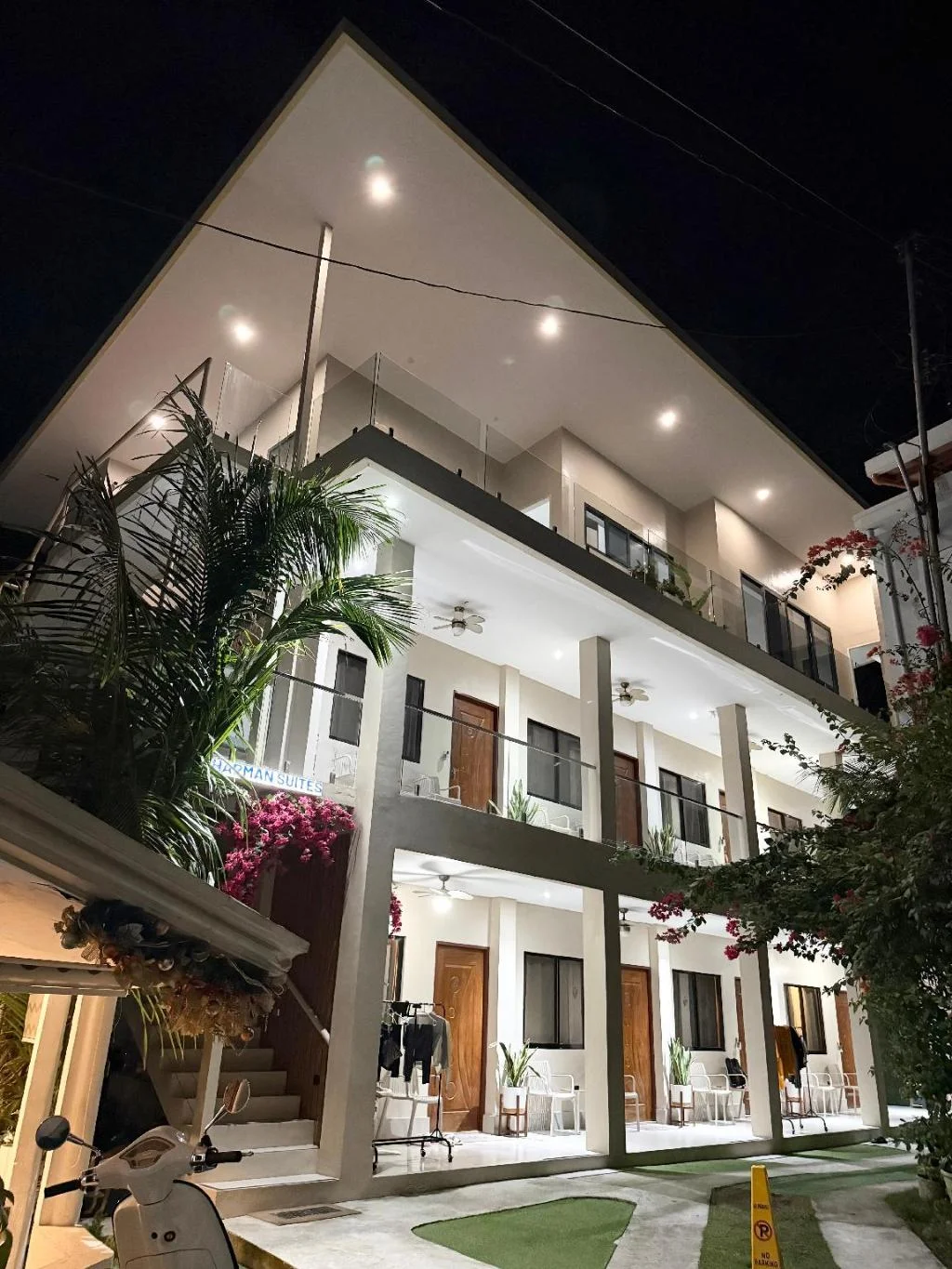
Harman Suites Moalboal

Ocean Vida Resort
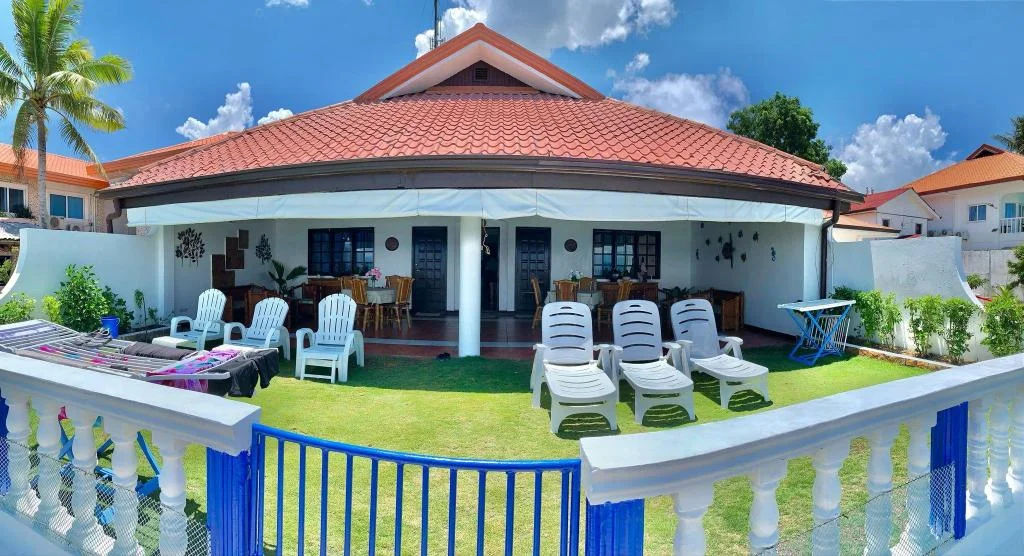
Il Sogno Resort
Prefer a rental? Vacation rentals near Moalboal
Self-catering condos and apartments — book the exact unit, kitchen included.
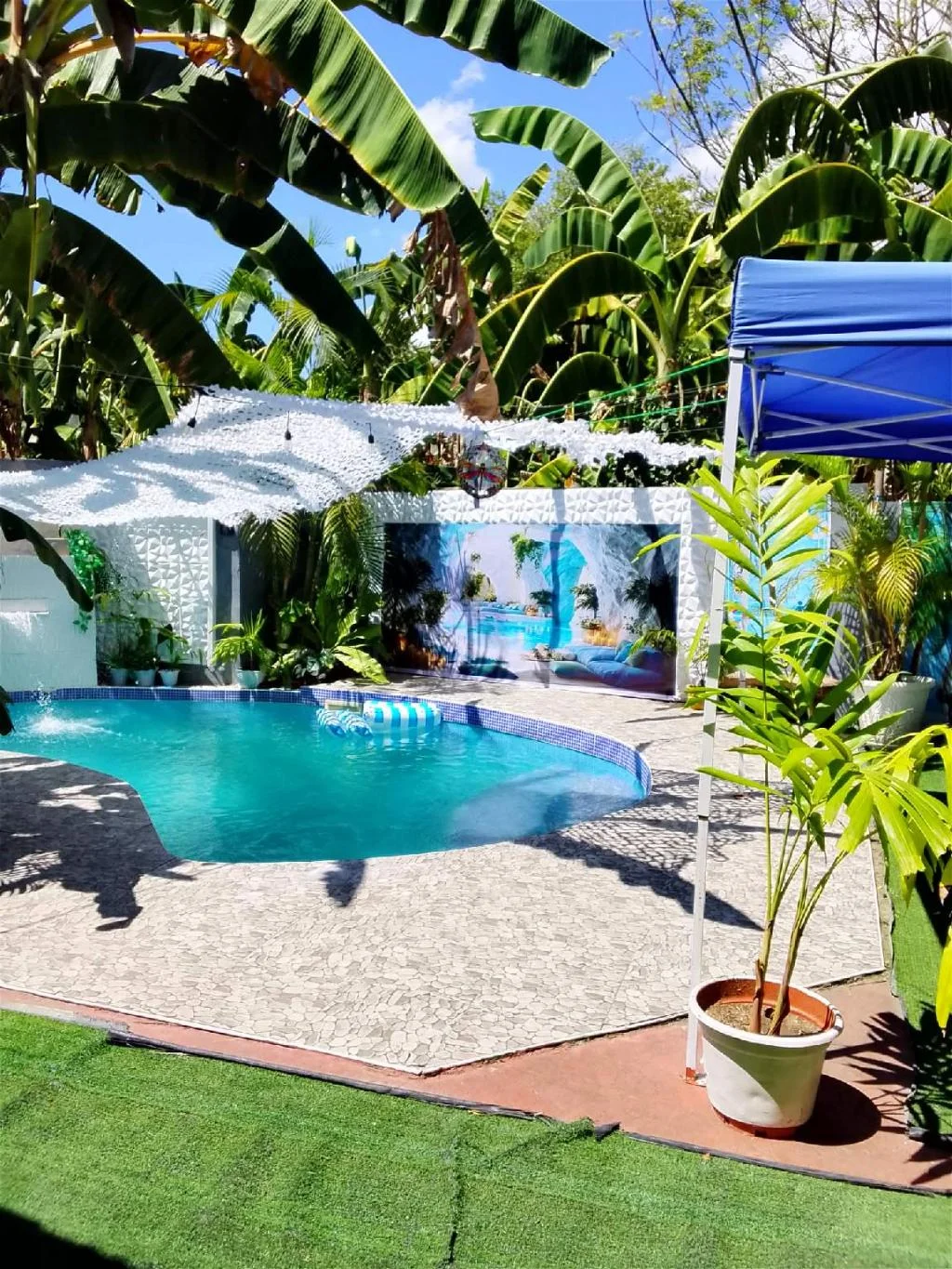
Two crazy monkeys
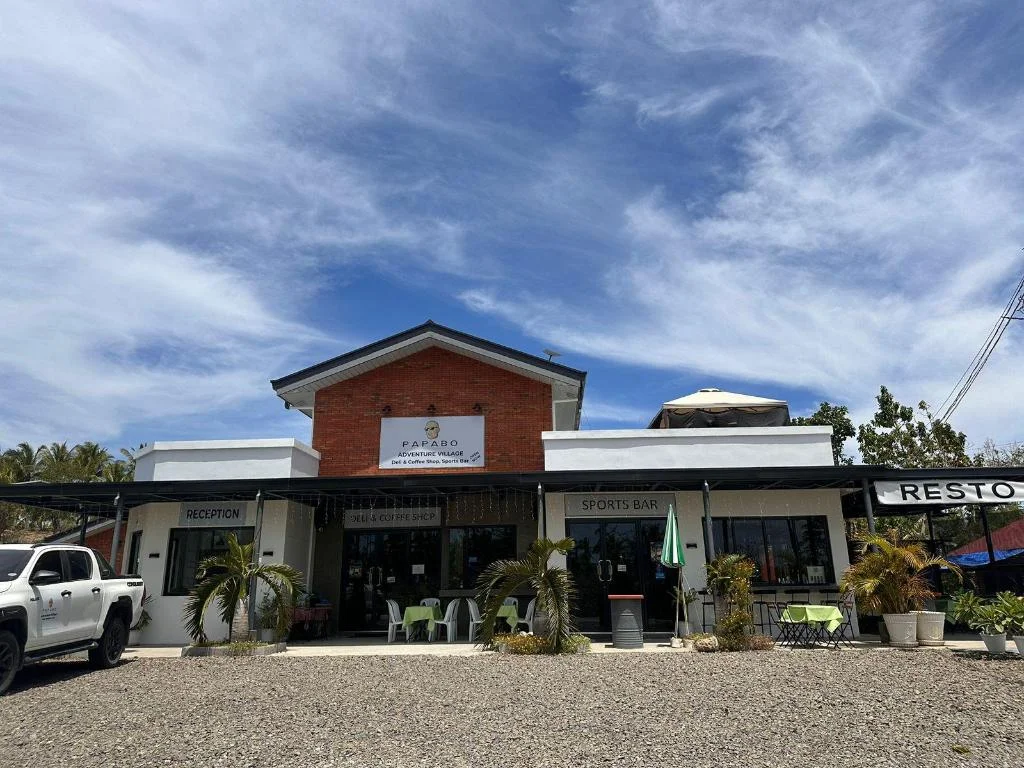
PAPABO Adventure Village
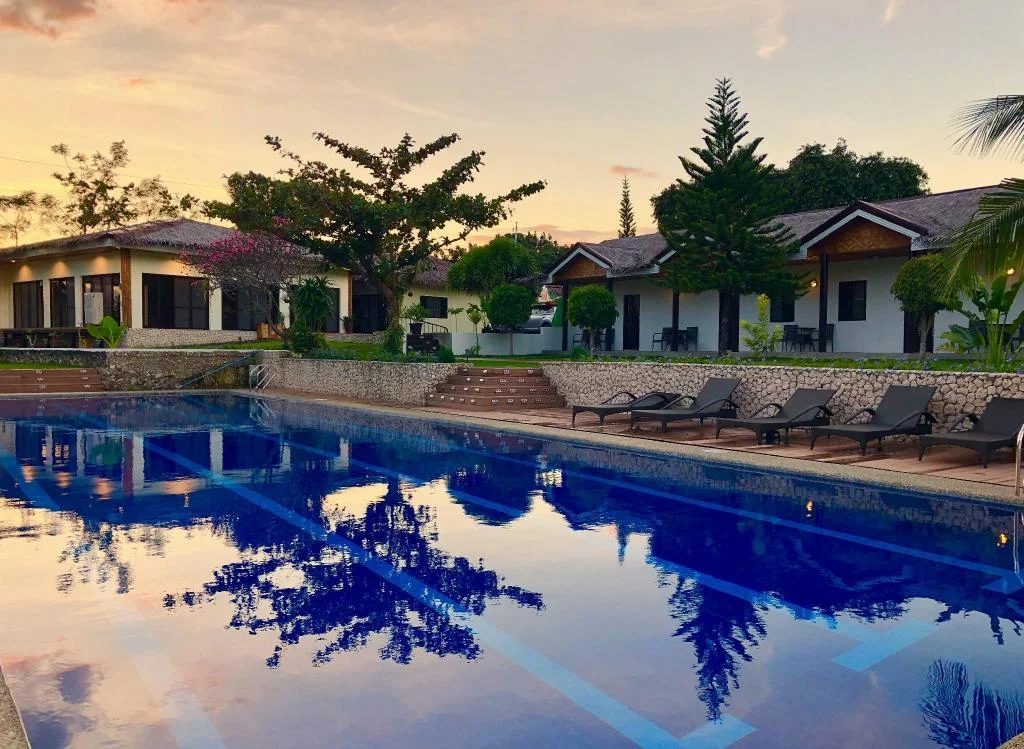
Casa de Moalboal
Before you go
Frequently asked
What is the best month to dive in Cebu?
Do you need a wetsuit for diving in Cebu?
Can you see thresher sharks in Cebu year-round?
Is the Moalboal sardine run seasonal?
When should you avoid diving in Cebu?
Is Cebu diving good in the rainy season (June-November)?
Do you need to be an experienced diver for Malapascua or Moalboal?
How far in advance should you book a Malapascua thresher shark dive?
More Places to Explore
Malapascua Island
Daanbantayan
A world-famous diving paradise known for thresher shark encounters, featuring beautiful white sand beaches and laid-back island vibes.
Moalboal Sardine Run
Moalboal
Swim with millions of sardines in one of the world's only year-round sardine runs, just meters from shore.
Pescador Island
Moalboal
A world-class marine sanctuary featuring The Cathedral underwater cave and exceptional wall diving.