
TL;DR: Oslob’s whale sharks are fed daily, so they’re there every day of the year — timing your trip is about the sea and the crowds, not the sharks. Go December–May (dry season, calmest water), arrive 5:30–6:30 AM on a weekday, and you’ll pay around ₱1,000 (~US$16) and be in the water within 15–20 minutes. Show up at 10 AM on a Saturday during Holy Week and you’re looking at hour-long queues and choppy water. Avoid typhoon-season afternoons (roughly June–November) when rough seas can cancel sessions outright. Verified July 2026.
If you’ve read that whale sharks “migrate through Oslob” at certain times of year, that’s not quite what’s happening. The Oslob whale shark watching site in this small municipality on Cebu’s south coast keeps a resident group of juvenile whale sharks close to shore by hand-feeding them shrimp every morning — which is exactly why the animals are there 365 days a year, not just in a “season.” That makes Oslob different from a natural feeding aggregation like Donsol’s, and it’s also the center of an ongoing ethical debate we’ll get into below. This guide is for travelers who’ve already decided to go (or are still deciding) and want to know when to actually book the trip — the months, the days, and the hour of the morning that make the difference between a calm, quick encounter and a two-hour queue in a crowd of a hundred people.
Oslob Whale Sharks: What Actually Changes by Season
| Factor | Dry season (Dec–May) | Rainy/typhoon season (Jun–Nov) |
|---|---|---|
| Whale shark presence | Year-round, daily | Year-round, daily |
| Sea conditions | Calmest, clearest water | Choppier; higher cancellation risk, esp. Aug–Oct |
| Crowd levels | Higher (peak travel months) | Lower, except local holidays |
| Best sub-window | Feb–Mar (dry, pre-summer heat) | Shoulder weeks between storms |
| Session cancellation risk | Low | Moderate to high on rough-sea days |
Verified July 2026.
Is There Really a “Whale Shark Season” in Oslob?
No — not in the way the phrase usually means. In most whale shark destinations, the animals show up seasonally to feed on natural plankton blooms, so travelers plan around a migration window. Oslob works differently: local boatmen feed a resident group of whale sharks by hand every morning, which is why the sharks stick around the barangay year-round instead of moving on. So when people search “best season for Oslob whale sharks,” what they usually need to know is when the weather, sea state, and crowds are most in your favor — because the sharks themselves are a near-certain sighting any day the boats go out.
What’s the Best Time of Year to Go?
December through May — the Philippines’ dry season — gives you the best odds of calm water, good visibility, and zero weather-related disruptions. Within that stretch, February and March tend to be the sweet spot: the seas are settled, the heat hasn’t peaked the way it does in April–May, and you’re past the Christmas and New Year crowd surge but before the Holy Week rush. If your dates are flexible, this is the window to aim for.
Avoid stacking your visit onto a national holiday inside that window — Chinese New Year and Holy Week both draw noticeably heavier crowds to Oslob regardless of how good the weather is.
What About the Rainy Season (June–November)?
Sessions run less predictably, and rough-sea cancellations become more common, especially August through October. Cebu is comparatively sheltered and doesn’t take direct typhoon hits as often as the eastern Philippines, but the broader rainy season still brings choppier water, sudden squalls, and days when the whale shark operators simply won’t send boats out for safety. If you’re traveling in this window, build a buffer day into your itinerary in case your first attempt gets cancelled, and check conditions the morning of rather than assuming the session will run.
What’s the Best Time of Day?
Arrive between 5:30 and 6:30 AM. Watching hours run 6 AM to 12 PM daily, with no afternoon sessions — a rule meant partly to limit the sharks’ daily exposure to boats and swimmers. Within that window:
- 6:00–7:00 AM: Shortest queues, calmest water, best light for photos. This is when most experienced visitors and dive guides recommend going.
- 7:00–9:00 AM: Still manageable, but boat traffic picks up and the water starts to churn.
- 9:00–11:00 AM: Peak crowding. Waits of 30–60+ minutes are common, and your actual time in the water per person shrinks as more groups cycle through.
Registration is cash-only and first-come, first-served, so the earlier you’re in line, the sooner you’re in the water and the sooner you’re free to move on to the rest of your day.
Weekday or Weekend?
Weekdays — Monday through Thursday — are consistently quieter than weekends. Combine a weekday with an early-morning slot and you’ll get close to the calmest version of this experience available. Weekends draw more domestic day-trippers from Cebu City, and the difference is noticeable by mid-morning. If your schedule only allows a weekend visit, lean even harder into the 6 AM arrival to beat the crowd curve.
What Does It Cost, and What’s Included?
Budget around ₱1,000 per person (about US$16 at ₱62/US$1 (July 2026)) for the standard watching session, which includes your life jacket, an assigned spotter/guide, and your designated time in the water. Some operators and older posts still cite a discounted local-resident rate from a prior fee structure — pricing reports online are inconsistent on whether that split still applies in 2026, so confirm the exact fee at the registration booth rather than relying on any single source, including this one. Snorkel gear rental and underwater camera rental are typically small optional add-ons on top of the base fee.
If you’d rather book a transfer-and-tour package instead of arranging transport yourself, compare whale shark watching tours and Oslob day trips on Klook — useful if you’re coming from Cebu City or Moalboal and don’t want to deal with south-bound bus schedules.
How to Choose Your Dates
- Want the calmest water and best photos? Aim for February–March, weekday, 6 AM.
- Traveling in peak season (Dec–May) and can’t avoid a weekend? Still go early — 6 AM on a Saturday beats 9 AM on a Tuesday.
- Stuck visiting June–November? Pick a non-holiday weekday and keep a flexible buffer day in case of a sea-condition cancellation.
- Pairing with other south Cebu stops? An early whale shark session leaves you the whole rest of the day for Tumalog Falls or a boat over to Sumilon Island.
The Honest Take
Oslob whale shark watching is one of Cebu’s most talked-about experiences, and it delivers on the basic promise — you will almost certainly see a whale shark up close, any day of the year, in a 30-minute session. But go in with clear eyes about the trade-offs. This isn’t a wild encounter; it’s a fed one, and that’s the entire reason it’s this reliable. Marine biologists have raised real concerns about the hand-feeding — behavioral changes in the sharks, boat-strike injuries, and increased vulnerability once the animals associate boats with food. Plenty of travelers still do it and describe it as one of the most moving things they’ve done in the Philippines; others skip Oslob for that reason and choose Donsol instead, where whale sharks are spotted naturally without feeding. Either way, read up before you decide — see our breakdown of the Oslob whale shark ethics debate and the Oslob vs. Donsol comparison if it’s weighing on you.
On timing specifically: the sharks aren’t the variable. Your queue length, the color of the water in your photos, and whether your session runs at all — that’s what the calendar and the clock actually control.
Plan the Rest of Your Trip
For the full rundown on getting to Oslob, registration logistics, and what to pack, see our complete Oslob whale sharks guide. If you’re weighing when to visit Cebu as a whole, not just Oslob, check the best time to visit Cebu for the province-wide weather picture. And if you want hotel options near the whale shark site for an early start, browse places to stay around Oslob on Agoda — staying overnight nearby beats a pre-dawn drive from Cebu City if you want that 6 AM slot.
Sources
- Oslob Whale Shark Watching by Island Trek Tours — official operator FAQ (hours, session flow)
- WhyCebu — Oslob Whale Shark Price and Entrance Fee 2026 (pricing, add-ons, arrival-time crowd windows)
- Hale Manna Blog — Oslob Whale Shark 2026 Prices & Hours (schedule, best time of day)
- National Geographic — Inside the Chaotic World of Whale Shark Tourism (feeding practice, conservation debate)
- LAMAVE (Large Marine Vertebrates Research Institute Philippines) — Oslob Whale Shark Tourism Ethics (behavioral/conservation concerns)
- Season, crowd, and pricing patterns cross-checked against multiple 2026 operator and traveler reports. Confirm current fees and hours locally before you go. Verified July 2026.
Book Tours & Hotels for This Trip
Find and book the best deals — prices and availability update in real time. Links open in a new tab.
Where to stay near Oslob
Top-rated hotels for this trip — tap through to check live rates.
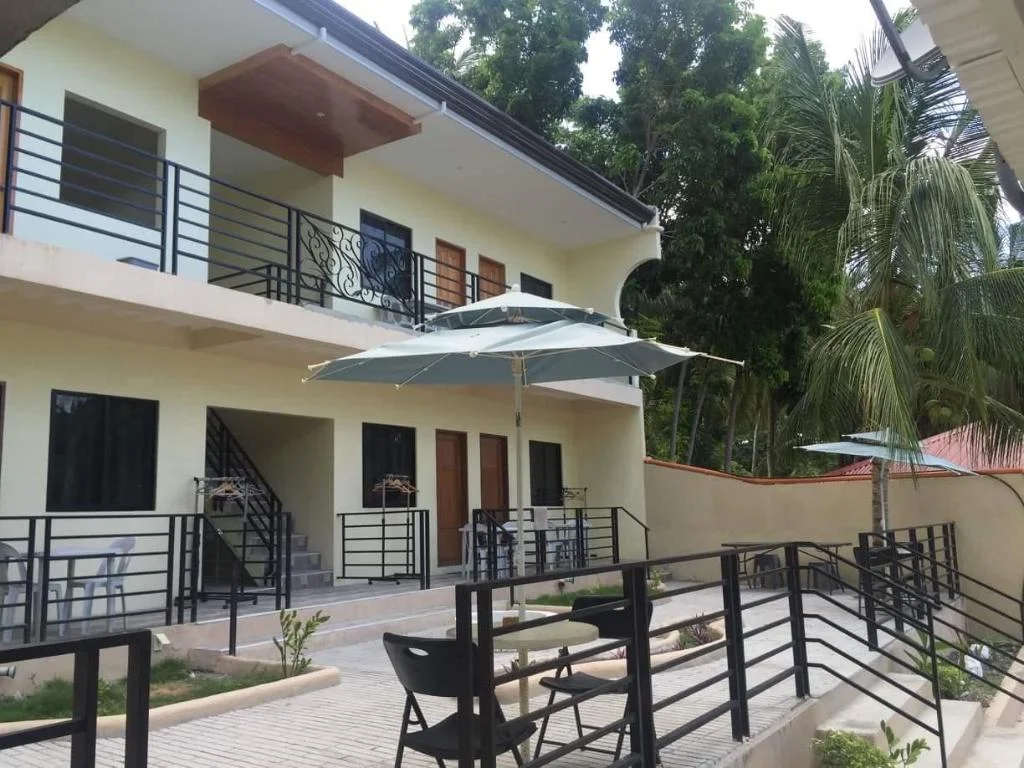
Joaquim's Lodge
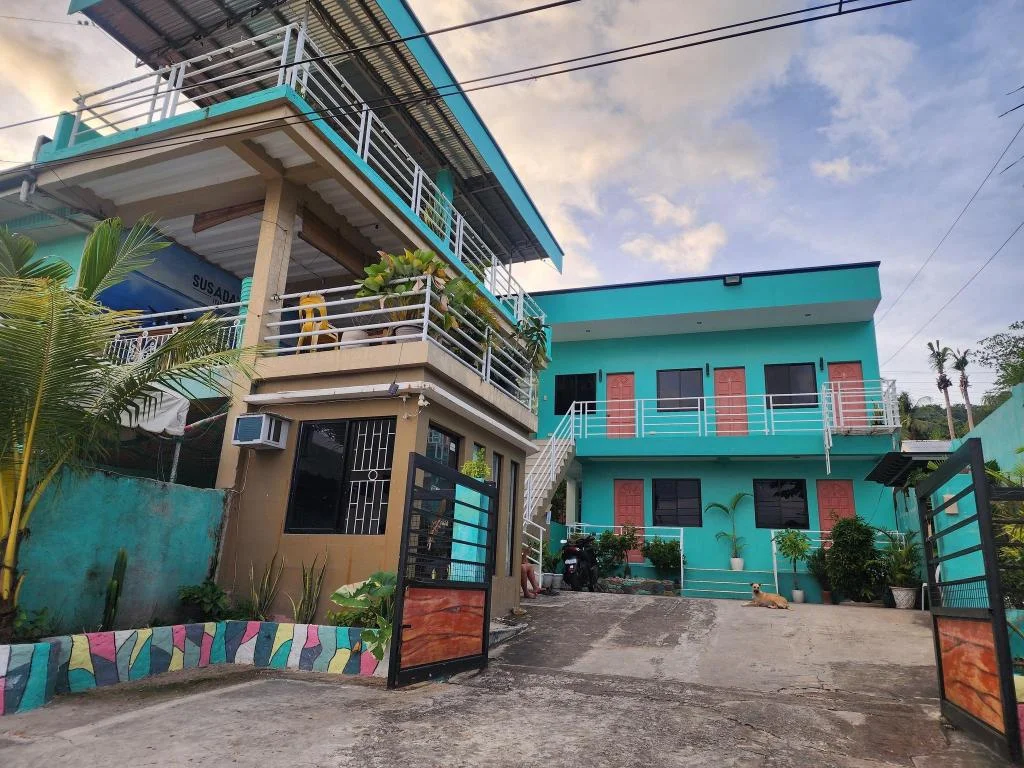
Susada's Inn
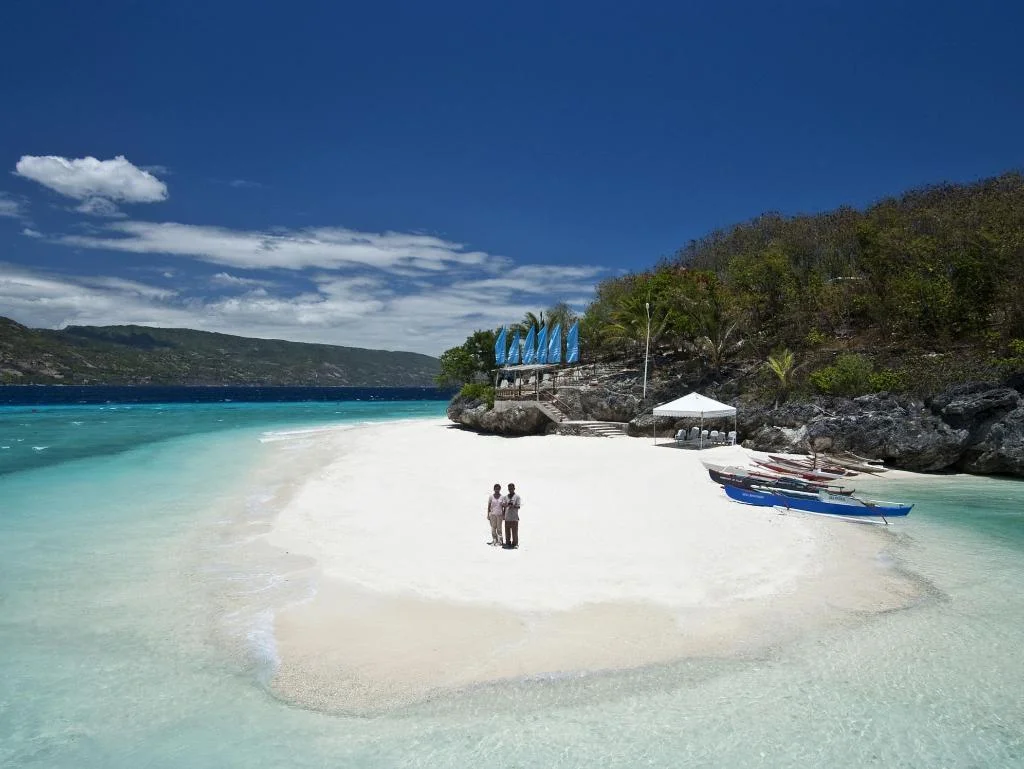
Bluewater Sumilon Island Resort
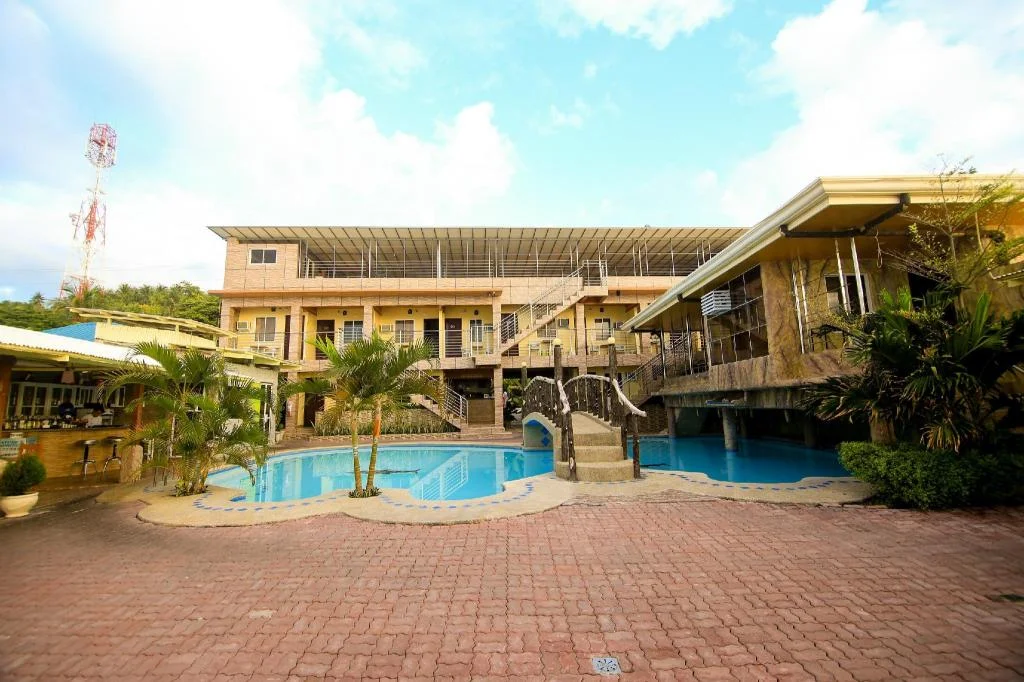
Ging-Ging Hotel & Resort
Prefer a rental? Vacation rentals near Oslob
Self-catering condos and apartments — book the exact unit, kitchen included.
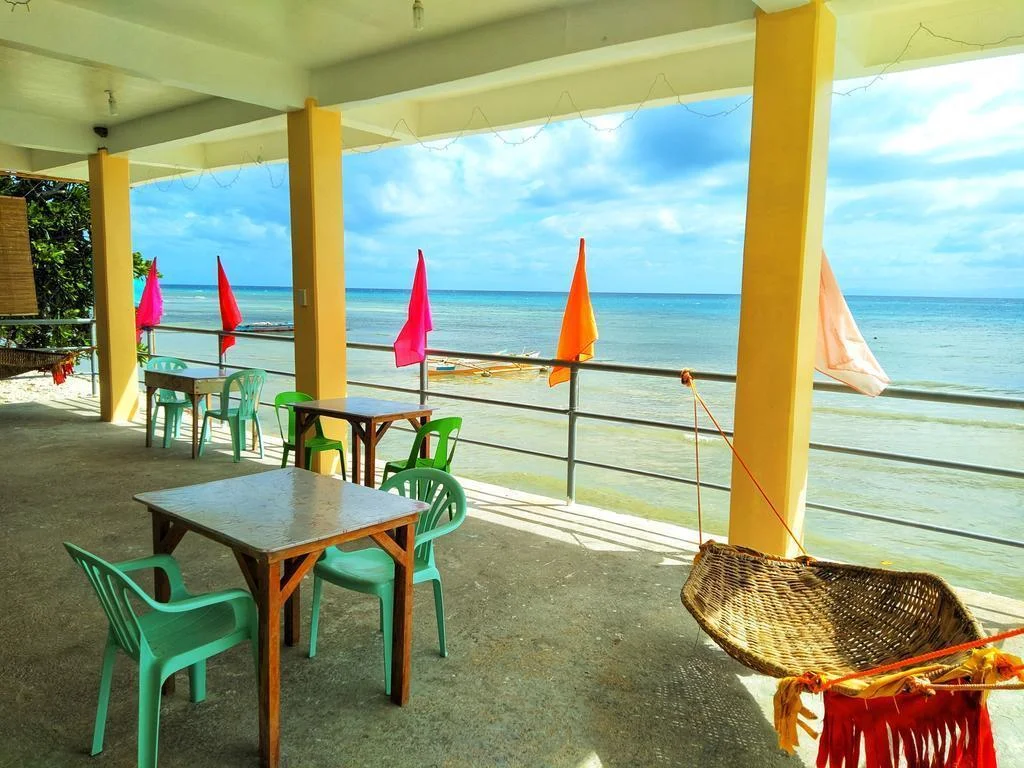
Ocean View Lodging House
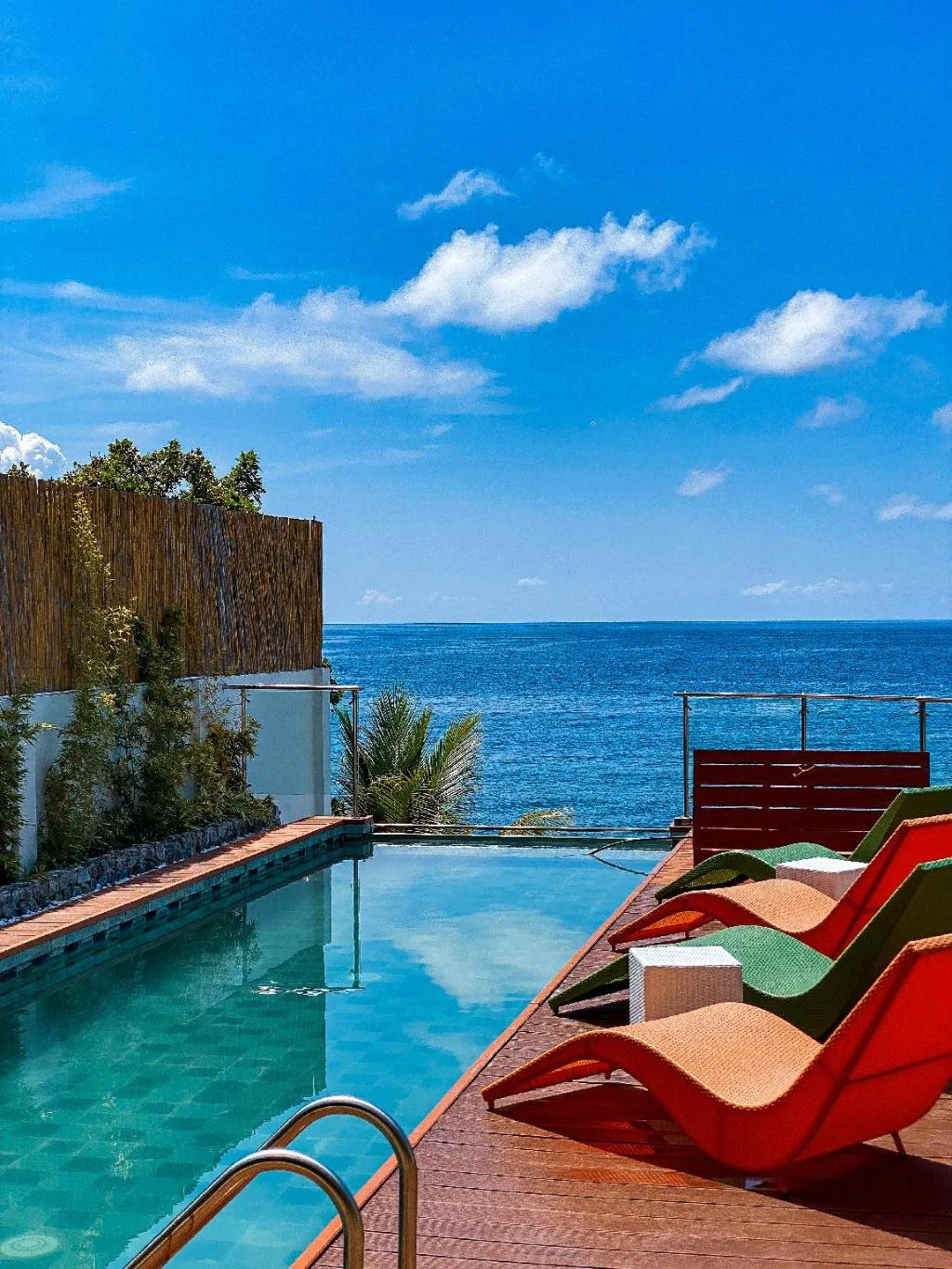
The South Hideaway Oslob
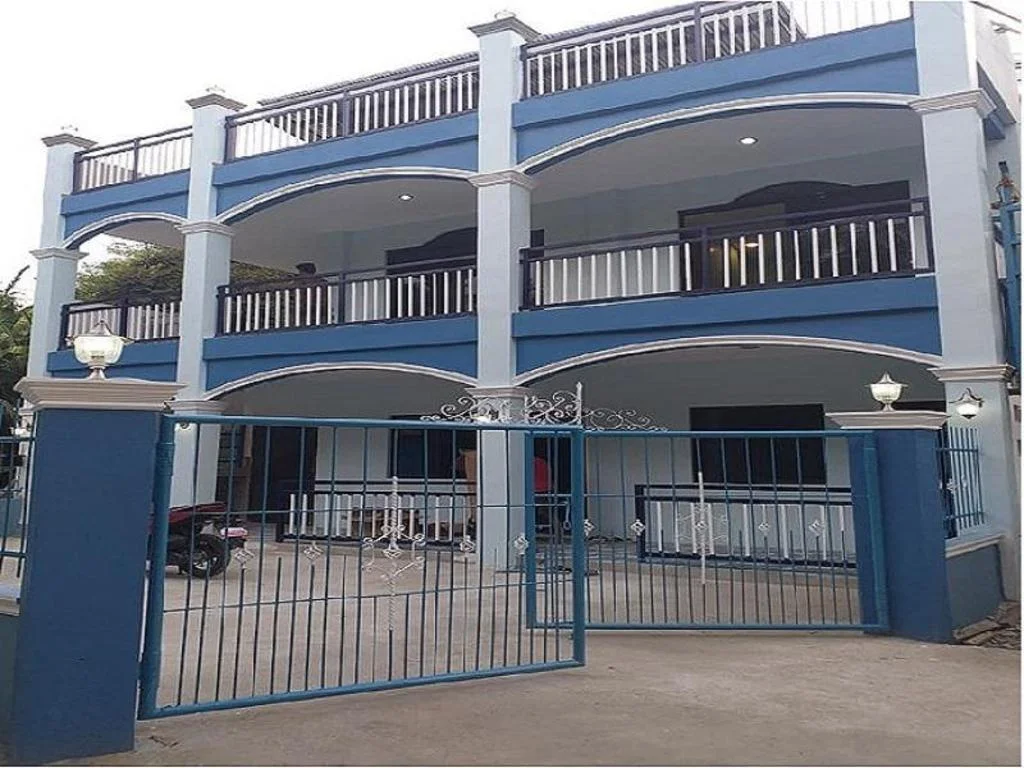
Azulea Family Deluxe 1 * own CR, shower, AC, TV
Before you go
Frequently asked
Is there a whale shark season in Oslob?
What is the best month to see whale sharks in Oslob?
What time of day should you go to Oslob?
Are weekdays better than weekends for Oslob whale sharks?
Does the rainy season cancel whale shark watching in Oslob?
How much does Oslob whale shark watching cost?
Is it worth combining Oslob with Tumalog Falls or Sumilon Island?
Is it ethical to swim with whale sharks in Oslob?
More Places to Explore
Whale Shark Watching
Oslob
Swim alongside gentle whale sharks, the world's largest fish, in one of the few places where these magnificent creatures can be reliably encountered.
Sumilon Island
Oslob
A pristine coral island with a famous shifting white sandbar, excellent snorkeling, and the distinction of being the Philippines' first marine sanctuary.
Tumalog Falls
Oslob
A spectacular curtain waterfall cascading down a moss-covered cliff into a shallow turquoise pool, creating a dreamlike natural retreat.