
TL;DR: Cebu’s birding splits into two very different trips. Olango Island Wildlife Sanctuary, a 20-minute boat ride from Mactan, is a Ramsar wetland hosting close to 100 shorebird species on the East Asian-Australasian Flyway, best September–April (peak Nov–Feb), for roughly ₱50–100 entrance plus a small boat fare. Nug-as Forest (Alcoy) and Tabunan Forest (Central Cebu Protected Landscape) are pre-dawn forest hikes for two of the world’s rarest birds — the endemic black shama and Cebu flowerpecker, of which fewer than 100 individuals may survive. Both forest sites require a local guide booked ahead; Olango doesn’t. Verified July 2026.
Cebu isn’t the Philippines’ best-known birding destination — Palawan and Mindanao get that reputation — but it holds two genuinely rare prizes: a globally important shorebird wetland at Olango Island Wildlife Sanctuary, and two critically endangered songbirds, the black shama and the Cebu flowerpecker, that exist almost nowhere else on Earth outside a handful of remaining forest patches on this one island. This guide is for two kinds of traveler: casual visitors who want an easy half-day of shorebirds and mangroves near Mactan, and dedicated birders willing to do a pre-dawn forest trek in Nug-as Forest for a shot at a species most people will never see. Both trips are real, bookable, and worth doing for different reasons — here’s how each one actually works, what you’ll likely see, and what it costs.
Where Should You Go Bird Watching in Cebu?
| Site | Key birds | Best season | Difficulty |
|---|---|---|---|
| Olango Island Wildlife Sanctuary | Migratory shorebirds — Chinese egret, Asian dowitcher, great knot, curlew sandpiper, plovers, terns | Sept–Apr (peak Nov–Feb) | Easy — flat boardwalk |
| Nug-as Forest (Alcoy) | Cebu flowerpecker, black shama (siloy), Streak-breasted bulbul | Year-round, dry-season trails easier (Nov–May) | Moderate–hard — pre-dawn forest hike |
| Tabunan Forest (Central Cebu Protected Landscape) | Cebu flowerpecker, black shama, Cebu hawk-owl, coppersmith barbet, elegant tit | Nov–May (dry season) | Moderate–hard — forest trail, guide required |
| Bantayan mangrove parks (e.g. Omagieca Obo-ob Mangrove Garden) | Herons, egrets, kingfishers, mangrove-associated waterbirds | Year-round, early morning | Easy — boardwalk |
Species lists and seasons compiled from BirdLife International, DENR-linked reporting, and recent birder trip reports. Confirm current access and guide arrangements locally before you go. Verified July 2026.
Is Olango Island Wildlife Sanctuary Worth the Trip?
Yes, if you have even a passing interest in birds — it’s one of the most important shorebird wetlands in Southeast Asia, and it’s genuinely easy to reach. Olango sits about 20 minutes by pump boat from Mactan, and its intertidal mudflats and mangroves are a Ramsar Wetland of International Importance, meaning they’re formally recognized as critical habitat under the international wetlands treaty. Reports put close to 100 shorebird species using the sanctuary across the year, more migratory species than anywhere else recorded in the Philippines, including Chinese egret, Asian dowitcher, great knot, curlew sandpiper, assorted plovers, and terns that breed as far away as Siberia and pass through on the East Asian-Australasian Flyway between the Arctic and Australia.
The migratory window runs roughly September through April, with the heaviest numbers typically reported November to February — birders and tour reports describe tens of thousands of individual birds moving through the mudflats at peak season. Outside that window, from around May to August, most shorebirds have flown north to breed and the sanctuary is much quieter, though resident herons, egrets, and kingfishers are still around.
How to get there: take a tricycle to Punta Engaño wharf in Lapu-Lapu City, then a motorized pump boat to Olango Island (about 15–20 minutes). Fares are small — roughly ₱40–50 boat fare plus a ₱10 terminal fee — but they do change, so confirm the current rate at the wharf. From the Olango side, local transport or a short walk gets you to the sanctuary entrance. Entrance runs roughly ₱50–100 (about US$1–2), sometimes with a lower local rate and higher visitor rate; bring small bills and expect the exact figure to shift year to year.
Inside, boardwalks lead to an observation deck and birdwatching hides overlooking the mudflats — flat, easy walking suitable for most fitness levels and families. Bring binoculars, since the hides can sit a fair distance from where the birds are actually feeding, and try to time your visit around high tide, when birds concentrate closer to shore rather than spreading across the exposed flats.
If you’d rather have transfers, a boatman, and a local guide arranged for you, browse Olango Island and bird sanctuary tours on Klook — useful if you’re combining birding with the island’s beaches or a mangrove kayak paddle in one trip. Our Olango Island guide and dedicated Olango birdwatching guide cover the beach and reef side of the island in more depth.
How Do You See Cebu’s Rarest Birds at Nug-as Forest?
You go with a local guide, before sunrise, and you manage your expectations. Nug-as Forest, in the uplands of Alcoy on Cebu’s south coast, is the largest remaining forest reserve on the island — reports on its size range from roughly 1,000 to 1,200 hectares — and it holds what’s believed to be the largest surviving population of the black shama (siloy), Cebu’s endemic magpie-robin, along with a share of the world’s remaining Cebu flowerpeckers.
The Cebu flowerpecker (Dicaeum quadricolor) is one of the rarest birds on the planet: a tiny, colorful songbird that was feared extinct for most of the 20th century until researchers rediscovered it in 1992. Current estimates put the total surviving population at under 100 individuals, split mainly between Nug-as and Tabunan forests, with a smaller reported population near Mount Lantoy in Argao. It’s listed as Critically Endangered by the IUCN. Seeing one is a genuine highlight for any birder, but it is not guaranteed — forest wardens recommend arriving well before dawn, since both species are most active and vocal in the first hour of light.
Getting there: Nug-as is reached from Alcoy town proper, roughly a 20-minute habal-habal (motorcycle taxi) ride into the highlands to the forest entrance. The reserve is managed under a community forest agreement with a local farmer-warden group, and the municipal government has built a campsite at Nug-as for birders and trekkers who want to stay overnight ahead of a dawn walk — worth considering, since Alcoy is roughly two hours from Cebu City and a dawn start means either an overnight stay or a very early departure. Arrange a local guide through the Alcoy tourism office before you go; this isn’t a site you show up to unannounced and expect a warden on standby.
What About Tabunan Forest?
Tabunan is Cebu’s other flowerpecker stronghold, and the site where the species was first rediscovered in 1992. It sits within the Central Cebu Protected Landscape, an 815-hectare block of the island’s last significant lowland rainforest in the central mountains near Cebu City and Balamban. Besides the Cebu flowerpecker and black shama, recent birder reports from Tabunan list the Cebu hawk-owl, coppersmith barbet, streak-breasted bulbul, elegant tit, white-vented whistler, and Everett’s white-eye among the resident and endemic subspecies recorded there.
Access is more restricted than Nug-as — Tabunan’s protected status and the sensitivity of its endemic residents mean visits are arranged through certified local guides rather than independent hiking, and conservation groups working in the area (supported in part by international funding like the Darwin Initiative) prioritize minimal disturbance over open tourism. If Tabunan interests you, the practical route is booking through a Cebu-based birding guide or operator who already has the DENR/community coordination in place — search Cebu birding and nature tour operators on GetYourGuide as a starting point, then confirm directly with whoever you book that Tabunan access is actually included, since not every “nature tour” in Cebu covers it.
Are There Birds Worth Seeing on Bantayan Island?
Yes, though it’s a gentler, more casual kind of birding than the forest treks. Bantayan’s mangrove eco-parks — places like Omagieca Obo-ob Mangrove Garden — aren’t managed as birding sites specifically, but the boardwalks through healthy mangrove stands attract herons, egrets, and kingfishers, and make an easy, low-effort add-on if you’re already island-hopping around Bantayan and Santa Fe. Don’t build a dedicated birding trip around Bantayan the way you would for Olango or Nug-as; treat it as a bonus if you’re there anyway, best in the early morning before the day’s heat and boat traffic pick up.
How Do You Choose Between These Sites?
Match the site to your actual goal. If you want an easy, high-volume, photogenic morning with genuine international conservation significance and minimal planning, Olango Island wins — it’s a short boat ride from Mactan, walkable in flip-flops, and doable as a half-day add-on to a Mactan beach trip. If you’re a committed birder chasing a life list, and you’re willing to book ahead, hike before sunrise, and accept you might not get the shot, Nug-as or Tabunan are the only realistic places on Earth to try for a Cebu flowerpecker or black shama. Don’t try to combine a forest trek and Olango in the same day — they’re on opposite sides of the province and each deserves its own morning.
The Honest Take
Olango is genuinely worth it and low-risk: cheap, easy, and backed by real ecological significance, though don’t expect dramatic close-up photography without a decent lens, since most of the action is out on the mudflats. The forest sites are a different proposition — Nug-as and Tabunan ask for real effort (pre-dawn starts, guide coordination, sometimes an overnight stay) for birds so rare that even experienced local guides can’t promise a sighting. If you’re not a dedicated birder, that trade-off may not be worth it; the honest move is to treat a Nug-as or Tabunan trip as a serious birding expedition, not a casual add-on to a south Cebu beach day. Whichever site you pick, respect the guide’s instructions on distance and noise — these are among the most endangered bird populations on the planet, and a rare species pushed off its last few hundred hectares of habitat doesn’t come back.
Cebu’s forest birding also isn’t heavily commercialized, which is mostly a good thing (fewer crowds, real conservation stakes) but means fees, guide availability, and even trail access can shift year to year as community agreements and DENR coordination evolve — treat everything here as a starting point to confirm locally, not a fixed schedule.
Plan the Rest of Your Trip
Pair a birding morning at Olango with Mactan’s beaches and dive sites, or combine a Nug-as forest trek with the rest of south Cebu’s waterfalls and viewpoints while you’re already down that way. For where to stay before an early Olango departure, compare hotels near Mactan on Agoda — basing yourself close to Punta Engaño wharf makes a dawn departure much less painful. For more of the province’s wild side beyond birds, see our roundup of the best nature spots in Cebu, and for something off the standard tourist track, unusual and offbeat things to do in Cebu covers more ground like this.
Sources
- BirdLife DataZone — Central Cebu (including Tabunan) IBA
- BirdLife DataZone — Nug-as and Mount Lantoy IBA
- Cebu Flowerpecker — Wikipedia
- Cebu Daily News — The Nug-as Forest of Alcoy beckons
- Sugbo.ph — Feather You Like It or Not, Tabunan Will Amaze You
- Olango Island fees, boat fares, and seasonal patterns cross-checked against recent traveler and operator reports. Verified July 2026.
Book Tours & Hotels for This Trip
Find and book the best deals — prices and availability update in real time. Links open in a new tab.
Where to stay near Lapu-Lapu City
Top-rated hotels for this trip — tap through to check live rates.
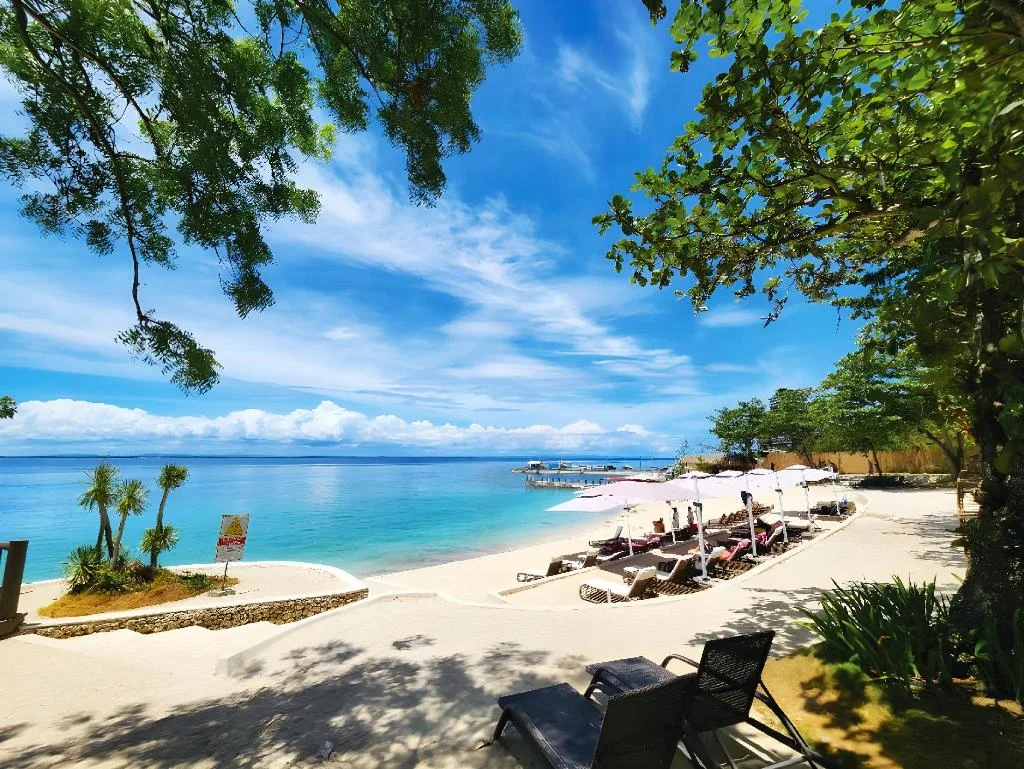
Mercure Mactan Cebu

Public House Hostel
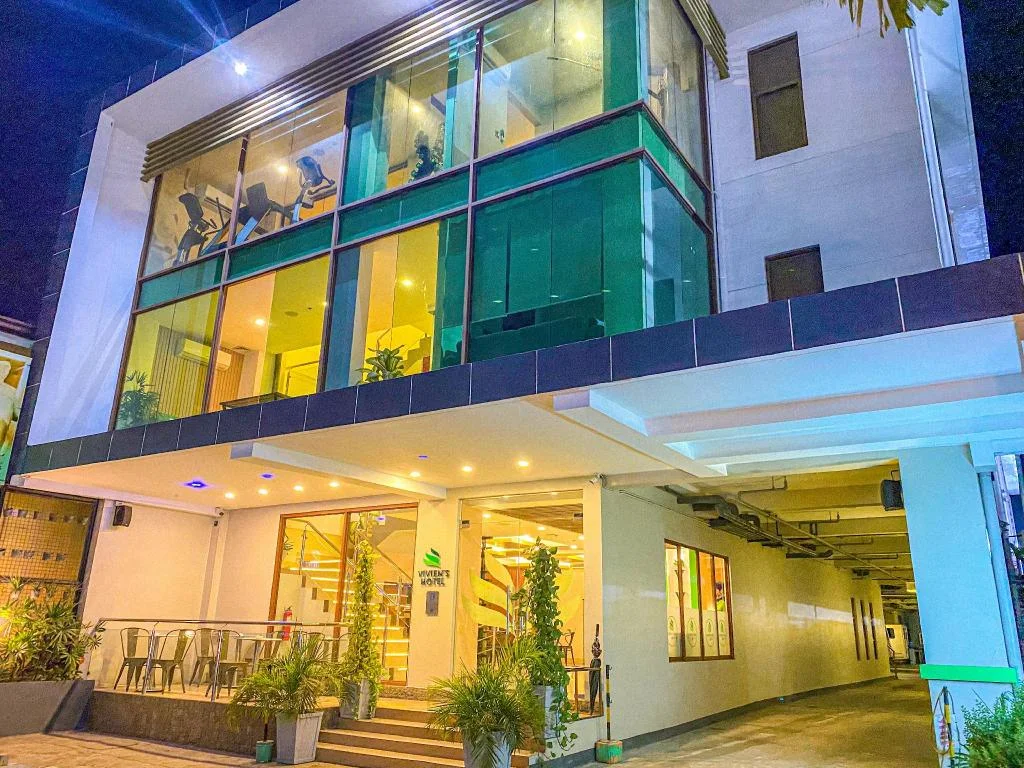
Vivien's Hotel
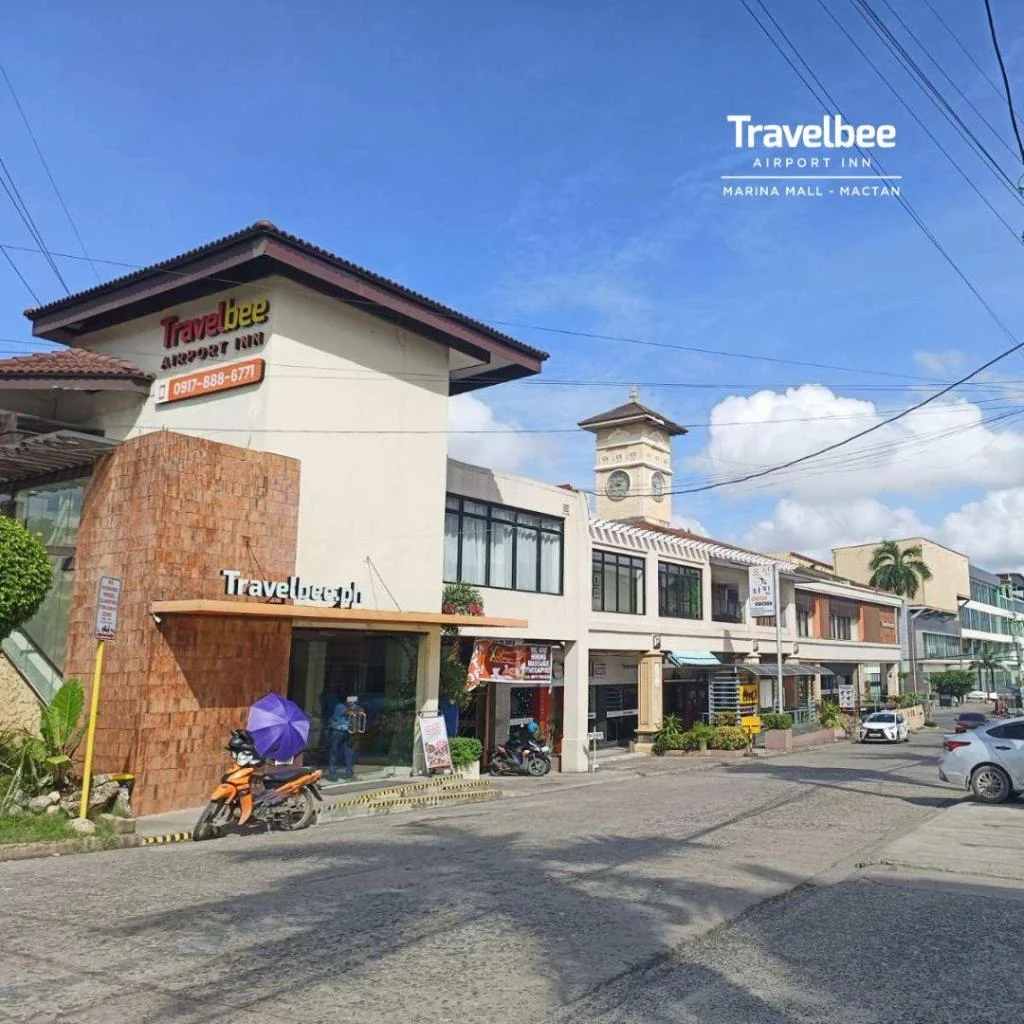
Travelbee Airport Inn
Prefer a rental? Vacation rentals near Lapu-Lapu City
Self-catering condos and apartments — book the exact unit, kitchen included.

ClockWorkOrange Luxury Suites
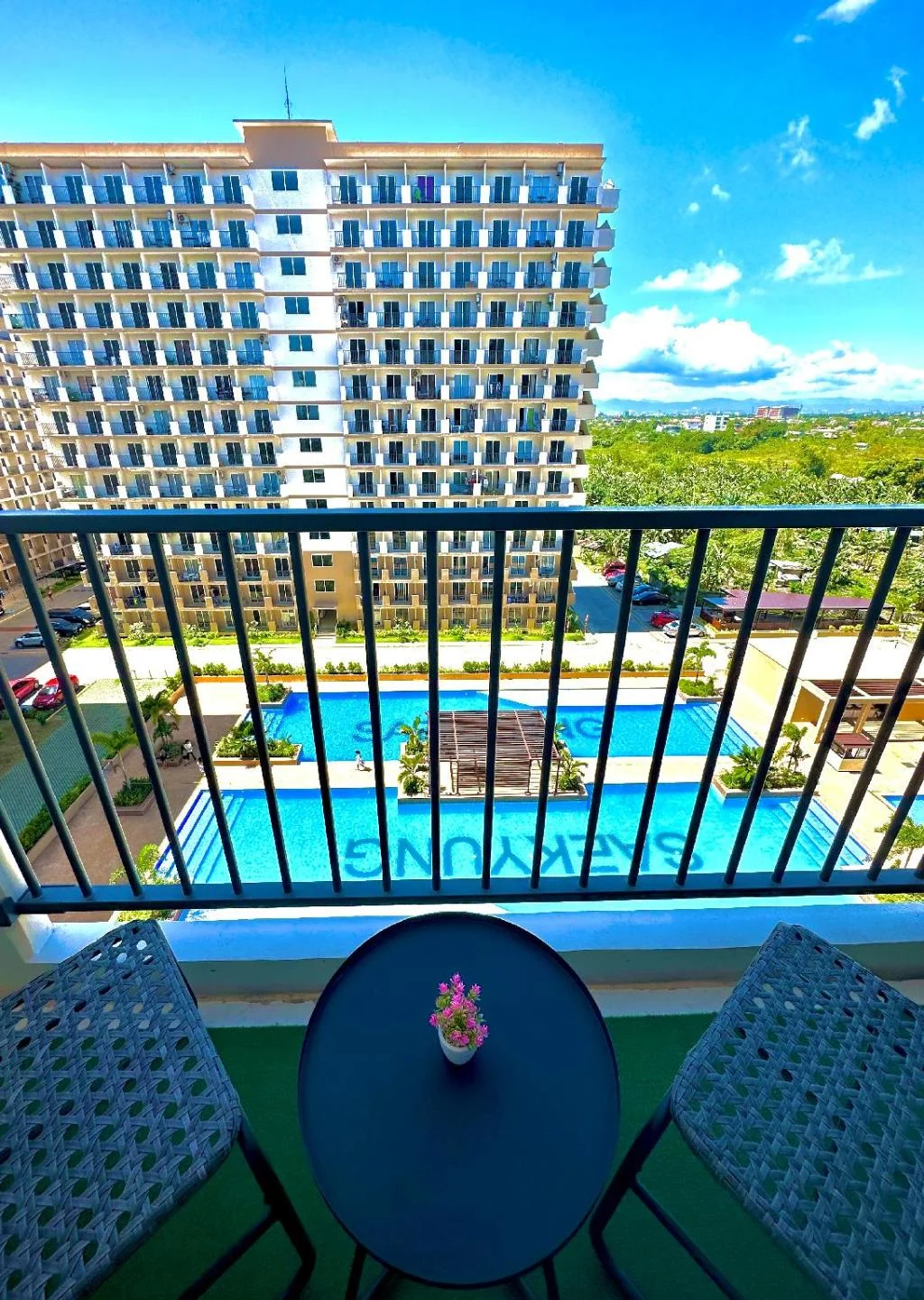
Condo with POOL/BALCONY/KITCHEN/NETFLIX/HOT SHOWER

JeeCee Homes condo near Cebu Mactan Airport
Before you go
Frequently asked
Where is the best place for bird watching in Cebu?
What birds can you see at Olango Island Wildlife Sanctuary?
When is the best time to see migratory birds on Olango Island?
What is the Cebu flowerpecker and where do you see it?
Do you need a guide to visit Nug-as Forest or Tabunan Forest?
How much does it cost to visit Olango Island Wildlife Sanctuary?
Can beginners do birding in Cebu, or do you need experience?
What should you bring on a Cebu birding trip?
More Places to Explore
Olango Island Wildlife Sanctuary
Lapu-Lapu City
A 920-hectare wetland sanctuary and one of the world's seven major migratory bird flyways, hosting thousands of birds from Siberia, China, and Japan.
Nug-as Forest
Alcoy
One of Cebu's last remaining old-growth forests, home to centuries-old trees, rare wildlife, and endemic species in a protected highland sanctuary.
Omagieca Obo-ob Mangrove Garden
Bantayan
A 100-hectare mangrove eco-park with bamboo walkways, famous as the filming location for 'Camp Sawi' and a model of community-based conservation.