
TL;DR: Cebu’s offbeat side lives after dark and off the tour-bus route: Carbon Market and Taboan dried-fish market at night, a ₱20 tartanilla ride near Leon Kilat Street, tuba (coconut wine) tasting in Argao or on a Junquera Street rooftop, a sabong (cockfight) watched respectfully at Gallera de Mandaue, a ₱3,000–US$300 freediving course in Moalboal, and a hands-on pottery workshop in Argao. None require a big-group tour — most cost under ₱500 and reward a free evening or afternoon. Verified July 2026.
Everyone who visits Cebu does the same five things: Kawasan Falls, Oslob whale sharks, Osmeña Peak, a resort day in Mactan, maybe Temple of Leah for the photo. All of that is genuinely worth doing — but if you’ve got an extra day, or you’ve already ticked those boxes on a previous trip, Cebu has a second layer that most visitors never see. It’s less polished and less photogenic in the Instagram sense, but it’s the Cebu that locals actually live in: a market that never closes, a coconut liquor tapped twice a day, a horse-drawn carriage still working the same downtown streets it worked a century ago.
This guide is for the traveler who’s done the highlight reel, or who just wants a more honest slice of the city than the resort brochure shows. It leans downtown Cebu City — Colon Street and Carbon Market anchor most of it — with a few detours south to Argao and Moalboal. Go with an open mind, reasonable street sense, and no expectation that everything will be curated for tourists, because most of it genuinely isn’t.
Offbeat Cebu Experiences at a Glance
| Experience | Area | What it costs |
|---|---|---|
| Carbon Market night market + Sunday tabo | Cebu City (Carbon) | Free to walk; street food ₱30–150/item |
| Taboan dried-fish market | Cebu City (Taboan) | Free entry; danggit priced per kilo |
| Tartanilla (horse carriage) ride | Leon Kilat Street, near Carbon | ~₱20 per short ride |
| Tuba (coconut wine) tasting | Argao, Carcar, or Junquera St. rooftop bars | ~₱30–80 per shot/glass, confirm locally |
| Gabii sa Kabilin (Night of Heritage) | Metro Cebu-wide | Usually free with pre-registration |
| Sabong (cockfight, spectate only) | Gallera de Mandaue, Cebu Coliseum | Small entrance fee, confirm locally |
| Freediving course | Moalboal (Panagsama Beach) | ~₱3,000 half-day to ~US$300 full course |
| Pottery workshop | Argao or Cebu City (Bumi & Ashe) | ~₱1,000–10,000 depending on class type |
| Offbeat waterfalls (vs. Kawasan) | Moalboal (Cambais, Cancalanog, Inambakan) | Small barangay entrance fee each |
Verified July 2026.
What Makes Carbon Market Worth Seeing After Dark?
Carbon Market at night is Cebu’s rawest, most local scene — grilled street food, secondhand goods, and a hundred years of history in one place. It’s the oldest and largest public market in the city, named for a Spanish-era coal depot that once stood nearby. The market itself runs daytime hours for produce and dry goods, but the night market section near Freedom Park stays open from around 6 PM to 3 AM, and recent redevelopment has added lighting and cleaner, more organized food stalls without stripping out the grit that makes it interesting.
Come on a Sunday and the market expands into Tabo sa Banay — extra vendors selling everything from clothing to antiques spill into the surrounding streets. Pair it with a walk through Taboan Market a few blocks away, Cebu’s dried-fish district, where danggit (dried rabbitfish) and other seafood sell for 30–50% less than mall or airport pasalubong shops. Go with a companion, keep bags zipped and front-facing, and skip the darker side alleys — normal city awareness, nothing more. For more of the district’s food culture, see our Carbon Market food guide.
Where Can You Taste Real Tuba (Coconut Wine)?
Head to Argao or Carcar for tuba tapped straight from the palm, or a Junquera Street rooftop bar if you’d rather skip the trip south. Tuba is the Philippines’ coconut wine — sap tapped from the flower stalk of a coconut palm, collected twice a day (early morning and late afternoon), and drunk fresh or left to ferment into the stronger bahalina. Argao in particular has a long-running tuba-tapping tradition, and some local producers will show visitors the harvesting process firsthand if you ask around the market.
If a rural side trip doesn’t fit your schedule, Hardin Dagami, a rooftop bar on the seventh floor of Palm Grass Hotel on old Junquera Street, pours tuba, bahalina, and lambanog shots alongside other native drinks in a much easier-to-find setting. Either way, taste it fresh rather than bottled — the flavor changes fast as it ferments, and the four-hour-old version is a completely different drink from a bottle that’s sat for a week.
What’s It Like to Ride a Tartanilla Through Old Cebu?
A tartanilla ride costs about ₱20 and drops you into a mode of transport Cebu City has used since the Spanish era. These small horse-drawn carriages — Cebu’s version of Manila’s kalesa — once dominated the city’s streets before motorized transport took over after World War II. A handful of routes still run today, and the main spot to flag one down is Leon Kilat Street, beside the University of San Jose-Recoletos and just a short walk from Carbon Market. Coachmen (kutseros) wait there for passengers, and there’s rarely a long line.
Cebu City has been piloting a program to bring back regular heritage tartanilla routes for tourists, following a successful trial run, so check current listings before you go — the offering may be more organized by the time you visit than the old catch-one-on-the-street version. It’s a five-minute novelty more than a serious way to get around, but it’s a genuinely unusual few minutes in a city that’s otherwise all jeepneys and Grab cars.
Is Gabii sa Kabilin Worth Building a Trip Around?
If your dates line up, yes — it’s a single night that unlocks a dozen-plus museums and heritage houses across Metro Cebu for free. Started in 2007 by the Ramon Aboitiz Foundation (RAFI), Gabii sa Kabilin (“Night of Heritage”) is usually held in May and opens sites in Cebu City, Lapu-Lapu City, Mandaue City, and Talisay City that are normally scattered, hard to reach, or simply closed at night. Registered attendees typically get free shuttle buses between venues and a complimentary tartanilla ride thrown in — a rare chance to combine two offbeat experiences in one evening.
The exact 2026 date has been reported inconsistently across sources at the time of writing, so confirm the schedule directly with RAFI or the official event page before building a trip around it — this is the one entry on this list where the calendar genuinely matters. If you’re already interested in Cebu’s colonial and religious history, our Cebu cultural heritage walking tour covers the daytime version of the same sites.
Should You Watch a Sabong (Cockfight)?
Only if you’re comfortable watching a real blood sport — this isn’t a sanitized tourist show, it’s a genuine local pastime with genuine stakes. Sabong is licensed and legal in the Philippines, and in Cebu it runs several times a week at venues like Gallera de Mandaue and Cebu Coliseum, which also hosts the larger regional Cebu Derby tournament. Traditionally, a small red flag on a bamboo pole outside a gallera signals a fight day.
If you do go, go with a local friend or guide — the betting system runs on hand signals that are close to unreadable to an outsider, and having someone explain it makes the visit make sense. You’re not expected to place a bet yourself; plenty of people attend just to watch. But be honest with yourself about whether you want to see it: the birds are seriously injured or killed, and this guide isn’t recommending it as entertainment so much as flagging it as a real, unfiltered piece of Cebuano culture that exists whether or not it’s on any tour itinerary. If that’s not for you, skip it without a second thought.
Where Can You Learn Freediving Instead of Just Snorkeling?
Moalboal, around Panagsama Beach, is Cebu’s freediving hub, with courses running roughly ₱3,000 for a half-day taste to about US$300 for a full certification. A half-day discovery session with a local operator runs about ₱3,000 (roughly US$52), giving you the basics of breath-hold diving and enough comfort to duck under the surface with the Moalboal sardine run rather than just watching it from a snorkel. A full AIDA or PADI freediver certification, spread over a few days, runs closer to US$300 (about ₱17,400) with an internationally recognized dive school.
There are also local freelance coaches working right off Panagsama Beach who’ll take certified freedivers on negotiated-rate fun dives — a cheaper, looser option if you already hold a certification and just want guided dives. Confirm exactly what’s included (gear rental, number of dives, the certification card itself) before booking, since packages vary a lot between operators. See our freediving courses guide for a fuller operator breakdown.
Can You Try Pottery-Making in Cebu?
Yes — Argao has a small but real pottery tradition, and Cebu City has modern studio workshops if you’d rather stay in town. Argao’s clay and brick-making history goes back generations, and a few local families still make traditional palayok (clay cooking pots) and open their process to curious visitors — sessions tend to be small, informal, and run 2–4 hours, with prices that vary by household and whether you take your piece home unfired or wait for it to be finished.
If you want something more structured, Bumi & Ashe runs studio pottery workshops in Cebu City, with single-session classes and private wheel-throwing sessions priced anywhere from roughly ₱1,000 up to around ₱10,000 depending on the format — confirm current pricing and availability on their site before booking, since class types and prices change. Either version gets your hands genuinely dirty in a way that no waterfall selfie does.
Which Waterfalls Are Cebu’s Offbeat Alternative to Kawasan?
Skip the Kawasan Falls crowds and vendor gauntlet for Cambais Falls, Cancalanog Falls, or Inambakan Falls — all near Moalboal, all far quieter. Kawasan’s turquoise basin is genuinely beautiful, which is exactly why it draws a packed weekend crowd and a long line of stalls selling floaties and snacks on the walk in. These three alternatives are smaller and less dramatic, but you’ll likely have the pool close to yourself on a weekday, and entrance fees are typically a small barangay contribution rather than a full tour package. None of these are heavily marketed, so ask locally about current trail conditions and the exact entrance fee before you go, since these details change more often at small community-run sites than at major attractions.
What Are Cebu’s Quirkiest Cafes?
Metro Cebu has a small scene of genuinely themed cafes that go past the usual minimalist coffee-shop look. Amidala Cafe claims to be the country’s first Star Wars-themed cafe, serving milkshakes named after Wookiees and Force chokes alongside the memorabilia. Loveydoggy is Metro Cebu’s first dog cafe, letting you bring your own pet in for pastel-toned coffee. Vault Board Game Cafe caters to tabletop gamers who want a table for the night rather than a quick espresso, and Sprockets leans into photography-themed decor from the owner’s personal collection. None of these are polished “destination” cafes in the way a Busay mountain view spot is — they’re small, personal, and a little odd, which is the whole appeal.
How to Choose Your Offbeat Cebu Experience
- Short on time or budget: Carbon Market at night plus a tartanilla ride covers two offbeat experiences in one evening for under ₱200 combined.
- Want something hands-on: pick freediving or pottery — both leave you with a skill or an object, not just a photo.
- Curious about local culture, not just tourist culture: tuba tasting and sabong are the two most unfiltered entries here; go into both with realistic expectations.
- Traveling with kids or squeamish about animals: skip sabong, and lean into the cafes, the market, and the tartanilla instead.
- Planning around a specific date: Gabii sa Kabilin is the one entry worth checking a calendar for — everything else can be done any week of the year.
The Honest Take
None of this is polished for tourists, and that’s the point — but it also means the experience can be hit or miss depending on the day, the crowd, and your own comfort level. Carbon Market’s night section is safer than its reputation suggests since the recent redevelopment, but it’s still a working market, not a curated night bazaar, so don’t expect Boracay-style ambiance. Sabong is the one entry that genuinely isn’t for everyone; go in knowing it’s a real blood sport, not a cultural reenactment, and skip it without guilt if that’s not something you want to watch. Gabii sa Kabilin is worth planning around only if the dates are confirmed — don’t build a whole trip on an unconfirmed May weekend. Everything else on this list — the tartanilla, tuba, freediving, pottery, the offbeat falls, the themed cafes — is low-stakes, low-cost, and easy to slot into a spare afternoon without much planning at all.
Combine It With the Rest of Cebu
Most of these fit naturally around a Cebu City stay: pair the Carbon Market night walk and tartanilla ride with a daytime loop through Colon Street and the rest of the cultural heritage walking tour, then head south to Moalboal for freediving and the quieter waterfalls, or to Argao for tuba and pottery in the same day trip. For the full rundown of Cebu’s mainstream highlights to build the rest of your itinerary around, see things to do in Cebu. If freediving or a pottery session has you tempted, browse Cebu tours and activities on Klook or check workshop listings on GetYourGuide, and if Moalboal is now on your route, compare places to stay there on Agoda.
Sources
- Carbon Night Market — 3D Academy Cebu blog
- Taboan Public Market guide — South Pole Central Hotel
- Drinking Tuba (Coconut Wine) — Queen City Cebu
- Tartanilla: Cebu’s King of the Road — Proud Bisaya Bai
- Cebu City tartanilla rides program — Travel And Tour World
- Gabii sa Kabilin — RAFI
- Freediving costs in the Philippines 2026 — Froyows Travel & Freediving
- Bumi & Ashe Pottery Cebu
- 13 Unique Themed Cafes in Metro Cebu — Tripzilla Philippines
- Sabong venue details cross-checked against multiple 2025 Philippine cockfighting industry reports. Verified July 2026.
Book Tours & Hotels for This Trip
Find and book the best deals — prices and availability update in real time. Links open in a new tab.
Where to stay near Cebu City
Top-rated hotels for this trip — tap through to check live rates.
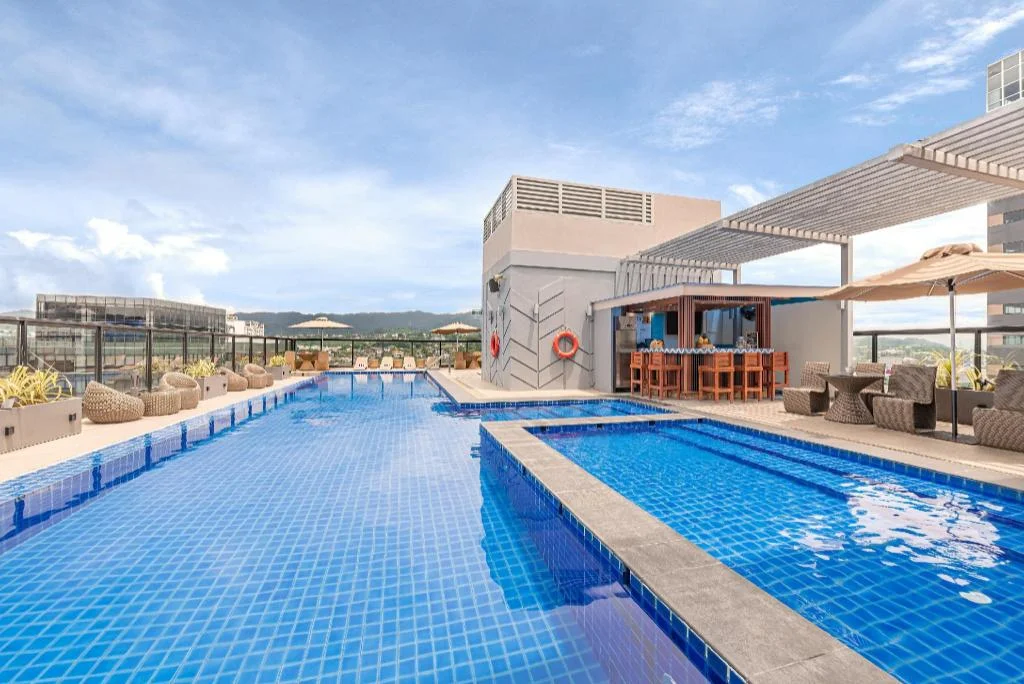
Seda Central Bloc Cebu City
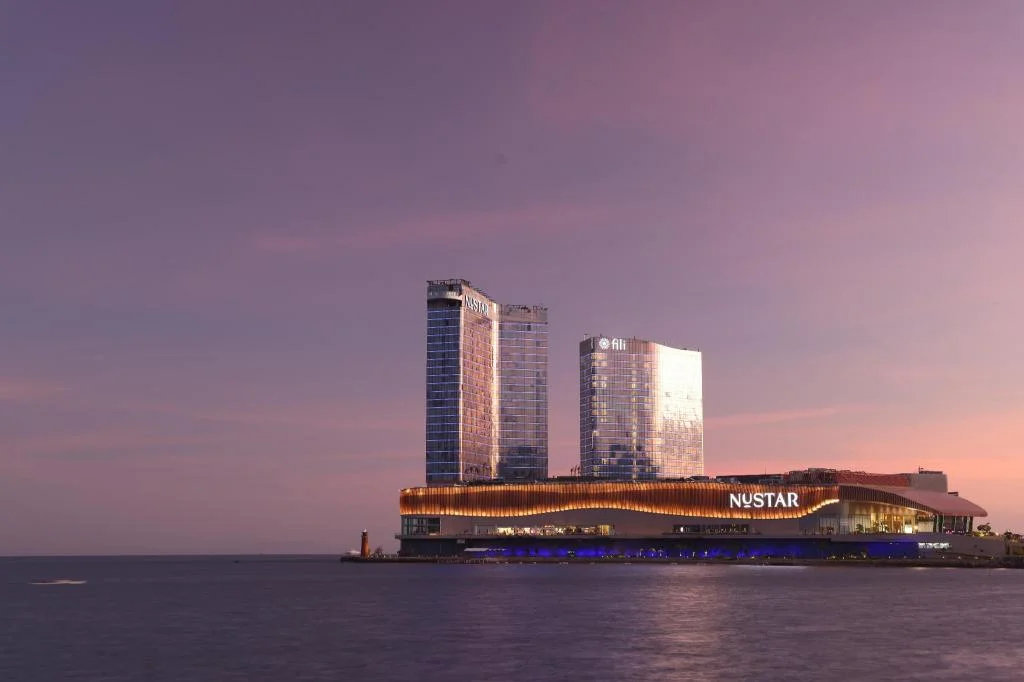
Fili Hotel - NUSTAR Resort & Casino Cebu
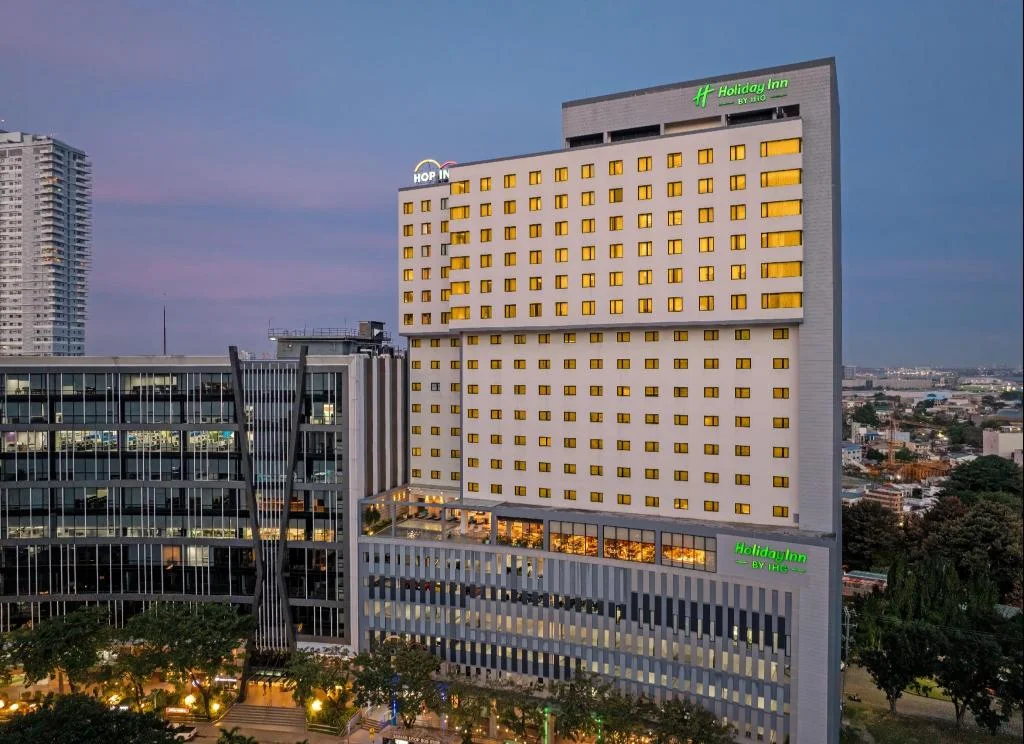
Holiday Inn Cebu City By IHG
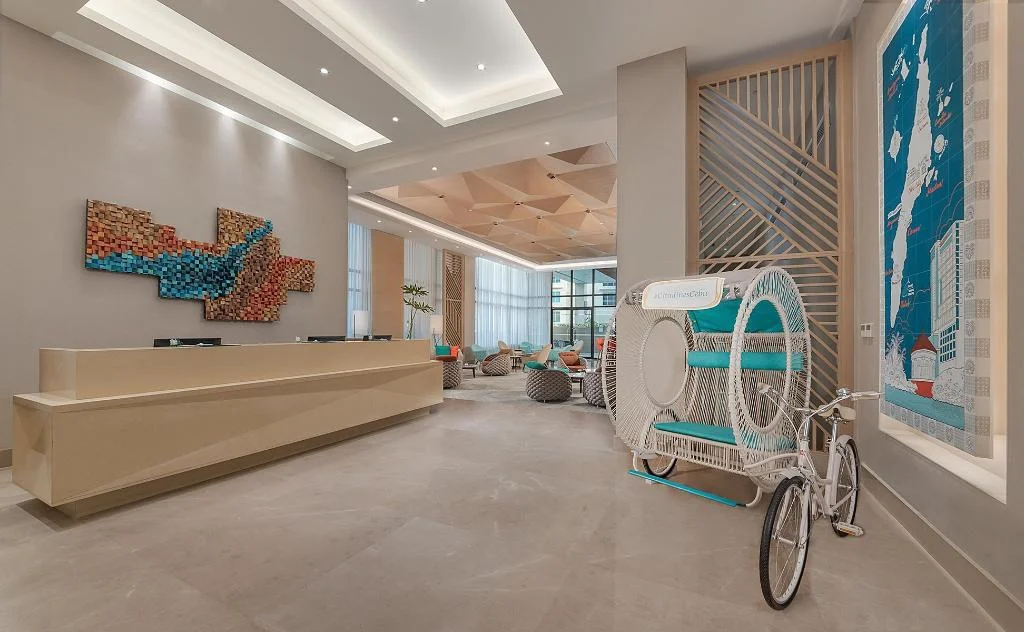
Citadines Cebu City
Prefer a rental? Vacation rentals near Cebu City
Self-catering condos and apartments — book the exact unit, kitchen included.
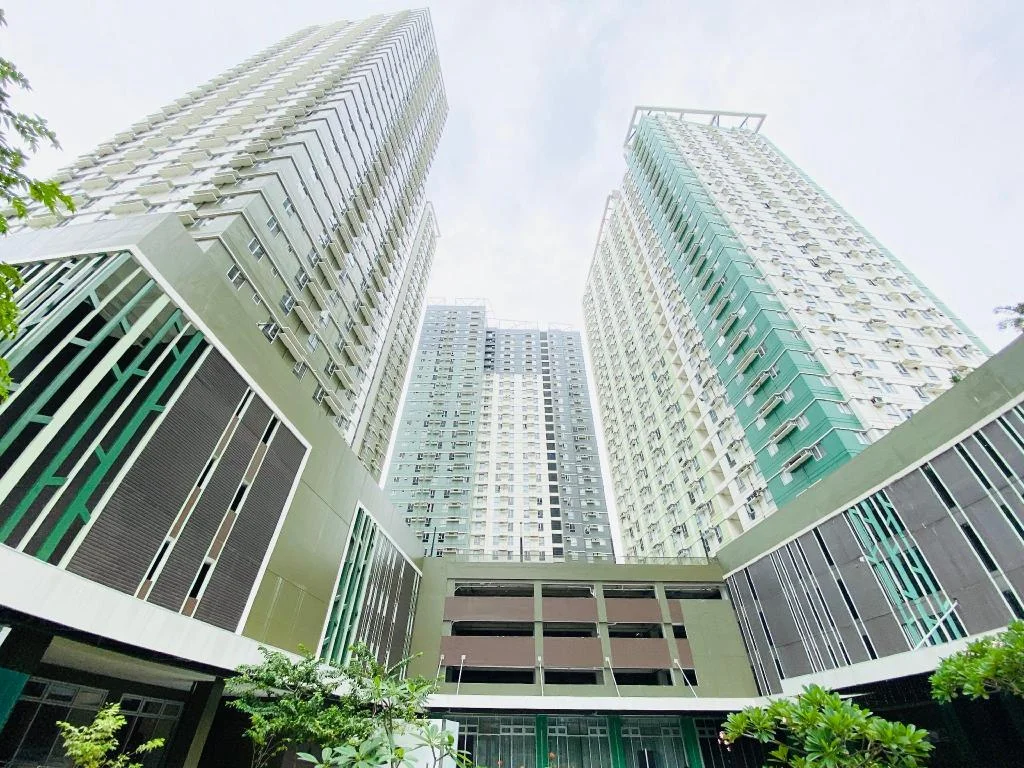
Cebu Avida Riala by P&J
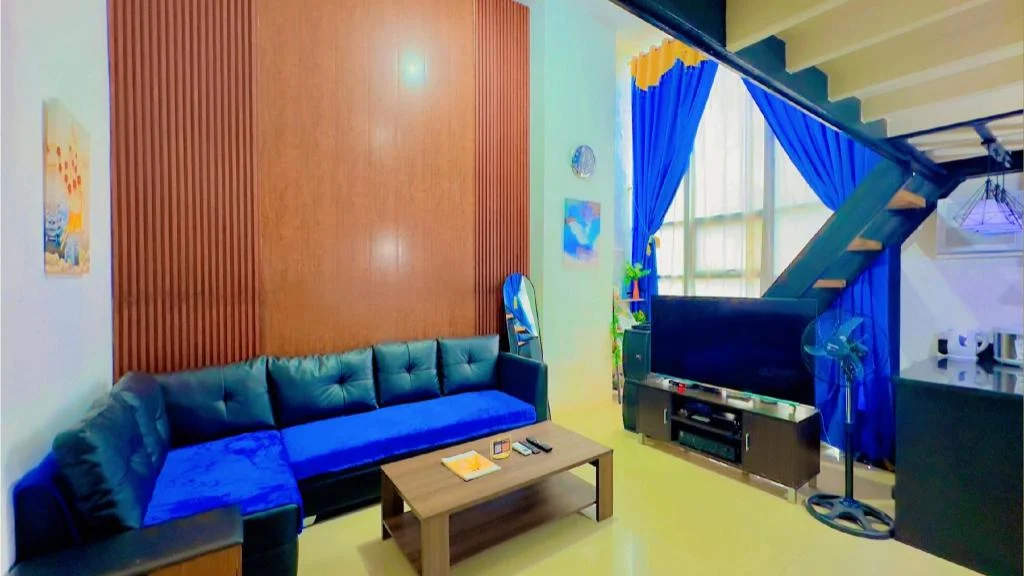
Special Big Loft Unit w/Fibreop Internet & Netflix
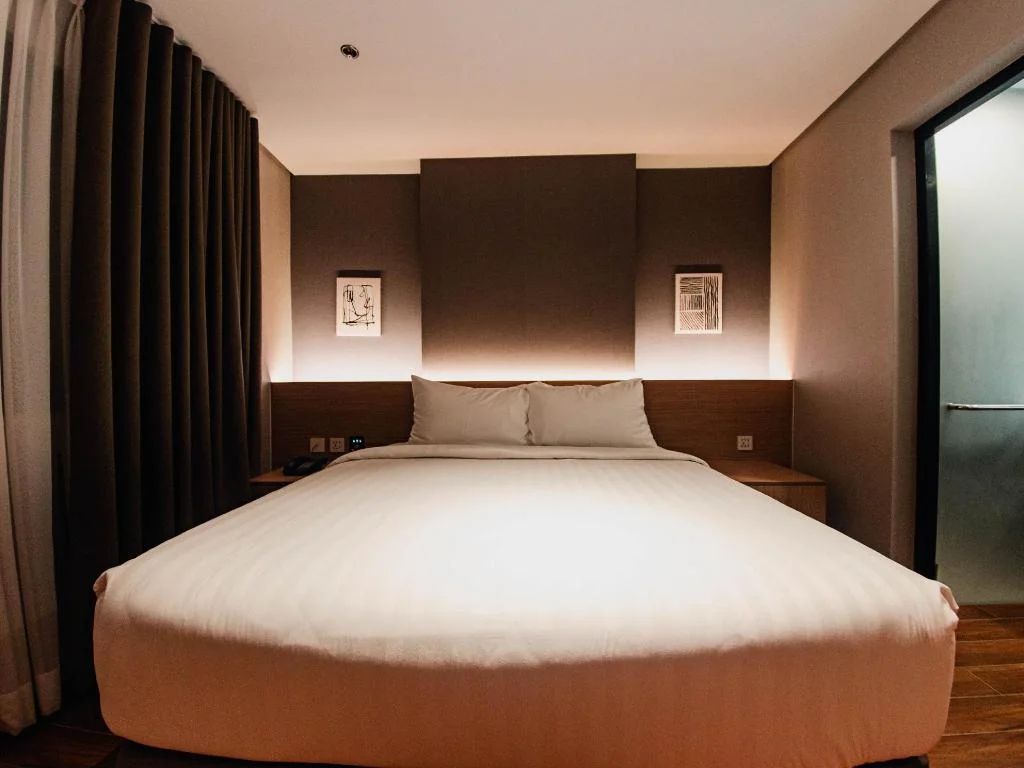
Moonstar Cebu Hotel - Deluxe Room
Before you go
Frequently asked
What are the best offbeat things to do in Cebu that most tourists skip?
Is Carbon Market safe to visit at night?
Can foreigners watch a sabong (cockfight) in Cebu?
How much does a freediving course cost in Moalboal?
What is Gabii sa Kabilin and when does it happen?
Where can you try tuba (coconut wine) in Cebu?
Are the offbeat waterfalls near Moalboal worth visiting instead of Kawasan?
Do you need a guide for these offbeat Cebu experiences?
More Places to Explore
Colon Street
Cebu City
The oldest street in the Philippines, a historic commercial thoroughfare that has been Cebu's trading center since Spanish colonial times.
Carbon Market
Cebu City
Cebu's oldest and largest market (since 1909), offering an authentic local shopping experience with fresh produce, seafood, and traditional goods.
Temple of Leah
Cebu City
A magnificent Roman-inspired temple built as a monument of love, nicknamed 'Cebu's Taj Mahal,' offering stunning architecture and city views.