TL;DR: Moalboal — specifically Panagsama Beach — is one of the more accessible places in Asia to learn to freedive, because a real drop-off starts almost at the shoreline and the resident sardine run sits mostly at 3–15 meters. A half-day taster runs about ₱3,500 (US$60); a full beginner certification (AIDA 2 / Molchanovs Wave 1 / SSI Level 1 / PADI Freediver) runs roughly 2.5–3 days for ₱14,000–21,000 (US$240–370) depending on the school; advanced levels reaching 30+ meters cost more and take longer. Confirm exact pricing and dates directly with the school before booking. Verified July 2026.
If you’ve ever watched a free diver glide down through a school of sardines with no tank, no bubbles, just one breath, and thought I want to try that — Moalboal is where a lot of people in Southeast Asia actually learn. The town sits on Panagsama Beach, where the reef drops off into blue water almost right off the sand, and the Moalboal sardine run — a dense, shifting bait ball that’s there essentially every single day of the year — hovers at depths a first-day student can reach. Add Pescador Island a short boat ride away, with a wall that falls past 50 meters, and you’ve got a training ground that ranges from “absolute beginner” to “serious depth work” within a few hundred meters of each other.
This guide is for anyone curious about a beginner course, a diver wanting to add freediving to an existing scuba certification, or someone who just wants to swim with the sardines properly instead of thrashing at the surface. It covers the certification levels, what schools in Moalboal actually charge, what a course day looks like, and the honest trade-offs.
Freediving Courses in Moalboal at a Glance
| Course / Level | Typical Duration | Typical Price (2026) | Agency |
|---|---|---|---|
| Discovery / Taster | Half day | ₱3,500 (~US$60) | Various (non-certifying) |
| Basic Freediver (1-day intro cert) | 1 day | ₱9,000–11,600 (~US$155–200) | AIDA 1 / SSI Basic |
| Beginner cert (Level 1 / Wave 1 / Freediver) | 2–3 days | ₱14,000–21,500 (~US$240–370) | AIDA 2, Molchanovs Wave 1, SSI Level 1, PADI Freediver |
| Intermediate cert (Level 2 / Wave 2) | 3.5–4 days | ₱21,000–24,500 (~US$365–420) | AIDA 3, SSI Level 2, Molchanovs Wave 2 |
| Advanced cert (Level 3) | 4+ days | ~₱28,700 (~US$495) | SSI Level 3, AIDA 4 |
| Guided fun dive / sardine run session | Half day | ₱1,500–1,900 (~US$26–33) | N/A |
Prices vary by school, season, and group size, and several operators quote in USD directly. Treat these as a planning range, not a locked quote — confirm the exact price and inclusions (certification fee, equipment rental, marine park fee) with the school before you book. Verified July 2026.
What Do You Actually Learn?
You start with breathing and relaxation, not depth. Every reputable course, whatever the agency, opens with classroom theory on the physiology of breath-holding, equalization technique, and safety protocols, followed by a confined-water session — usually a hotel pool or a calm, shallow cove — where you practice static breath-holds and basic technique before anyone lets you near open water.
From there, courses layer in:
- Equalization drills — the single biggest thing that separates comfortable freedivers from people who bail out at 5 meters with ear pain.
- Finning technique and streamlining — how to descend and ascend efficiently so you’re not burning oxygen fighting the water.
- Rescue and safety skills — recognizing and responding to a shallow-water blackout, the main real risk in the sport, plus the “one up, one down” buddy protocol every course drills into you.
- Open-water depth dives on a weighted line, usually off a boat or a fixed buoy near the Panagsama drop-off, progressing a few meters at a time.
Beginner-level certifications (AIDA 2, Molchanovs Wave 1, SSI Level 1, PADI Freediver) generally target depths in the 10–16 meter range along with static and dynamic breath-hold minimums. Push into intermediate and advanced levels and you’re training toward 20, 30, even 40 meters — which is exactly the terrain Pescador Island’s wall and the deeper sections of the Panagsama drop-off are built for.
How Do You Choose Between AIDA, Molchanovs, SSI and PADI?
They teach the same core skills under different federations — pick the school, not the logo. AIDA and Molchanovs are dedicated freediving federations and tend to be the default at specialist freedive schools in Moalboal. SSI and PADI are the larger recreational scuba agencies that also run freediving tracks, which is convenient if you’re already certified with one of them for scuba diving and want everything under a single logbook and app.
None of the four is meaningfully “harder” or more respected than the others for recreational-level certification. What actually matters:
- Instructor-to-student ratio — ask before booking, smaller is better for a skill this dependent on individual coaching.
- Whether the school owns its own boat/line access or has to coordinate with a third party, which affects how much open-water time you actually get.
- Reviews from the last 12 months, not five years ago — schools change hands and instructors move on.
Is the Sardine Run Good for Beginners?
Yes, and it’s a big part of why people choose Moalboal over other freediving destinations. The sardine bait ball sits mostly at 3–15 meters, right off Panagsama Beach, present essentially every day of the year rather than as a seasonal event. Snorkelers already swim through the edges of it. But to actually duck under the school and hang there instead of skimming the surface and gasping back up, even a one-day intro course with basic equalization and a calm descent technique changes the experience completely — most untrained first-timers surface within a few meters, out of breath and startled.
Local guides generally agree: if you can comfortably reach 4–5 meters with a relaxed, controlled descent, the sardine run turns from a spectator activity into something you’re actually inside.
Is the Deep-Water Training Any Good?
Better than most places you’ll find this convenient. The reef in front of Panagsama Beach has a real drop-off close to shore, with divers regularly reaching around 15–21 meters just offshore — no long boat ride required to get to genuine depth. For learners, that means training lines can be set close to the beach; for anyone pushing past intro-level depths, Pescador Island is a short boat trip away with a wall that continues down past 50 meters, giving intermediate and advanced students real depth to work with under supervision.
The Honest Take
Freediving in Moalboal is genuinely well set up — you get a shore-accessible drop-off, a resident sardine run at exactly the depth a beginner can handle, and a serious wall at Pescador for anyone progressing further, all within a few hundred meters to a short boat ride of each other. That combination is rarer than it sounds; a lot of freediving destinations make you choose between “easy training conditions” and “something impressive to actually dive on.”
The trade-offs: pricing across schools is inconsistent and changes often, so treat any number here (including the table above) as a starting estimate, not a quote — get the current price and exact inclusions in writing before you pay a deposit. Watch out for the cheapest “discovery” sessions marketed as if they’re a full certification; they’re a taster, not a card you can use to unlock deeper open-water diving elsewhere. And don’t let anyone talk you into freediving without a trained buddy watching from the surface — shallow-water blackout doesn’t announce itself, which is exactly why every legitimate course spends real time on rescue skills before letting you near depth.
If you’re already comfortable in water and curious, a half-day Discovery session is a low-risk way to find out if you like it before committing to a multi-day certification.
Combine It With the Rest of Moalboal
Pair a freediving course with the rest of what makes Moalboal one of Cebu’s best dive bases — see our Moalboal diving guide for Pescador Island and the turtle sites, or read up on swimming with sea turtles in Moalboal for another shallow, beginner-friendly encounter nearby. If you’re deciding between freediving and getting scuba certified instead, our learn-to-dive open water course guide breaks down that path. For where to stay, eat, and get around while you train, check the Moalboal complete guide. Ready to book? Browse freediving and diving experiences in Cebu on Klook or compare Moalboal accommodation on Agoda.
Sources
- Freediving Planet Moalboal — course pricing and levels
- Kasai Village Dive Academy — SSI freediving course pricing
- PADI Adventures — PADI Freediver course, Cebu
- PhilippineTravels.ph — freediving schools and pricing in Moalboal
- The Midnight Blue Elephant — Moalboal diving depths and drop-off description
- Course levels, prices, and depth ranges cross-checked against multiple school listings; confirm current pricing directly with each operator. Verified July 2026.
Book Tours & Hotels for This Trip
Find and book the best deals — prices and availability update in real time. Links open in a new tab.
Where to stay near Moalboal
Top-rated hotels for this trip — tap through to check live rates.
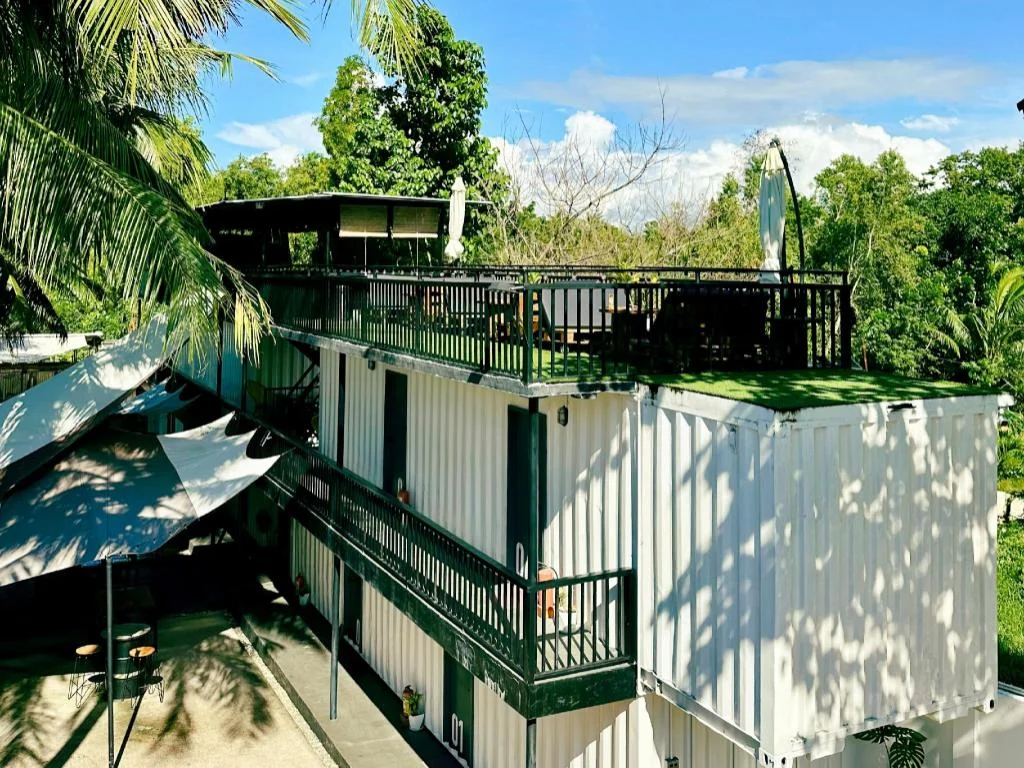
PIG DIVE HOSTEL MOALBOAL
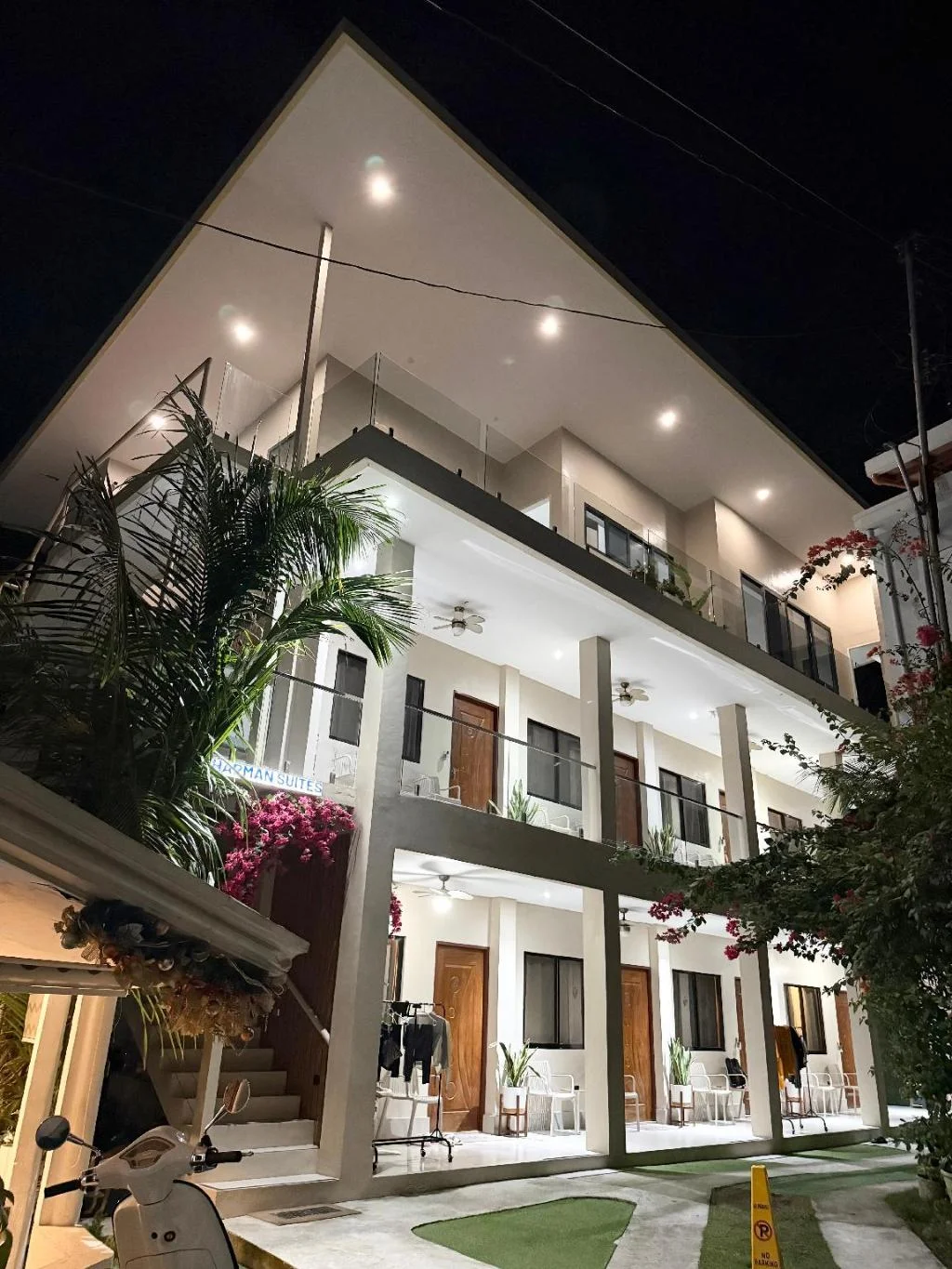
Harman Suites Moalboal
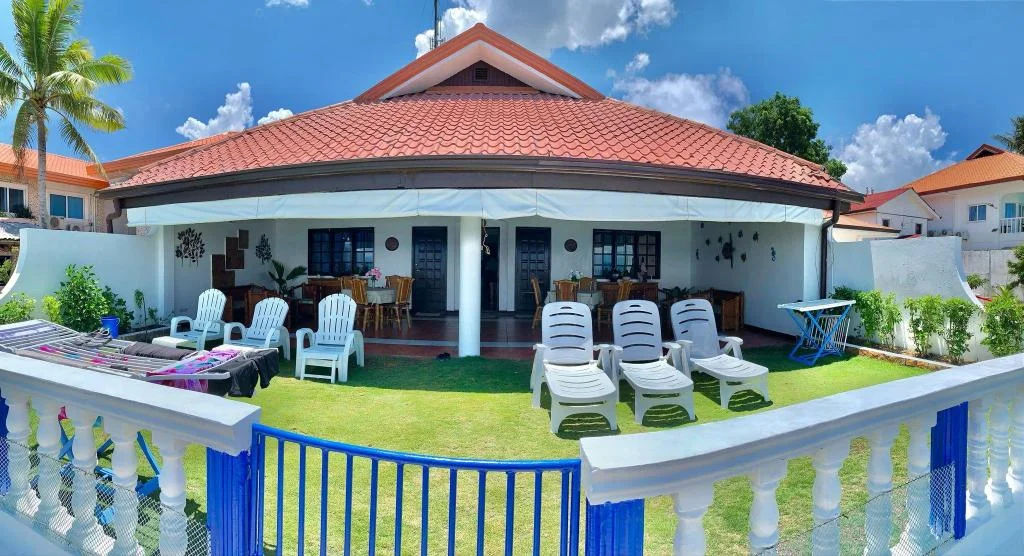
Il Sogno Resort
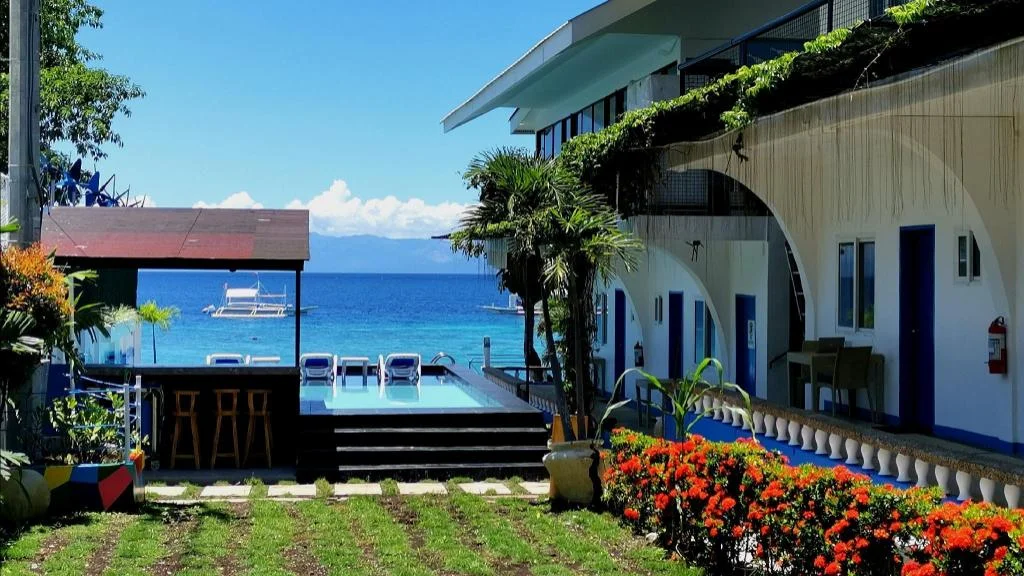
Pescadores Suites Moalboal
Prefer a rental? Vacation rentals near Moalboal
Self-catering condos and apartments — book the exact unit, kitchen included.
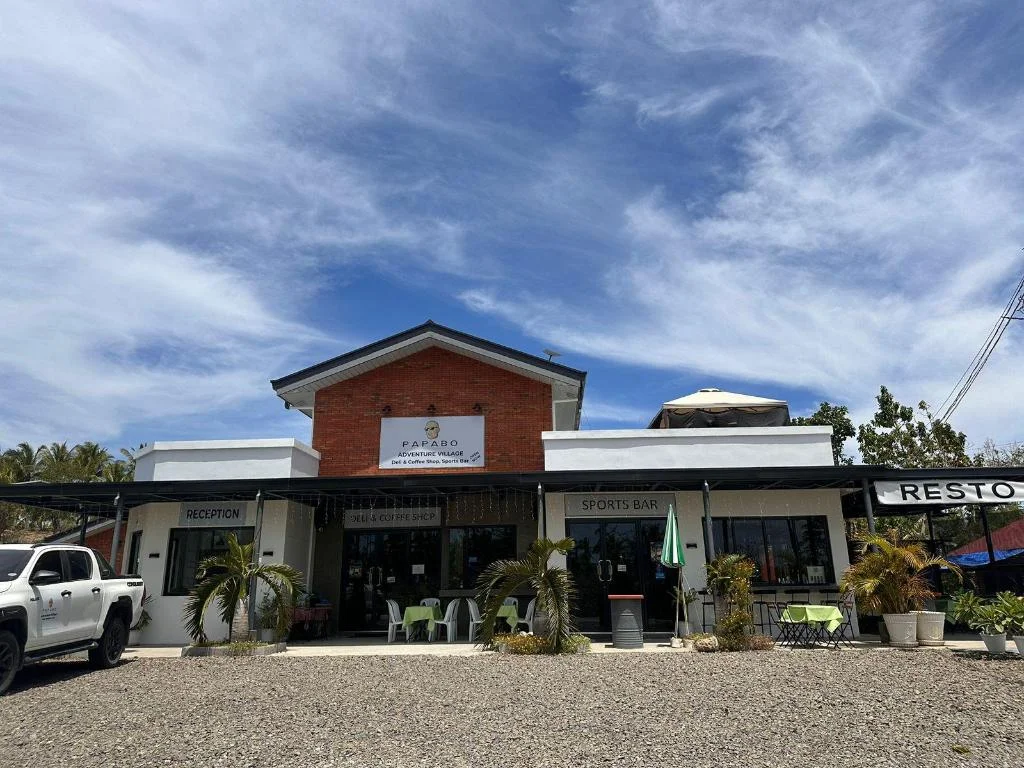
PAPABO Adventure Village
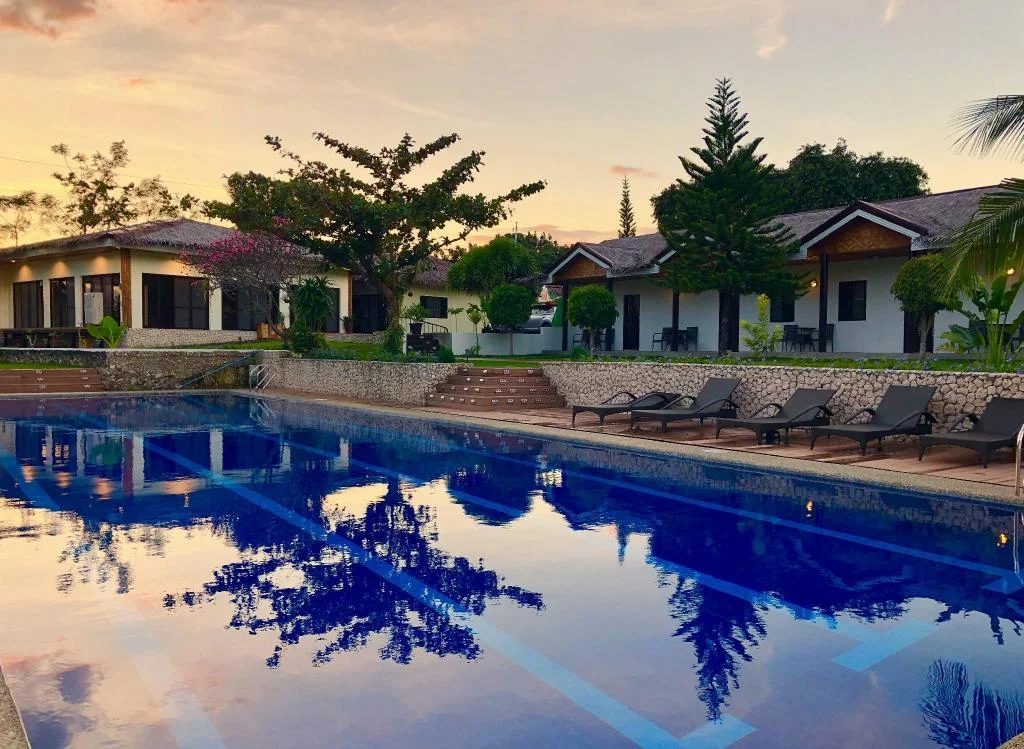
Casa de Moalboal
Althea Appartelle
Before you go
Frequently asked
Do I need to be a strong swimmer to start freediving?
What's the difference between AIDA, Molchanovs, SSI and PADI freediving courses?
Can beginners freedive with the Moalboal sardine run without a course?
How many days does a beginner freediving course take in Moalboal?
What depths will I reach as a beginner?
Is freediving in Moalboal safe?
Where do freediving lessons actually happen — pool, beach, or boat?
Do I need my own mask, fins, and wetsuit?
More Places to Explore
Panagsama Beach
Moalboal
Moalboal's main beach and diving hub, famous for the sardine run and sea turtles just meters from shore.
Moalboal Sardine Run
Moalboal
Swim with millions of sardines in one of the world's only year-round sardine runs, just meters from shore.
Pescador Island
Moalboal
A world-class marine sanctuary featuring The Cathedral underwater cave and exceptional wall diving.