
TL;DR: Yes — foreigners can own a Cebu condo outright under Republic Act 4726, as long as foreign buyers hold under 40% of the project. Land is off-limits. Expect ₱95,000–260,000 per sqm (US$1,500–4,200) in 2026, plus 3.5%–5.5% closing costs. Verify the developer’s DHSUD License to Sell before paying. Verified July 2026.
Prices in Philippine Peso with US dollar equivalents. ₱62 ≈ US$1 (July 2026).
This guide is informational only — not legal or investment advice. Philippine property law has hard edges, and the cost of getting it wrong is measured in millions of pesos. Engage a licensed Philippine real-estate lawyer before signing anything.
If you’ve already worked through whether buying beats renting — our owning vs renting in Cebu guide runs that math — this is the next step: how the purchase itself actually works, what a condo really costs in 2026, and where foreign buyers get burned.
Can a Foreigner Legally Buy a Condo in Cebu?
Yes — a condo unit is the one piece of Philippine real property a foreigner can own outright, in their own name. The legal basis is the Condominium Act (Republic Act 4726, Section 5): units in a condominium project can be sold to foreigners as long as foreign ownership across the entire project — counted by units, saleable floor area, or shares in the condominium corporation — stays under 40%. The other 60% must remain Filipino-held.
Two practical consequences follow. First, the cap is per building, not per buyer — a popular foreigner-heavy tower can be genuinely “sold out” to foreign buyers while Filipino-only units remain. Ask the developer or condo corporation for the project’s current foreign-ownership percentage before you commit to a unit. Second, a sale that would breach the cap is void, and the Registry of Deeds won’t register the transfer without the condo corporation certifying the project is still under quota — so the check happens whether you ask or not. Better to ask early.
What Can’t Foreigners Buy?
Land — full stop. The 1987 Constitution (Article XII, Section 7, per the Official Gazette) reserves land ownership for Filipino citizens and 60%-Filipino corporations. That rules out house-and-lots, raw land, and beachfront lots, no matter your visa, marriage status, or years in the country. Condos are the exception precisely because the condominium corporation, not you, owns the land under the tower.
What about the “99-year lease law” you may have seen in 2025 headlines? Republic Act 12252 — signed September 3, 2025 (full text on LawPhil) — extended the maximum foreign land lease from 75 years (50+25) to a single 99-year term. But read the fine print: it covers registered investment projects (industrial estates, factories, agri ventures, tourism projects with a minimum US$5 million investment), not individuals leasing a lot for a home. Its implementing rules took effect January 4, 2026. At the IRR signing, DTI Secretary Cristina A. Roque framed the intent plainly: “This signing provides the long-term security our investors need and proves that we are serious about creating a more competitive and business-friendly nation” (Board of Investments, December 2025). For an ordinary condo buyer, RA 12252 changes nothing — the 40% condo rule is still your lane.
How Much Does a Cebu Condo Cost in 2026?
Plan on ₱95,000–260,000 per square meter (US$1,500–4,200) depending on the neighborhood, per June 2026 listing data compiled from Dot Property, Lamudi, and BSP price-index figures.
| Area | ₱ per sqm (2026) | ~US$ per sqm |
|---|---|---|
| Cebu Business Park (Ayala) | ₱190,000–260,000 | US$3,100–4,200 |
| Mactan Newtown / Punta Engaño | ₱145,000–260,000 | US$2,300–4,200 |
| IT Park / Apas | ₱155,000–230,000 | US$2,500–3,700 |
| Lahug | ₱140,000–200,000 | US$2,300–3,200 |
| Banilad | ₱130,000–190,000 | US$2,100–3,100 |
| Mabolo | ₱125,000–175,000 | US$2,000–2,800 |
| Guadalupe | ₱95,000–140,000 | US$1,500–2,300 |
Source: BambooRoutes Cebu price-per-sqm report (June 2026), citing Dot Property, Lamudi, and BSP Residential Property Price Index data. Listing prices, not closed sales — negotiate. Verified July 2026.
In unit terms: a 30-sqm IT Park studio lands around ₱4.7–6.9 million (US$75,800–111,300); a 60-sqm two-bedroom in Cebu Business Park can run ₱11.4–15.6 million (US$183,900–251,600). Premium Mactan waterfront units go well beyond that. The hillside areas toward Tops Lookout and Temple of Leah trade square-meter value for views — popular with buyers, but check road access and water supply before falling for the sunset.
What Are the Steps to Buy a Condo in Cebu?
The process runs from due diligence to a Condominium Certificate of Title (CCT) in your name, typically 3–12 months for a ready unit — pre-selling adds the 2–5 year construction wait on top.
| Step | What happens | Typical cost / timeline |
|---|---|---|
| 1. Due diligence | Verify the developer’s DHSUD License to Sell, mother title, and the project’s foreign-ownership percentage | Free — ask for the LTS number and check it with DHSUD |
| 2. Reservation | Reservation agreement locks the unit and price | ₱10,000–50,000 fee |
| 3. Contract to Sell | Notarized contract; down payment begins | 10–30% down (spread monthly on pre-selling); notary ₱500–2,000 |
| 4. Pay the balance | Cash, developer in-house financing, or bank loan | Banks usually require a long-term visa, ACR I-Card, and local income |
| 5. Deed of Absolute Sale + taxes | Sale deed executed; buyer taxes paid at BIR and city hall | DST 1.5%, transfer tax 0.5%–0.75% |
| 6. Title transfer | Registry of Deeds issues the CCT in your name | Roughly 1–3 months; registration fee ~0.25% (tiered) |
Process and figures per Philippine real-estate legal guidance (Respicio & Co., August 2025). Verified July 2026.
You’ll need a Philippine Tax Identification Number (TIN) before the BIR will process your taxes and release the eCAR that lets the title move. Financing is the step foreigners underestimate: most local banks won’t lend to a non-resident, so plan on paying largely in cash or using developer in-house terms with a bigger down payment.
What Taxes and Fees Will You Pay?
Budget an extra 3.5%–5.5% of the price in closing costs — the same schedule Filipinos pay, with no foreigner surcharge.
| Cost item | Typical rate | Notes |
|---|---|---|
| Documentary stamp tax | 1.5% of price or fair market value (higher of the two) | Paid to BIR within days of notarization |
| Local transfer tax | 0.5%–0.75% | Set by the LGU — Cebu City, Mandaue, and Lapu-Lapu each set their own |
| Registration fee | Tiered, roughly 0.25% | Registry of Deeds |
| Notary fee | Often quoted at 1%, commonly negotiated down | Especially on larger transactions |
| VAT | 12% on qualifying developer sales | Units above roughly ₱3.6M (BIR RR 1-2024); usually built into the list price |
Approximate rates as of July 2026 — confirm exact figures with a title lawyer or the local Registry of Deeds before budgeting.
After purchase, plan for annual real property tax (based on assessed value) and monthly association dues, commonly in the ₱50–100 per sqm range for Cebu towers.
What Are the Pitfalls? (The Honest Take)
Pre-selling is where foreign buyers most often get hurt, and the failure modes are boringly predictable. The discount for buying off-plan is real — but so are these:
- No License to Sell yet. Projects are sometimes marketed before DHSUD issues the License to Sell, and LTS approvals in fast-growing Cebu have reportedly taken months even for complete applications. If the answer to “what’s the LTS number?” is “it’s coming soon,” keep any payment small and refundable — your legal protections are weakest at exactly that stage.
- Turnover delays. Presidential Decree 957 lets buyers suspend payments and demand refunds with interest when a developer blows the approved completion timeline — but in practice developers resist, call dates “tentative,” or offer partial credits, and enforcing your rights takes time and a lawyer.
- The foreign quota surprise. Nothing stings like completing a due-diligence marathon only to find the building’s 40% foreign allocation is already full. Confirm it in writing before the reservation fee, not after.
- Buying an “investment” nobody rents. If your plan is rental income, benchmark first — compare what similar Cebu City units actually earn on Agoda and check long-term rates in our long-term condo rental guide before believing a sales brochure’s yield projection.
The boring, safe playbook: buy ready-for-occupancy or near-completed units from established developers (Ayala Land, Megaworld, Robinsons Land, Filinvest, Cebu Landmasters), verify the LTS and title independently, and have a lawyer read the contract before any signature.
Should You Buy Now or Rent First?
If you haven’t lived in Cebu for at least a year, rent first. The rent-vs-buy math — breakeven horizons, rental yields, financing reality — is covered in depth in our owning vs renting guide, and the short version is that buying only pencils out on a five-year-plus horizon. A year of renting also teaches you which neighborhood actually fits your life before you commit millions of pesos to one. If you’re weighing the move as a retiree, the SRRV retirement visa guide covers the visa side, and our cost of living guide sanity-checks the monthly budget. For a testing-the-waters base while you tour buildings, month-to-month serviced stays in Cebu City on Agoda beat signing a year lease.
Final Word
The rules are clearer than the forums make them sound: condo yes (under the 40% cap), land never, leases long but investor-oriented. Real 2026 money looks like ₱95,000–260,000 per sqm plus 3.5%–5.5% closing costs, paid mostly in cash unless you have local income and a long-term visa. Verify the License to Sell, confirm the foreign quota in writing, and put a Philippine real-estate lawyer between you and every signature — this guide gets you to that meeting informed, not around it.
Sources
- Republic Act 4726 — The Condominium Act, full text (Section 5, foreign ownership cap)
- 1987 Constitution, Article XII — Official Gazette (Section 7, land ownership restriction)
- Republic Act 12252 (2025) — 99-year investors’ lease, full text
- Board of Investments — RA 12252 IRR signing, December 2025
- BambooRoutes — Cebu price per sqm report, June 2026 (area price table)
- Respicio & Co. — Buying a Condominium in the Philippines: Step-by-Step Legal Process and Fees, August 2025
- DHSUD — License to Sell requirements (PD 957); Ziggurat Real Estate on LTS approval delays
Informational only — not legal, tax, or investment advice. Confirm your situation with a licensed Philippine real-estate lawyer and accountant. Verified July 2026.
Book Tours & Hotels for This Trip
Find and book the best deals — prices and availability update in real time. Links open in a new tab.
Where to stay near Cebu City
Top-rated hotels for this trip — tap through to check live rates.
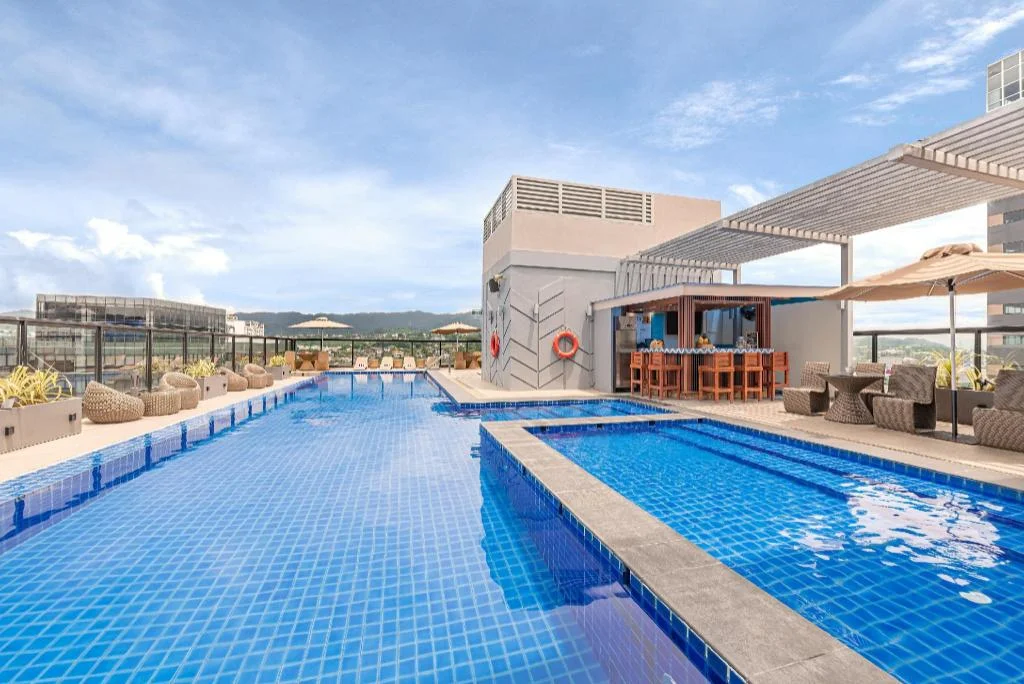
Seda Central Bloc Cebu City
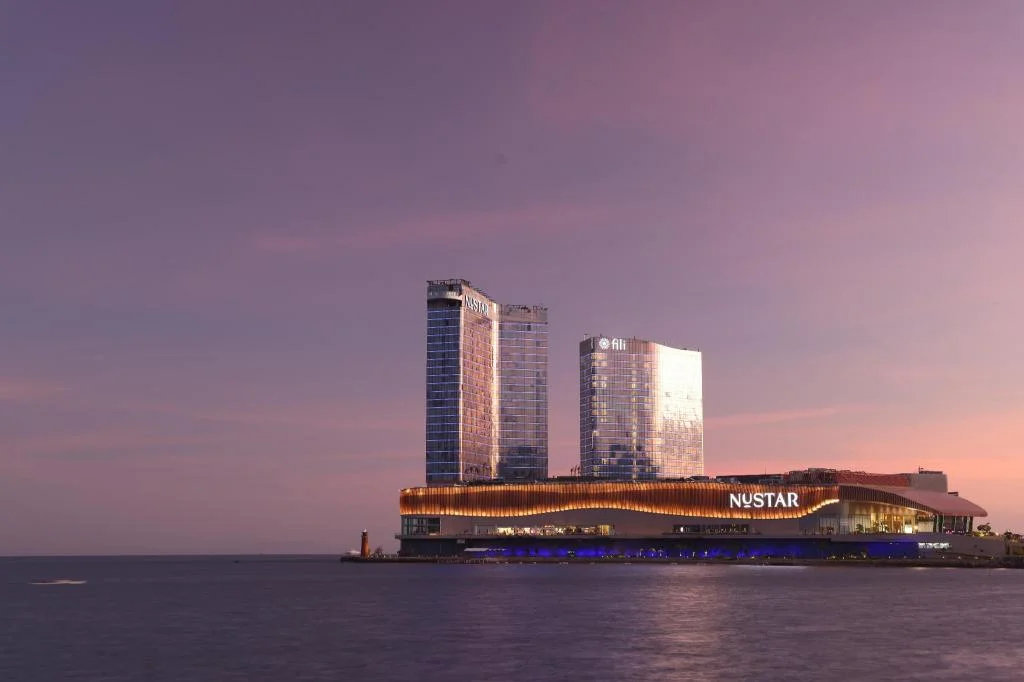
Fili Hotel - NUSTAR Resort & Casino Cebu
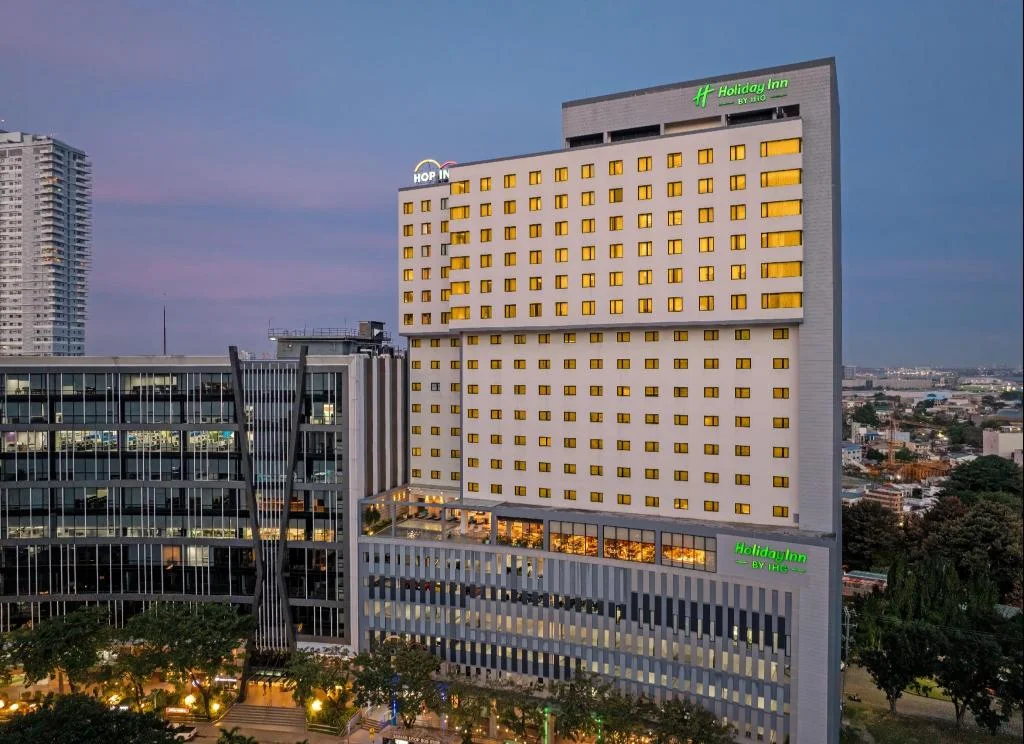
Holiday Inn Cebu City By IHG
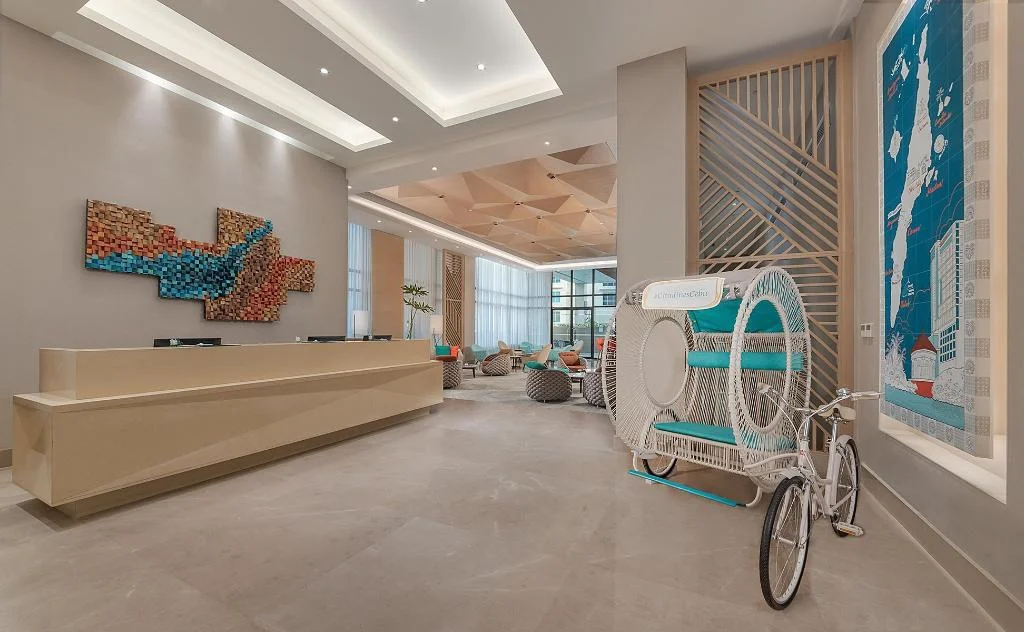
Citadines Cebu City
Prefer a rental? Vacation rentals near Cebu City
Self-catering condos and apartments — book the exact unit, kitchen included.
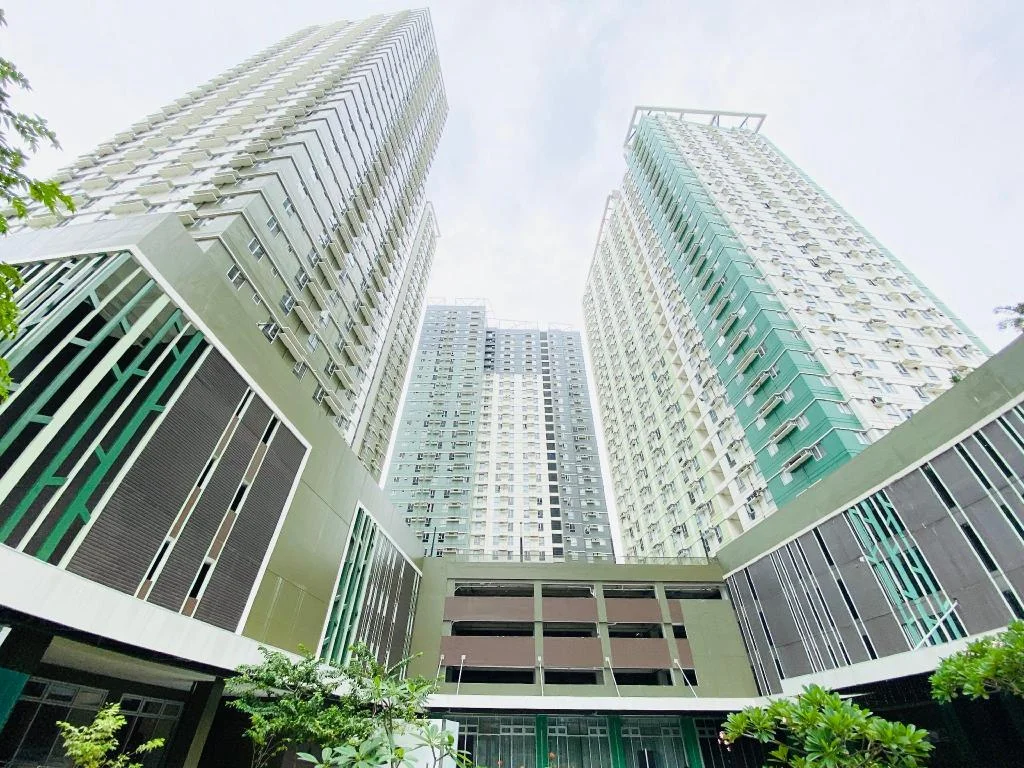
Cebu Avida Riala by P&J
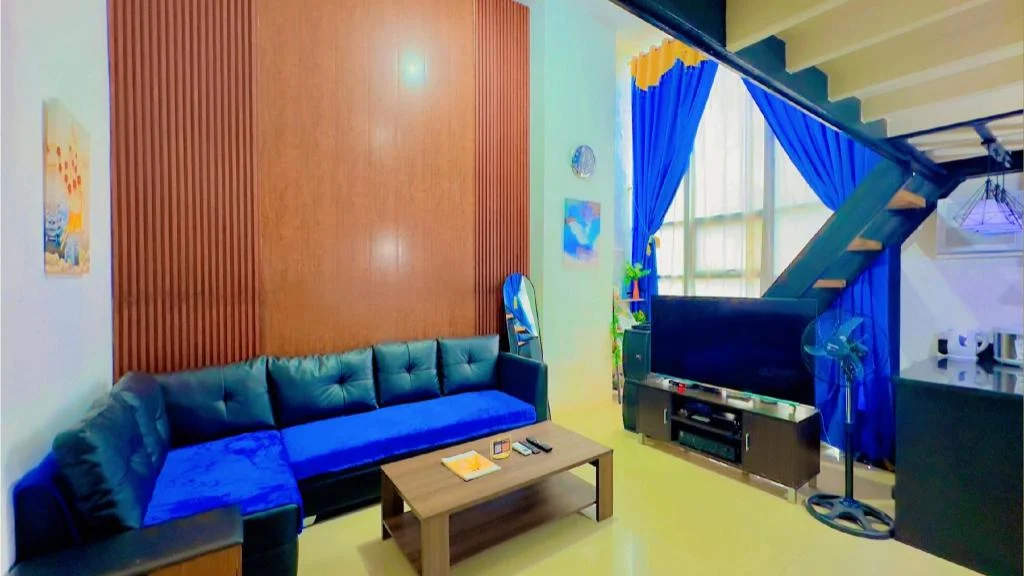
Special Big Loft Unit w/Fibreop Internet & Netflix
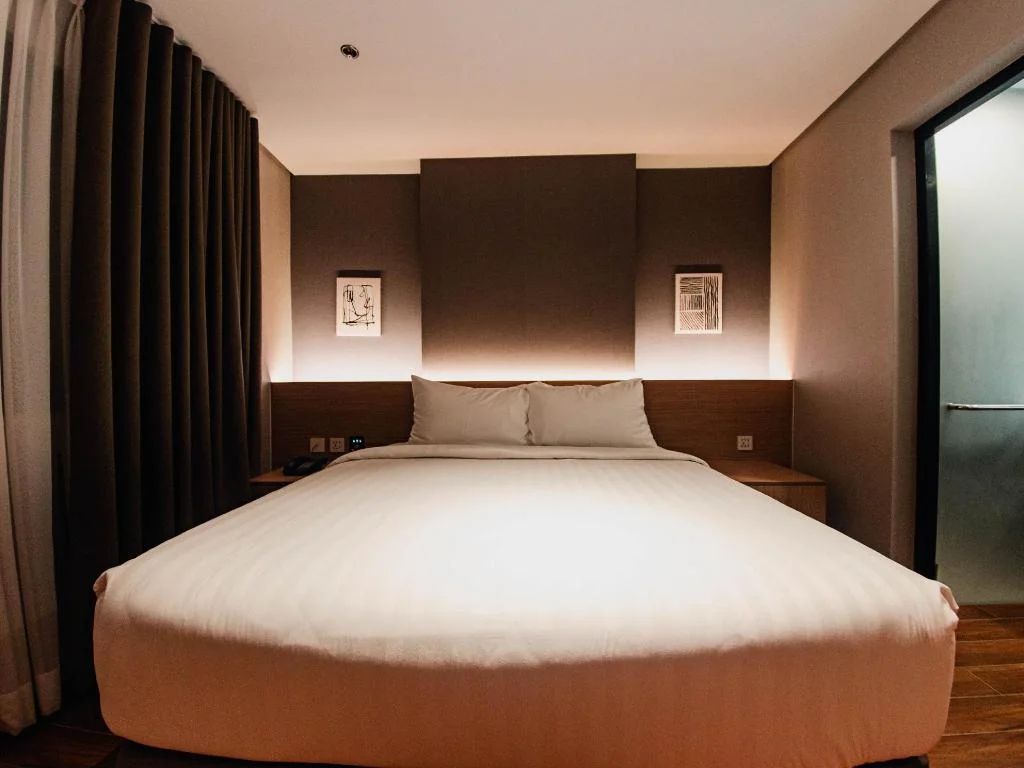
Moonstar Cebu Hotel - Deluxe Room
Before you go
Frequently asked
Can a foreigner buy a condo in Cebu?
Can a foreigner buy a house and lot in Cebu?
How much does a condo in Cebu cost in 2026?
What taxes and fees do you pay when buying a condo in the Philippines?
What is the 99-year lease law (RA 12252) and does it help condo buyers?
Is buying a pre-selling condo in Cebu safe?
Do I need a lawyer to buy a condo in Cebu?
More Places to Explore
Temple of Leah
Cebu City
A magnificent Roman-inspired temple built as a monument of love, nicknamed 'Cebu's Taj Mahal,' offering stunning architecture and city views.
Tops Lookout
Cebu City
Cebu City's premier hilltop viewpoint offering stunning panoramic views of the city, especially spectacular at sunset and nighttime.