
TL;DR: Cebu addresses run on barangay, sitio or purok, and landmarks, not a numbered street grid, so “near the yellow gate past the basketball court” is often more useful than any formal address. Cebu City alone has 80 barangays; ZIP codes are 6000 (Cebu City), 6014 (Mandaue), 6015 (Lapu-Lapu/Mactan), and 6045 (Talisay). For Grab, delivery, or meeting anyone, drop a map pin and add one landmark sentence — don’t rely on typing an address. A barangay clearance (bring ID + proof of residency, usually under ₱100/US$2, confirm locally) is the one document tied to your barangay you’ll likely need eventually. Verified July 2026.
If you’re used to a house number, street name, city, and postal code doing all the work, Cebu’s addressing will feel loose at first — and then, once it clicks, genuinely more efficient for how people actually get around here. This guide breaks down the layers of a Philippine address (barangay, sitio, purok), why landmarks do more work than street numbers, how to find your ZIP code, what a barangay clearance is for, and how to actually get a rider or delivery driver to your door. It’s aimed at anyone settling in for a while — expats, long-stay visitors, or first-time balikbayan — rather than a one-week beach trip, though even short-term visitors booking a place through Temple of Leah or Tops Lookout territory will run into barangay-based directions.
How Does a Philippine Address Actually Work?
A full address stacks from smallest to largest: house/lot number (if there is one) → street or sitio/purok → barangay → city or municipality → province → ZIP code. The barangay is the load-bearing part — it’s the actual unit of local government, with its own elected captain, council, and hall, and it’s what most services (mail routing, barangay clearance, local permits, even some utility hookups) are organized around.
| Address element | What it is | Example |
|---|---|---|
| House/Lot/Blk number | Physical unit marker, common in subdivisions and condos, less common in older or rural barangays | Lot 4, Blk 12 |
| Street name | Present in subdivisions and city grids; often absent or unofficial elsewhere | Gorordo Avenue |
| Sitio / Purok | Informal sub-area within a barangay — a rural cluster (sitio) or a numbered zone (purok) | Purok 3, Sitio Kamansi |
| Barangay | The actual government unit — has its own captain, council, and hall | Barangay Lahug |
| City/Municipality | Cebu City, Mandaue City, Lapu-Lapu City, Talisay City, etc. | Cebu City |
| ZIP code | Postal code tied to the city/municipality | 6000 |
ZIP codes and barangay counts sourced from PSA/PSGC city profiles. Verified July 2026.
Not every home has a house number or an official street name, and that’s normal rather than a gap in the system. Newer subdivisions and condo buildings do use conventional numbering; older neighborhoods and hillside or rural barangays were built around footpaths and family compounds, so directions default to landmarks instead.
What’s the Difference Between Barangay, Sitio, and Purok?
A barangay is a formal government unit; a sitio or purok is an informal subdivision inside one, and the two terms aren’t standardized nationwide. A barangay has an elected captain (punong barangay), a council, and a hall that issues clearances and handles local disputes — it’s the Philippines’ smallest formal LGU. Within a barangay, a purok is usually a numbered zone of roughly 20–50 households, more common in denser, urbanized barangays. A sitio describes a similar cluster but tends to be a more scattered, rural hamlet, sometimes a fair distance from the barangay’s center — it isn’t an officially mapped unit, and its boundaries are informal. In practice the two terms overlap depending on the region, and you’ll see addresses use either one interchangeably.
Cebu City alone has 80 barangays; Mandaue City has 27, Lapu-Lapu City (Mactan) has 30, and Talisay City has 22. That’s why “I live in Cebu City” tells a delivery rider almost nothing — the barangay name is what actually narrows it down.
Why Do Directions Rely on Landmarks Instead of Street Numbers?
Because for most of Cebu’s history, growth followed footpaths, family compounds, and local markets rather than a planned street grid, so a landmark has always been faster to communicate than a number nobody’s indexed. Even where street names exist, they’re often not signed, or locals simply don’t use them day to day. “Turn left after the Mercury Drug, then it’s the blue gate past the basketball court” gets a jeepney driver, a rider, or a visiting relative to your door faster than a technically correct address a map app has never fully mapped.
This is also why moving to Cebu means re-learning how to give directions: lead with the barangay, then the nearest well-known landmark (a school, a church, a sari-sari store, a covered court), then the specific detail (gate color, house number if there is one, floor and unit for condos).
How Do You Find Your ZIP Code in Cebu?
Cebu City is 6000, Mandaue City is 6014, Lapu-Lapu City is 6015, and Talisay City is 6045 — the wider province spans roughly 6000–6053 across its towns. ZIP codes in the Philippines are assigned by city or municipality (and sometimes further by specific post office or barangay in bigger cities), not by individual street the way US ZIP+4 codes work. For everyday use — online shopping, courier forms, government paperwork — the city-level code is normally all you need; your landlord, building admin, or barangay hall can confirm anything more specific.
How Do You Send Your Exact Location to a Grab Driver or Delivery Rider?
Drop a pin in the app instead of typing an address, then send one short message with a landmark, gate name, and what you’re wearing or holding if it’s crowded. This is the single most useful habit for getting around Cebu without a formal address:
- Share your live location pin in Grab, Lalamove, J&T, or Foodpanda rather than trusting the autofill address field — it’s frequently wrong or missing for smaller streets and rural barangays.
- Follow up with one landmark sentence: “Beside the yellow sari-sari store, gate on the left” beats “123 Sample Street” if that street isn’t in the rider’s mental map.
- Note the side of the road and nearest cross-point for one-way streets and gated subdivisions, since riders often approach from only one direction.
- Confirm by phone call for anything unusual — riders will call if the pin looks off, and clearing it up in one call is faster than three text messages back and forth.
Apps like what3words exist and technically work anywhere in the world, but adoption hasn’t caught on with Cebu riders or delivery staff — it’s a handy personal note-to-self for marking a spot, not something to hand over instead of a pin.
What Is a Barangay Clearance and Do You Need One?
A barangay clearance is a certificate from your local barangay hall confirming you’re a resident in good standing with no pending local complaints — commonly required for jobs, bank accounts, and some government transactions, not for day-to-day life. To get one, go to the barangay hall covering your home address (not a random one — it has to match where you actually live), bring a valid ID and some proof of residency (a lease, a utility bill, or your landlord’s confirmation), fill out a short form, and pay a small fee — commonly under ₱100 (roughly US$2), though this varies by barangay and can change, so confirm locally. It’s a different document from a barangay certificate of residency, which just confirms you live there without vouching for your conduct.
For renting an apartment, most landlords in Cebu only ask for ID and proof of income or employment, not a barangay clearance — see our guide on finding an apartment in Cebu for what actually gets checked. The clearance tends to come up later, once you need it for a job application or another piece of paperwork tied to your address.
The Honest Take
This system is confusing for exactly as long as it takes you to stop expecting a Western grid. Once you accept that the barangay name matters more than any street number, that a landmark beats a formal address nine times out of ten, and that a pin drop plus one sentence solves 90% of “how do I get you my location” problems, Cebu stops feeling under-addressed and starts feeling landmark-efficient. The one place it genuinely bites is paperwork: banks, government offices, and some deliveries still expect a written address with a barangay, sitio/purok, and ZIP code all correctly filled in, so it’s worth learning your own address’s full stack early rather than guessing at it on a form under pressure. If in doubt, ask your landlord or barangay hall directly — locals sort this out for newcomers constantly and won’t think it’s a strange question.
Getting Around With All This
Once you know your barangay and have a habit of dropping pins instead of typing addresses, the rest of daily logistics in Cebu gets much easier — see our guide on getting around Cebu for jeepneys, Grab, and taxis, and understanding Filipino time and local pace for how that same landmark-and-relationship logic shows up elsewhere in daily life. If you’re setting up a household, utilities, bills, electricity, water, and internet walks through the accounts that will actually ask for your full barangay address on a form.
Planning a longer stay? Compare condos and apartments for rent in Cebu while you’re getting your bearings on the barangay map — flexible monthly stays are an easy way to test a neighborhood before committing to a lease.
Sources
- PSA — Philippine Standard Geographic Code (PSGC), barangays (Cebu City barangay count)
- PSA — PSGC Talisay City barangays
- PhilAtlas — Mandaue City profile
- Wikipedia — Purok and OpenStreetMap Wiki — Philippines/Addressing
- ZIP code references cross-checked across multiple current postal-code directories for Cebu City (6000), Mandaue (6014), Lapu-Lapu (6015), and Talisay (6045). Verified July 2026.
Book Tours & Hotels for This Trip
Find and book the best deals — prices and availability update in real time. Links open in a new tab.
Where to stay near Cebu City
Top-rated hotels for this trip — tap through to check live rates.
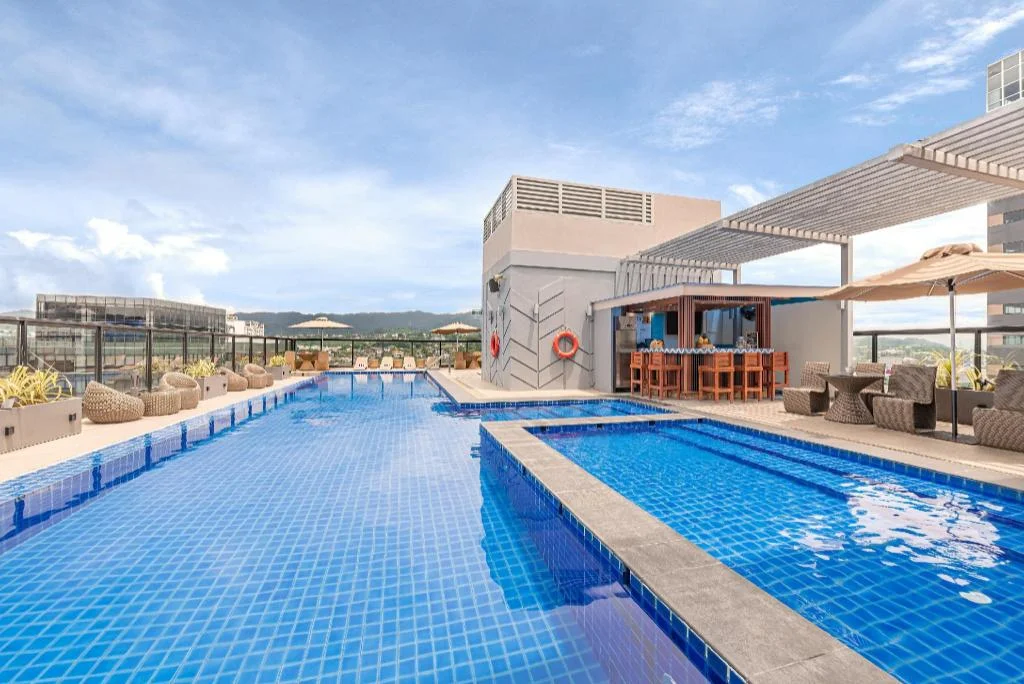
Seda Central Bloc Cebu City
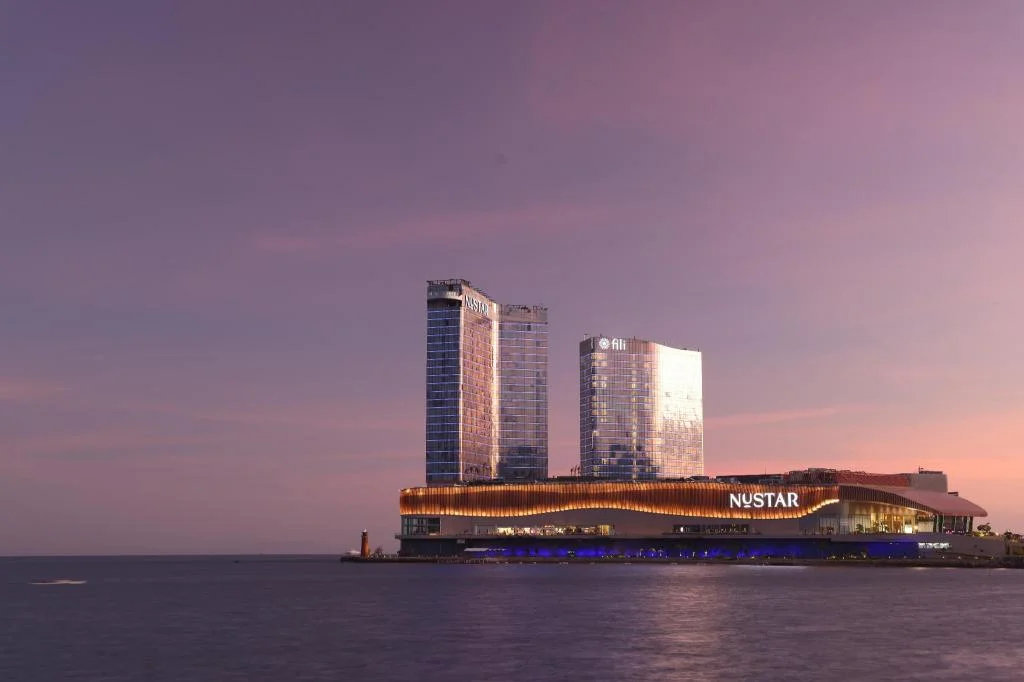
Fili Hotel - NUSTAR Resort & Casino Cebu
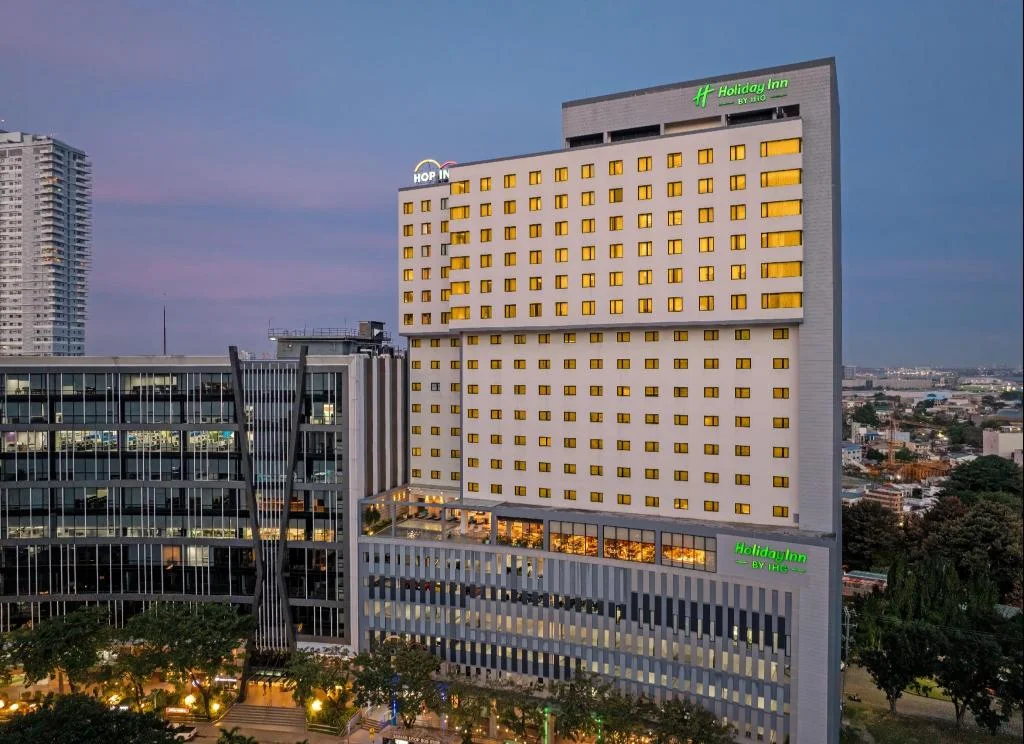
Holiday Inn Cebu City By IHG
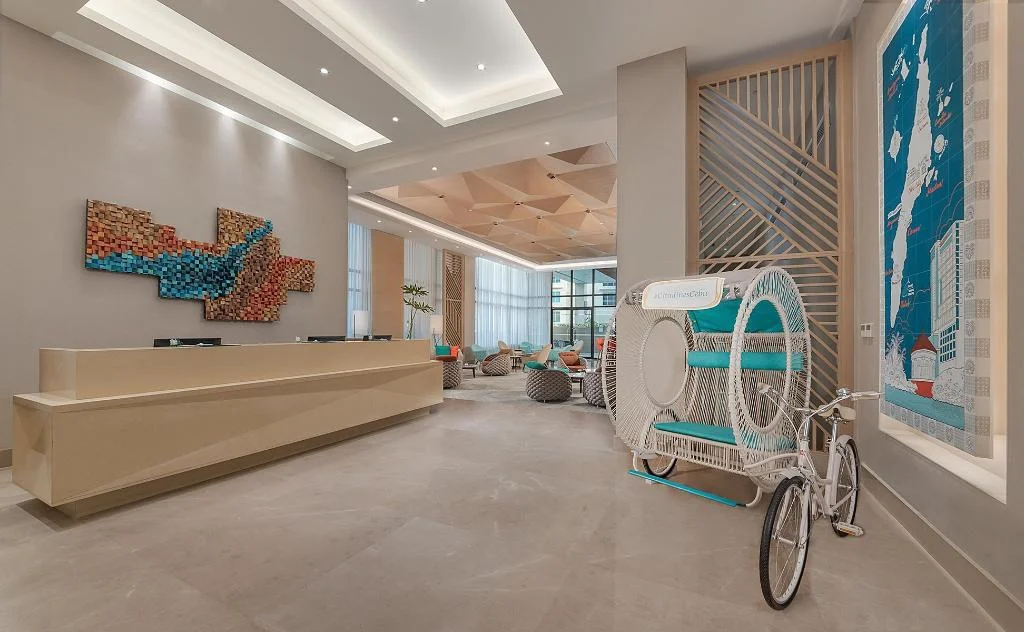
Citadines Cebu City
Prefer a rental? Vacation rentals near Cebu City
Self-catering condos and apartments — book the exact unit, kitchen included.
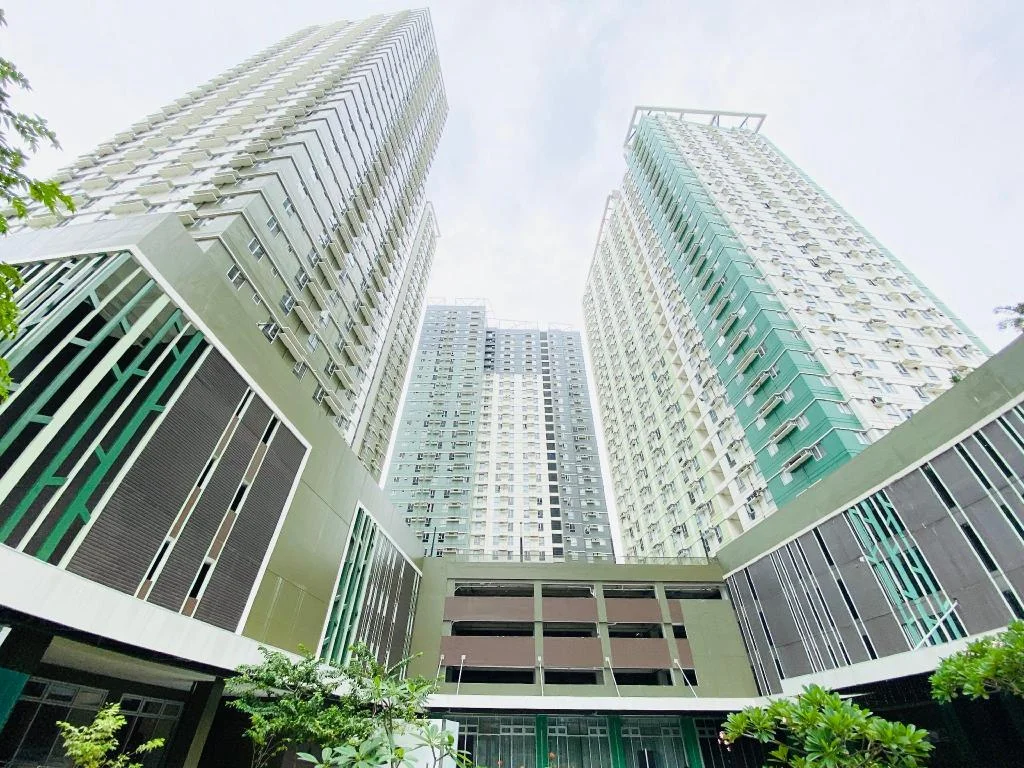
Cebu Avida Riala by P&J
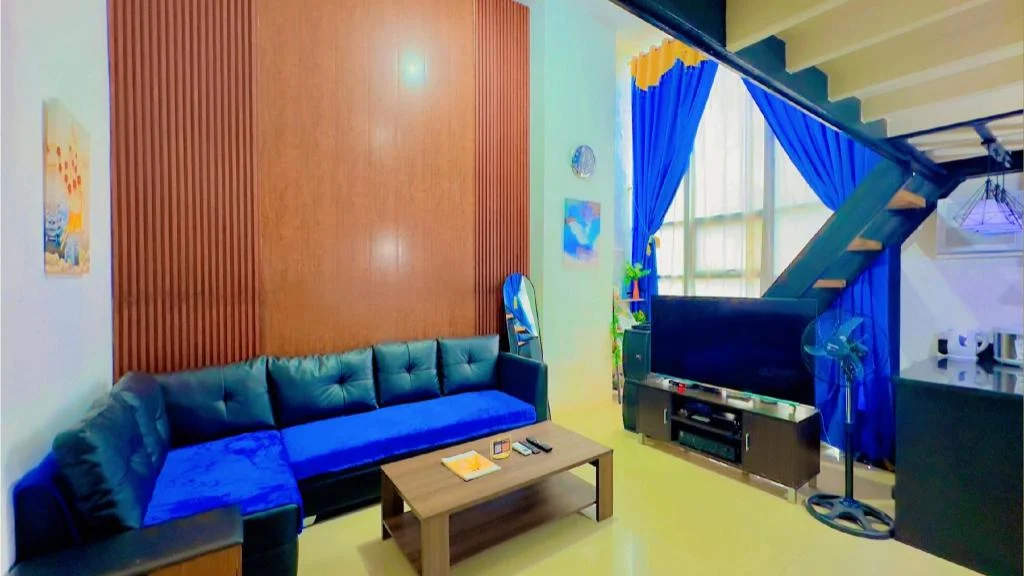
Special Big Loft Unit w/Fibreop Internet & Netflix
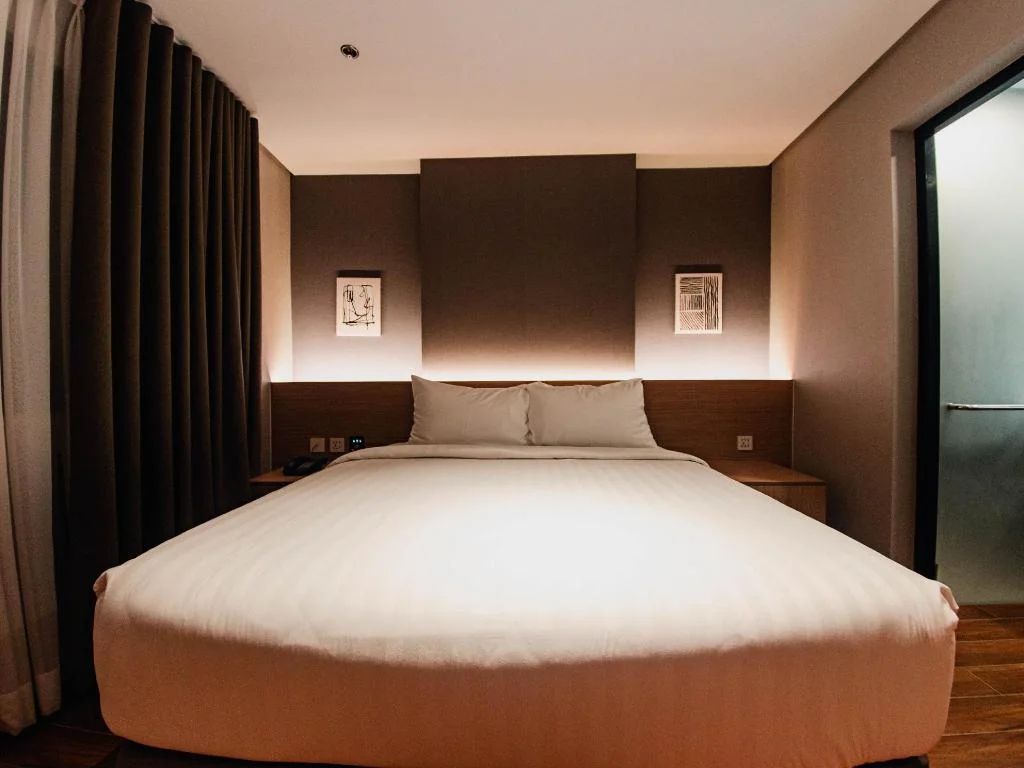
Moonstar Cebu Hotel - Deluxe Room
Before you go
Frequently asked
Why don't Cebu addresses have street numbers like Western cities?
What's the difference between a barangay, a sitio, and a purok?
How do I find my barangay in Cebu City?
What ZIP code do I use in Cebu?
How do I get a barangay clearance and why would I need one?
How do I send my exact location to a Grab driver or delivery rider without a formal address?
Can I use what3words in Cebu?
Do I need a barangay clearance to sign a lease or rent an apartment in Cebu?
More Places to Explore
Temple of Leah
Cebu City
A magnificent Roman-inspired temple built as a monument of love, nicknamed 'Cebu's Taj Mahal,' offering stunning architecture and city views.
Tops Lookout
Cebu City
Cebu City's premier hilltop viewpoint offering stunning panoramic views of the city, especially spectacular at sunset and nighttime.