
TL;DR: “Filipino time” is real but narrower than most visitors assume — it covers casual social plans (parties, family meetups, “let’s hang out at 3”), not anything with a paying customer or a schedule. Tours, ferries, flights, and Klook bookings in Cebu leave on time, full stop. The actual delay you’ll hit most is Metro Cebu traffic, especially 7-9 AM and 5-7 PM, which can turn a 20-minute trip into over an hour. Build in 30-45 minutes of buffer for anything social, show up on the dot for anything booked, and bring patience (not frustration) to government offices and banks. Verified July 2026.
If you’ve spent more than a few days in Cebu City, you’ve probably already heard someone joke about “Filipino time” — a friend arriving 40 minutes after the agreed hour, a fiesta that was supposed to start at noon and gets going closer to 2. It’s one of the first culture-shock moments visitors and new expats mention, and it trips people up in both directions: some assume nothing in the Philippines ever starts on schedule (wrong, and it can cost you a missed boat), others get genuinely annoyed by it (also missing the point). This guide is for anyone trying to actually understand the local relationship with time, when it’s real, when it isn’t, and how to plan a trip or a life here without either white-knuckling every appointment or missing your ferry.
What Is “Filipino Time,” Really?
“Filipino time” is the culturally accepted habit of running 15 to 30 minutes (sometimes more) late to social commitments, without it being read as disrespectful. It’s not a myth and not an insult — Filipinos use the phrase about themselves, often self-deprecating and affectionate rather than critical. The habit traces back generations, through a culture that has historically treated relationships and the present conversation as more important than a rigid clock, and it shows up most clearly in Cebu at house parties, family gatherings, fiestas, and loosely-arranged “let’s hang out” plans.
It is not, however, a universal excuse for chronic lateness in every context. Filipinos who run late to a barkada dinner will still show up to a job interview or a client pitch on time. The skill for a visitor is learning which category a given plan falls into.
Where Filipino Time Actually Applies
| Situation | Does “Filipino time” apply? | What to expect |
|---|---|---|
| House party, birthday, fiesta | Yes | Arriving 15-30+ min after the stated time is normal and even expected |
| Casual “let’s meet up” with a friend | Yes | Build in a 30-45 min buffer before you worry |
| Business meeting, client pitch | Mostly no | Increasingly punctual, especially with foreign partners; some flex from senior locals |
| Restaurant reservation | No, for you | Show up on time; a booked table doesn’t wait either way |
| Klook/GetYourGuide tour, island hopping, canyoneering | No | Departs on the operator’s schedule, with or without latecomers |
| Ferries (OceanJet, 2Go) and flights | No | Standard transport-schedule punctuality |
| Whale shark watching in Oslob | No — arrive early | Sessions start 6:00 AM sharp; many travelers queue by 5:00 AM |
| Government offices (Bureau of Immigration, banks) | No, but bring patience | On-time opening, long processing queues once inside |
Verified July 2026.
Why Does This Happen? Culture, Not Laziness
The honest answer is two real, practical factors plus one genuine cultural value, and visitors usually only hear about the third.
Traffic is the biggest single cause of real lateness in Metro Cebu. Rush hour runs roughly 7:00-9:00 AM and 5:00-7:00 PM, and congestion around Osmeña Boulevard, Colon Street, Escario Street, the Carbon Market area, and the Mandaue-Mactan corridor can turn a normally 20-minute drive into well over an hour. A local telling you “on my way” at 5:30 for a 6:00 dinner isn’t being flaky — they might genuinely be stuck.
The second factor is relational culture. Filipino social life runs on pakikisama (smooth, harmonious relationships) and a general instinct to prioritize the person or conversation directly in front of you over a scheduled next thing. If a family matriarch is finishing a story when it’s technically time to leave for the next event, cutting her off to be punctual would feel more disrespectful than arriving late somewhere else.
The historical layer is real but overstated. You’ll read that “Filipino time” dates to the Spanish colonial period; whatever the origin, the modern habit is sustained by the traffic and relational factors above far more than by any historical hangover, and the Philippine government has run public campaigns (National Consciousness Month for Punctuality and Civility, every November) specifically because the tendency is widely recognized as a real, present-day national quirk.
How Should You Adjust as a Visitor?
Match your own behavior to whichever category the plan falls into, rather than applying one rule to everything.
- For social plans, relax. If a Cebuano friend says “let’s meet at the mall at 2,” treat 2:15-2:30 as the realistic window, both for them and for you — showing up dead-on-time to someone’s house before they’re ready can be its own minor awkwardness.
- For anything paid or scheduled, be early. Tours, boats, and flights in Cebu run on operator time, not social time, and nobody holds a departure for a latecomer. Add extra margin around known traffic windows: if your Klook pickup is at 7 AM from a hotel near Tops Lookout or downtown, account for the morning rush before you even leave.
- For business or formal meetings, show up on time yourself. Expect your Filipino counterpart might run a few minutes behind, especially if they’re more senior, and don’t read it as a slight. Meetings commonly open with small talk before getting to business — that’s relationship-building, not stalling.
- For government offices and banks, arrive at opening time, bring every requirement printed out, wear collared clothing and closed shoes (some offices in the Philippines turn away visitors in shorts or slippers), and bring cash since many counters don’t accept cards. Queues can be long regardless of how early the office opens; that’s a processing-volume problem, not a punctuality one.
Is Cebu Traffic Really That Bad?
Yes, and it’s the main practical reason plans slip. Cebu City has seen tens of thousands of new private vehicle registrations in recent years, and road capacity hasn’t kept pace — a proposed Cebu Bus Rapid Transit line has faced repeated delays, with its first short segment still not fully operational as of mid-2026. In practice this means the worst congestion clusters around the 7-9 AM and 5-7 PM windows, and around bottlenecks like the Mandaue-Mactan bridges, Osmeña Boulevard, and Colon Street. If a local tells you to leave “before 4” for a 6 PM commitment across town, take that seriously; it’s traffic math, not exaggeration.
The Honest Take
“Filipino time” gets used two ways by outsiders, and both miss something. Visitors who treat it as a blanket rule end up genuinely late for a whale shark tour that leaves without them, or miss a ferry because they assumed “it’ll wait.” Visitors who get irritated by it entirely miss that the same country runs its transport network, its tours, and its formal business dealings with normal, sometimes strict, punctuality — the flexibility is specifically reserved for the social and relational sphere, where showing up dead on time can occasionally be more socially awkward than showing up fifteen minutes late.
The version worth adopting: build slack into your own social plans without anxiety, but never gamble that slack on anything with a paying operator, a fixed departure, or a government deadline attached. Locals themselves draw this same line; the mistake is assuming it doesn’t exist.
Bringing It All Together
Understanding the local pace makes the rest of a Cebu trip easier, not harder — you stop stressing over a friend running twenty minutes late to lunch and instead reserve that vigilance for the 6 AM whale shark queue in Oslob or your ferry to Bantayan. For the broader unwritten social rules around greetings, dress codes, and everyday manners, see our guide to Cebu local etiquette and customs, and if the adjustment period is hitting you harder than expected, our piece on culture shock in Cebu and how to adjust covers the wider picture. Once you’ve got the rhythm down, book your tours and transfers through Klook with confidence that the departure time printed on your voucher is the one that actually matters.
Sources
- Talkpal — How do you explain “Filipino Time” to a foreigner?
- Study English Direct — What Is ‘Filipino Time’? Understanding Punctuality in the Philippines
- National Today — National Consciousness Month for Punctuality and Civility
- World Business Culture — Filipino Meetings
- Sun.Star Cebu — Cebu’s traffic and Cebu Bus Rapid Transit delays
- Oslob whale shark session timing verified against current operator and traveler reporting. Verified July 2026.
Book Tours & Hotels for This Trip
Find and book the best deals — prices and availability update in real time. Links open in a new tab.
Where to stay near Cebu City
Top-rated hotels for this trip — tap through to check live rates.
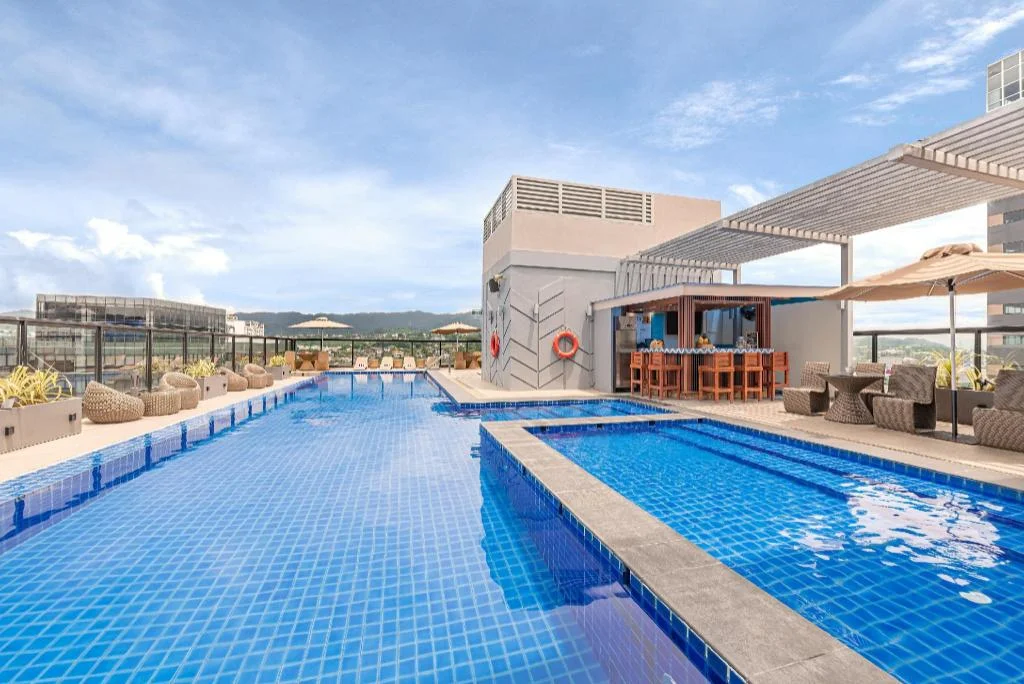
Seda Central Bloc Cebu City
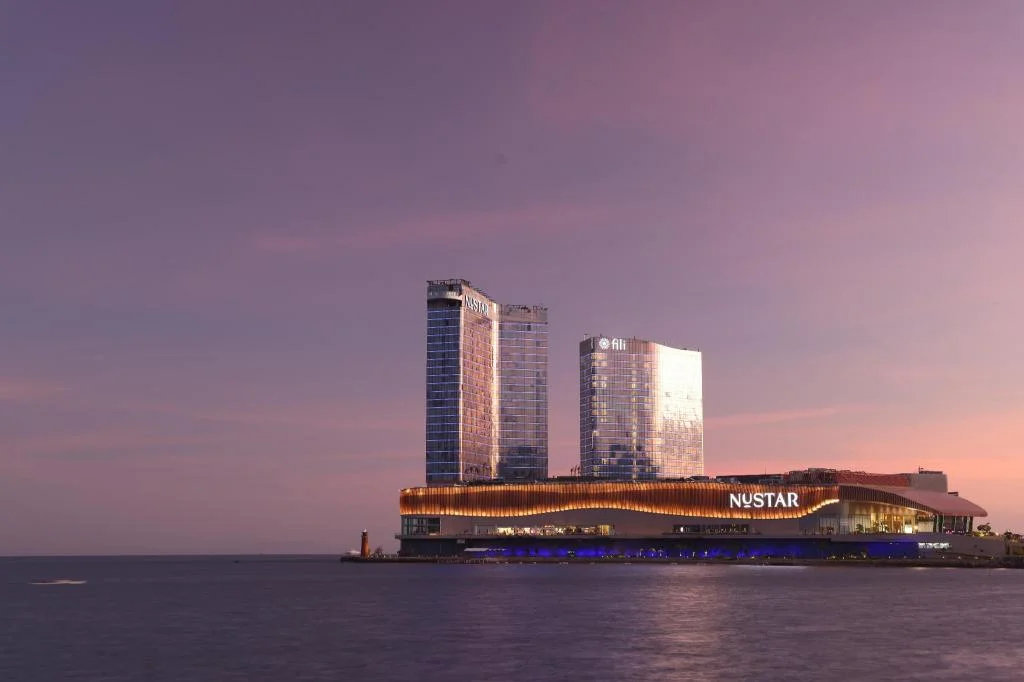
Fili Hotel - NUSTAR Resort & Casino Cebu
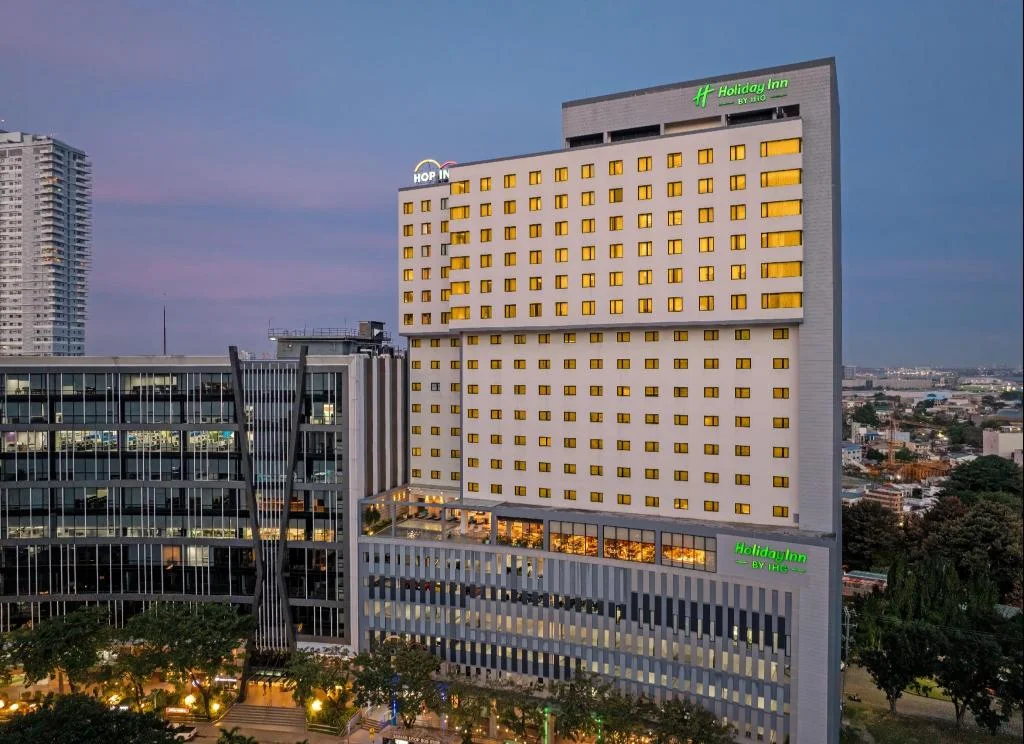
Holiday Inn Cebu City By IHG
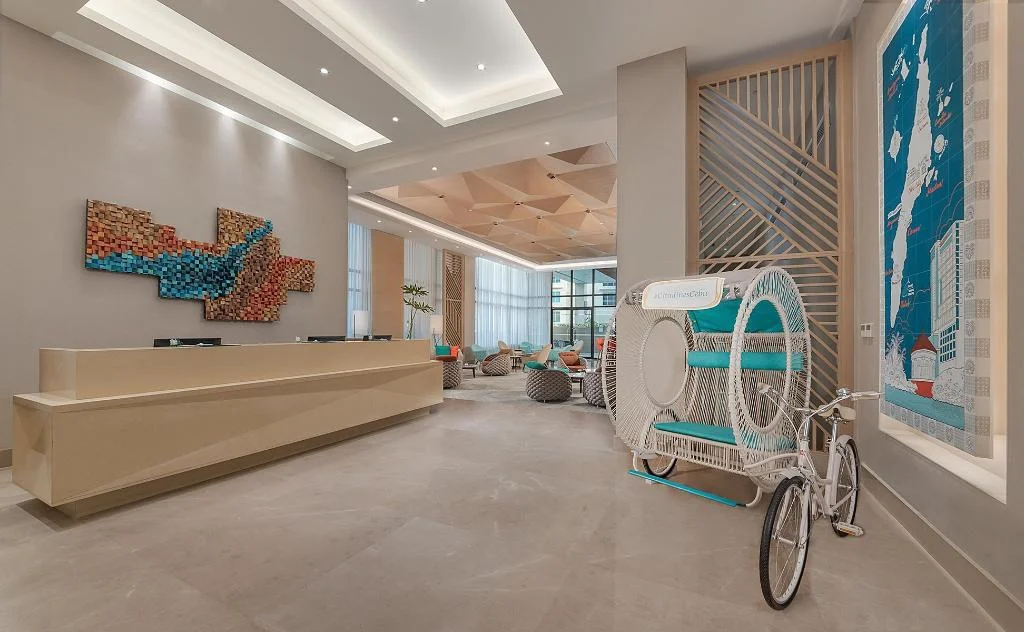
Citadines Cebu City
Prefer a rental? Vacation rentals near Cebu City
Self-catering condos and apartments — book the exact unit, kitchen included.
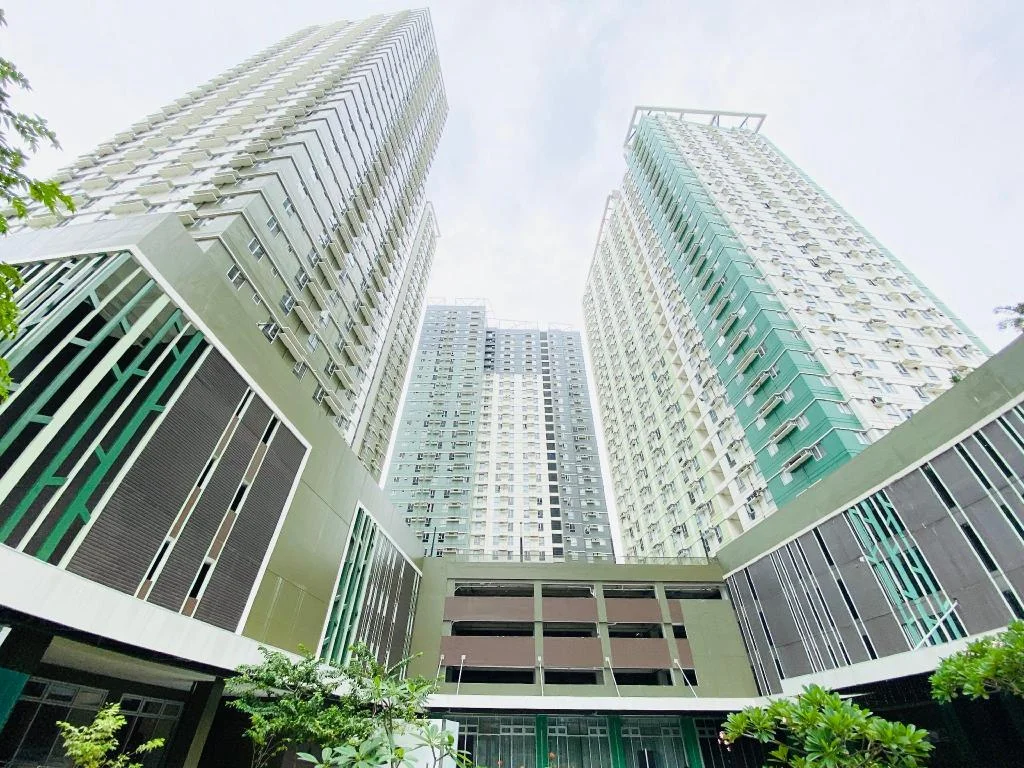
Cebu Avida Riala by P&J
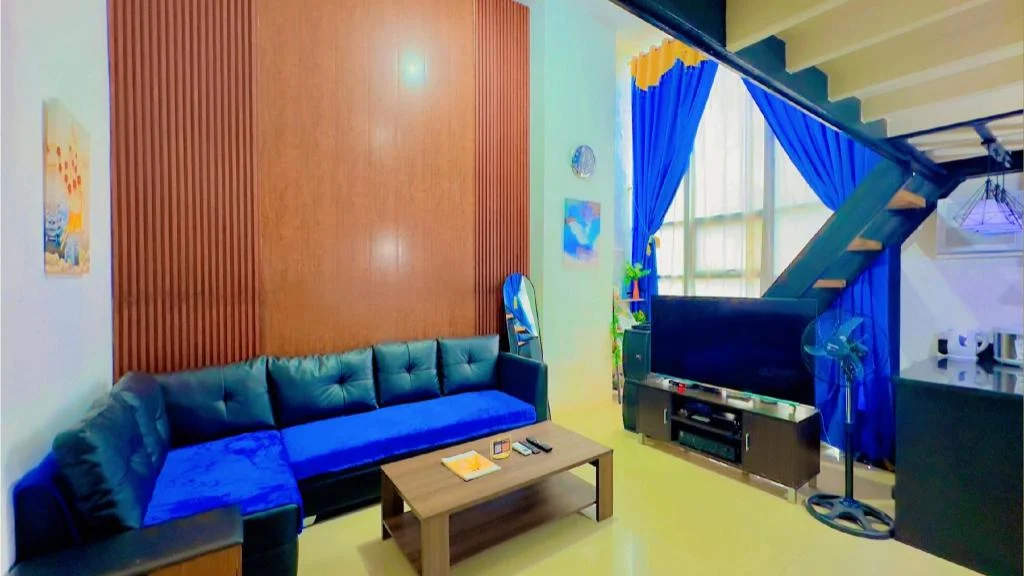
Special Big Loft Unit w/Fibreop Internet & Netflix
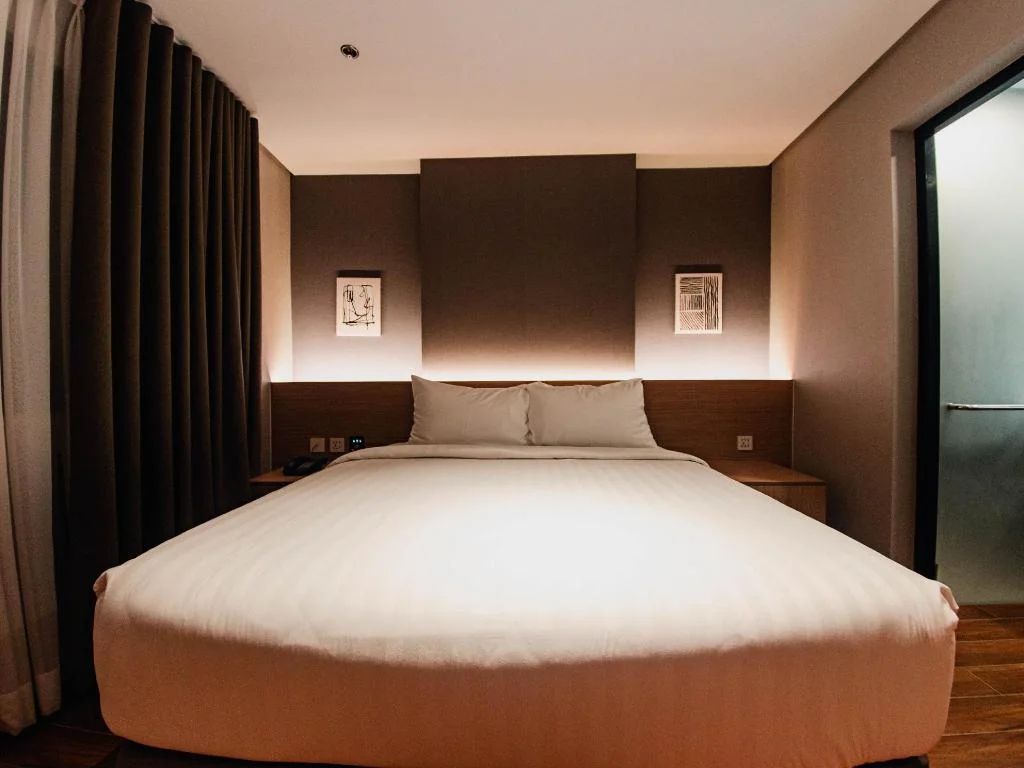
Moonstar Cebu Hotel - Deluxe Room
Before you go
Frequently asked
What exactly is 'Filipino time'?
Will my tour or boat actually leave on time?
Why is everyone late in Cebu?
Is it rude to show up late to a Filipino friend's house party?
How do I deal with slow government offices or banks in Cebu?
Do expats and long-term residents get used to this?
Does 'Filipino time' apply the same way outside Cebu City, like in Moalboal or Malapascua?
Is it okay to just call it 'Filipino time' to a local?
More Places to Explore
Temple of Leah
Cebu City
A magnificent Roman-inspired temple built as a monument of love, nicknamed 'Cebu's Taj Mahal,' offering stunning architecture and city views.
Tops Lookout
Cebu City
Cebu City's premier hilltop viewpoint offering stunning panoramic views of the city, especially spectacular at sunset and nighttime.