
TL;DR: Culture shock in Cebu follows a fairly predictable curve — a honeymoon phase of two to four weeks, a frustration dip that tends to hit around month two or three, then a climb back up as you build routines and friends. The specific triggers are consistent: Filipino time running loose for social plans but strict for flights and appointments, indirect “no” answers rooted in hiya (avoiding shame or embarrassment), noise from roosters and karaoke, heat that makes 2 PM outdoor plans a mistake, traffic that turns 5 km into 45 minutes, and staring or “Hey Joe” shouts that are almost always friendly curiosity, not hostility. None of it is unique to you — every long-stayer hits some version of this list. Verified July 2026.
Every guide to Cebu will tell you about the beaches and the lechon. Fewer tell you about the Tuesday three weeks in when you’re stuck in traffic in 34°C heat, a rooster has been going since 4:30 AM, and the guy who was supposed to fix your aircon said “yes, later” four days ago and never came back. That’s culture shock, and it happens to almost everyone who stays in Cebu longer than a two-week holiday — expats, digital nomads, balikbayans, even Filipinos moving from Manila. This guide is for anyone settling in for weeks or months rather than days: what actually trips people up, why it happens, and what genuinely helps. If you’re just visiting the sights, start with the Temple of Leah and Tops Lookout instead — this one is for the adjustment period that comes after the honeymoon photos.
The Adjustment Curve, at a Glance
| Stage | Typical timing | What it feels like |
|---|---|---|
| Honeymoon | Week 1–3 | Everything is new and charming; you forgive the quirks easily |
| Frustration | Month 2–3 (can start earlier) | Small annoyances stack up; homesickness and irritability peak |
| Adjustment | Month 3–5 | You’ve built workarounds and routines; things stop feeling personal |
| Acceptance | Month 4–6+ | Cebu starts to feel like home rather than an extended trip |
The curve isn’t a straight line — a bad week can knock you back into frustration even after you’ve reached acceptance. Verified July 2026.
Why Do Filipinos Rarely Say No Directly?
It’s not evasiveness — it’s hiya, the deep-rooted discomfort with causing shame or embarrassment, to either party. A flat “no” can feel confrontational or rude in Filipino culture, so it gets softened into “maybe,” “we’ll see,” “it’s a bit difficult,” or a vague smile. If a contractor says “yes, I’ll be there tomorrow” and doesn’t show, that’s often not a lie in the way you’d read it back home — it’s an unwillingness to give you a hard “no” in the moment.
The adjustment isn’t to stop trusting anyone — it’s to learn the vocabulary. “Medyo mahirap” (that’s a bit hard) usually means no. “Sige, tignan natin” (okay, let’s see) is noncommittal, not a yes. Directness gets easier with people you know well; with vendors, landlords, or contractors you’ve just met, read between the lines and build in buffer time for anything time-sensitive.
Is “Filipino Time” Really a Thing?
Yes, for social plans — no, for anything with a fixed departure. Meet a friend for coffee at 3 PM and a 3:20 or 3:30 arrival is completely normal and not considered rude. That same looseness does not apply to flights out of Mactan-Cebu International Airport, ferries, medical appointments, or most business meetings — those run on a stricter clock, and showing up “Filipino time” to a ferry departure will get you left at the dock.
The mistake newcomers make is applying one rule everywhere — either being furious when a friend is 25 minutes late to dinner, or assuming they can stroll into a 9 AM visa appointment at 9:20. Learn which category a plan falls into and adjust your own expectations accordingly, rather than fighting the culture on it.
Why Does Everything at Government Offices Take So Long?
Because Philippine bureaucracy runs on paper trails, queues, and multiple signatures, and it hasn’t fully caught up to the pace of other systems. Visa extensions at the Bureau of Immigration, barangay clearances, and similar errands can eat half a day even when the actual paperwork takes ten minutes. The waiting is the process.
What helps: go mid-week mornings and avoid Mondays, Fridays, and the days around holidays, when queues are longest. Bring extra photocopies of everything — requirements vary slightly office to office and nobody will photocopy for you on the spot. For visa extensions specifically, more of the process has moved online in 2026, letting you avoid the office entirely for straightforward renewals — worth checking before you plan a trip in person. Build in a buffer day before any deadline; “it should only take an hour” is the sentence that ruins people’s afternoons here.
Why Is It So Loud, Especially at Night and Early Morning?
Cebu is a genuinely noisy place by most Western or East Asian standards, and there’s no fully quiet neighborhood. Roosters start well before dawn and don’t care that you don’t own one — a neighbor two lots over does. Karaoke (videoke) is a beloved pastime that can run late on weekends, especially around fiestas. Add tricycles, jeepneys, and construction, and total silence is not really on offer anywhere in Metro Cebu.
Earplugs and a white-noise app are the two cheapest fixes, and long-stayers swear by both. If noise is a dealbreaker, ask specifically about neighboring roosters and videoke bars before signing a lease — “quiet street” from a landlord and “quiet street” from someone who’s lived there don’t always match.
How Do You Deal With the Heat?
Structure your day around it instead of fighting it. Cebu sits close to the equator, and midday heat plus humidity make anything strenuous between roughly 11 AM and 3 PM miserable and genuinely a little risky if you’re not used to it yet. Locals plan outdoor errands, hikes, and market runs for early morning or after 4 PM, and treat midday as indoor or air-conditioned time by default.
Hydration matters more than people expect — plain water, not just iced coffee, and more of it than you’d drink at home. It typically takes several weeks of consistently living in the heat before your body stops treating every walk outside as a minor ordeal; that’s normal, not a sign something’s wrong.
Is Traffic Really as Bad as People Say?
Yes, particularly on the Cebu City–Mandaue–Mactan corridor during rush hour, when a 5-kilometer trip can take 45 minutes to over an hour. Traffic is one of the most consistently cited frustrations among people who’ve relocated here, and it’s a bigger factor in day-to-day quality of life than most newcomers expect before they arrive.
The workaround most long-stayers land on is location: living closer to work or the areas you actually use cuts commute pain dramatically, which is why neighborhoods like Banilad, IT Park, and parts of Mactan are popular with people who work locally. If you can’t relocate, build travel-time buffers into your schedule and treat “on time” as leaving earlier than the map suggests, especially in wet weather.
Why Do People Stare, and What’s “Hey Joe” About?
Curiosity, not hostility, in the overwhelming majority of cases. In Cebu City malls and tourist zones like Mactan, staring is brief and mild. Head into smaller towns or rural barangays and it can last longer and come from kids who are genuinely fascinated — you may be one of the first foreigners they’ve seen outside a screen.
“Hey Joe” traces back to American GIs nicknamed “Joe” around World War II, and it’s stuck as a catch-all greeting for foreigners regardless of nationality. Most people who shout it mean it as a friendly, if slightly cheeky, hello. It reads differently to different visitors — some find it charming, others find it grating after the tenth time in a day — but reacting with visible annoyance tends to draw more attention, not less. A wave or a smile back closes the loop fastest.
How Do You Bargain Without Overdoing It?
Haggling (tawad) is expected at wet markets, tiangges, and souvenir stalls — not at malls or anywhere with a printed price tag. A realistic target is a 10-20% discount off the first quoted price; opening with a demand for 40-50% off tends to get you a flat “no” or a tired look rather than a negotiation. Staying friendly matters more than being aggressive — a smile and a soft “wala na bang bawas?” (no more discount?) goes further than a hard bargaining stance.
Buying more than one item, becoming a regular at a stall (a “suki”), and shopping toward closing time when vendors want to clear stock all tend to get better prices than pure negotiating tactics. If a price feels unfair, walking away calmly is usually more effective than arguing over a few dozen pesos.
What About Homesickness?
It’s normal, it tends to spike around the frustration stage (roughly month two to three), and it’s rarely about Cebu itself — it’s about the absence of your normal support system. Video calls on a schedule, a small routine that’s entirely yours (a gym, a café, a Sunday habit), and at least one or two local friends outside your nationality bubble are what most long-stayers point to as what actually helped, more than any single trip home.
It’s also fine to admit some things just don’t get easier — missing specific foods, specific people, specific seasons. The goal of adjusting isn’t to stop missing home; it’s to build a life in Cebu solid enough that missing home stops being the main thing you feel every day.
The Honest Take
Culture shock in Cebu is real, common, and mostly predictable — almost everyone who stays gets some version of the traffic-heat-noise-bureaucracy combination, and almost everyone comes out the other side within a few months. The parts that are physical (heat, traffic, noise) don’t really go away; you build your schedule and your neighborhood choice around them instead. The parts that are cultural (indirect communication, Filipino time, staring) genuinely do get easier, because they stop feeling personal once you understand where they come from.
Where people get stuck is isolation — working from home, avoiding the discomfort of new social situations, and not building any local routine. Where people get through it fastest is the opposite: saying yes to invitations even when they’re mildly outside your comfort zone, learning a little Cebuano, and giving it the honest four-to-six-month runway before deciding whether Cebu works for you long-term. If you’re weighing whether to stay past a few months, our pros and cons of living in Cebu guide covers the bigger-picture trade-offs.
Settling In Faster
A few small habits speed up the adjustment curve: build a routine around the heat rather than fighting it, learn to read a soft “no,” and pick a neighborhood based on your actual commute, not just rent. For the language side of things, understanding Filipino time and the local pace and Cebu’s local etiquette and customs go deeper into the day-to-day norms this guide only sketches. And once the basics settle, our Cebuano culture and customs primer is worth a read for the history behind a lot of what you’ll notice day to day.
If you’re still deciding where to base yourself while you adjust, compare long-term rentals and short-stay condos on Agoda — a location close to work or your daily routine will do more for your first few months than almost anything else on this list.
Sources
- Expat Exchange — Culture Shock in Philippines
- Expat Arrivals — Local Culture in the Philippines
- Cultural Atlas — Filipino Culture: Communication
- Live in the Philippines — “Hey Joe”
- Bureau of Immigration Philippines — eServices
- MoneyMax — How to Bargain: Negotiation Tactics
- Participate Learning — The 4 Stages of Culture Shock
- General adjustment patterns and neighborhood/traffic notes cross-checked against current Cebu expat forum discussion (Expat.com, Expat Exchange). Verified July 2026.
Book Tours & Hotels for This Trip
Find and book the best deals — prices and availability update in real time. Links open in a new tab.
Where to stay near Cebu City
Top-rated hotels for this trip — tap through to check live rates.

Seda Central Bloc Cebu City
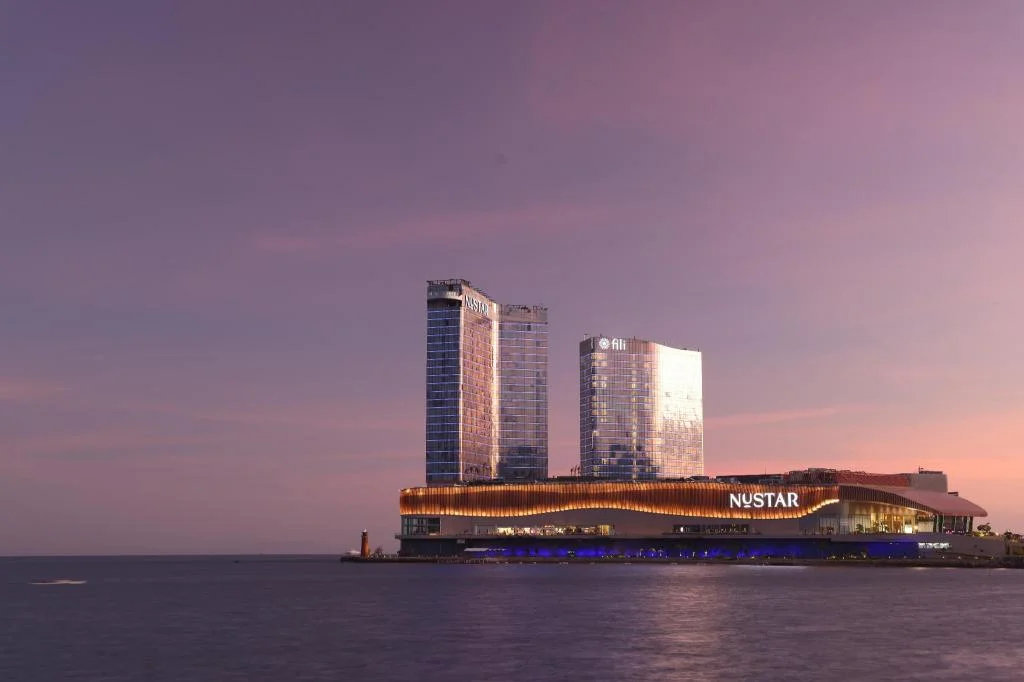
Fili Hotel - NUSTAR Resort & Casino Cebu
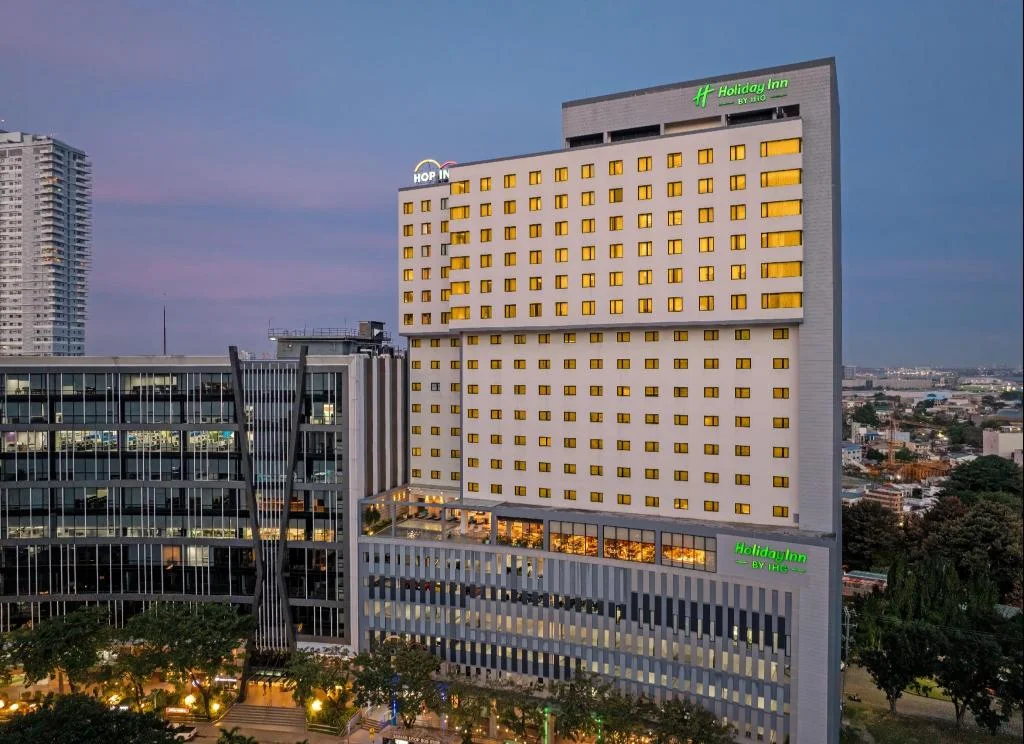
Holiday Inn Cebu City By IHG
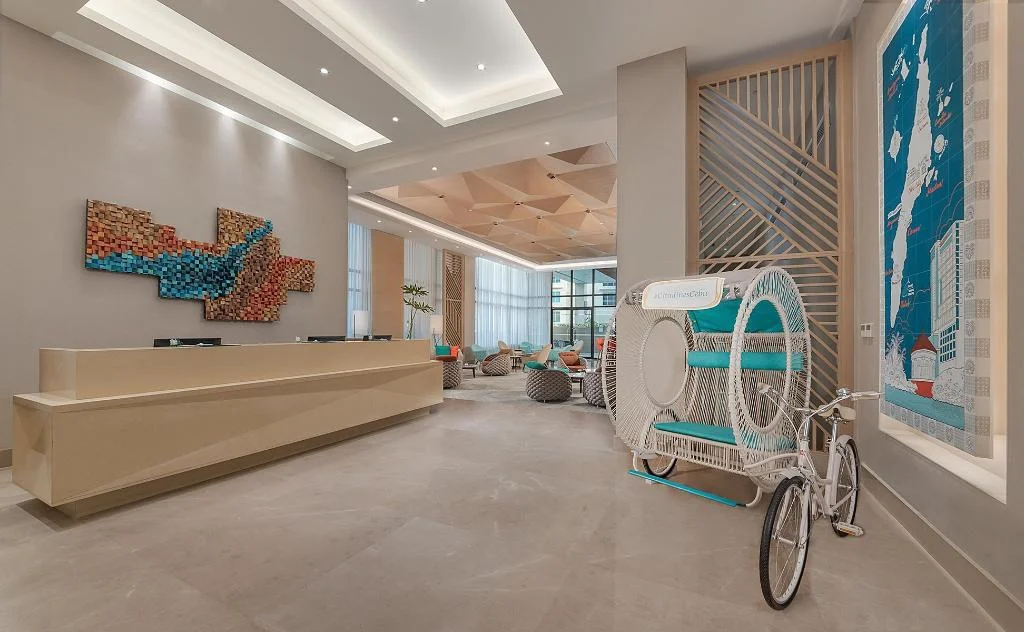
Citadines Cebu City
Prefer a rental? Vacation rentals near Cebu City
Self-catering condos and apartments — book the exact unit, kitchen included.
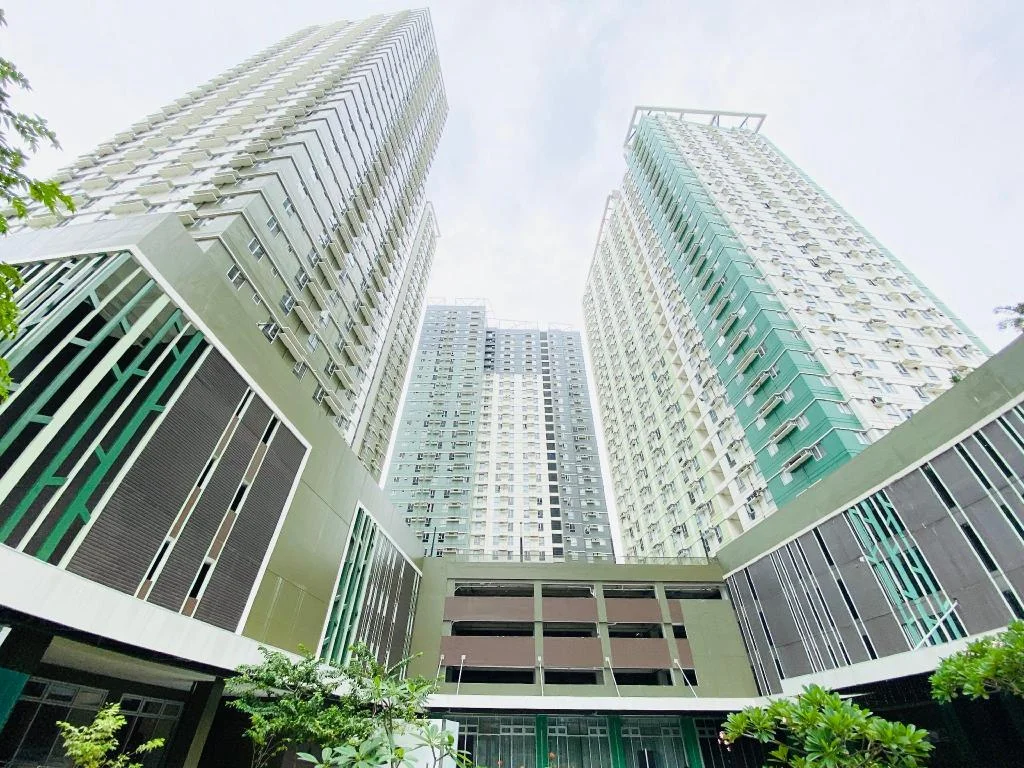
Cebu Avida Riala by P&J
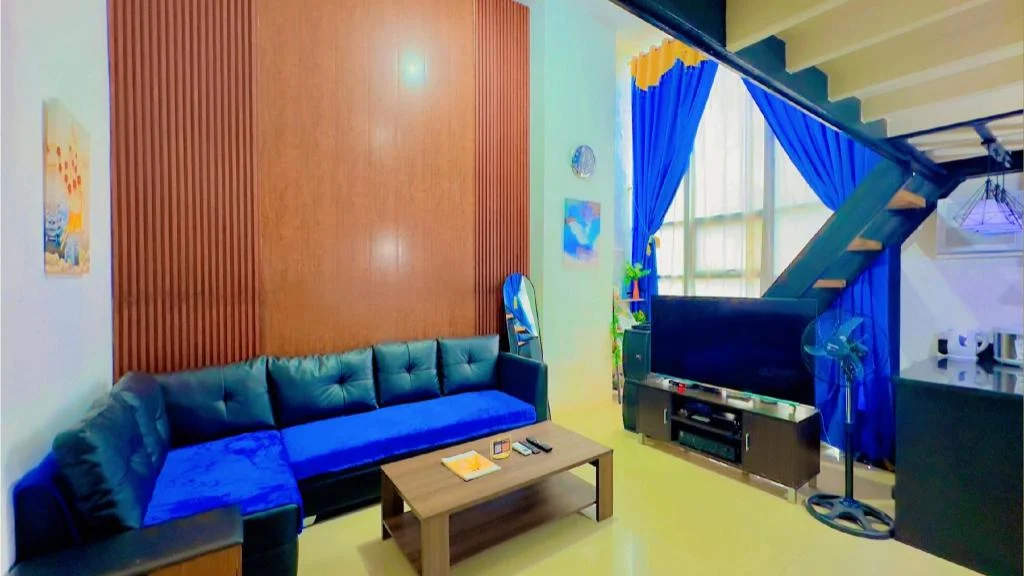
Special Big Loft Unit w/Fibreop Internet & Netflix
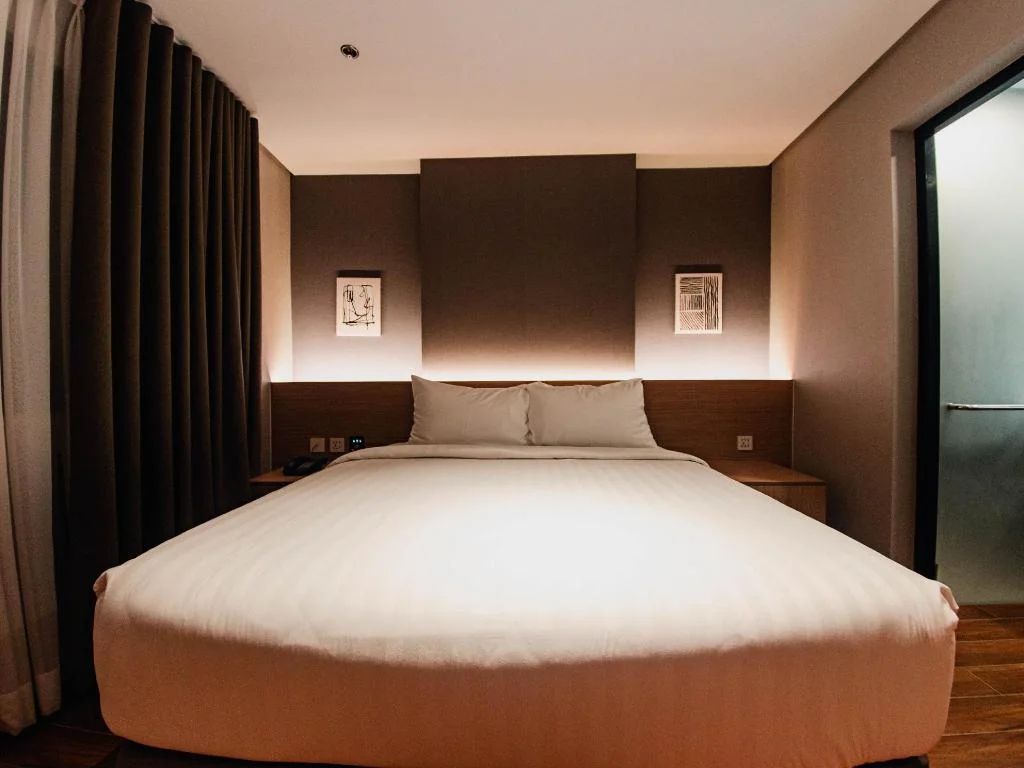
Moonstar Cebu Hotel - Deluxe Room
Before you go
Frequently asked
How long does culture shock in Cebu usually last?
Why do Filipinos rarely say no directly?
Is 'Filipino time' really a thing?
Is it rude that people stare at foreigners in Cebu?
What does 'Hey Joe' mean and how should I respond?
How much can you actually haggle in Cebu markets?
What's the single hardest thing for newcomers to adjust to in Cebu?
Does everyone in Cebu speak English?
More Places to Explore
Temple of Leah
Cebu City
A magnificent Roman-inspired temple built as a monument of love, nicknamed 'Cebu's Taj Mahal,' offering stunning architecture and city views.
Tops Lookout
Cebu City
Cebu City's premier hilltop viewpoint offering stunning panoramic views of the city, especially spectacular at sunset and nighttime.